

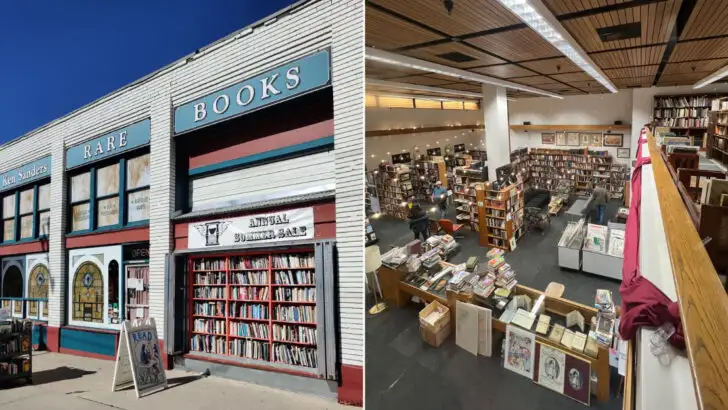
Step inside, and get ready to lose track of time. Ken Sanders Rare Books isn’t just a bookstore—it’s a playground for anyone who lives for the smell of old paper and the thrill of a hidden gem.
Every corner is stacked high with shelves that seem to stretch forever, each one whispering promises of stories you didn’t even know you were looking for. First editions, rare prints, forgotten classics—they’re all waiting for the brave, the curious, and the slightly obsessed.
You’ll find yourself wandering down narrow aisles, flipping through pages, and discovering worlds you never expected to stumble upon. Hours vanish while your fingers trace the spines of books that have lived lifetimes before you.
By the time you leave, your arms are full, your mind is buzzing, and your heart is secretly hoping you can come back tomorrow. Ken Sanders isn’t just a bookstore—it’s a love letter to every reader who has ever dreamed big.
Essential first look: layout, vibe, and what to expect
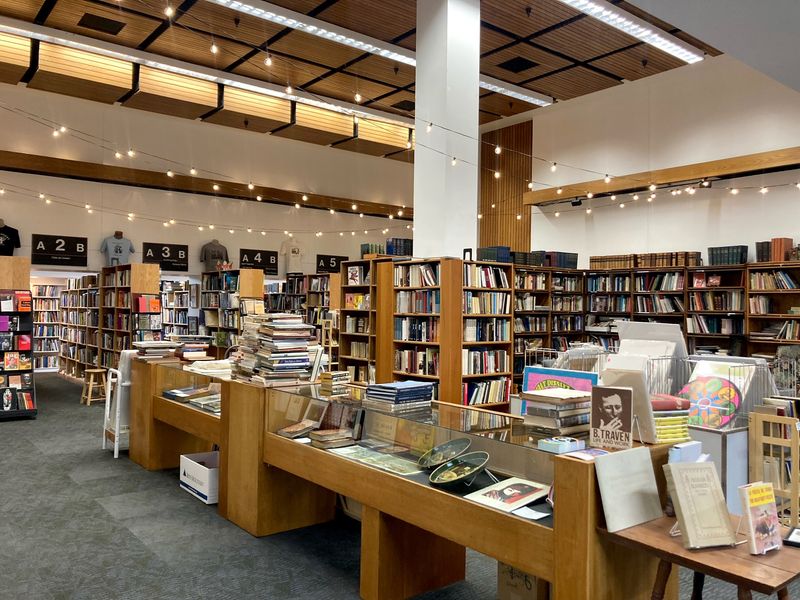
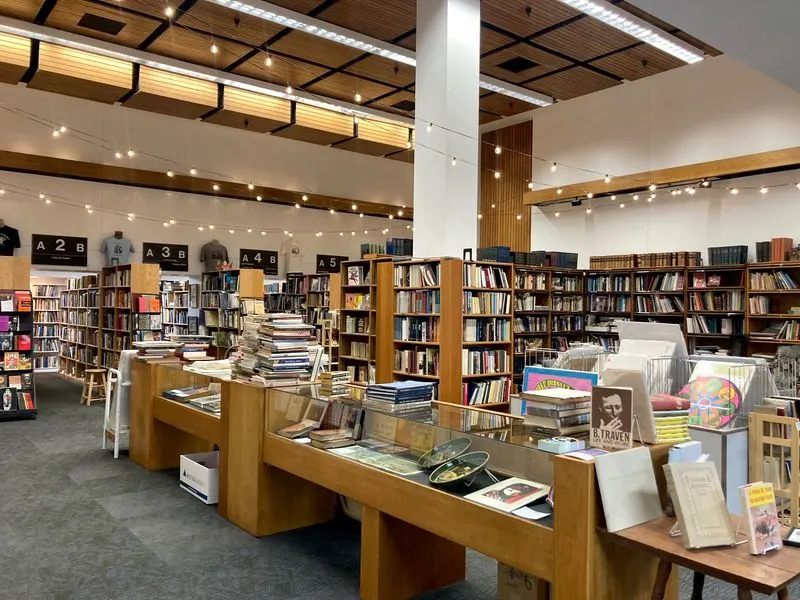
Step through the door and you immediately feel that particular hush that only a book lover recognizes. The shelves rise high and tight, creating winding aisles that encourage slow movement and sudden discoveries.
Lighting is warm and a little nostalgic, throwing soft shadows that make the spines glow.
You will notice eclectic decor, framed prints, and vintage maps that hint at the shop’s roots in regional history and rare ephemera. It is not precious or overly staged, just lived in and thoughtfully arranged.
Every table display invites a pause and a quick flip through something unexpected.
The ground floor mixes new and used titles with curated themes, while tucked corners lead to specialized sections. The rare books room adds intensity, asking you to handle treasures with care.
You feel guided by an invisible hand, thanks to intuitive organization and smart signage.
Expect friendly check ins from staff who know the difference between browsing and being interrupted. If you want a nudge, ask for it, because recommendations here often become favorites.
Plan on staying longer than you think. This place rewards lingering, second looks, and the patience to let the right book find you.
Rare room highlights and handling etiquette
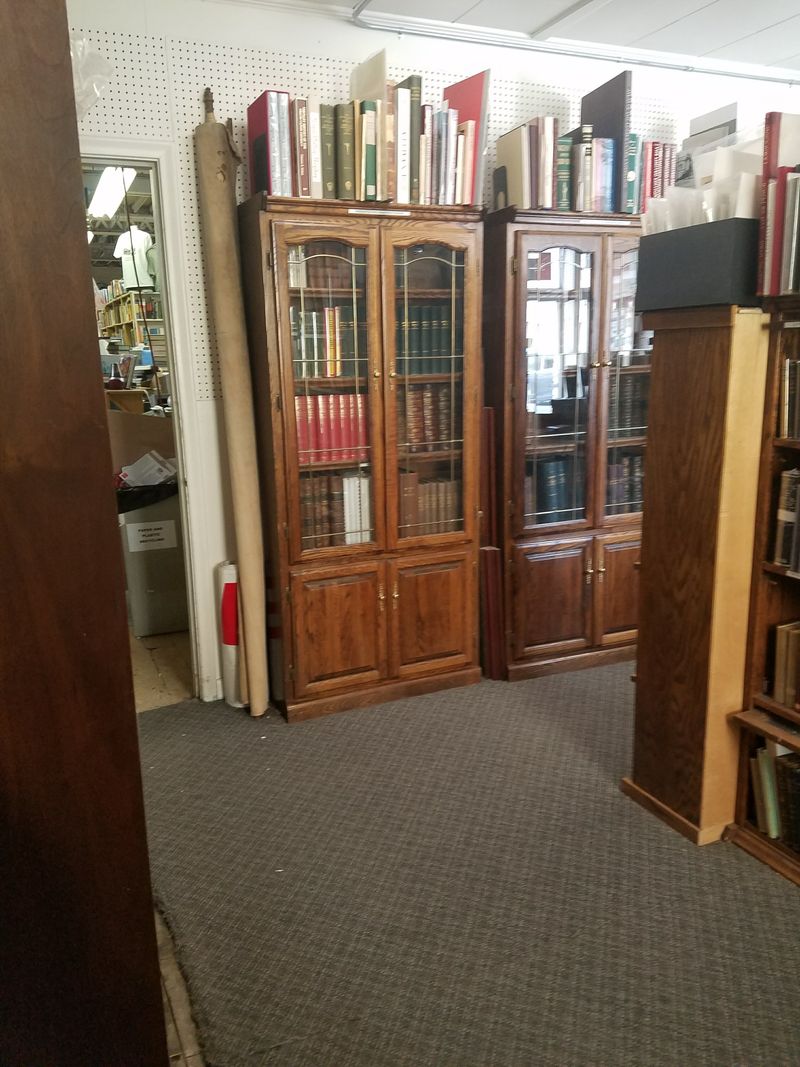
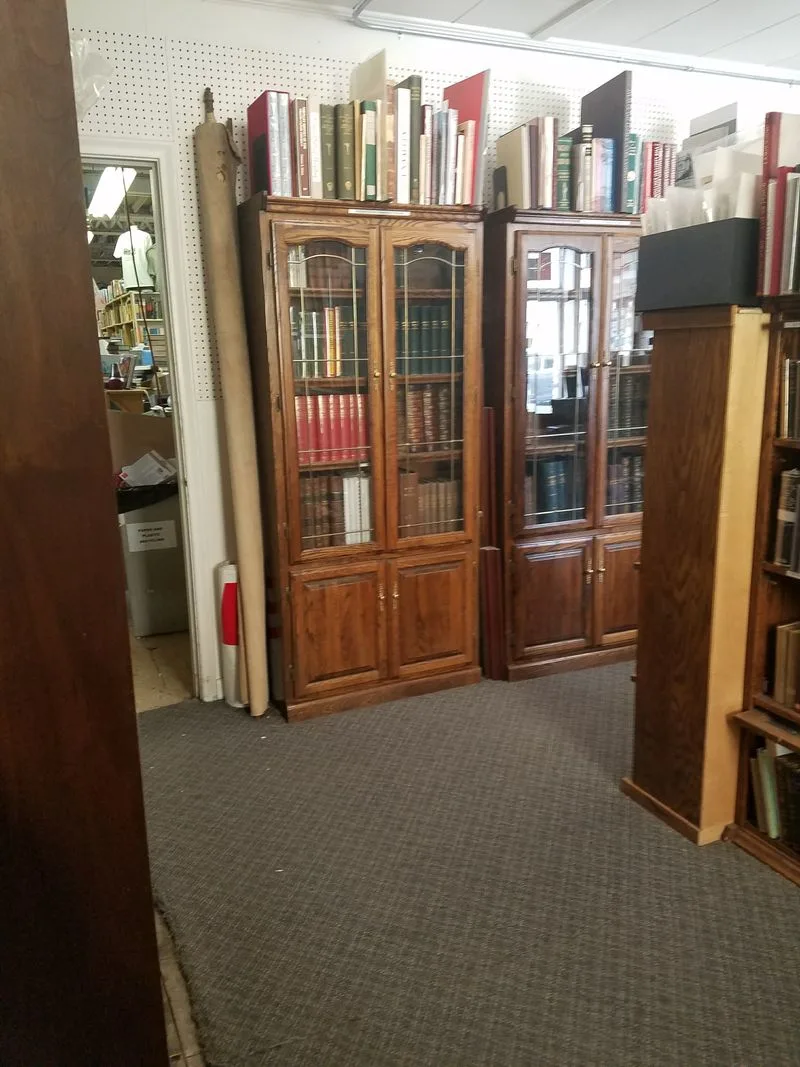
The rare room feels like a chapel for readers. Glass cases display leather bound first editions, signed copies, and regionally significant works that make your pulse quicken.
Prices reflect scarcity and condition, but even window shopping feels satisfying.
When you want a closer look, the staff makes access easy and respectful. Ask politely, name the title, and they will guide you through safe handling.
It is normal to use a cradle, keep clean hands, and avoid pressing spines flat.
Condition notes here are detailed, with provenance when available. You will see careful jackets, mylar wraps, and crisp catalog cards that document the book’s story.
If you collect, bring your wishlist and questions about editions, points, and value.
Take your time, read the colophons, and compare states. You can snap reference photos if you ask first, especially for inscriptions and binding details.
Even if you do not buy, you leave better educated about what makes a book rare. That knowledge alone is worth the visit, and it might save you from costly mistakes later.
Basement adventures: Utah, LDS, and Western history
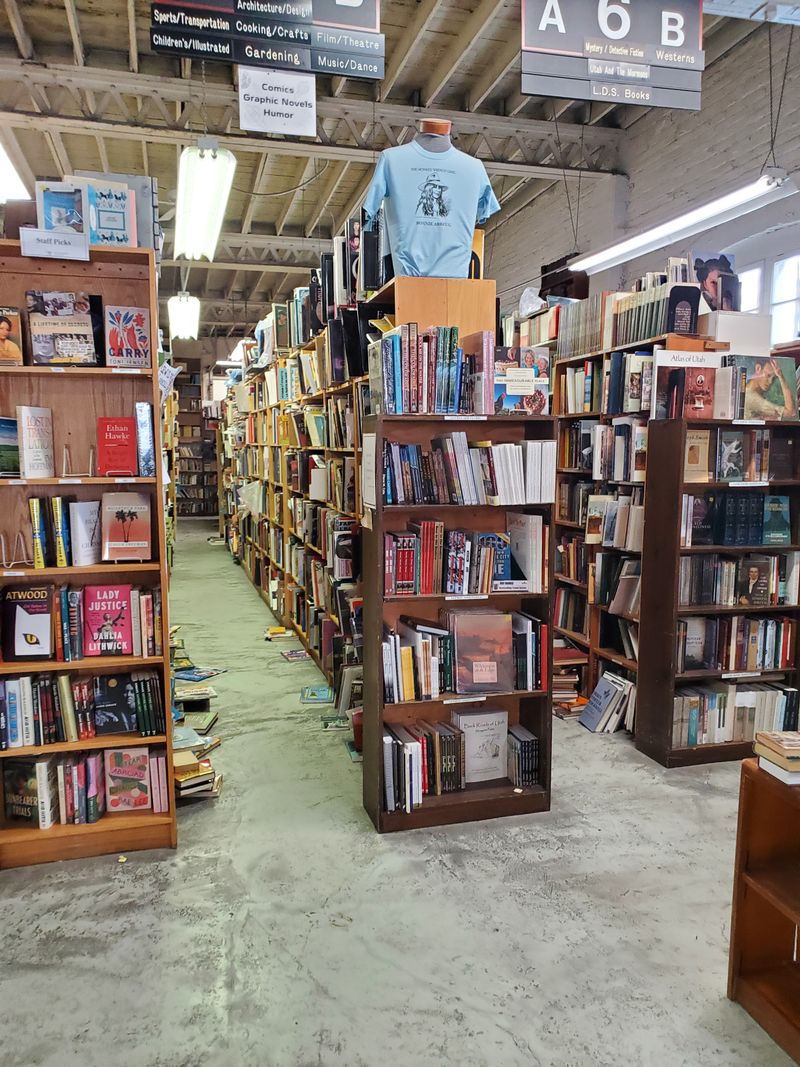
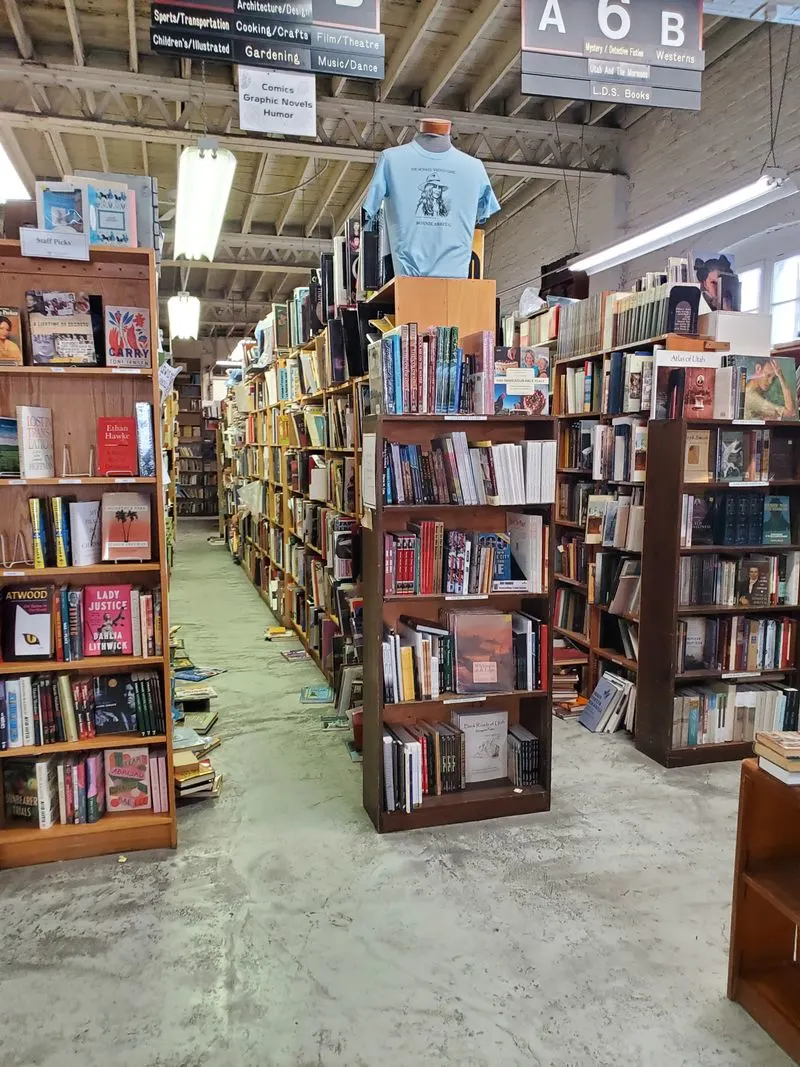
Head downstairs and the scope broadens dramatically. You will find rows dedicated to Utah history, LDS studies from many perspectives, and Western expansion narratives that complicate old myths.
The atmosphere is cooler, the aisles a bit tighter, and the thrill of discovery higher.
Maps and prints lend texture to the collection. You might uncover a county atlas, trail maps, or pioneer diaries that illuminate place through firsthand voices.
Expect a mix of academic presses, memoirs, community histories, and out of print gems.
If you are researching genealogy or local lore, this is fertile ground. Bring names, dates, and townships, and ask for help triangulating sources.
Staff can suggest cross references, including period newspapers, pamphlets, and ecclesiastical histories.
Be patient with the density and enjoy the hunt. The best finds often sit one shelf higher than you first look.
Keep notes on your phone and stack potential purchases to revisit before checkout. Even casual browsers emerge with a sharper sense of Utah’s layered past, plus a book or two that only appears in places like this.
Staff expertise and how to ask for the perfect recommendation
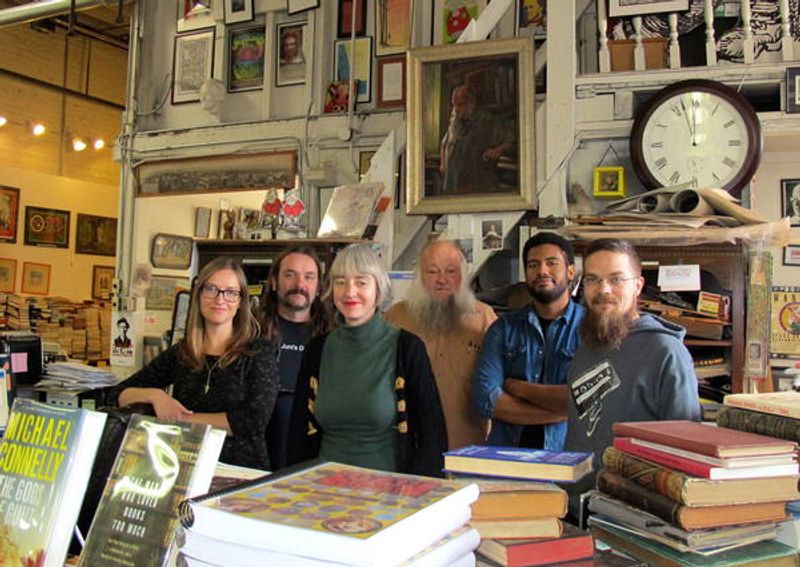
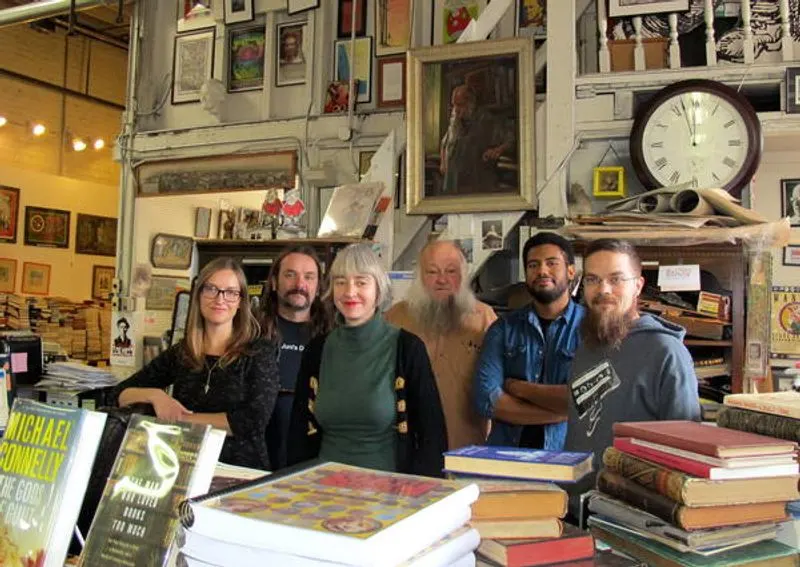
The staff at Ken Sanders Rare Books is knowledgeable without being pushy. When you want a suggestion, try leading with mood, recent favorites, or a subject you cannot quite name.
You will get a conversational, thoughtful response rather than a sales pitch.
Look for staff pick shelves and handwritten notes tucked into spines. These micro reviews are gold for narrowing choices quickly.
If you collect, ask about new arrivals and uncataloged stock waiting in the back.
For research, share your scope, time frame, and level of depth. You will often get a short reading path, like three titles that go from introductory to advanced.
They may also recommend adjacent categories you did not consider.
Questions about condition, pricing, or editions are fair game. The team respects budgets and can steer you to comparable copies.
If you need to hold a stack while you keep browsing, just ask. The human touch is part of the magic here, and it turns a good visit into a great one.
Events, signings, and the cultural heartbeat
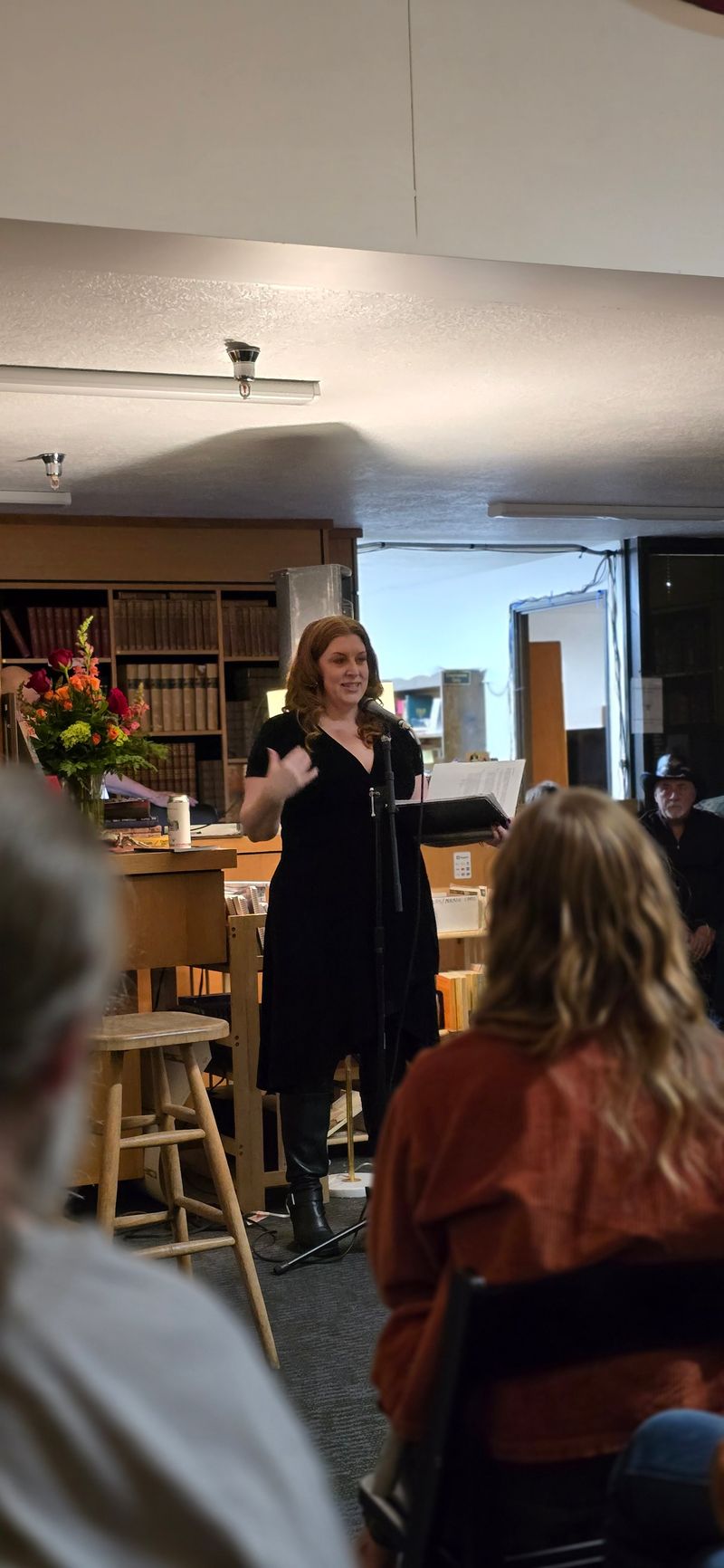
Events at this shop feel intimate and unhurried. Chairs tuck into aisles between high shelves, and the microphone carries just enough to reach the back.
You can show up a little early to browse and still snag a good seat.
Expect author readings, poetry nights, and talks that lean toward history, regional voices, and arts community topics. The calendar ebbs and flows, so check the website and socials.
Signings usually include time for quick conversations and inscriptions.
These gatherings create a sense of place. You meet people who read deeply and care about the same quirky subjects you do.
It is easy to leave with new titles and a few new friends.
If you are shy, stand near the staff picks table and ease into chats. Ask what the speaker recommends next or which edition to buy.
Support the store by purchasing from the event stack. Your receipt helps sustain a rare cultural heartbeat in the city.
Navigating organization and making the most of tight aisles
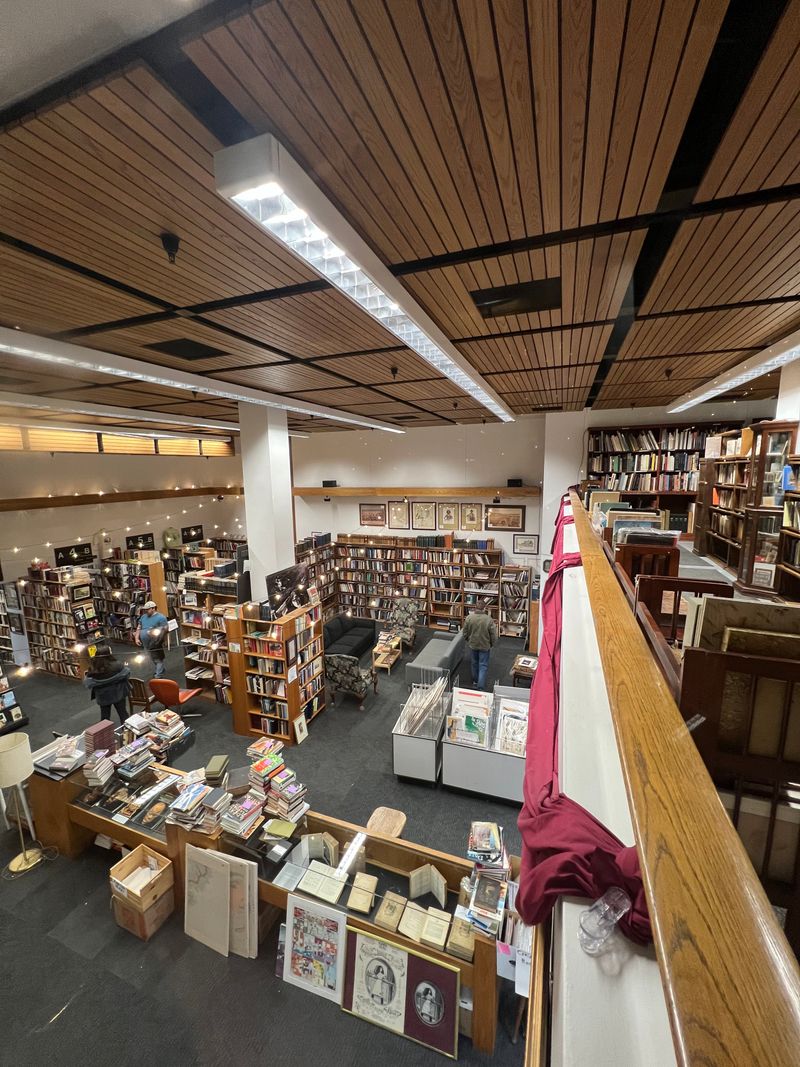
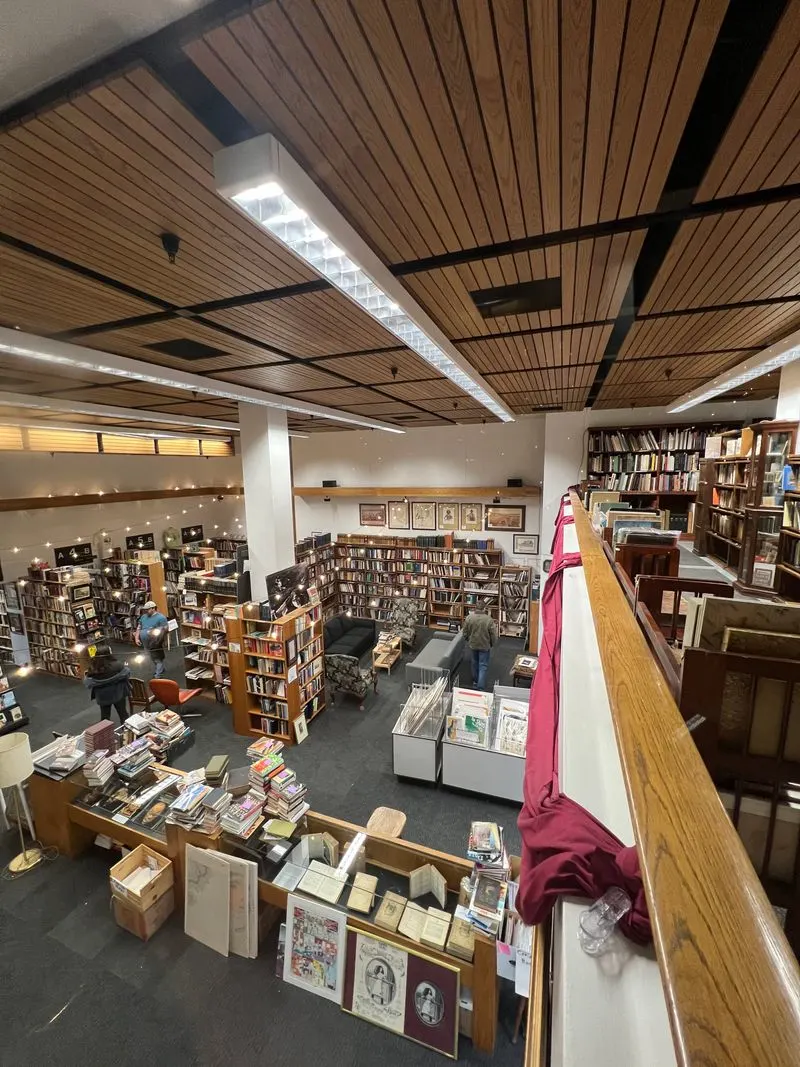
The organization here feels intuitive once you settle into the rhythm. Major categories are clear, but subsections can be delightfully idiosyncratic.
Let the signage guide you, then scan spines slowly and backtrack often.
The aisles can be tight during peak hours. Wear a small bag, hold your stack close, and step aside with a smile when traffic funnels.
A quick sorry and a shuffle keeps everyone relaxed and browsing.
Use the front tables to park maybe piles you want to revisit. Ask staff to hold items at the counter if your arms get heavy.
If you lose a title, retrace your route and check the shelf one level above where you think it was.
Bring a short wishlist and a flexible mindset. The joy is in serendipity, not just completion.
You will likely leave with something you did not know to search for. Embrace the treasure hunt and you will understand why locals spend whole afternoons here.
Pricing, condition, and smart buying strategies
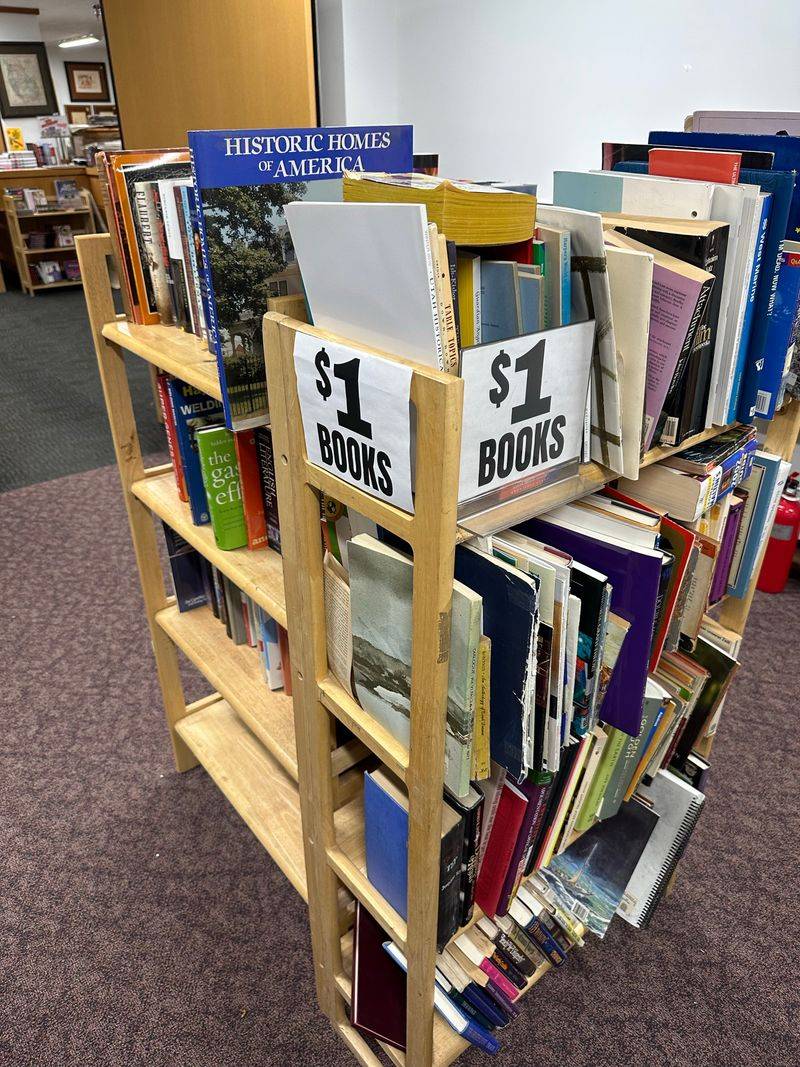
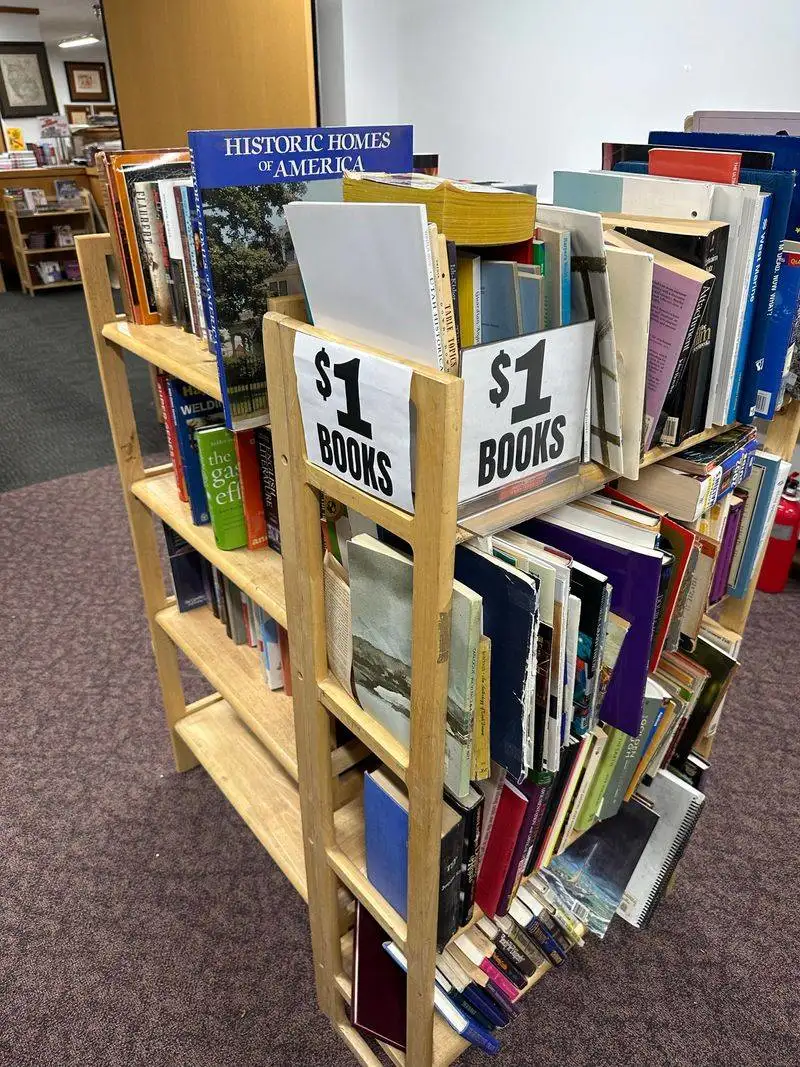
Used and rare pricing reflects condition, edition, and demand. You will see pencil notes, discreet stickers, or price slips, sometimes tucked inside.
If something is unmarked, ask and the team will check quickly.
Examine dust jackets, hinges, and page edges under good light. Mylar covers signal care and often justify a few extra dollars.
If you are deciding between two copies, weigh condition versus sentimental value or marginalia.
For budget browsing, start at the front bins and sale tables. You can also ask about slightly damaged stock or duplicates that have friendlier prices.
Building a stack under a target number becomes part of the fun.
Collectors should ask about points of issue, provenance, and return policy for higher ticket items. Get a receipt with details if you plan to insure or resell.
Thoughtful buying means you leave happy today and still proud of the shelf tomorrow. This store supports both approaches beautifully.
Practical details: hours, location, and planning your visit
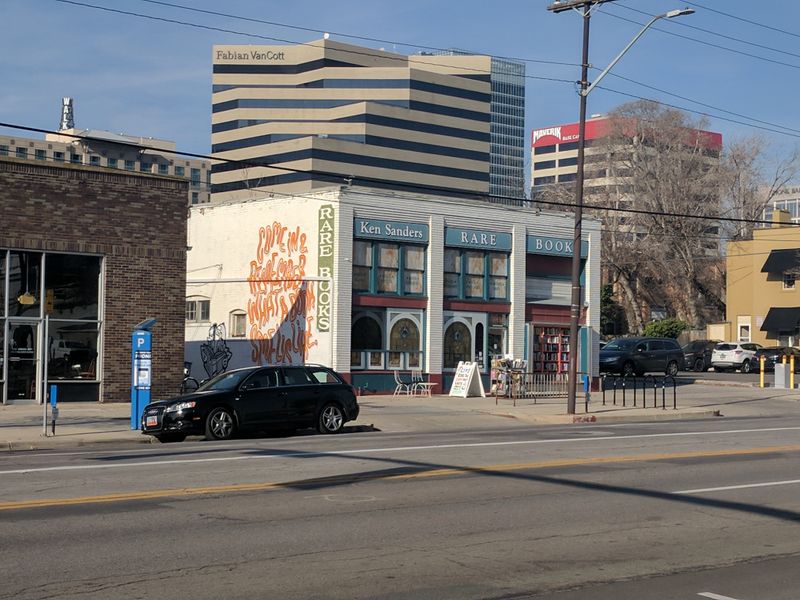
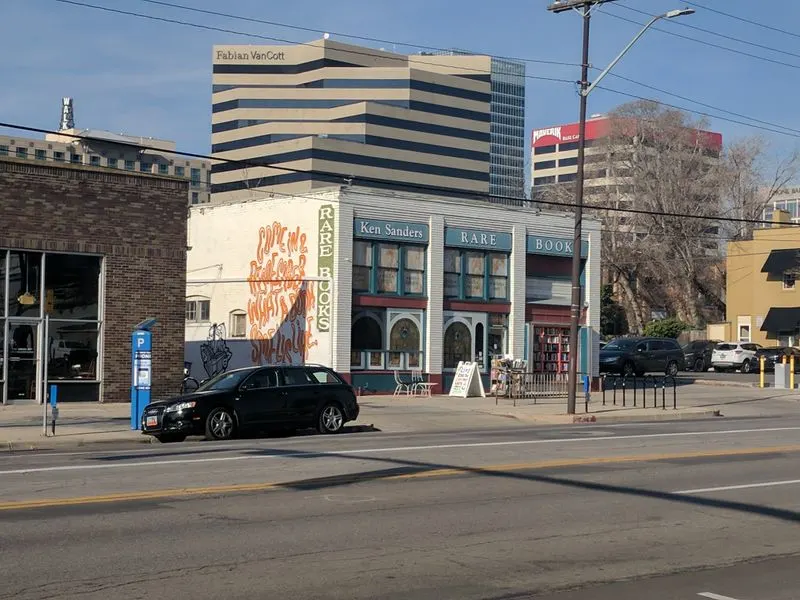
You will find Ken Sanders Rare Books at 209 E 500 S, Salt Lake City, UT 84111. It sits central enough for a quick stop between downtown errands or a dedicated afternoon browse.
Parking varies by time of day, so give yourself a buffer.
Hours currently run Tuesday through Sunday from 10 AM to 6 PM, with Monday closed. If you want a quieter experience, aim for midweek mornings.
Weekends bring a lively crowd and a buzz that many people love.
Call +1 801-521-3819 if you are chasing a specific title or want to confirm an event setup. The website at kensandersbooks.com lists updates, highlights, and occasional features.
Social feeds sometimes reveal new arrivals before they hit the cases.
Bring a tote, comfortable shoes, and a charged phone for notes. Snacks can wait until after because hands free browsing helps.
Plan a post visit coffee nearby to flip through your finds. You will leave already plotting your return.
Why this bookstore matters to Salt Lake City
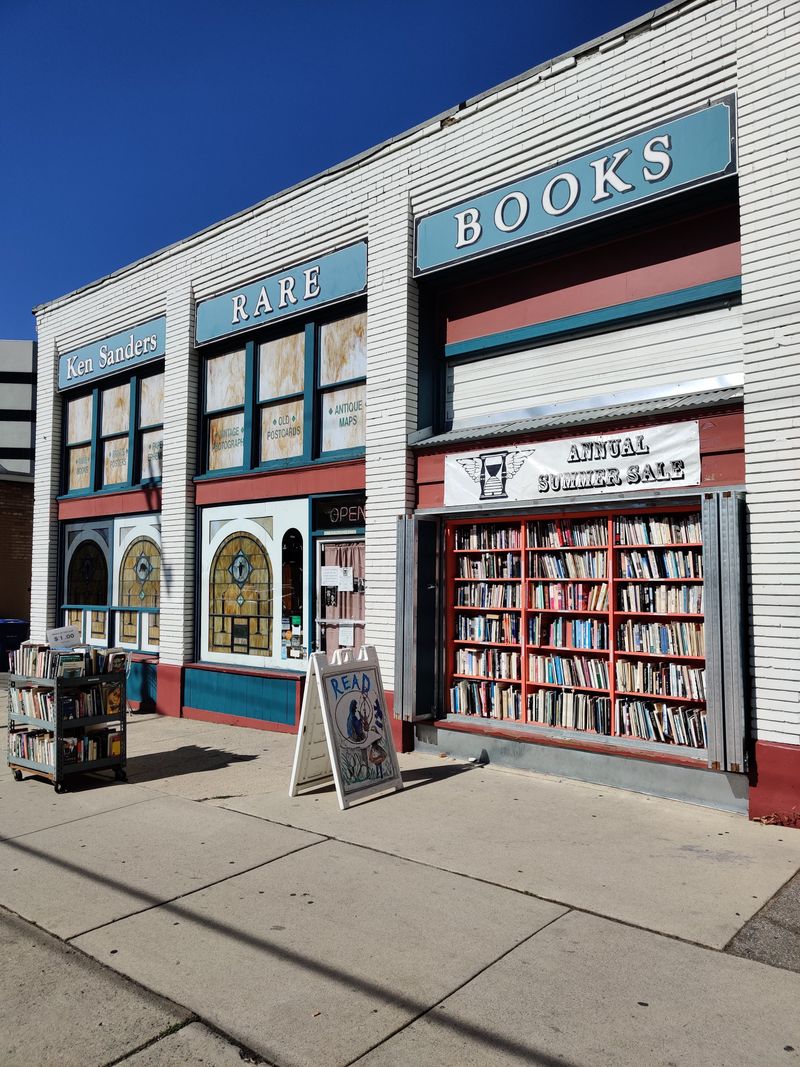
Independent bookstores build culture far beyond their square footage. Ken Sanders Rare Books carries that weight with grace, curating significance over trends and depth over volume.
The result is a space where discovery feels inevitable and personal.
Local history anchors the collection, but curiosity drives the whole experience. The staff embodies stewardship, preserving stories while helping new ones find their readers.
You feel invited into something bigger than a transaction.
In a city that sometimes leans toward sameness, this place adds color, texture, and conversation. Events gather people who might not meet otherwise, keeping literary life visible and accessible.
Visiting becomes a ritual, not just a purchase.
When you buy here, you support expertise, preservation, and community memory. That investment stays in Salt Lake City as mentorship, archives, and future discoveries.
If you love books, you will feel it the moment you walk in. And you will understand why so many call it a crown jewel.