
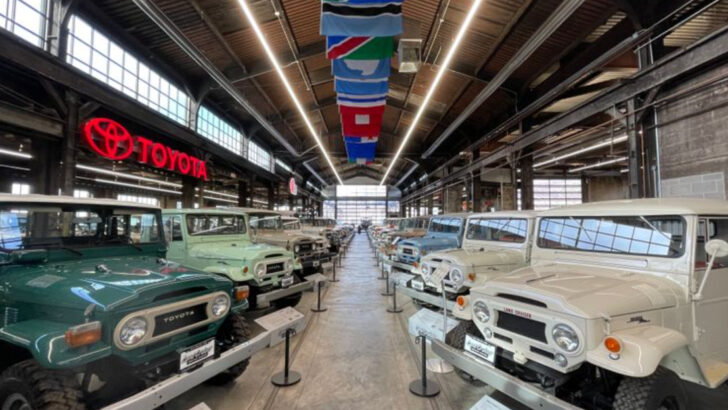
Salt Lake City hides a secret every gearhead needs on their bucket list— a shrine to one of the most legendary 4×4 machines ever built.
Step inside the Land Cruiser Heritage Museum and you’ll find over a century of Toyota’s toughest, most adventurous vehicles parked under one roof, from dusty old classics to rare global oddities that even hardcore fans have never laid eyes on.
This isn’t a quiet row of gleaming metal. It’s a living storybook of exploration, grit, and rubber‑burning history — including the very first Land Cruiser brought to the United States.
Whether you’re chasing nostalgia, off‑road legends, or the pure magic of automotive heritage, Utah’s cruiser haven grabs you by the keys and won’t let go.
Iconic Tribute to a Legendary 4×4
Walk in and you immediately feel the reverence for a machine built to go anywhere. This museum celebrates the Toyota Land Cruiser as more than transportation.
It is a living archive of engineering grit, cultural memory, and the global roads that shaped both.
You will trace the journey from bare bones utility to beloved icon, seeing how simple mechanical honesty earned trust across deserts, mountains, and jungles. Panels explain design choices that privileged durability and serviceability, not fashion.
The result is a lineage that outlasts trends and keeps rolling.
Photos, maps, and period accessories place each vehicle in real context. You will see rescue rigs, expedition mounts, and family haulers with equal dignity.
By the time you loop back to the entrance, the Land Cruiser reputation feels less like hype and more like hard‑won truth.
Extensive Historic Vehicle Collection
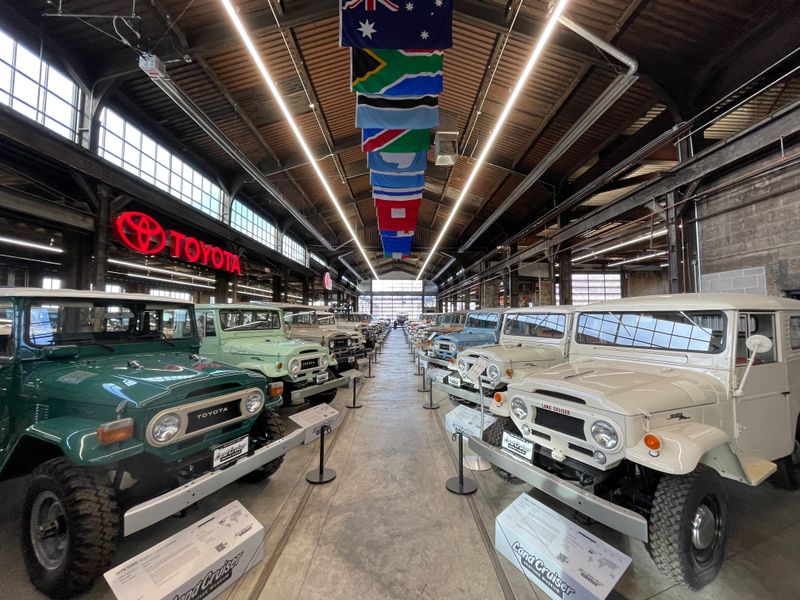
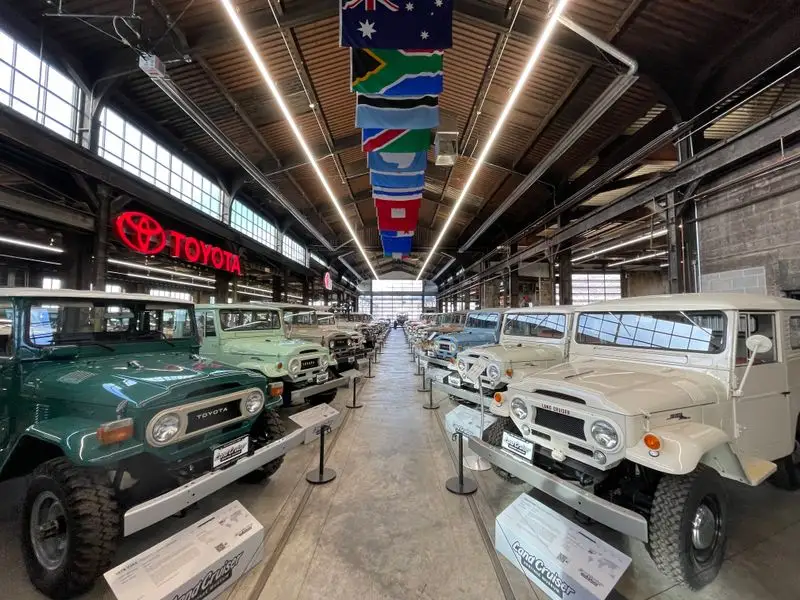
Rows of Land Cruisers stretch across the floor, each one cleanly presented and thoughtfully labeled. Early iron sits beside refined later models, showing an unbroken chain of development.
You can compare proportions, hardware, and cabin simplicity with rare access.
The 1953 BJT presence anchors the story with purposeful stance and minimal frills. Then the timeline expands into global workhorses and enthusiast favorites.
You will spot right‑hand drives, diesel variants, troop carriers, and limited editions usually seen only in books.
Rare parts and options pop out as you move closer. Subtle grille lines, hub styles, and interior materials reveal how markets shaped features.
It feels like browsing a mechanical library where every spine has traveled farther than most of us ever will.
The First Land Cruiser Sold in the U.S.
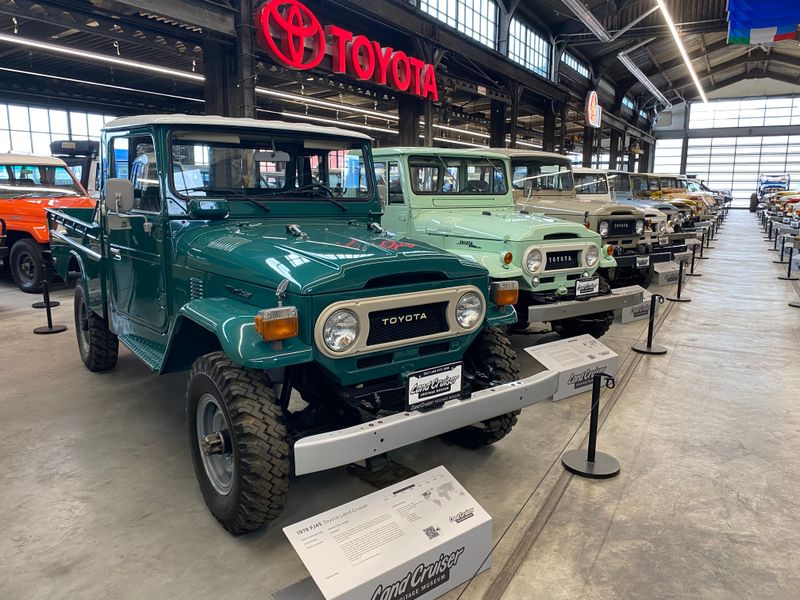
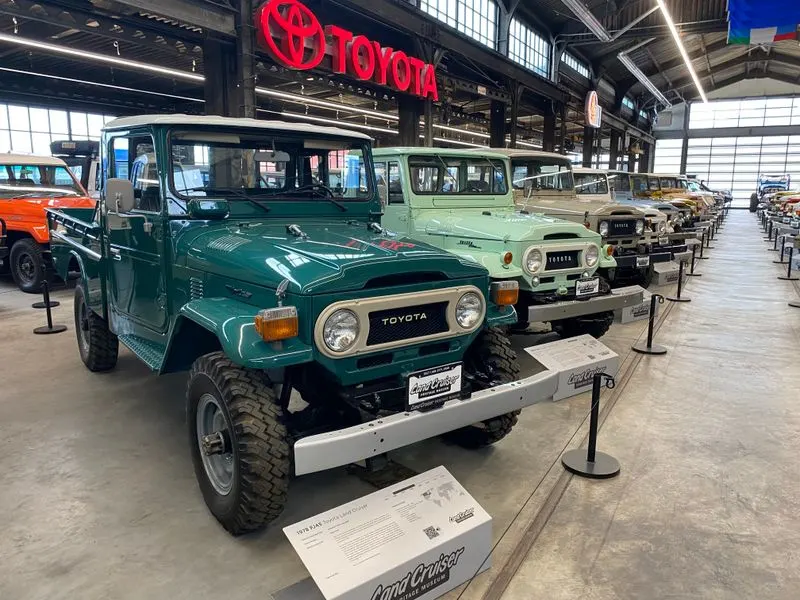
Here sits the milestone that cracked open the American market. The first Land Cruiser sold in the U.S. carries quiet confidence, framed by original brochures and dealer artifacts.
You can imagine the curiosity it sparked when few had heard the Toyota name.
Placards outline how this import upset expectations with honest capability. Instead of chrome and plushness, it offered dependability that workers, ranchers, and explorers immediately recognized.
It paved the road for decades of loyalty and word‑of‑mouth legend building.
Standing beside it, you feel the beginning of a relationship between landscape and machine. The truck seems ready to leave the museum and continue its story.
You will leave with a clearer sense of why the brand earned trust the slow, steady way.
Diverse Series and Unique Builds
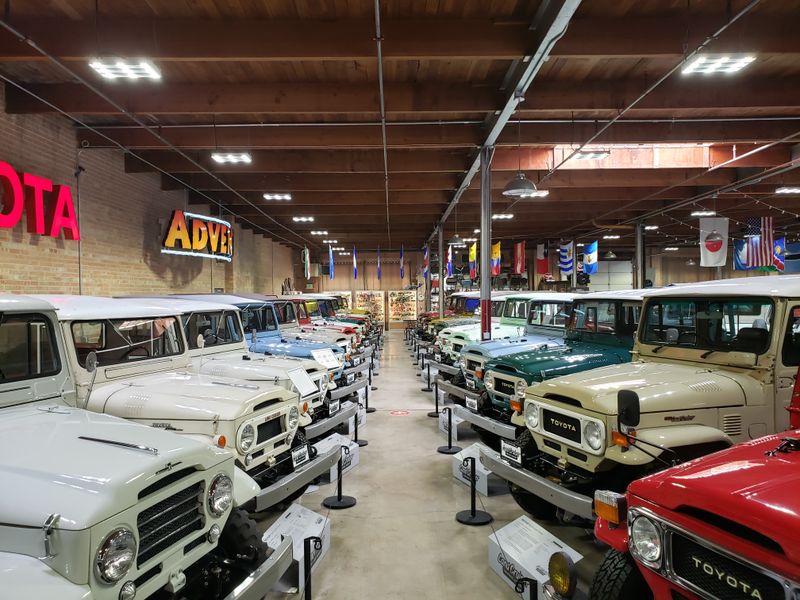
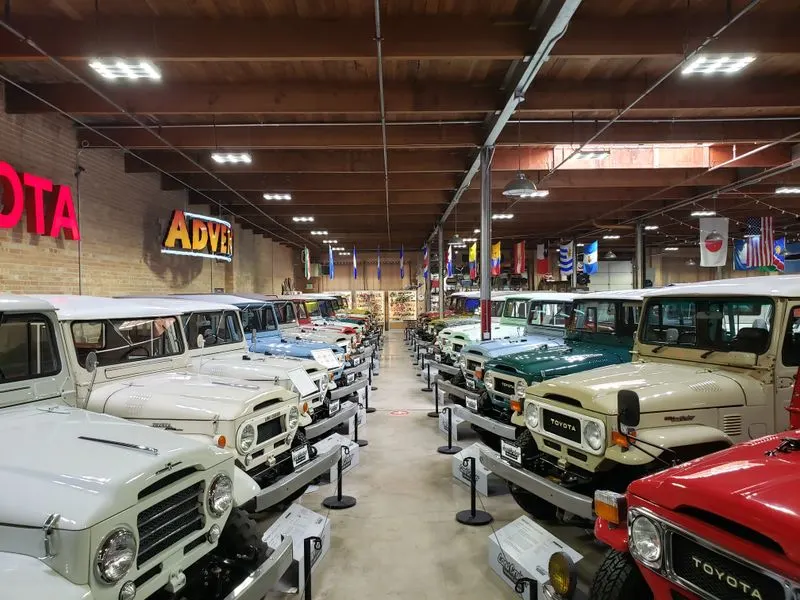
This is the spot to decode series numbers that fans toss around like secret handshakes. You will see 20, 40, 60, 70, and 80 series lined up for easy comparison.
Each shows a specific balance of toughness, comfort, and era‑appropriate tech.
Then it gets quirky with cousins and specials. The Delta Mini Cruiser, Blizzards, PX‑10, and the formidable Mega Cruiser add delightful curveballs.
These outliers prove how broad the Land Cruiser ecosystem became as markets and missions evolved.
Study the stance, wheelbase, and approach angles to notice purpose baked into form. Interiors telegraph intent too, from hose‑out floors to family road‑trip friendliness.
You will come away fluent in visual cues that distinguish legends from mere lookalikes.
Stories of Adventure and Exploration
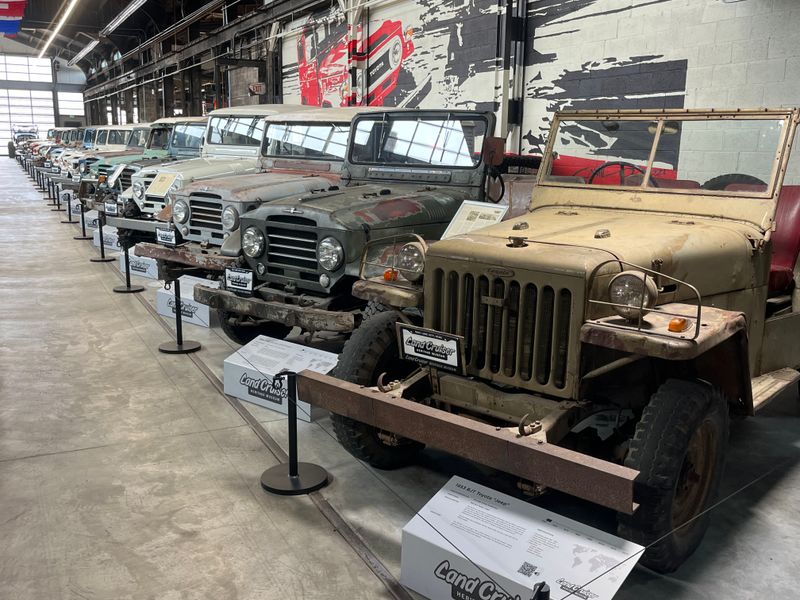
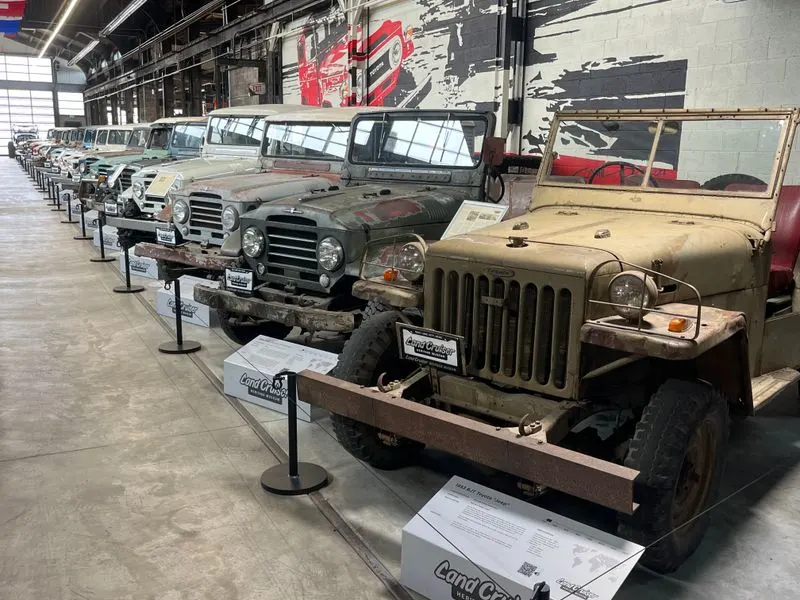
Every vehicle here has a passport. Maps trace transcontinental routes while faded photos show campfire smoke curling above weathered hoods.
You can almost taste dust as captions recount breakdowns fixed with basic tools and patience.
These stories celebrate practical heroism. Relief convoys, medical outreach, and scientific fieldwork all relied on trucks that simply started and kept going.
You will see roof racks scarred by use, dented skids, and stickers from borders crossed at dawn.
The museum invites you to connect those tales with your own ambitions. Whether your overland dream is local trails or a long route abroad, the takeaway is consistent.
Preparation, humility, and reliability turn big maps into possible days behind the wheel.
Mission and Founding
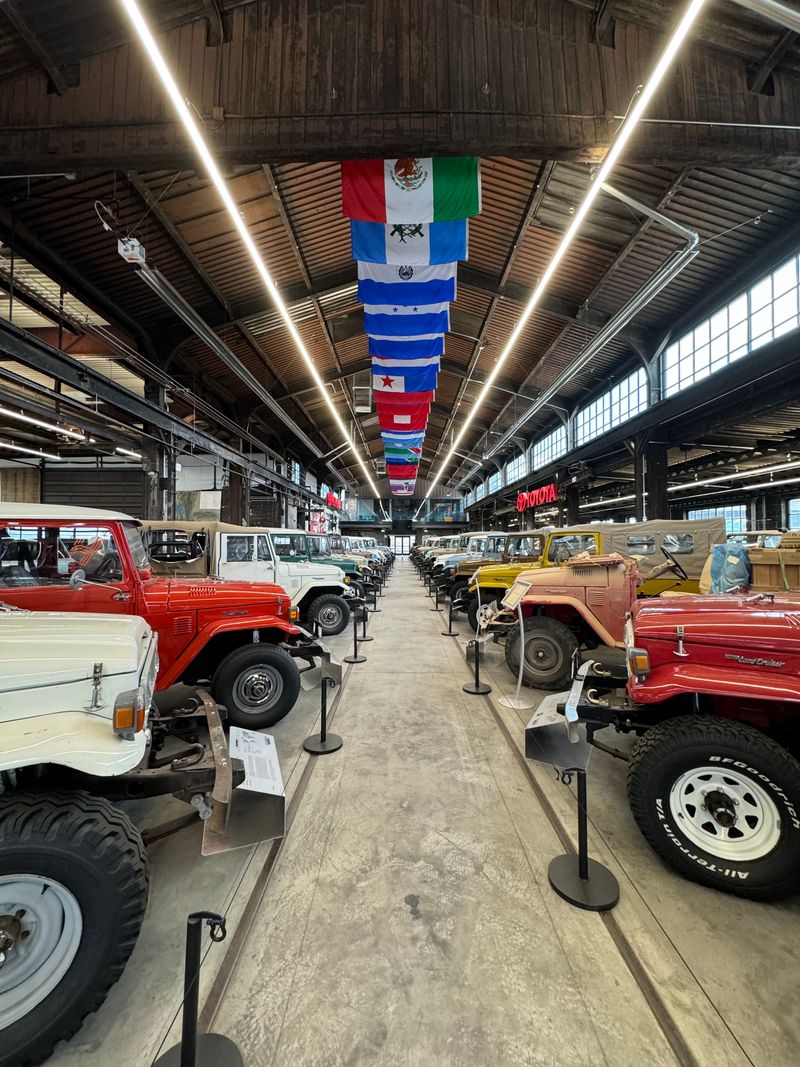
The museum’s mission is plain and inspiring: preserve, educate, and ignite curiosity. Founding stories describe enthusiasts who turned private passion into a public trust.
Their collection grew carefully, favoring authenticity, provenance, and breadth.
Exhibits highlight how preservation serves future explorers. By studying robust design, visitors gain insight into what lasts when plans change and roads disappear.
You will sense a caretaker attitude that respects hard miles and honest wear.
Founders and volunteers share a community ethos. They catalog, restore, and interpret so the next generation inherits more than metal.
They pass along courage to go farther responsibly and return with stories worth telling.
Special Events: CruiserFest and Community
Circle your calendar for CruiserFest. The museum grounds fill with rigs from bone‑stock survivors to expedition builds.
You will meet veteran travelers, fabricators, historians, and families who pass keys and knowledge across generations.
Talks and workshops dive into maintenance, recovery, navigation, and trip planning. Vendors bring hard parts, books, and rare collectibles.
It feels like a friendly camp where everyone swaps trail tips and local food trucks keep the energy high.
Between sessions, stroll the museum to connect lessons with the machines themselves. If you are new, it is the fastest way to learn the culture.
If you are seasoned, it is a reunion that renews your desire to point north and go.
Visitor Tips and Experience
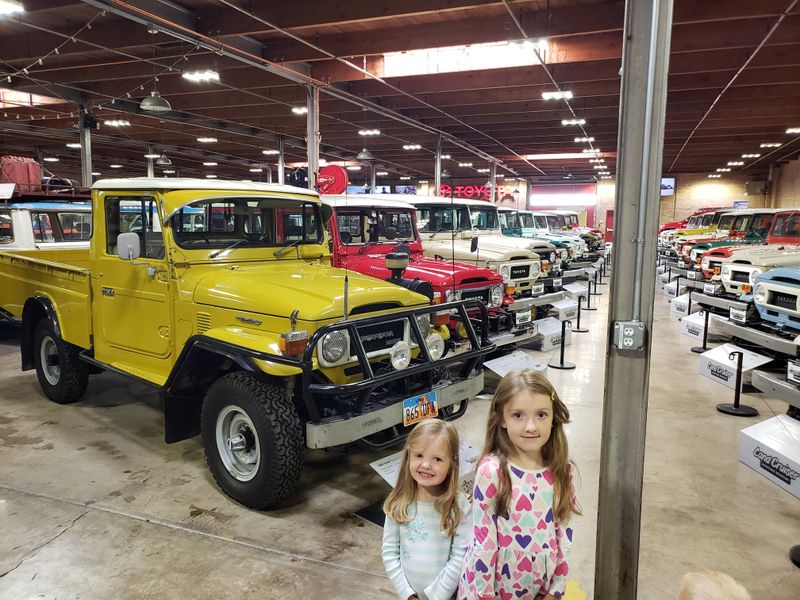
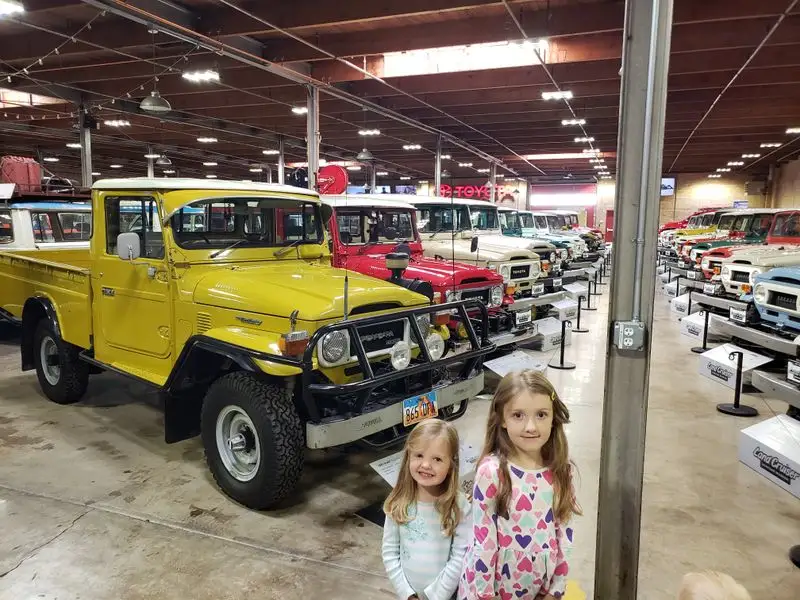
Plan for 1 to 2 unrushed hours. Weekdays are wonderfully calm, making it easier to chat with staff or volunteers who love questions.
A slow loop rewards you with subtle differences between trims, drivetrains, and regional specs.
Bring curiosity and comfortable shoes. Photography is encouraged, and thoughtful lighting makes details pop without harsh glare.
If you have a favorite series, start there, then circle back to the early models for grounding perspective.
Call ahead about after‑hours tours or group visits. Check current pricing, hours, and any special exhibits before you go.
You will leave with ideas for your next drive and maybe a short list of tools to add to your kit.
Interactive Elements and Memorabilia
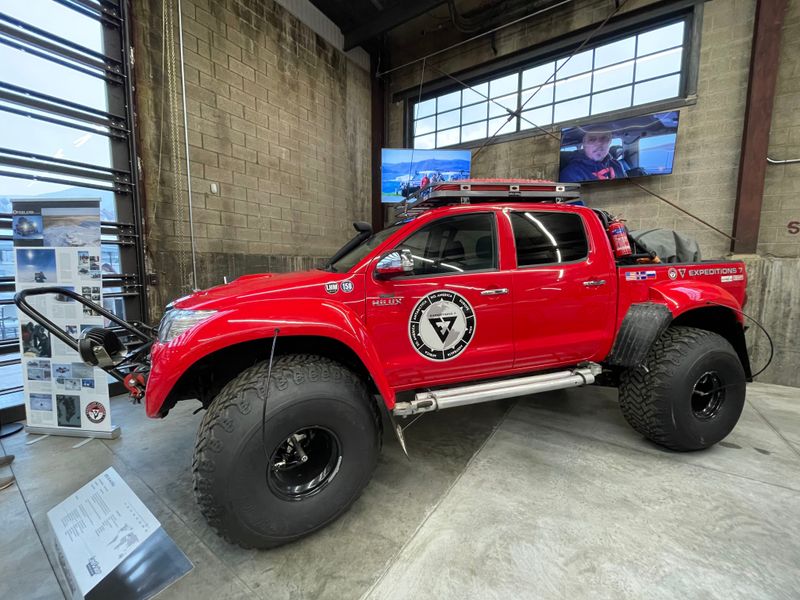
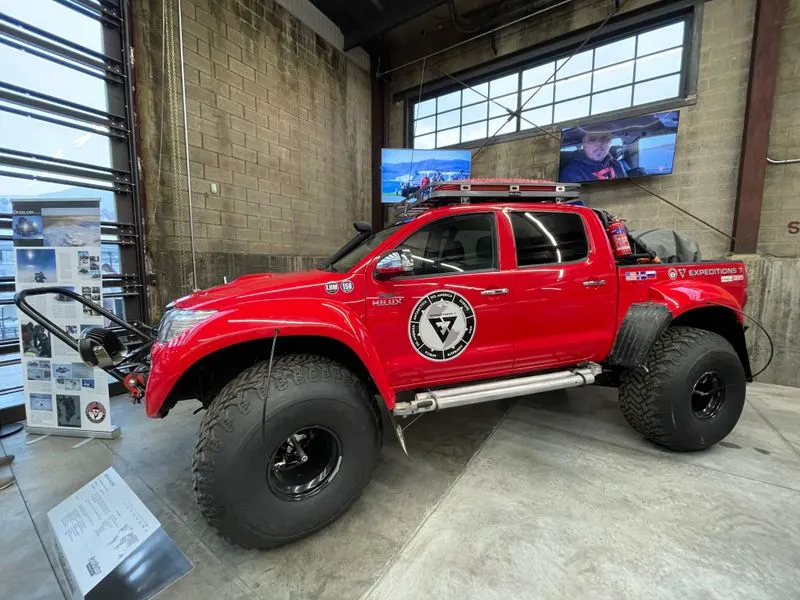
Beyond the steel, the museum brims with context. Glass cases hold owner manuals softened by time, dealer badges, and period tools that still feel right in hand.
Interactive screens let you explore model histories and restoration notes at your pace.
Hundreds of scale models charm both kids and serious collectors. Marketing materials reveal how Toyota communicated toughness and trust across decades.
You will notice how consistent promises outlasted changing typefaces and slogans.
These artifacts round out the big picture by showing how owners lived with their trucks. They patched tires, logged miles, and told stories back home.
You will catch yourself smiling at small details that make the legend feel personal.
Location and Accessibility
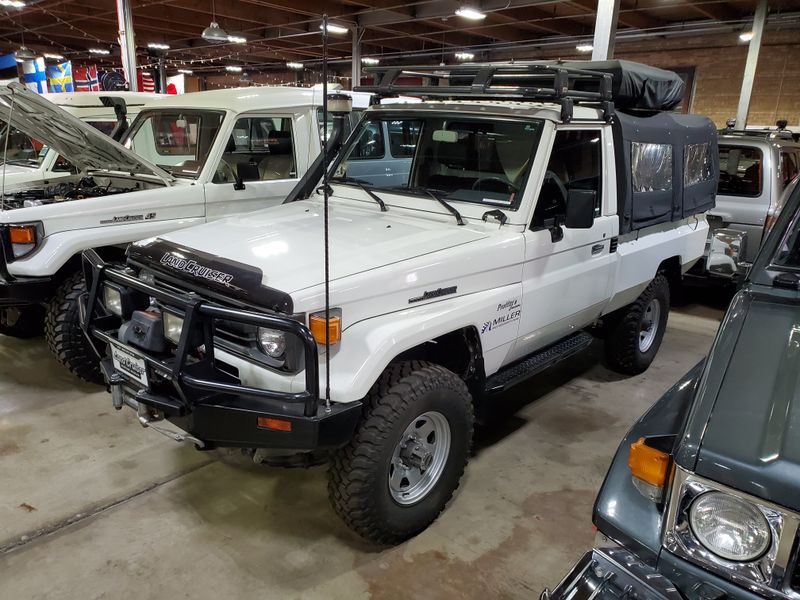
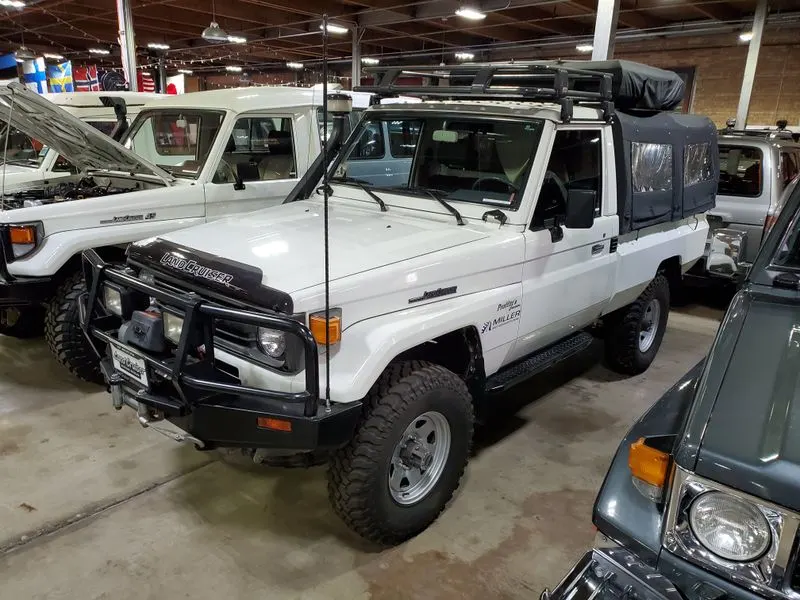
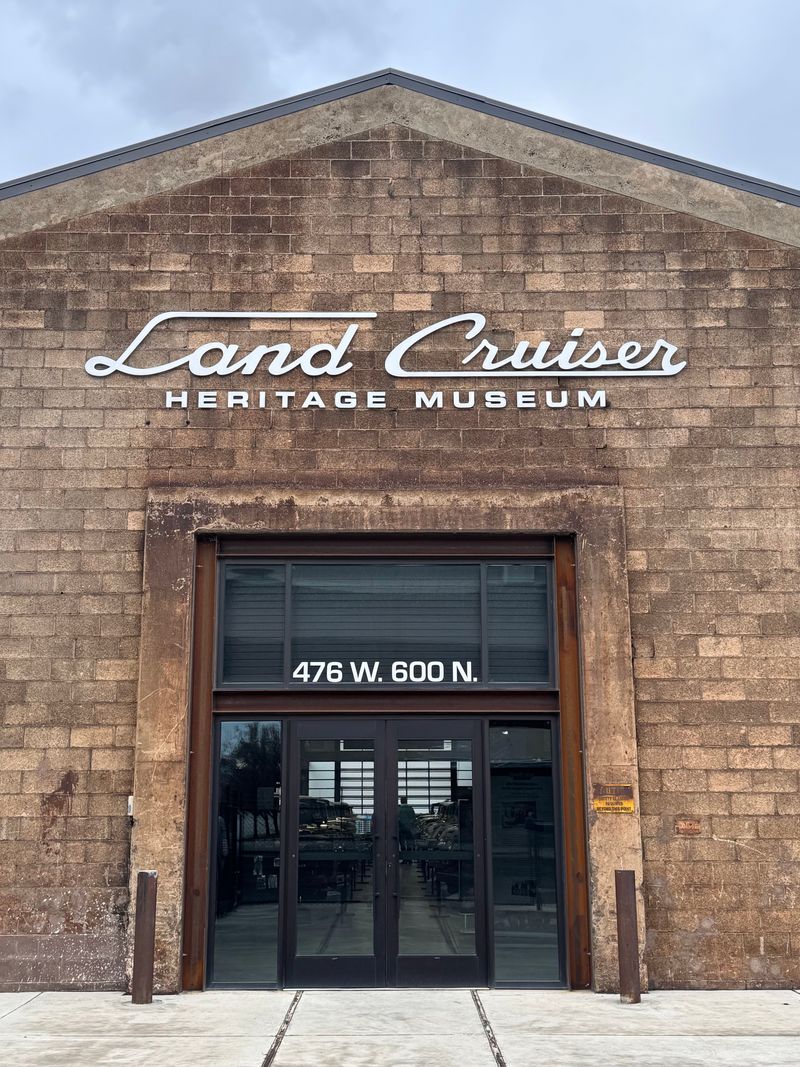
The museum sits minutes from the airport at 476 W 600 N, which makes it a perfect layover detour or first‑day stop. Parking is straightforward and the entrance is easy to find.
Hours typically run Monday to Saturday, 8 AM to 5 PM, with Sunday closed.
Admission is fairly priced for the depth on display. Expect adult, senior, military, youth, and young adult tiers, with kids five and under free.
Always check current details before you roll, since pricing and programs can change.
Accessibility is a clear priority. A mostly flat layout and wide aisles help everyone move comfortably around the exhibits.
Whether you are a local or passing through Utah, it is an effortless add to your itinerary.