
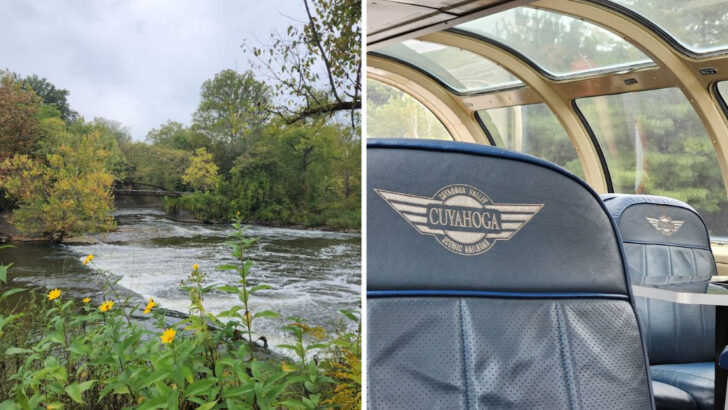
There is a rare kind of calm that settles in when the Akron Northside Station platform hums to life and the vintage cars roll in. You get a window seat on Cuyahoga Valley itself, with time to sip, listen, and let the scenery do the talking.
Seats, schedules, and little insider choices shape the entire day, and it is easy to make the most of it with a few smart moves. Here is how to enjoy a slow paced journey that still feels intentional and full of memorable stops.
Planning your ride from Akron Northside
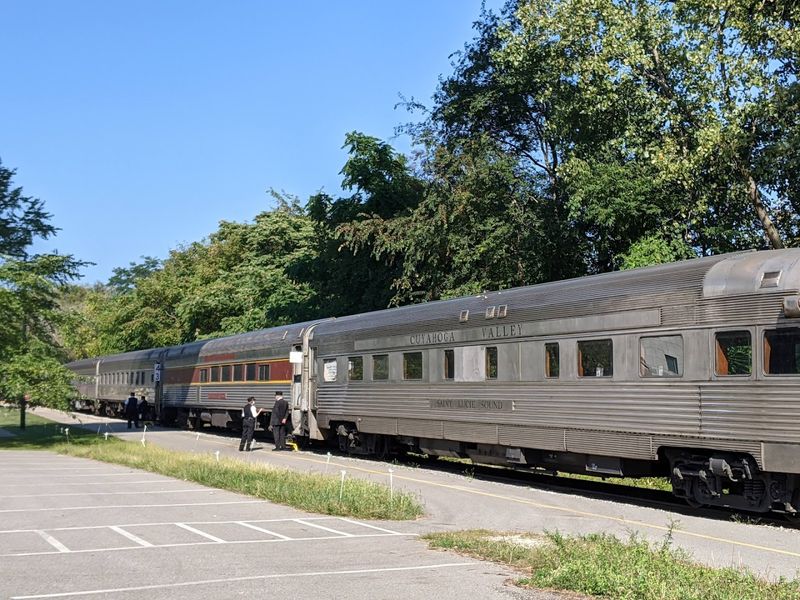
Stepping onto the platform at Akron Northside Station sets the tone for an unhurried national park day. Trains generally board about 10 to 15 minutes before departure, so arriving early removes guesswork and lets you settle in without rushing.
Lines can feel energetic on sold out days, so having your reservation pulled up on your phone keeps everything smooth.
Seat types change the vibe. Dome tickets bring sweeping views and a cozier feel, while standard coaches still give park scenery at a friendlier price.
If you are hoping to hop off at Peninsula for lunch, confirm your plan with the crew so they note it and you are sure to reboard.
The train does not turn at the end, so your window view is the same both ways unless you swap seats with neighbors. Many riders do a polite trade at the midpoint so both sides enjoy the river scenes.
Bring a light layer, a charged camera, and curiosity for live commentary.
Parking is straightforward near the station, and signage guides you to the platform. Snacks and basic drinks are sold onboard, with a gift shop car rotating through.
If quiet is your goal, morning departures often feel more serene.
Best seats for scenery and comfort
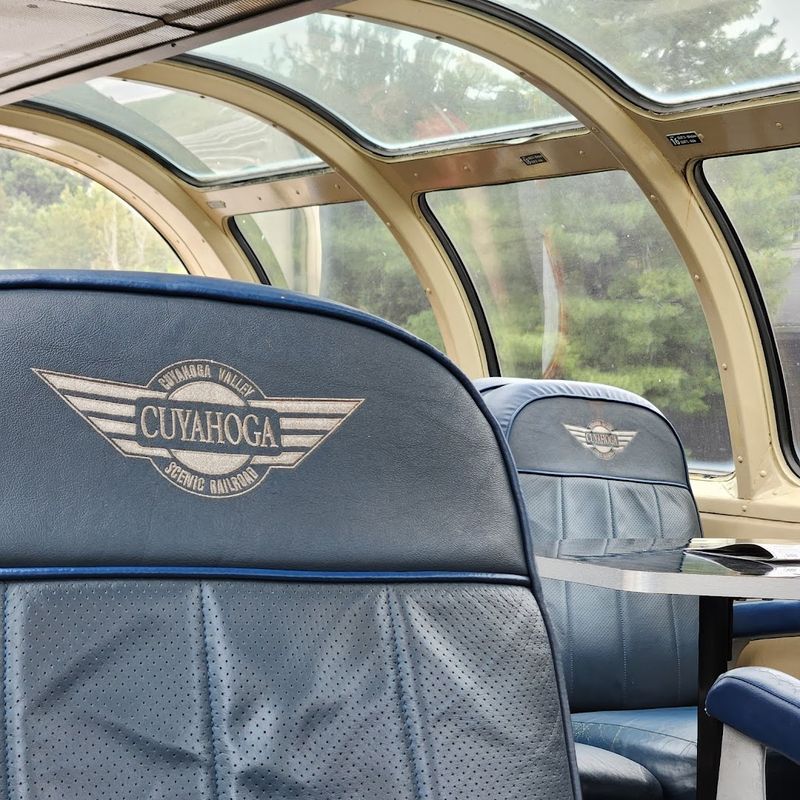
Views change dramatically based on your car and side of the train. Dome seats deliver that dramatic sweep of treetops and river curves, though space is narrower and tables fill fast.
Standard coaches are more spacious and still give excellent sightlines, especially on the west facing side through the national park corridor.
If flexibility matters, consider booking seats across the aisle so swapping at the turnaround is easy. Many riders politely switch pairs after the midpoint, creating equal time with both vistas.
Bring lens wipes for windows and accept some vintage quirks that add character to the ride.
Noise varies by departure time and sell outs. Families often cluster together, so choosing a quieter car can help if you crave meditative scenery.
Ask staff where commentary is strongest or softer, depending on your preference for narration.
The dome feels magical in fall colors and just after rain when contrast is high. On bright summer days, glare can be stronger, making a brimmed hat surprisingly useful inside.
If you are torn, price out both options and decide whether height or elbow room best matches your style.
Timing your trip for seasons and light
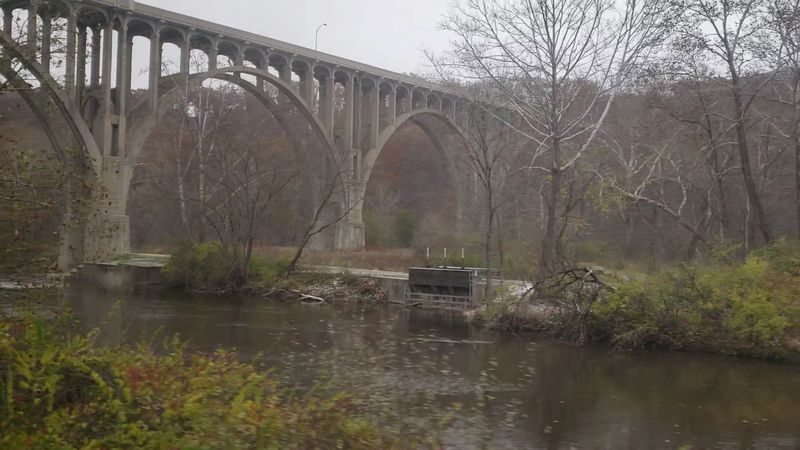
Light is the quiet conductor of this ride. Morning departures bring gentle contrast and usually calmer cars, perfect for a reflective start.
Late afternoon leans golden, with longer shadows shaping the riverbanks and canal remnants in photogenic ways.
Seasonal shifts decide your palette. Spring shows bright greens and wildflowers at crossings, while summer can feel like riding a green tunnel with soothing repetition.
Autumn is the showstopper, delivering layered oranges and reds that pop from dome seats.
In winter, bare trees reveal hidden textures and distant lines of the Cuyahoga, turning the trip into a study of geometry and history. Dress warmer than you think, since platforms and doorways create brief drafts.
Keep fingers ready on the camera for bridges and trail intersections.
Sold out days bring a social energy. If you want a quieter cabin, choose weekdays, earlier runs, or shoulder season.
For the most balanced day, plan a half route to Peninsula, stretch your legs, then ride back into softer light that flatters every curve of the valley.
Getting off at Peninsula without stress
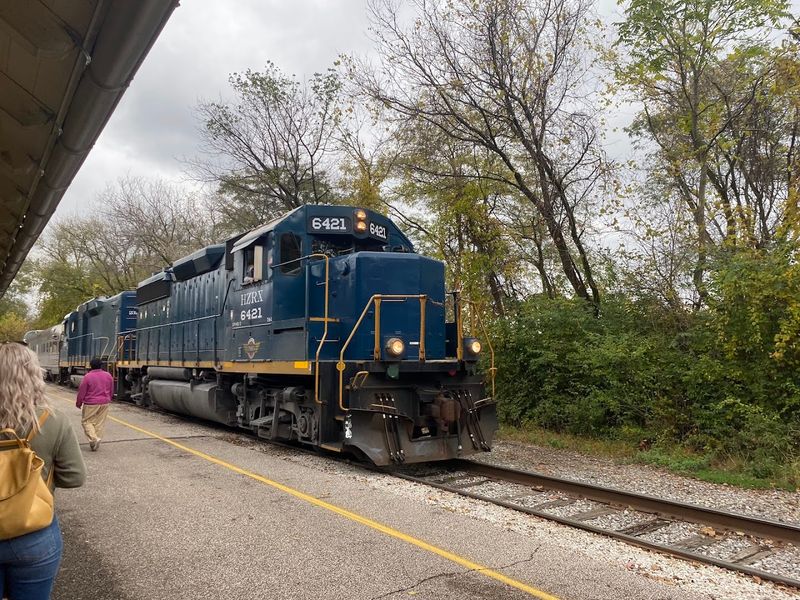
Hopping off at Peninsula turns a pretty ride into a full day. Tell a crew member your plan so they log it and expect you for the return segment.
The village sits steps from the platform, with food, coffee, and shops that fit neatly into an hour and a half window.
Menus run casual and quick, which helps when you are pacing toward the next train. Scout a bakery or sandwich spot as you roll in, then stroll the towpath to reset your legs.
Keeping an eye on your watch ensures a calm walk back to the platform.
Seats are not guaranteed without a reservation on crowded days, so lock those in before you leave Akron Northside. If energy is high onboard, the off train interlude provides the perfect balance.
Bring a small tote for souvenirs and a light jacket in cooler months.
Photography is better after the stop because your second leg usually has softer light. If traveling with kids, the break releases wiggles and resets attention.
This rhythm makes the day feel curated rather than crammed.
Food, drinks, and smart snacking
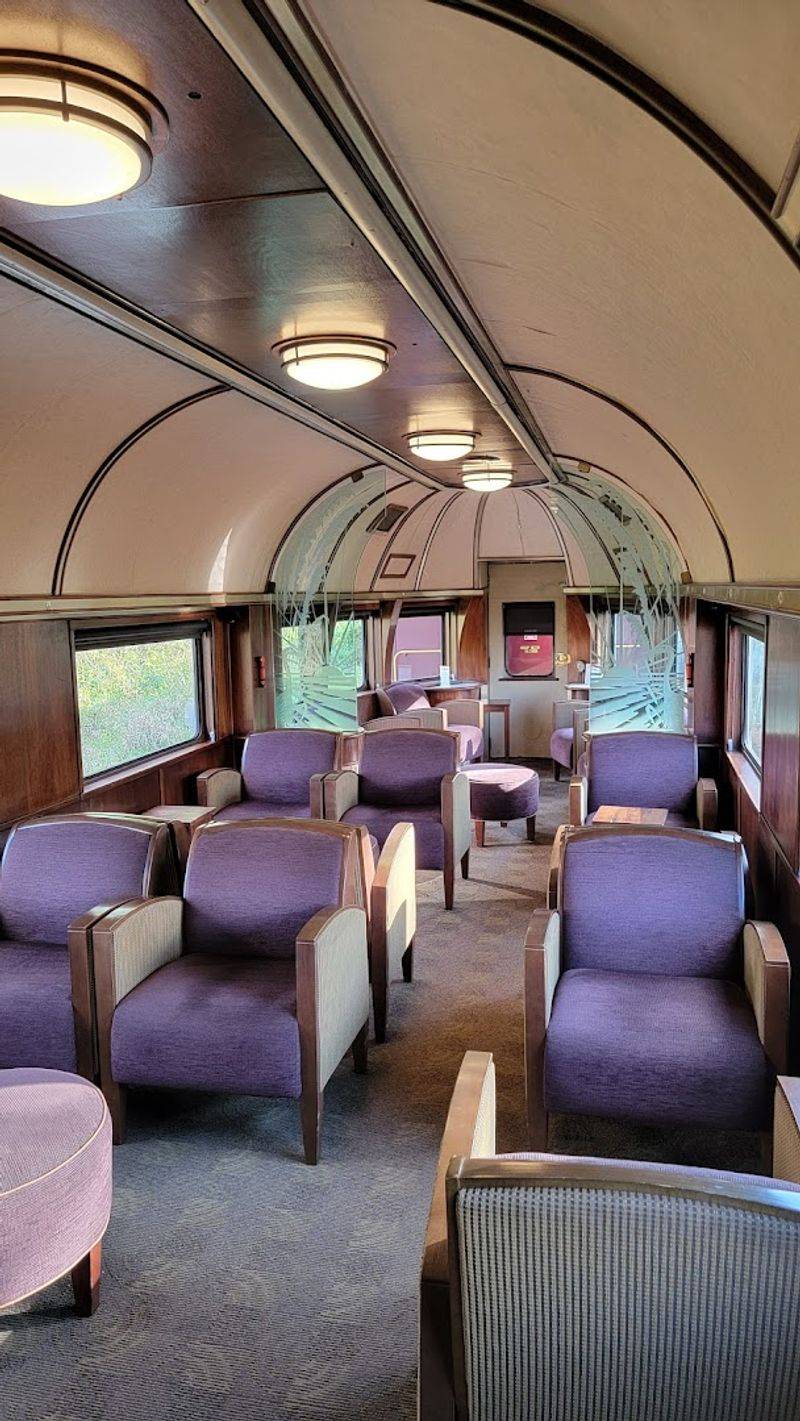
Hunger creeps up slowly on a relaxing train. A snack car usually carries drinks, simple bites, and a small gift selection that hits exactly when the scenery has settled you in.
Prices are reasonable for a tourist ride, and lines move fairly well between narration segments.
Pack a water bottle and small, quiet snacks if you like predictability. Crinkly wrappers carry in tight cars, so consider a reusable pouch to keep things considerate.
A light caffeine boost pairs nicely with long stretches through the valley greens.
If you are planning that Peninsula lunch, stay nibbly onboard and save appetite for the stop. For families, a timed treat makes a great mid ride milestone.
Volunteers know where calmer moments land, so ask when to visit the concession car without missing key views.
Food rules can shift, so read your confirmation email and signage. Avoid messy items that could smudge windows or tables, helping preserve views for everyone.
A pocket hand sanitizer and napkin stack earn their keep in vintage spaces.
Accessibility and comfort tips
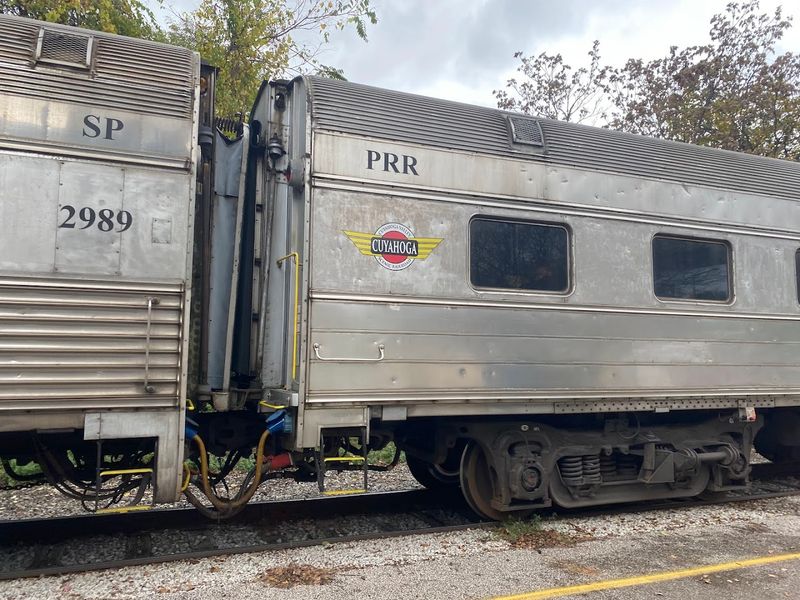
Boarding a historic train takes a touch of planning, and Akron Northside makes that easier with helpful staff. Ask about the accessibility lift ahead of time so the crew can position it quickly.
A little patience goes a long way on vintage steps and narrow aisles.
Seating varies by car, so choosing a layout with minimal transitions can reduce fatigue. Dome seating is narrower, while standard coaches have slightly more room for bags and jackets.
Bring a small cushion if back support matters on longer rides.
Restrooms exist onboard, but they are compact like airplane lavs. Time your visits during narration lulls to avoid lines.
If you prefer fewer crowds for mobility reasons, target weekday mornings or shoulder season.
Weather swings across doorways, so layer for brief drafts when cars open at stations. Hydration, light snacks, and a calm boarding pace help you settle in without strain.
Tell a crew member about any special needs, and you will usually find the volunteer team both attentive and resourceful.
Making the most of live commentary
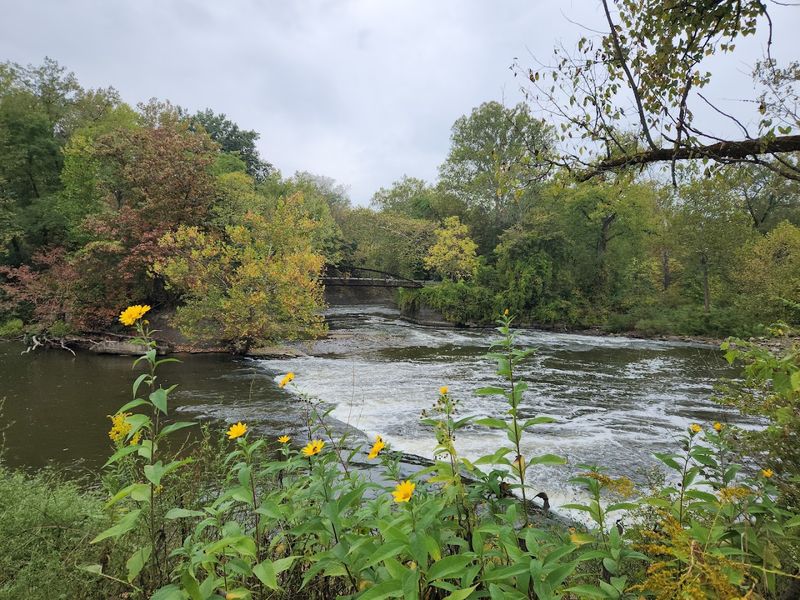
Stories carry the ride as much as scenery. Conductors and car hosts weave local history, canal era details, and wildlife notes into a gentle soundtrack.
Audio naturally ebbs and flows, so quiet moments still feel reflective and personal.
If narration is your priority, ask staff which cars favor clear commentary. Sit near the middle to avoid door noise and focus on the guide’s voice.
Jot down trailheads or landmarks you want to visit later in the park.
Kids latch onto scavenger hunts and fun facts when offered, which keeps attention from drifting. Adults tend to enjoy canal engineering tidbits and railroad car histories.
Be ready with follow up questions when the host passes by, since they love sharing deeper nuggets.
On busy days, keep chat volume respectful so neighbors catch the details. If you prefer near silence, request a quieter car when boarding and bring headphones for gentle music.
The right balance lets you learn, look, and still savor the steady rhythm.
Photography and window strategies
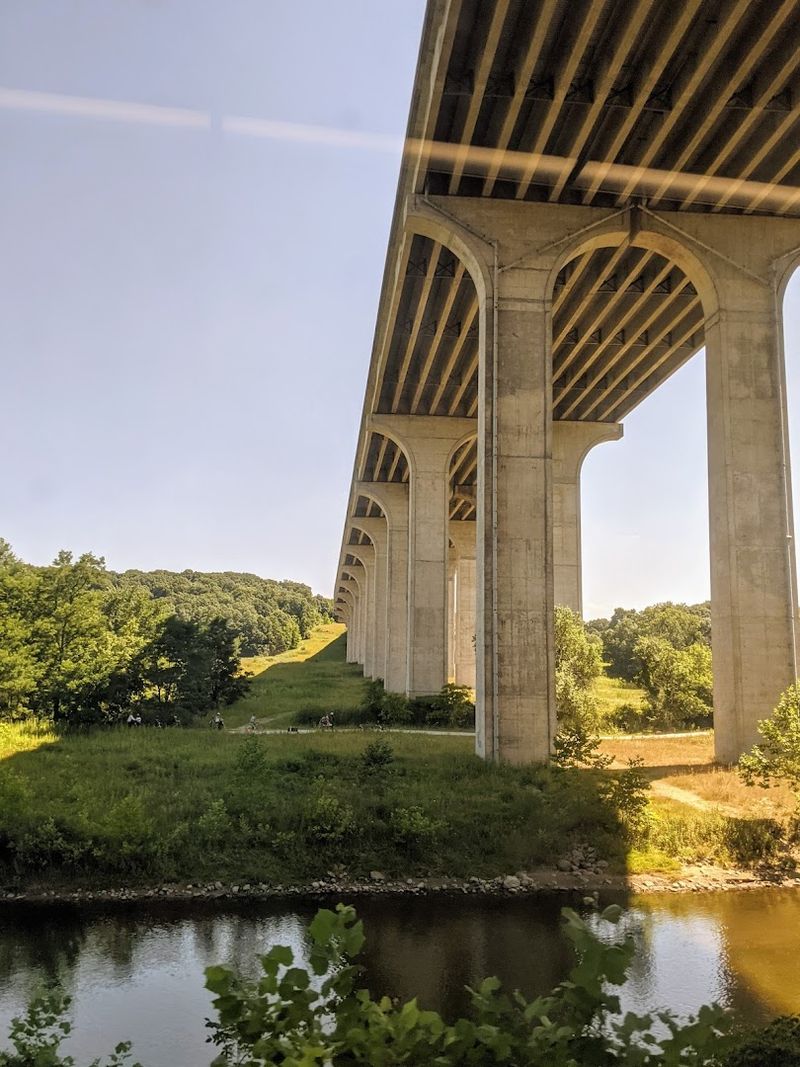
Great photos start with clean glass, steady hands, and smart angles. A soft cloth or lens wipe handles fingerprints that sneak onto windows.
Sit slightly forward and press the lens lightly against the glass to cut reflections from cabin lights.
Glare increases in midday, so wearing a dark hat brim or hoodie can create a makeshift shade. Turn off your flash, bump shutter speed, and let ISO climb a touch to keep motion blur at bay.
If shooting video, brace elbows against the window frame.
Scenery pops at bridges, river bends, and trail crossings. Keep your camera on and compose early rather than rushing at the last second.
Request a seat swap after the midpoint if you want both sides of the valley without leaving your row.
Dome cars gift panoramic lines, but standard coaches often reduce interior reflections. For portraits, seat companions beside windows, then catch their profile against the passing forest.
Snap the platform moments at Akron Northside too, because that blend of rails, brick, and anticipation tells the full story.
Tickets, reservations, and avoiding sell outs
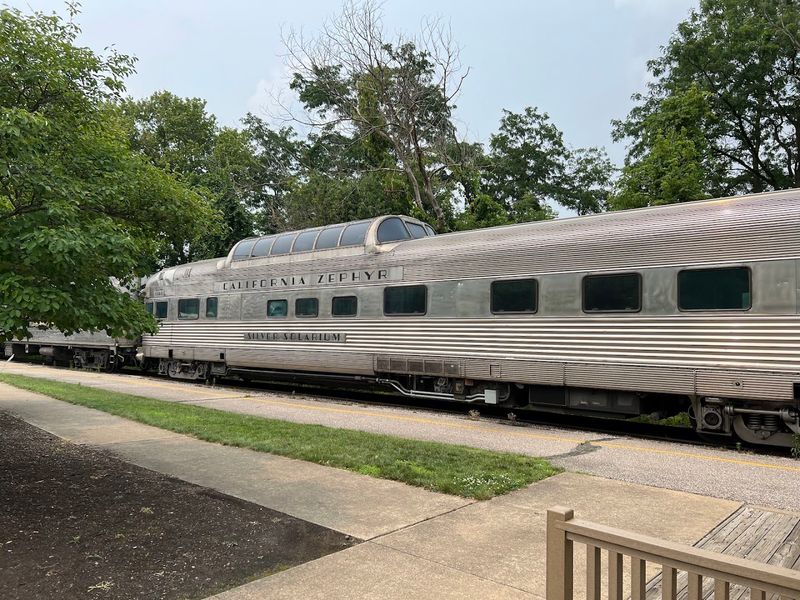
Seats can disappear quickly on peak weekends and during fall color. Booking online in advance is the simplest way to lock in your car type and time.
If you are holding vouchers, convert them into reservations early so you are not left waiting for the next train.
Keep your email confirmation handy for scan and seat guidance. Arriving 20 to 30 minutes ahead reduces pressure and lets you ask about quieter cars or best views.
If your preferred departure sells out, ask about earlier morning runs with gentler crowds.
Fare differences between coach and dome reflect view and space rather than speed. Compare value by asking how busy that exact run tends to be.
Watch for special events or themed rides that shift availability on the standard schedule.
Refund and change policies evolve, so skim the details before purchasing. A backup plan that includes lunch in Akron’s Northside District turns setbacks into finds.
With a little foresight, tickets become the smallest part of your day’s mental bandwidth.
Quiet car strategies and shared space etiquette
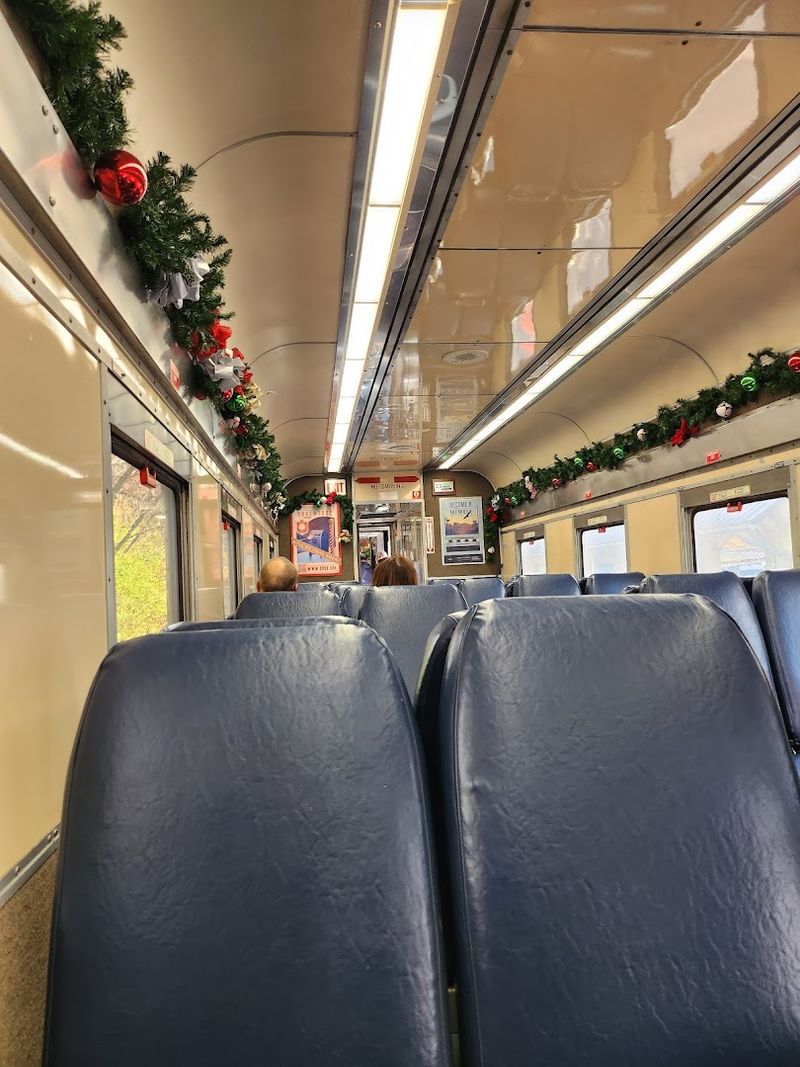
Peaceful rides come from small choices. Keep voices low during narration, silence ringtones, and save speaker audio for another time.
If traveling as a group, seat yourselves tightly so conversation does not spill into neighboring rows.
Headphones turn a long segment into personal time without disturbing others. Snacks without crinkle are kinder in narrow cars where sound carries.
Teach kids a simple signal for whisper mode when the commentary begins.
Photo taking stays considerate when bodies are not leaning into aisles too long. Capture the shot, step back, and offer the window to the next person.
If sunlight creates reflections, shade the lens rather than blocking someone’s view.
When energy is high onboard, ask about a quieter car before you sit. Morning runs and shoulder seasons naturally bring calmer cabins.
You will remember the scenery best when the soundscape matches the valley’s gentle pace.
What to pack for a slow paced rail day
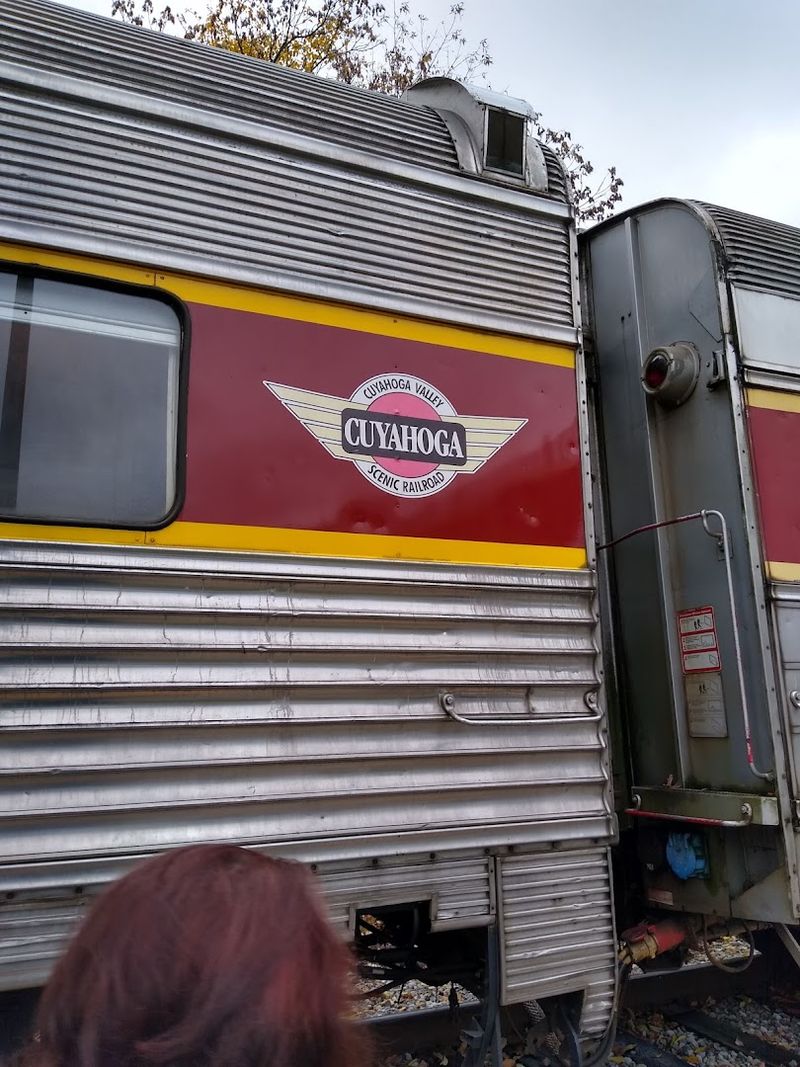
Packing light pays off on vintage cars with narrow aisles. A small daypack, water bottle, and a compact layer cover most needs.
Add lens wipes for windows, a hat brim to beat glare, and a portable charger so your camera does not quit mid valley.
Binoculars turn hawks and herons into welcome cameos. A simple notebook helps you jot future trailheads mentioned in the commentary.
Tuck cash for snacks and a small tote for the Peninsula stop if shopping calls your name.
Comfort items matter on longer itineraries. A travel pillow, gentle mints, and a quiet puzzle book help during stretches between stations.
If you are sensitive to temperature, bring a thin scarf that doubles as a shade for bright windows.
Keep tickets or the reservation email easy to pull up. Slip everything into the same pocket so boarding feels effortless.
With the right kit, you can focus entirely on scenery, stories, and the relaxing cadence that this Akron Northside departure does so well.