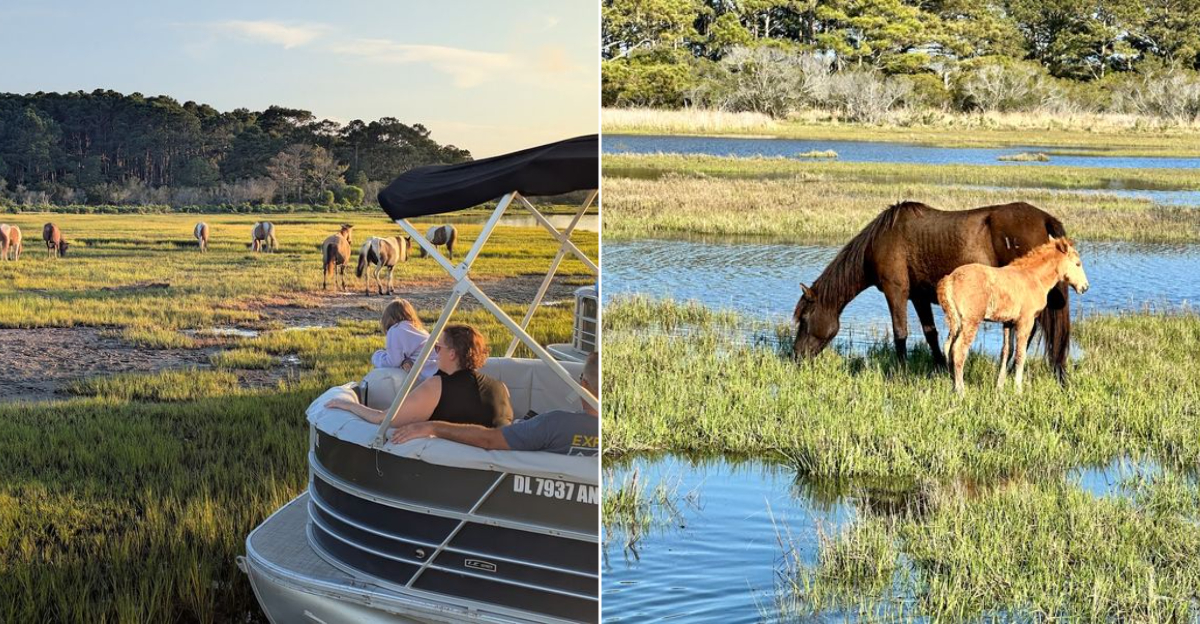
Spring arrives gently on Virginia’s Eastern Shore, bringing salt-kissed breezes, blooming marsh grasses, and longer days perfect for wandering. At Chincoteague National Wildlife Refuge, the landscape feels wonderfully unhurried, with winding trails, quiet waterways, and wide-open views that seem to stretch forever.
A walk here might include the call of shorebirds overhead, the rustle of reeds in the breeze, or a glimpse of the famous wild ponies grazing in the distance. The refuge blends coastal beauty and wildlife in a way that invites you to slow down and pay attention to the small details—a glowing sunset, a hidden heron, or footprints in the sand along an uncrowded beach.
It is the kind of place that lingers in your memory long after the visit ends.
Here’s what makes this remarkable refuge one of Virginia’s most rewarding outdoor escapes.
Legendary Wild Ponies Roaming Free
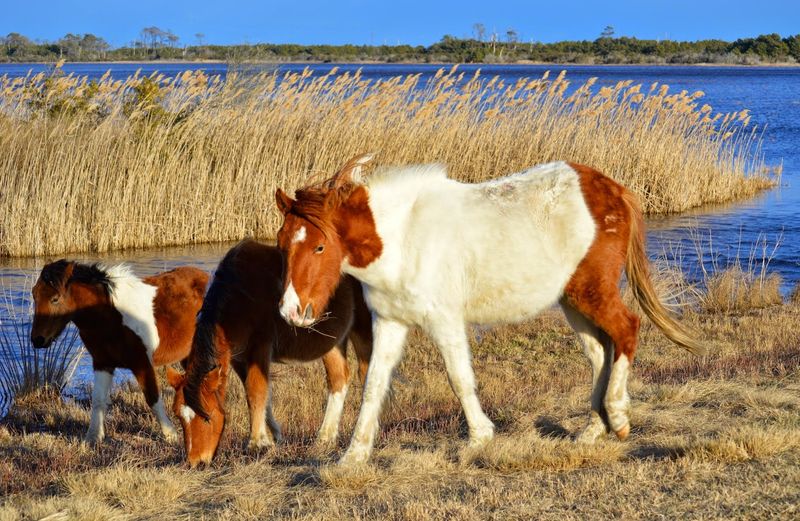
Nothing compares to spotting a herd of wild ponies grazing peacefully in the marsh grass, their manes blowing in the coastal breeze. These famous horses have lived on this barrier island for centuries, and their mysterious origins add to their magical appeal.
Many believe they descended from Spanish mustangs that survived a shipwreck long ago.
The ponies wander freely throughout the refuge, often appearing near the Wildlife Loop or along the marsh edges. Bring binoculars because they sometimes stay several hundred yards away from viewing areas.
Early morning and late afternoon offer the best chances for sightings when the herds move to graze.
Watching these beautiful animals gallop through shallow water creates an unforgettable moment. They’re smaller than typical horses, perfectly adapted to their island environment.
The annual pony swim in July attracts thousands of visitors, but you can spot them any time of year.
Remember to admire them from a safe distance and never approach or feed them. These are genuinely wild animals, not pets.
Their presence makes this refuge truly special and unlike any other coastal destination.
Historic Assateague Lighthouse Standing Tall
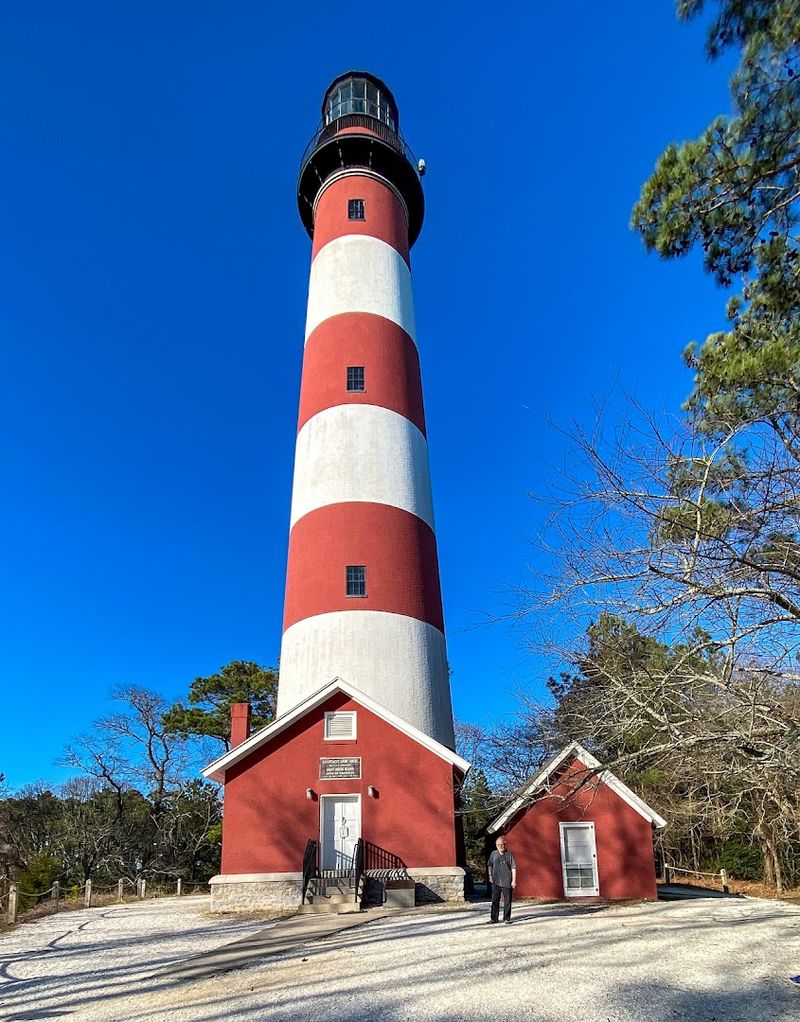
A striking red-and-white candy-striped tower rises 142 feet above the coastal landscape, serving as both a historic landmark and a must-see attraction. Built in 1867, this lighthouse has guided ships safely along the Atlantic coast for over 150 years.
Its distinctive paint pattern makes it instantly recognizable from miles away.
Visitors can climb the 175 steps to reach the top viewing platform during open hours. The spiral staircase winds upward through the narrow tower interior.
Once you reach the summit, panoramic views of the ocean, marshes, and surrounding islands reward your effort.
The lighthouse grounds offer beautiful picnic spots and walking paths perfect for families. Interpretive signs share fascinating stories about the lighthouse keepers who once lived here.
Photography enthusiasts love capturing this photogenic structure during golden hour when the light creates stunning contrasts.
Don’t miss the Fresnel lens display at the base, showing how these ingenious glass prisms focused light across vast ocean distances. The keeper’s quarters nearby house exhibits about maritime history.
This beloved landmark represents the refuge’s rich cultural heritage alongside its natural wonders.
Unspoiled Atlantic Beaches
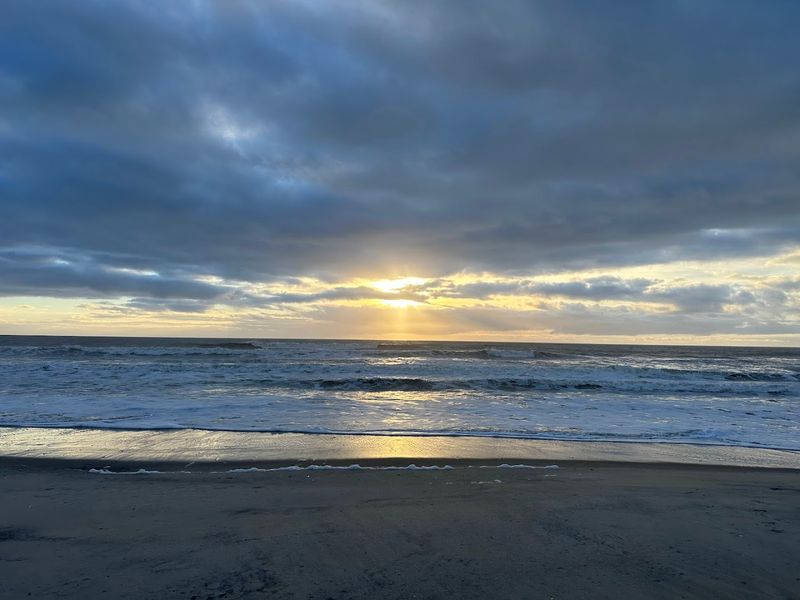
Soft sand stretches endlessly along a pristine shoreline where nature remains wonderfully untouched by commercialization. Unlike crowded resort beaches, this coastal paradise offers peace and tranquility.
No boardwalks, loud music, or shoulder-to-shoulder crowds disturb the natural beauty here.
The beach stays remarkably clean thanks to dedicated preservation efforts and respectful visitors. Gentle waves lap the shore, creating perfect conditions for swimming, wading, and beachcombing.
Families spread blankets without worrying about nearby noise or chaos.
Surf fishing enthusiasts find excellent opportunities here, casting lines for bluefish, striped bass, and flounder. Shorebirds scurry along the water’s edge hunting for food.
Low tide reveals tide pools teeming with small crabs, shells, and other marine creatures that fascinate children.
Pack sunscreen, bug spray, and plenty of water for your beach day. Limited facilities mean planning ahead ensures maximum comfort.
The natural setting might feel remote, but that’s exactly what makes it so special. During peak season, a reasonable entrance fee helps maintain these beautiful beaches for future generations to enjoy.
Wildlife Loop Scenic Drive
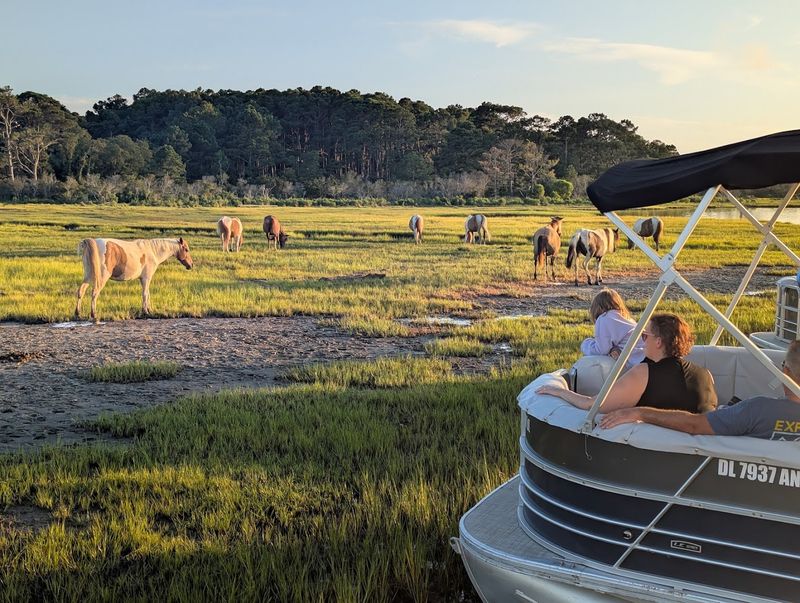
After 3 PM daily, a special roadway opens exclusively for visitors to drive slowly through prime wildlife habitat. This three-mile paved loop winds through diverse ecosystems including marshes, forests, and freshwater pools.
State-registered vehicles only can access this unique opportunity to observe animals from your car.
Earlier in the day, the Wildlife Loop remains closed to vehicles, reserved for hikers and cyclists who appreciate the quiet surroundings. Walking or biking the loop allows even closer encounters with resident wildlife.
Many visitors choose to experience it both ways during their stay.
The route passes several observation platforms and pull-off areas perfect for watching birds and other creatures. Deer often browse near the roadside during early evening hours.
Great egrets, herons, and ibis wade through shallow waters hunting for fish.
Bring your camera with a zoom lens because wildlife can appear anywhere along the route. Patient observers might spot river otters playing in the water or turtles sunning themselves on logs.
The slow pace encourages mindful observation rather than rushing through. This experience perfectly showcases why the refuge protects such valuable habitat.
Swan Cove Trail Adventure
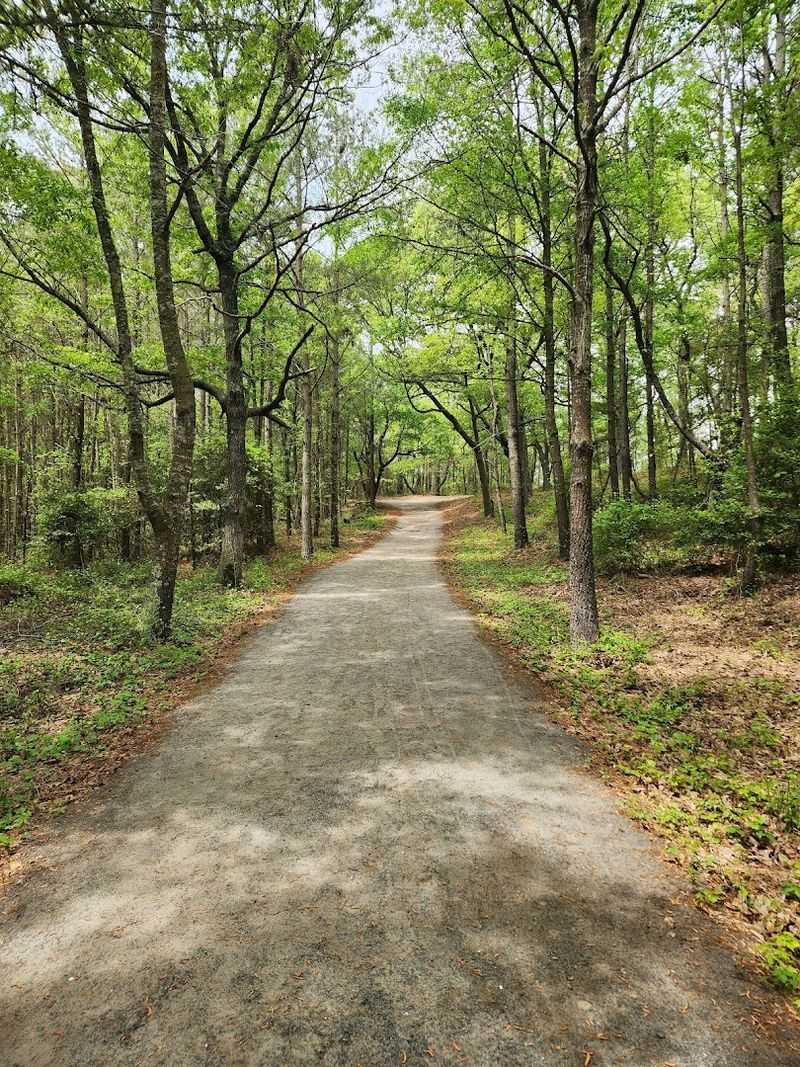
Winding through some of the refuge’s most beautiful marsh habitat, this moderate trail offers intimate encounters with coastal ecosystems. Wooden boardwalks elevate visitors above sensitive wetlands, protecting vegetation while providing excellent viewing opportunities.
The path leads to a secluded beach area that often escapes storm damage affecting other sections.
Surprisingly, this trail remained virtually untouched even when hurricanes battered nearby beaches. The protected cove creates a microclimate where conditions stay calmer.
Bird songs fill the air as you walk through this serene environment.
Swan Cove Trail extends roughly 1.6 miles roundtrip, making it manageable for most fitness levels. Families with younger children appreciate the relatively flat terrain and interesting sights along the way.
Educational signs identify native plants and explain the importance of marsh ecosystems.
Waterfowl gather in the cove waters, especially during migration seasons when numbers swell dramatically. True to its name, swans grace these shores surprising many visitors who don’t expect them near beaches.
Morning walks often reveal feeding herons standing statue-still before striking at passing fish. Wear sturdy shoes because sections can be uneven despite the boardwalk portions.
Birdwatcher’s Paradise
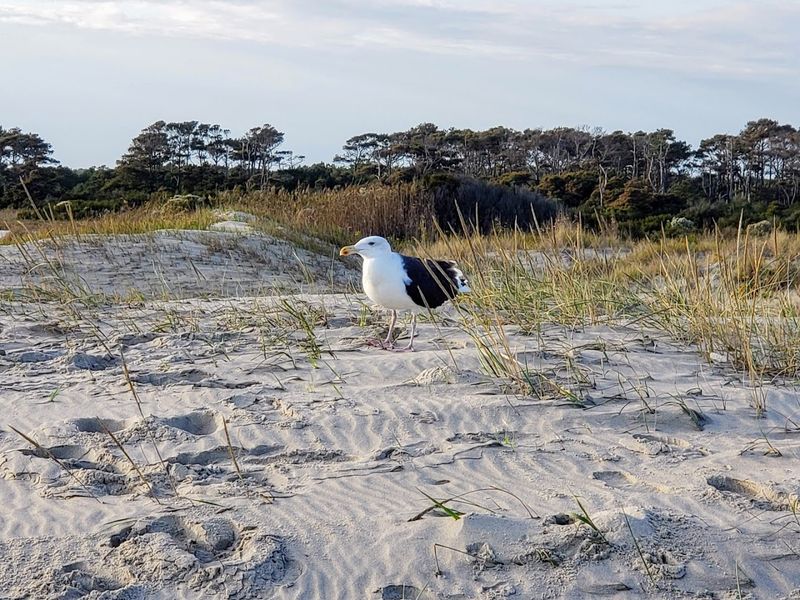
Over 320 bird species have been documented here, making this one of the Atlantic coast’s premier birding destinations. Binoculars become your most valuable accessory as you scan marshes, beaches, and forests for feathered residents and migrants.
Every season brings different species passing through or settling in for breeding.
Snowy egrets, great blue herons, and glossy ibis wade through shallow waters with elegant precision. Piping plovers nest along beaches where protected areas give them space to raise their young.
Bald eagles soar overhead, their massive wingspans catching thermal currents.
Unlike typical beach destinations dominated by seagulls, this refuge hosts incredible avian diversity. Northern bobwhites call from brushy areas while cormorants dive for fish in deeper channels.
Black skimmers skim the water’s surface with specialized beaks perfectly adapted for catching small fish.
Serious birders arrive before dawn when activity peaks and lighting conditions perfect photography. Spring and fall migrations create spectacular viewing opportunities as thousands of birds rest and refuel.
Keep a checklist and you’ll likely spot species you’ve never seen before. The refuge visitor center offers bird identification guides and reports about recent sightings to help plan your observations.
Extensive Biking Routes
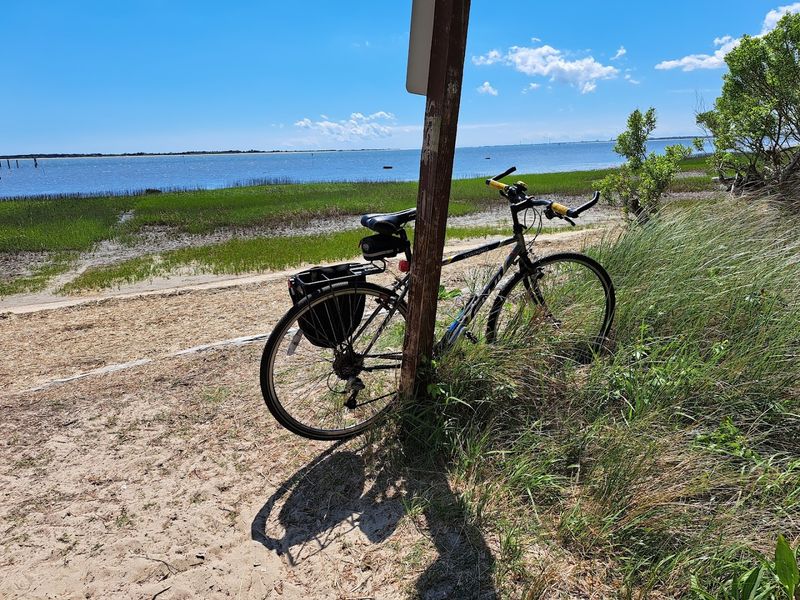
Pedaling through this coastal refuge ranks among the best ways to cover ground while staying connected to nature. Paved paths and quiet roads create ideal conditions for cyclists of all skill levels.
Road bikes handle most routes easily, though mountain or gravel bikes open up additional trail options.
The distances between points of interest make walking challenging for children and some adults. Bikes solve this problem beautifully, allowing families to explore far more territory comfortably.
Rental shops in town provide various options including tandem bikes and child carriers.
Cycling also helps escape the intense mosquito populations that plague walkers during buggy seasons. Your movement creates enough breeze to discourage most flying pests from landing.
You’ll cover the Wildlife Loop, beach access roads, and connecting trails efficiently while enjoying fresh air and exercise.
Morning rides often yield the best wildlife sightings before heat and visitor numbers increase. Afternoon breezes off the ocean make cycling more comfortable during summer months.
Many visitors bike to the lighthouse, beaches, and various trailheads rather than constantly moving their vehicles. This approach feels more environmentally friendly while enhancing your connection to this special place.
Bring water bottles and take breaks at scenic overlooks along your routes.
Breathtaking Marshland Vistas
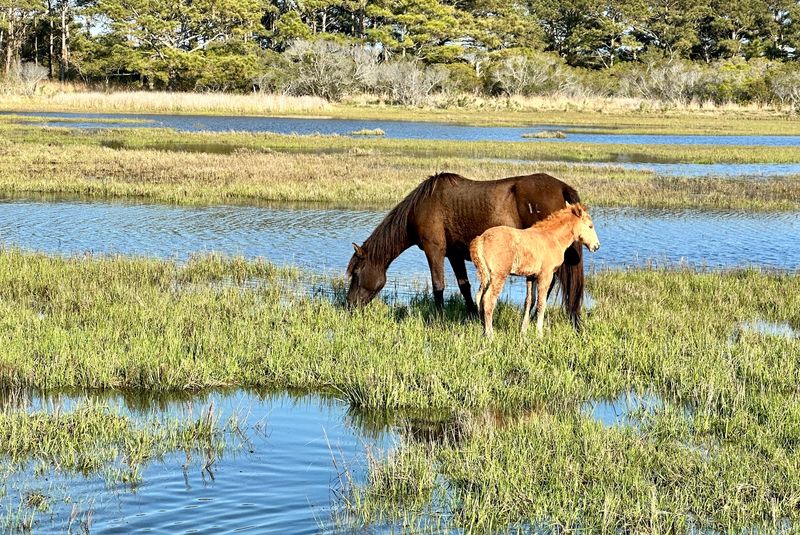
Golden sea grass sways rhythmically in coastal breezes across thousands of acres of pristine salt marsh. These wetlands form the ecological heart of the refuge, supporting countless species while creating hauntingly beautiful scenery.
Winding tidal creeks snake through the grass like silver ribbons reflecting the sky.
Most visitors focus on beaches and ponies, but the marshes deserve equal attention. These productive ecosystems filter water, protect shorelines from storms, and provide nursery habitat for fish and shellfish.
Without healthy marshes, the entire coastal food web would collapse.
Sunrise and sunset transform the marshes into spectacular color displays. Pink and orange hues paint the sky while silhouettes of wading birds create natural artwork.
Photographers arrive early clutching tripods and telephoto lenses hoping to capture these fleeting moments.
Elevated observation platforms and boardwalks offer perfect vantage points for marsh appreciation without disturbing sensitive areas. Watch fiddler crabs scurry across mud flats during low tide.
Listen to the symphony of marsh birds calling across the wetlands. These overlooked landscapes hold as much wonder as any famous attraction.
Understanding their importance deepens your appreciation for the refuge’s conservation mission and natural complexity.
Year-Round Wildlife Encounters
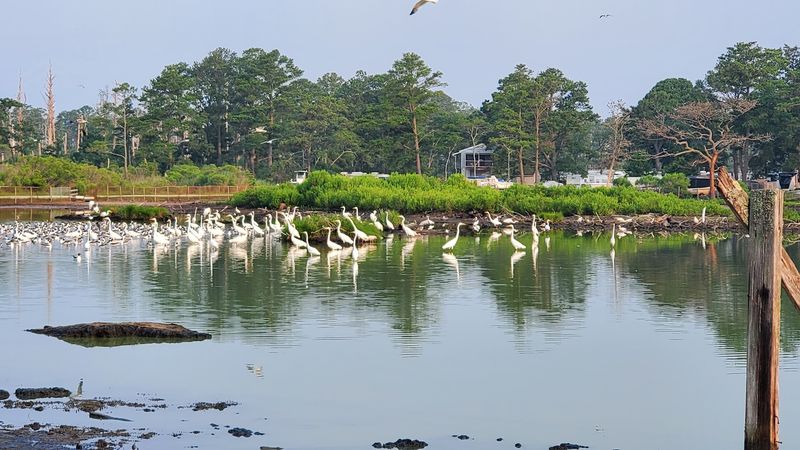
Every season reveals different creatures calling this refuge home or passing through during migration. Winter brings waterfowl by the thousands seeking ice-free waters and abundant food.
Spring explodes with nesting activity as resident birds raise their young and wildflowers bloom across the landscape.
Summer visitors often spot diamondback terrapins basking on logs and white-tailed deer browsing at dawn and dusk. Red foxes occasionally appear along roadsides, their russet coats gleaming in late afternoon light.
One lucky observer witnessed a kit devouring a snake, nature’s drama unfolding in real time.
Fall migration brings spectacular numbers of shorebirds, raptors, and songbirds fueling up for long journeys south. Monarch butterflies pause here during their incredible multi-generational migration to Mexico.
Even cold winter days offer memorable sightings when bald eagles perch prominently in bare trees.
The refuge’s diverse habitats support this amazing wildlife variety year-round. Free admission during off-season months makes winter and early spring visits especially appealing for budget-conscious nature lovers.
No matter when you visit, bring patience and keen observation skills. Wildlife doesn’t operate on schedules, making each encounter feel special and unique.
This unpredictability keeps people returning again and again.