Some of the best travel stories emerge when they are least expected, and one such experience awaits in the heart of Virginia.
Located at 229 Safari Ln, Natural Bridge, VA 24578, Virginia Safari Park offers a wildlife encounter that redefines the traditional zoo visit.
Through a unique drive-through safari, visitors have the opportunity to experience remarkable animals at close range as they roam freely across expansive habitats.
From the excitement of traveling among large grazing species to the charm of the park’s walk-through exhibits, the attraction is designed for those seeking an immersive, hands-on, and genuinely unusual experience.
The experience provides a closer look at wildlife than many travelers expect, creating memorable encounters that continue long after the visit ends.
A vehicular adventure unlike a traditional zoo
The main experience begins on a drive-through route that places visitors inside the landscape instead of along a fenced walkway.
Cars move at a slow pace, and the changing view makes each turn feel active because the surroundings, spacing, and animal movement never stay fixed for long.
This format changes how people pay attention.
Rather than scanning a row of enclosures, they watch the road, the hills, and the animals at the same time, which creates a stronger sense of being inside an environment shaped around movement.
The route also gives families control over the pace.
They can pause briefly when traffic allows, look from different windows, and notice how the experience unfolds in stages rather than in one glance, making the visit feel more like a rolling observation tour than a standard zoo stop.
That difference is what makes the outing memorable for many travelers.
The vehicle becomes part viewing platform, part shelter, and part classroom, turning a simple drive into a structured wildlife encounter that feels personal without needing a formal guided tour.
Meeting animals from all over the world
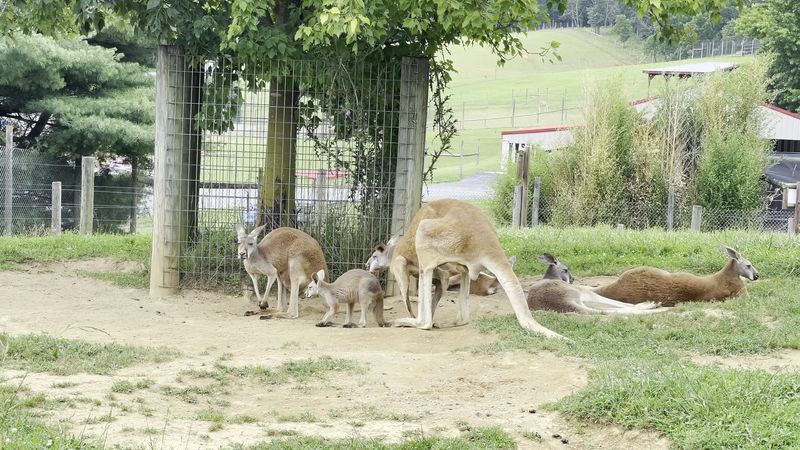
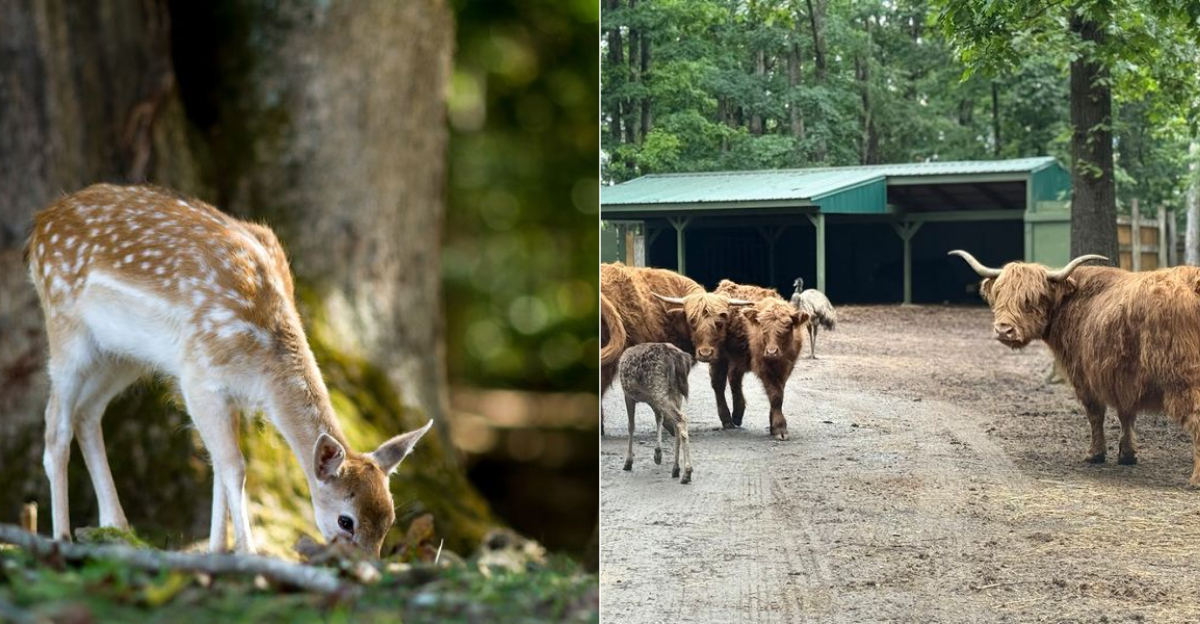
One of the strongest impressions comes from the variety of species represented across the property. Visitors may see striped zebras, slender gazelles, and other hoofed animals associated with regions far beyond the Blue Ridge, which gives the drive an international range without leaving the state.
The diversity changes the rhythm of the visit because each group uses space differently.
Some gather in loose herds, some keep a wider distance, and some move toward vehicles with clear confidence, creating a sequence of scenes that feels varied rather than repetitive.
This global mix also helps children connect geography with living animals.
A parent can point out body shape, horn structure, coat pattern, and group behavior, and those visual differences become easier to remember when they appear in a real setting instead of a textbook.
For travelers who have only visited standard regional zoos, that range can be surprising.
The collection introduces species many people do not expect to encounter on a Virginia day trip, and it gives the property an identity that extends beyond a simple farm or petting attraction.
When wild animals come right into the vehicle
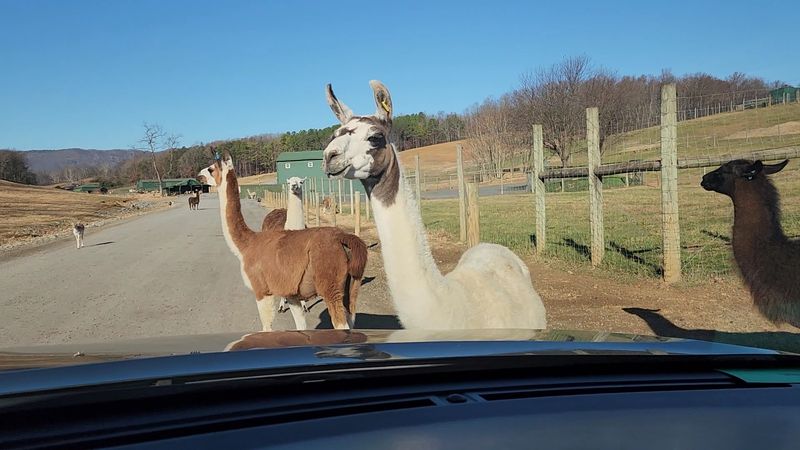
The most talked-about part of the visit is the moment animals come directly to the vehicle window.
Staff-sold feed encourages interaction, and some of the more confident residents stretch their heads toward the car with impressive speed and accuracy.
That closeness can be funny, slightly chaotic, and very physical.
Buckets may be tugged, pellets can scatter across seats and floorboards, and passengers quickly learn to hold feed carefully and pace themselves instead of offering everything at the entrance.
These encounters create a type of contact that most animal attractions do not allow.
People are not simply looking from a platform, because they can hear breathing, notice texture around the muzzle, and see how quickly curiosity turns into assertive feeding behavior at arm’s length.
Practical details matter here.
Windows, hand placement, and the amount of food offered at once all affect the experience.
Reviews often note that a little strategy goes a long way, especially for families hoping to enjoy the full loop without running out of food too early.
Safari experience through children’s eyes
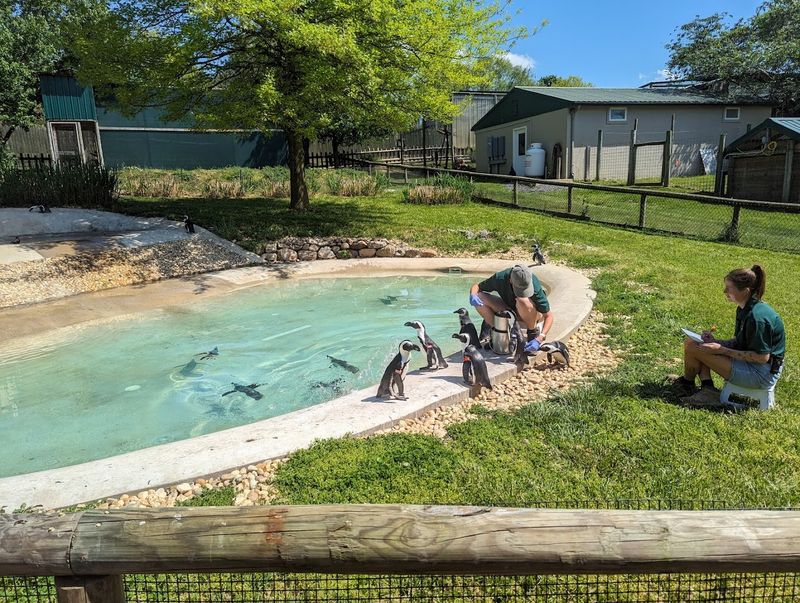
For children, the drive often feels less like a lesson and more like a discovery game.
Every bend offers a reason to look harder, ask questions, and compare what appears outside one window with what might be approaching from another side.
The format works especially well for younger visitors because the animals come to their level of attention. Instead of asking a child to stay engaged through long stretches of passive viewing, the experience rewards alertness with sudden, direct, and easy-to-understand moments.
Parents also gain natural teaching opportunities without needing formal programming.
They can explain why some animals travel in groups, why feeding rules matter, and how body size, horns, or posture signal different kinds of behavior, all while the child remains focused on a live example.
Reviews suggest that the excitement reaches beyond small children alone.
Adults laugh along with the experience, while older relatives stay engaged from the comfort of the car. Families often describe the drive as one of those rare outings where several generations remain interested at the same time without anyone feeling left behind.
Walking through an area with even more to discover
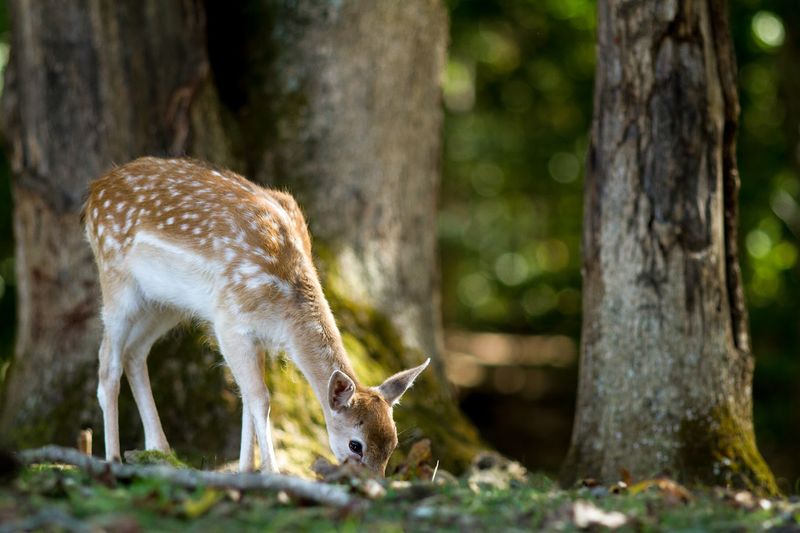
After the drive, the walk-through area adds a second layer to the day.
It shifts the pace from moving vehicle observation to slower exploration, allowing visitors to focus on exhibits that would not fit the open-road format of the safari loop.
This section broadens the experience with more structured viewing.
Families can get out, stretch, and move between habitats at their own speed, which helps balance the more intense and messy interaction of the driving portion with a calmer period of close inspection.
Several reviews note that this area can occupy a meaningful part of the visit rather than serving as a brief add-on.
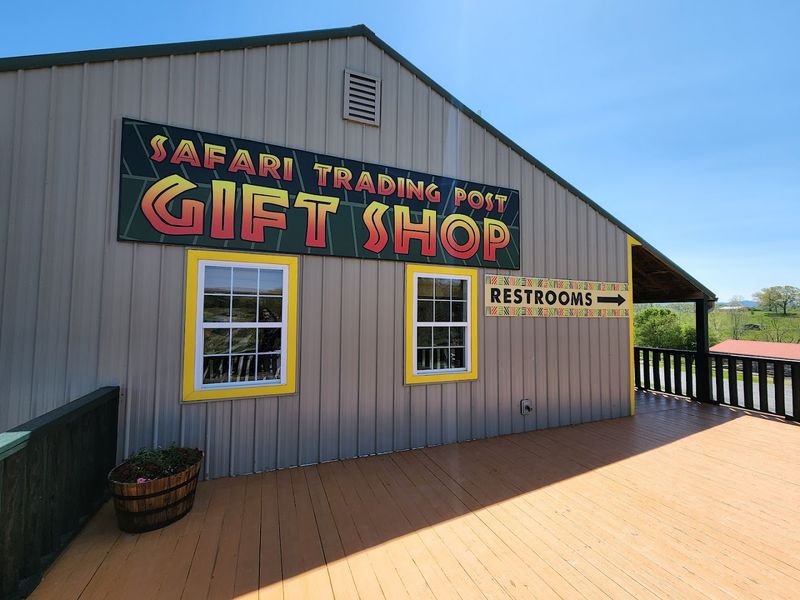
It includes additional species, practical amenities, and a more conventional zoo layout, giving travelers a fuller day than the drive alone might suggest.
The contrast between the two sections is useful.
One emphasizes unpredictable movement and direct interaction from the car.
The other encourages slower observation, photography, and quieter moments, making the overall outing feel varied enough for visitors who want more than a single loop.
Nature protection and education about wild animals
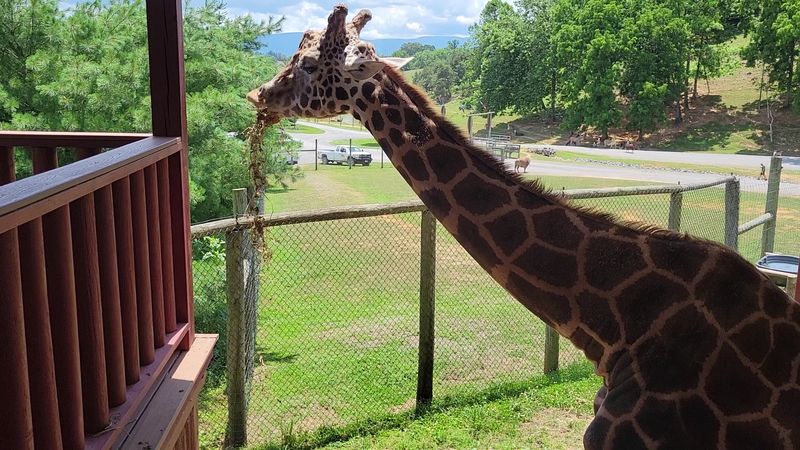
Education is built into the visit through observation, signage, and staff interaction.
Even without a formal class, the setting encourages visitors to think about habitat needs, feeding control, species differences, and the responsibilities involved in caring for wild animals in managed environments.
The property also presents a chance to discuss conservation in practical terms.
Seeing healthy animals up close can spark curiosity about their native habitats, challenges in the wild, and ongoing conservation efforts.
Many visitors leave with a better understanding of species they previously knew only from books, documentaries, or screens.
Animal care becomes visible in smaller details.
Clean grounds, organized feeding systems, monitored encounters, and staff guidance help create a structured environment for close animal interactions.
The experience reinforces that wildlife access is not simply entertainment, but part of a carefully managed educational setting.
That balance between access and oversight is important.
Clean grounds, organized feeding systems, monitored encounters, and staff guidance help create a structured environment for close animal interactions.
Visitors quickly see that these experiences depend on careful management rather than casual access, adding an educational dimension to the outing.
Why the experience is so unforgettable
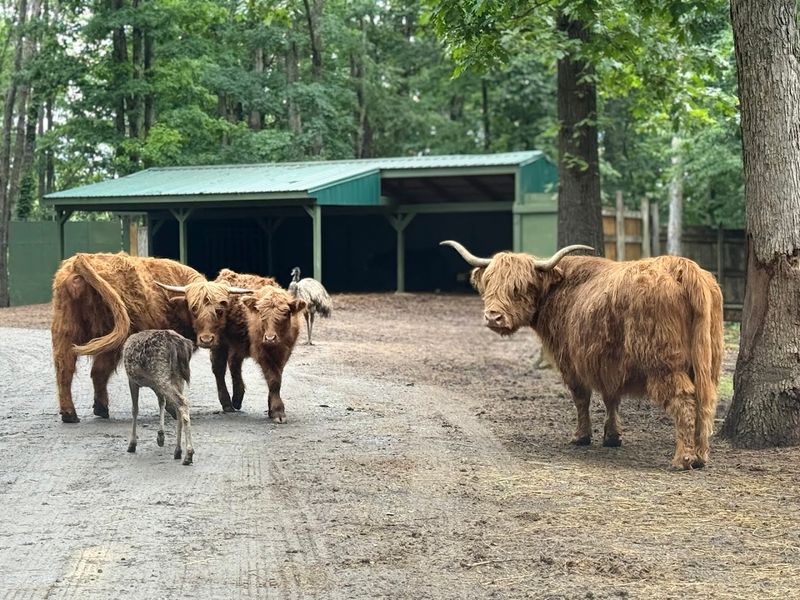
What stays with visitors is not only what they saw, but how involved they felt in the moment.
The experience asks for attention, quick reactions, and a little flexibility, so the memory often includes laughter, surprise, and the small disorder that comes with real contact.
That sense of immersion differs from attractions where people remain passive for most of the visit.
Here, passengers decide when to offer feed, when to roll a window down, when to protect a bucket, and when to pause and simply watch the interaction unfold.
Because of that participation, stories from the day are easy to retell.
Families remember which animal reached farthest into the car, which passenger reacted first, and how the interior looked afterward, turning ordinary details like spilled pellets into part of the experience itself.
The result is memorable for a straightforward reason.
Visitors are not just collecting photos.
They are reacting in real time to large, curious animals at close range, and that level of direct involvement often creates stronger memories than a day spent reading signs from behind barriers.
A different day trip in Virginia
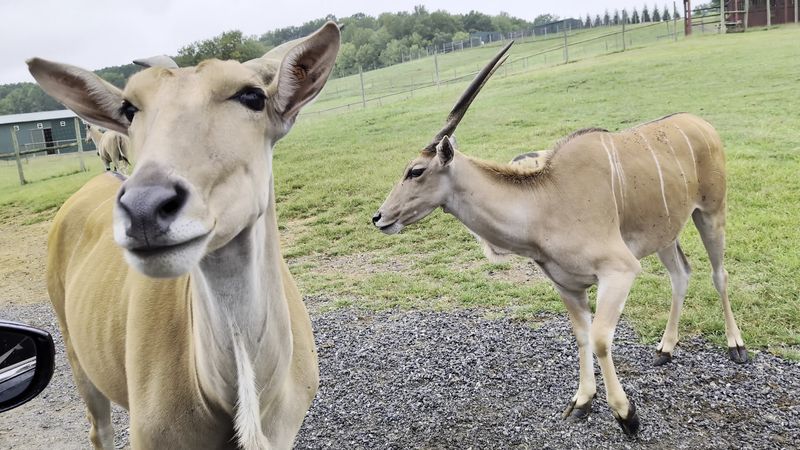
As a day trip, the park stands out because it combines several kinds of experiences in one stop.
Visitors get a long driving route, a walk-through section, food and rest areas, and practical extras like vehicle cleaning options that acknowledge how the visit actually unfolds.
That makes planning easier for families who want a fuller outing without a complicated itinerary.
Reviews often mention spending several hours on site, and the range of activities helps justify treating the visit as the main event rather than a brief roadside pause.
It also appeals to more than one type of traveler.
Parents with children, groups of adults, grandparents, and travelers passing through the region can all enjoy the experience in different ways.
Some prefer active feeding, others take a slower pace on foot, while many are happy simply watching the animals and reactions unfold from the car.
In a state with many historical sites and scenic drives, this offers a different kind of stop.
It is practical, unusual, and easy to remember, giving travelers a wildlife-centered alternative when they want something more interactive than a museum or overlook.