
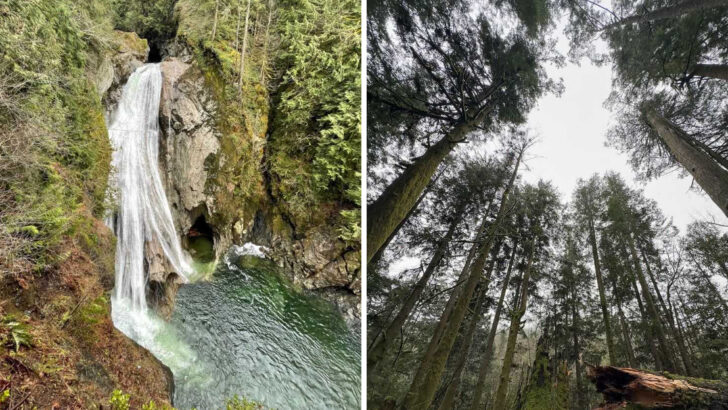
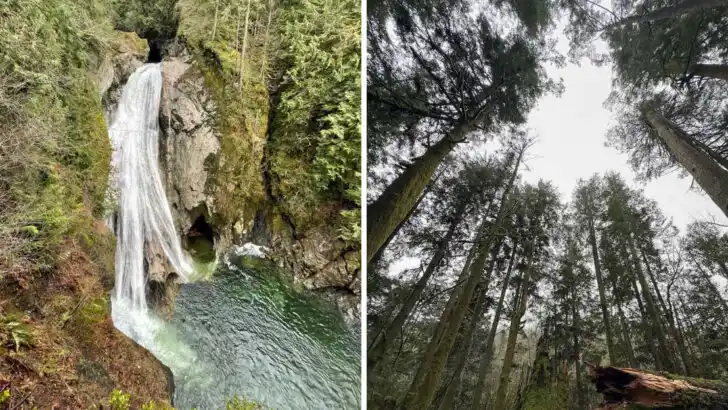
If you are craving waterfalls without committing to a grueling all day trek, Twin Falls Trail delivers in a big way.
Just 35 minutes from Seattle, this short hike packs in emerald forest, thundering cascades, and a suspension bridge that feels like a secret portal to the wild.
You will hear the river before you see it, then step into viewpoints that make your jaw drop.
Lace up, arrive early, and get ready for one of Washington’s most rewarding quick escapes.
A short hike with outsized rewards
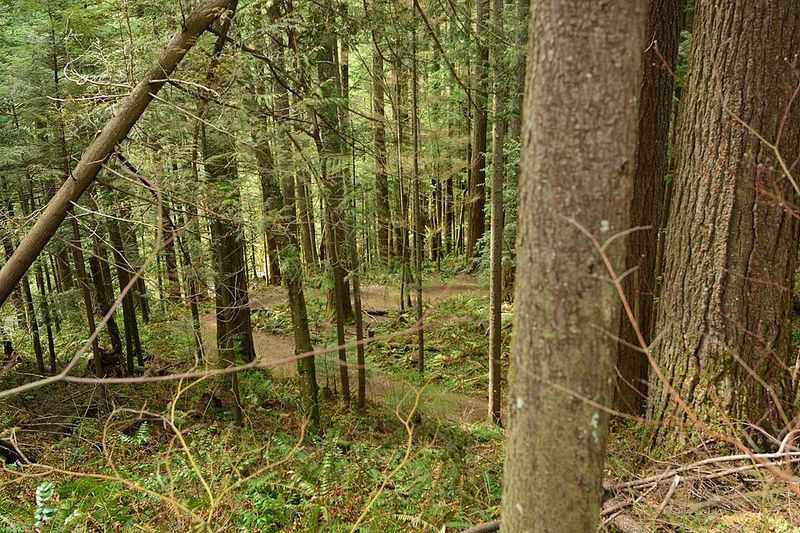
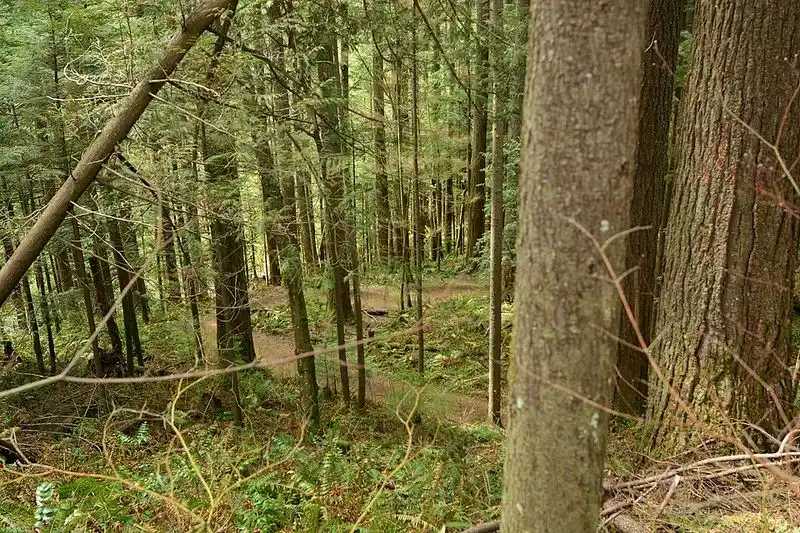
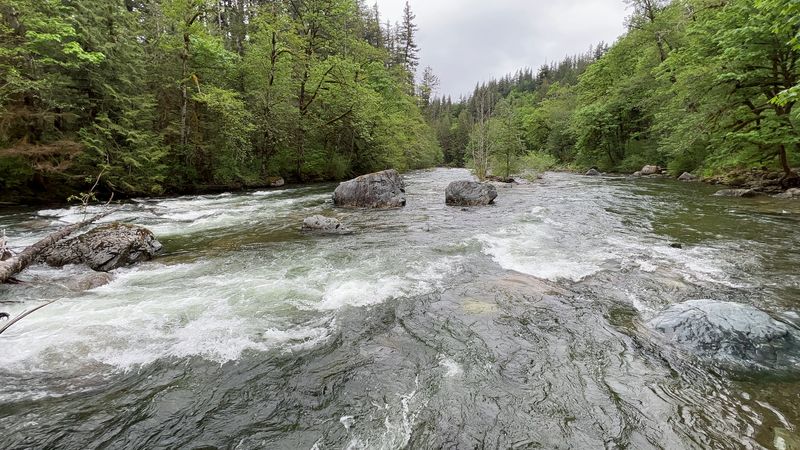
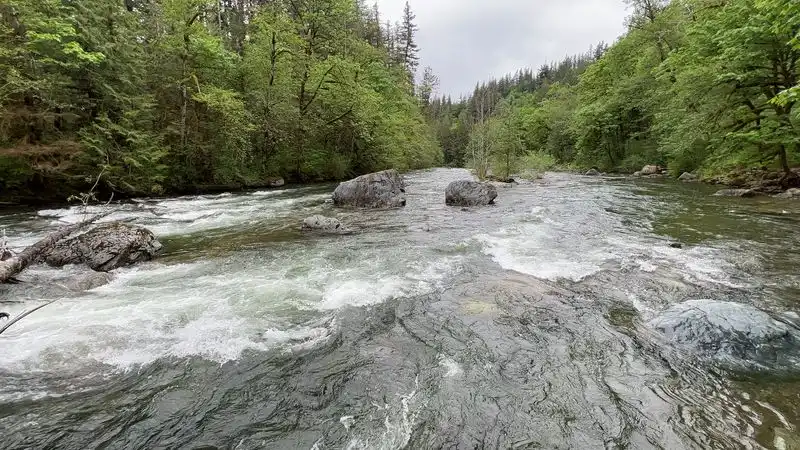
This trail proves you do not need a long itinerary to feel utterly transported. From the first steps, the rush of the South Fork Snoqualmie River follows you like a soundtrack, guiding the way through lush, mossy forest.
Sunbeams slip between bigleaf maples and Douglas firs, lighting up ferns at your feet and making the whole path glow after a rain.
The best part is how quickly the payoffs arrive. Within minutes, you catch glimpses of churning turquoise water and side trails to sturdy viewpoints, so you never wonder if the hike will be worth it.
The distance feels friendly, yet every bend of the trail teases something grander, keeping you eager to see what comes next.
It is the kind of hike you can fit into a morning before brunch, or pair with a coffee in North Bend without feeling rushed. Families, beginners, and visiting friends can all keep pace, and still share that same wow when the falls thunder into view.
If you want simple planning and big return, Twin Falls is the reliable yes you will reach for again and again.
Come on a misty weekday and the forest smells like cedar and rain, with fewer voices competing with the roar of the river. Come on a bright summer evening and watch the canyon catch golden light as cool air rises from the water.
However you time it, the experience feels generous, like Washington decided to hand you a highlight reel in under three miles.
Where Twin Falls Trail is located
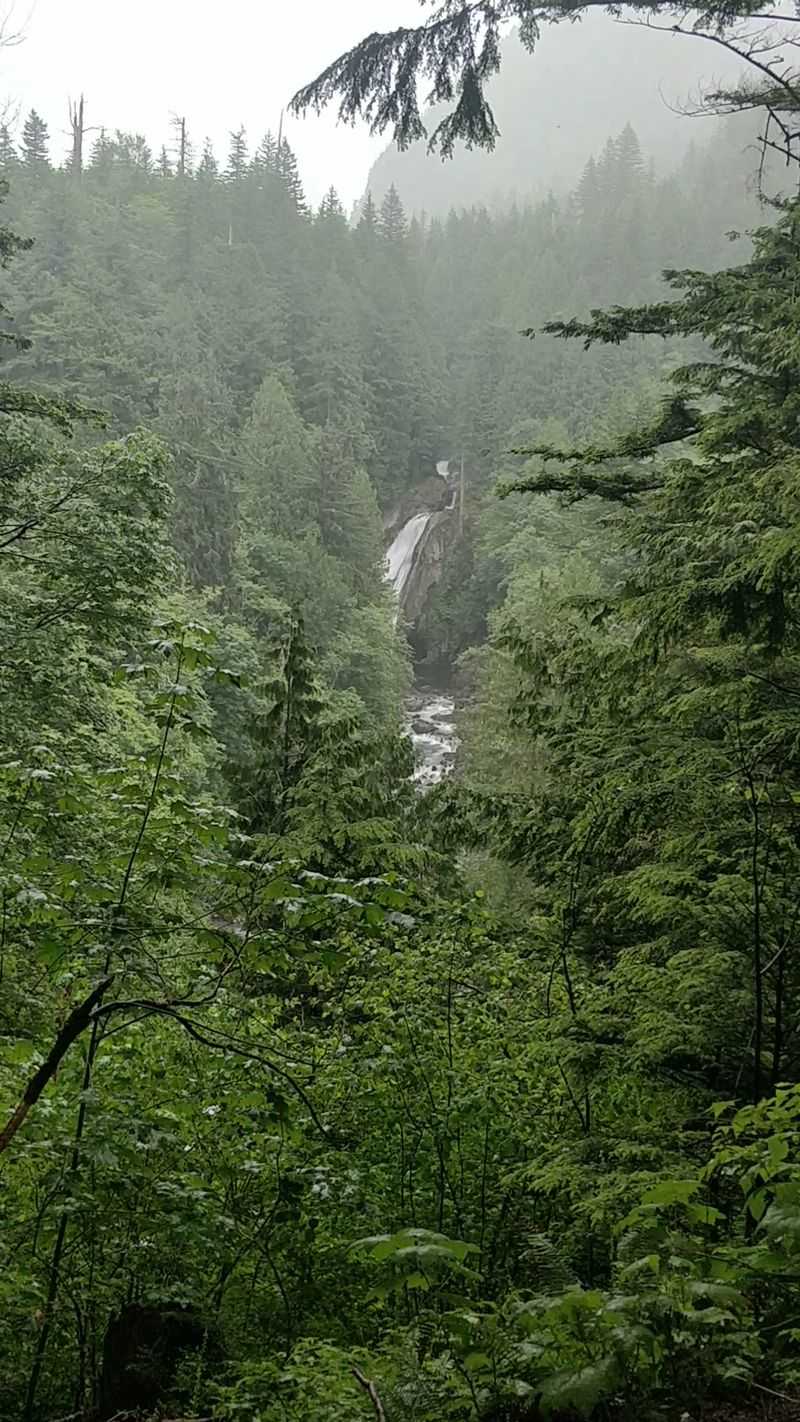
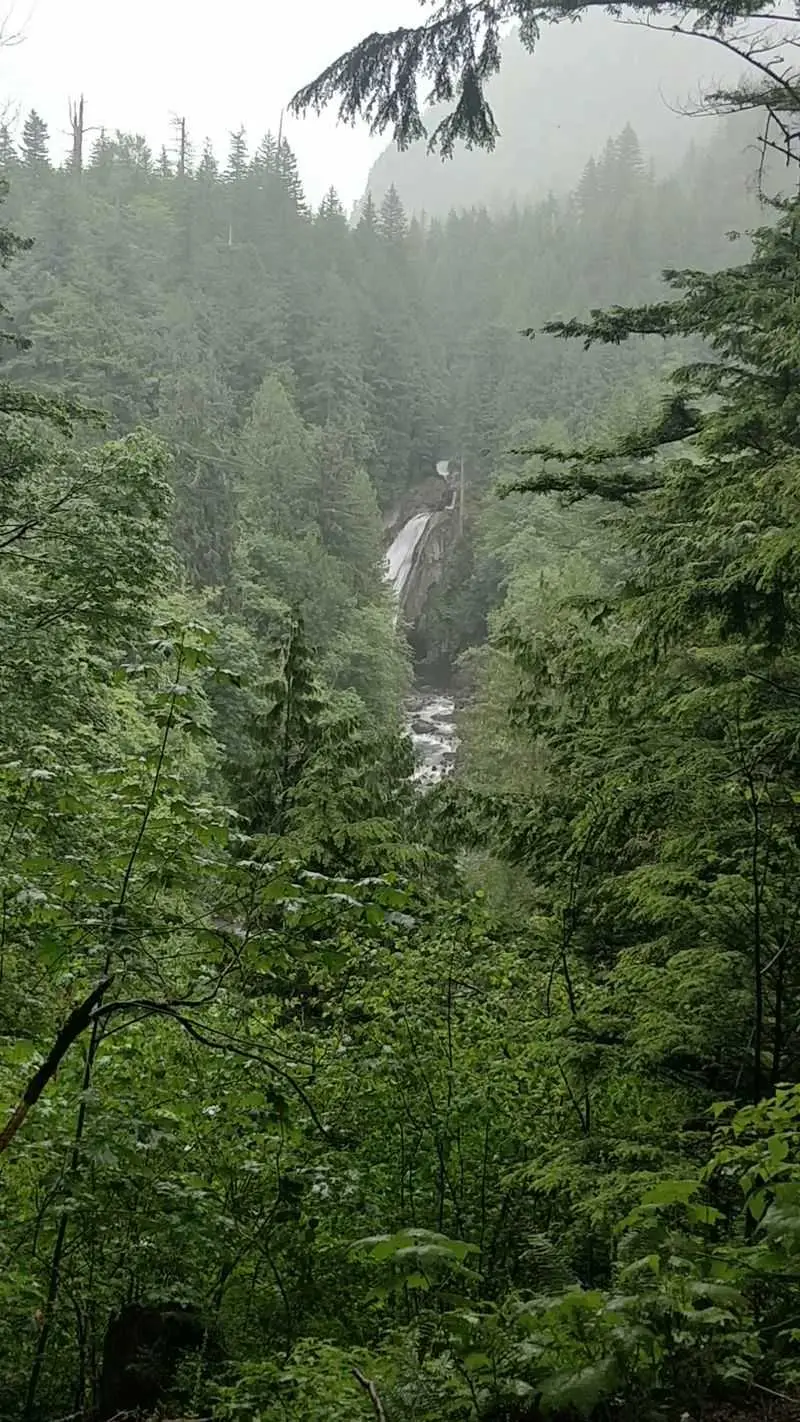
Twin Falls sits in Olallie State Park, just outside North Bend, tucked along the South Fork Snoqualmie River. You reach it quickly from I-90, which makes spontaneous trips easy when the clouds part or the mood strikes.
Despite the convenience, the forest swallows freeway noise fast, replacing it with rushing water and birdsong.
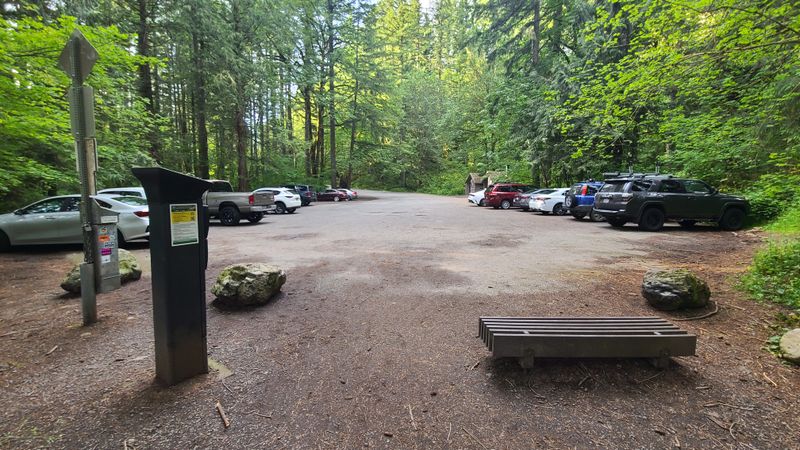
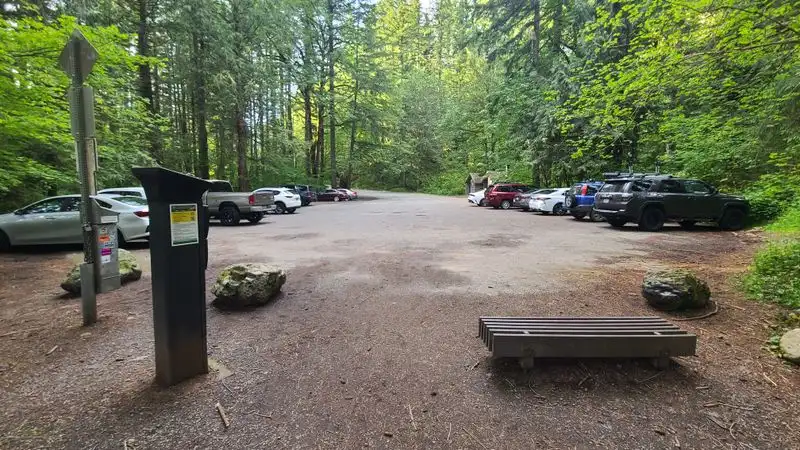
The main trailhead is well signed, with a paved lot that fills on weekends, so early arrivals score the smoothest start. North Bend is minutes away for pre-hike coffee and post-hike pastries, and the town’s mountain backdrop sets the tone beautifully.
Even on a quick visit, you feel squarely in the Cascades, with peaks peeking over tall evergreens.
Because the trail lives in a state park, a Discover Pass is typically required for parking, so plan ahead to avoid delays. Cell service can flicker in the canyon, which is part of the charm, but download maps if you like extra reassurance.
The straightforward layout makes it easy to focus on moving, listening, and taking in the scenery rather than checking your phone.
If you are road tripping the I-90 corridor, Twin Falls is the perfect leg stretcher between Seattle and Snoqualmie Pass. It is also a stellar first hike for out-of-town visitors easing into Washington’s landscape.
You get dramatic water, classic rainforest mood, and zero navigational drama, all within a short drive of the city.
Trail overview and distance
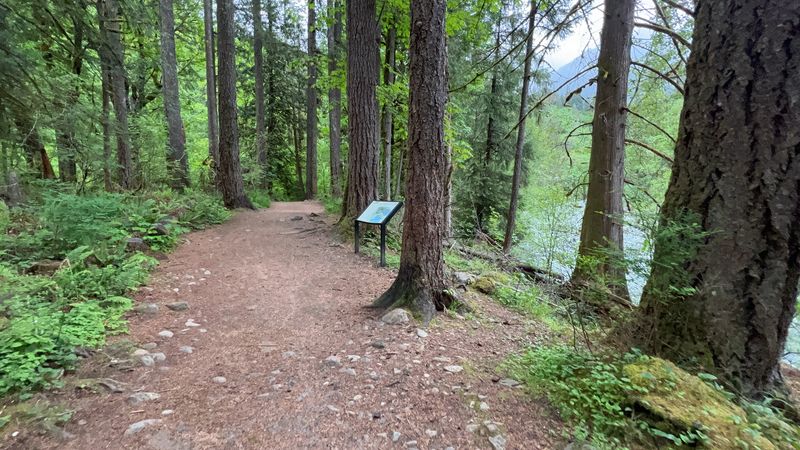
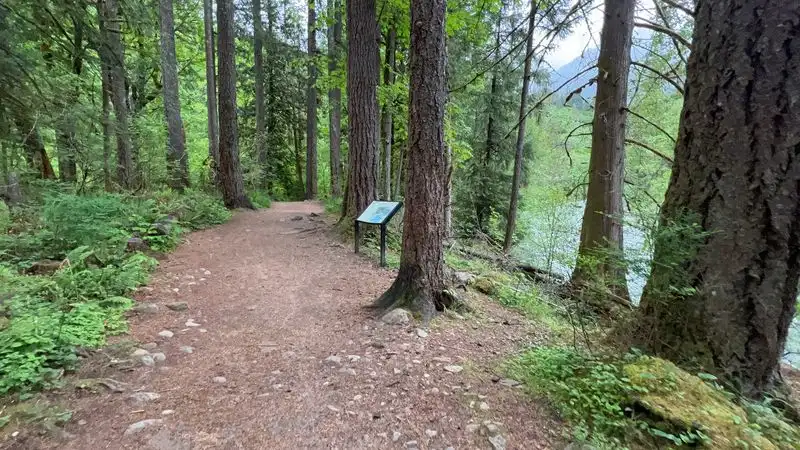
The Twin Falls Trail clocks in around 2.6 miles round trip, with gentle elevation that feels friendly even if you are easing back into hiking. The path is wide, packed, and well maintained, with stairs and railings where you want them.
You will find clear signage pointing to Lower and Upper Falls viewpoints, so you can tailor how far you go.
Expect rolling grades rather than one big climb, and intervals of steps that wake up your legs without burning them out. Families often pause at riverside openings to toss a few skipped stones or just breathe in cool spray.
Trail runners share the corridor too, but the flow stays comfortable thanks to polite passing and plenty of pullouts.
Because the trail is popular, peak weekend hours see steady traffic, yet the route still delivers quiet pockets if you start early. The footing holds up year round, though wet roots demand attention after rain.
A simple rhythm of hike, pause, and listen seems to happen naturally here, and that cadence is part of the charm.
Bring water, a light layer, and shoes with good tread, then let the distance unfurl at your own pace. If time is tight, you can still reach dramatic viewpoints without committing to the full out and back.
When you finish, you will be surprised by how much beauty fit inside those modest miles.
The star attraction: Twin Falls
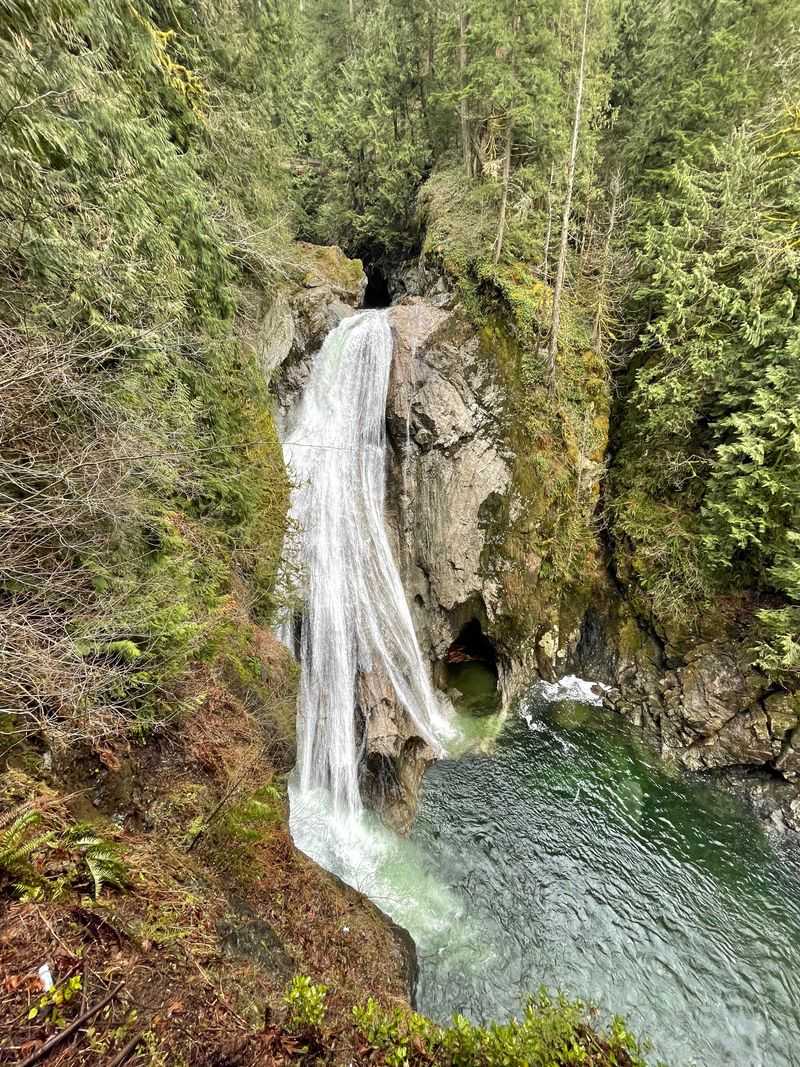
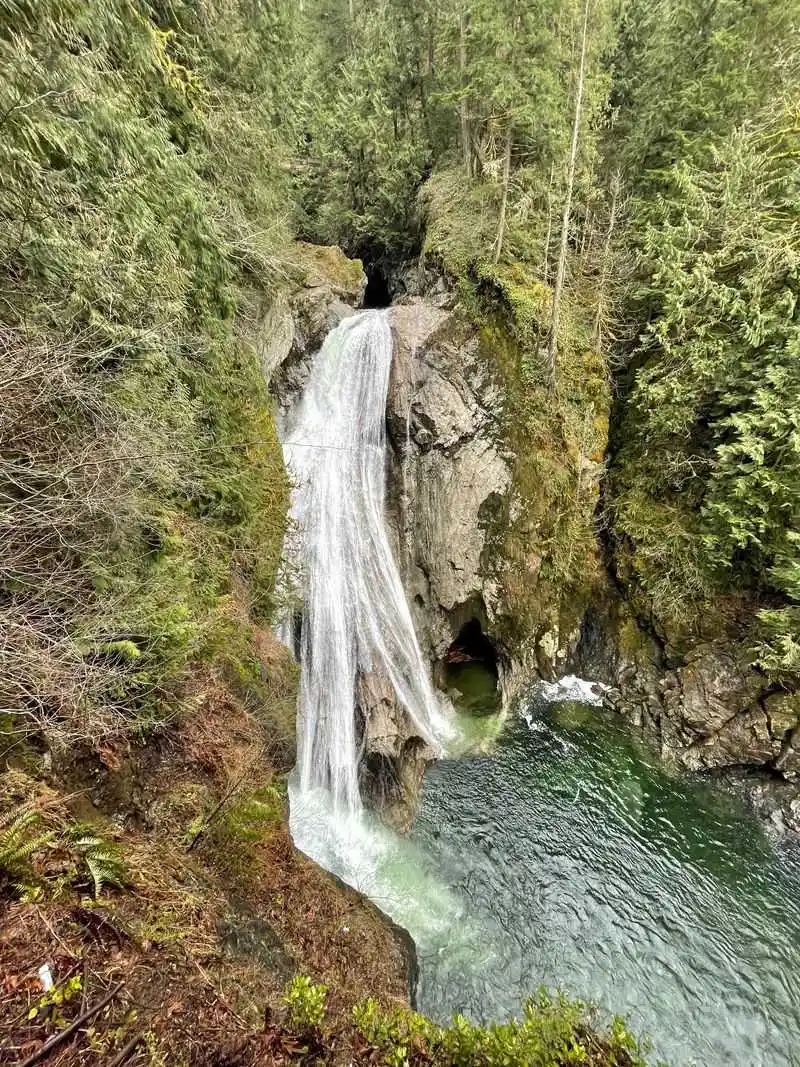
The namesake waterfalls tumble more than 150 feet through a narrow gorge, splitting into tiers that thunder and shimmer. From the viewpoints, you feel the ground humming, a deep vibration that makes conversation drop to a whisper.
Mist lifts off the plunge pool like breath on a cold morning, catching light and painting tiny rainbows.
In spring, snowmelt supercharges the flow, turning the gorge into a roaring amphitheater that you will feel in your chest. Winter rains do something similar, shaping wild, muscular torrents while moss glows electric green.
Summer softens the water into lacy curtains, revealing rock textures and hidden ledges otherwise swallowed by froth.
These falls photograph beautifully from several angles, including framed views through cedar branches and an elevated vantage from the trail. Bring a lens cloth because spray will mist the glass every few minutes near the prime overlooks.
Step back when needed and give everyone room to savor that first gasp when the cascade appears.
What makes Twin Falls special is not just height, but the intimacy of the gorge and how close you feel to the power. The sound lingers long after you leave, like waves in your ears after a day at the beach.
One visit turns into a ritual quickly, because the falls always seem to offer a new mood.
Crossing the suspension bridge
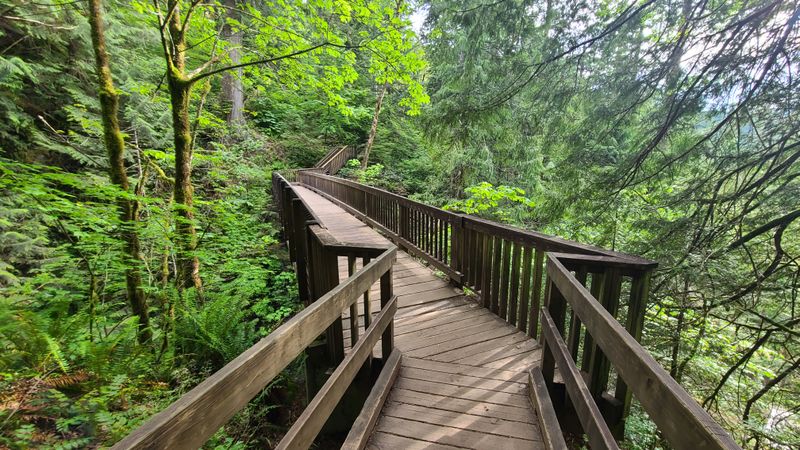
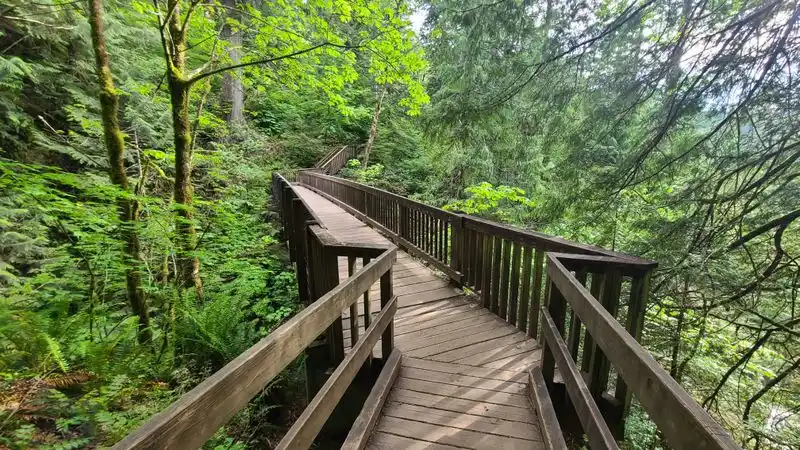
The suspension bridge is the moment that makes your stomach flutter in the best way. It spans the Snoqualmie River in a high, elegant arc, giving you a balcony over luminous blue water.
Look upriver and you will see the canyon pinching tight, the current threading through polished boulders.
The boards bounce gently under foot traffic, which adds a touch of drama without ever feeling unsafe. Pause midway and watch eddies spin in perfect circles below, while a cool draft rises from the river.
On quieter mornings, the only sounds are water and a soft creak from the cables.
This spot is perfect for photographs, but it is also a place to pocket your phone and just breathe. The bridge frames the forest in a way that makes the greens look extra saturated, especially after rain.
Step aside for others, share the view, then linger a minute longer because it is hard to leave.
If you are nervous about heights, keep your gaze on the horizon and your steps steady. The reward is that sweeping perspective that ties the hike together, from river to cliffs to sky.
When you step off the far end, the trail feels different, like you have passed a threshold deeper into the canyon.
Old growth forest scenery
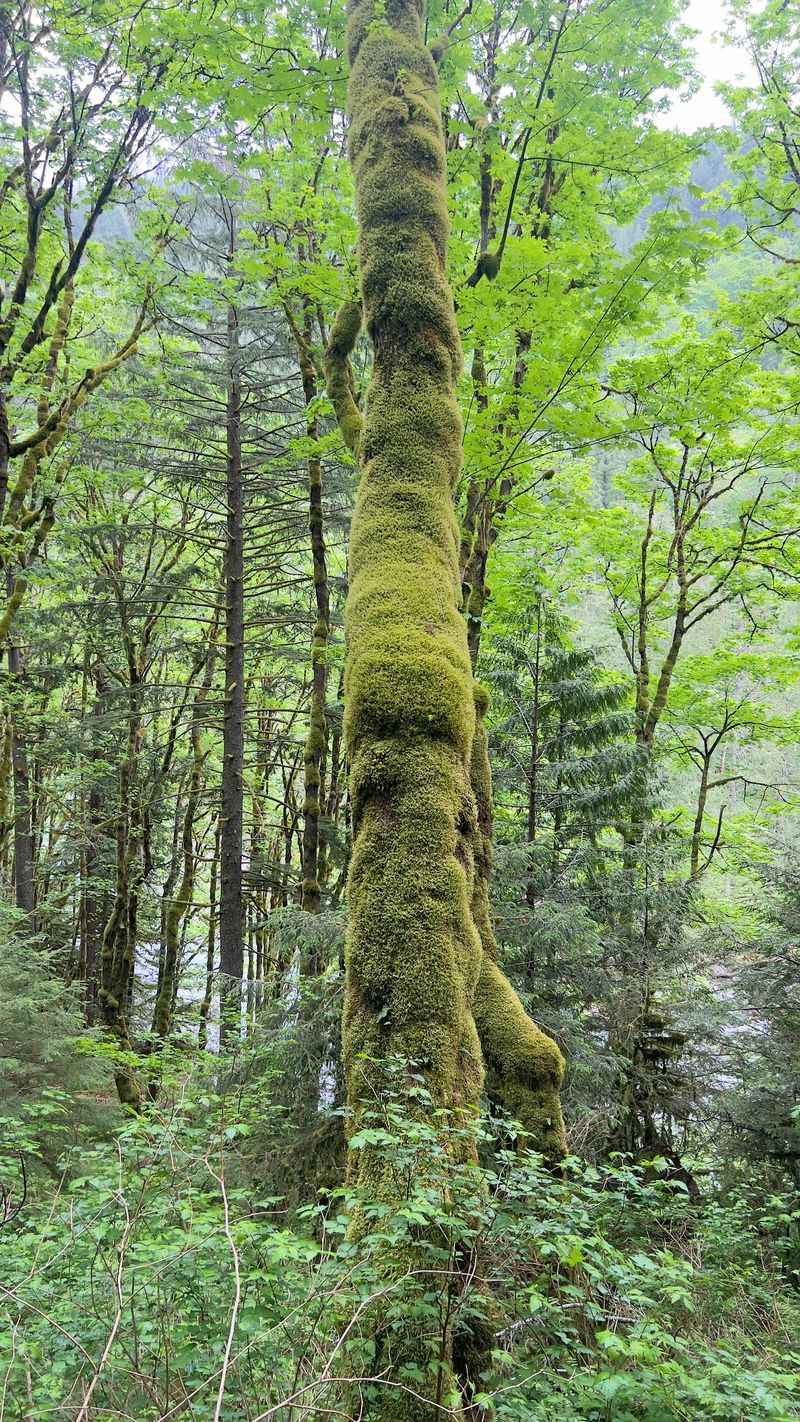
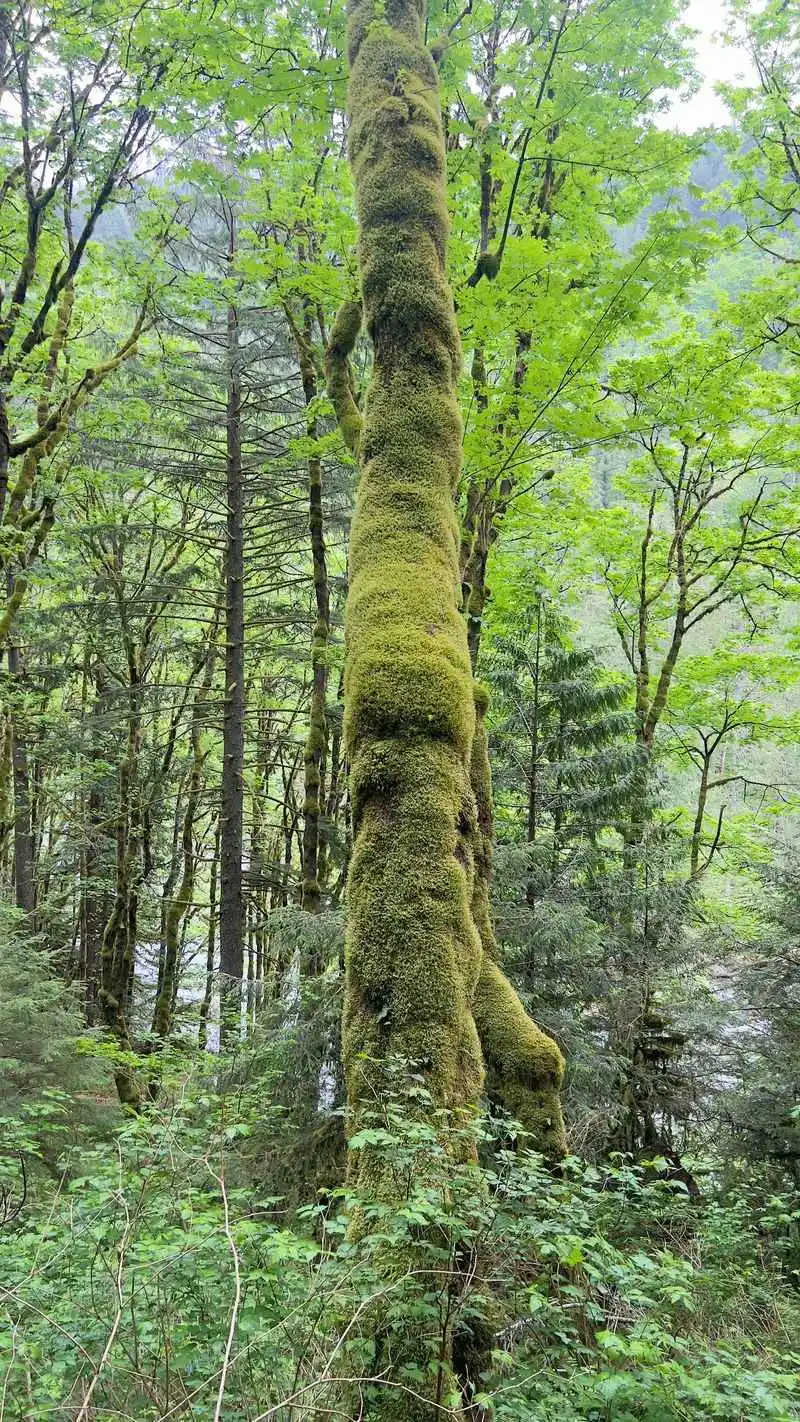
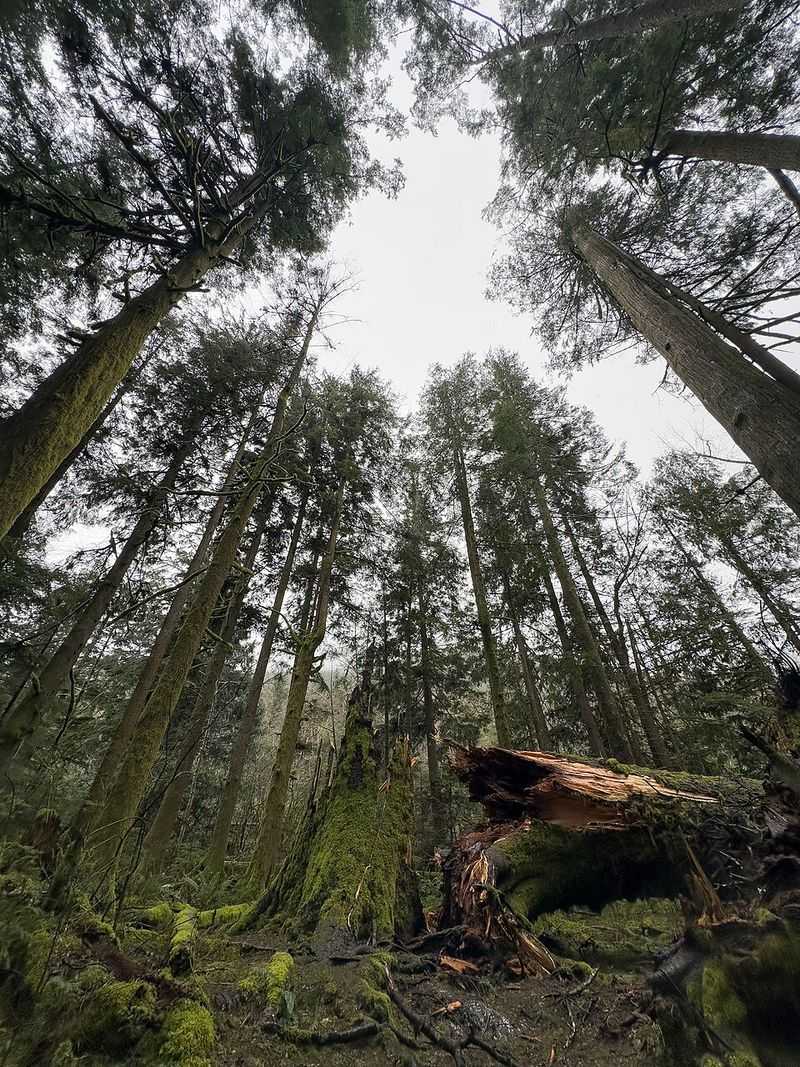
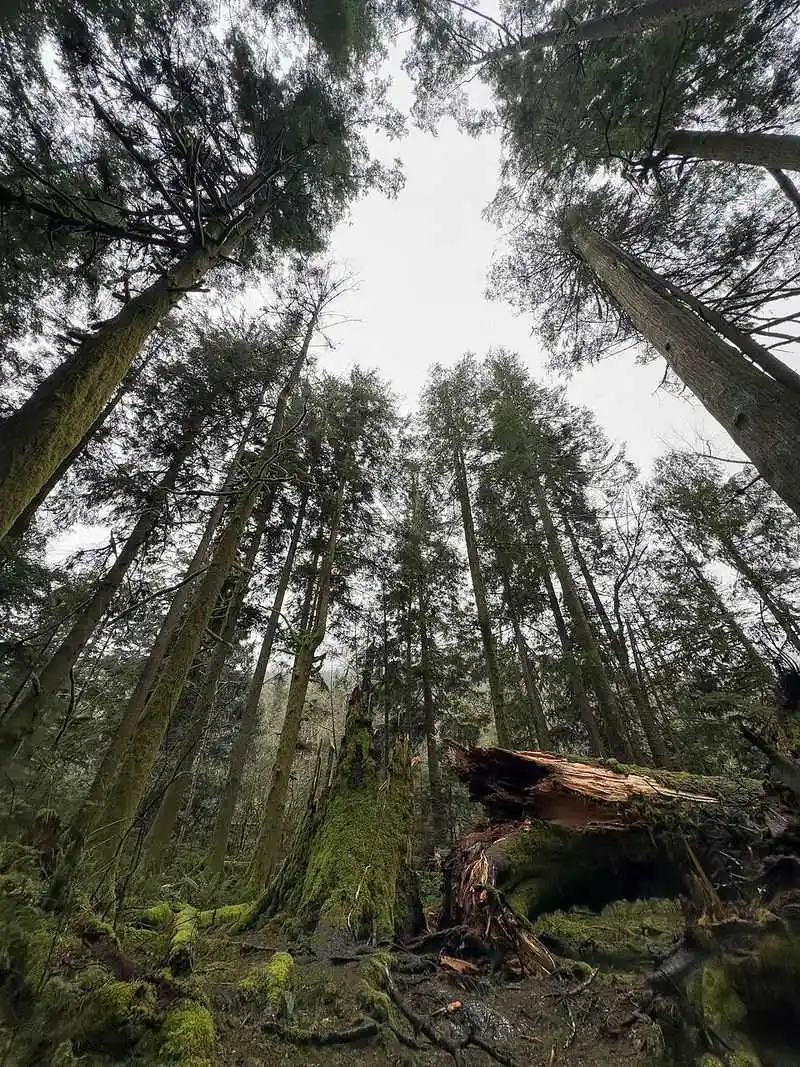
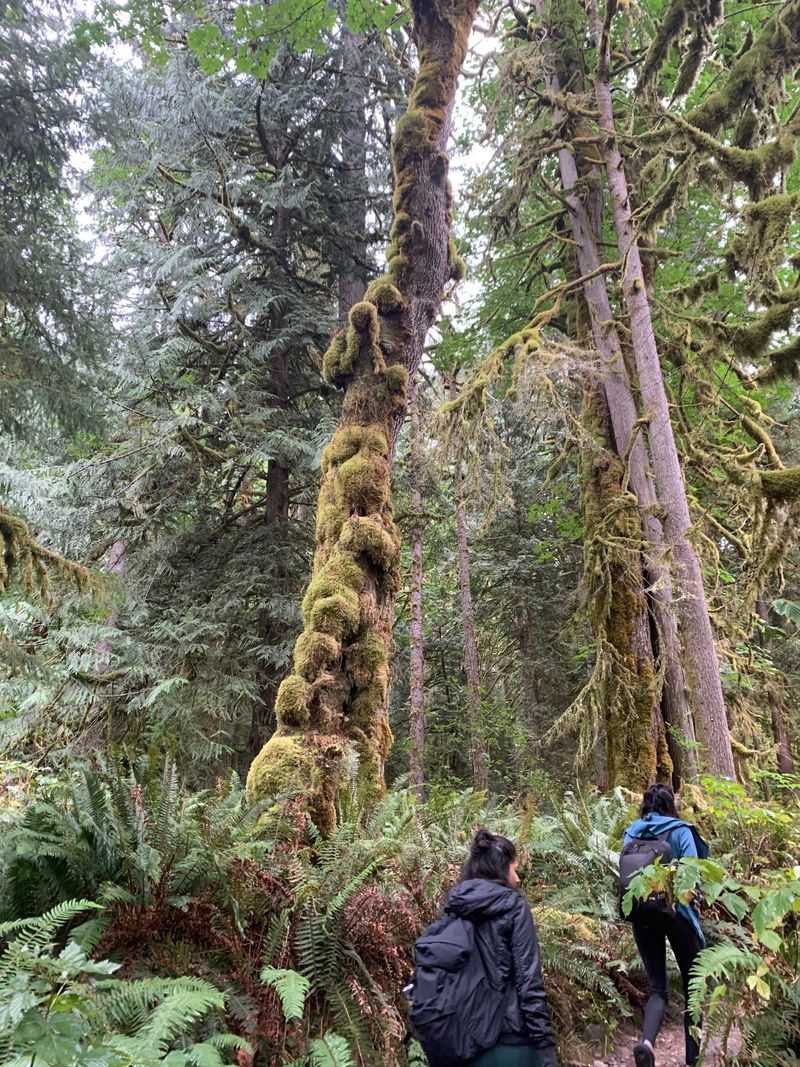
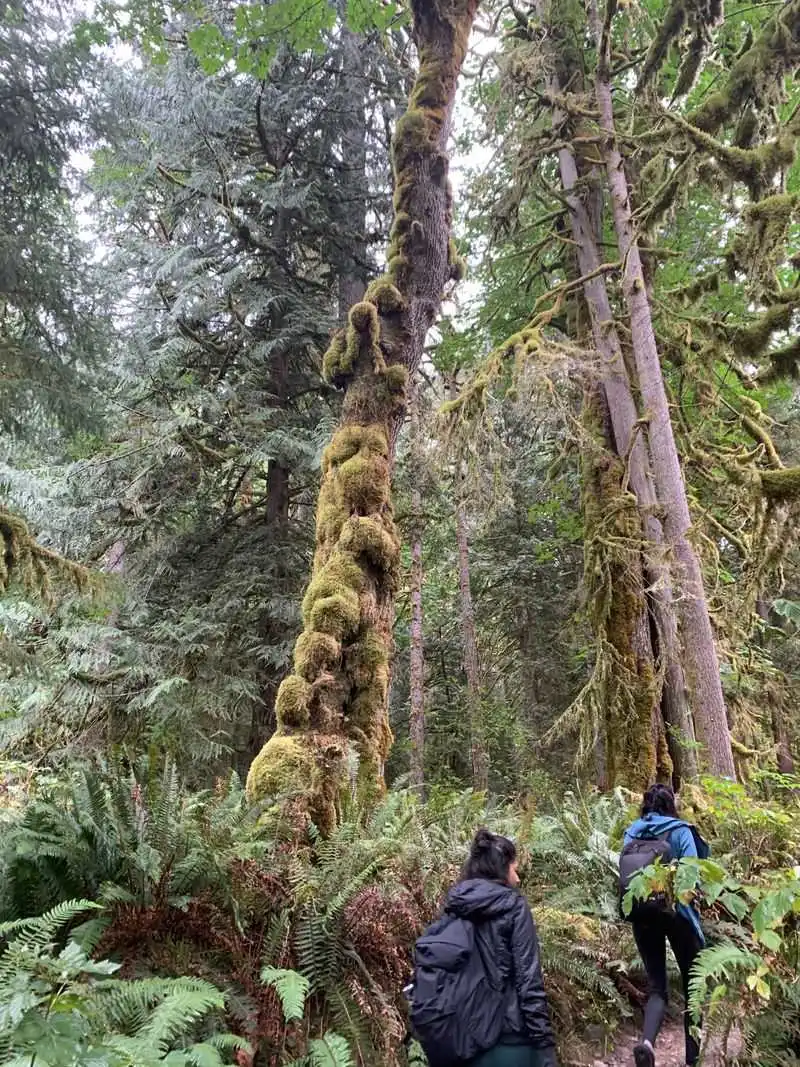
Walk this trail and you will get a masterclass in Pacific Northwest textures. Bigleaf maples wear cloaks of moss, draping like velvet over knobby limbs, while sword ferns fan out along the path.
Towering Douglas firs stitch a dense canopy that filters light into a soft green hush.
At ground level, nurse logs host tiny forests of their own, with salal, huckleberry, and baby hemlock taking root in decaying giants. You can smell cedar when the air turns damp, and after a shower, the forest breathes rich and earthy.
Every few steps, a new pattern appears, from lichen rosettes to polished stones along the riverbank.
This is the rainforest many people imagine when they think Washington, and it delivers that fantasy without a long drive. Even in summer heat, shade keeps the trail pleasantly cool, making breaks short and progress steady.
In winter, the greens go neon against gray sky, and the woods feel extra serene.
Look closely and you will notice details that stick in your memory long after the hike. The way water beads on fern fronds, the tiny mushrooms that pop from a stump, the soft give of duff under your boots.
These small things layer together until the forest feels alive in every direction you turn.
Seasonal highlights
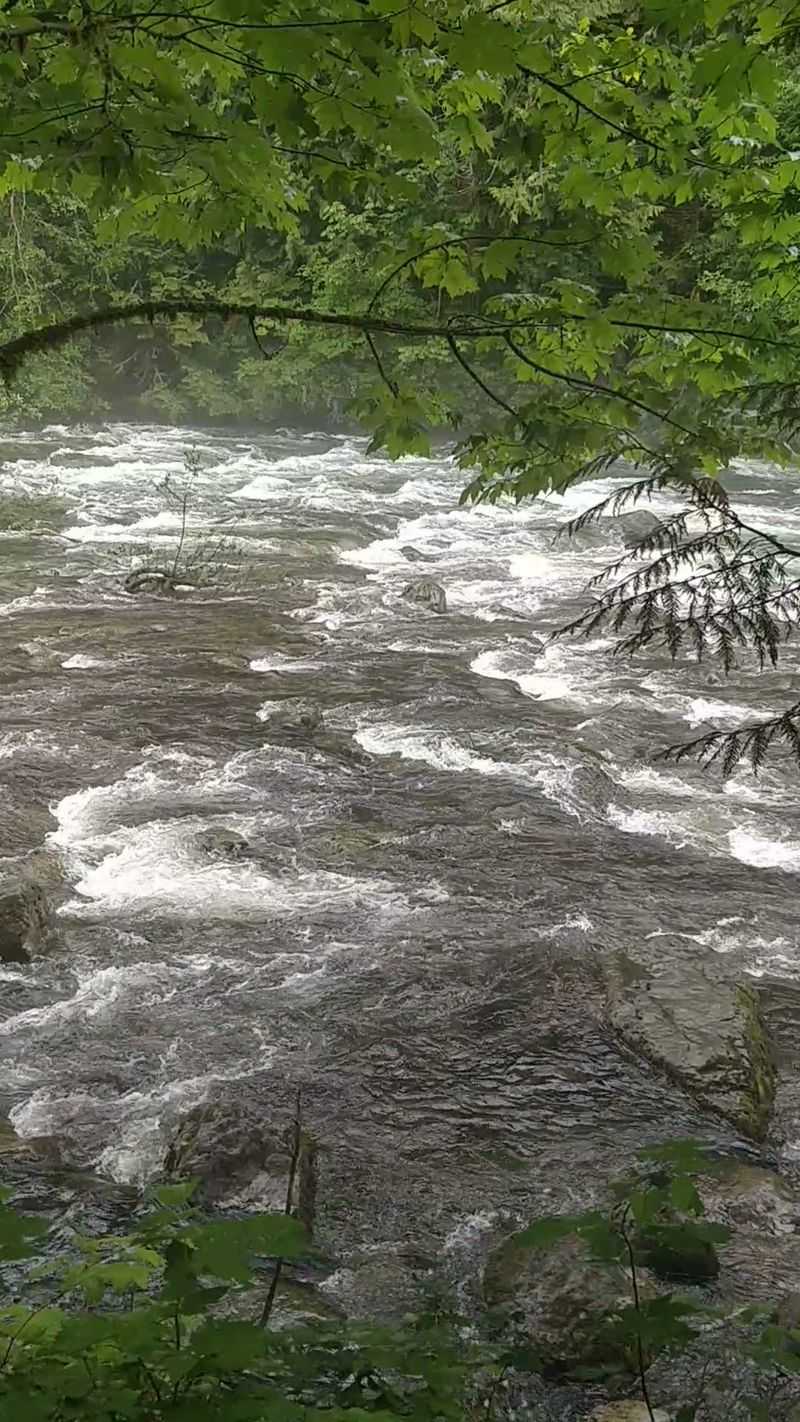
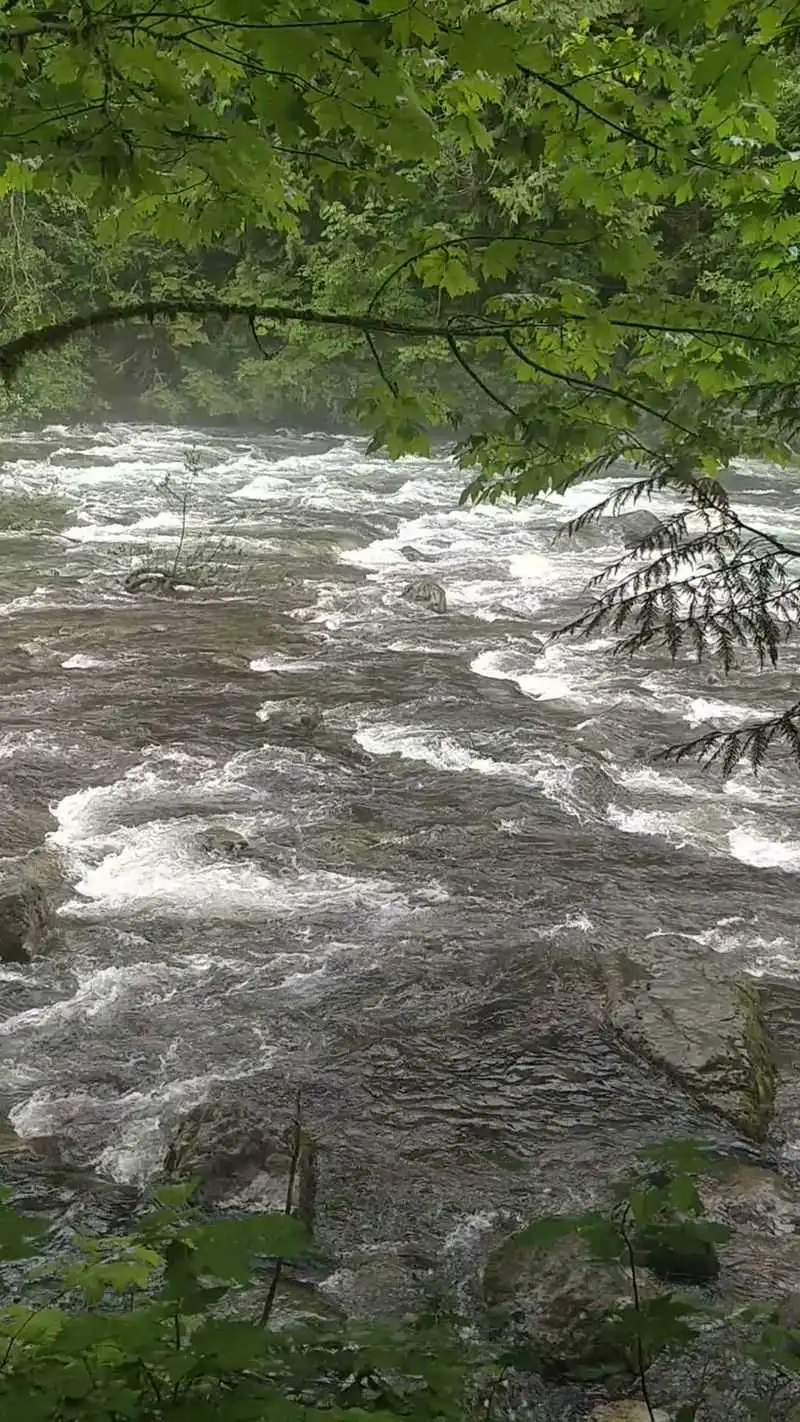
Every season reshapes Twin Falls, so your experience evolves with the calendar. Spring is a full throttle show, when snowmelt swells the river and the falls roar with cinematic energy.
Wildflowers dot the edges, and the forest smells peppery and bright after warm rain.
Summer turns the trail into a shaded retreat, a cool green tunnel on hot afternoons. Water levels drop, revealing sculpted rock and calm pools that glow turquoise in late light.
Crowds increase, but early mornings and weekday evenings give you room to wander.
Fall paints the maples and vine maple understory in ambers and reds, adding color pops against persistent evergreen tones. The air turns crisp, the path quiets, and you can hear single leaves ticking across the trail.
Photographers love the contrast of fire colored foliage with deep green moss.
Winter brings moody skies, powerful rain fed surges, and the occasional dusting of snow that remakes the canyon in white. Ice fringes drip from logs and rails, and your breath curls in front of you like smoke.
With traction and care, the season rewards you with a dramatic, less crowded version of the hike.
Wildlife and natural features
Wildlife along Twin Falls tends to be subtle, but attentive hikers notice plenty. Banana slugs shine like little neon commas after rain, inching across the trail with quiet purpose.
Songbirds hop through understory shrubs, and you might hear a woodpecker tapping somewhere above the path.
Look for tracks at sandy river edges, where deer sometimes step down to drink in the morning. The river corridor supports salmon during key times, and interpretive signs highlight habitat and lifecycle.
Even if you do not spot fish, knowing they use this water adds weight to the sound of the current.
Geologically, the gorge is fascinating, with bedrock shaping narrow chutes that compress the flow into vivid turquoise. Polished boulders bear the signatures of flood events, and moss softens everything that sits still long enough.
On foggy days, the whole canyon feels like a living organism, breathing mist in slow waves.
Keep your distance from any animals you encounter and store snacks securely, because even small critters learn fast around busy trails. Step gently, stay on durable surfaces, and notice how many tiny communities are tucked into logs and stones.
The more you look, the more alive the place becomes, turning a short hike into a layered natural story.
Accessibility and trail conditions
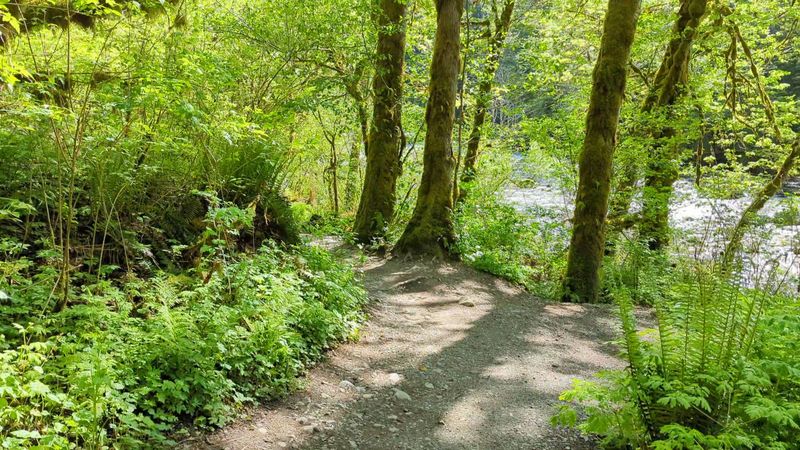
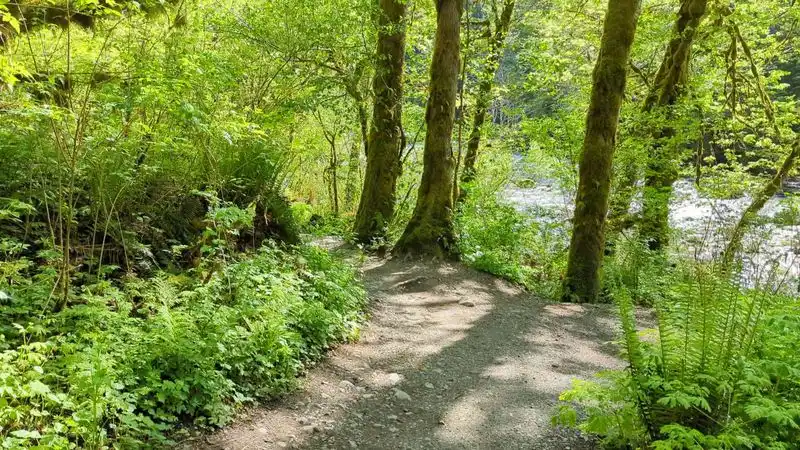
Twin Falls is generally wide, well graded, and simple to follow, which lowers stress for new hikers. You will find compacted surfaces, short stair sections, and handrails at several viewpoints.
After storms, expect muddy spots and slick roots, especially where mist drifts from the falls.
Good tread shoes are the difference between confident steps and tentative shuffles here. Trekking poles help on stairs if knees complain, and a light rain shell is smart even on sunny forecasts.
The forest makes its own weather, turning a bluebird morning into cool shade and scattered drizzle.
Wayfinding is easy thanks to clear signage and a well used track that looks unmistakably like the main path. Download an offline map if you want backup, but most people simply follow the river’s voice.
Benches and pullouts let you pause without blocking traffic, which keeps the flow friendly.
If mobility is a concern, consider turning around at the earlier viewpoints where payoff arrives quickly. The out and back layout means you control the distance and can call it whenever you like.
With basic preparation, the conditions support a safe, enjoyable walk in nearly any month.
Why this hike is perfect for beginners
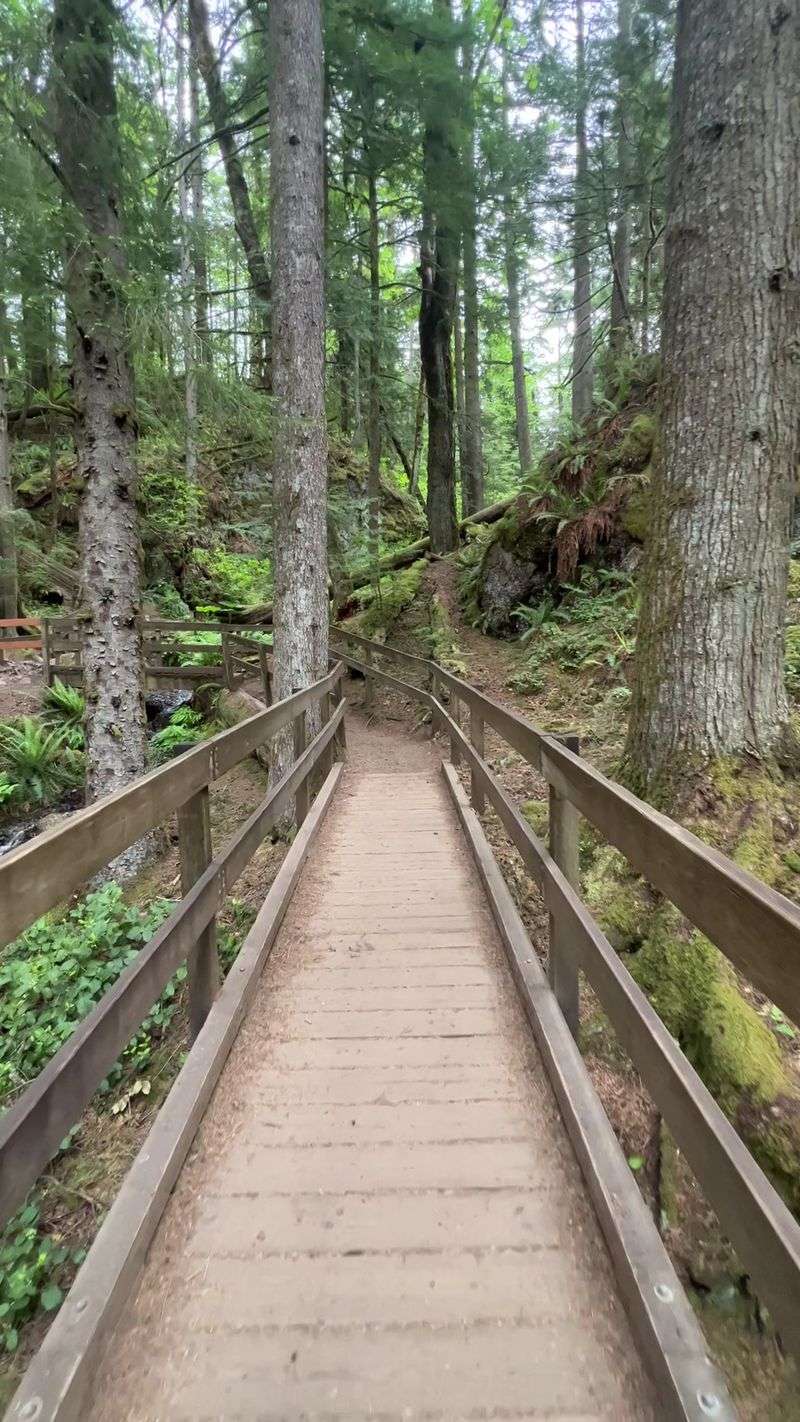
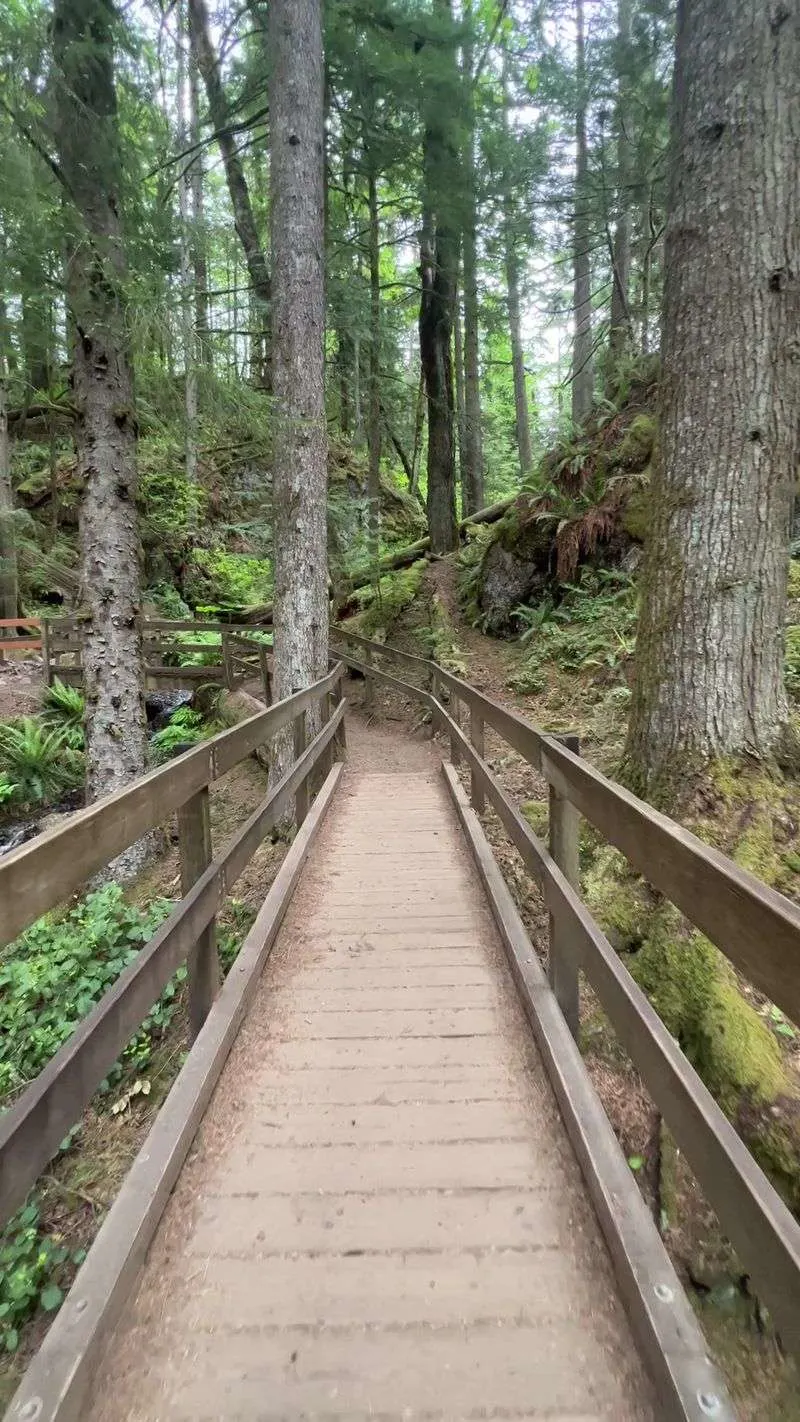
Beginners want clear paths, modest elevation, and a big reward early. Twin Falls nails all three, making that first step into hiking feel like a win.
The sounds and sights arrive quickly, so motivation stays high and any jitters fade fast.
Because the route is popular, you are rarely alone, which can feel reassuring while you learn the rhythm of trail etiquette. Signage is obvious, footing is intuitive, and there are no tricky junctions to puzzle over.
Viewpoints allow breathing room to check gear, sip water, and take photos without pressure.
The distance feels achievable even on a busy day, and the out and back format lets you turn around whenever you like. Along the way, you practice essential skills: pacing, layering, reading terrain, and noticing how your body responds.
By the time you reach the falls, confidence has already started to build.
Bring a friend, share a thermos, and treat it like a mini adventure that fits between breakfast and lunch. When the trail delivers so much scenery for so little strain, you will want to repeat the experience.
Before long, this simple success becomes the launchpad for bigger Washington hikes on your list.
Tips for visiting responsibly
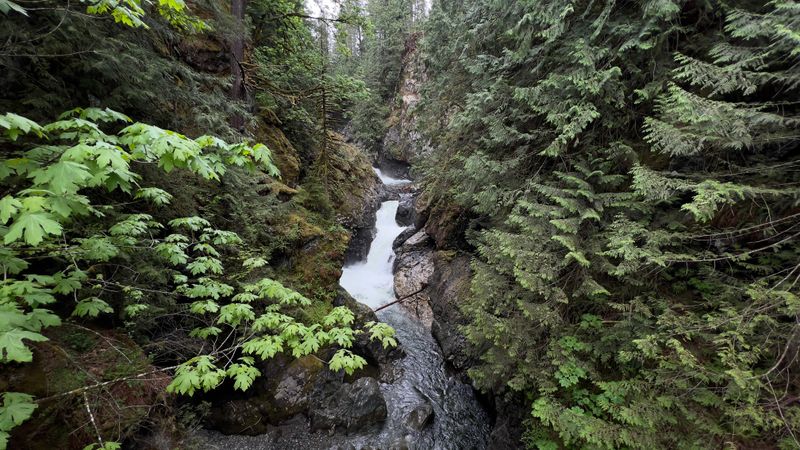
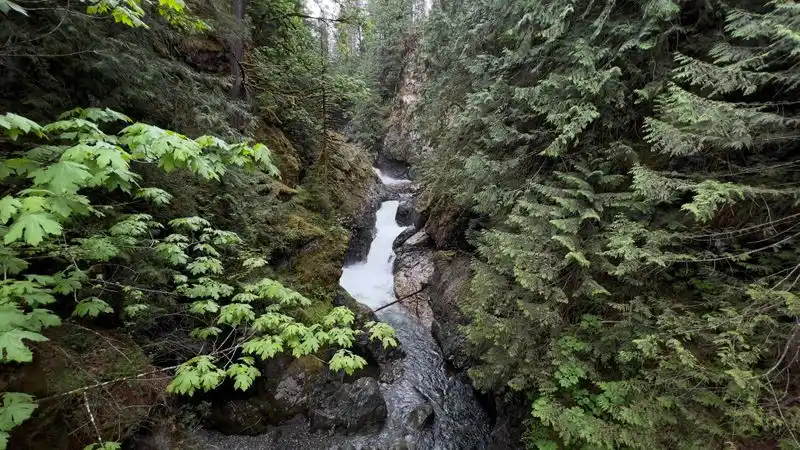
Popularity is part of Twin Falls’ charm, but it also means we share space closely. Arrive early or choose weekdays to ease parking pressure and enjoy quieter moments at viewpoints.
Keep voices low near the river, where sound carries and wildlife depends on a little peace.
Stay on trail to protect roots and fragile understory plants that struggle with repeated trampling. Yield to uphill hikers, leash dogs, and pack out every wrapper and orange peel.
If you need to step aside, pick durable surfaces like rocks rather than soft duff.
Bring a small bag for trash and a spare for micro litter you spot along the way. A simple habit of scanning the ground turns you into a quiet trail hero in minutes.
Refill bottles in town and avoid washing anything in the river to keep the water clean.
Most importantly, practice Leave No Trace so the canyon can keep dazzling newcomers for years. Snap your photos, breathe the mist, then leave things just as you found them.
Responsible choices add up quickly on a popular hike, and your care helps the forest stay wild.
Nearby hikes and add on options
If energy remains after Twin Falls, you have great choices close by. Continue to the Lower and Upper Falls viewpoints for fresh angles and a deeper feel for the gorge.
The extra steps add perspective without demanding a full day, keeping the outing flexible.
For more mileage, explore Rattlesnake Ledge, Mount Si, or Little Si just down the valley, each offering bigger climbs and sweeping views. On hot days, the Snoqualmie River has calmer stretches for picnicking and rock hopping away from the main crowd.
North Bend’s cafes and bakeries make excellent reward stops before the drive home.
In shoulder seasons, pair Twin Falls with a mellow stroll on the Snoqualmie Valley Trail for a flat, scenic cooldown. If you prefer solitude, sunrise starts at lesser known trailheads can buy you golden hour magic with fewer voices.
The I-90 corridor is stacked with options, so you can scale your adventure on the fly.
Think of Twin Falls as the anchor that sets the tone for a full Cascades day. Start with waterfalls, then pick a ridge, lake, or viewpoint to round out the experience.
With smart timing, you will fit a surprising amount of beauty into one simple itinerary.
Parking, permits, and timing
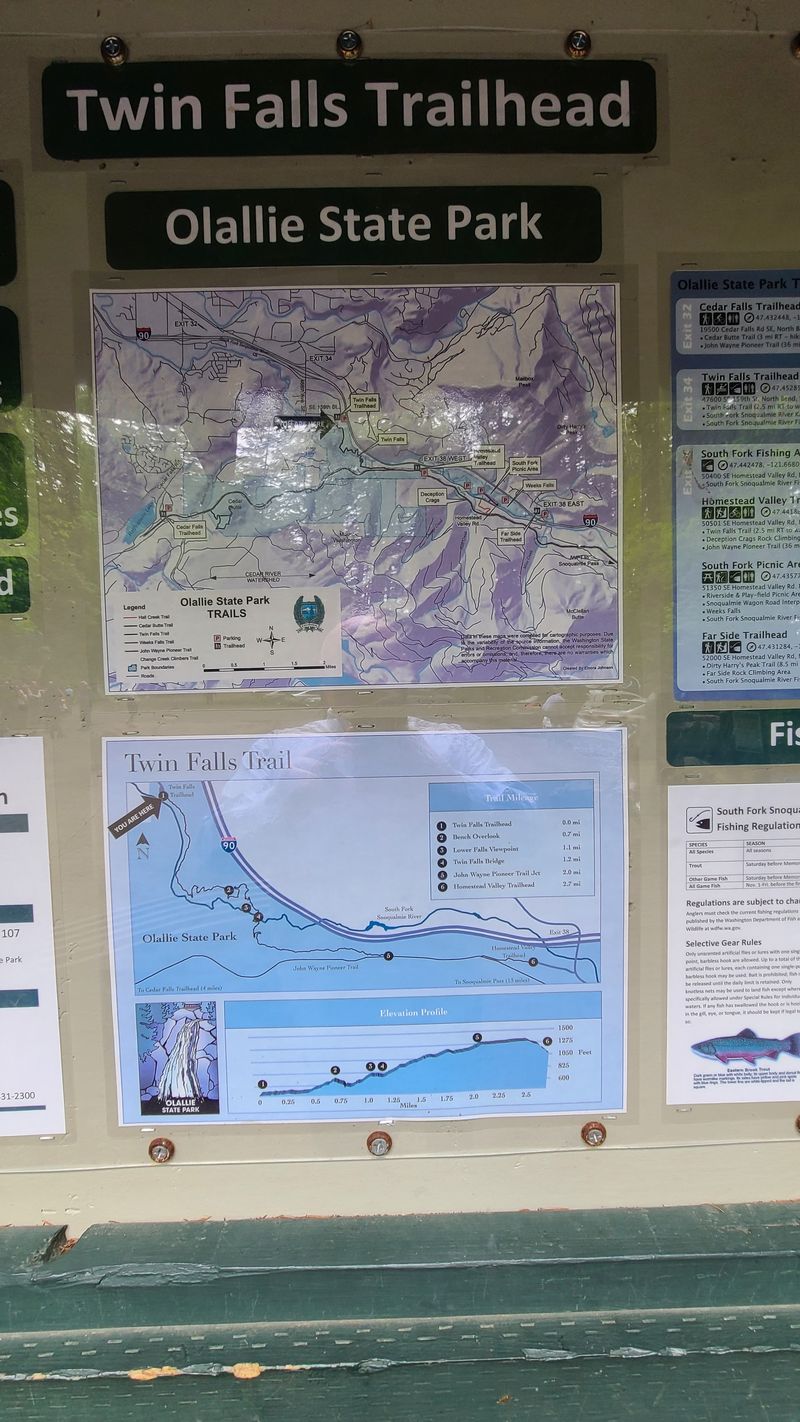
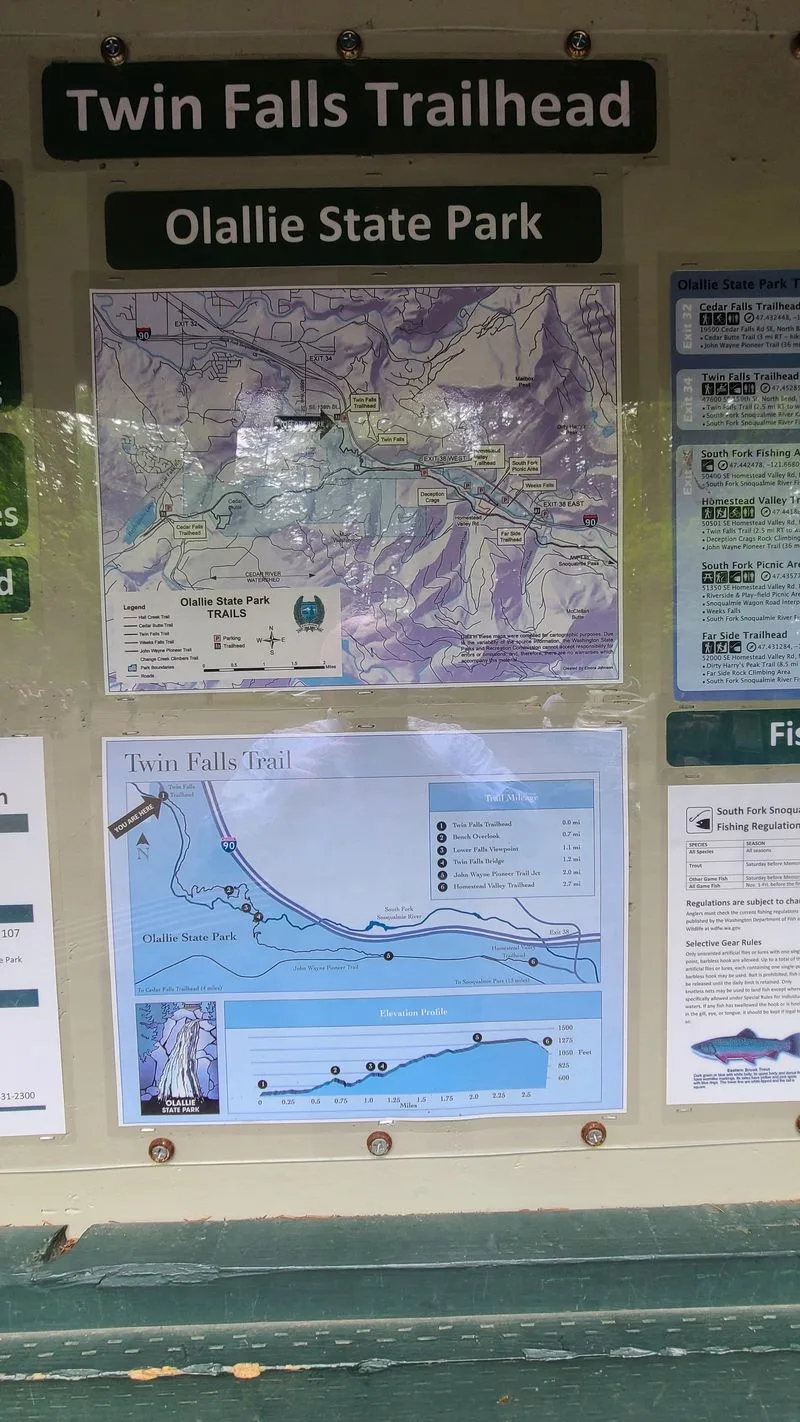
Plan for a Discover Pass to park at Olallie State Park lots serving Twin Falls. Weekend mornings fill quickly, so aim for early arrivals or late afternoon windows when turnover picks up.
If the main lot is full, avoid shoulder parking in signed no parking zones to prevent tickets.
Bathrooms are available at the trailhead during peak season, but bring sanitizer and a backup plan just in case. Service can be spotty, so download your pass or have it physically displayed before you arrive.
Keep valuables out of sight and lock your vehicle, as popular trailheads draw opportunists occasionally.
Timing shapes your experience more than anything else here. Dawn gives you quiet paths, gentle light, and easy photos without glare, while evenings glow over the canyon.
Midday works too, but expect more company and warmer temperatures in summer.
Build a little cushion for traffic on I-90 both directions, especially on sunny weekends. If skies look moody, embrace it, because the forest and falls photograph beautifully under soft clouds.
A small amount of planning pays off with a smooth, stress free start to your waterfall fix.
Family friendly tips and safety
Bring layers for kids because the canyon runs cooler than the forecast suggests. Snacks and warm drinks keep morale high, especially near viewpoints where mist adds a chill.
Set simple goals like reaching the first river overlook, then reassess energy and attention spans.
Hold little hands near stairs and railings, and keep dogs leashed to prevent tangles along narrow sections. Teach step aside etiquette early, asking children to pause on the uphill side when others pass.
Point out banana slugs, birds, and moss gardens to turn the trail into a living scavenger hunt.
Pack a small first aid kit, a map screenshot, and a headlamp even for short outings. Phone batteries dip faster in cold air, so consider a pocket charger and airplane mode between photos.
Choose footwear with grip because wet roots can surprise even careful walkers.
Most of all, take your time and build in mini breaks where the roar of the falls keeps everyone engaged. Finish with a treat in North Bend to cement the memory as a happy tradition.
When the day ends with smiles and muddy boots, you will know the plan worked.
Why Twin Falls stands out
Twin Falls concentrates Washington’s greatest hits into a small, satisfying package. You get thundering water, moss drenched forest, a dramatic bridge, and mountain air without a long drive.
The experience feels both approachable and wild, which is a rare combination near a major city.
Because payoff arrives early and often, the trail suits nearly any schedule, mood, or skill level. First timers feel confident, while seasoned hikers appreciate the quality to time ratio.
Even on repeat visits, shifting seasons keep the gorge fresh and photogenic.
There are bigger waterfalls and longer trails, but few places deliver so much in under three miles. The memories linger beyond the parking lot, like the sound of the river trailing you home.
You will think about the mist, the bridge sway, and that emerald glow long after.
In a state bursting with options, Twin Falls is the hike to recommend when someone asks where to start. It is the dependable favorite you return to for quick inspiration or to share with a friend.
Simple, close, and spectacular, it shows exactly why Washington hiking has such a devoted following.