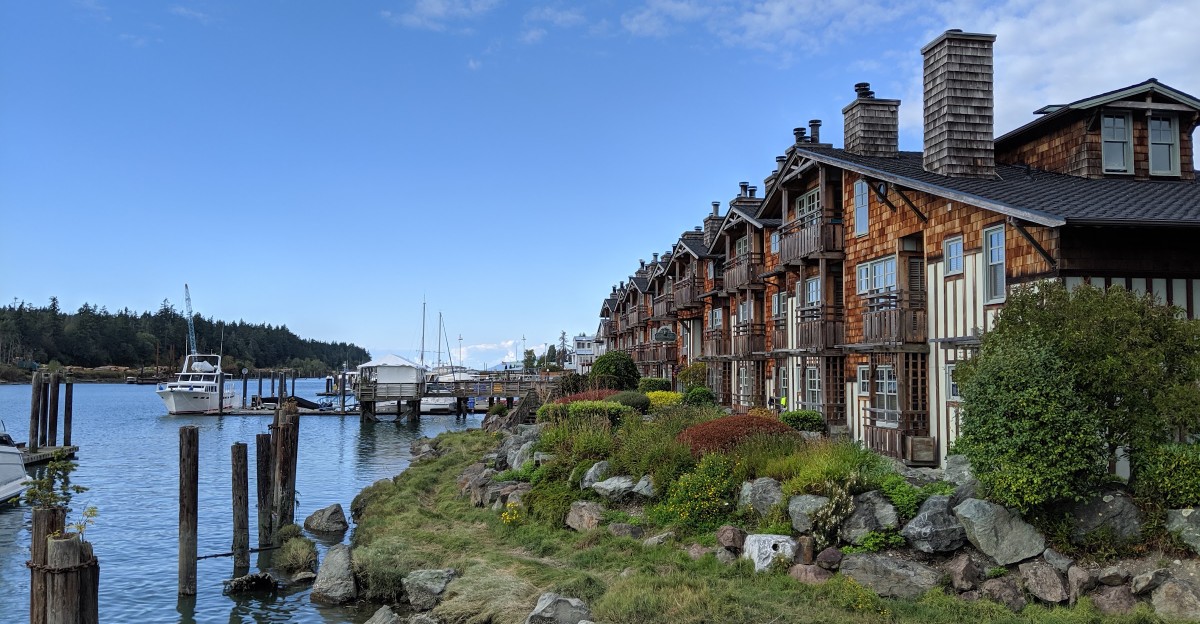
Some towns seem built for a teen drama montage, with wooden docks, painted storefronts, and boats drifting past at golden hour.
Tucked along a narrow waterway in Skagit County, Washington, one tiny town pulls off that look without a camera crew or a script.
Fewer than a thousand people call it home, yet it packs in art museums, historic buildings, a famous orange bridge, and fields that bloom by the millions each spring.
Dawson’s Creek fans will spot the same easy waterfront charm that made Capeside feel like a place worth waiting for.
The show was filmed on the East Coast, but this Pacific Northwest village delivers the same small-town heart.
Between its colorful waterfront, historic streets, and small-town charm, La Conner feels like the kind of place where every corner could belong in a favorite coming-of-age series.
A Waterfront Town Ready for Its Close-Up
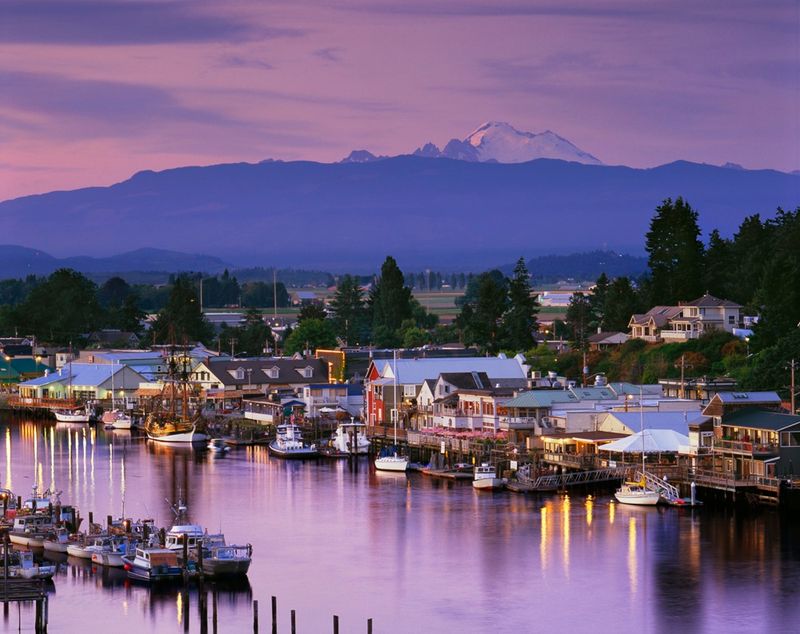
Every good coming-of-age story needs a waterfront, and this one has a channel instead of a creek. La Conner sits in Skagit County, Washington, with the ZIP code 98257, in the northwest corner of the United States.
The town sits along the eastern shore of the Swinomish Channel, a scenic waterway connecting Skagit Bay and Padilla Bay. Across the channel lies Fidalgo Island, home to the Swinomish Indian Tribal Community’s reservation.
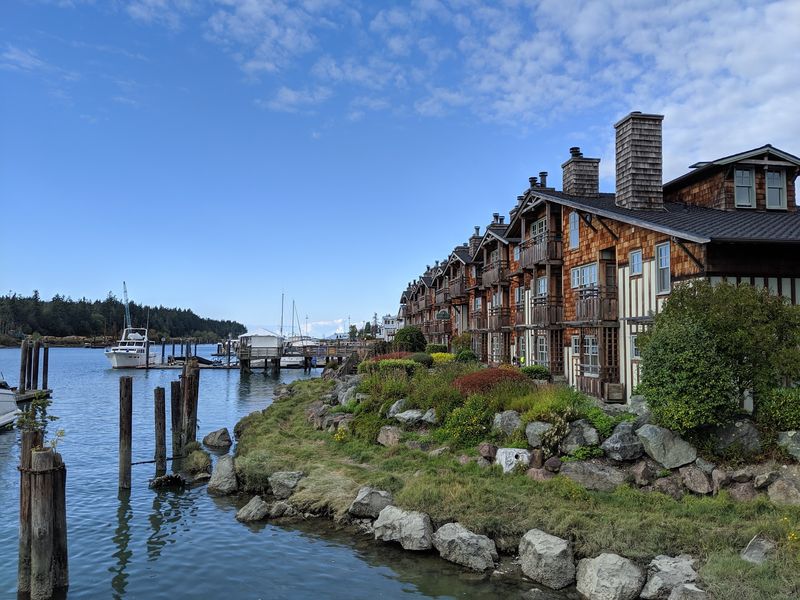
Wooden buildings perch on pilings over the channel, and boardwalks connect shops to the water’s edge. Boats glide past at an easy pace all day long.
Population counts stayed modest, with 965 residents recorded in the 2020 census. That small size is part of the appeal, since the whole historic core can be explored on foot.
The town also belongs to the Mount Vernon-Anacortes metropolitan area, so bigger services sit a short drive away. Seattle is roughly an hour and a half south by car, depending on traffic.
For a getaway with Capeside energy and Pacific Northwest scenery, the opening scene is already set.
The Orange Bridge Everyone Photographs
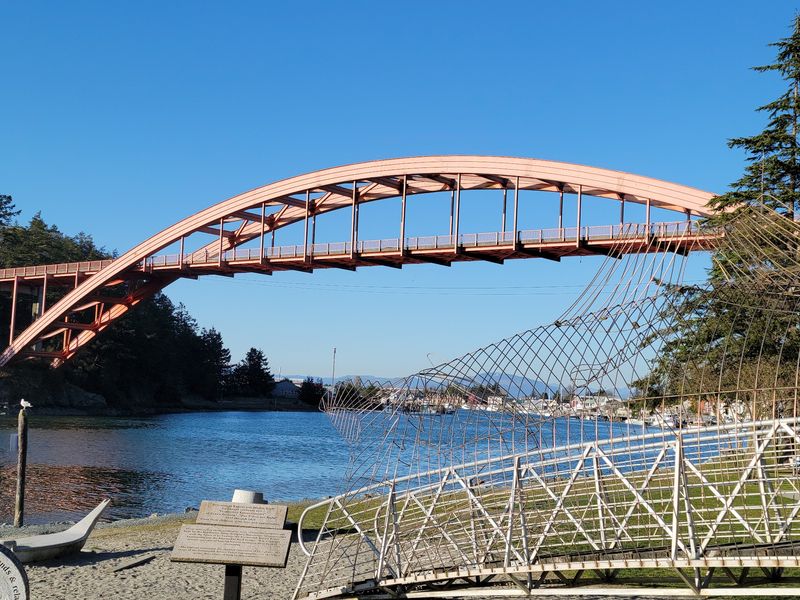
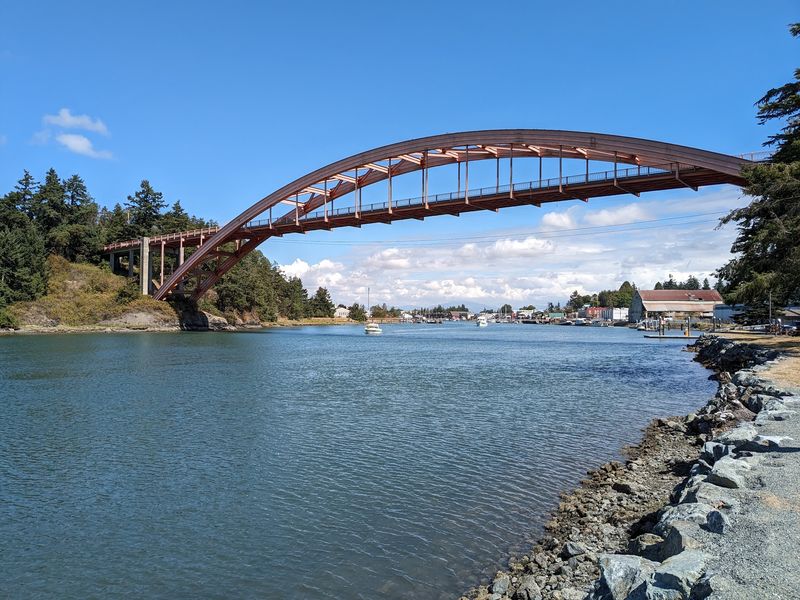
Not every bridge becomes a town mascot, but this one earned the job. The Rainbow Bridge arches high over the Swinomish Channel at the south end of town.
Its bold orange paint makes it the easiest landmark to spot in La Conner. The span opened in 1957 and connects the town to Fidalgo Island and the Swinomish Reservation.
Its tall curve lets boats pass beneath without trouble. That design is why it shows up in so many local postcards and travel photos.
Photographers often head to the waterfront park areas near the bridge for wide views. Late afternoon tends to give the color a strong glow against the water.
A walk along the channel toward the bridge makes a simple, free activity for families. Bring comfortable shoes, since the path invites slow wandering.
Fans of teen dramas know every hometown needs a signature spot for big conversations. Here, the orange arch plays that role perfectly, no script required.
First Street Feels Like a TV Set
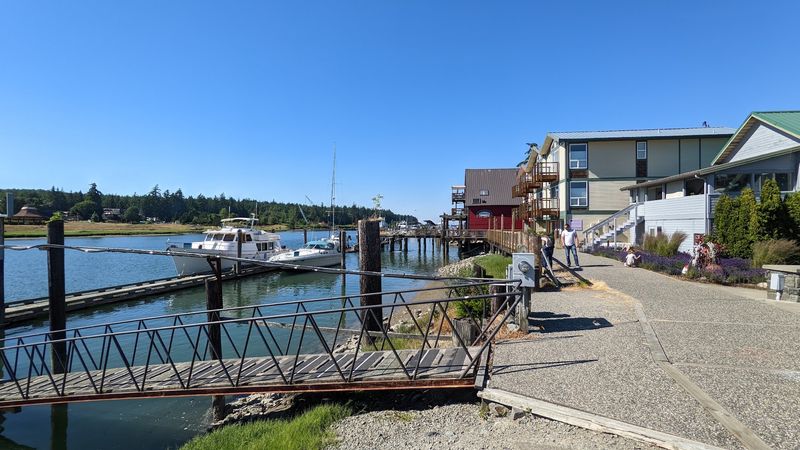
Main streets in TV towns always look a little too charming to be real. First Street in La Conner proves they can exist off-screen.
The street runs parallel to the channel and holds most of the town’s shops, galleries, and cafes. Many buildings date back to the late 1800s and early 1900s, giving the block a storybook look.
Small independent businesses fill the storefronts. Expect bookshops, clothing boutiques, home decor stores, and art galleries instead of big chains.
Several businesses have back decks or doors facing the water. That layout means shoppers can step from a store straight onto a view of passing boats.
Parking can fill up on busy weekends, especially in spring. Arriving earlier in the day makes finding a spot much easier.
The whole stretch is compact, so it works well for a relaxed loop with plenty of browsing breaks. Just leave room in the schedule, because one more shop always seems to wave hello.
History Written in Wood and Brick
Long before tourists arrived, La Conner was a busy trading post. It ranks among the oldest towns in Skagit County, founded in the 1860s and 1870s.
Fun fact: the name honors Louisa A. Conner, wife of early trader John S.
Conner. Her initials became part of the town’s name.
Much of the downtown is listed as a historic district on the National Register of Historic Places. That protection helps keep the old character intact.
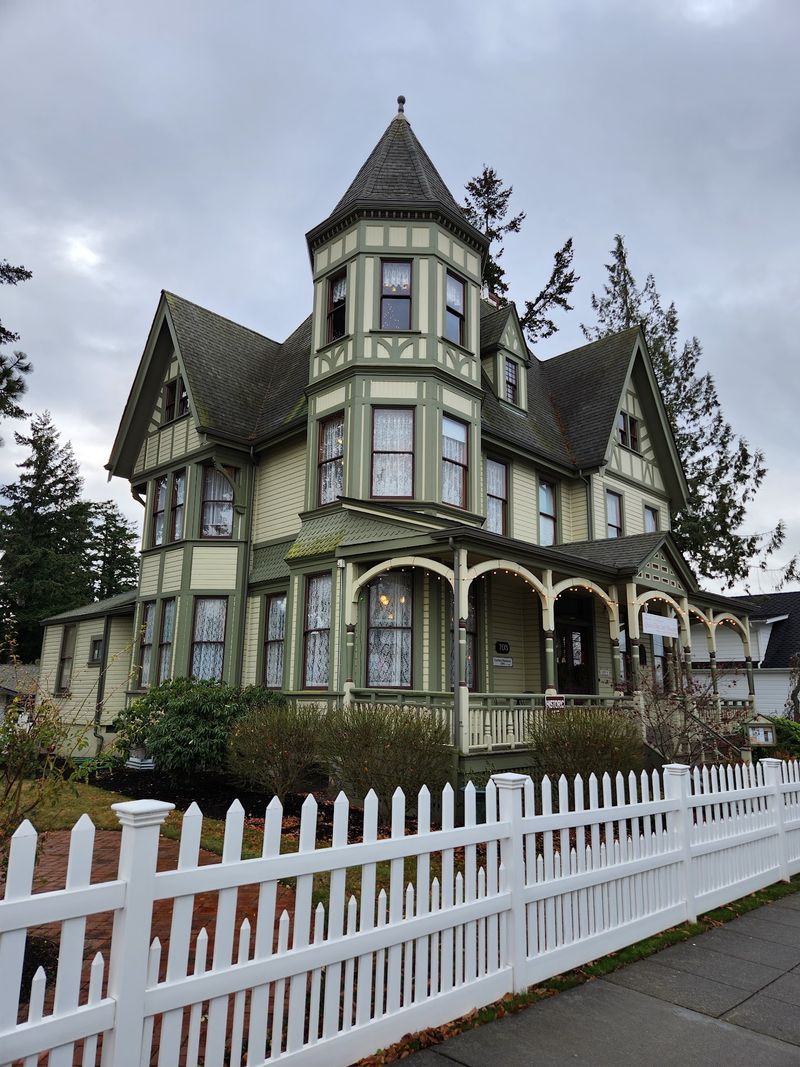
The Gaches Mansion, built in 1891, is a standout Victorian home. Today it houses the La Conner Quilt and Textile Museum, mixing history with art.
The Skagit County Historical Museum sits on a hill above town. Its exhibits cover farming, local families, and pioneer life in the valley.
History buffs can easily fill an afternoon between the two museums. Check opening days ahead of time, since small museums often keep limited hours.
A little planning turns old walls into fascinating storytellers.
An Art Colony With Serious Credentials
Artists discovered this little town decades ago, and they never really left. In the mid-1900s, painters such as Guy Anderson and Morris Graves drew attention to La Conner.
Their work became linked with the Northwest School, an art movement shaped by the region’s landscapes and moody skies. That legacy still shapes the town today.
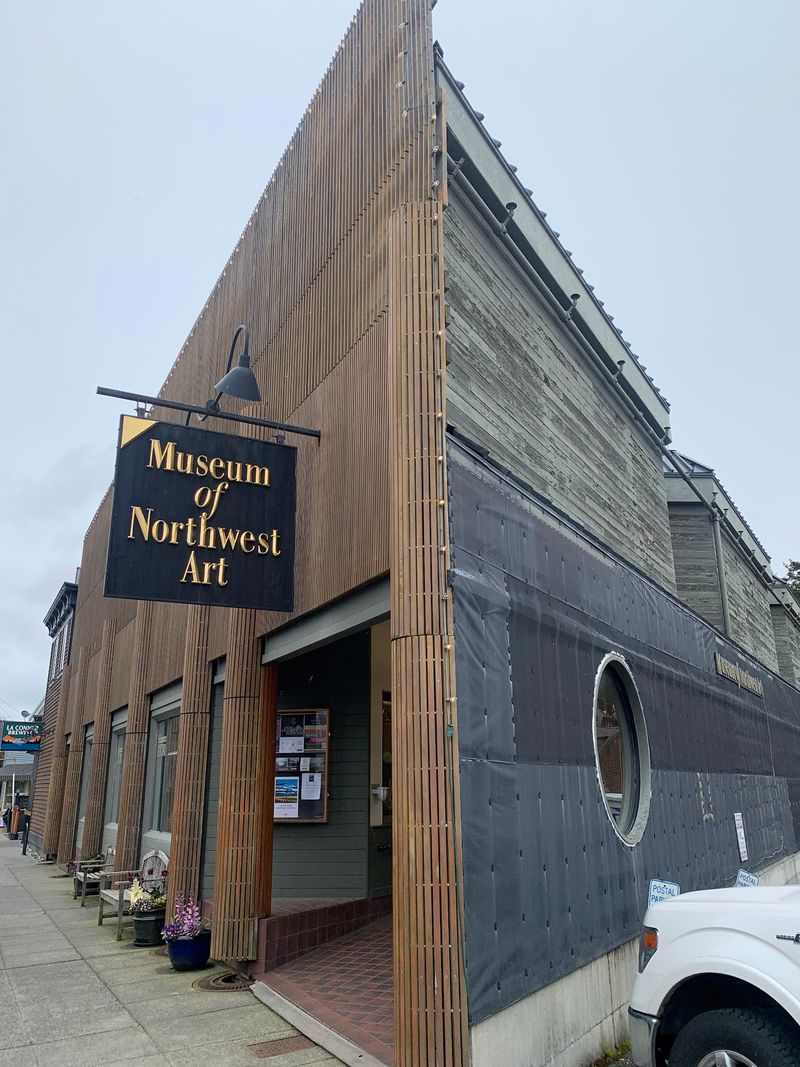
The Museum of Northwest Art sits right on First Street. It focuses on artists from the Pacific Northwest and rotates its exhibits throughout the year.
Galleries around town showcase paintings, glass, sculpture, and jewelry from regional makers. Many pieces are for sale, so browsing can turn into collecting.
Art lovers should plan extra time, because one gallery tends to lead to another. Small spaces mean exhibits can be enjoyed without feeling rushed.
Every teen drama hometown needs a creative streak. In this case, the creative streak comes with real museum walls and a story that stretches back generations.
Boats, Kayaks, and Channel Time
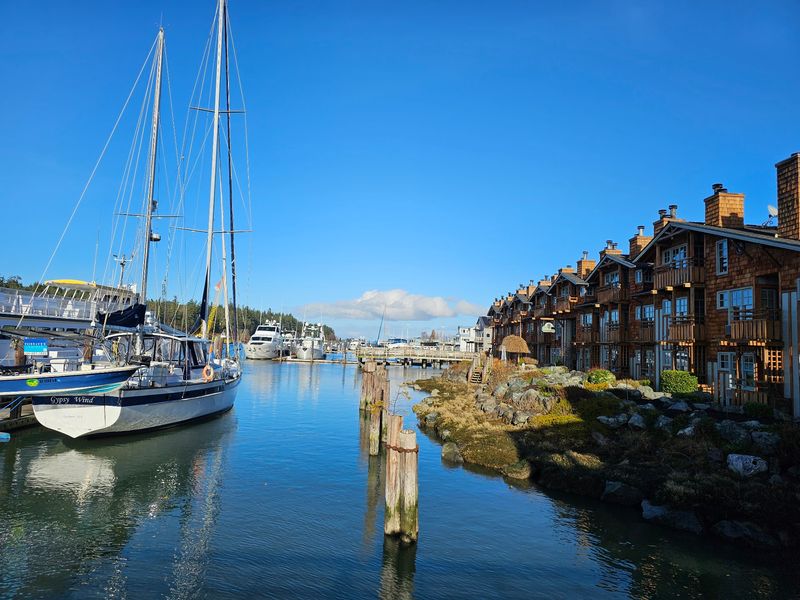
Dawson and Joey had their rowboat, and this town has a whole channel to play with. The Swinomish Channel stays busy with fishing boats, pleasure craft, and paddlers.
The La Conner Marina sits at the north end of town. It serves boaters exploring nearby waters, including routes toward the San Juan Islands.
Kayakers enjoy the protected waterway, but currents and tides matter here. Checking tide charts and boat traffic is important before launching.
Those who prefer dry land can watch the action from waterfront boardwalks. Benches along the channel make easy rest stops between shops.
Bird watching is another quiet perk. Herons and eagles are common sights around the Skagit area.
Wear layers when heading out on the water, since Northwest weather can shift quickly. A light rain jacket earns its place in any day bag.
With a little preparation, the channel becomes the star of the trip instead of just the backdrop.
Neighbors Across the Water
Some of the most important stories here started long before the town existed. The Swinomish people have lived in this region for thousands of years.
Today, the Swinomish Indian Tribal Community holds land across the channel on Fidalgo Island. Their reservation sits within sight of La Conner’s waterfront.
Fishing, canoe culture, and the waters of the Salish Sea remain central to Swinomish traditions. The tribe also plays a large role in the local economy.
Respect goes a long way when exploring the area. Some tribal lands and events are private, so look for public information before visiting.
Learning about the region’s first people adds depth to any trip. It turns a pretty waterfront into a place with a much longer and richer history.
Local museums and tribal resources can help travelers understand this shared story. Taking time to learn it may become the most meaningful part of the whole visit.
Festivals Beyond the Flowers
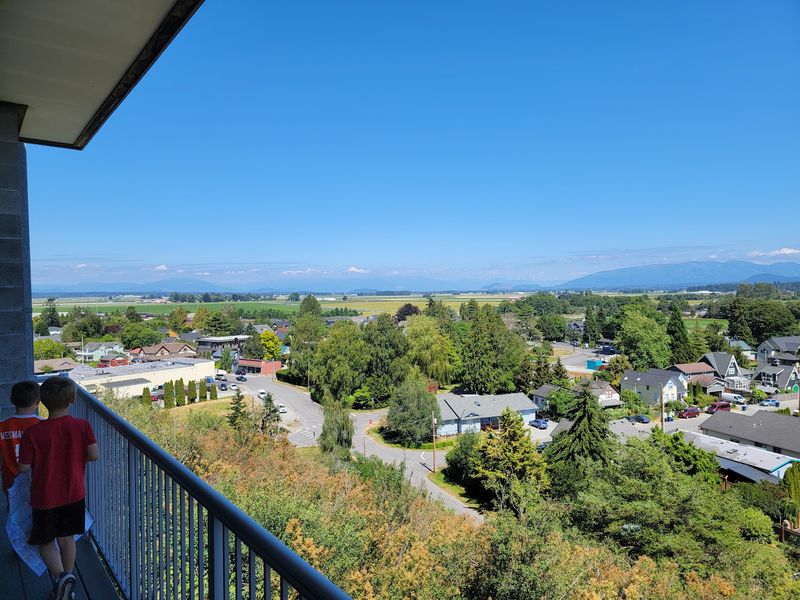
Small towns love a good excuse to gather, and La Conner rarely misses one. Events pop up through the year, even after the tulips fade.
Art shows and gallery walks highlight the town’s creative roots. Seasonal markets and holiday events often bring extra crowds to First Street.
Winter tends to be calmer, with festive decorations in some storefronts. It can be a cozy time to explore without spring traffic.
Schedules change from year to year, so dates are worth confirming. The local chamber of commerce shares updated event calendars online.
Planning around an event can add extra fun to a trip. It can also mean booking lodging early, since the town has a limited number of rooms.
Quiet off-season weekends have their own charm. Shops feel relaxed, and conversations with local owners happen more easily.
Either way, the calendar rewards anyone who peeks at it before packing the car.
Smart Moves for a Smooth Visit
A great trip often comes down to timing and a few simple tricks. Here are some helpful tips for exploring La Conner without stress.
Arrive early on spring weekends to beat tulip traffic. Midweek visits usually feel calmer all year long.
Wear comfortable shoes, since the town is best seen on foot. Most highlights sit within a short walk of each other.
Pack rain gear no matter the month. Pacific Northwest weather enjoys surprise plot twists.
Book lodging ahead during festival season. Nearby Mount Vernon and Anacortes offer extra options if rooms fill up in town.
Check museum hours before driving over. Smaller attractions may close on certain weekdays.
Leave space in the plan for slow wandering along the boardwalks. Some of the best moments happen between stops.
With its peaceful waterfront, historic storefronts, and postcard-worthy scenery, La Conner makes it easy to understand why some small towns leave such a lasting impression.