Hidden along the northeastern edge of Washington’s Olympic Peninsula, Fort Worden Historical State Park offers a family adventure unlike any ordinary day at the beach.
Just outside Port Townsend, historic military bunkers rise above the shoreline, inviting curious explorers to discover dark passageways, concrete chambers, and remnants of a century-old coastal defense system.
Armed with flashlights, kids can explore accessible sections of the old fortifications before heading down to the beach to search for driftwood and watch ships passing across the water.
Forest trails, a historic lighthouse, and sweeping coastal views add even more reasons to spend the day here.
With so much history tucked between the trees and the shoreline, this Washington state park turns a simple family outing into an adventure filled with discovery.
Where the Coast Artillery Once Kept Watch
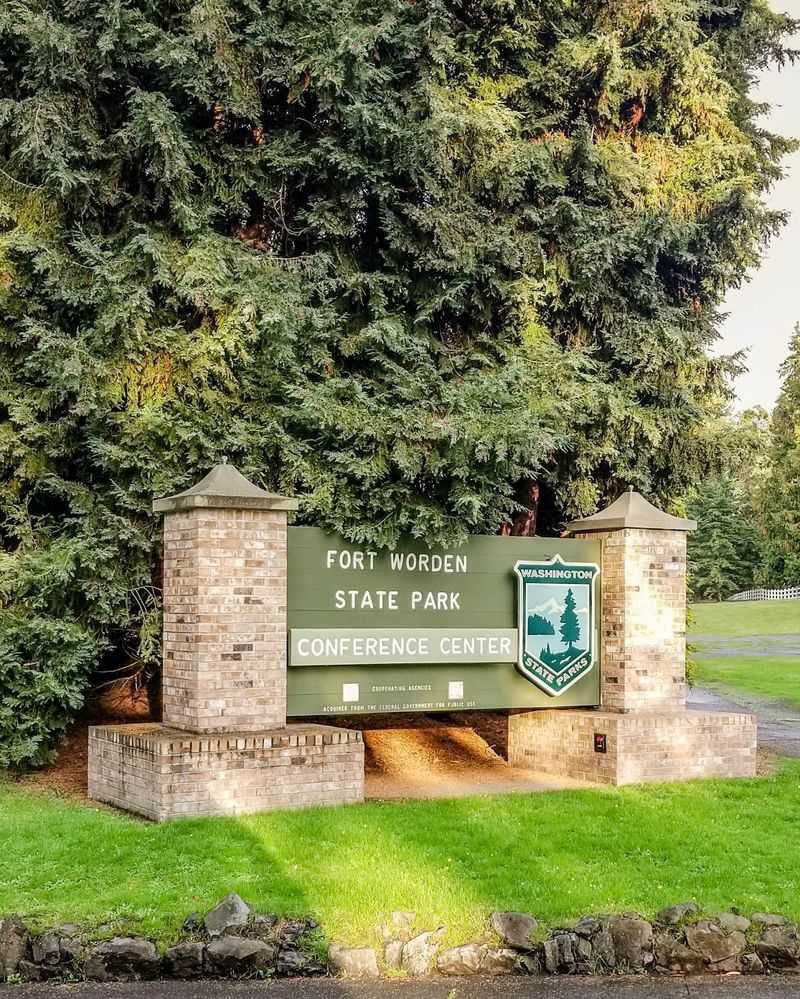
Fort Worden Historical State Park sits at 200 Battery Way, Port Townsend, WA 98368, on the far northeast corner of the Olympic Peninsula in Washington State.
The location was picked for a reason. Long before it became a playground for families, the U.S.
Army built the fort to help protect the entrance to Puget Sound.
It belongs to the Endicott era of coastal defense, a time when the country added big gun batteries along its shores. The fort worked together with other posts across the water to form a defensive triangle.
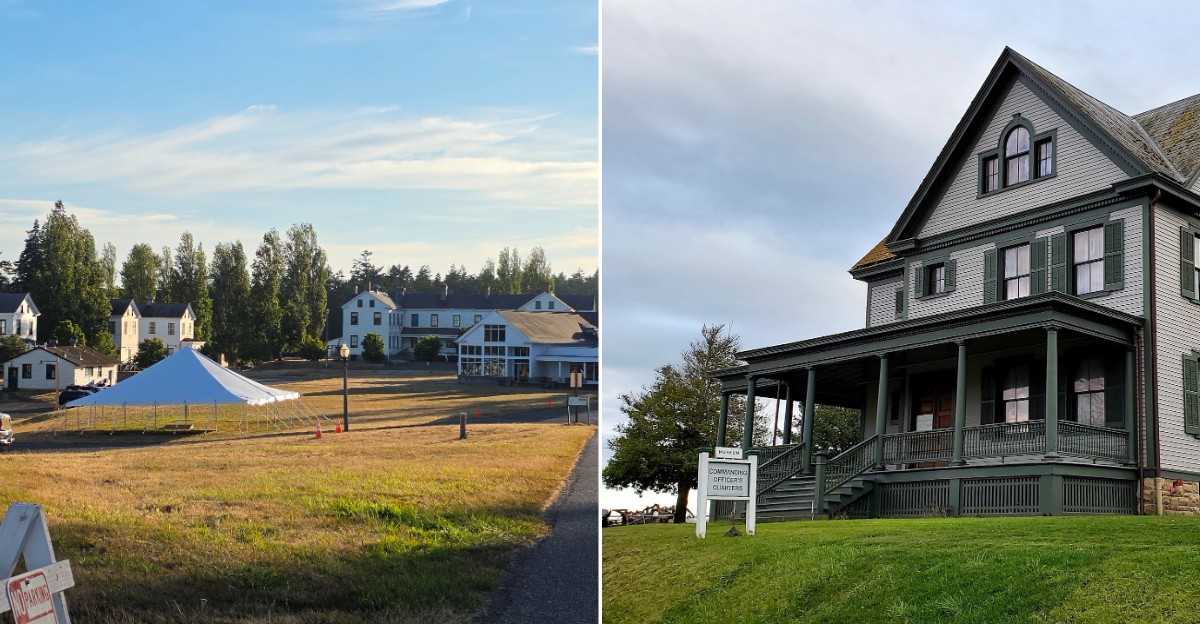
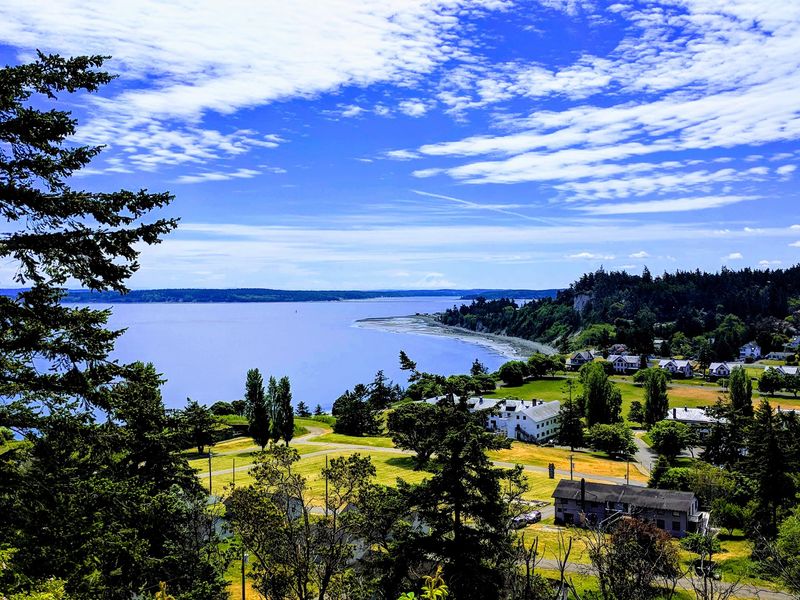
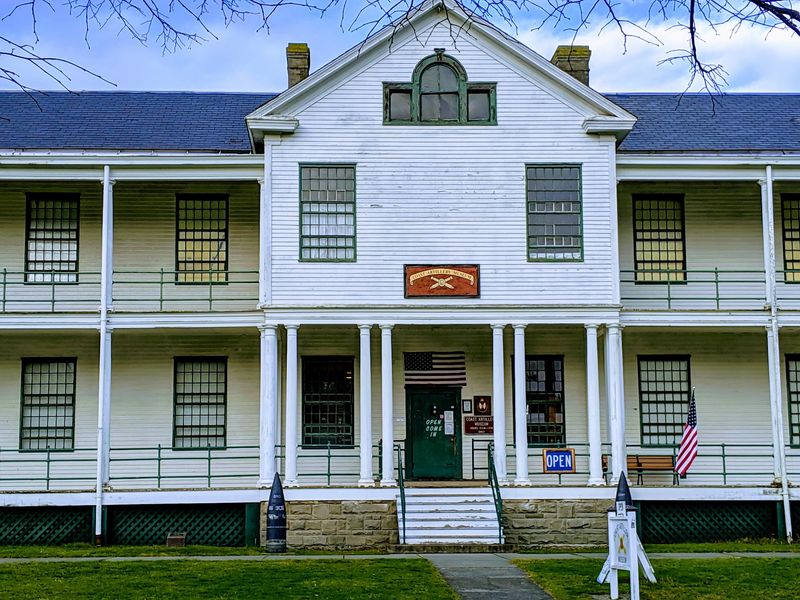
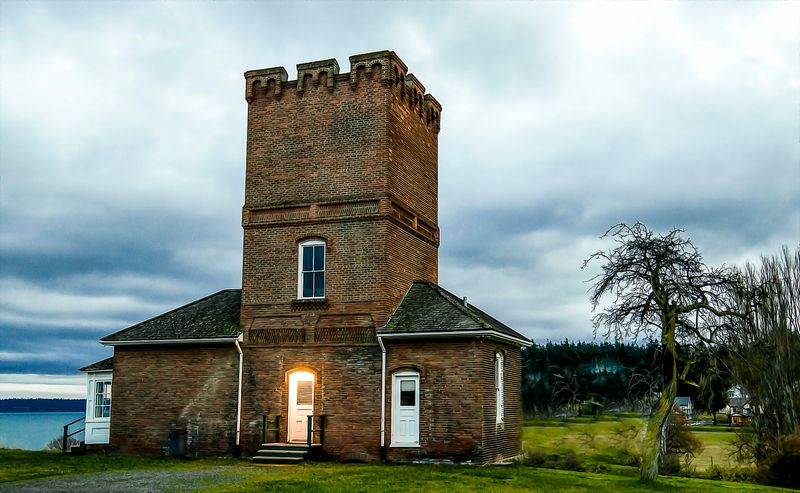
Today the soldiers are long gone, but the bones of the base remain. Officers’ houses, barracks, a parade ground, and concrete batteries still stand across the grounds.
The park also hosts a conference center and rentable historic houses, so the old base keeps busy in new ways.
Plan for more than a quick stop. The grounds are huge, and even full-day explorers often leave with a list of spots they never reached.
Flashlights Are Not Optional
Ask any kid what the best part of the trip was, and the answer usually involves darkness. Many of the rooms inside the old batteries have no lights at all.
Families can bring flashlights or headlamps to explore the accessible areas of the historic gun batteries, where dark corridors and concrete rooms offer a glimpse into the fort’s military past.
Visitors should respect barriers and posted closures, since not every section is necessarily open for exploration.
A good light makes the difference between a fun adventure and a stumble. Phone flashlights work in a pinch, but a real flashlight lasts longer and frees up your hands.
Watch the door frames. Some of the openings are low, and taller adults have learned this lesson the hard way with a bonk on the head.
Floors can be uneven, so sturdy shoes beat sandals here.
Give each child their own light if possible. Sharing one flashlight between three explorers tends to cause more arguments than discoveries, and everyone deserves a turn leading the charge into the next mystery room.
Batteries Hidden in the Hills
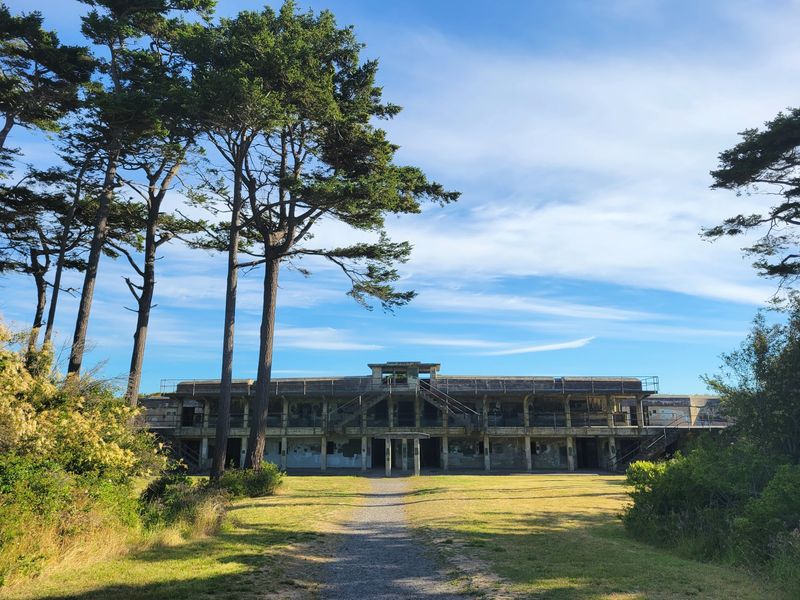
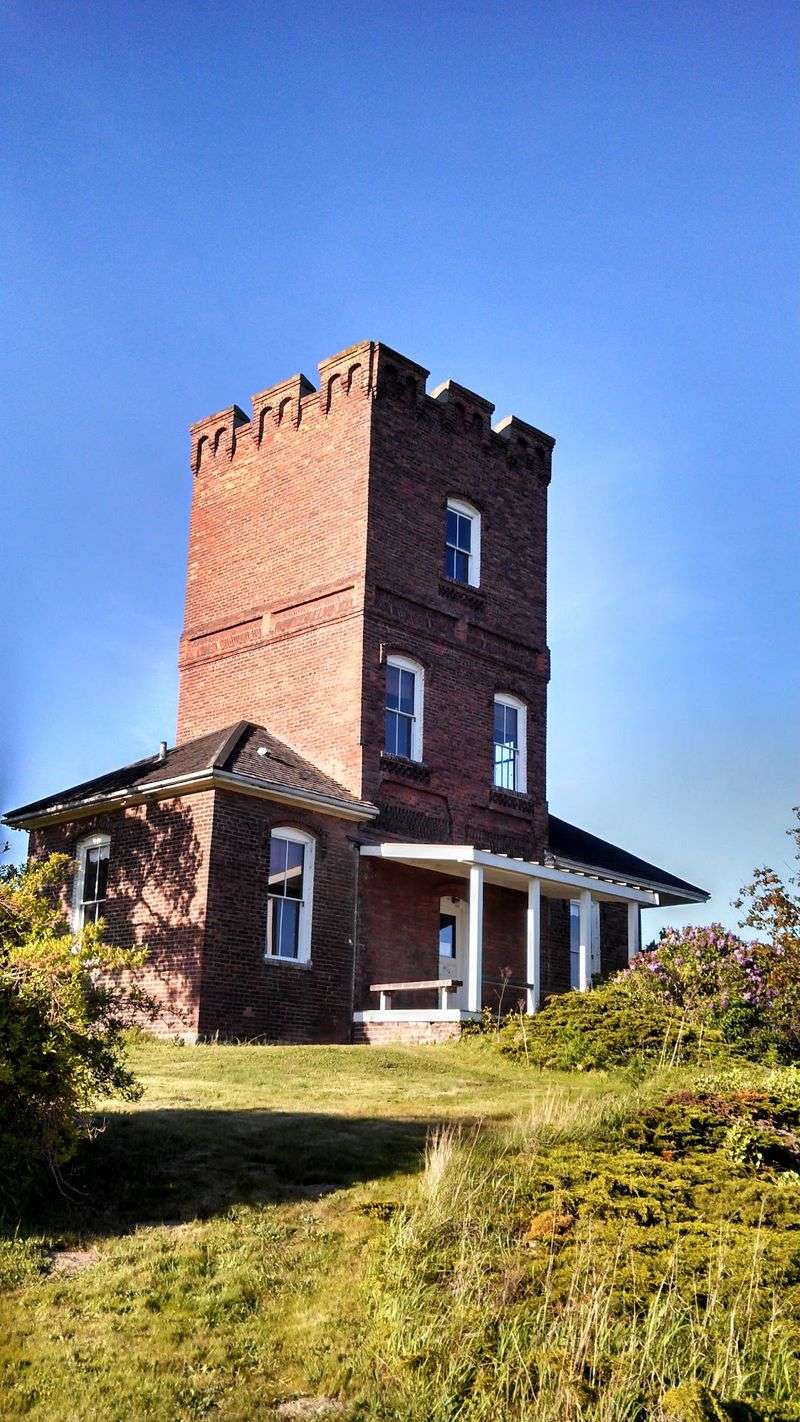
Concrete walls poke out of the forest in places you might not expect. Several battery positions are spread across the park, and many sit up on the wooded hill above the beach.
Paved paths and dirt trails connect them. Some batteries are easy to reach from a parking area, while others reward a bit of uphill hiking.
The structures are big, with wide gun platforms, tall walls, and stairways leading to upper levels. Interpretive signs help explain what each space was used for.
Adults often get just as hooked as the kids. Reading the history while standing inside the actual building makes it stick in a way no textbook can.
A word of caution for nervous parents: there are high ledges and walls without railings. Kids love to climb, so keep a close eye on little ones near the edges.
Bring water and snacks for the hill. Exploring battery after battery adds up to more walking than most families expect.
Sand Right Below the Fortifications
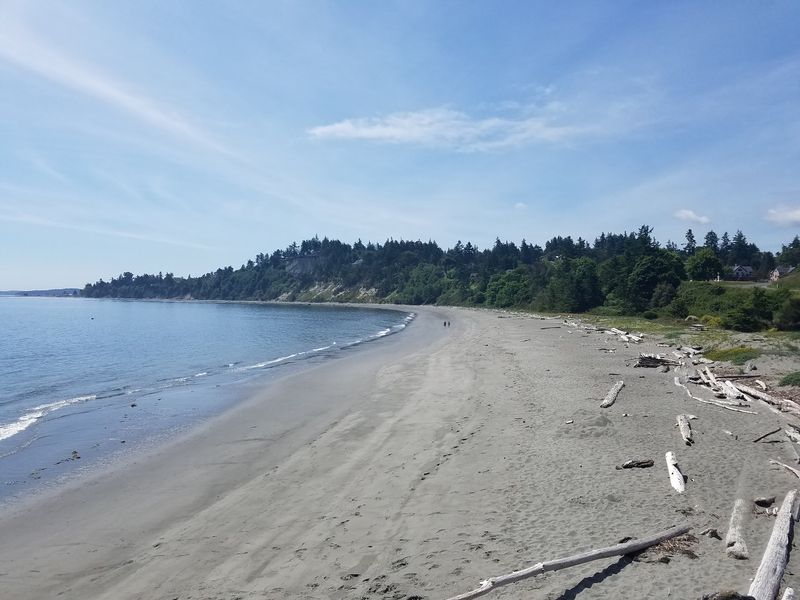
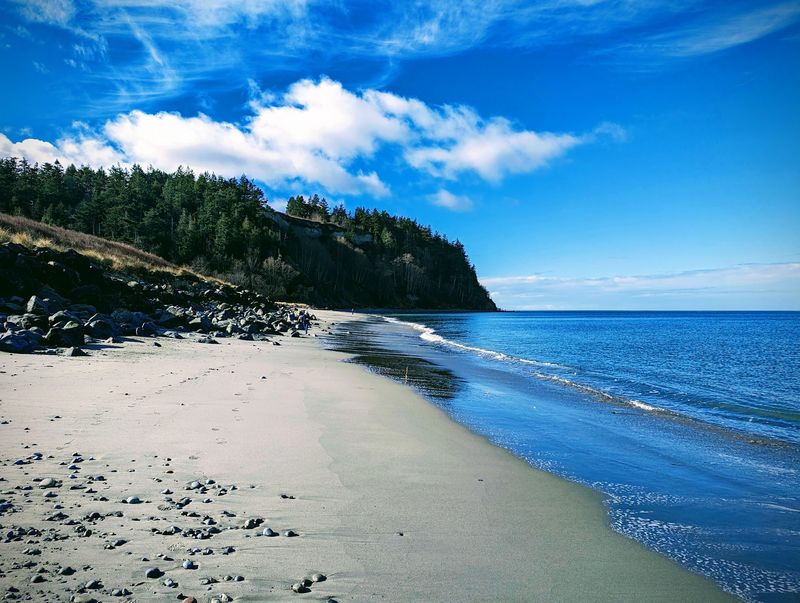
Here is the twist that makes the park special. After poking around in old Army bunkers, families can walk a short distance and land on a real sandy beach.
The shoreline is wide, with fine sand and plenty of driftwood. Kids happily drag logs around to build shelters, which is basically a second round of fort building.
Restrooms near the beach are free and kept clean, a detail parents tend to appreciate after a long afternoon.
Several trails lead down from the upper areas, and there is plenty of parking near the water.
The water is cold, though. Puget Sound does not warm up much even in summer, so most people wade rather than swim.
Paddleboarders and kayakers launch from the beach on calmer days. Rentals are available seasonally for those who did not bring their own gear.
Pack a towel, extra socks, and a bag for wet clothes, because somebody is always going to get soaked.
A Lighthouse at Point Wilson
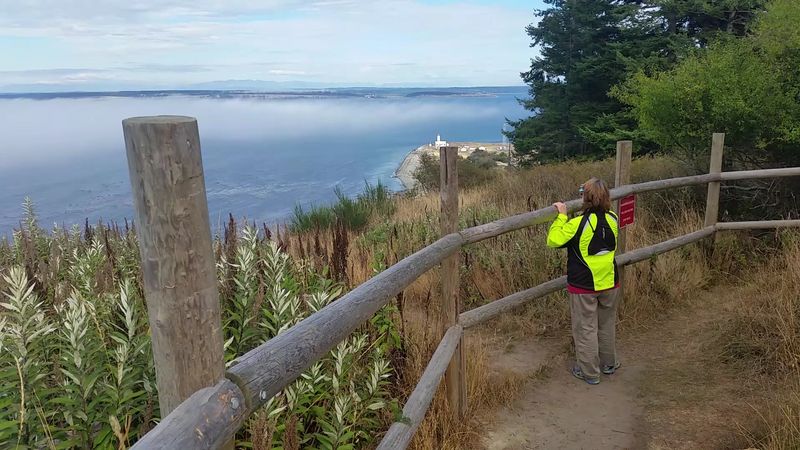
Out on the sandy point stands Point Wilson Lighthouse, one of the most photographed spots in the park. It still works today, helping ships navigate where the Strait of Juan de Fuca meets Admiralty Inlet.
Point Wilson Lighthouse occasionally welcomes visitors for guided tours, although access depends on the season and ongoing preservation work.
Weekend tours are suspended during winter, so families should check the lighthouse’s official website before planning a visit. Access to the tower should not be assumed.
Schedules change, so check ahead before promising the kids a climb.
Even without a tour, the walk out to the lighthouse is worth it. The point offers wide views of the water, and on clear days you may spot Vancouver Island and distant mountains.
Ships pass by often, which turns the beach into a free boat-watching show.
During low tide, the stretch of shoreline between the lighthouse and North Beach is a favorite walk. Check a tide chart first, because high water can cover parts of the route and cut your stroll short.
Deer With Zero Stage Fright
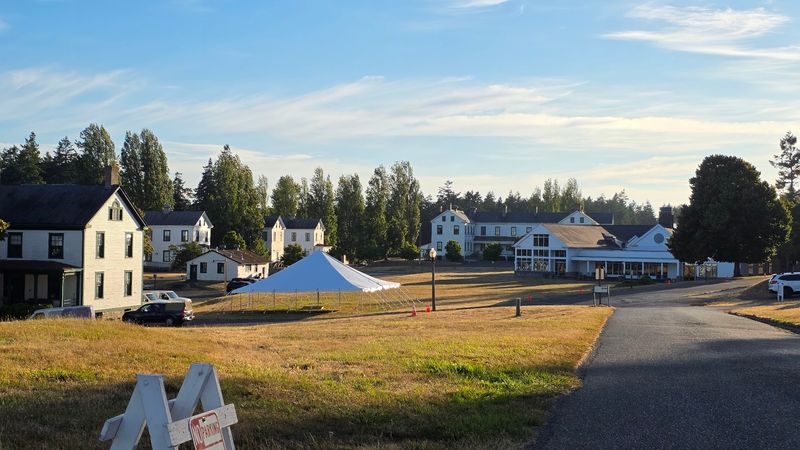
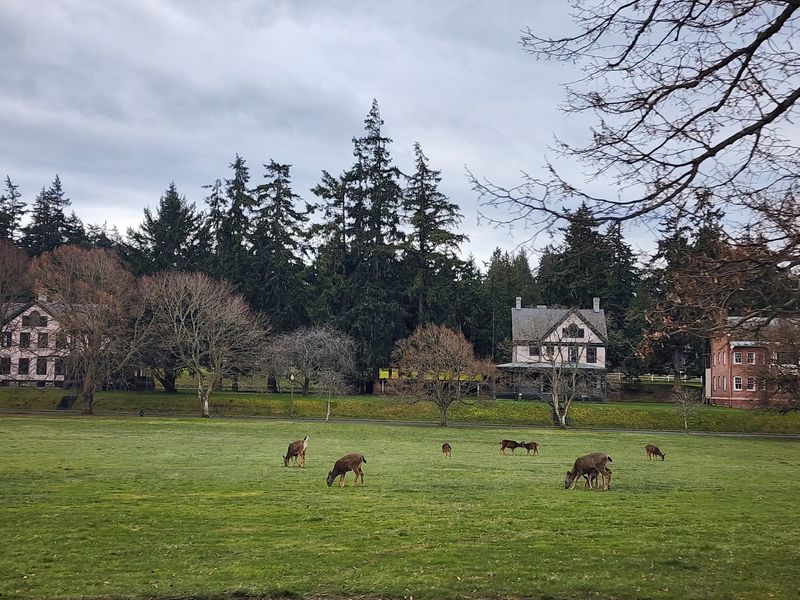
Some of the park’s most regular residents have four legs. Deer wander freely across the lawns, often grazing right in front of the historic buildings.
They seem pretty relaxed around people. Kids are usually thrilled to see them up close, and spotting deer quickly becomes a game during drives around the grounds.
Still, keep a respectful distance. These are wild animals, and feeding them is not good for their health.
Birds are plentiful too. The mix of beach, forest, lake, and open fields brings in many species, so a pair of binoculars is a smart addition to the bag.
Along the shore, keep watch for seabirds and marine life. The water near the point can be busy with activity.
Early morning and evening are often the best times for wildlife sightings, when the park is quieter. Drive slowly on park roads, since deer have no interest in crosswalks and tend to step out whenever they please.
Two Campgrounds, Two Personalities
Choosing a campsite here comes down to one question: beach or trees?
The beach campground puts you close to the water and the sand. It is a favorite for families who want to roll out of the tent and straight onto the shore.
The upper forest campground sits among the trees. Campers often mention that it gets less wind than the beach sites, which can matter a lot on breezy nights.
Sites in the upper area are a decent size, and both tents and RVs are welcome in the park.
The showers and restrooms earn steady praise for being clean and having hot water. That counts for a lot after a day of bunker crawling.
Reservations are smart, especially in summer when spots fill up early.
One bit of camping courtesy goes a long way. Avoid cutting through occupied sites, even small ones, and your neighbors will be glad you did.
Sleep in an Officer’s House
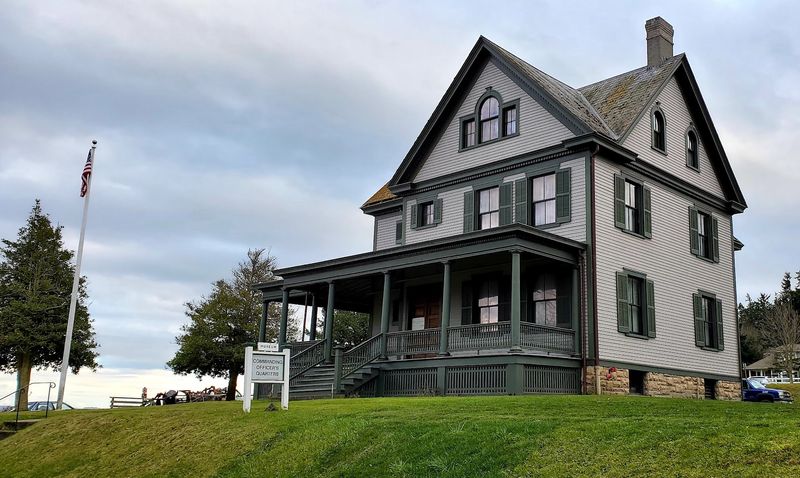
Not every family wants to sleep in a tent. Fort Worden also has historic lodging options, including former military residences, although availability has changed as the park’s upper campus undergoes operational transitions.
Some accommodations reopened for limited bookings in 2026, so families should confirm which properties are currently available before planning an overnight stay.
These homes date back to the fort’s Army days. Staying in one lets families live inside the history instead of just visiting it.
Booking ahead is a must, since these stays are popular for special occasions.
The houses face the open grounds, so evenings often include deer wandering across the lawn.
There are other lodging choices nearby as well, and Port Townsend has plenty of short-term rentals.
Still, there is something fun about waking up on a real fort. Kids can tell friends they slept where Army officers once lived, which is a pretty strong way to win show-and-tell at school.
Trails That Tie It All Together
Miles of trails weave through the park, linking batteries, beaches, fields, and forest. Comfortable shoes are the most important piece of gear you can bring.
A popular loop starts near the lighthouse, follows North Beach at low tide, then heads back through open fields and woods toward the entrance.
The Chinese Garden Trail is another option. It offers views of a lake and ends at the beach, with a round trip of only a couple of miles.
That trailhead has a parking lot but no restrooms, so plan ahead.
Trails are mostly in good shape, with a mix of paved paths and dirt.
Bikes are a great way to cover ground, and some families zip around on e-bikes.
For something different, try geocaching. The park is a known spot for it, and hunting for hidden caches adds a treasure-map twist that keeps young hikers moving long after their legs claim they are done.
Marine Science on the Pier
The Port Townsend Marine Science Center welcomes visitors to its updated exhibits in a building across from the beach and pier at Fort Worden State Park.
Its former aquarium building on the pier closed to the public in December 2024, and the organization opened an expanded exhibit and aquarium experience on land in June 2026.
Families can learn about creatures that live in the local waters. Exhibits help kids understand what lives under the surface just steps from where they were building driftwood forts.
It is a nice change of pace after hours of climbing and hiking.
Hours and programs vary by season, so check the center’s schedule before your visit. Some days are busier than others, especially in summer.
The center fits well into a beach day. Families can explore the shore, stop in to learn, and head back out with fresh questions.
Kids who find a crab under a rock suddenly want to know everything about it.
That curiosity is the real prize. A day that starts with Army history can easily end with a young scientist explaining tides at the dinner table.
Pass, Parking, and Planning
A little prep makes the day smoother. The most important item is a Discover Pass, which Washington requires for vehicles parked inside state parks.
Some people park outside the park and walk in, which also works well.
Parking is generally plentiful, with lots near the beach and around the main grounds.
The park has a small restaurant on site for a quick meal, though packing snacks is wise for long bunker sessions.
Summer brings the biggest crowds, but even then the park is large enough to spread out. Weekdays tend to be calmer.
Weather can shift quickly near the water. Layers and a wind jacket are always a good call.
Here is a handy packing list:
Flashlights or headlamps, sturdy shoes, water, snacks, a towel, binoculars, and a tide chart.
Toss in a small first aid kit too. Between low doorways and driftwood forts, a bandage or two rarely goes unused.
Port Townsend Is Practically Next Door
The park feels remote, yet town is only about two miles away. Port Townsend is known for its Victorian-era buildings and walkable downtown.
Many campers walk or bike into town for supplies, a meal, or a change of scenery.
That closeness makes the park easy to combine with a small-town outing. Spend the morning in the bunkers, then wander downtown shops in the afternoon.
Families can also return to the park for sunset, which is a favorite way to end the day here.
The view across the water at dusk draws plenty of people to the beach and bluffs.
After dark, the grounds take on a quieter mood. Some folks enjoy evening strolls, though buildings close for the day and the bunkers are best explored in daylight.
Fort Worden Historical State Park proves that history does not have to stay behind glass. Here, kids get to crawl through it, climb on it, and then run straight to the sand, which might be the best history lesson Washington has to offer.