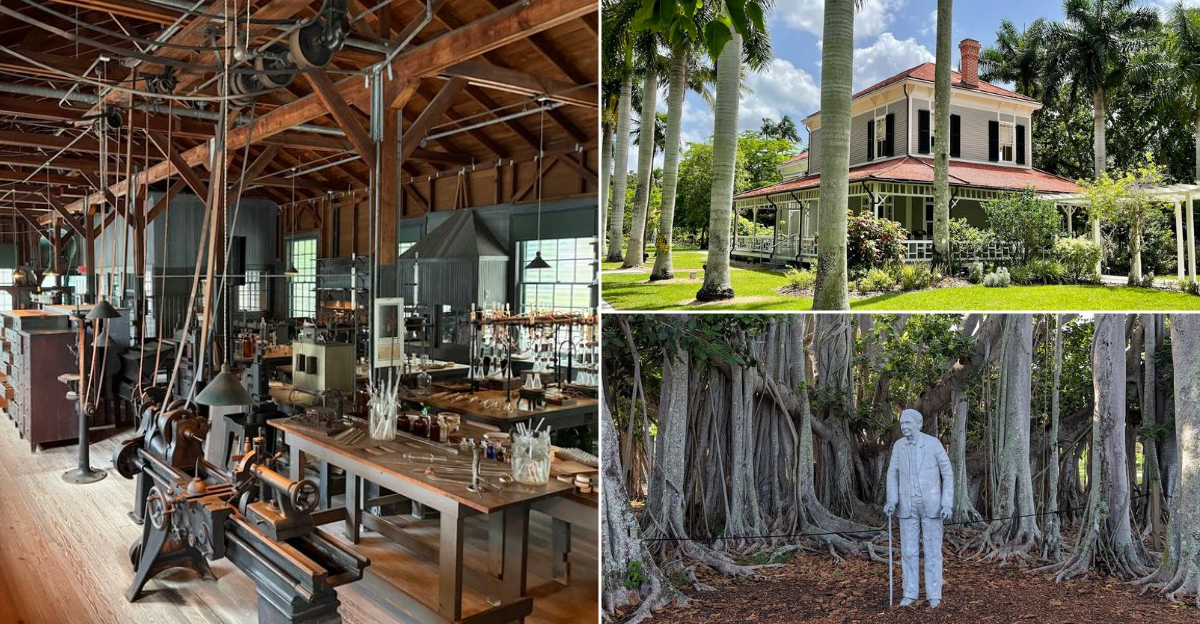
Tucked along the Caloosahatchee River in Fort Myers, Florida, the Edison and Ford Winter Estates offers one of the most fascinating windows into American history you can find anywhere. Thomas Edison spent his winters here for decades, and during his final years, he turned his Florida property into a working laboratory focused on one unusual mission: finding a domestic source of rubber using goldenrod plants.
The 21-acre estate still preserves those experiments, the original lab equipment, lush botanical gardens, and the winter homes of both Edison and his close friend Henry Ford. Whether you love science, history, or just exploring remarkable places, this destination has something that will genuinely surprise you.
Edison’s Goldenrod Rubber Research Laboratory
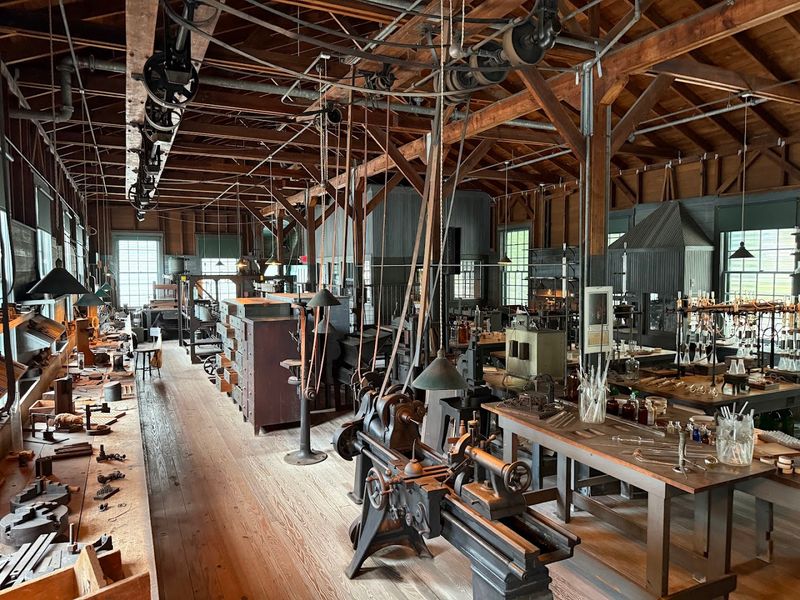
Not many people expect to walk into a 100-year-old working lab and feel like the scientist just stepped out for lunch. That is exactly the feeling visitors get inside Edison’s original research laboratory at the Edison and Ford Winter Estates.
Every workbench, chemical flask, and adjustable electric light remains positioned just as Edison left them.
During the late 1920s, Edison became obsessed with finding a domestic rubber source after World War I revealed how dependent America was on foreign imports. He tested over 17,000 plant species before settling on goldenrod as a promising candidate.
His Fort Myers lab became the center of this ambitious project.
Edison successfully bred a strain of goldenrod that grew over 14 feet tall and contained a surprisingly high rubber content. The project never reached commercial production because synthetic rubber arrived shortly after his death in 1931.
Still, the research was genuine and scientifically serious.
Visitors today can see the actual equipment Edison used during these experiments. Guided and self-guided audio tours explain the science behind the goldenrod project in plain language anyone can follow.
Many guests say the laboratory is the single most memorable stop on the entire estate property.
The Botanical Gardens and Goldenrod Plant Collection
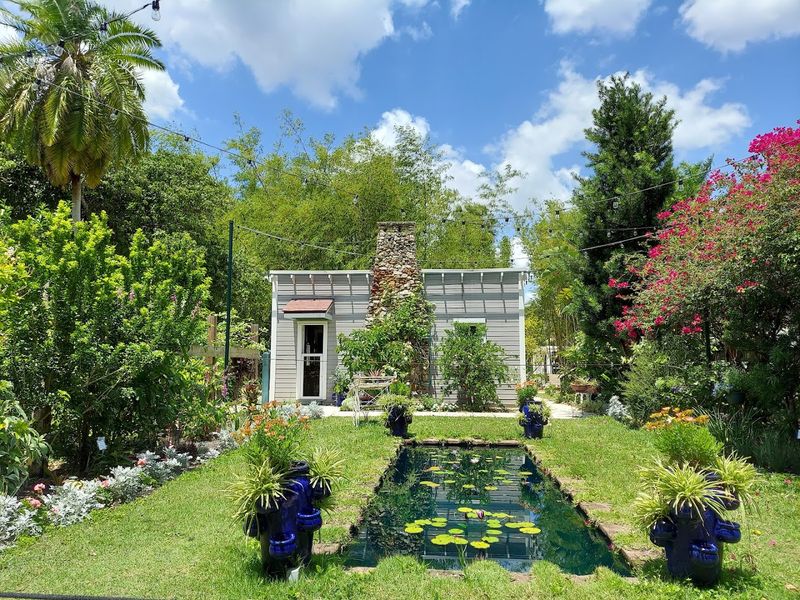
Walking through the botanical gardens at the Edison and Ford Winter Estates feels like stepping into a living science experiment that has been quietly growing for nearly a century. Edison personally selected and imported hundreds of plant species from around the world, many of which still thrive on the grounds today.
The goldenrod plants connected to Edison’s rubber research hold a special place in the garden’s story. Edison grew these plants in large quantities on the estate, testing different hybrids for their rubber yield.
Some descendants of those original plants are still present on the property, giving the gardens a direct link to his final years of research.
Beyond the goldenrod, the gardens feature an incredible variety of tropical and subtropical plants. Towering royal palms, fragrant frangipani trees, and rare specimens from South America and Asia create a rich, layered landscape that changes with every season.
The riverfront setting along the Caloosahatchee adds a peaceful, almost dreamy quality to the whole experience.
Horticulture enthusiasts will appreciate the detailed plant labels throughout the garden. Even casual visitors tend to slow their pace naturally here, drawn in by the beauty and the sense of history rooted quite literally in the soil beneath their feet.
The Great Banyan Tree
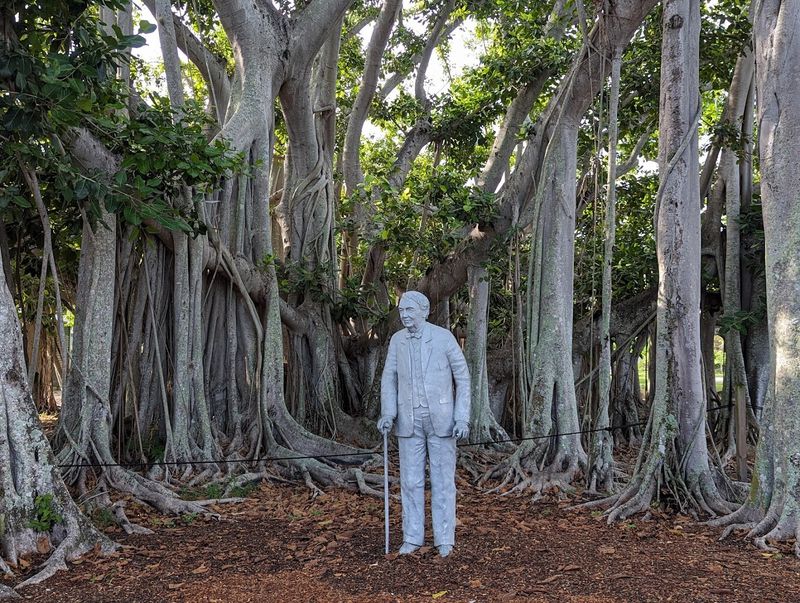
There are trees, and then there is the banyan at the Edison and Ford Winter Estates. This single tree, planted by Edison himself in 1925, has grown into one of the largest banyan trees in the continental United States, with a canopy that stretches across a jaw-dropping area of the grounds.
Banyan trees grow by sending aerial roots down from their branches, which eventually thicken into new trunks. Over decades, one tree can look like an entire forest.
Edison received this tree as a small sapling, reportedly just four feet tall when first planted. Today it stands as one of the most photographed features of the entire estate.
The sheer scale of the tree surprises nearly every visitor who sees it for the first time. Standing underneath it creates a sense of being inside a natural cathedral, with layers of roots and branches forming walls and columns in every direction.
Children especially love exploring around its massive base.
Beyond its visual drama, the banyan tree represents Edison’s deep curiosity about plant life. He was genuinely fascinated by botany and imported unusual specimens from across the globe.
This tree is perhaps the most visible and beloved legacy of that passion still alive on the property today.
Thomas Edison’s Winter Home, Seminole Lodge
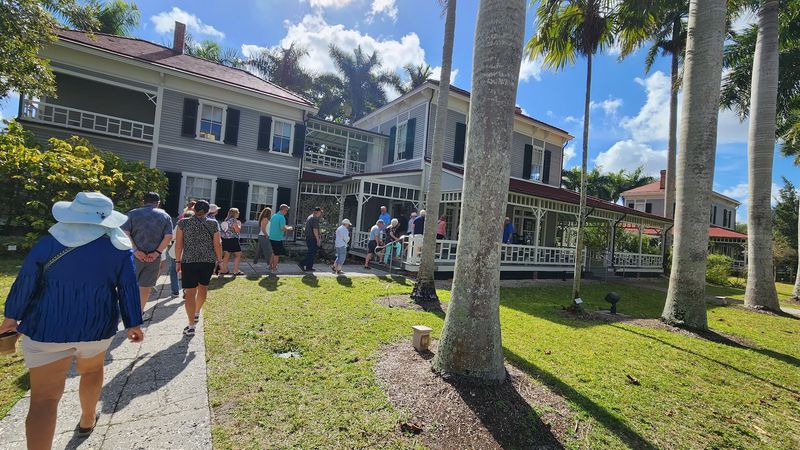
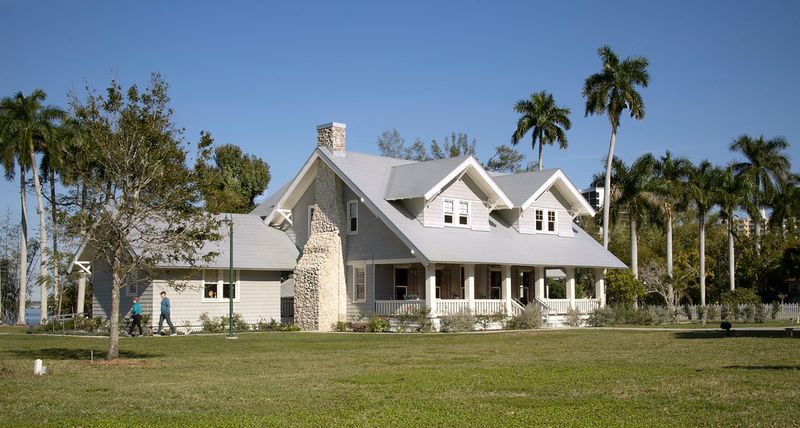
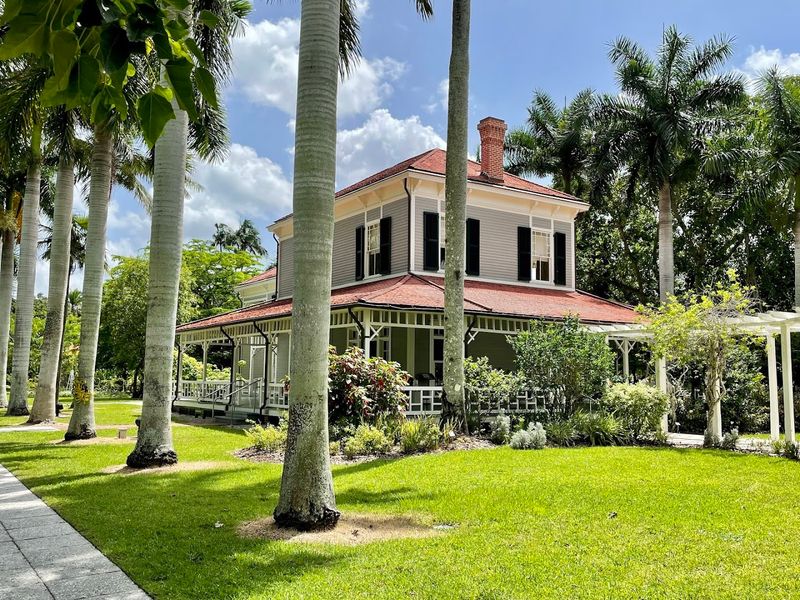
Seminole Lodge, Edison’s winter home at the Fort Myers estate, carries a quiet charm that surprises visitors expecting something more grand. Built in 1886 and prefabricated in Maine before being shipped to Florida, the house was ahead of its time in design and construction.
Edison wintered here almost every year until his health declined in the early 1930s.
The home reflects a deliberate simplicity. Edison was not interested in flashy displays of wealth.
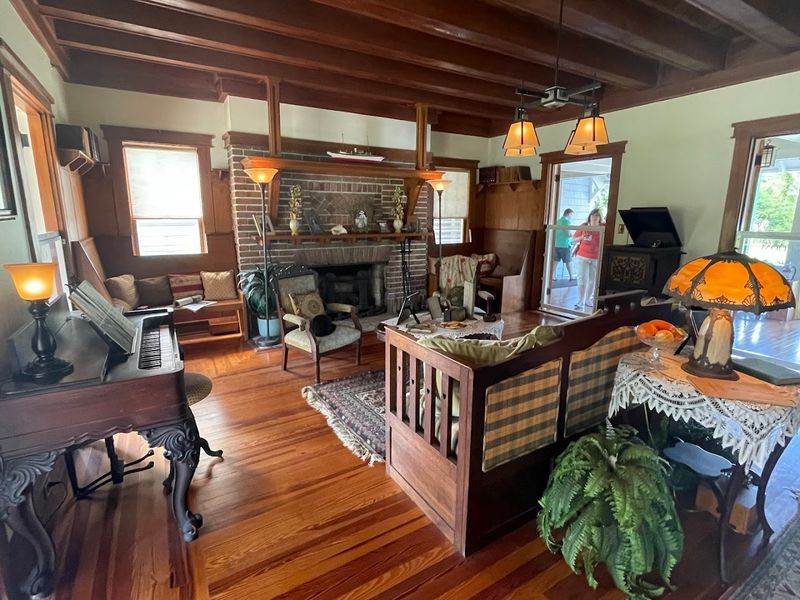
The furnishings are comfortable and practical, offering a genuine glimpse into how a brilliant but grounded man actually lived when he stepped away from the pressure of his New Jersey laboratory and business empire.
Visitors can view the interior through the open windows and doorways, seeing original furniture, personal photographs, and household items that belonged to the Edison family. The sense of authenticity is strong throughout.
Nothing feels staged or exaggerated for tourist appeal.
One detail that always catches visitors off guard is the sleeping porch, where Edison reportedly napped frequently. He was famous for his short, frequent naps, believing they refreshed his thinking.
Seeing the actual space where one of history’s greatest inventors rested makes the whole experience feel remarkably personal and surprisingly relatable.
Henry Ford’s Winter Home, The Mangoes
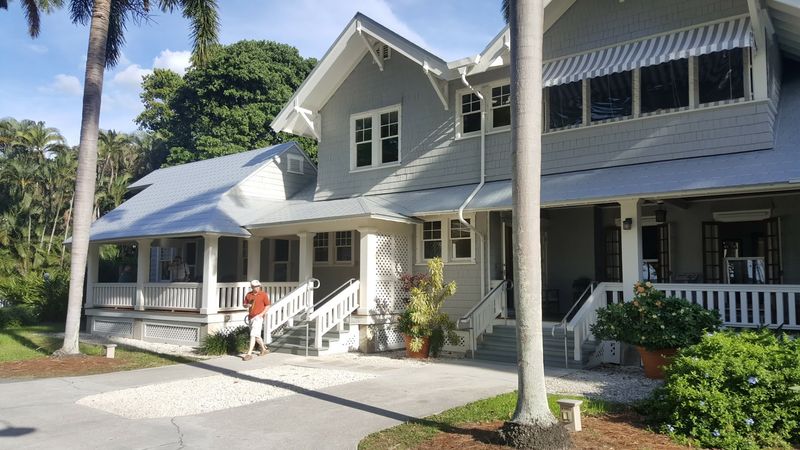
Right next door to Edison’s Seminole Lodge sits The Mangoes, the winter retreat of Henry Ford and his wife Clara. Ford purchased the property in 1916, reportedly because he wanted to be close to his closest friend, Thomas Edison.
That gesture alone says something remarkable about the bond between two of America’s most influential innovators.
The Mangoes is a warm, inviting home that feels more like a family retreat than the residence of an industrial titan. Ford used it as a place to genuinely unwind, far from the relentless machinery of his Detroit manufacturing empire.
The home’s name comes from the mango trees that originally lined the property.
Clara Ford was known to enjoy the garden and the peaceful Florida lifestyle the estate offered. Her influence is visible in the softer domestic details of the home’s interior.
Like Seminole Lodge, visitors can see inside through open windows and doors, giving a respectful but close look at the original furnishings.
Learning that Ford only visited during February makes the property feel even more specific and personal. Guides note that the Fords never decorated for Christmas, a factual detail that adds a layer of historical accuracy to the storytelling.
It is a small but memorable detail that brings the history to life.
The Edison Ford Museum
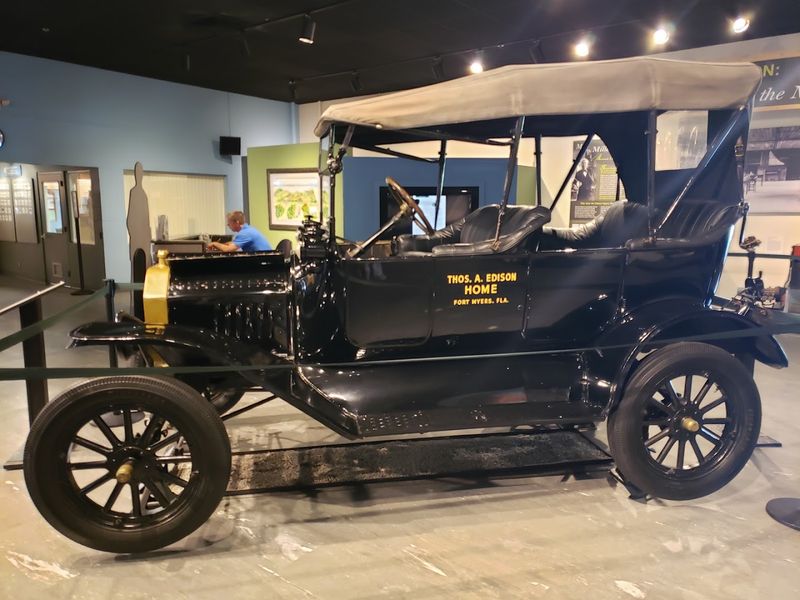
For anyone fascinated by the history of technology, the museum at the Edison and Ford Winter Estates is a genuine highlight. Packed with original inventions, early automobiles, phonographs, electrical devices, and personal artifacts, it tells the story of two men whose work reshaped everyday life across the entire planet.
One of the most striking sections covers Edison’s development of electrical systems. Seeing the actual equipment that helped bring electric light into American homes creates a real sense of how dramatic that transformation was.
The museum does an excellent job connecting old inventions to the modern technologies we use without thinking twice today.
The Ford section features early automobiles that still look surprisingly elegant and functional. Visitors are often amazed to learn that some of those century-old cars achieved better fuel efficiency than many modern vehicles.
The cars are displayed beautifully and feel genuinely accessible rather than locked behind intimidating barriers.
What makes the museum work so well is its pacing. Exhibits are organized clearly, with enough detail to satisfy curious adults while remaining approachable for younger visitors.
The self-guided audio app enhances the experience by adding narration and context at each stop, making the entire visit feel interactive and personally tailored to each guest’s interests.
Edison’s Friendship With Henry Ford
History remembers Edison and Ford as titans of industry, but their story in Fort Myers is really a story about friendship. The two men met in 1896 when Ford was a young engineer and Edison was already famous worldwide.
Edison encouraged Ford’s early automobile experiments at a time when many others doubted him. That encouragement sparked a lifelong bond.
Ford eventually bought the property next to Edison’s Fort Myers estate specifically to spend winters near his mentor and closest friend. They camped together, traveled together, and shared ideas across decades.
Their friendship also included tire manufacturer Harvey Firestone and naturalist John Burroughs, forming an informal circle of brilliant minds known as the Vagabonds.
Walking the grounds where these two men spent quiet afternoons talking, experimenting, and relaxing together gives the estate a warmth that purely industrial history museums rarely achieve. You feel the human side of people who are usually reduced to their inventions and business achievements.
Many visitors say learning about this friendship was the unexpected emotional highlight of their visit. It reframes both men as real people with genuine affection for each other, not just historical figures on plaques.
That personal dimension makes the estate feel alive in a way that is hard to replicate anywhere else.
The Self-Guided Audio Tour Experience
One of the smartest things the Edison and Ford Winter Estates offers is a self-guided audio tour through a downloadable app. For visitors who prefer exploring at their own pace, this option transforms the entire estate into an immersive, narrated experience without the pressure of keeping up with a group.
Each stop on the property has its own audio segment that plays when you arrive. The narration covers the history of buildings, the science behind experiments, and personal stories about Edison, Ford, and their families.
You can pause, rewind, and linger as long as you like at any spot that captures your attention.
Reviewers consistently praise the app for making the visit feel both educational and relaxed. Families with children find it especially useful because kids can listen along without getting bored waiting for a tour guide to finish explaining something they already understood two minutes ago.
The guided tour option with a live guide is also available for visitors who prefer a more social experience. Staff guides like Maxine, mentioned enthusiastically in visitor reviews, bring the history to life with storytelling energy and deep knowledge.
Either way, the estate rewards curious visitors who take their time and absorb what each corner of the property has to offer.
The Riverfront Setting Along the Caloosahatchee
Some historic sites feel like they exist in spite of their surroundings. The Edison and Ford Winter Estates feels like it was placed exactly where it belongs.
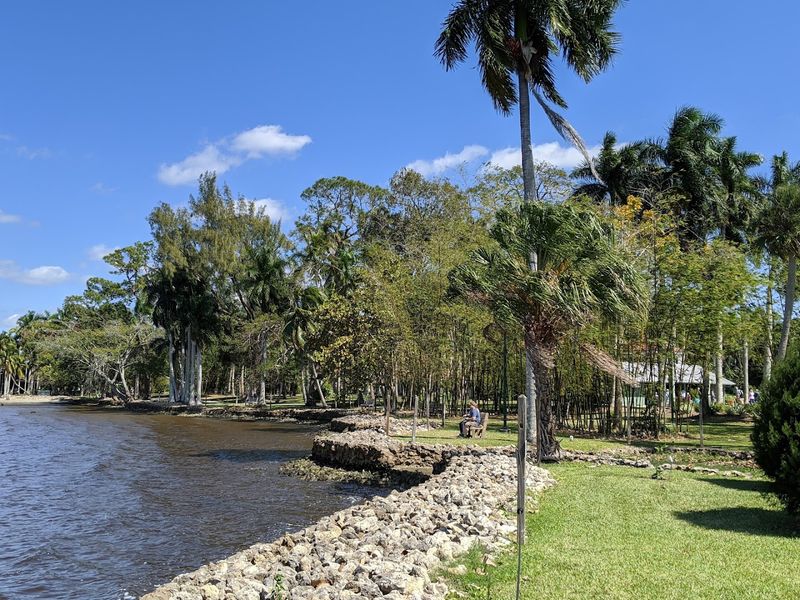
The property sits along the Caloosahatchee River, and the water adds a layer of calm and beauty that makes the whole visit feel more meaningful.
Edison chose Fort Myers specifically because of its warm winters, clean air, and the peaceful quality of the river setting. He first visited in 1885 and fell in love with the area immediately, purchasing land and beginning construction on his winter retreat that same year.
The riverfront location was central to his vision for the property.
Strolling the grounds with the river visible through the trees creates a sensory experience that photographs struggle to capture fully. The combination of tropical plants, historic buildings, and flowing water feels genuinely serene.
Visitors often describe the setting as unexpectedly moving, especially on quieter weekday mornings before the crowds arrive.
Arriving right when the estate opens at 9 AM is highly recommended by regular visitors, both for the peaceful atmosphere and the practical benefit of finding parking more easily. The riverfront grounds reward slow, unhurried exploration, making an early arrival one of the best decisions you can make before your visit.
Visiting Tips, Admission, and Planning Your Trip
Planning a visit to the Edison and Ford Winter Estates is straightforward, but a few smart choices can make the difference between a good trip and a great one. The estate is open every day from 9 AM to 5:30 PM, located at 2350 McGregor Blvd in Fort Myers.
Arriving early is strongly recommended, especially during peak winter season when the property fills up quickly.
Admission is currently around $28 per person. Some visitors have noted there are no senior discounts, which is worth knowing ahead of time.
The price covers full access to the museum, gardens, homes, laboratory, and audio tour app. Most visitors agree the experience is worth the cost, with many spending two to three hours exploring comfortably.
The estate hosts special seasonal events, including evening light shows and spring plant sales that draw large crowds. The gift shop carries thoughtful souvenirs, and a plant nursery near the entrance sells specimens related to Edison’s botanical collections.
Clean restrooms and helpful, friendly staff round out the practical experience nicely.
You can reach the estate at +1 239-334-7419 or visit their website at edisonfordwinterestates.org for updated event information and ticket purchases. Comfortable walking shoes are a must, and bringing water is smart since the grounds are expansive and mostly outdoors in Florida sunshine.