The best antique-shop finds are rarely the ones you walk in expecting to buy. At Clinton Antique Center in coastal Connecticut, three floors of booths turn browsing into a slow-moving treasure hunt, with weathered signs, old books, vintage furniture, artwork, and curious little objects competing for your attention.
Located at 78 E Main St in Clinton, the center brings together numerous dealers, so every corner offers a different collection and a new reason to stop.
You might spot a piece of farmhouse furniture one moment, then notice a stack of vintage postcards or an old advertising sign tucked nearby. The fun is in looking closely and letting an unexpected discovery set the pace.
Whether you collect antiques or simply enjoy wandering through places filled with history and character, Clinton Antique Center offers plenty to explore. Here are ten ways to make the most of your time among its three floors of finds.
The Storefront Surprise
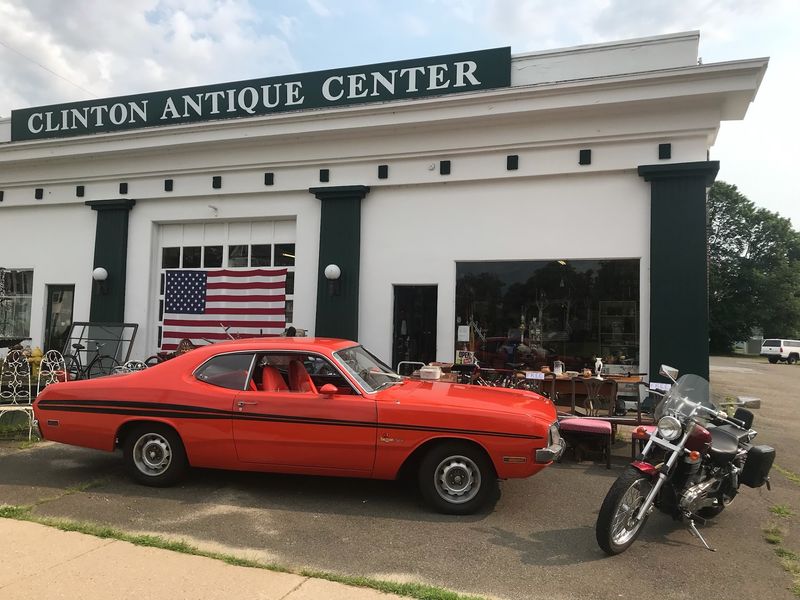
A quiet storefront can fool you. From the sidewalk, you may expect a quick look around and a few shelves of old dishes.
Step inside Clinton Antique Center at 78 E Main St, though, and the shop opens into a much larger space filled with objects that ask for a second glance.
Visitors describe spending an hour or more here and still missing things. That makes a simple plan useful: start near the entrance, work through one area at a time, and pause whenever something catches your eye.
Look high as well as low. A sign overhead or an item tucked behind a larger piece may be easy to miss if you rush.
The first few minutes set the mood for the whole visit. You do not need to know the age of a vase or the maker of a lamp to enjoy looking.
Pick one object that reminds you of home, then see what else it leads you toward. The pleasure is in realizing that a casual stop can become the most memorable part of a day in Clinton.
A New World in Every Booth
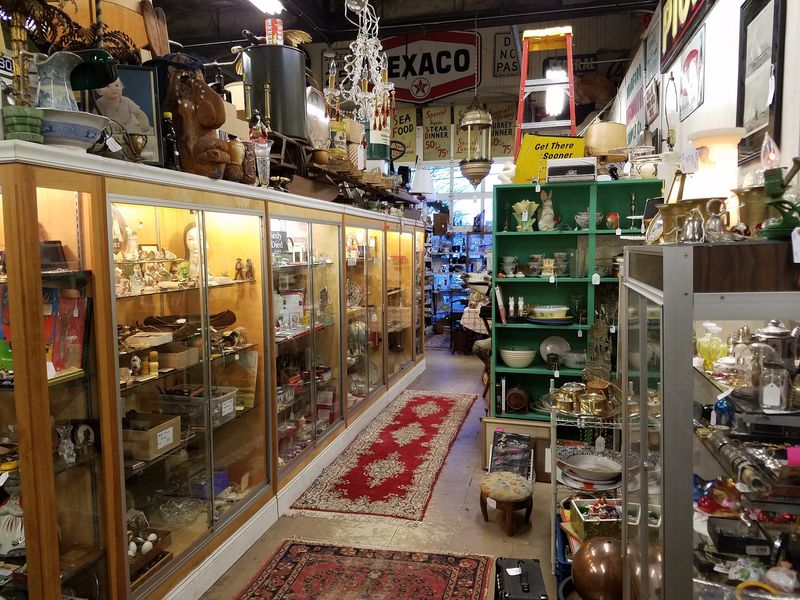
One aisle can feel like several small shops sharing a roof. At Clinton Antique Center, different dealers arrange their own areas, giving each stretch of the store a new mix of colors, eras, and ideas.
A display of polished silver might sit near old postcards, while a corner of sturdy tools changes the mood again.
That variety makes wandering more fun than following a strict shopping list. Try giving each booth a slow pass before deciding there is nothing for you.
Scan the back of the shelves, then step away and look at the whole display. Dealers often group items in ways that help you picture how a piece could look at home.
Bring a short list of sizes or colors if you hope to buy something for a room. A photo of the space can help, too.
Yet leave room for surprise: the item you remember most may be one you never thought to seek. With so many individual displays, the shop rewards both careful collectors and people who simply enjoy seeing how others lived.
Signs That Steal the Show
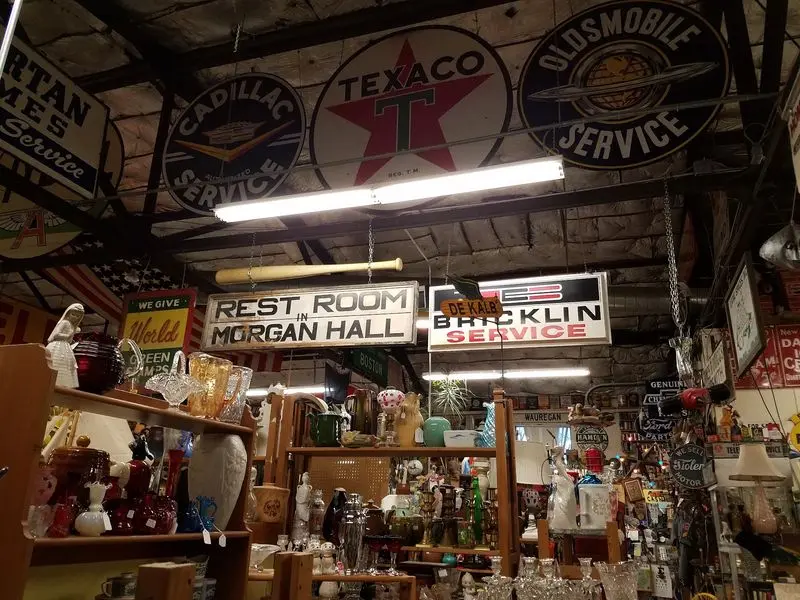
Bright lettering can stop a treasure hunter in midstep. Old advertising signs bring bold color to Clinton Antique Center, and visitors have called out the shop’s striking collection of vintage signs.
Even if you arrive looking for something small, it is hard to ignore a piece once meant to grab attention from across a street.
Spend a moment studying the details rather than only reading the brand name. Look at the shape of the letters, the fading paint, and the marks left by years of use.
Those clues show how a sign worked before glowing phone screens and online ads. Some displays may be there to admire rather than purchase, so ask staff before assuming a favorite is for sale.
A photo can help you remember a design you love, but check that photography is welcome first. If you hope to buy a sign, measure your wall and ask about its condition and weight.
If you do not, the display still gives you a lively lesson in everyday American history, delivered without a textbook.
Furniture with a Past
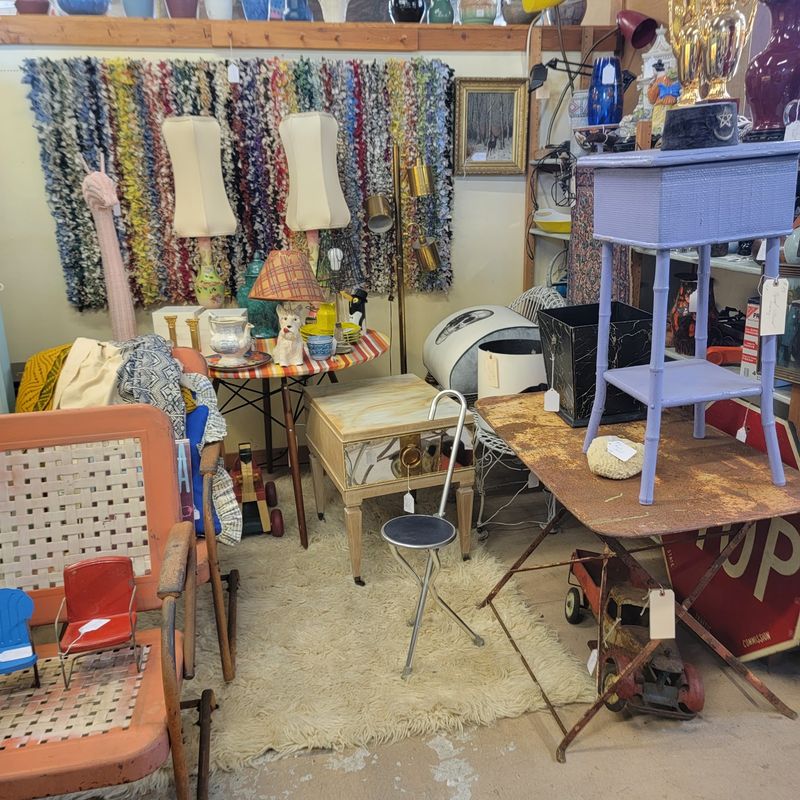
A worn tabletop can make you imagine every meal once shared around it. Furniture gives Clinton Antique Center a slower kind of charm, with older shapes and finishes that stand apart from flat-packed pieces.
Browsing here is a chance to notice details you might miss in a modern showroom, from solid joints to wood softened by use.
If a chair or table catches your eye, look beyond its style. Check whether it sits evenly, whether drawers move smoothly, and whether any repairs seem loose.
Ask staff before opening a fragile piece or moving heavy furniture. A tape measure is helpful, especially if you have a narrow doorway, staircase, or small room waiting at home.
Not every piece needs to become a purchase. Comparing shapes and finishes across the displays can help you learn what you actually like.
Maybe you favor a simple desk over an ornate cabinet, or a small side table over a full dining set. Either way, the shop turns furniture hunting into a practical lesson in how things were built to serve daily life.
Small Treasures Behind the Glass
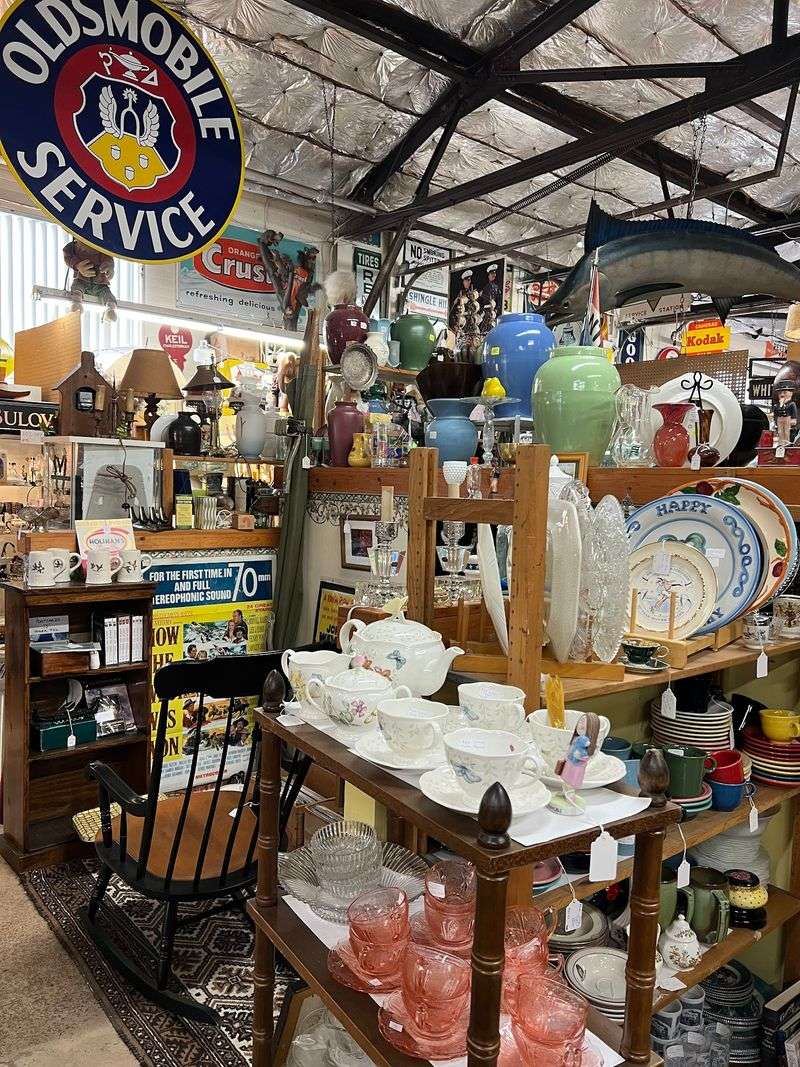
Sometimes the smallest find holds your attention longest. A glint of silver or the soft color of old glass can pull you toward a display case at Clinton Antique Center.
Visitors have noted pieces ranging from decorative glass to Art Deco silver, a mix that makes close looking part of the fun.
Slow down before choosing something delicate. Check for chips along a rim, scratches on a surface, or parts that do not seem to match.
If an object is behind glass, ask for help rather than reaching around the case. Staff can often let you see it more clearly and tell you what information is available about its age or condition.
Small pieces are tempting souvenirs because they fit easily into a bag, but plan for a safe trip home. Ask for careful wrapping and keep fragile finds away from heavy purchases.
Even when you leave empty-handed, comparing patterns and finishes can sharpen your eye. You begin to see why a simple bowl or spoon might have delighted its first owner and could delight someone again.
The Joy of an Odd Find

An old can opener is not what most people picture as a prized souvenir. Yet the odd little objects can be the ones that make a visit to Clinton Antique Center unforgettable.
Reviews describe a lively mix of tools, clocks, figures, and other finds that do not fit neatly into one style or period.
Follow whatever makes you grin. A curious gadget might show how a common chore was done years ago, while a strange clock could reveal someone’s playful taste.
Look for maker marks or labels, but do not feel you must solve every mystery alone. If an item’s purpose escapes you, asking staff can turn a passing glance into a good conversation.
Set yourself a small challenge: find the most surprising thing in one aisle, then compare it with a friend’s choice. It costs nothing and makes the shelves feel like a puzzle.
If you decide to take an unusual object home, check for missing pieces and think about where it will go. The best oddities earn their place by giving you a story to tell.
Paper, Records, and Old Favorites
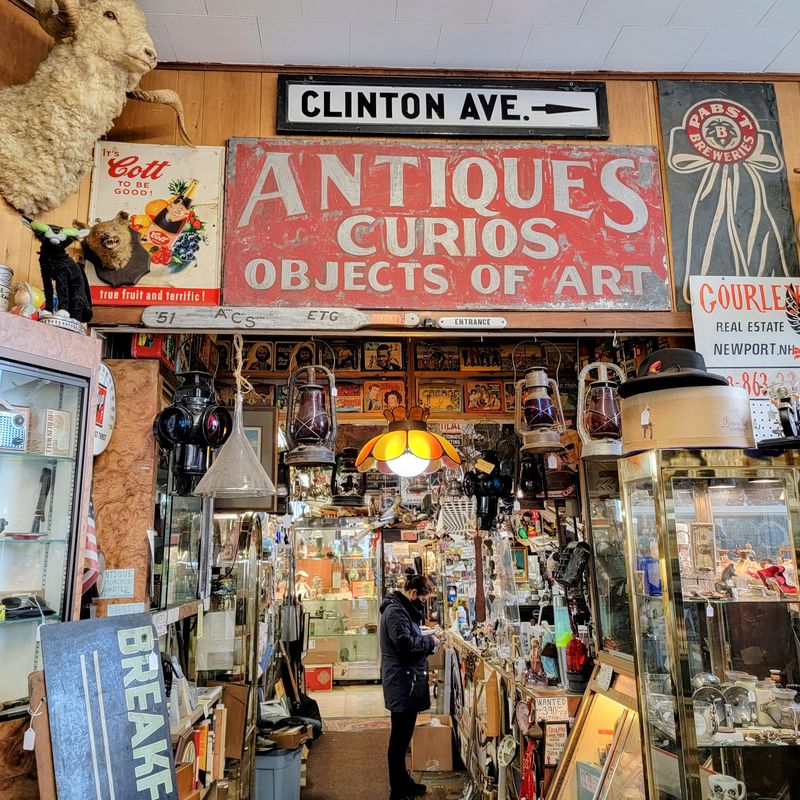
A record sleeve or postcard can bring back a whole afternoon. Paper goods and old entertainment have their own pull at Clinton Antique Center, where visitors have mentioned records, comics, postcards, sports cards, and books.
You might spot a familiar cover first, then lose track of time looking through items from decades you never knew.
Use clean, gentle hands when browsing older paper, and follow any signs about handling. Check a book for loose pages and look over a record for scratches before buying.
For comics and cards, condition can change the price greatly, so ask questions if a tag leaves you unsure. You can enjoy the artwork without needing to be an expert collector.
These finds are easy to connect with daily life. A postcard shows what someone once chose to send home; a record suggests what filled a room on a Saturday night.
If you are shopping for a gift, think about a friend’s favorite place, team, or music. A small, thoughtful pick can carry more meaning than a much larger purchase.
A Friendly Question Goes a Long Way
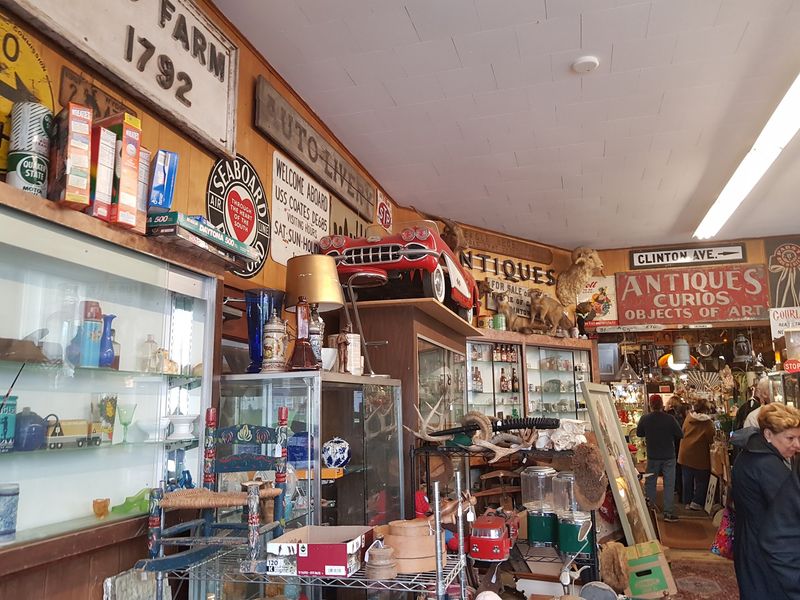
Finding a puzzling object is more fun when someone helps you make sense of it. Reviews of Clinton Antique Center often mention friendly staff and owners, along with the welcome they give people who stop in to browse.
That matters in a shop with so much to see: a simple question can lead you toward the right booth or a detail you overlooked.
If you collect something specific, mention it. One longtime visitor recalled getting help spotting new additions to a shot glass collection.
You can also ask about a price tag, the condition of an item, or whether a piece belongs to a dealer who has more information. Be polite and clear if you want to discuss a price; each item and seller may be different.
There is no need to pretend you know more than you do. An honest question about how a tool worked or what makes a lamp old can make the visit richer.
Even if you buy nothing, a friendly exchange gives the busy aisles a human touch. You leave with a better understanding of what caught your eye.
One More Look Before You Leave
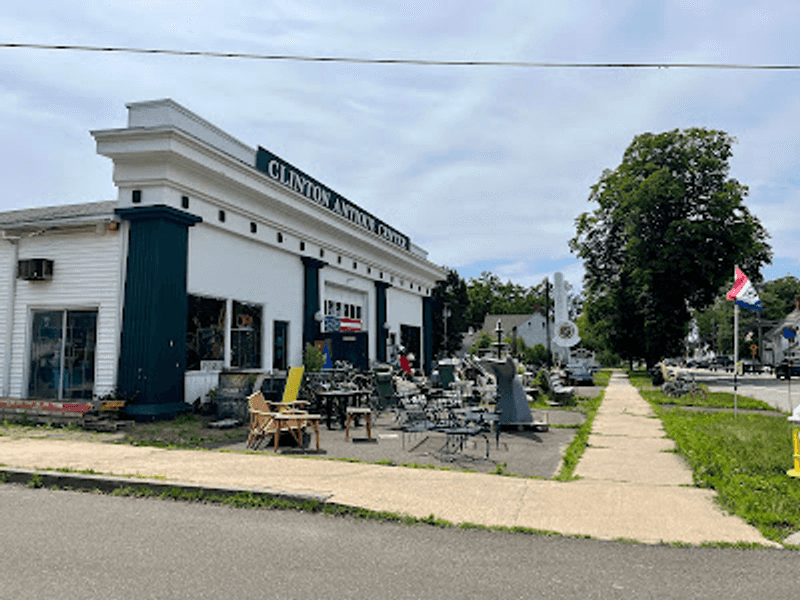
The best part of a long browse may happen on the way out. After walking the packed aisles of Clinton Antique Center, you start to notice things your eyes skipped at first: a painting above a shelf, a watch near the counter, or a bright sign beyond a booth.
Visitors often say they spent plenty of time here and still saw only part of it.
Before you leave, retrace one aisle instead of trying to cover everything at a sprint. Check any measurements or photos you brought, and make sure a possible purchase suits both your budget and your space.
If you want to return for an item, ask staff about it rather than assuming it will still be there. Dealer stock and individual pieces can change.
For a relaxed visit, allow more time than you think you need. The shop at 78 E Main St is usually listed as closed on Wednesdays, but checking current hours before setting out is wise.
You might walk away with a purchase, a new collecting interest, or simply a good story about the thing you almost missed.