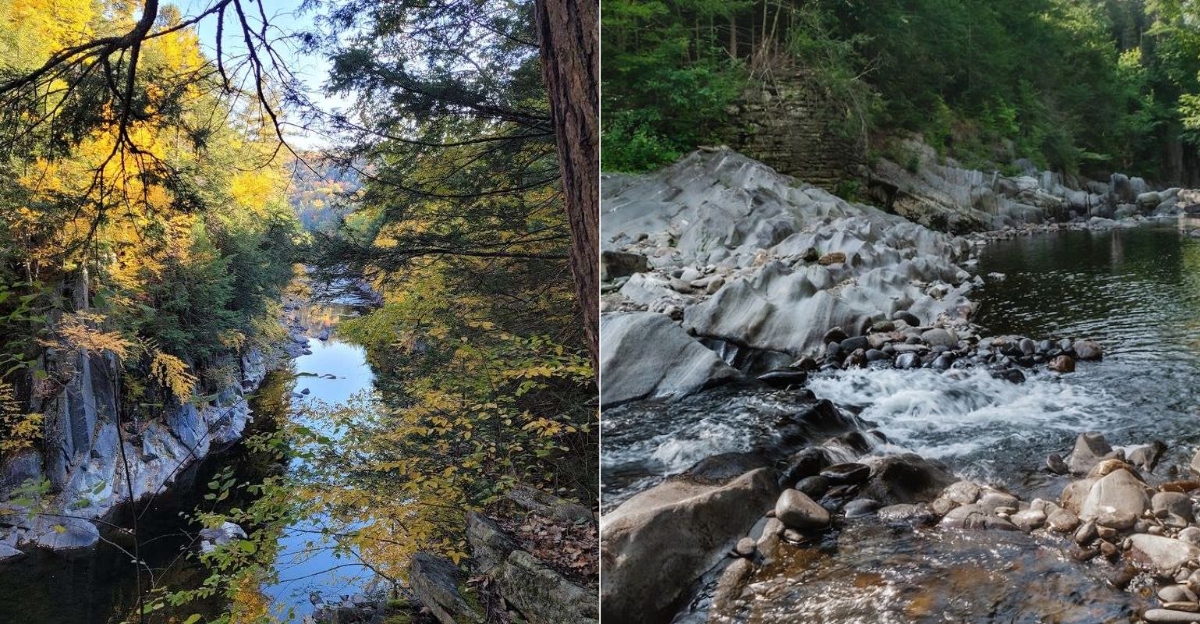
Some of New England’s most memorable landscapes are hiding in places that do not announce themselves with crowds or towering entrances. Follow a quiet road in western Massachusetts, step onto a wooded trail, and suddenly Chesterfield Gorge opens into a dramatic scene of rushing water, rugged stone walls, and a landscape shaped by centuries of erosion.
Located along River Road in Chesterfield, Massachusetts, Chesterfield Gorge offers one of the region’s most scenic gorge walks, with trails that lead visitors beside steep rock formations carved by the Westfield River. The sound of moving water below, the texture of ancient stone, and the peaceful forest surroundings make this small preserve feel surprisingly grand.
For hikers, photographers, and anyone looking for a memorable outdoor escape, this hidden gem delivers a refreshing change of pace. Discover what makes Chesterfield Gorge a Massachusetts destination worth the drive.
A Natural Cathedral of Stone
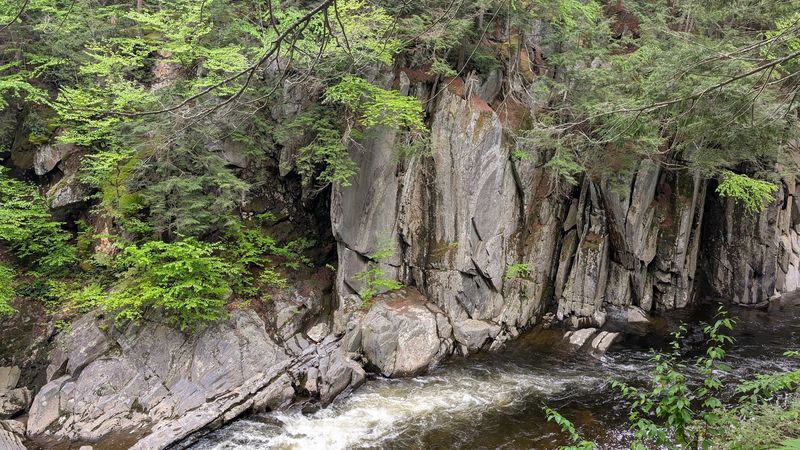
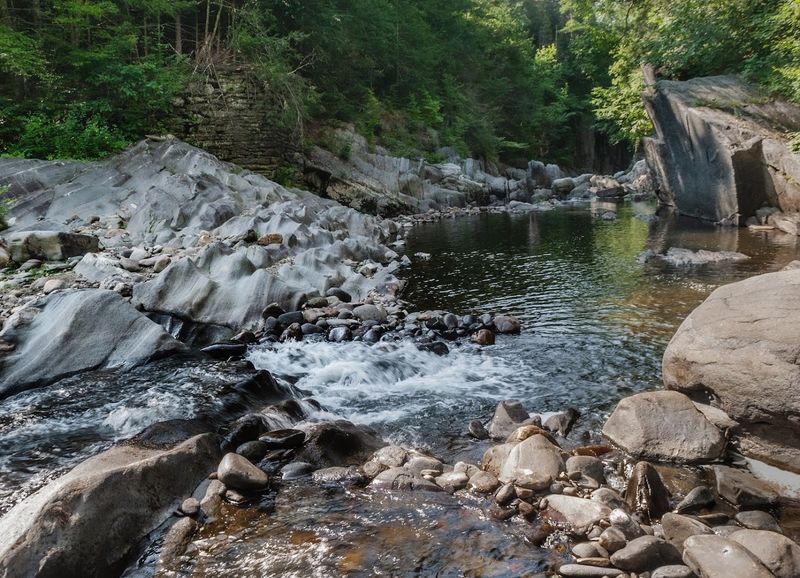
Stand at the edge and feel your breath catch. Sheer rock walls plunge downward into a narrow chasm where water has carved its path for thousands of years.
The main attraction at Chesterfield Gorge stretches roughly 800 feet, but every inch delivers jaw-dropping drama. These aren’t gentle, rolling hills or modest rock formations.
Sharp, angular cliffs tower above the riverbed, creating a vertical landscape that feels almost otherworldly in its intensity.
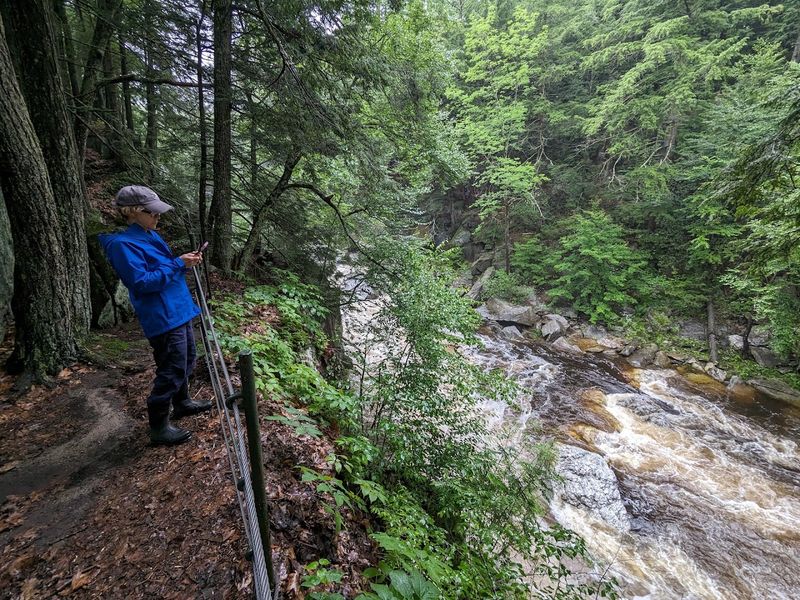
What makes this spot truly special is how close you can get to the action. Sturdy railings line the viewing platforms, letting you lean out safely and soak in the full scale of nature’s architecture.
The contrast between the dark stone and foaming white water creates a natural photograph that changes with every shift in light.
Many visitors compare the experience to discovering a hidden slice of the American West tucked into New England’s gentle countryside. The geological power on display here reminds us that dramatic landscapes don’t always require cross-country travel.
Water That Glows Like Liquid Sapphire
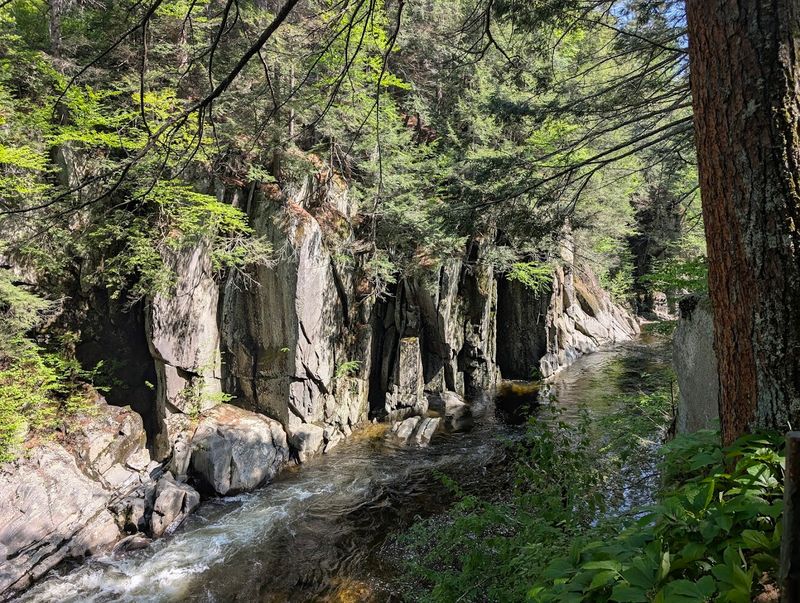
Ever seen water so blue it looks Photoshopped? Visitors consistently rave about the river’s almost supernatural color, especially during winter months when the hue intensifies to an electric turquoise.
The West Branch of the Westfield River flows through Chesterfield Gorge with remarkable clarity. In summer, you can spot individual rocks on the riverbed from the viewing platforms above.
Come winter, and the water transforms into something even more magical—a glacial blue that seems to glow against snow-covered banks and ice formations.
This isn’t accidental beauty. The water’s pristine quality comes from its protected watershed and the constant movement that aerates and filters it naturally.
Scientists love studying the ecosystem here, while everyday visitors just love staring at it.
Bring your camera with a polarizing filter if you’re serious about photography. The color variations shift throughout the day as sunlight angles change, creating endless opportunities for stunning shots.
One reviewer described watching the sun kiss melting icicles until they shimmered like diamonds—a moment that perfectly captures this place’s visual magic.
Free Parking, Priceless Views
No entrance fees. No parking meters.
No membership required. Sometimes the best things really are free.
Chesterfield Gorge sits right off River Road with a spacious parking area that accommodates dozens of vehicles. Pull in, step out, and you’re literally minutes from those famous rock walls.
This accessibility makes it perfect for families with young children, older visitors who might struggle with long hikes, or anyone who wants maximum scenery with minimum effort.
The Trustees of Reservations manages this property, maintaining clear signage and well-marked paths throughout. You’ll find informative plaques explaining the geology and ecology without feeling like you’re on a textbook tour.
Safety railings protect the more dramatic overlooks while still allowing unobstructed views.
Even during peak foliage season, reviewers note that the lot fills up quickly but never feels overwhelmingly crowded. The gorge itself is compact enough that foot traffic spreads naturally along the paths.
It’s the rare destination where popularity hasn’t ruined the experience.
Four Seasons, Four Different Worlds
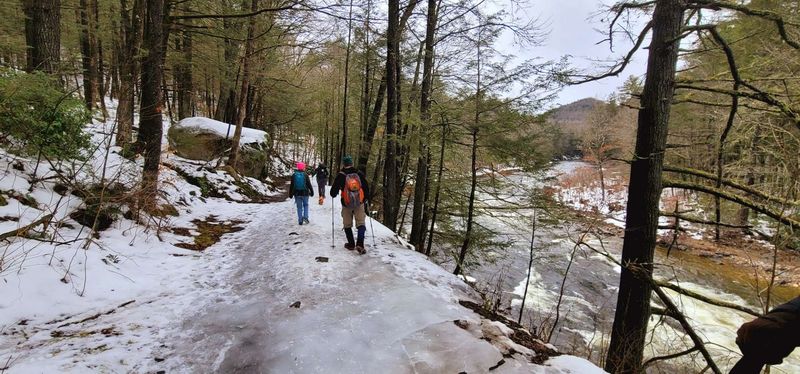
Most hiking spots close down when snow flies. This one just changes costumes and puts on a different show.
Winter transforms Chesterfield Gorge into a wonderland for snowshoers and cross-country skiers. The trails stay accessible even when snow blankets the ground, and the parking lot—though not plowed—sees steady use from cold-weather adventurers.
That remarkable blue water looks even more vibrant against white snow and ice-covered rocks.
Spring brings rushing snowmelt that turns the river into a roaring spectacle. Summer offers shaded paths, cool river breezes, and surprisingly few bugs according to multiple reviews.
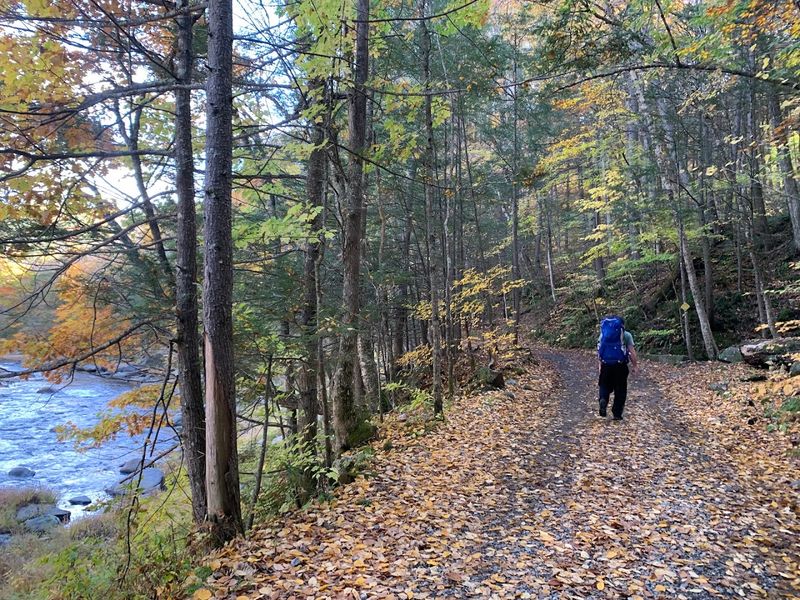
Fall explodes with foliage that frames those rock walls in every shade of gold and crimson.
Each season reveals different aspects of the landscape. Ice formations in winter.
Wildflowers in spring. Swimming holes in summer.
Migrating birds in fall. Locals know the secret: pick your favorite season, then come back and experience the others.
The gorge never repeats itself.
Wade Into Wild Beauty
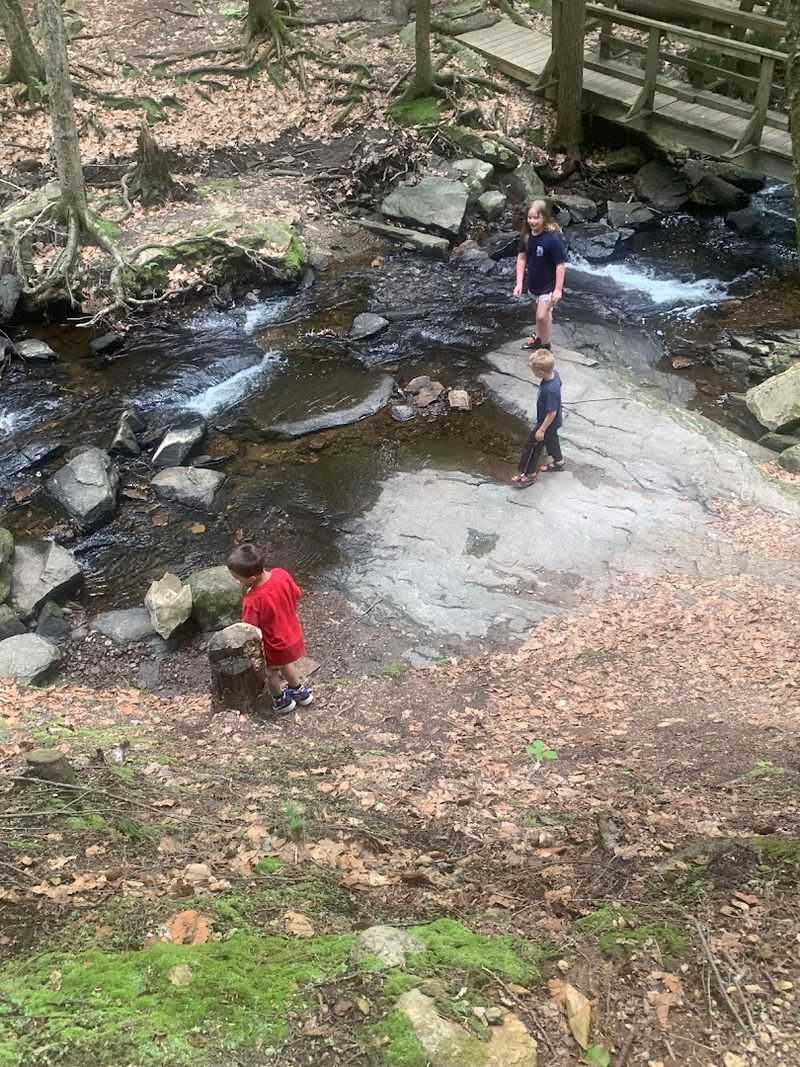
Forget just looking at the water—this is one of those rare spots where you can actually climb down and touch it, wade in it, even take a careful swim.
Beyond the main gorge overlook, the trail continues downstream where the river widens and mellows. Here you’ll find small rock beaches and even a sandy stretch where families gather on warm summer days.
The water stays cold—this is mountain-fed river territory—but on a hot July afternoon, that’s exactly what you want.
Several reviewers mention small waterfalls and creek runoffs that create natural play areas. Parents appreciate being able to set up a small picnic while kids explore shallow pools.
Just remember: even in calm sections, river rocks can be slippery.
Water shoes are your best friend here. During low water levels in late summer, adventurous souls can walk across the river in certain spots.
Come spring when snowmelt surges through, you’ll want to admire the power from a safe distance on the banks.
Instagram Gold Without the Crowds
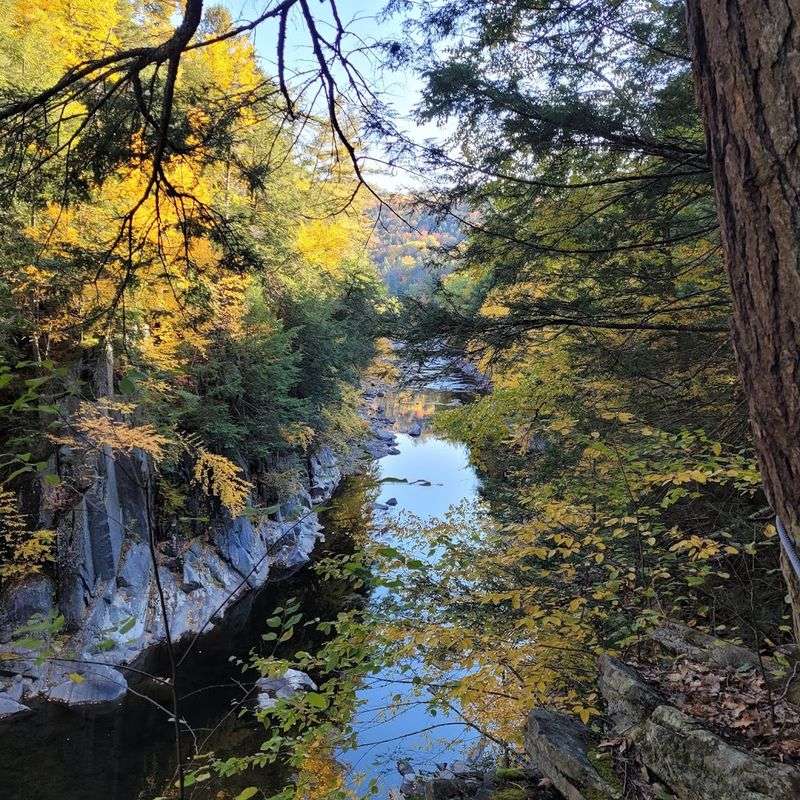
You know those Instagram-famous locations where you have to wait in line just to get a photo without strangers in your frame? This isn’t that.
Chesterfield Gorge delivers photography opportunities that rival the region’s most celebrated spots, but it hasn’t hit oversaturated tourist-trap status. You can set up your tripod without rushing, experiment with long exposures of the flowing water, and actually enjoy the moment instead of fighting crowds.
The light changes dramatically throughout the day. Early morning brings soft golden rays that filter through the trees and illuminate the mist rising from the water.
Midday creates strong contrasts between sunlit rocks and shadowed depths. Late afternoon bathes everything in warm amber tones.
Serious photographers love the variety of compositions available within such a compact area. Tight shots of water rushing through rock channels.
Wide angles capturing the full scale of the walls. Detail work on interesting geological formations.
One visitor captured sun-kissed icicles that looked like diamonds—a moment both artistic and authentic.
Miles Beyond the Main Event
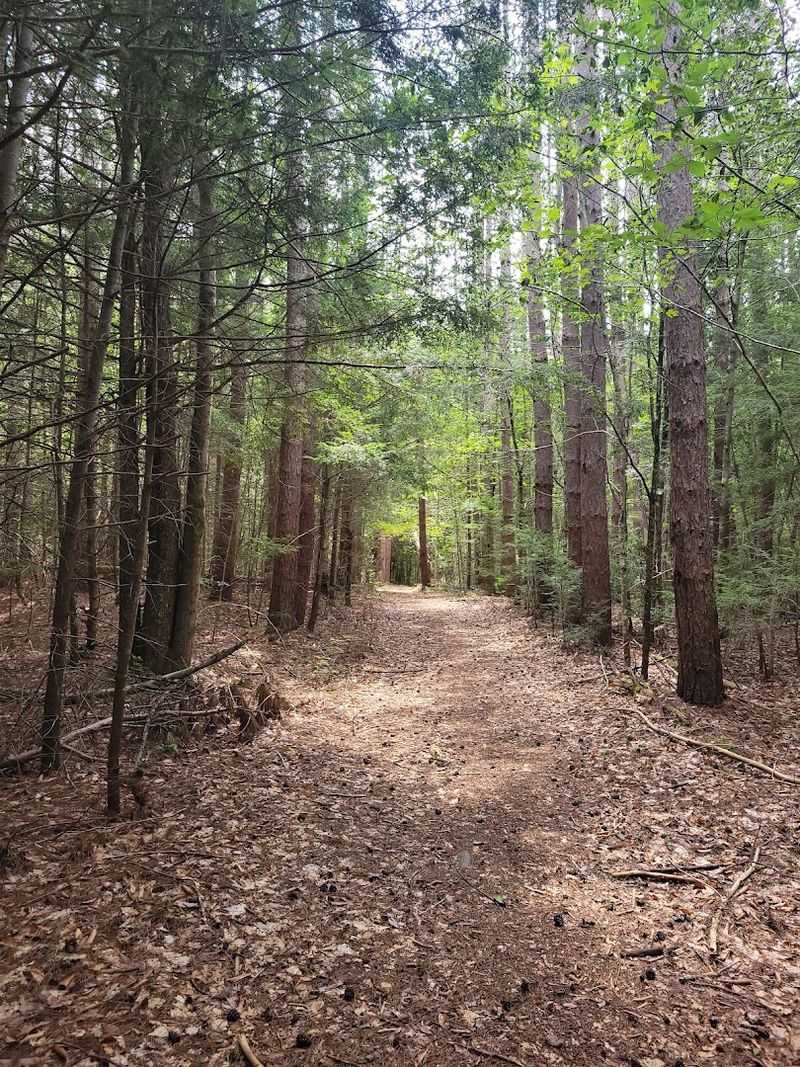
Think the gorge is just a quick fifteen-minute stop? Think bigger.
Way bigger.
The reserve connects directly to Gilbert Bliss State Park, opening up miles of additional trails for those who want to extend their adventure. One reviewer described completing a six-to-seven-mile loop that took about three and a half hours—a perfect half-day excursion for intermediate hikers.
A wide dirt road parallels the river for over six miles, offering pristine access for walking, mountain biking, or dog walking. This path is beloved by locals who appreciate the quiet, no-cell-service escape from modern life.
Mountain bikers particularly enjoy the fast, fun terrain, though be warned it can get a bit overgrown in summer.
The trails feature various elevation changes that keep things interesting without being punishing. You’ll pass through different micro-ecosystems, spot deer crossing at dusk, and discover small waterfalls and cascades beyond the main gorge.
It’s the rare destination where you can make it as long or short as your energy and schedule allow.
Where Deer Cross at Dusk
Nature doesn’t perform on command, but certain places seem to invite wildlife encounters more than others. This is one of those places.
Multiple visitors report spotting deer along the entrance road and throughout the trail system, especially during quieter morning and evening hours. The protected status of the preserve creates a sanctuary where animals feel safe moving through their natural routines.
One lucky hiker even spotted a crawfish in the river shallows.
The variety of habitats here—rushing water, quiet pools, forested slopes, rocky outcrops—supports an impressive diversity of species. Birdwatchers bring binoculars to spot both resident species and seasonal migrants.
The trees provide nesting sites and cover, while the river ecosystem supports everything from aquatic insects to fish.
Bring patience and quiet respect. Wildlife viewing rewards those who move slowly and observe carefully.
The best encounters happen when you’re not actively seeking them—when you’re just sitting on a rock by the water, being still, letting the forest remember you’re there.
The Sound of Silence (And Rushing Water)
Close your eyes for a moment. What do you hear?
Not traffic. Not construction.
Not leaf blowers or car alarms or the constant buzz of modern life.
Chesterfield Gorge offers something increasingly rare: genuine quiet. Well, quiet except for the rushing water, singing birds, and wind through the trees—the kind of natural soundtrack that actually helps your brain relax instead of stressing it out.
Multiple reviewers mention the calm, peaceful environment that makes this place feel like a true escape.
The location helps maintain this tranquility. No cell service means people actually disconnect.
The fact that it’s not overcrowded means you can find spots where the only sounds are natural ones. Even the trails themselves encourage a slower, more contemplative pace.
One visitor described how a walk along this gorge does the soul good—not a throwaway comment, but a genuine observation about the restorative power of this place. In our overscheduled, over-connected world, finding a spot where you can just be present with nature feels almost radical.
Ancient Stones Tell Stories
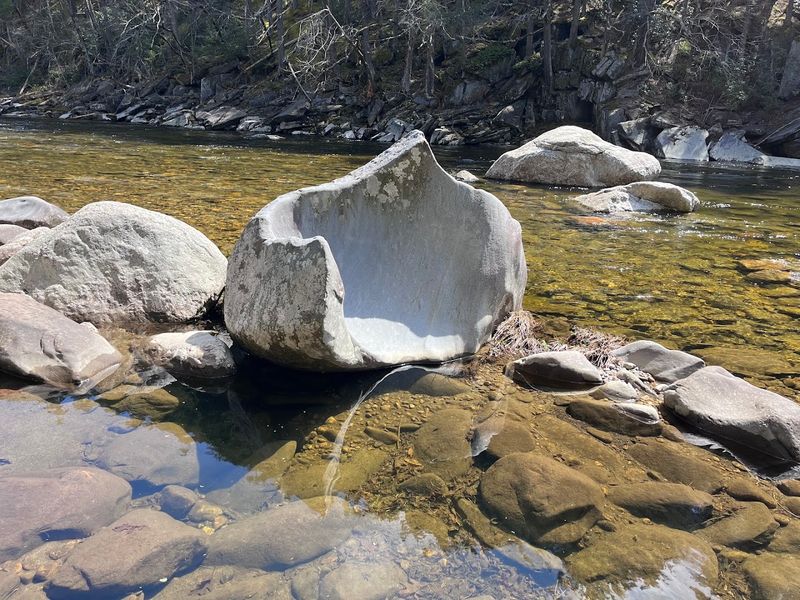
Every rock here is a time capsule, every formation a chapter in Earth’s autobiography written in stone.
The geology at Chesterfield Gorge reads like an adventure novel. Basalt columns rise dramatically from the water—volcanic rock that formed millions of years ago under conditions vastly different from today’s New England landscape.
Potholes worn smooth by thousands of years of swirling water and grinding stones create natural sculptures throughout the gorge.
These aren’t just pretty rocks. They’re evidence of immense geological forces and deep time.
The tumbled boulders, the sharp angles of fractured stone, the smooth curves where water has patiently worked for millennia—all tell stories of ice ages, river evolution, and continental shifts.
You don’t need a geology degree to appreciate what you’re seeing, though the informative signage helps provide context. Just knowing you’re standing at a spot shaped by forces beyond human scale adds weight to the experience.
This is what people mean when they call something a state treasure.