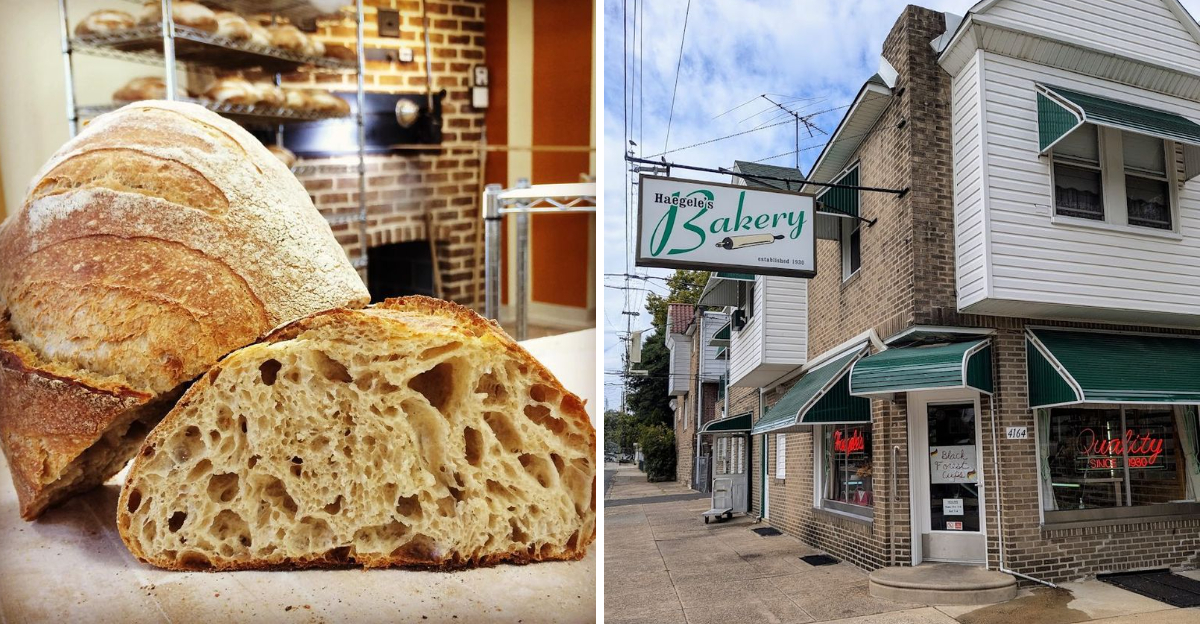
Pennsylvania is home to some of the most beloved old-school bakeries in the entire country, where the smell of fresh bread has been drifting through neighborhoods for well over a hundred years.
Many of these bakeries still wake up before the sun does, mixing dough by hand and using starters that have been alive longer than most of our grandparents.
From South Philly to Amish Country, these places prove that slow, traditional baking creates something a factory machine simply cannot replicate.
If you love real bread with real flavor, these 12 Pennsylvania bakeries deserve a spot on your must-visit list.
Isgro Pastries (Philadelphia, PA)
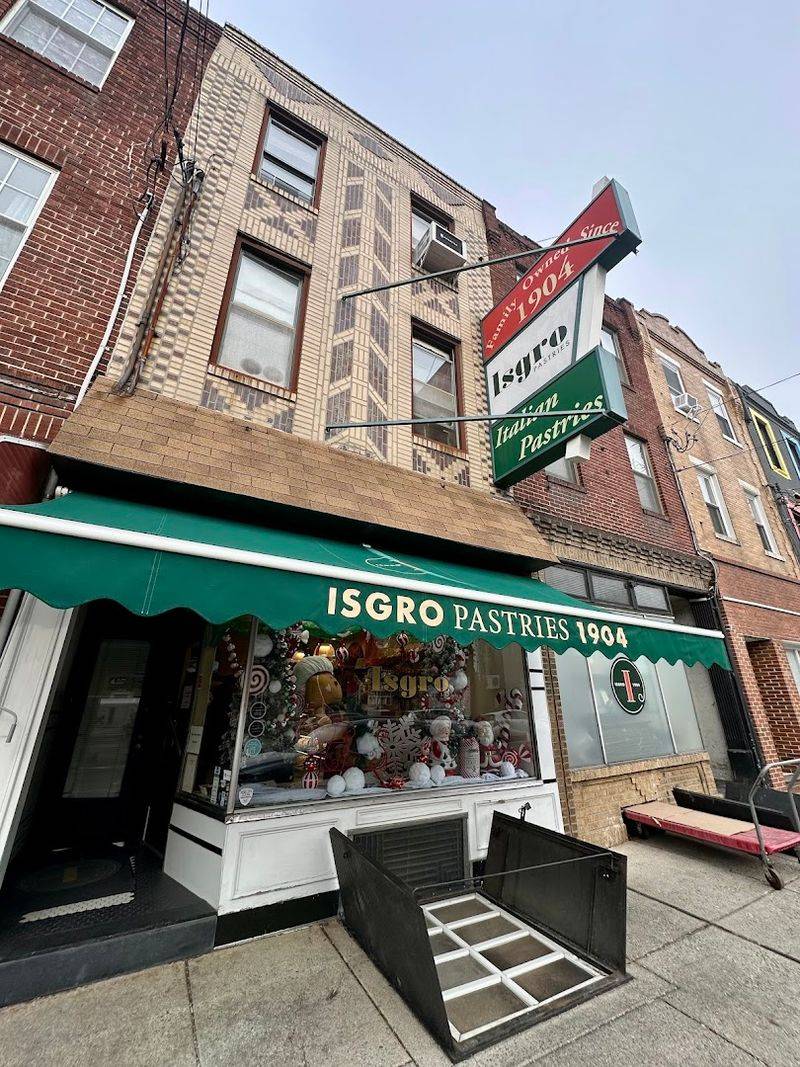
Walk through the door of Isgro Pastries on any given morning and you are immediately transported to South Philadelphia circa 1904. The scent of slowly fermented dough and warm sugar hangs in the air like a welcome hug.
Few bakeries in Pennsylvania carry as much history on their flour-dusted shelves.
Founded by Italian immigrants, Isgro has spent over a century honoring the baking traditions of the old country. Long fermentation is not a trend here — it is simply how things have always been done.
The family has passed down recipes through multiple generations without cutting corners or swapping in industrial shortcuts.
Hand-shaping is central to everything Isgro produces. Each loaf and pastry gets individual attention from skilled bakers who begin their work well before most people set their alarms.
The result is bread and baked goods with textures and flavors that feel genuinely alive.
For locals, stopping at Isgro is not just a shopping trip — it is a ritual. Visitors from outside Philadelphia often describe their first bite as a revelation.
Over 120 years of consistent, passionate baking have made this South Philly gem an irreplaceable piece of the city’s edible identity.
Termini Bros Bakery (Philadelphia, PA)
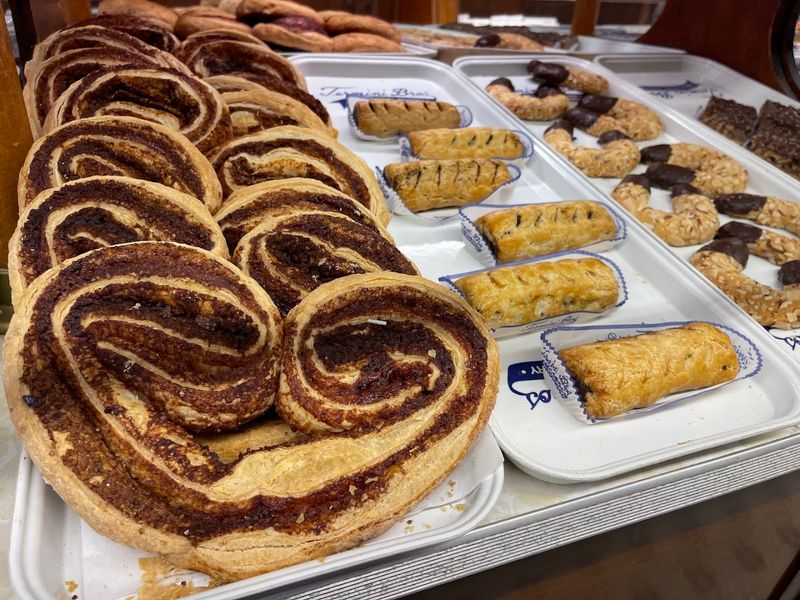
Since 1921, Termini Bros Bakery has been a quiet keeper of Sicilian baking secrets in the heart of Philadelphia. The bakery did not survive a full century by following shortcuts — it thrived by refusing them entirely.
Every loaf produced here reflects a deep respect for patience and process.
Slow-risen doughs are the backbone of the Termini method. Rather than rushing fermentation with commercial yeast boosters, the bakers here allow time to do its work naturally.
That extra patience builds layers of flavor that you simply cannot fake or fast-track.
Early morning baking cycles are non-negotiable at Termini Bros. Bakers arrive in the dark so that customers can arrive to fresh, perfectly textured bread as the city wakes up.
The timing is deliberate — bread baked this way has a crust and crumb that peak at exactly the right moment.
Generations of Philadelphia families have made Termini Bros part of their weekly routine. Wedding cakes, cannoli, and crusty loaves have all been crafted here with the same level of care since the Roaring Twenties.
Eating something from this bakery feels less like a snack and more like touching a living piece of history.
Bird-in-Hand Bake Shop (Bird in Hand, PA)
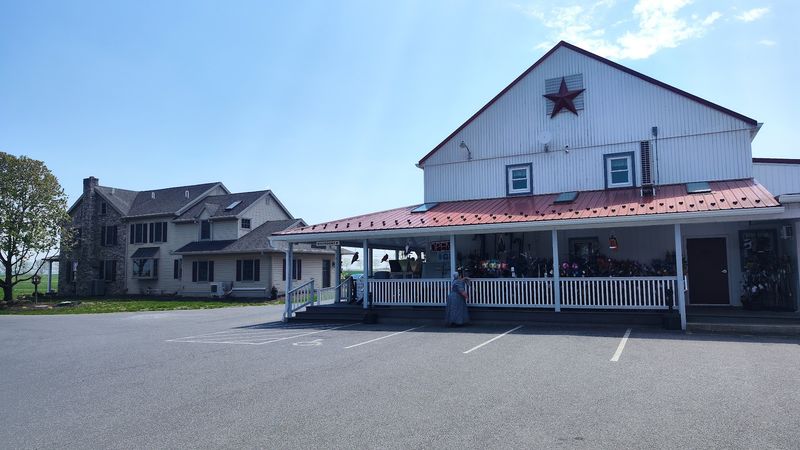
Out in Lancaster County, where horse-drawn buggies share the road with pickup trucks, the Bird-in-Hand Bake Shop has been quietly producing some of the most honest bread in Pennsylvania. There are no gimmicks here, no trendy flavor combinations — just flour, water, salt, and time-honored Pennsylvania Dutch technique.
Naturally fermented doughs are a cornerstone of this bakery’s identity. The Amish baking tradition has always favored slow, natural processes over industrial convenience, and Bird-in-Hand carries that philosophy into every single batch.
Bread here rises on its own schedule, not a factory timer.
Every loaf is completely hand-shaped, a practice that requires skill, consistency, and a real feel for the dough. No two loaves are perfectly identical, and that slight variation is actually part of the charm.
It signals that a human being — not a machine — cared enough to shape your bread.
Visitors who stop in while touring Amish Country often say the bread from Bird-in-Hand is a highlight of their entire trip. The shop also offers pies, cookies, and other scratch-made baked goods that reflect the same from-scratch philosophy.
Buying something here supports a baking culture that has remained beautifully unchanged for generations.
Julius Sturgis Pretzel Bakery (Lititz, PA)
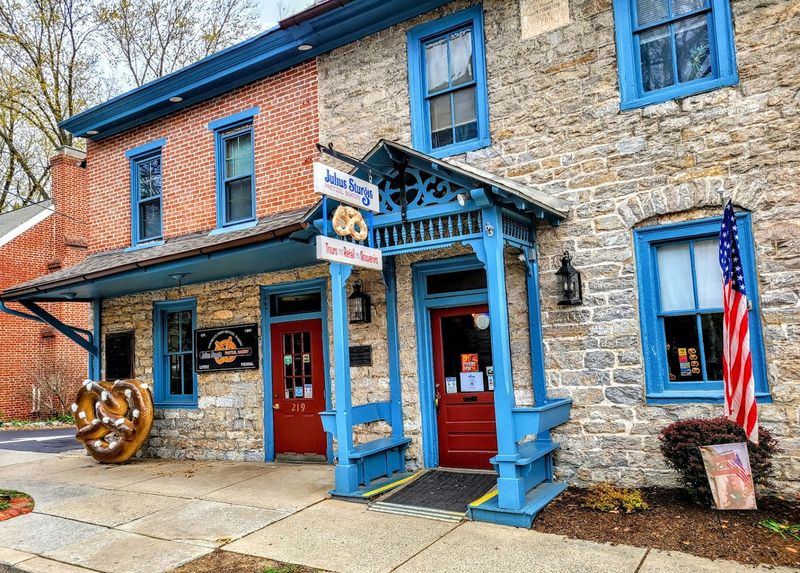
Hand-twisting a pretzel sounds simple until you try it yourself. At Julius Sturgis Pretzel Bakery in Lititz, visitors quickly discover that the classic three-loop shape requires muscle memory built over years of practice.
This is America’s oldest commercial pretzel bakery, and it has been open since 1861 — before the Civil War even ended.
The Sturgis family originally built their baking process around fermentation methods rooted in early sourdough-style traditions. Allowing dough to develop slowly before shaping creates a chewier, more flavorful pretzel than any rushed method can produce.
That foundational philosophy has never been abandoned, even as the world around them modernized.
Today, the bakery operates as both a working producer and a living museum. Guests can tour the original bake house and even try hand-twisting their own pretzels under the guidance of experienced staff.
It is one of the few places in America where you can literally hold history in your hands — and then eat it.
Lititz itself is a beautifully preserved small town, and Sturgis feels perfectly at home there. The bakery draws visitors from across the country who want to experience a piece of American food heritage that has somehow survived more than 160 years of changing tastes and technologies.
Weaver’s Bakery (Port Trevorton, PA)
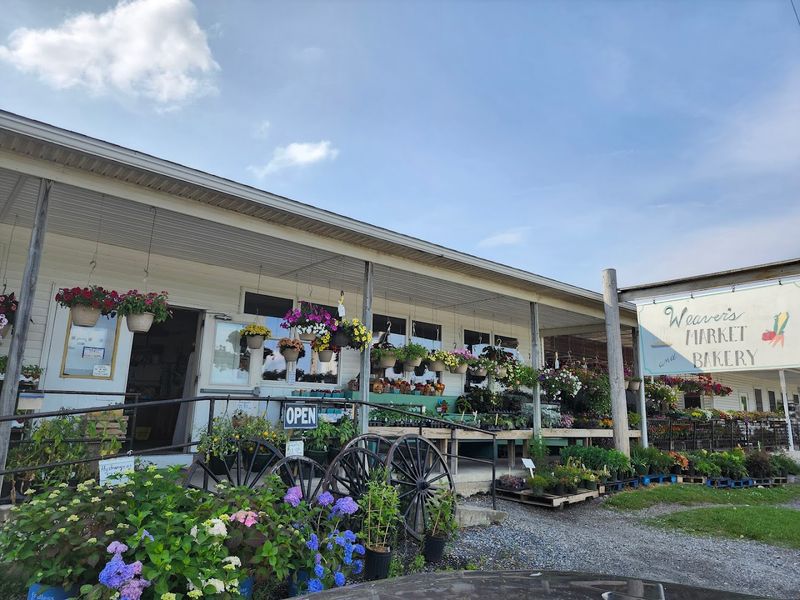
Port Trevorton is not exactly on most tourist maps, but bread lovers who track down Weaver’s Bakery tend to agree that the drive is absolutely worth it. Tucked into central Pennsylvania farm country, this bakery has been producing small-batch breads with a level of care that larger operations simply cannot replicate.
Slow dough fermentation is not a marketing strategy at Weaver’s — it is just how bread gets made. The bakers here understand that rushing the process produces an inferior product, and they have never been willing to make that trade-off.
Patience is baked into every single loaf, quite literally.
Hand-formed breads are shaped during the early morning hours, long before most of their customers have finished their first cup of coffee. That pre-dawn dedication ensures that bread arrives in the display case at its absolute peak.
Fresh out of the oven and shaped by experienced hands, each loaf has a character that mass-produced bread lacks entirely.
Weaver’s represents a type of bakery that is increasingly rare — one that serves a local community without chasing trends or expanding beyond its means. Regulars trust the quality because it has never wavered.
For anyone exploring central Pennsylvania, this bakery is a genuinely rewarding find.
Haegele’s Bakery (Philadelphia, PA)
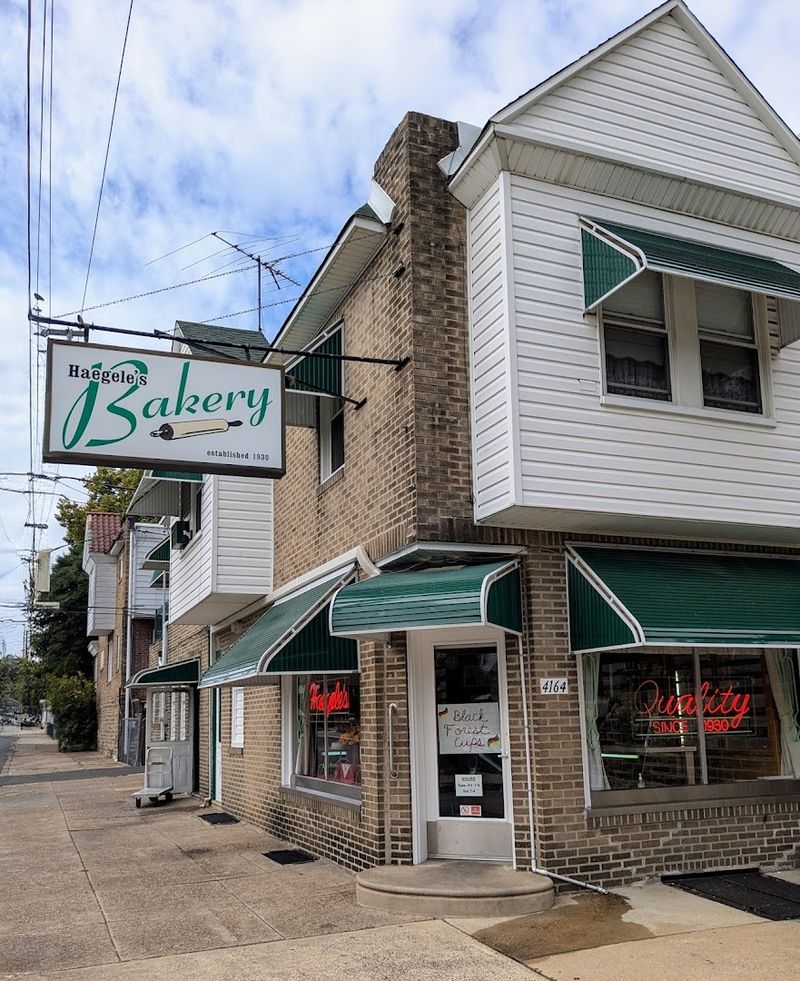
Northeast Philadelphia has changed enormously since 1930, but Haegele’s Bakery has remained a constant — a warm, familiar presence in a neighborhood that has seen decades of transformation. Locals who grew up buying bread here now bring their own children and grandchildren through the same door.
Scratch baking is the only method Haegele’s has ever known. There are no premixed dough bags or frozen bases hiding in the back.
Everything begins with raw ingredients assembled by hand and allowed to develop through slow, careful proofing. The difference shows up clearly in the final texture and taste.
Early morning oven schedules keep the rhythm of this bakery locked into a pre-dawn routine that has not changed much in nearly a century. Bakers fire up the ovens while the rest of the neighborhood sleeps, ensuring that fresh bread is ready when the first customers arrive.
That commitment to timing reflects a deep respect for what bread is supposed to be.
Haegele’s has a cozy, old-school atmosphere that feels like stepping back in time without the inconvenience of actually doing so. The cases are filled with breads, rolls, and pastries that look exactly as good as they taste.
Supporting a bakery like this one means keeping a genuine piece of Philadelphia’s baking heritage alive.
Pennsylvania Bakery (Camp Hill, PA)
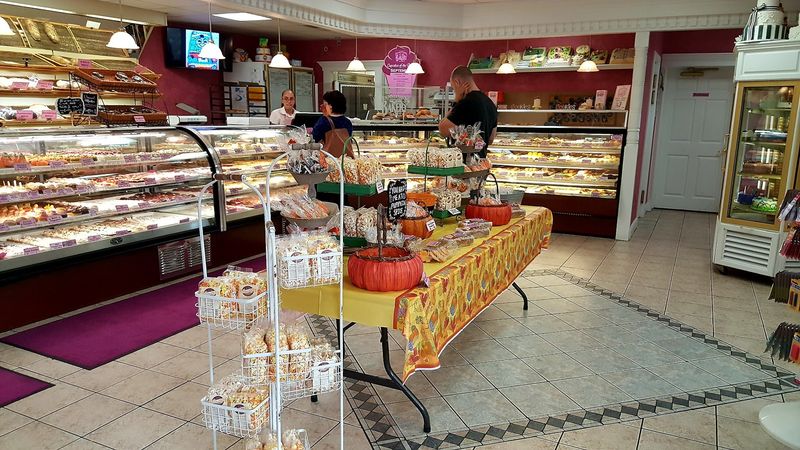
Camp Hill might be a quiet suburb, but Pennsylvania Bakery brings serious baking energy to the neighborhood every single day. Fresh production is not a weekend special here — it is a daily commitment that the bakery has maintained throughout its long history.
Customers know they can count on finding real bread made the right way.
Slow fermentation separates Pennsylvania Bakery from the grocery store bread aisle in a way that is immediately obvious at first bite. Dough that has been given proper time to develop carries a depth of flavor that no additive or preservative can mimic.
The bakery refuses to use industrial shortcuts, even when they would make production easier or faster.
Traditional methods guide every decision made in the kitchen. Recipes are not reinvented to chase food trends — they are preserved because they work.
There is something reassuring about a bakery that trusts its own history enough to keep doing things the way they have always been done.
For residents of the Camp Hill and Harrisburg area, Pennsylvania Bakery is a reliable anchor in a world of ever-changing food options. Visitors passing through the region often discover it by word of mouth and leave wishing they lived closer.
Consistent quality, honest ingredients, and old-fashioned dedication make this bakery stand out.
Metropolitan Bakery (Philadelphia, PA)
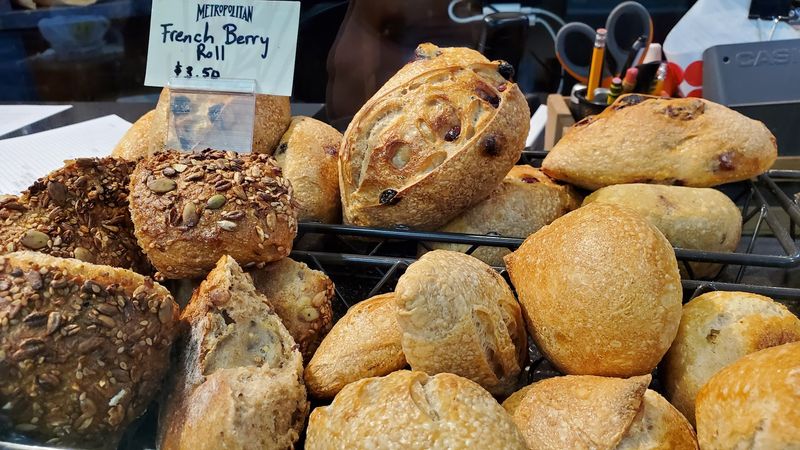
Metropolitan Bakery did not just join Pennsylvania’s artisan bread movement — it helped create it. Since opening, this Philadelphia institution has been making naturally leavened sourdough the right way: long fermentation, careful hand-shaping, and baking cycles that start well before sunrise.
The results have earned a loyal following that spans decades.
Wild yeast starters are the living heart of Metropolitan’s bread program. Unlike commercial yeast, a natural starter requires daily feeding, attention, and a real understanding of how fermentation works.
The bakers here treat their starters with the same respect a musician gives a prized instrument.
Hand-shaping gives each loaf a structure and crust that mechanical production cannot replicate. Watching a skilled baker fold and tension a piece of dough is almost like watching an athlete — there is strength, precision, and intuition all working together.
That human touch is what separates Metropolitan’s bread from anything wrapped in plastic at a chain store.
The pre-dawn baking schedule means that by the time most Philadelphians are commuting to work, the bread is already out of the oven and cooling perfectly. Metropolitan has proven that traditional artisan methods and a modern business can coexist beautifully.
Every loaf is a small argument for why real bread is always worth the extra effort.
Wild Flour Bakery (Philadelphia, PA)
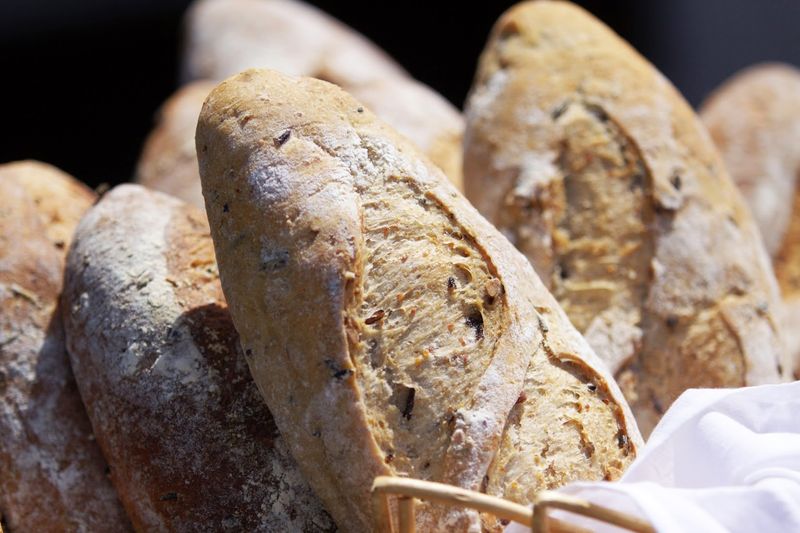
Wild Flour Bakery wears its philosophy right in its name. Wild yeast — the kind captured from the natural environment and nurtured into a living starter — is the foundation of everything this Philadelphia bakery produces.
It is a commitment that requires far more work than simply tearing open a packet of commercial yeast, but the flavor payoff is enormous.
Slow fermentation methods are designed here with a very specific goal in mind: recreating the deep, complex flavors that traditionally leavened bread has carried for thousands of years. Modern baking technology has largely erased those flavors in mass production, but Wild Flour is actively working to bring them back.
Every loaf is a small act of culinary preservation.
The bakery leans into the unpredictability of natural fermentation rather than fighting it. Temperature, humidity, and the mood of the starter all influence the final product in subtle ways.
That variability is part of what makes each bake exciting — for the bakers and for the customers who look forward to the next loaf.
Philadelphia has a strong artisan food scene, and Wild Flour fits right into that creative energy while staying grounded in tradition. Bread lovers who care about process and provenance find exactly what they are looking for here.
It is the kind of bakery that makes you think differently about something as everyday as a slice of toast.
Sarcone’s Bakery (Philadelphia, PA)
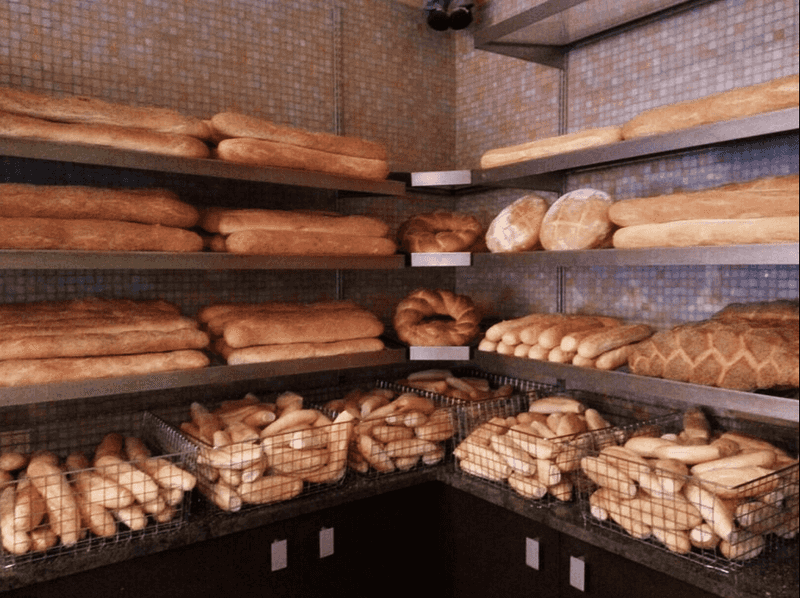
Over a century of baking is not something that happens by accident. Sarcone’s Bakery, founded in 1914 in South Philadelphia, has kept its doors open through two World Wars, the Great Depression, and every food trend that has come and gone since.
The secret is stubbornly simple: make great bread every single day without compromise.
Five generations of the Sarcone family have carried this bakery forward, each one learning the craft from the one before. That kind of knowledge transfer cannot be found in a culinary textbook.
It lives in the hands of bakers who have spent years developing the feel and instinct needed to produce consistently excellent bread.
The hand-shaped loaves that come out of Sarcone’s have a crust that crackles when you break them and a crumb that is chewy, open, and deeply satisfying. South Philadelphia sandwich shops have been building their reputations on Sarcone’s bread for generations.
A hoagie on a Sarcone’s roll is a local culinary experience that visitors to Philadelphia should absolutely not skip.
Walking into Sarcone’s feels like entering a place that time politely agreed to leave alone. The rhythm of the bakery — the early starts, the wood-fired heat, the dusted counters — has not changed much in 110 years.
That consistency is its own kind of excellence.
McGrath’s Bakehouse (Mechanicsburg, PA)
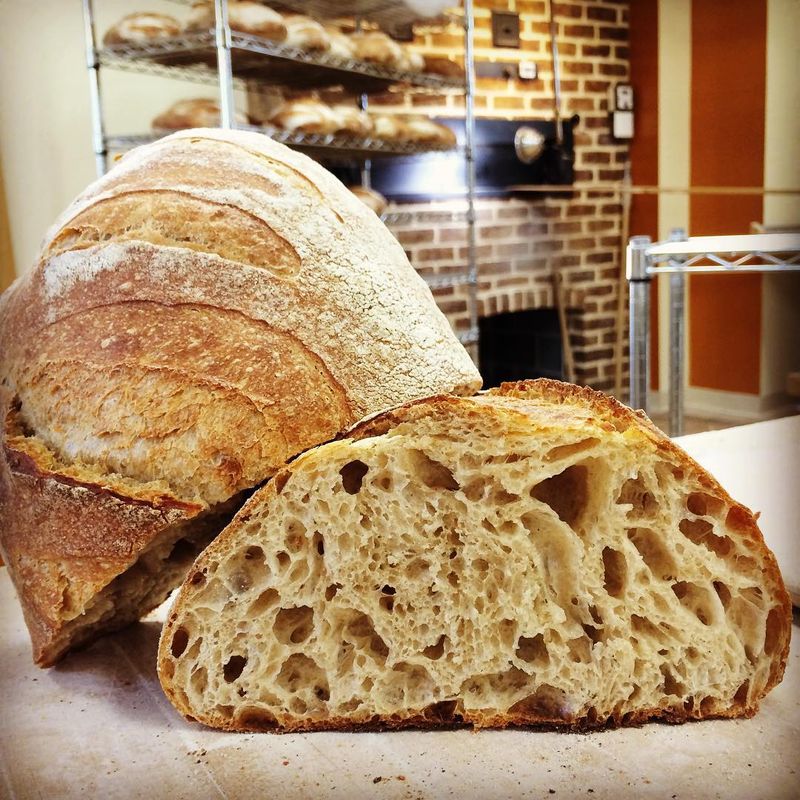
McGrath’s Bakehouse in Mechanicsburg takes the word “real” seriously. In a market flooded with breads labeled sourdough that contain little more than a splash of vinegar for fake tang, McGrath’s is committed to producing the genuine article.
Long fermentation using live cultures is the only method accepted in this kitchen.
True sourdough requires a starter that is fed and maintained with consistent care — sometimes for years or even decades. The process cannot be rushed without destroying the very qualities that make sourdough worth eating.
McGrath’s understands this at a fundamental level, and every loaf they produce reflects that understanding.
The bakehouse atmosphere is warm and approachable, the kind of place where the baker might walk out to explain why today’s loaves have a slightly different crust than last week’s. That transparency and connection to the customer is part of what makes small bakeries like this one so special.
Industrial bread factories do not have that kind of conversation.
Central Pennsylvania has a growing community of food-conscious eaters who are actively seeking out producers who do things right. McGrath’s Bakehouse has become a trusted name in that community.
For anyone who has ever tasted real, properly fermented sourdough and understood immediately what they had been missing, this is the kind of bakery that feels like a personal discovery.
Cacia’s Bakery (Philadelphia, PA)
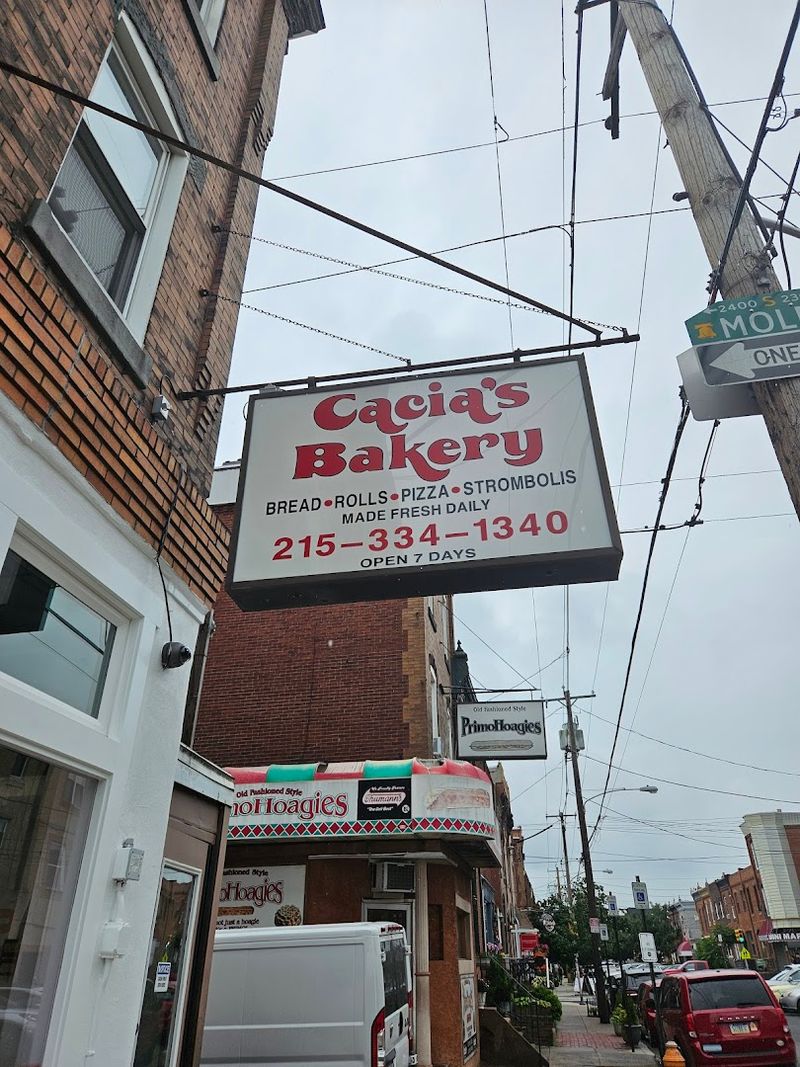
Some ovens have stories, and the brick oven at Cacia’s Bakery in South Philadelphia has been telling its story since 1944. Built during the final years of World War II, this oven has fired countless thousands of hand-shaped loaves over the past eight decades.
It radiates heat the way only old masonry can — evenly, deeply, and with a kind of authority that modern equipment struggles to match.
Cacia’s has built its reputation entirely on old-school methods. No shortcuts, no premade dough, no shortcuts dressed up as innovation.
The bread that comes out of that antique brick oven has a crust with genuine character — blistered, golden, and slightly uneven in the most appealing way possible.
Hand-shaping is not optional at Cacia’s — it is the entire point. Bakers here understand that the way dough is handled before it enters the oven directly affects how it behaves inside.
Proper shaping creates surface tension that controls the rise and influences the final crumb structure in ways that only experience can teach.
South Philadelphia has no shortage of beloved old bakeries, but Cacia’s holds a special place because of that irreplaceable oven. Bread baked in an 80-year-old brick oven carries a flavor that connects you to everyone who has eaten here before you.
That is not nostalgia — that is just really good bread.