


Family trips should feel exciting, not stressful. With a few smart money moves, you can stretch your budget without shrinking the fun. These simple tips help you plan with confidence, make fewer pricey mistakes, and still treat everyone to meaningful experiences. Dive in and pick the ideas that fit your crew and your next adventure.
Set a clear family budget and priorities


Start by deciding the total you can spend and what matters most. Maybe it is a pool for the kids or a great location close to transit. When you name your top three priorities, it gets easier to cut the rest without feeling deprived.
Break the budget into categories like transport, lodging, food, and activities. Assign realistic numbers and leave a buffer for surprises. Share the plan with the family so everyone understands the tradeoffs and can help keep spending on track.
Pick dates with price in mind


Travel off peak when demand dips and prices follow. Midweek flights, shoulder seasons, and Sunday to Thursday hotel stays often cost less. Flexibility on dates can open surprisingly better options for families.
Use fare calendars to spot cheaper days and set alerts to track patterns. If school schedules are fixed, look for regional breaks that do not align with national holidays. Even shifting by one day can reduce airfare and lodging costs meaningfully.
Use fare alerts and chase the deal


Turn on price alerts for flights and trains so you know when fares drop. Compare multiple airports within driving distance to widen your options. When a great deal appears, book fast before it disappears.
Consider building the trip around the best fare rather than a fixed destination. This chase the deal mindset works especially well for flexible families. Keep your packing list ready and your budget categories set so you can move quickly.
Choose family friendly lower cost lodging


Look for accommodations with kitchenettes, laundry access, and free breakfast. These features save real money day by day. Vacation rentals, hostels with family rooms, and budget hotels can fit well.
Check neighborhoods just outside the center with easy transit. Read reviews focused on families and noise levels. Filter for extras like cribs or free parking to avoid surprise fees and keep everyone comfortable.
Travel slower and stay longer
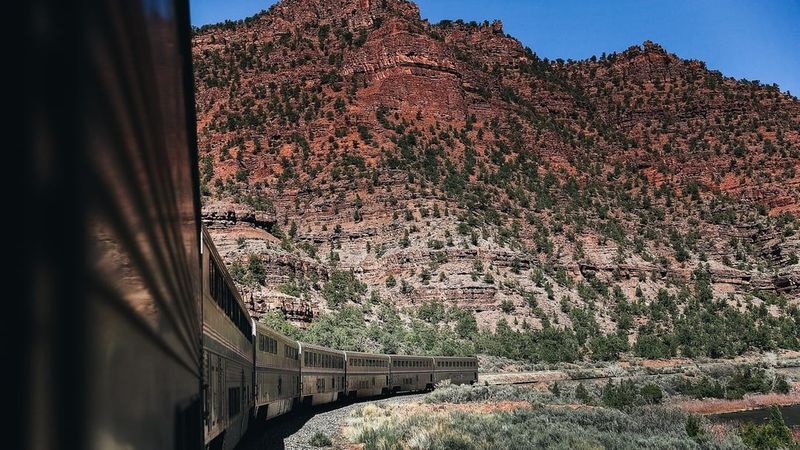

Every move costs money in tickets, transfers, and time. Fewer long moves and longer stays help you unlock weekly discounts and reduce stress. Kids settle in faster and you spend less on logistics.
Pick a home base and do day trips instead of hopping cities. Ask hosts about weekly rates or extended stay deals. With a slower pace, you can enjoy local parks, markets, and free community events that keep costs down.
Pack strategically to avoid extra costs


Smart packing prevents baggage fees and last minute purchases. Bring layers, compact rain gear, and shoes that work for multiple activities. Use packing cubes and weigh bags at home to dodge overweight charges.
Include a mini first aid kit, basic meds, and a small laundry kit. Add reusable bags for groceries and laundry. A thoughtful checklist saves money while keeping everyone comfortable and ready for surprises.
Cook some meals and use grocery stores


Restaurant spending adds up fast with kids. Plan simple breakfasts and a few dinners in your room or rental. Grab ready to eat items and fresh produce from local markets to keep it easy.
Choose meals that need minimal gear, like pasta, salads, and sandwiches. Pack collapsible containers for leftovers and a compact spice kit. The savings free up cash for a special meal that everyone will remember.
Plan free or low cost activities daily


Balance paid attractions with parks, playgrounds, beaches, and hikes. Many cities offer free museums on certain days or community festivals. Build one free anchor activity into each day to keep the budget steady.
Check local tourism sites and library boards for family events. Walking tours, markets, and scenic viewpoints create memorable moments at no cost. Mix these with one paid highlight so kids feel the day is special.
Use kid discounts and city passes
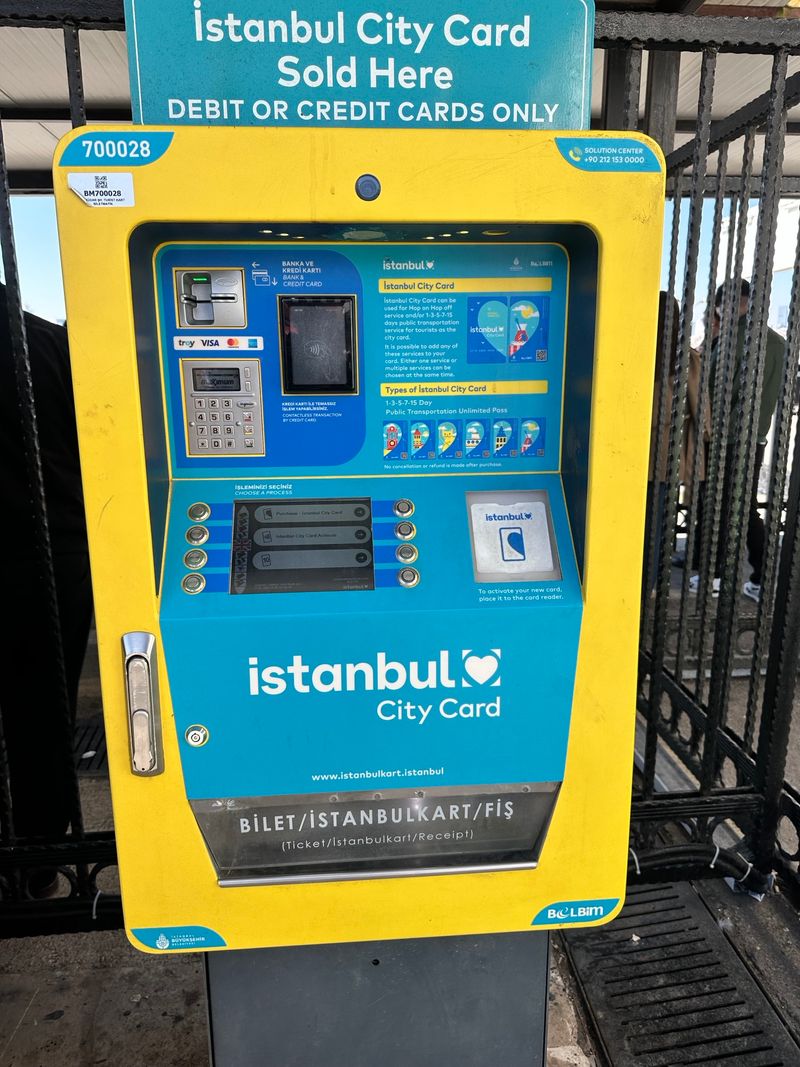
Always ask about child rates, student discounts, and family bundles. Many transit systems and museums offer reduced prices that are not obvious online. A quick question at the counter can save a lot.
Compare city tourist cards against your real itinerary. If you will see several included attractions and use transit, the pass may pay for itself. Keep IDs handy to verify ages and qualify smoothly.
Bring snacks water bottles and entertainment
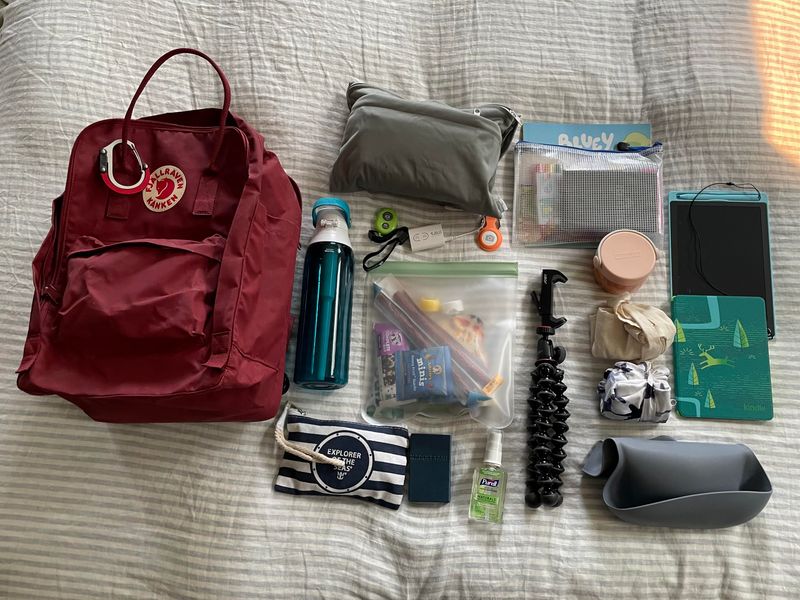
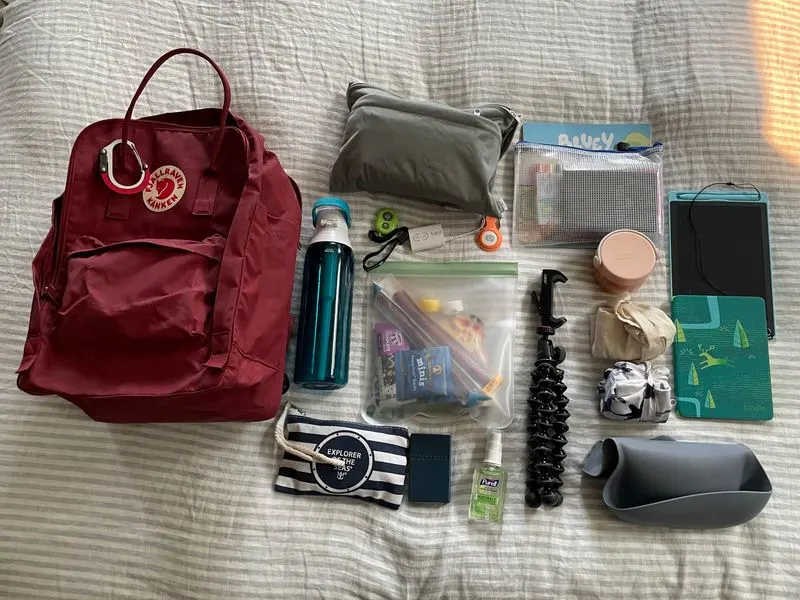
Hunger melts budgets and patience. Carry snacks that travel well, like nuts, granola bars, and fruit pouches. Reusable water bottles cut drink costs and reduce waste during long days out.
Pack small entertainment for lines and transit, such as sticker books or downloaded shows. This keeps impulse purchases lower when energy dips. A little preparation keeps kids happy and the budget calm.
Watch exchange rates and payment fees
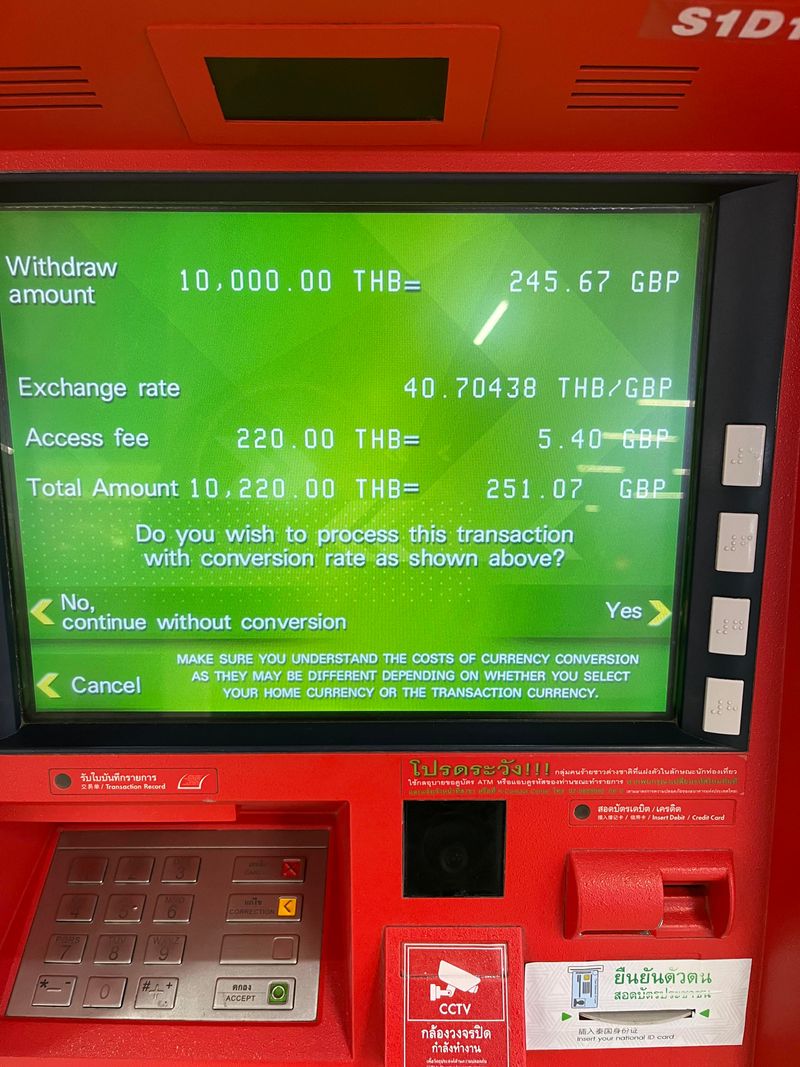
Use a card with no foreign transaction fees to avoid steady leaks. Decline dynamic currency conversion and choose to pay in the local currency. Track exchange rates so big purchases land on favorable days.
Carry a small amount of local cash for markets and tips. Withdraw from bank affiliated ATMs to reduce fees. A few smart payment habits protect your budget quietly in the background.
Set a simple daily allowance


Give each day a spending cap for food, transport, and small treats. Track it quickly in a notes app so you always know where you stand. Kids can help choose which treats fit today and which can wait.
Roll over any leftover amount to a fun splurge later. This system reduces surprise totals and keeps decisions easy on the move. Clear limits make everyday choices feel lighter and more intentional.
Build a buffer and buy only needed insurance
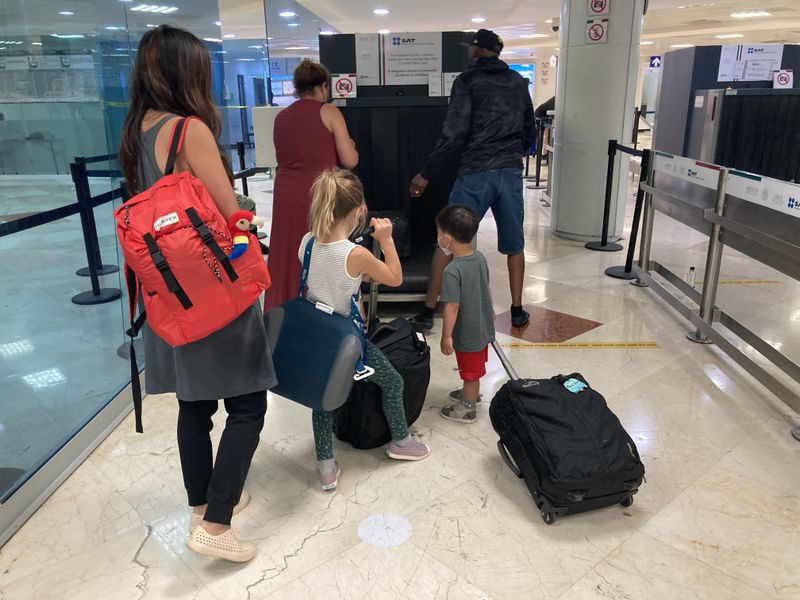
Set aside a contingency fund for delays, medical needs, or last minute changes. It prevents small issues from disrupting the entire plan. Aim for a cushion that feels comfortable for your family.
Buy travel insurance that fits your trip type and health coverage. Skip extras you do not need, but ensure medical and cancellation basics. With a buffer plus the right policy, you can relax and enjoy the journey.