

Travel trouble rarely starts with a big warning sign. It creeps in quietly—missed details, rushed choices, and small risks brushed off as nothing. One moment you’re planning a dream trip, the next you’re dealing with stress you never saw coming.
Many Americans focus on flights and hotels, then assume the rest will sort itself out. That’s where problems sneak in. Local rules, basic safety habits, and simple logistics get ignored, even though they shape the whole experience. Smart travel isn’t about fear—it’s about awareness.
These 14 underestimated travel risks show where things often go sideways and how easy it is to miss them until it’s too late.
Health Insurance Limitations


Traveling abroad is thrilling, yet many overlook health insurance gaps. Imagine getting sick overseas, only to find that your U.S. insurance doesn’t cover local healthcare. Such limitations can lead to unexpected expenses and stress.
For example, some policies may not cover pre-existing conditions or require upfront payments, which can be daunting. It’s essential to research and understand what your insurance covers in foreign lands.
Purchasing additional travel insurance can be a wise choice, offering peace of mind and protection. Always read the fine print, ensuring you’re adequately covered before embarking on your journey.
Being prepared not only safeguards your health but also shields your finances from unforeseen medical costs. It’s a prudent step many travelers miss.
Cultural Norms and Etiquette
Traveling to a new country means stepping into a different cultural universe. Many Americans underestimate the importance of understanding local customs. Imagine a friendly gesture being misinterpreted, leading to an awkward situation.
Learning about cultural norms can prevent misunderstandings and enhance your travel experience. From simple greetings to dining etiquette, these nuances play a crucial role.
Researching and respecting local traditions fosters positive interactions and enriches your journey. Engaging with locals becomes more meaningful when cultural sensitivities are honored.
Travelers benefit from this awareness, ensuring they don’t inadvertently offend, and building bridges across cultures is a rewarding aspect of travel.
Language Barriers
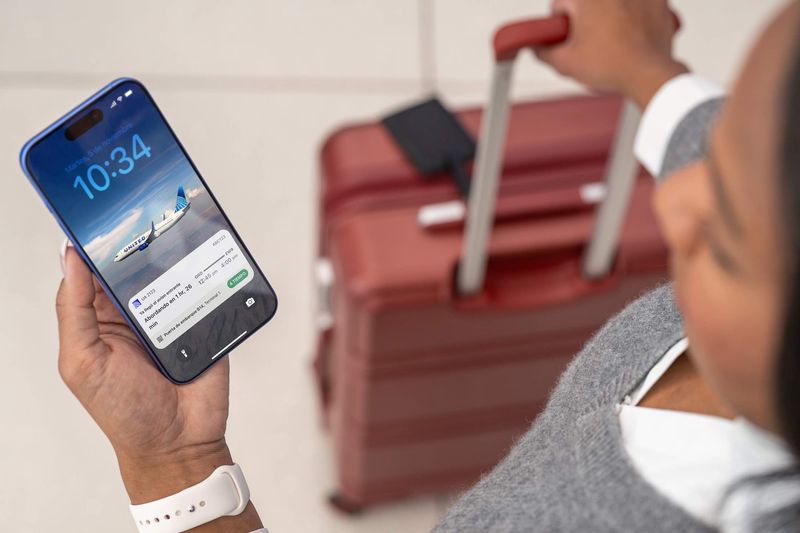

Language can be a bridge or a barrier. While English is widely spoken, relying solely on it can lead to challenges abroad. Picture yourself in a non-English speaking country, trying to order food or ask for directions.
Language barriers can lead to misunderstandings and frustration. Utilizing translation apps or learning basic phrases enhances communication and builds rapport with locals.
Even efforts as simple as saying “thank you” in the local language can create goodwill and open doors. It shows respect and a willingness to engage with the culture.
Preparing for language differences ensures smoother interactions and a more immersive travel experience. It’s a step toward connecting authentically with the world.
Local Transportation Risks


Transportation is key to exploring new destinations, yet many Americans underestimate its challenges. Navigating unfamiliar systems can be daunting, as routes and rules often differ significantly.
For instance, a bustling metro system may seem overwhelming for first-timers. Understanding local transportation helps avoid confusion and ensures safe travel.
Planning your routes in advance and familiarizing yourself with local apps or maps is beneficial. It aids in getting around efficiently and reduces the likelihood of getting lost.
Being aware of transportation nuances not only saves time but also enhances the overall travel experience. It’s a small step that can make a big difference.
Currency Exchange and Scams
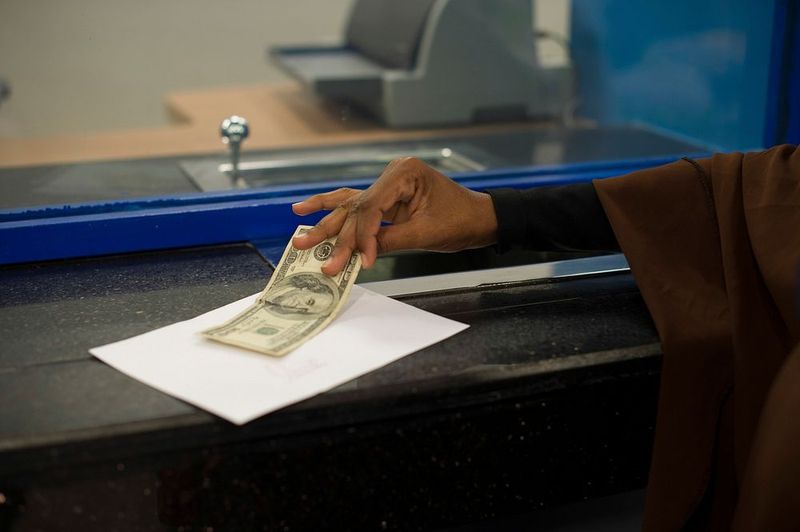
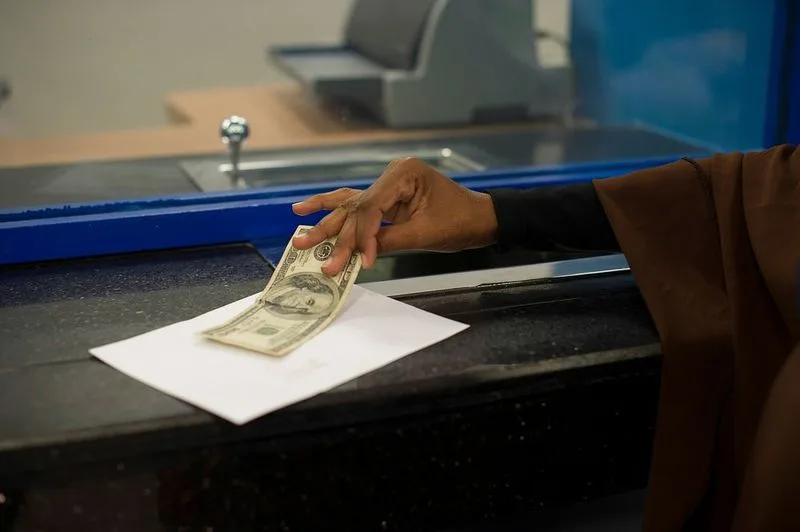
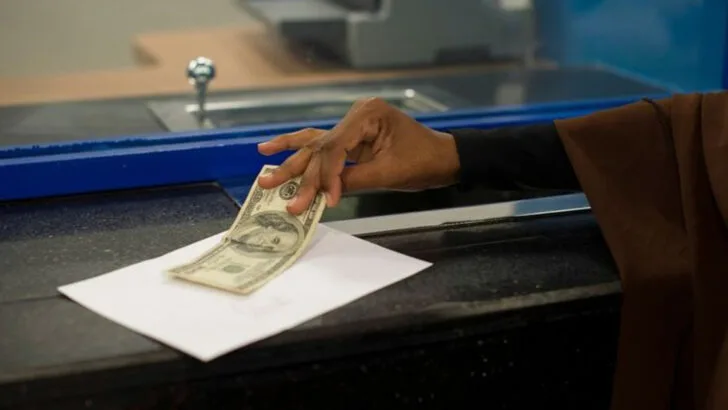
Currency exchange is a common task for travelers, yet it hides potential pitfalls. Many travelers face unfavorable rates or hidden fees, impacting their budget.
Imagine exchanging money at an airport kiosk, only to realize later that the rate was poor. Researching exchange rates and transaction options can save money and stress.
Opt for official exchange centers or use a reliable travel credit card to minimize risks. Being aware of common scams, like shortchanging, is equally important.
Handling currency exchange wisely ensures you get the most value for your money, enhancing your financial security abroad. A little vigilance goes a long way.
Food and Water Safety


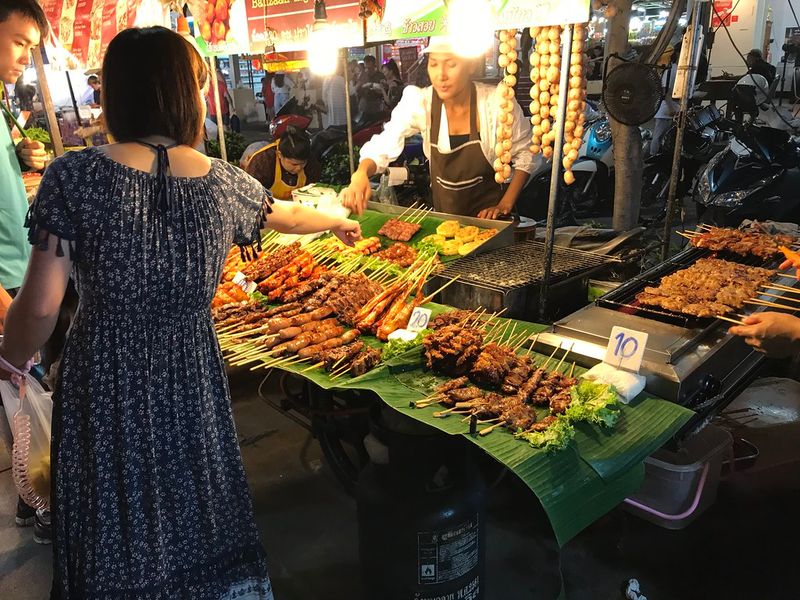
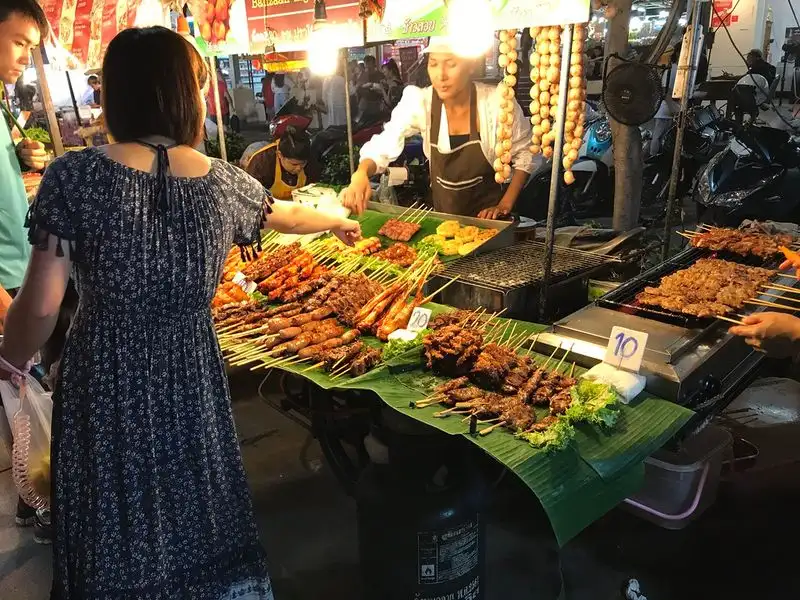
Food is a travel highlight, yet unfamiliar cuisine can pose health risks. Many travelers indulge in local delicacies without considering safety, leading to unpleasant experiences.
Imagine savoring street food, only to suffer from food poisoning. Understanding food and water safety is crucial, especially in regions with differing hygiene standards.
Researching trustworthy eateries and avoiding raw or undercooked dishes helps mitigate risks. Drinking bottled water instead of tap water is a prudent choice in many places.
Taking these precautions ensures you enjoy culinary adventures without compromising your health, turning meals into memorable moments.
Weather and Natural Disasters


Weather can be unpredictable, especially in unfamiliar climates. Travelers often overlook potential risks posed by weather conditions and natural disasters.
Consider planning a tropical vacation, only to encounter typhoon season. Researching seasonal weather patterns helps prepare for such surprises.
Staying informed through local news and weather apps is vital. It allows travelers to adjust plans and stay safe.
Weather awareness enhances travel safety, ensuring trips remain enjoyable despite nature’s unpredictability. It’s all about being informed and ready for any weather-related surprises.
Political Instability
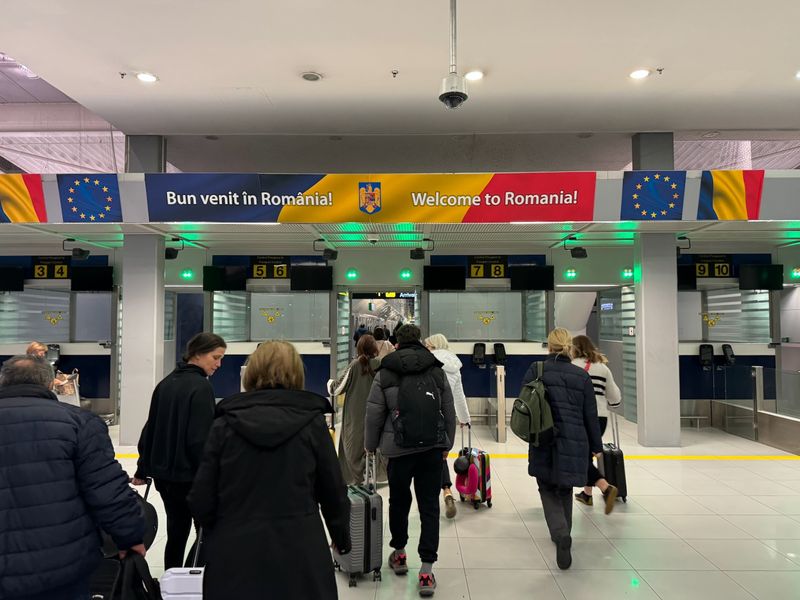
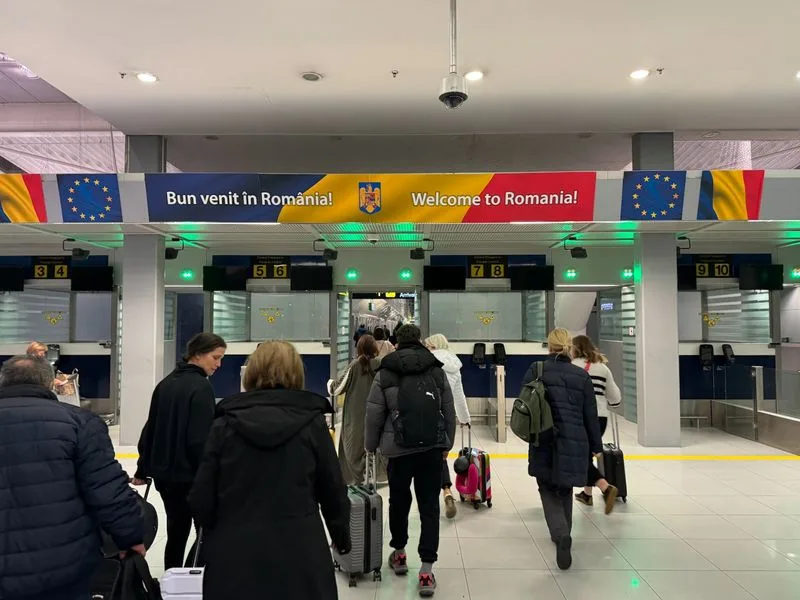
Political landscapes shift rapidly, sometimes catching travelers off guard. Political instability can affect safety, transportation, and travel plans.
Imagine a sudden protest erupting near your hotel, disrupting your itinerary. Staying informed about political climates is essential for a seamless journey.
Monitoring local news and government advisories helps assess risks and make informed decisions. Being aware of political tensions allows for timely adjustments to travel plans.
Travelers who stay informed navigate potential political disruptions smoothly, ensuring their safety and peace of mind.
Petty Theft and Crime
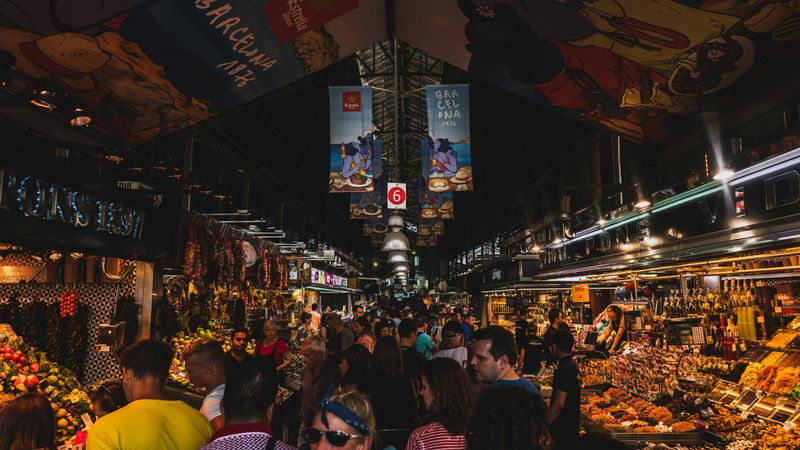
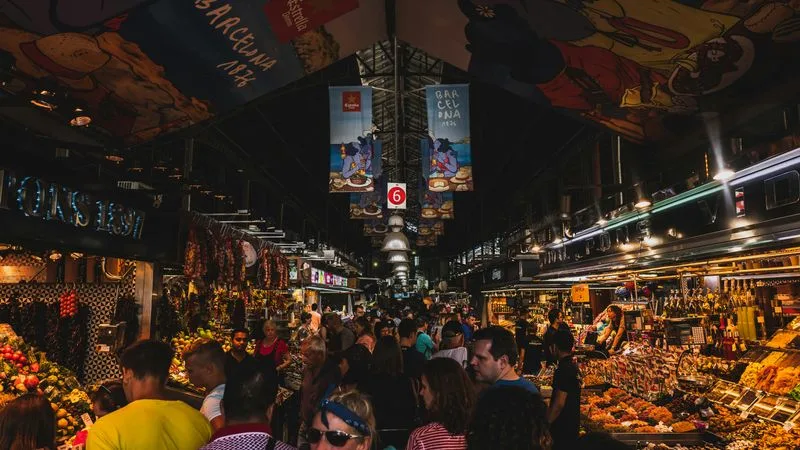
Petty theft can mar an otherwise perfect trip. Tourists often become targets for pickpockets, especially in busy tourist areas.
Imagine losing your wallet in a crowded market, disrupting your plans. Keeping valuables secure and being vigilant reduces these risks significantly.
Using a money belt or hidden pouch helps keep essentials safe. Awareness and caution are key in preventing theft and ensuring a worry-free experience.
Traveling with security in mind keeps stress at bay, letting travelers focus on exploring and enjoying new experiences.
Legal Differences
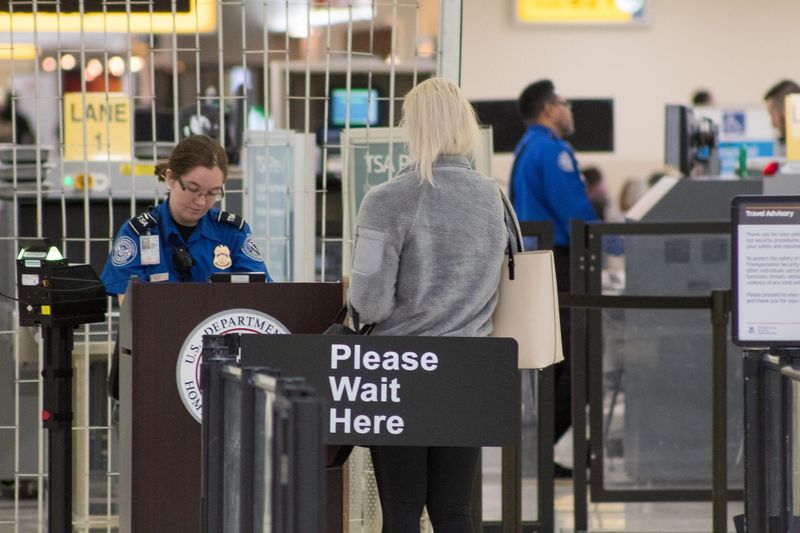
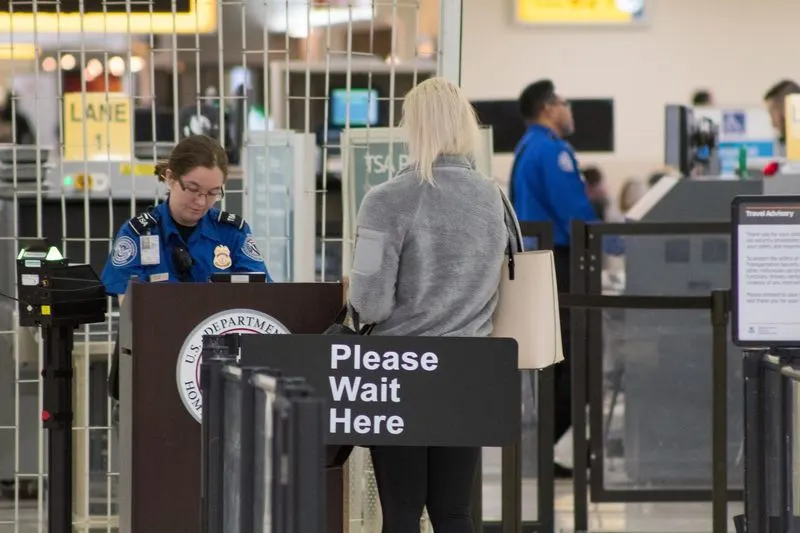
Legal systems vary widely, and what’s legal in one country may not be elsewhere. Travelers sometimes overlook these differences, leading to unintended legal troubles.
Imagine being fined for something mundane at home but illegal abroad. Researching local laws helps avoid such pitfalls and ensures compliance.
Understanding legal nuances, such as prescription medication regulations, is crucial. It prevents misunderstandings and potential legal issues.
Being informed about legal differences keeps travelers out of trouble, allowing them to enjoy their journey with peace of mind.
Travel Document Security


Travel documents are vital yet often underestimated assets. Misplacing a passport can cause significant disruptions and stress.
Imagine realizing your passport is missing, causing panic and logistical challenges. Keeping documents secure and accessible is crucial.
Making copies and storing them separately adds an extra layer of security. It ensures peace of mind, even if the originals are lost or stolen.
Being proactive about document security safeguards against potential issues, allowing travelers to focus on enjoying their adventures.
Personal Safety
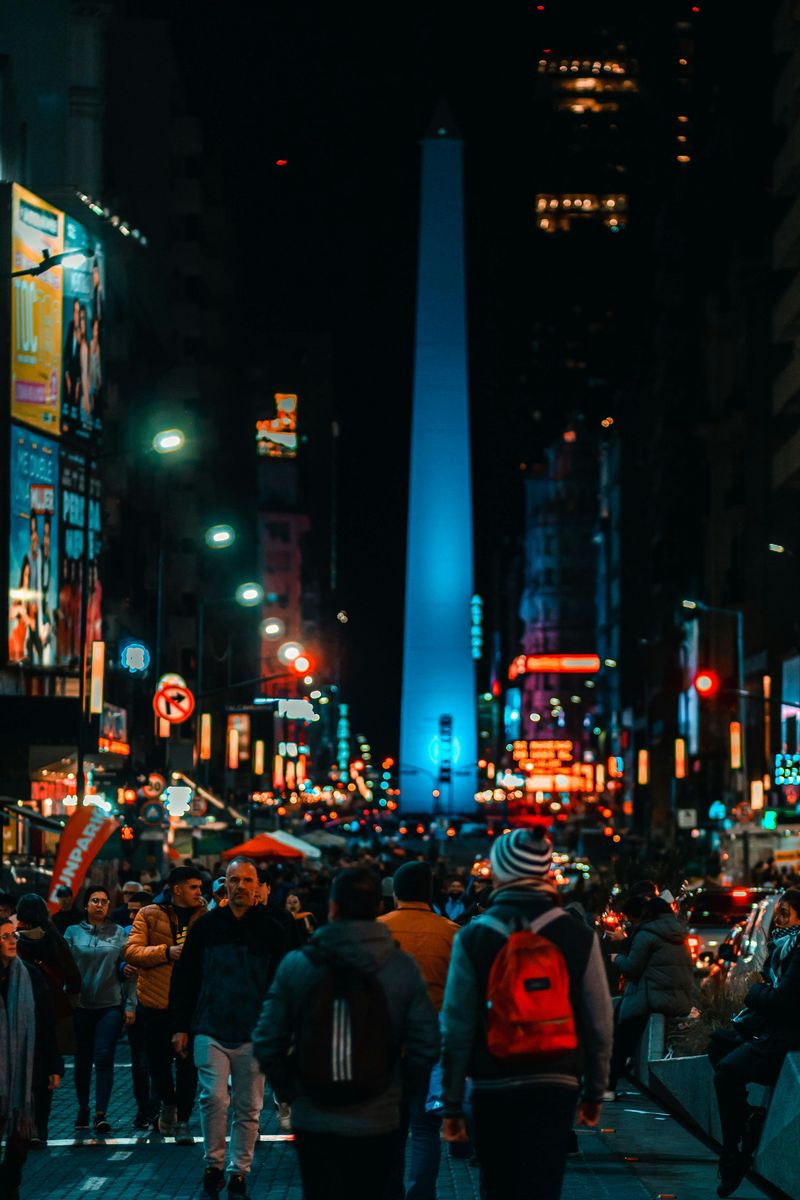
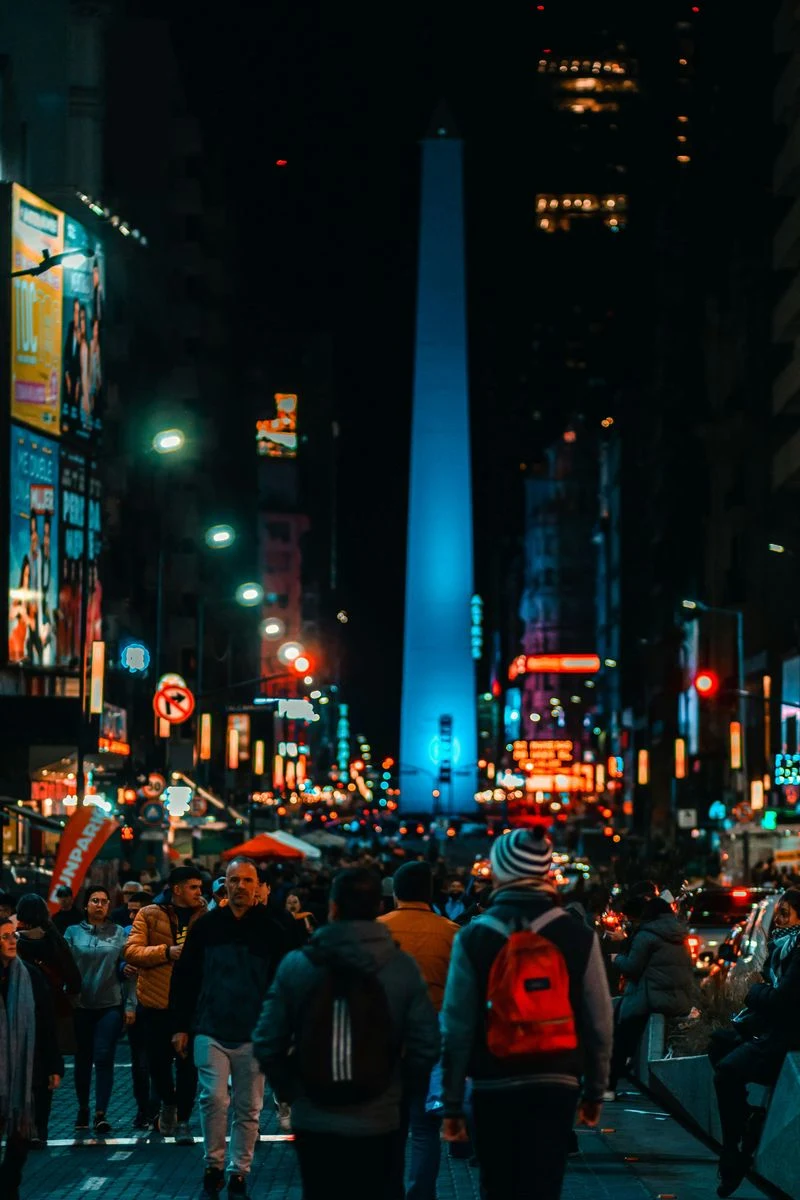
Personal safety is a fundamental travel concern, yet often overshadowed by excitement. Navigating unfamiliar territories requires awareness and caution.
Imagine an evening stroll turning uncertain in a dimly lit neighborhood. Staying aware of surroundings and taking precautions ensures personal safety.
Choosing well-lit paths and trusted transportation options minimizes risks. Sharing itineraries with trusted contacts adds another layer of security.
Focusing on personal safety allows travelers to explore with confidence, turning potential hazards into manageable challenges.
Accommodation Safety


A comfortable stay is a highlight of any trip, yet accommodation safety is frequently underestimated. From fire exits to security features, these details matter.
Imagine facing a fire emergency without knowing the exit routes. Checking these details upon arrival ensures preparedness and peace of mind.
Ensuring rooms have essential safety features like locks and smoke detectors is crucial. Prior research on accommodation safety standards enhances the experience.
Prioritizing accommodation safety lets travelers relax and rejuvenate, knowing they’re secure in their temporary home away from home.
Overconfidence in Familiarity
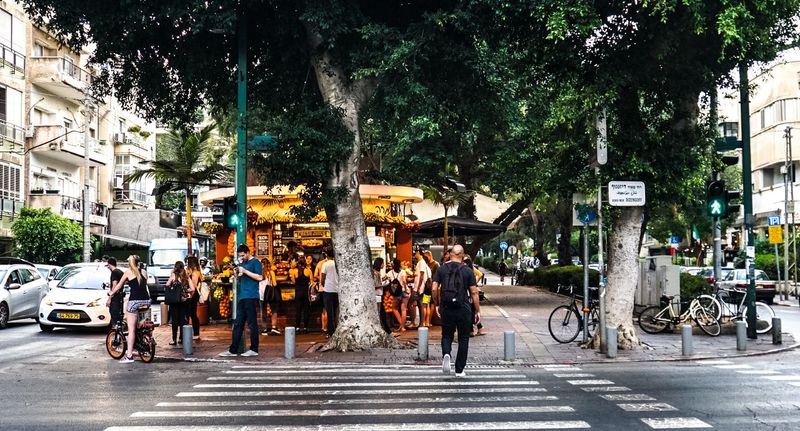
Imagine strolling through a city that feels as comfortable as home. Many travelers fall into the trap of overconfidence when navigating familiar places, especially when language and culture appear similar. This false sense of security can lead to underestimating local customs and laws.
Even in destinations that seem similar to home, differences can lead to unexpected challenges. For instance, jaywalking might be common in one place, but heavily fined in another. Travelers should research local laws to avoid unintentional offenses.
Overconfidence can also affect safety awareness. Travelers might ignore safety briefings or warnings, thinking they know best. This attitude can lead to serious consequences, from minor fines to major legal issues.
It’s vital to remain vigilant and respectful of local traditions, even in seemingly familiar places. Being informed and cautious helps travelers enjoy their journey without unnecessary troubles.