

Certain travel rules around the world aren’t written on signs — yet every traveler eventually hears about them, sometimes a bit too late. They’re the cultural cues, local expectations, and small mistakes that turn into memorable stories.
Learning them ahead of time means smoother trips, friendlier encounters, and fewer awkward moments at borders, temples, or dinner tables. Here are 15 rules travelers often only discover the hard way.
Respect Dress Codes at Religious Sites
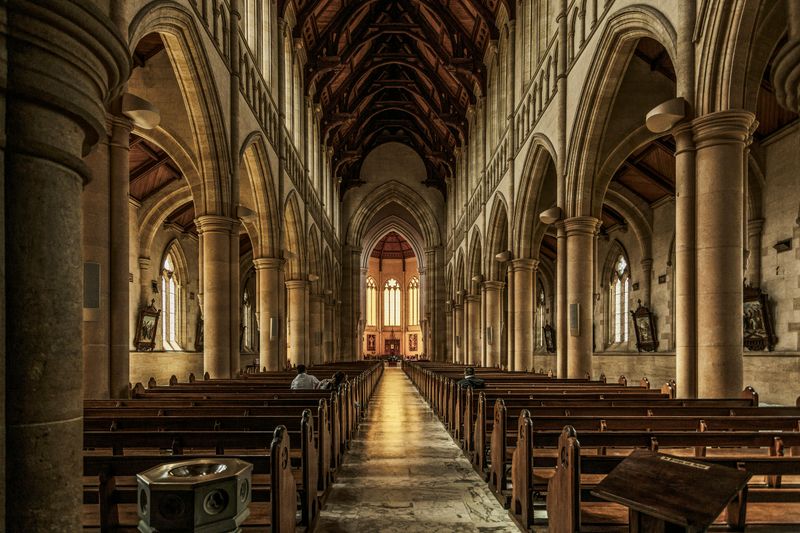
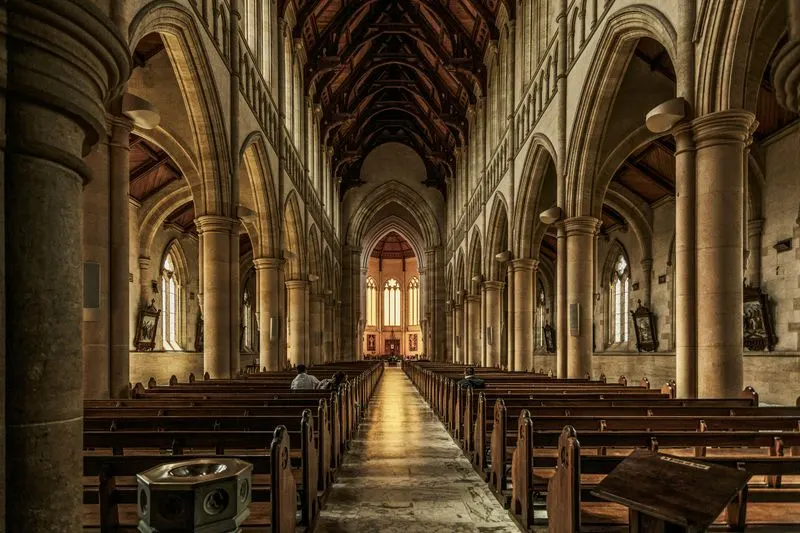
Imagine entering an ancient temple, only to be turned away for inappropriate attire. Many religious sites have strict dress codes, often requiring modest clothing. Covering shoulders and knees is a common rule.
In some cultures, women may need to cover their heads with a scarf. Ignoring these guidelines is not just disrespectful; it can lead to being denied entry.
Always check local practices before visiting sacred places. A light scarf or shawl in your bag can be a handy solution.
Always Carry Cash in Places with Limited Card Acceptance
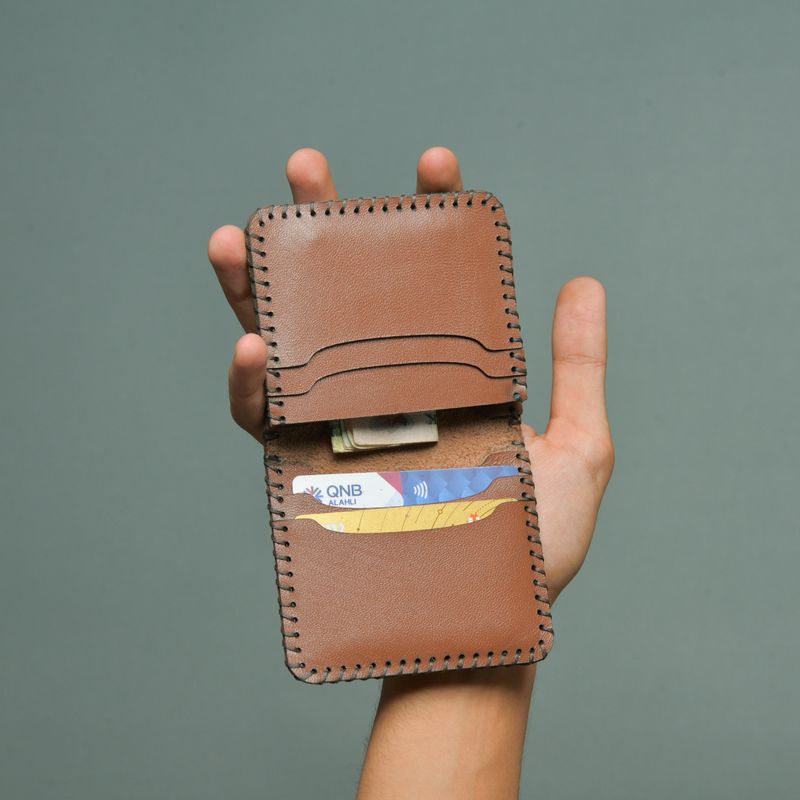

In some remote areas, finding a card machine might be as likely as spotting a unicorn. While cities often embrace electronic payments, rural regions may not.
Carrying cash ensures you won’t miss out on local finds or essential purchases. It’s also helpful for tipping, small cafes, and transportation.
Research the cash-to-card ratio of your destination. Set aside small denominations for easier transactions. Local currency is your best friend in these scenarios.
Tipping Norms Change by Country
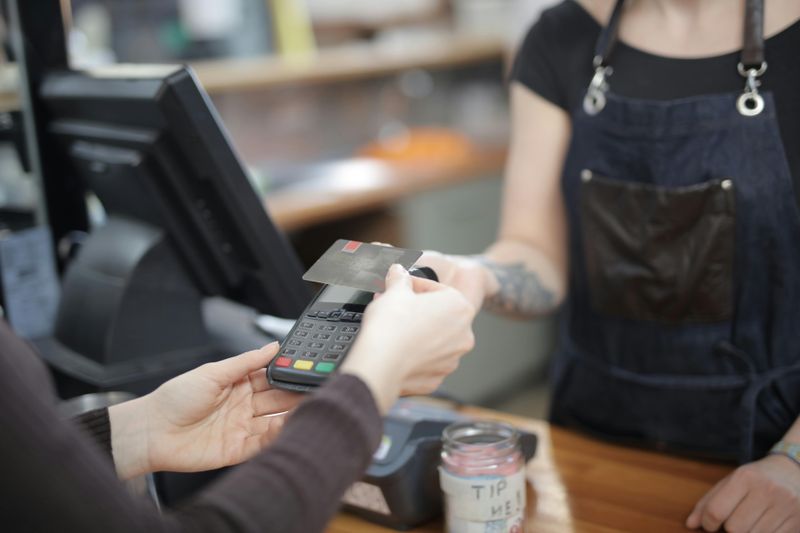
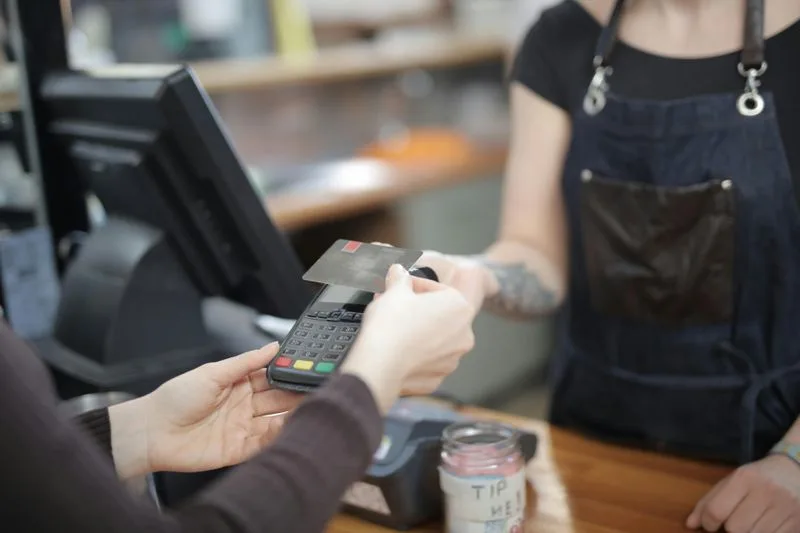
In the U.S., tipping is customary; in Japan, it’s considered rude. Different places have unique tipping cultures, and misunderstanding these can lead to awkward moments.
Research ahead to avoid faux pas. Some countries include service charges in the bill, making additional tipping unnecessary.
When in doubt, ask locals or check online resources. Respecting these norms shows cultural sensitivity.
Don’t Assume English Will Be Understood Everywhere


English may be widely spoken, but assuming it’s universal can lead to misunderstandings. In many countries, especially outside urban areas, locals might not speak English.
Learning basic phrases in the local language shows respect and can smooth interactions. It’s also a great way to immerse yourself in the culture.
Carry a translation app or phrasebook for quick help.
Table Manners Vary More Than Expected


What’s polite at home might be rude elsewhere. In Japan, never stick chopsticks upright in rice; it’s a funeral custom. Meanwhile, in some cultures, burping is a compliment.
Researching dining etiquette can save you from embarrassment. Each country has its own unique set of rules.
Observing locals can also offer valuable insights into proper behavior. Enjoy the cultural diversity on your plate!
Photography Rules Often Forbid Snapping People or Sacred Places
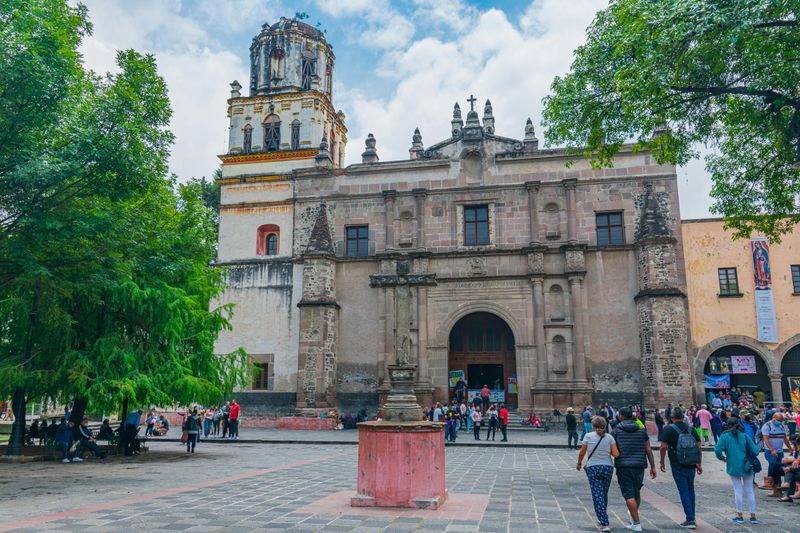
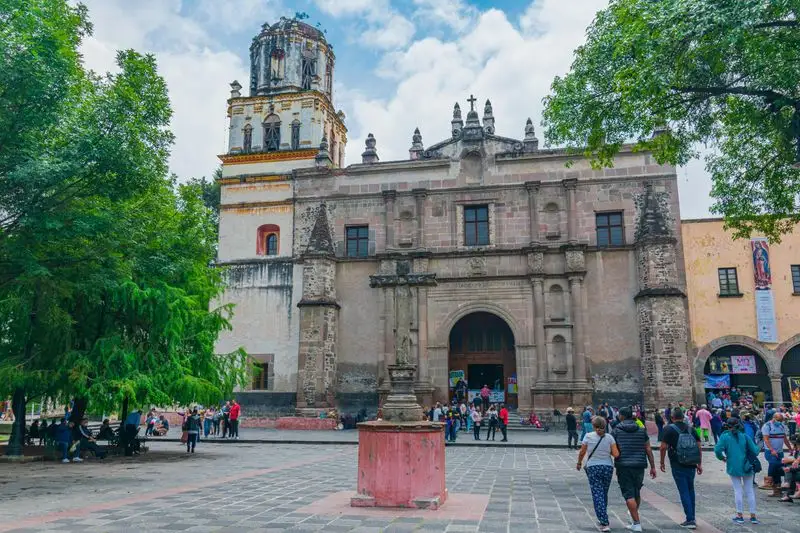
Capturing memories is wonderful, but not every moment should be photographed. In some cultures, taking pictures of people without permission is disrespectful.
Sacred sites may have restrictions on photography, to preserve their sanctity. Signs often indicate these rules, but when in doubt, ask.
Respecting privacy and tradition is crucial. This mindfulness enhances your travel experience.
Public Displays of Affection May Be Frowned Upon
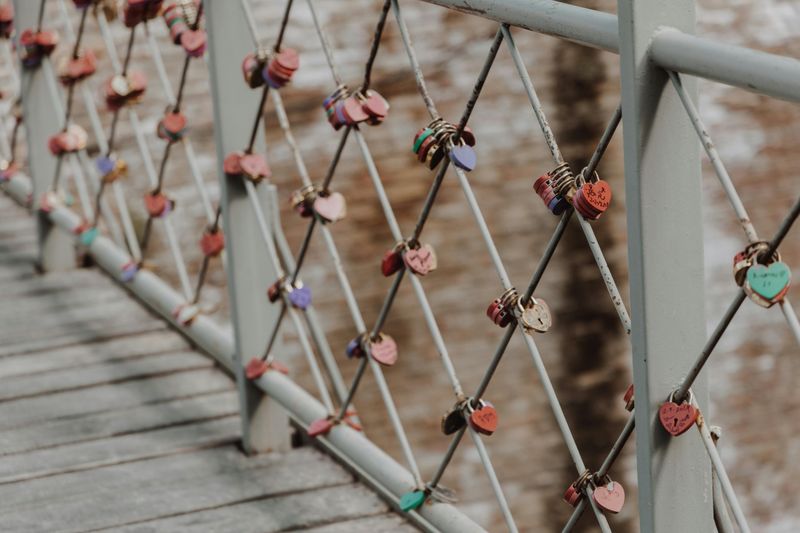
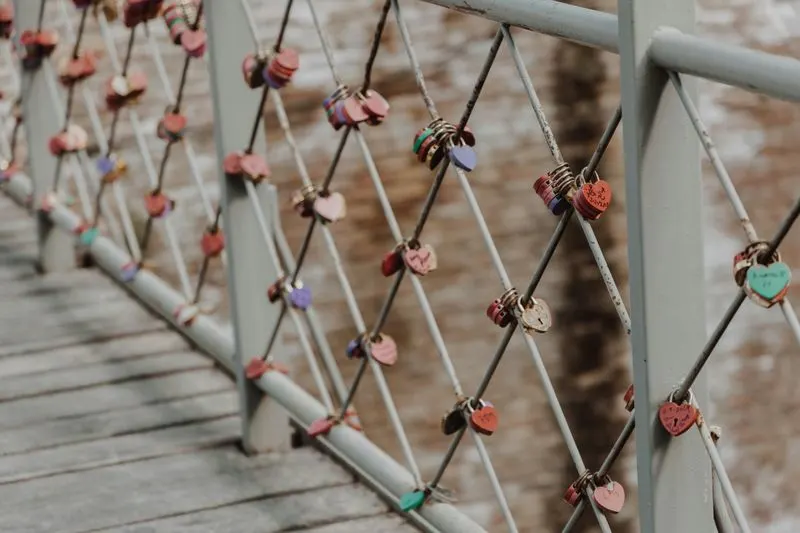
In some regions, a simple kiss can offend. Public displays of affection (PDA) are often discouraged in conservative cultures.
What’s acceptable in Paris might be scandalous in Dubai. Understanding local customs helps avoid unwanted attention.
A quick study of cultural norms before traveling ensures respect for local sensibilities. Keep gestures of affection private in conservative areas.
Shoes Off Inside Many Homes and Temples


Leaving shoes at the door isn’t just polite—it’s a rule in many cultures. In places like Japan, walking indoors with shoes is seen as unhygienic.
Temples and some homes require shoe removal to maintain cleanliness and respect. Bring socks if you’re not keen on going barefoot.
Always check for shoe racks or signs that indicate this custom. It’s a simple way to show respect.
Negotiating Prices is Normal in Some Markets — Offensive in Others
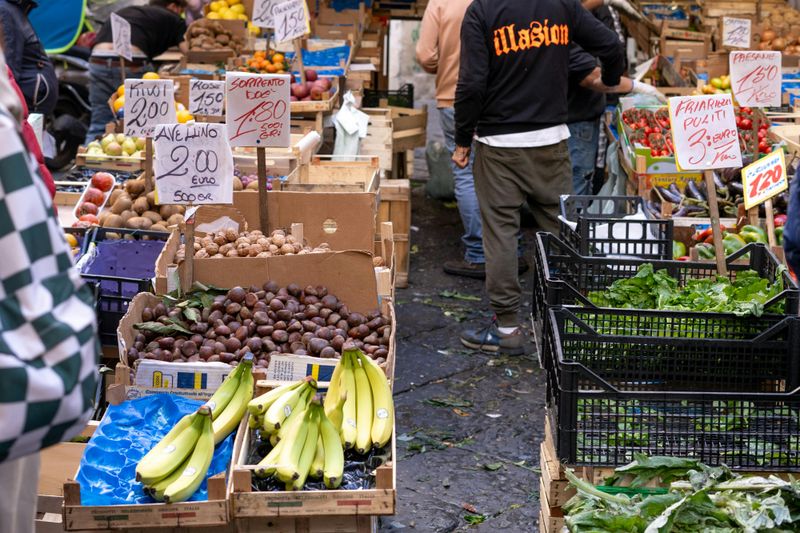
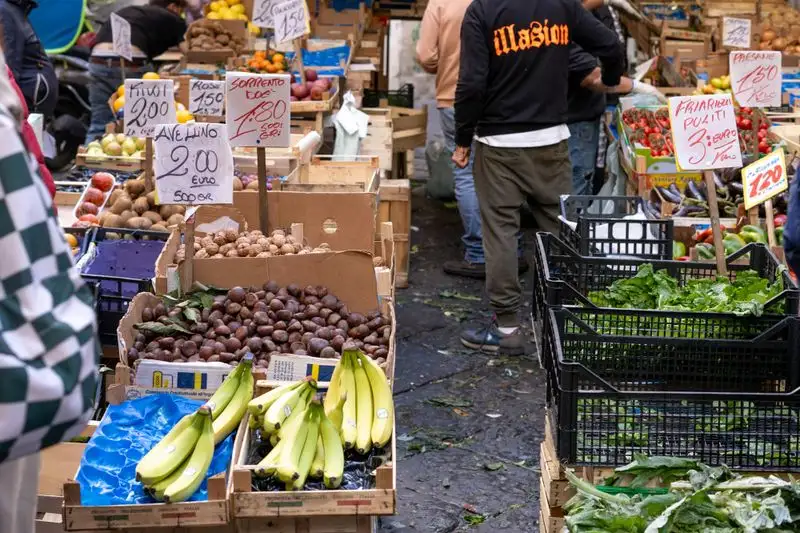
Haggling can be a lively exchange, but it’s not always welcome. In markets across the Middle East and Asia, negotiation is expected.
However, in places like Australia, this might offend. Knowing when to haggle enhances shopping experiences.
Familiarize yourself with local practices to avoid awkwardness. Embrace bargaining where it’s the norm, and accept fixed prices where it’s not.
Local Water May Not Be Safe to Drink

Sipping water directly from the tap isn’t safe everywhere. Local water can harbor bacteria unfamiliar to your system.
Bottled water is often the safest option, particularly in developing countries. Check if ice cubes are made from filtered water.
Being cautious prevents illness, ensuring a smoother journey. When in doubt, stick to sealed drinks.
Trains and Buses Can Require Advance Booking During Holidays


Transportation can become chaotic during holiday seasons. In many countries, trains and buses fill up quickly.
Planning and booking in advance ensures a seat and peace of mind. Checking schedules and purchasing tickets early is wise.
Don’t leave travel plans to chance during peak times. Secure your spot well ahead, especially during festivals or vacations.
Loud Behavior is Unwelcome in Quiet Cultural Spaces

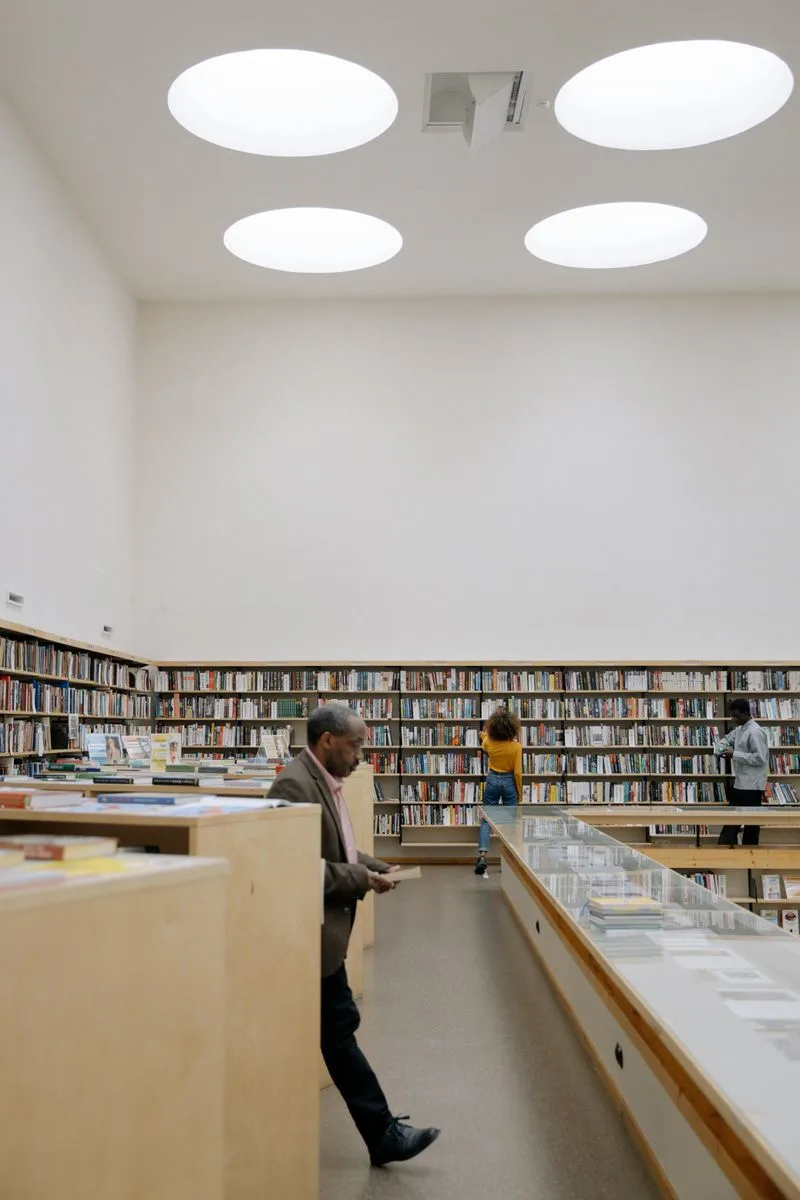
Some environments demand tranquility. Loud conversations or phone use in museums or galleries can disrupt the experience.
In many cultures, silence is a sign of respect in cultural and sacred spaces. A quiet presence allows for full appreciation.
Be mindful of volume, and observe local customs. A respectful approach enriches your visit.
Local Scams Target Tourists Unfamiliar with Norms


Tourists are often seen as easy targets for scams. From overpriced taxis to fake tour guides, scams can mar your travel experience.
Research common scams in your destination to stay vigilant. Trustworthy advice and guides can aid in avoiding pitfalls.
Being informed transforms you from easy prey to savvy traveler. Trust your instincts and verify offers.
Weather and Seasons Can Completely Change Accessibility of Destinations
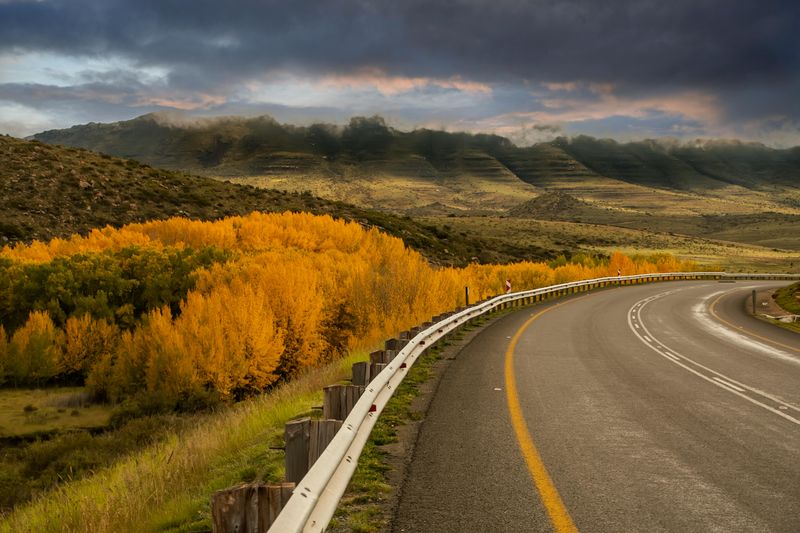
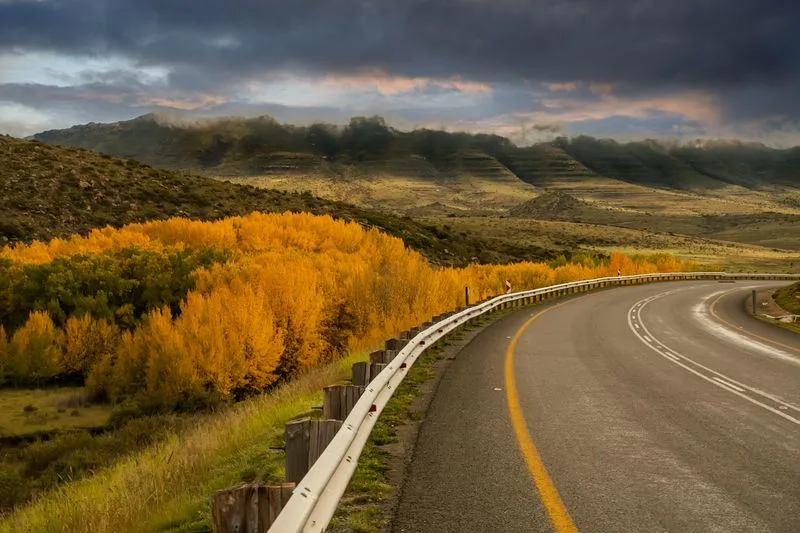
Timing is everything. Some destinations change dramatically with the seasons, affecting accessibility and safety.
Heavy rains can flood roads, while winter might close mountain passes. Research seasonal conditions before planning.
Choosing the right time ensures the best experience. Weather can be unpredictable, so plan accordingly.