

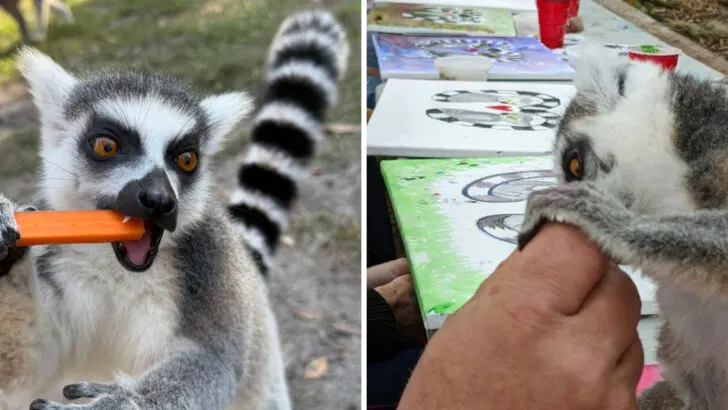
Hidden in the quiet backroads of Webster, Florida, Chase Lemur Sanctuary feels like a secret you cannot wait to share. With a 4.9 star reputation and heartwarming encounters, it brings you up close to lemurs, otters, sloths, and more.
You are not just looking at animals from afar here, you are participating in their care and stories. If you are craving an authentic wildlife experience that supports real conservation, this is your next adventure.
Overview and Why This Sanctuary Stands Out
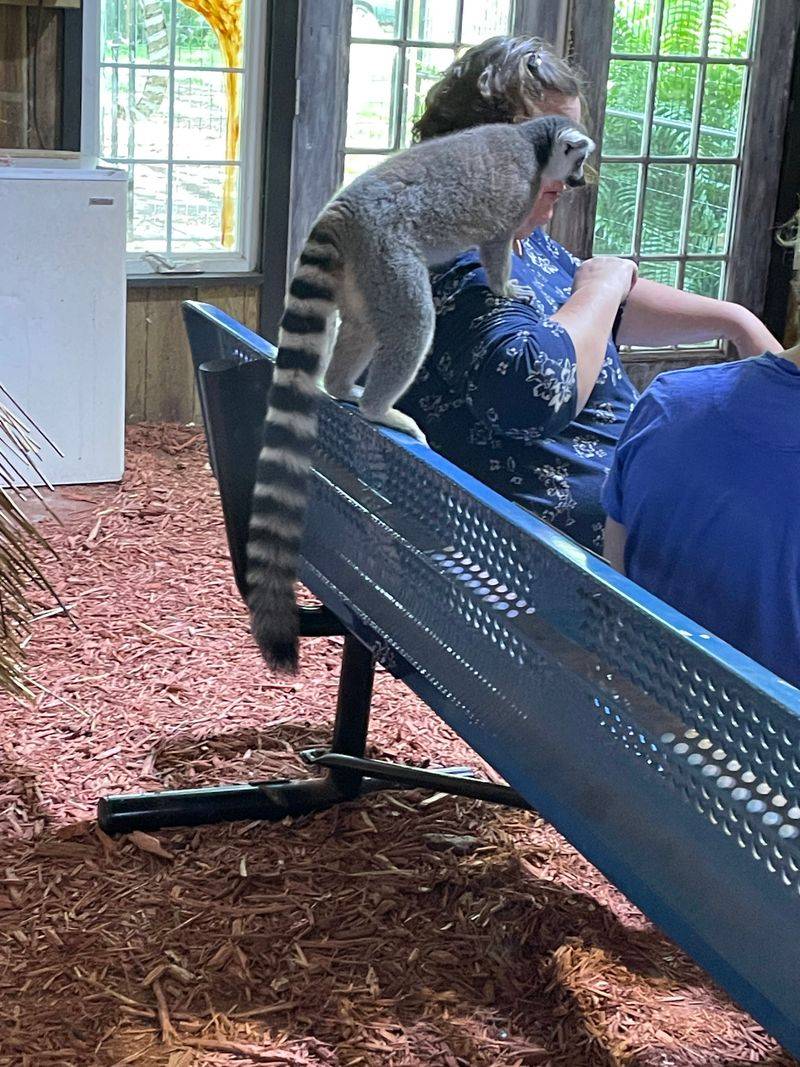
Chase Lemur Sanctuary and Wildlife Conservancy sits quietly in Webster, Florida, inviting you to slow down, breathe, and connect. It is a true sanctuary, not a zoo, and you feel that difference the moment you arrive.
Reviews highlight bright eyes, shiny coats, and relaxed animal behavior that signals uncompromising care.
You will notice flowers, butterflies, and a thoughtful layout designed around animal needs. Tours run on the animals’ time, which means some moments are playful while others invite quiet observation.
That patience rewards you with memorable interactions that never feel rushed.
Guides and volunteers radiate passion, sharing how rescues arrive and why species like lemurs need protection. Expect hands on chances to feed or observe up close when safe and approved.
It feels personal without crossing boundaries that safeguard the animals’ wellbeing.
Practical notes matter too. The terrain is informal and not fully ADA friendly, so plan footwear and assistance as needed.
Bookings can fill quickly, and private options offer extra breathing room if crowds are not your thing. In every corner, you see a mission at work, and your ticket helps fund care, habitat improvements, and education that ripples beyond Webster.
Planning Your Visit and Booking Tips


Plan ahead because the most popular encounters sell out fast, especially weekends and holidays. Start on the official website to compare interactive group tours, private tours, and add ons like otter socialization or painting with lemurs.
If you prefer elbow room, choose the private tour or small group slots.
Florida heat is real. Bring water, a hat, closed toed shoes, and sunscreen for comfort on outdoor paths.
If mobility is a concern, call ahead to discuss terrain and assistance.
Arrive a little early to sort parking and check in. Reviews suggest occasional parking congestion, so buffer your schedule to avoid stress if cars get boxed in.
Polite patience goes a long way when multiple experiences overlap.
Read confirmations carefully to understand age guidelines and feeding rules. You are entering the animals’ home, and the staff will set pace based on their moods.
If crowds make you uneasy, opt for earlier slots or private sessions. Above all, book with flexibility in mind and trust the team’s guidance.
You will enjoy more when you let the sanctuary’s rhythm lead the day.
Lemur Encounters and Responsible Interaction


Lemurs are the headline act, and the sanctuary treats them that way. You will likely meet ring tailed and red ruffed individuals, each with distinct personalities.
Staff will coach you on how to stand, move, and offer approved treats safely.
Sometimes you feed, sometimes you simply observe. Either way, the focus is animal comfort and consent.
If a lemur signals it is done, the interaction ends, and that respect deepens the experience.
Photos are welcome when they do not crowd the group. Stand where guides suggest to avoid blocking others and to keep backgrounds clear.
If you want cleaner shots, consider a private session to avoid shoulder to shoulder moments.
Expect to walk away with more than pictures. You will learn why Madagascar’s primates face habitat loss and how sanctuaries support conservation through education.
The encounter balances joy and responsibility, leaving you grateful to have been invited into their world. For many visitors, this becomes the memory that anchors the entire trip.
Painting With Lemurs Experience
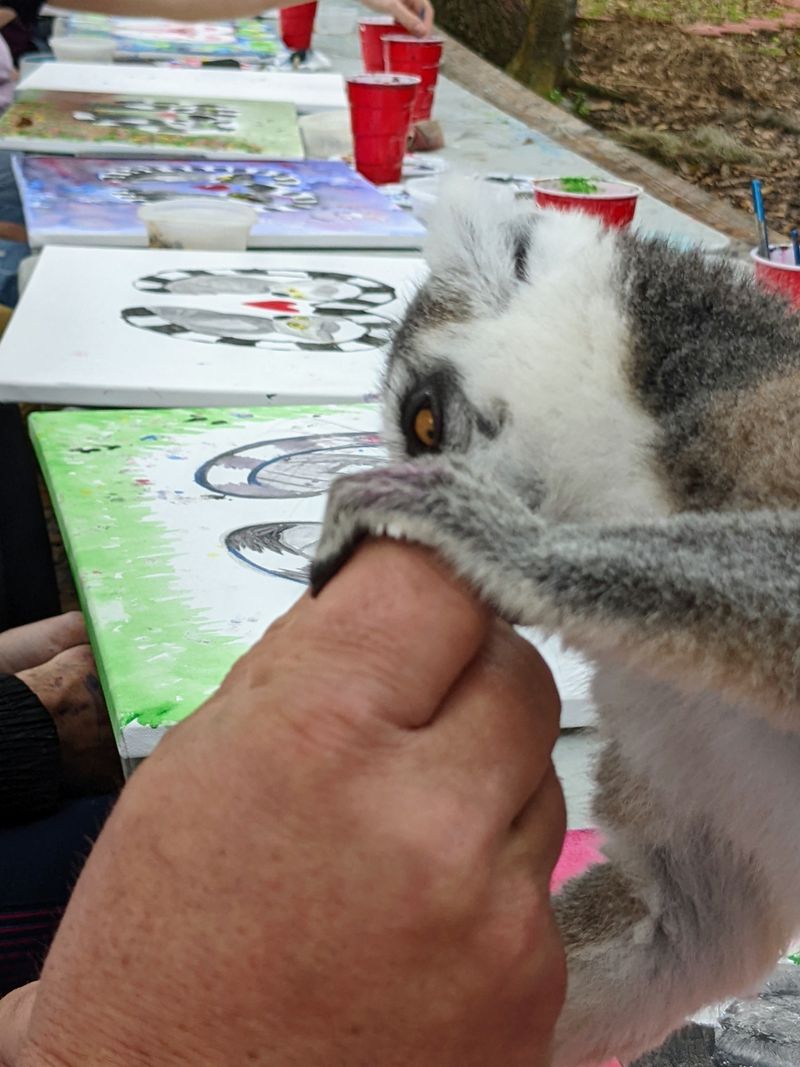
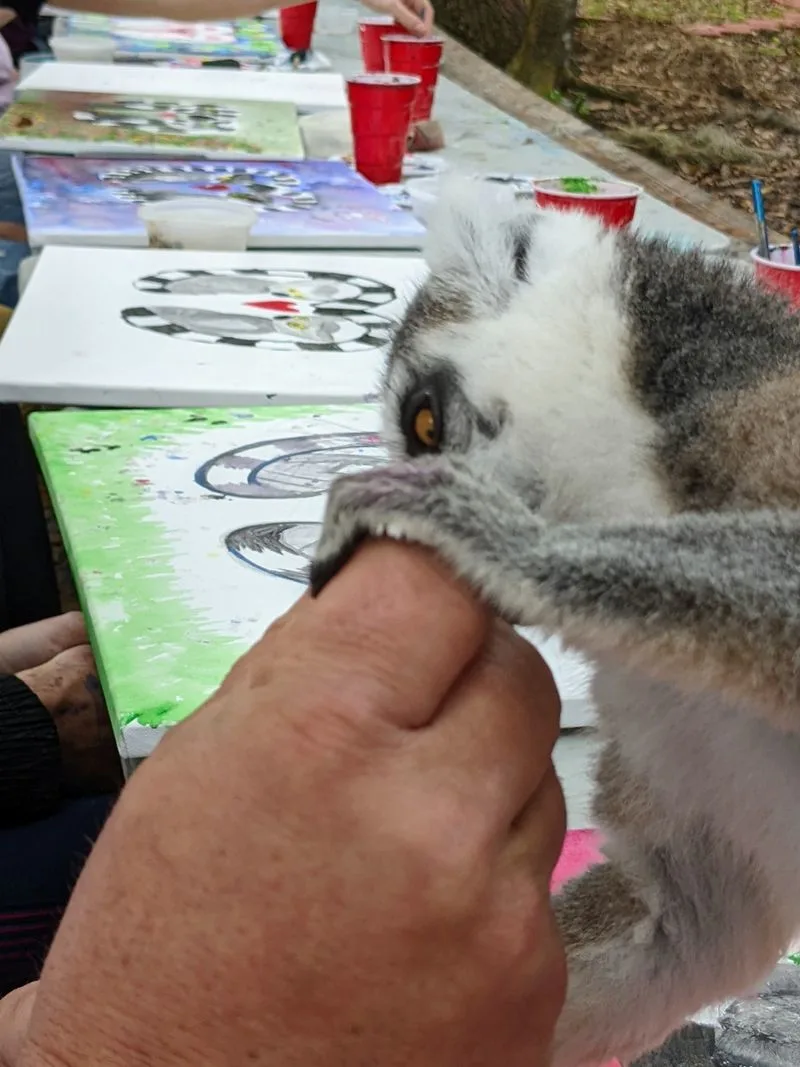
Painting with lemurs is exactly as whimsical as it sounds, yet thoughtfully run. You will set up canvases with non toxic paints while staff guide interactions so the lemurs engage safely.
The result is part art class, part primate improv, and fully delightful.
Expect laughter as tiny feet and curious noses explore brushes, tarps, and textures. You will create a piece with genuine lemur involvement, not a gimmick.
The team keeps everything clean and comfortable, and animals can opt out.
Bring clothes you do not mind getting colorful. Photos are encouraged, but follow spacing guidelines and staff cues.
This is less about perfect technique and more about co creating a keepsake that tells a story.
Slots fill quickly because capacity is limited. If you want a special gift or memory, book ahead and consider pairing with a tour for context on conservation.
You will leave with paint on your hands, joy in your chest, and a canvas that carries a little wild Florida magic home.
Otter Socialization Add On
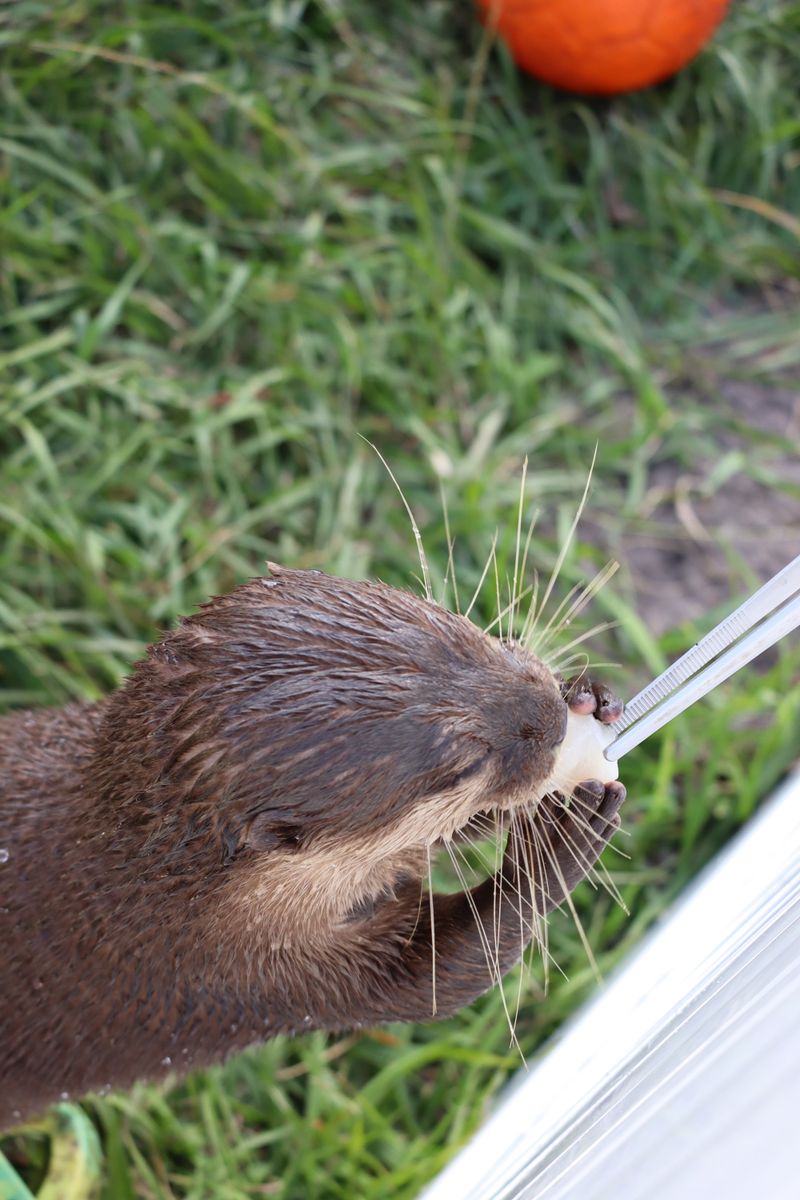
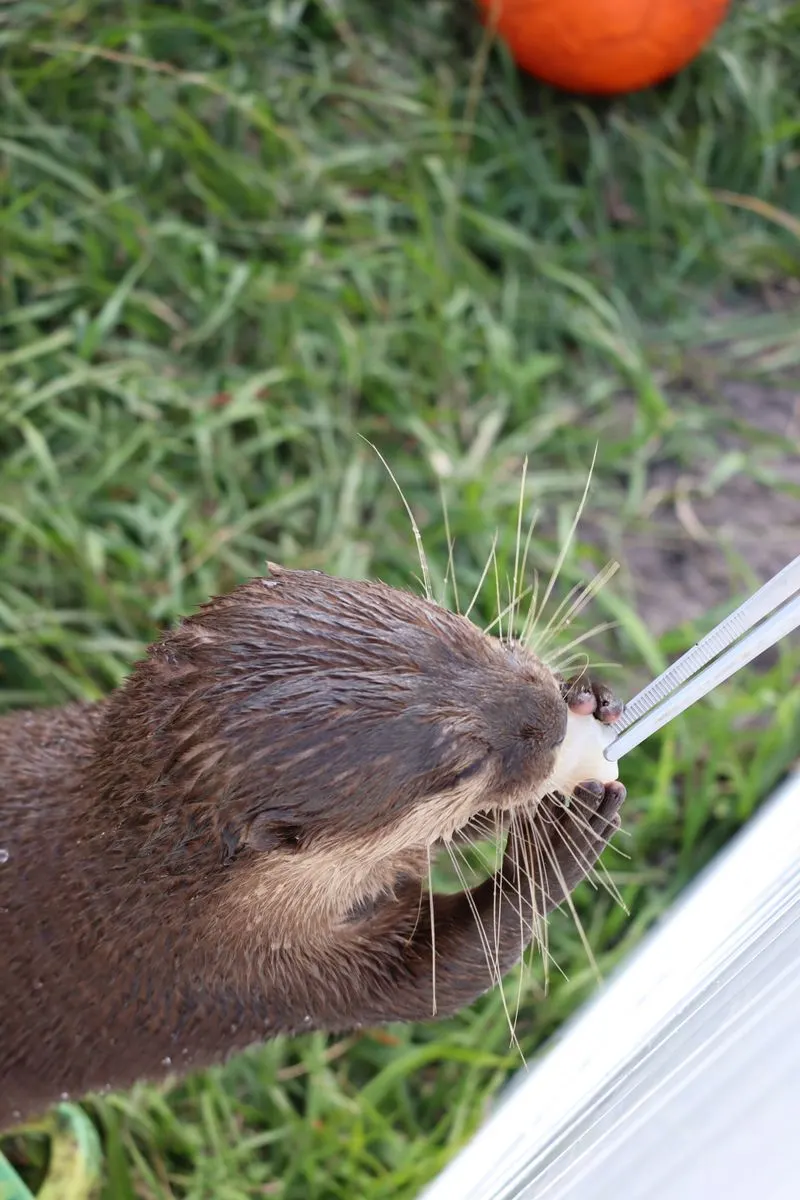
The otter socialization add on is wildly popular for a reason. A clever interaction window with hand sized openings lets you safely greet tiny paws.
It is adorable and surprisingly calming, like a joyful handshake across worlds.
Guides share fun facts about their diets, enrichment puzzles, and why clean water matters for their health. You may feed under supervision during certain sessions.
Otters are quick and curious, so keep jewelry secure and follow directions closely.
Because this add on has limited capacity, book at the same time as your tour. Arrive early to avoid parking delays that might shorten your slot.
The area is tidy and, considering animals, impressively low on odors.
If you are traveling with kids, this moment often becomes the day’s highlight. Adults melt, too.
It is hands on without being risky, reinforcing that meaningful contact can be safe and respectful. You will leave with unforgettable photos and a deeper appreciation for how enrichment keeps intelligent animals thriving.
Meet The Wider Animal Family
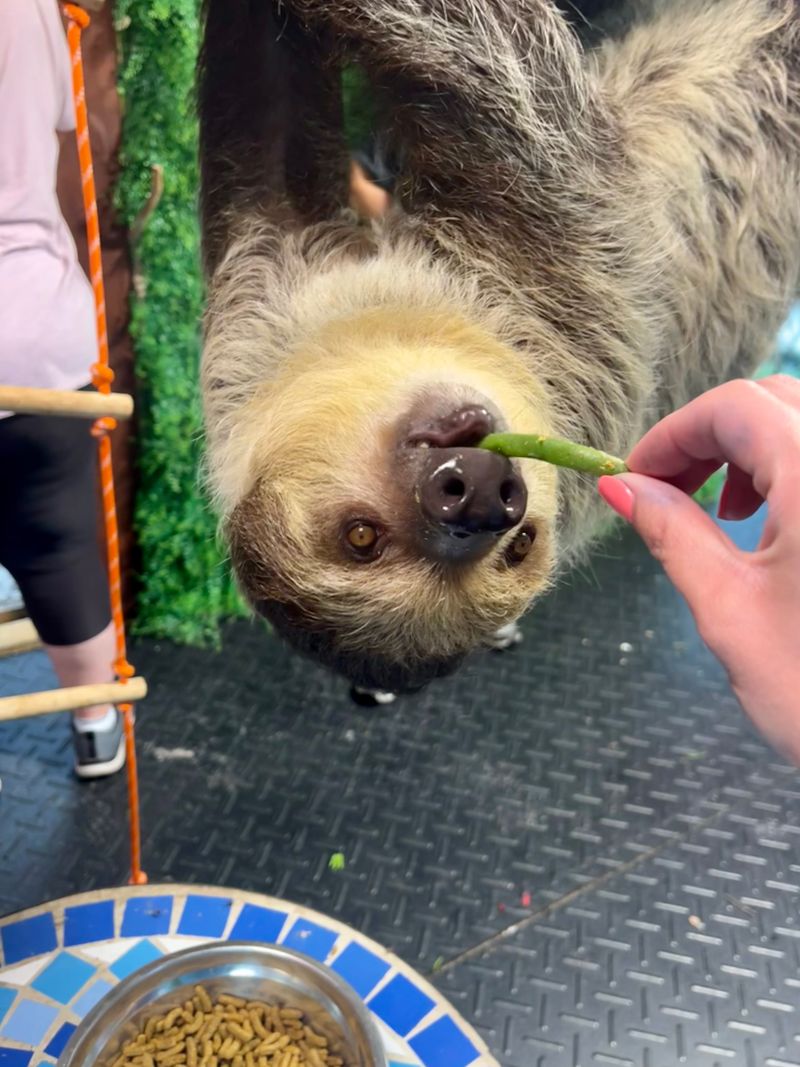
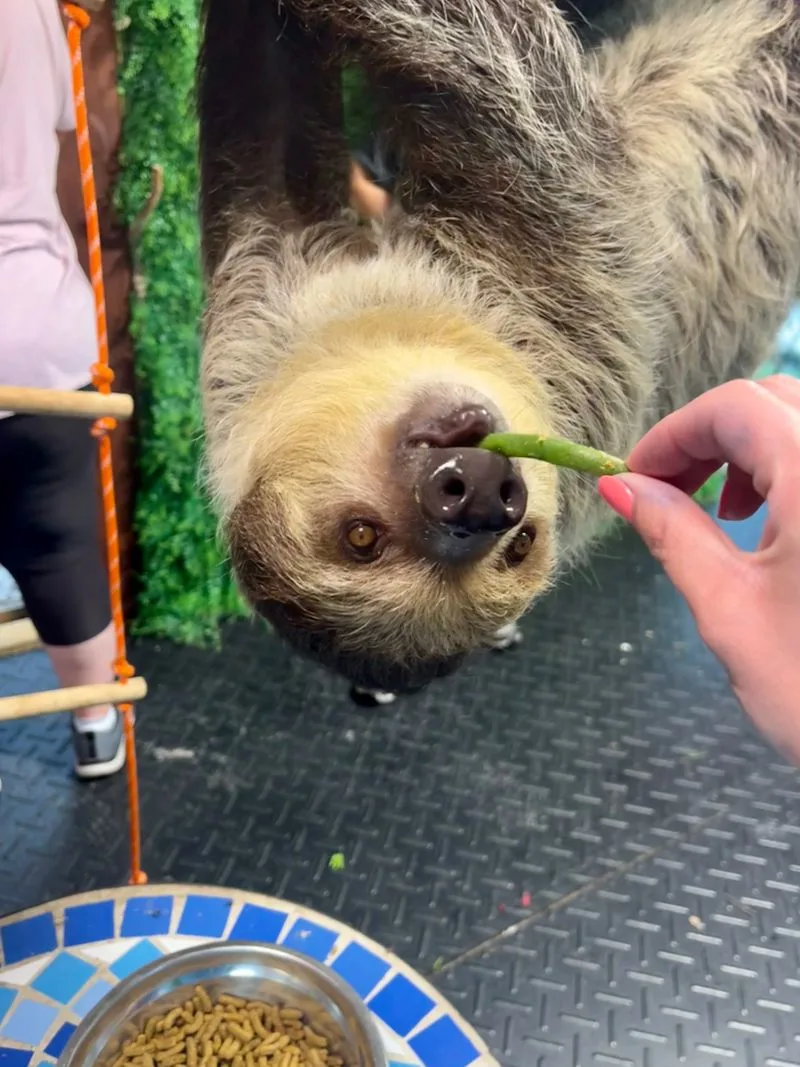
Beyond lemurs and otters, Chase introduces a remarkable cast. You might meet sloths, a fennec fox, an anteater, various monkeys, goats, deer, birds, and occasionally kangaroo joeys.
Each resident has a backstory tied to rescue, education, or conservation.
Guides personalize introductions with gentle humor and clear boundaries. Some animals welcome feeding or touch at designated moments, while others are observe only.
You always know what is appropriate before stepping closer.
Kids light up here, but adults learn plenty, too. You will hear why certain species end up in sanctuary care and how proper diets, habitats, and training reduce stress.
Every enclosure reveals thoughtful design
choices you can spot once explained.
There is joy in diversity. The mix of species keeps energy high and curiosity flowing.
If a favorite animal is resting, do not worry, the schedule flexes whenever possible. You leave realizing the sanctuary is not a collection, it is a community, and you just spent time among neighbors who are finally safe.
Group Tours vs Private Experiences
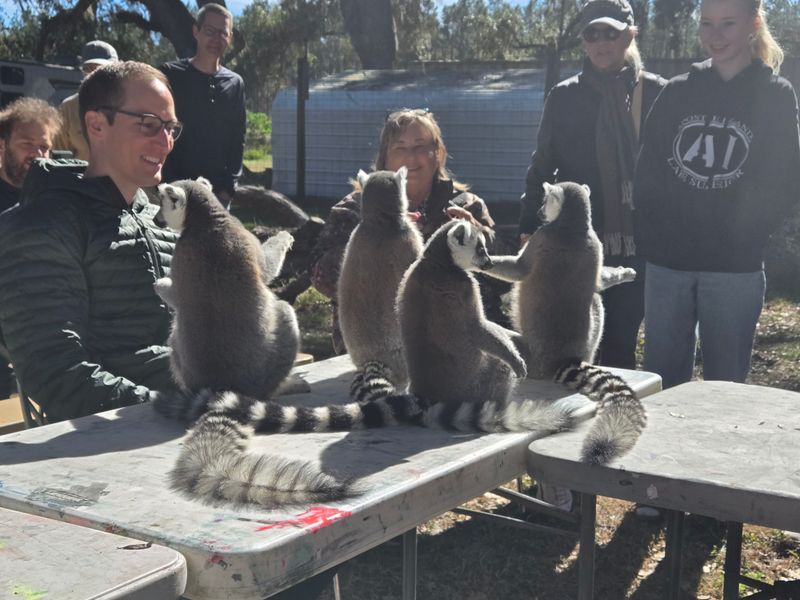
Choosing between group and private tours depends on your comfort with crowds and budget. Interactive group tours are lively, social, and cost effective.
Private tours cost more but provide space, tailored pacing, and easier photo opportunities.
Some reviews mention tight clusters in the sun during busier sessions. If personal space matters, book private or look for off peak times.
Hydrate, wear breathable clothing, and ask guides where shade breaks fit into the flow.
VIP experiences aim for smaller groups, but software hiccups have occasionally combined parties. The sanctuary addressed this and continues refining systems.
If size caps are critical, confirm by phone a day before.
Either way, the guides shine. They read the animals and the crowd, shifting routes to maintain comfort.
You are encouraged to speak up about your needs politely. With the right fit, you get a rich, respectful encounter that leaves you glowing.
Education, Conservation, and Volunteering
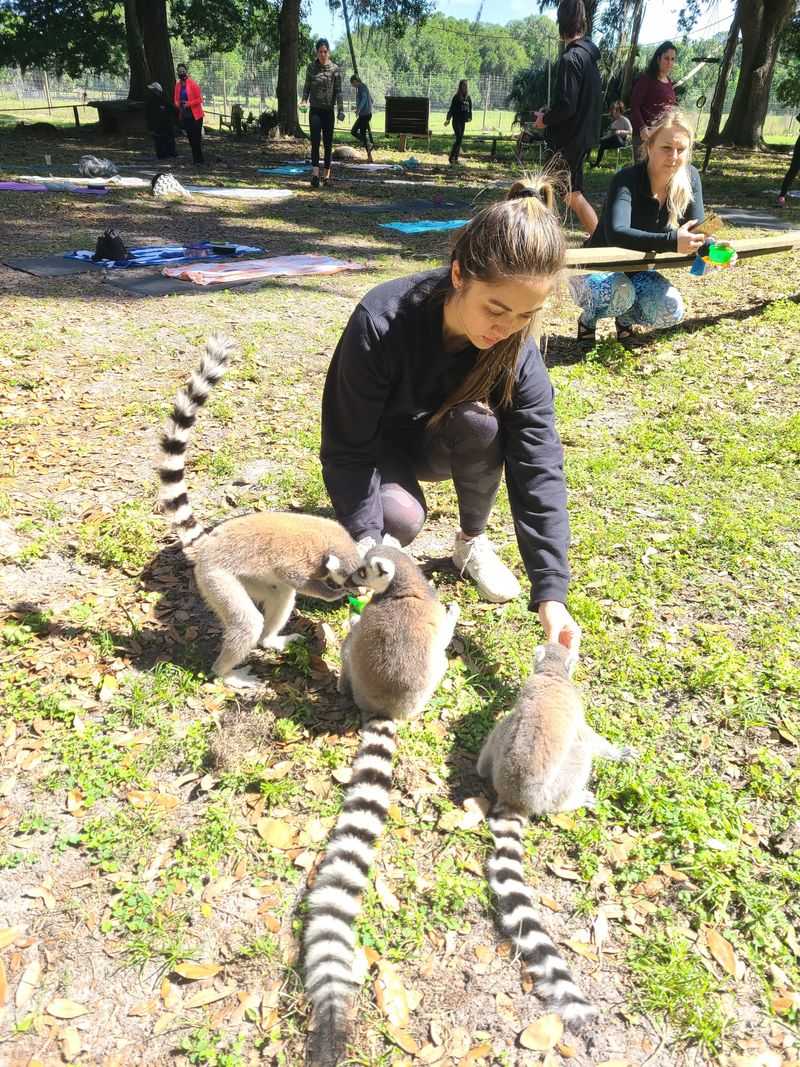
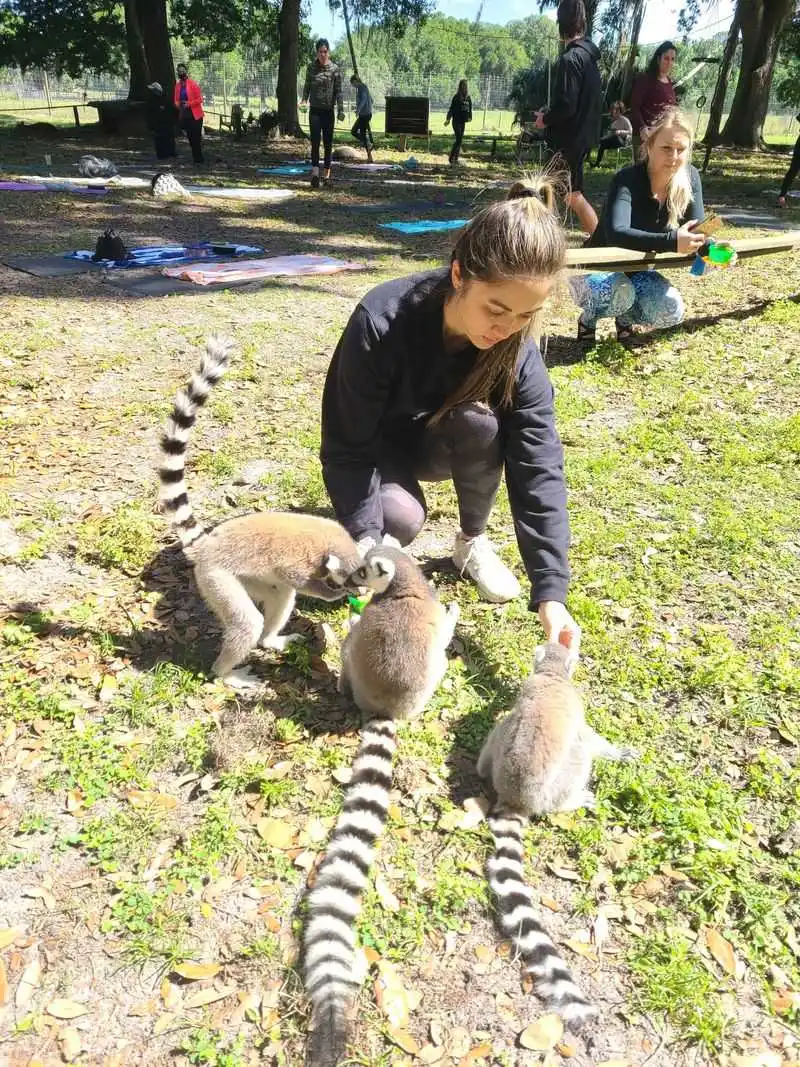
Education is the heartbeat here. Guides explain enrichment, nutrition, and medical care in plain language, connecting daily routines to big picture conservation.
You will understand how sanctuary life differs from zoos, and why ethical interaction matters.
You can support through donations, round up programs, and merchandise that funds feed and habitats. Many staff are volunteers who pour energy into cleaning, preparing diets, and monitoring behaviors.
Their care shows in calm, curious animals.
If you live nearby, ask about volunteering. Roles range from grounds help to animal support tasks under supervision.
Training emphasizes safety, consistency, and respect for the animals’ schedules.
Even one visit can spark lasting advocacy. You will leave with stories worth sharing and practical ideas for supporting endangered species.
The sanctuary’s mission becomes personal when a lemur makes eye contact or an otter reaches for your hand, reminding you why this work matters.
Staying At The Hacienda
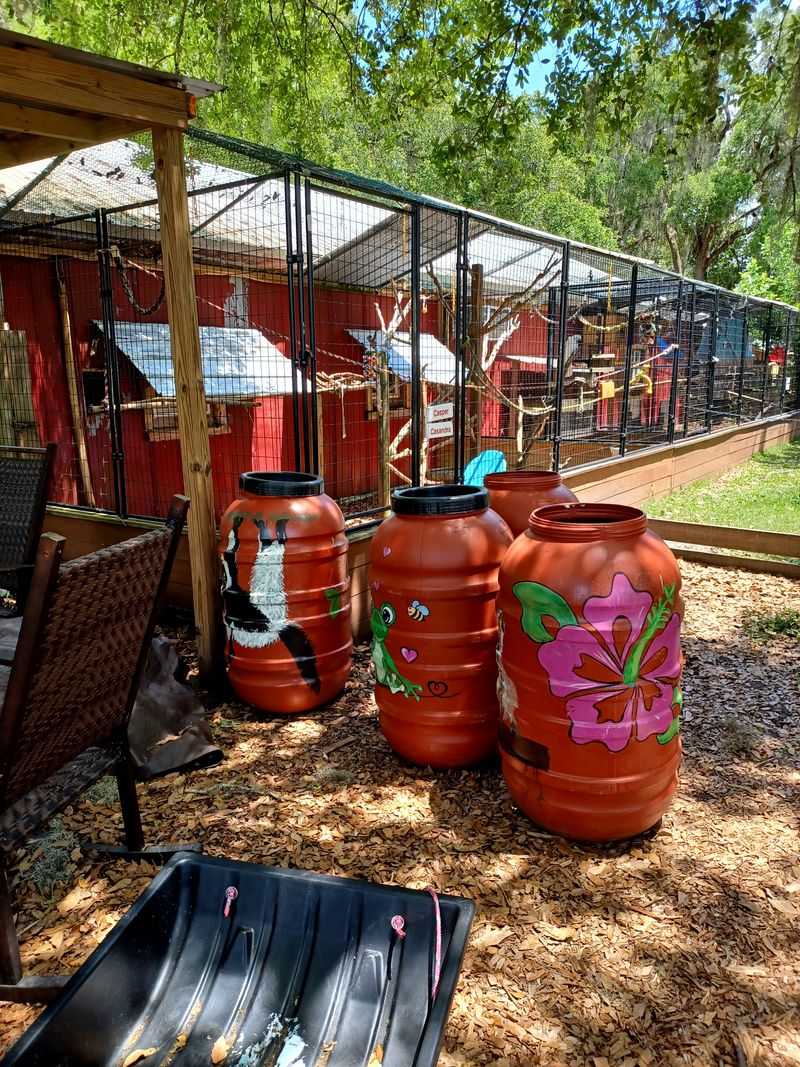
For an immersive option, consider The Hacienda, on site lodging that places you steps from animal habitats. Guests have raved about watching sloths and lemurs through glass from their rooms.
It is surreal and soothing, like a living nature documentary.
Stays pair beautifully with guided tours for deeper context. You get early quiet moments when the grounds are still and golden.
Bring a good book, sip coffee, and let birdsong set the pace.
Booking well ahead is essential due to limited availability. Read house rules closely, especially around noise, food storage, and interactions from the lodging side.
Animals’ rest comes first, and you are part of that rhythm.
As a splurge or celebration, The Hacienda turns a visit into a memory that lingers. You support the sanctuary while gifting yourself rare proximity to wildlife.
If you love slow mornings and starry nights, this is your lane.
Practical Info: Hours, Contact, and What To Bring
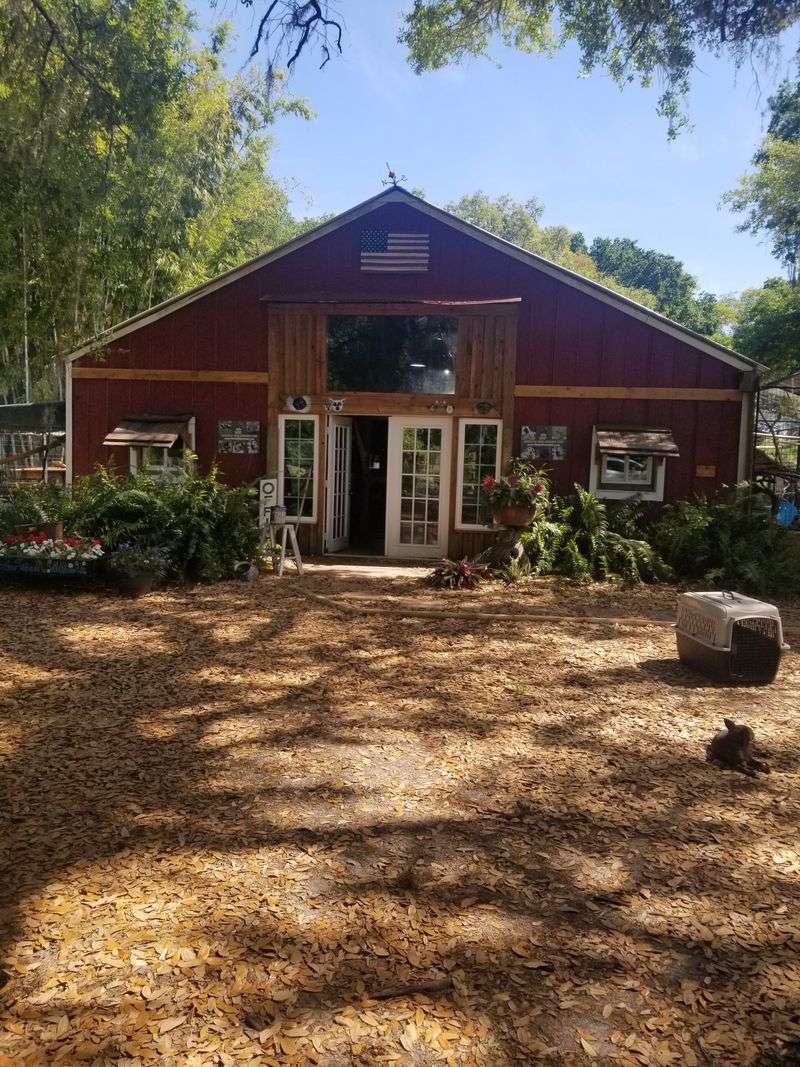
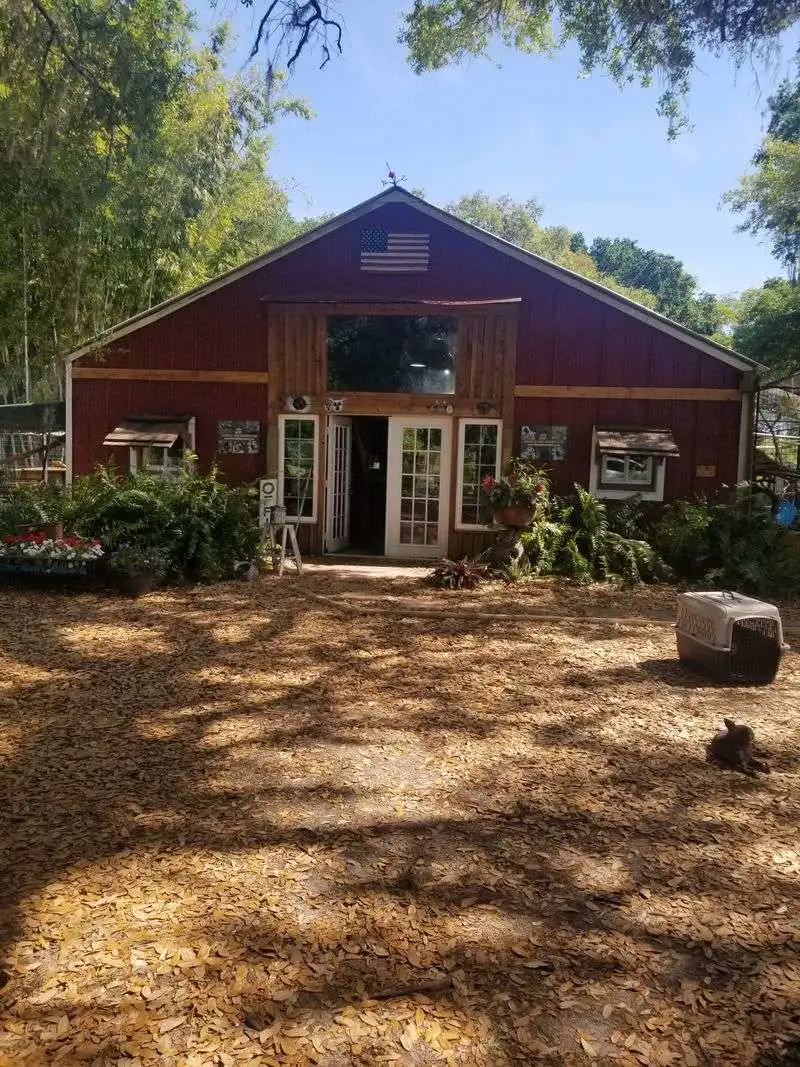
Before you go, verify hours and availability on the official website. Seasonal demand, weather, and animal schedules can shift start times.
For quick questions, call the posted number to confirm details.
Pack light but smart. Essentials include water, sunscreen, a hat, closed toed shoes, and a small towel.
A portable charger helps if you plan many photos and videos.
Bring a respectful mindset for close encounters. Follow feeding rules, ask before touching, and keep voices calm around sensitive species.
If you need extra space, notify your guide and they will help when possible.
Finally, budget for add ons and souvenirs that support care. Consider donating through the round up program to stretch your impact.
With a little prep, you walk in ready and walk out glowing with memories that feel both wild and wonderfully human.