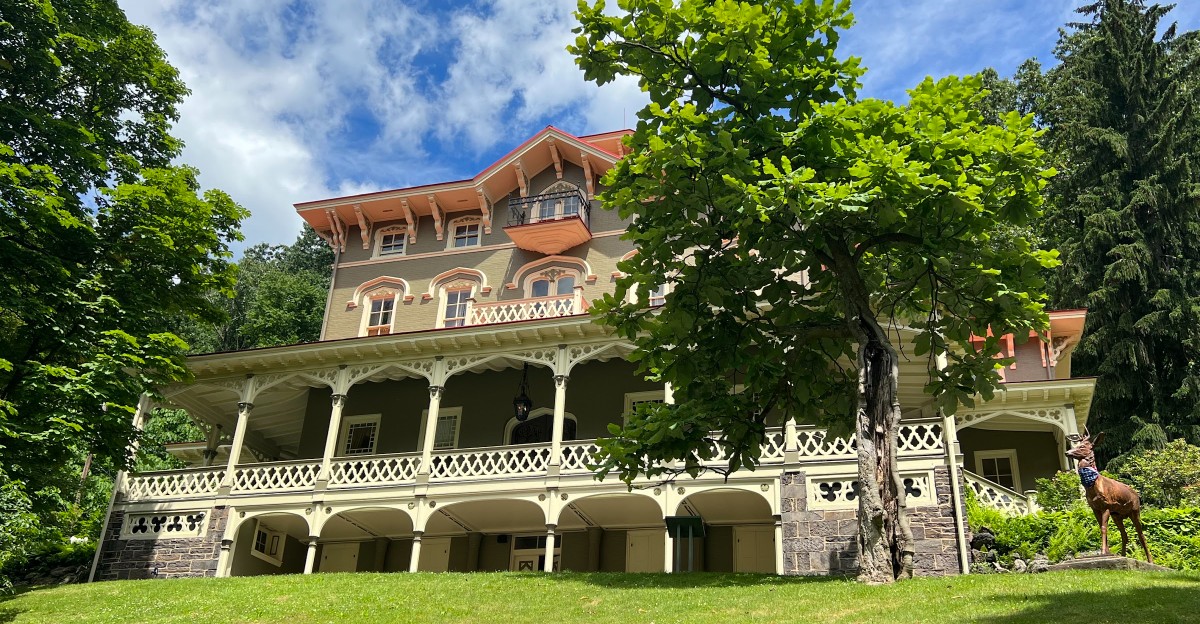
A mansion rising above a small mountain town can seem impressive from the street, but its real surprises are waiting behind the front door. In Jim Thorpe, Pennsylvania, the Asa Packer Mansion Museum preserves an extraordinary glimpse of Victorian life, with its ornate exterior, original furnishings, and rooms that still reflect the world of the family who lived there.
Built in 1861 on Packer Hill Ave, the mansion was home to railroad leader Asa Packer and his family.
Step inside, and details that are easy to miss from the sidewalk begin to tell a richer story. Elaborate woodwork, period furnishings, and carefully preserved rooms reveal both the family’s lifestyle and the craftsmanship of the workers who created the home.
The mansion offers more than a beautiful roofline against the Pennsylvania hills; it provides a tangible connection to Jim Thorpe’s past. As you move from room to room, each space brings another piece of that history into view.
A Hilltop Arrival That Changes the Mood
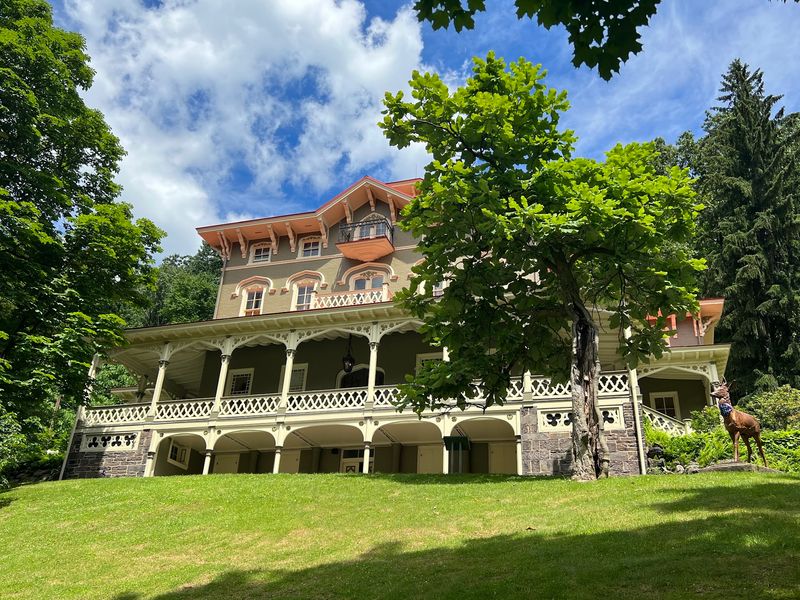
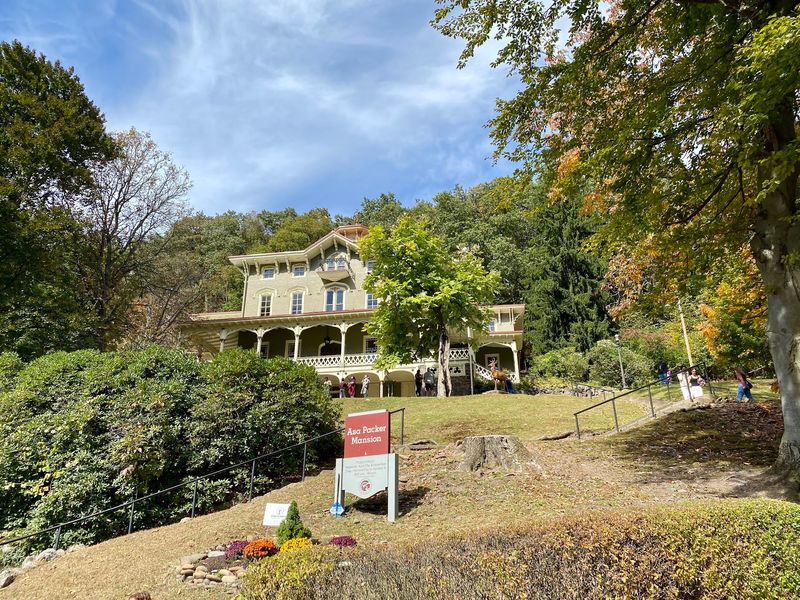
A short climb can make a familiar town feel completely different. As you approach the house on Packer Hill, the street scene gives way to a grand home that seems to belong to another pace of life.
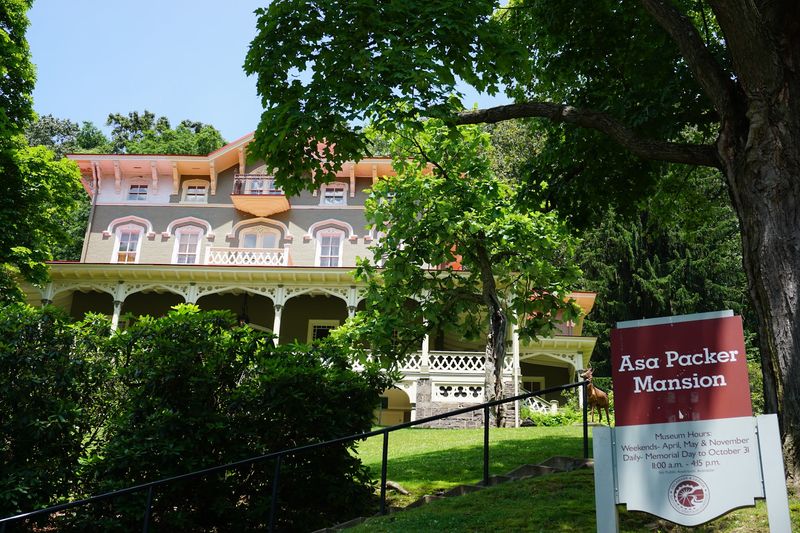
The Asa Packer Mansion Museum stands on Packer Hill Ave in Jim Thorpe, Pennsylvania. Its elevated setting helps explain why visitors often remember the arrival almost as clearly as the rooms inside, especially when the surrounding hills frame the building.
Give yourself extra time to reach the entrance rather than rushing straight from downtown. Wear shoes with a reliable grip, and remember that an uphill approach may feel more demanding after a long day of walking.
Before joining a tour, pause where public access is allowed and study the house from a comfortable distance. Notice how the roof rises above the hillside and how the building commands attention without needing a busy sign or flashy display.
That first quiet look sets up the visit beautifully: you are about to enter a family home whose scale hints at the wealth and ambition behind it.
The Roofline Gives Away Its Victorian Roots
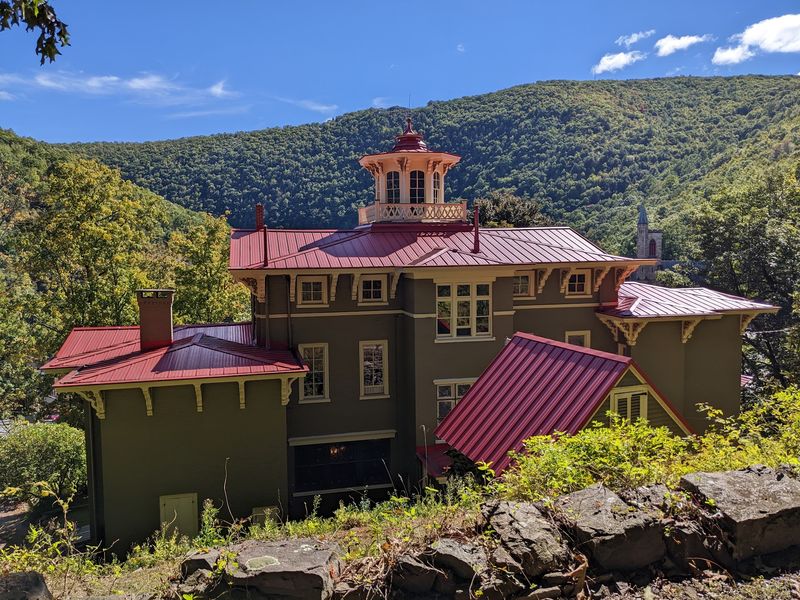
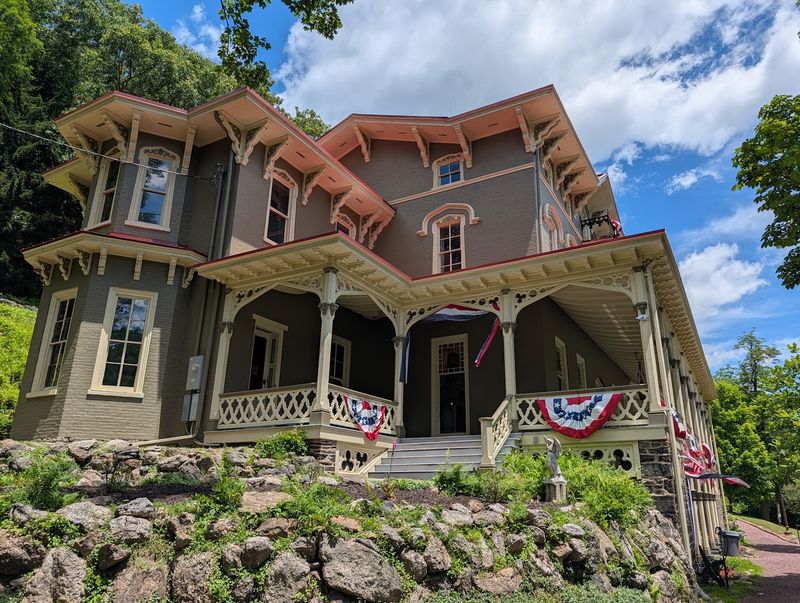
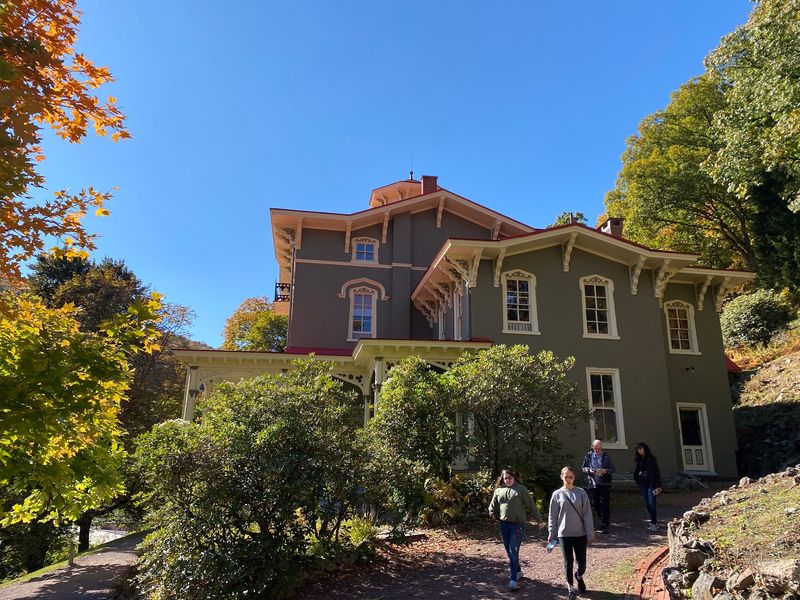
Look up, and the house starts telling its story before anyone says a word. The red roof and central cupola give the mansion a bold outline, making it easy to pick out against the hillside.
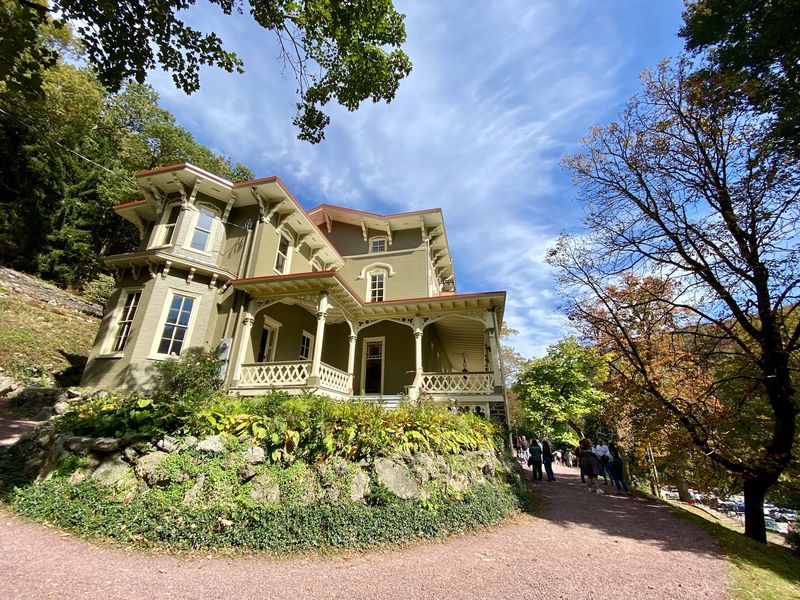
Built in 1861, the Asa Packer Mansion Museum is a nineteenth-century Italianate house. That style was popular during the Victorian era, so the two descriptions fit together: Victorian names the period, while Italianate describes the building’s architectural character.
You do not need an architecture degree to enjoy the exterior. Follow the shape of the roof, compare the tall windows, and notice how the upper details draw your eye toward the cupola rather than keeping your attention at street level.
An exterior photograph can help you remember those features later, provided you stay in permitted areas and follow posted rules. Try stepping back enough to include the whole roofline instead of taking only a close view of the doorway.
The result captures something essential about this hilltop home: it was built not simply to shelter a family, but also to make a strong impression on visitors.
Woodwork Rewards Anyone Who Slows Down
The biggest surprise may be something most people walk past in seconds. A carved edge, a polished surface, or carefully fitted trim can reveal just how much work went into making this house feel special.
Visitors to the Asa Packer Mansion Museum frequently praise its woodwork. Those details offer a different way to understand the home, shifting attention from the family’s wealth to the skill of the people who shaped and finished its interior.
When the group stops in a room, let your eyes travel beyond the main furniture. Study the visible wooden details from your permitted position, and ask the guide about materials or methods if something catches your attention.
You do not have to identify every style or carving to appreciate the result. Think about the patience required to make repeated details look consistent, then imagine doing that work without today’s tools.
Keep pace with the tour so others can enjoy the same view, but allow yourself a few focused moments wherever the guide pauses. The house becomes more interesting when you notice the workmanship that supports its larger drama.
Stained Glass Adds a Softer Kind of Drama
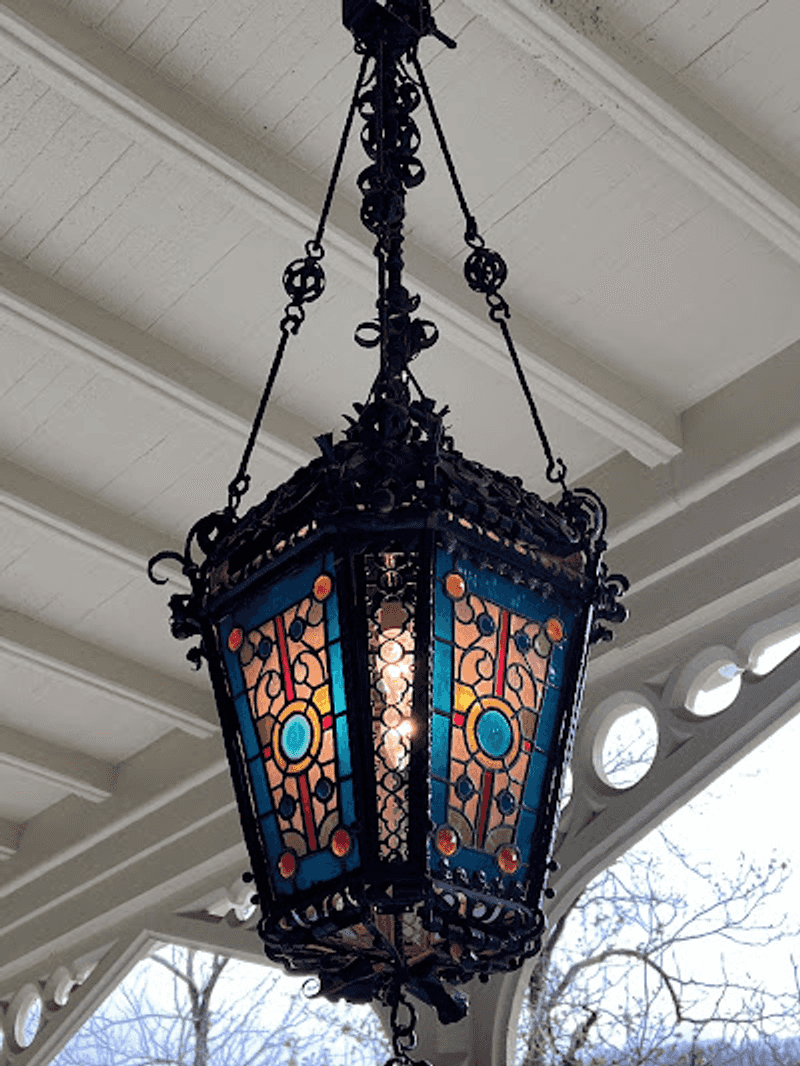
Color can stop you faster than a room full of antiques. When daylight reaches stained glass, a window becomes more than an opening in the wall, giving the surrounding space a richer, quieter mood.
Stained glass is among the interior details visitors mention at the Asa Packer Mansion Museum. Alongside decorative woodwork and Victorian furnishings, it helps explain why the house rewards patient looking rather than a quick walk through.
Ask your guide which visible details are original and whether a particular window has a known story. Light changes with the weather and time of day, so avoid expecting every pane to glow exactly as it does in a photograph.
Instead, notice the relationship between color, shape, and the room around it. A cloudy afternoon may reveal patterns clearly, while brighter conditions can make the colors feel stronger.
Follow the museum’s photography rules and enjoy the window directly if indoor pictures are prohibited. Giving one feature your full attention can be surprisingly refreshing, especially after a busy morning.
Here, the reward is not another image on your phone but a closer look.
Asa Packer’s Story Reaches Beyond the House
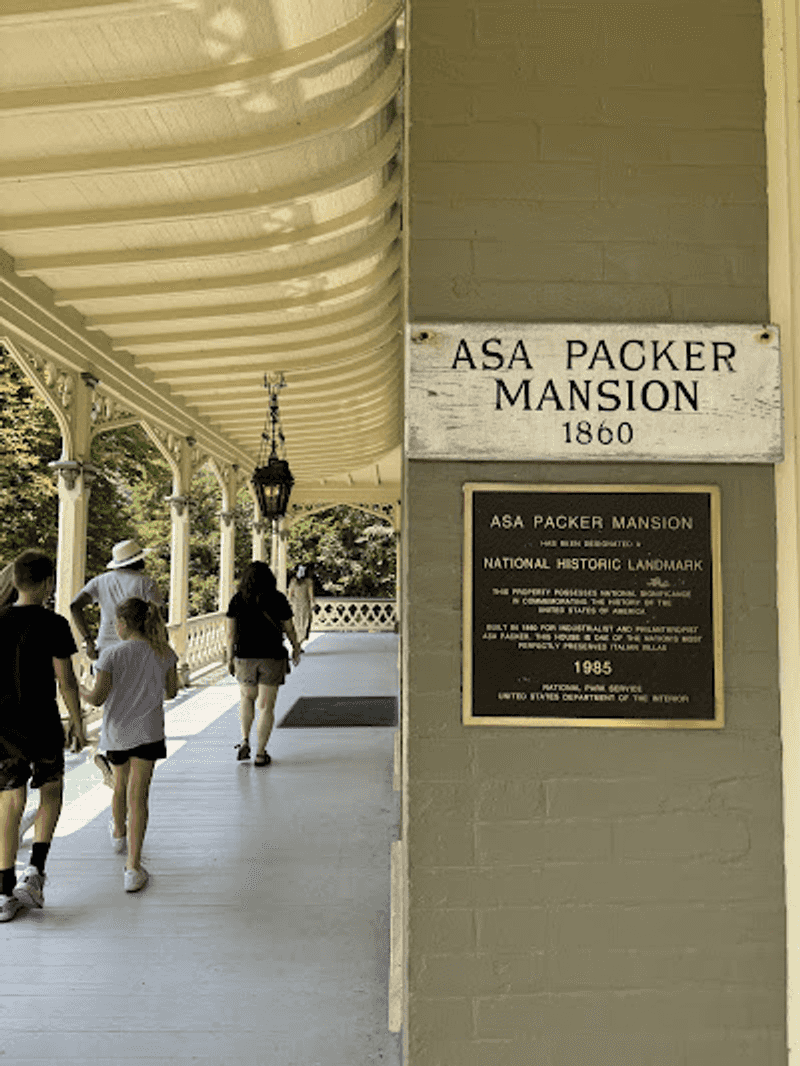
Behind the elegant rooms sits a story much larger than one family’s address. Railroads, industry, and education all connect to the man whose name appears above the museum entrance, giving the visit a wider sense of purpose.
Asa Packer was a railroad leader and philanthropist who founded Lehigh University. His mansion in Jim Thorpe helps place those achievements in a personal setting, where visitors can consider both public influence and the household behind it.
Listen for the guide’s explanation of how his business interests connected with the region’s growth. The most useful details are often the links between transportation, local industry, and the money that made a home of this scale possible.
Rather than trying to memorize every date, choose one connection to carry with you. Perhaps it is the relationship between railroads and coal, or the decision to support education through a university.
Asking a focused question can make a complicated life easier to understand. The mansion then becomes more than an impressive collection of rooms: it offers a concrete starting point for thinking about how one person’s choices shaped communities.
A Guide Connects the Rooms to Real Lives
A good story can make a silent room feel full of people again. That is the appeal of a guided visit here: furniture and decorative details gain meaning when someone explains the lives connected to them.
The Asa Packer Mansion Museum offers guided tours rather than independent wandering through the house. Visitor accounts often praise the guides for their knowledge, enthusiasm, and willingness to answer questions about the family and its home.
Arrive ready to listen, but bring your curiosity along. Ask about a room’s purpose, an unusual object, or how daily routines differed from your own, rather than feeling that only serious history questions belong on the tour.
Tour length can vary, and past visitors describe experiences ranging from about forty minutes to well over an hour. Confirm the current format before building a tight schedule around your visit.
Staying with the group also helps protect the collection and keeps the experience running smoothly for everyone. The strongest moments often come when a guide connects a grand detail to an ordinary human need, making the Packer family feel less distant.
Leave the Camera Pocketed and Look More Closely
Sometimes the best souvenir is the detail you actually remember. Putting away a phone can feel strange at first, but a house full of delicate objects gives your eyes plenty to do without a screen.
Visitors to the Asa Packer Mansion Museum regularly report that interior photography is not allowed. Confirm the current rule with staff when you arrive, and follow their instructions about both photographs and video throughout the guided visit.
Make the restriction work in your favor by choosing a few details to study carefully. Notice a furniture shape, a patch of colored glass, or the way woodwork frames a room, then connect each observation to the guide’s explanation.
Outside, ask where photography is permitted before taking your own pictures of the building. An exterior image can preserve the setting while your memories hold the indoor experience.
If you want to jot down facts afterward, wait until you are clear of the tour route and write a few brief notes. That simple habit helps separate what you learned from what you merely noticed, without interrupting anyone else’s visit.
A Little Planning Protects Your Visit
Nothing spoils anticipation quite like arriving after the last available tour. A little planning matters at a historic house, where entry depends on staff, schedules, and the number of people each group can comfortably include.
The supplied hours for the Asa Packer Mansion Museum list opening times of 11 AM to 4 PM on Monday and Wednesday through Sunday, with Tuesday closed. Seasonal schedules and tour availability may differ, so verify details before traveling.
Check the museum’s website at www.asapackermansion.com or call 570-325-3229 for current admission information. Ask about the final tour, ticket availability, and accepted payment methods, since visitor reports mention cash-only purchases but policies can change.
For a weekend visit, arriving early may improve your chances of securing a place, especially during busy periods. Do not treat the posted closing time as a guaranteed entry time, and avoid relying on ticket prices from older reviews.
Once those practical questions are settled, the visit becomes easier to enjoy. You can spend your attention on the house itself rather than wondering whether you have enough time, the right payment, or an available tour.
Make Room for a Comfortable, Unhurried Tour
Beautiful rooms are easier to enjoy when your feet are not asking to leave. A historic mansion visit can involve more standing and walking than expected, so comfort deserves a place in your plans.
At the Asa Packer Mansion Museum, visitor reports describe extended periods on foot during guided tours. Some also note that only part of the house is open to visitors, so do not assume every floor will be included.
Wear supportive shoes and ask staff in advance about stairs, seating, and access if you have mobility concerns. Historic buildings can present challenges that photographs do not reveal, and a direct conversation is more useful than guessing from the exterior.
Allow a little breathing room after your tour instead of scheduling an immediate departure. From a permitted outdoor spot, take another look at the house and consider which detail stayed with you: the craftsmanship, the family story, or the care required to preserve it.
That final pause gives the visit a satisfying shape. You arrived curious about a grand building and leave with a clearer understanding of the lives inside.