Half-timbered walls, leaded glass windows, and sweeping gardens make this hillside estate feel like a scene from old England.
Agecroft Hall & Gardens sits on Sulgrave Road in Richmond’s Windsor Farms neighborhood, overlooking the James River.
The manor house was first built in Lancashire, England, in the late 1400s, then taken apart and shipped across the ocean in the 1920s.
Piece by piece, it was rebuilt in Virginia, where it now serves as a museum of Tudor and early Stuart life.
Guided tours reveal carved woodwork, antique furnishings, and stories that bring the 16th and 17th centuries to life.
Plan an unhurried visit, bring your camera, and enjoy the feeling of traveling to England without leaving Richmond.
A Castle-Like Sight Among the Trees
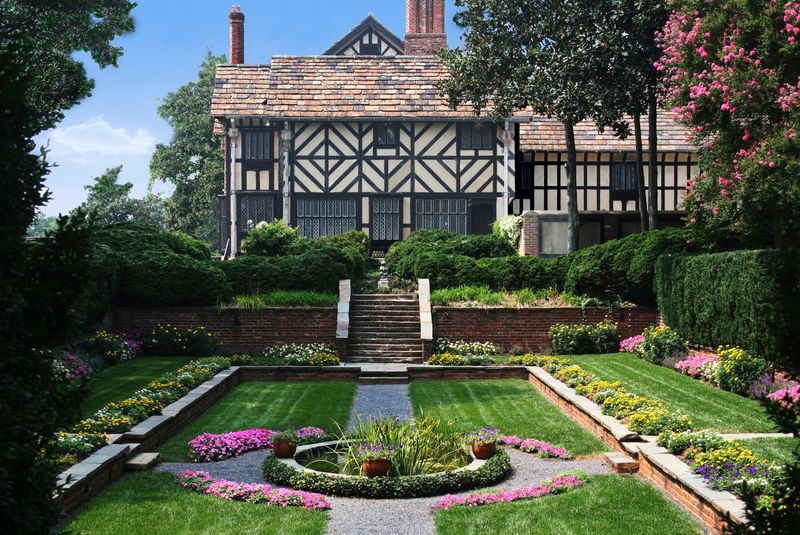
Through the trees, steep rooflines rise above the lawn like the top of a storybook castle. The building feels wonderfully unexpected, especially when its dark timbers and patterned walls first come into view. That first glimpse belongs to Agecroft Hall & Gardens, 4305 Sulgrave Rd, Richmond, VA 23221.
Despite its castle-like appearance, Agecroft is a Tudor manor house, not a fortress built for battle. Look closely at the tall gables, brickwork, and small leaded windows before heading indoors. Each feature helps explain why the house feels so different from the homes around it.
The setting adds to the surprise. Trees and open grass give visitors room to step back and take in the whole building. A slow walk toward the entrance can be just as enjoyable as the tour itself.
Bring a camera, but pause to notice details beyond the main facade. Different angles reveal how the roof shapes, chimneys, and timber patterns fit together. Cloudy light can make those shapes especially easy to see in photographs.
Families can turn the approach into a simple game: count the gables or search for unusual window shapes. Give yourself a few extra minutes outside rather than rushing straight through the door. The quiet reveal is part of what makes this place feel like a secret.
The House That Crossed an Ocean
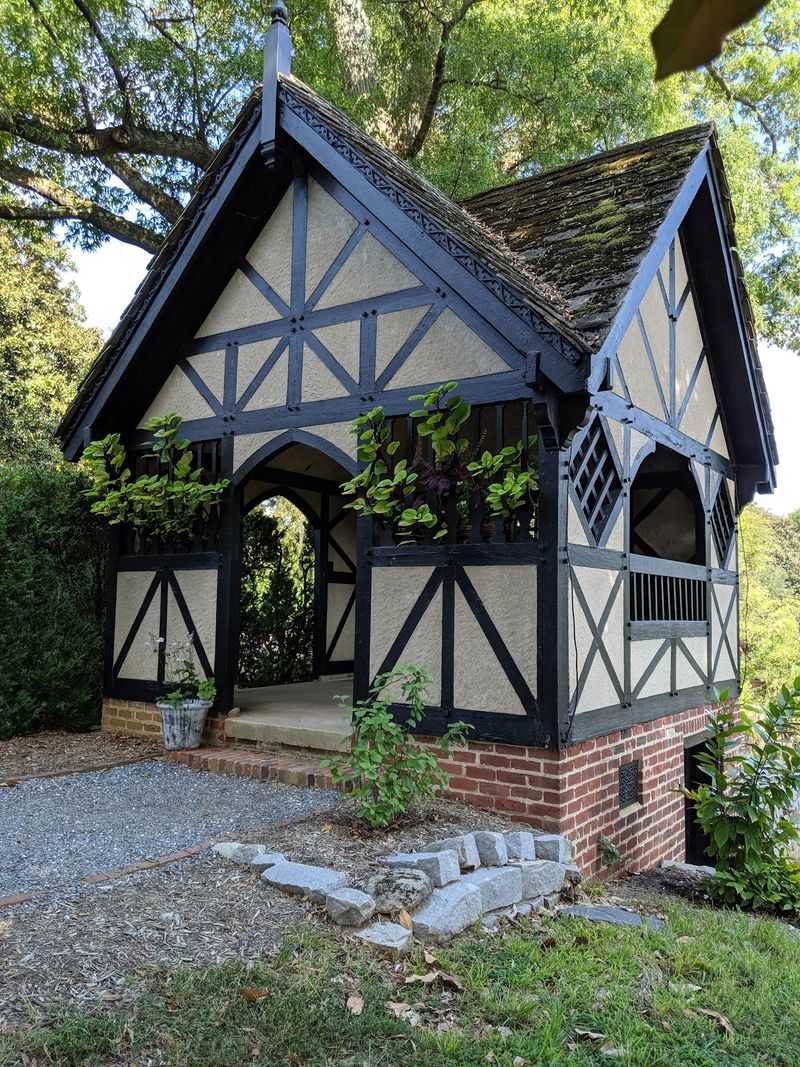
Imagine taking apart a centuries-old house and giving it a new home across the ocean. That remarkable move is at the heart of Agecroft Hall’s story. The manor began in England and was brought to America in the 1920s, then rebuilt for a new setting.
Its journey makes the building more than a pretty backdrop. Historic materials and Tudor design details connect the present-day house to its English past. At the same time, rebuilding meant the house had to work in a different place and era.
As you explore, ask which parts came from the original building and which were added during reconstruction. Staff members can help explain how the manor changed over time. Their answers may make a doorway or wooden panel suddenly more interesting.
Children may enjoy picturing how workers labeled and shipped parts of such a large home. How would you keep track of every beam, stone, and window? Thinking about that puzzle turns a history lesson into a hands-on question.
Plan a little time before or after your visit to read the site’s history information. Knowing the basic timeline helps you spot the difference between a preserved object and a recreated scene. The house tells two stories at once: where it began and how people saved it.
Tudor Details Worth a Second Look
A quick glance says castle, but a closer look reveals a collection of clever building choices. Agecroft’s dark wooden beams divide the outer walls into bold shapes. Its steep gables, brick surfaces, and leaded glass windows give each side a different pattern.
Start with the windows. Instead of wide sheets of glass, many panes sit inside narrow strips of lead. Their shapes catch daylight in a way that modern windows usually do not.
Next, study the roofline from a safe spot on the grounds. The tall peaks draw your eyes upward, while the chimneys add to the old-world look. Then move closer and notice how the smaller textures change what you see.
Inside, woodwork offers another reason to slow down. Panels, doorways, and other crafted features show how much attention went into the rooms. Ask a guide what a detail was made for if its purpose is not clear.
You do not need to know architectural terms to enjoy the visit. Try choosing one feature, such as glass or timber, and follow it through the house. Comparing the outside with the inside makes the design easier to understand. It also turns an ordinary walk into a satisfying search for clues left by past builders.
Rooms That Make History Feel Close
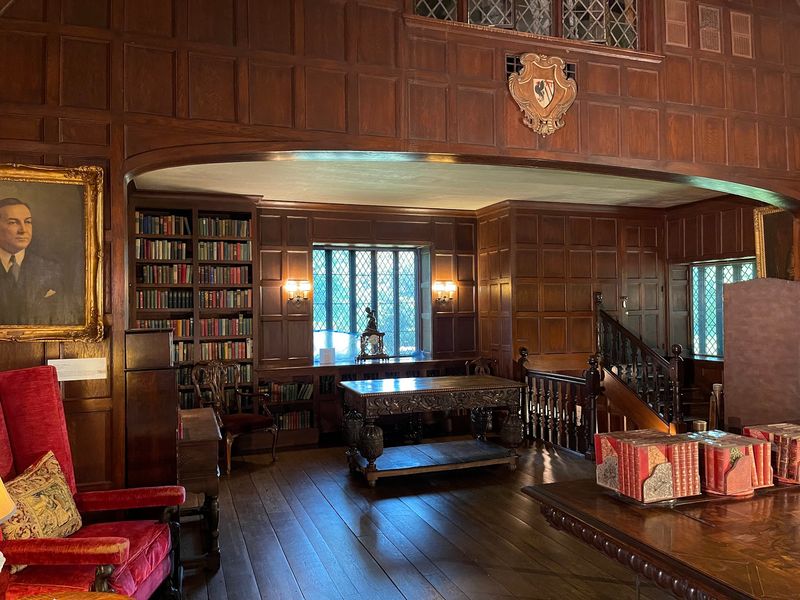
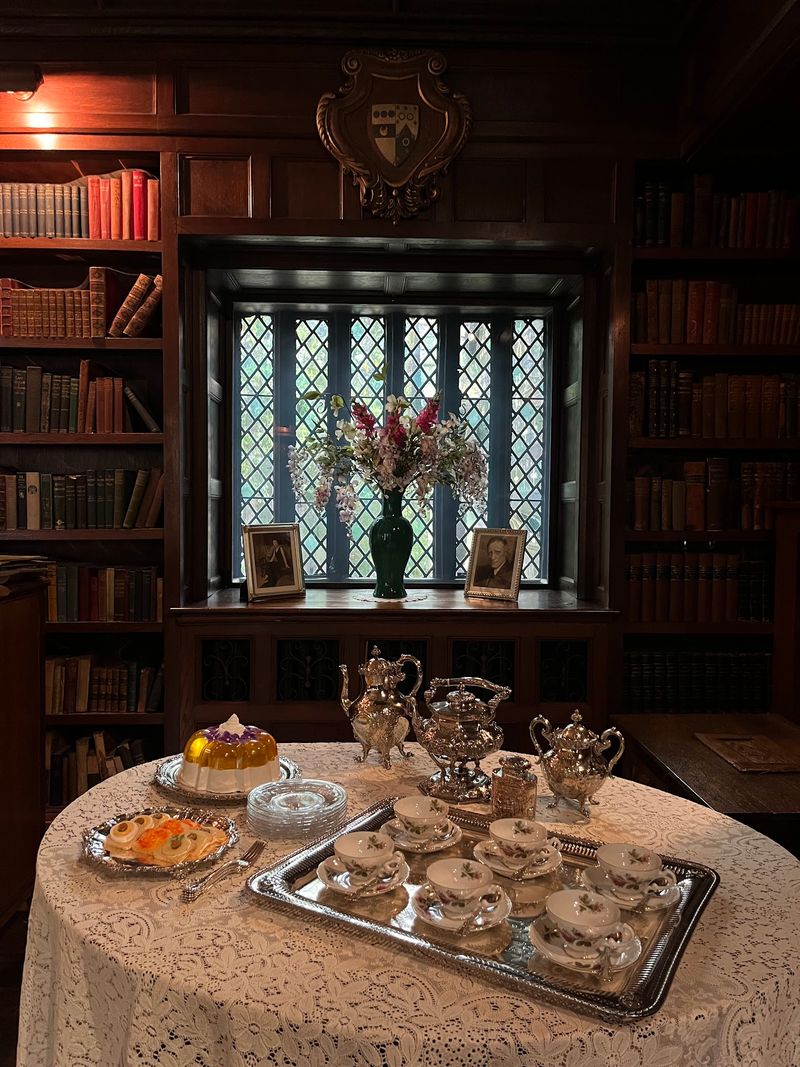
Behind the dramatic walls, smaller details bring everyday history to life. Wood-paneled rooms, fireplaces, and period furnishings help visitors picture a home instead of just an impressive building. Even a quiet hallway can hint at how people moved through the house.
Take time to notice the kitchen and service areas if they are included on your visit. They can raise useful questions about who prepared meals, carried supplies, and kept the household running. A grand room tells only part of the story.
Some visitors are drawn to the library, while others remember the carved woodwork. Follow your own curiosity rather than trying to inspect everything at once. Choosing two or three favorite rooms gives you more time to look carefully.
When a staff member is nearby, ask how the rooms are furnished for display. A thoughtful question can reveal which objects are historic and how experts interpret life in the Tudor period. It can also prevent easy guesses from becoming mistaken facts.
For younger visitors, make a simple comparison with home today. Where would people find light, heat, or a place to read? Those familiar questions make old rooms easier to understand. Before leaving, look back at one doorway or fireplace and imagine the many ordinary days that once filled a manor like this.
Gardens Made for Wandering
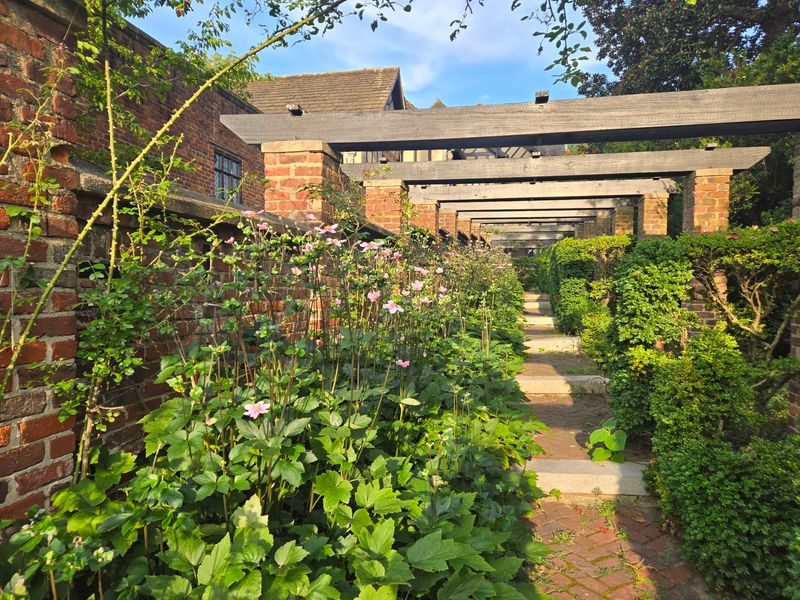
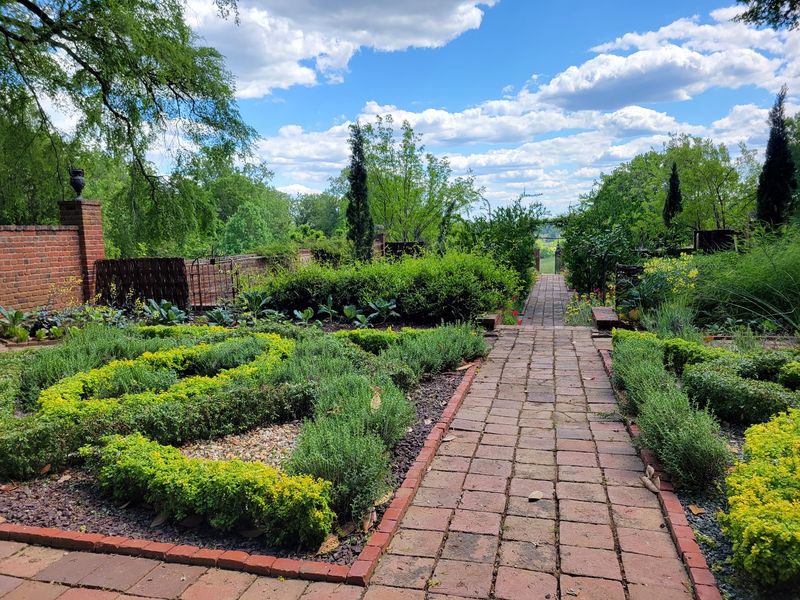
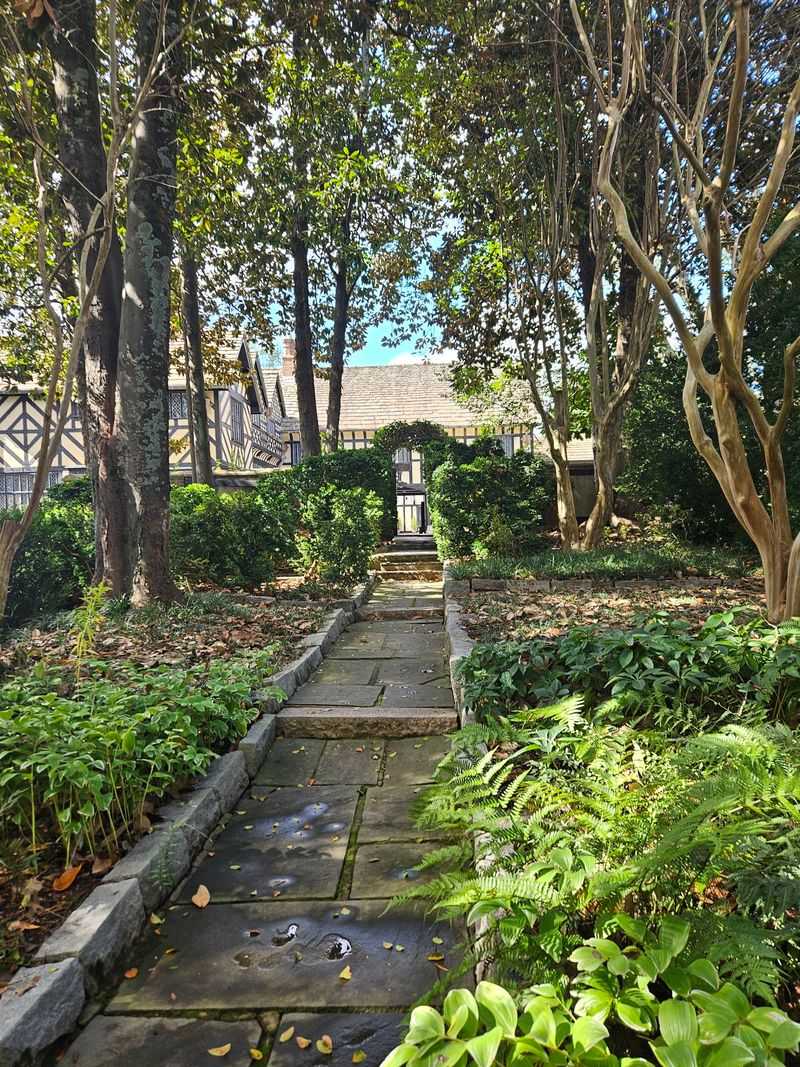
Fresh air changes the pace after a look inside the manor. The gardens offer paths, planted areas, and places to admire the house from farther away. They are manageable enough for a relaxed visit, yet varied enough to reward a slow stroll.
Spring can bring colorful blooms, including tulips that past visitors have enjoyed. At other times, trees, herbs, and changing leaves give the grounds a different mood. Because plants follow the seasons, no two visits are likely to look quite the same.
Try using more than your eyes as you walk. An herb garden may offer familiar scents, while leaves and blossoms show different shapes up close. Stay on marked routes and leave plants for the next visitor to enjoy.
Garden paths can also be a good break for children after indoor history lessons. Invite them to choose a favorite plant or compare the largest and smallest leaves they spot. Simple observations keep the walk lively without disturbing the setting.
Wear comfortable shoes, especially if you hope to explore beyond the formal beds. Check current grounds access before arriving, since events or maintenance may change where visitors can go. A little unhurried time outdoors helps explain why the gardens are part of the attraction’s name, not just scenery around the house.
Guides Who Give the House a Voice
One good question can turn a handsome old room into a story you remember. Visitors often praise the knowledgeable staff at Agecroft for making the house easier to understand. Their explanations can connect unusual objects and building features with the people who used them.
Tour arrangements may vary, so check the official website before you go. Look for current admission details, available tour times, and any instructions about booking ahead. Doing that small bit of planning is especially helpful if seeing the interior matters most to you.
During your visit, ask about the manor’s move, its woodwork, or the lives of household workers. Specific questions often lead to more helpful answers than a simple request for the whole history. There is no need to be an expert first.
Adults visiting with children can encourage each child to pick one thing to ask. A mystery about a bell, doorway, or piece of furniture can start a lively conversation. Guides can often explain a difficult idea in words younger visitors understand.
Give yourself enough time to listen as well as look. If a room is busy, step aside so others can see while you hear the explanation. Leaving with one memorable story is better than hurrying through every space without understanding what you saw.
A Stage Beneath the Tudor Roofline
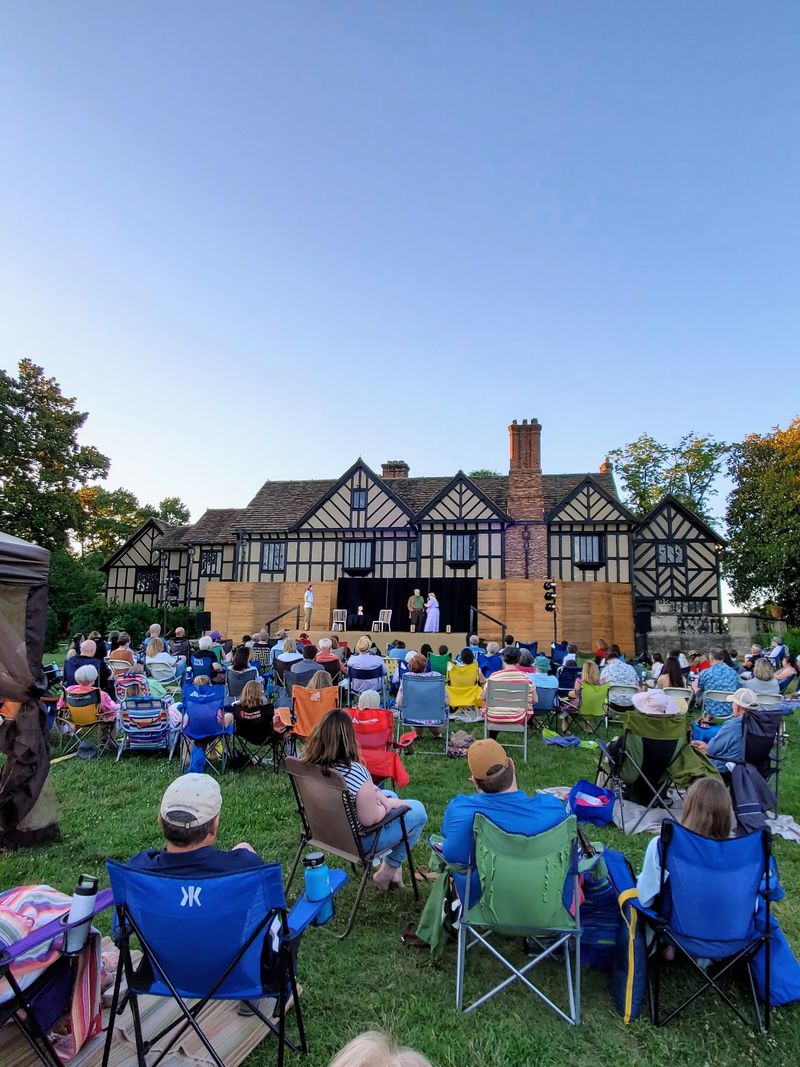
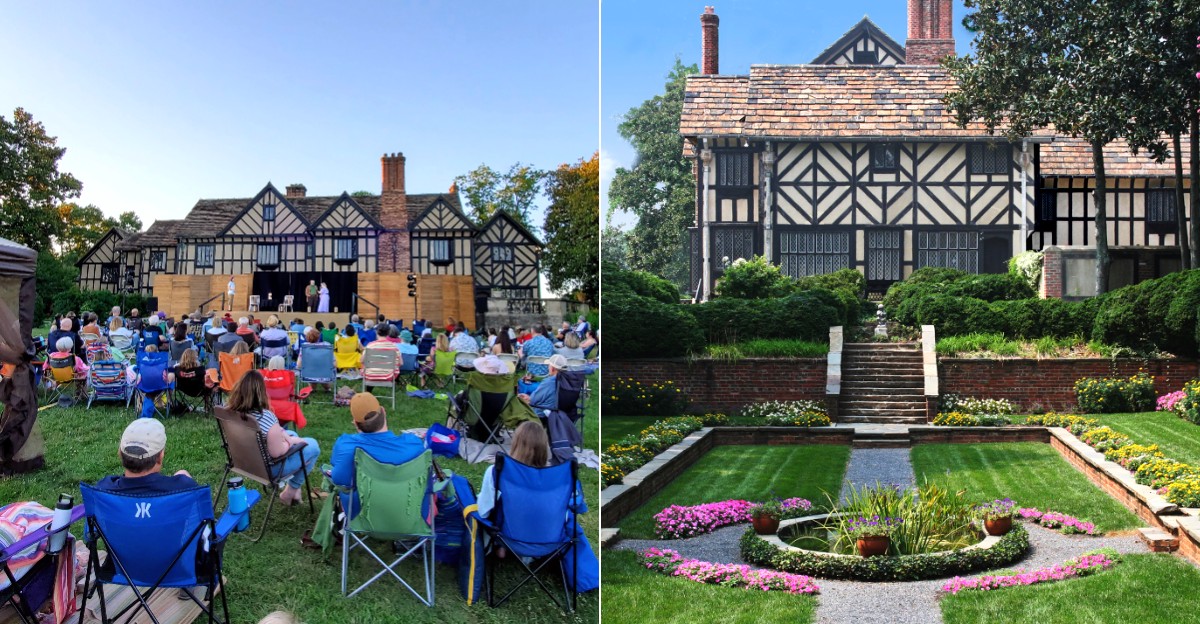
Old walls can make live stories feel surprisingly close. Agecroft is known not only for house visits but also for events that use its striking setting. Performances connected with Shakespeare are among the activities visitors may find on its calendar.
Imagine watching a play while Tudor rooflines stand nearby. The surroundings do not replace the actors, but they can make a scene feel especially vivid. For someone new to Shakespeare, that setting may offer an inviting first step.
Events change throughout the year, so do not assume a performance is happening during a regular visit. Check the official calendar for dates, ticket details, weather plans, and arrival instructions. Popular programs may require more planning than an afternoon walk through the gardens.
If you bring children, read a short description of the story together beforehand. Knowing the main characters can help everyone follow the action without worrying about every unfamiliar word. For an outdoor event, consider the forecast and any venue rules about seating.
Not every special program is a play. Seasonal gatherings and other activities can offer fresh ways to experience the grounds. Whether you come for a performance or return after a house tour, the calendar can reveal another side of this historic place.
A Visit That Rewards Good Timing
A little planning keeps the day feeling like an adventure instead of a scramble. Start with the official website for current opening hours, admission, and tour information. Schedules can change for holidays, private events, or work on the house and grounds.
Visitors interested in the interior should pay special attention to tour availability. Some past guests recommend arranging tickets ahead because house access can be limited. Checking before you travel helps avoid arriving when the part you most want to see is unavailable.
Think about the season, too. Flowers may be the main attraction in spring, while autumn can bring colorful leaves. A dry day gives you more freedom to enjoy outdoor paths as well as indoor rooms.
Set aside enough time for both parts of the visit rather than treating the gardens as an afterthought. Comfortable shoes and a charged phone or camera are useful, but curiosity matters more. Leave room in your schedule to stop when something catches your eye.
If you hope to take portraits or organize a group visit, ask staff about any rules or fees first. Respecting those guidelines helps protect the property and keeps visits pleasant for everyone. With the practical details settled, you can focus on the manor’s biggest surprise: how much history fits behind its castle-like face.