Massachusetts has plenty of famous cultural stops, but some of its best museum experiences still fly surprisingly low under the radar. If you are tired of crowded blockbusters and want places that feel more personal, richer, and easier to enjoy, this list is for you.
These museums deliver serious art, history, design, and storytelling without the exhausting hype. From castle walls to picture books to maritime legends, each one gives you a reason to plan a real detour.
Eric Carle Museum of Picture Book Art
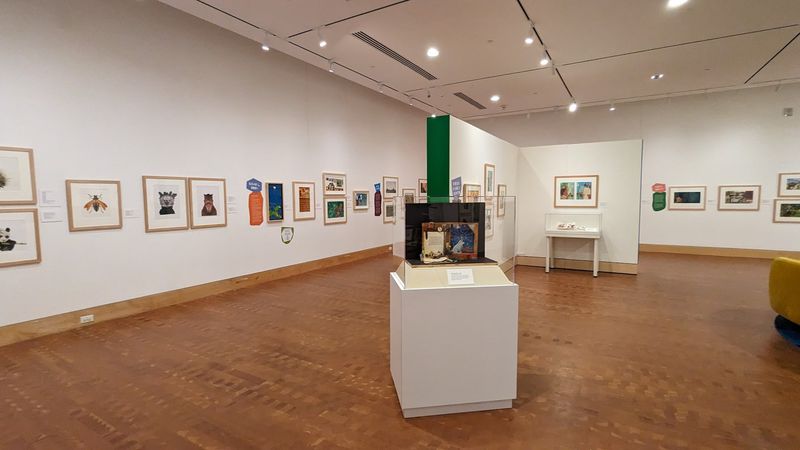
If you think a museum centered on picture books sounds mostly for kids, this place changes your mind fast. The Eric Carle Museum of Picture Book Art in Amherst treats illustration like the serious art form it is, while keeping the mood joyful and welcoming.
You walk in expecting nostalgia and leave with a new appreciation for color, design, and visual storytelling.
Original works by Eric Carle share space with pieces by celebrated illustrators from around the world. Rotating exhibitions keep the experience fresh, so it is not a one-time stop even if you have visited before.
The galleries are thoughtfully arranged, giving you room to slow down and really notice line, texture, and narrative choices.
I also love how accessible it feels for mixed-age groups. Families, artists, teachers, and curious adults can all get something meaningful here.
It is engaging without being chaotic.
If you are anywhere near Amherst, this is an easy yes. It is colorful, smart, and far more memorable than many larger museums.
Davis Museum at Wellesley College
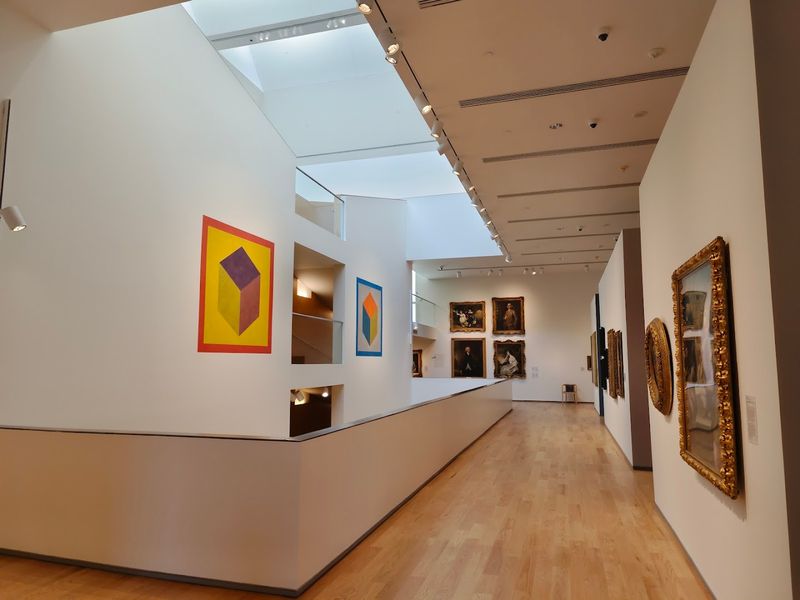
The Davis Museum at Wellesley College is the kind of place that makes you wonder why more people are not talking about it. Tucked onto a beautiful campus, it offers a remarkably wide-ranging collection that moves from ancient objects to contemporary art with confidence.
Because it is free, the value here feels almost absurdly good.
What stands out is how manageable and thoughtful the museum feels. You can actually spend time with the works instead of rushing past crowds, and the installation often creates smart connections between periods and styles.
It is an ideal stop if you want substance without the pressure of an all-day visit.
The academic setting adds to the experience rather than making it stuffy. Labels tend to be clear and insightful, helping you engage more deeply even if you are not an art history person.
That balance is hard to get right.
If you are near Boston or the western suburbs, this museum is absolutely worth the detour. It feels generous, polished, and wonderfully underrated.
Rose Art Museum
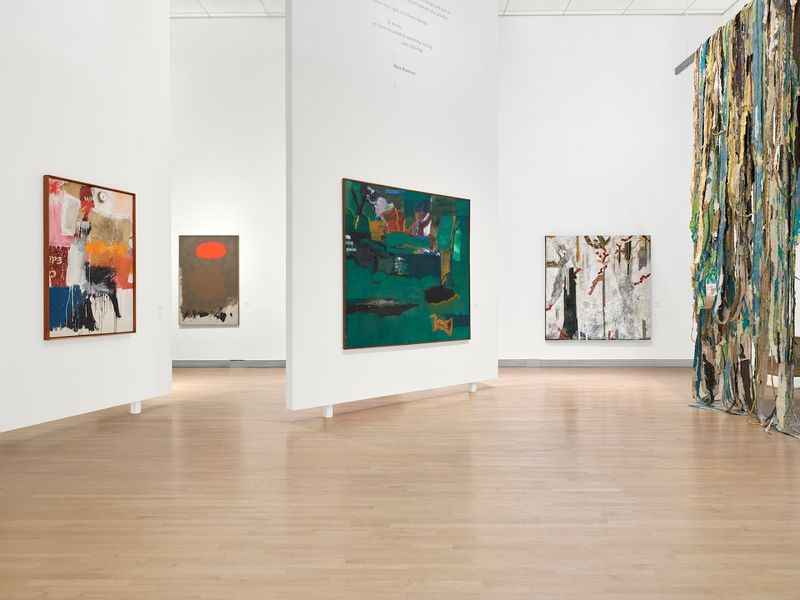
The Rose Art Museum at Brandeis University proves that a small museum can still hit with major impact. In Waltham, it offers a focused, high-quality experience centered on modern and contemporary art, and the collection includes genuinely impressive names.
You are not wandering through filler here.
Works associated with artists like Warhol, Picasso, and Jasper Johns give the museum real weight, but the curation keeps things from feeling like a greatest-hits package. Exhibitions often highlight ideas, movements, and tensions that make you look longer and think harder.
It is compact in the best possible way.
I appreciate that the Rose feels approachable even when the work gets challenging. You can move through it at your own pace and still come away with something vivid to talk about later.
The scale helps you stay engaged instead of overwhelmed.
For anyone who likes serious art without massive crowds or ticket lines, this is a great pick. It is sharp, confident, and much easier to fit into a day than larger institutions.
Fitchburg Art Museum
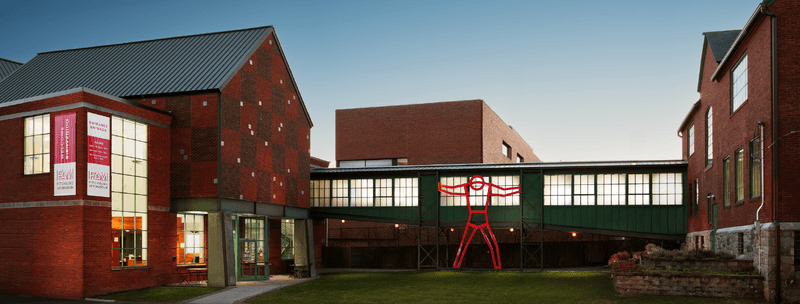
Fitchburg Art Museum is one of those regional museums that quietly overdelivers. Housed in a striking historic building, it brings together Egyptian artifacts, photography, American art, and rotating contemporary exhibitions in a way that feels both eclectic and coherent.
You get variety without losing focus.
The museum has enough depth to reward a real visit, but it never feels exhausting. One gallery may pull you into ancient history, while another shifts your attention to social issues, portraiture, or experimental work.
That blend gives the place energy and keeps the visit from becoming predictable.
I especially like that it feels rooted in community while still aiming high. The programming often reflects broader cultural conversations, yet the setting remains calm and approachable.
It is easy to explore thoughtfully, even on a casual afternoon.
If you usually skip smaller city museums, this is one to reconsider. Fitchburg Art Museum offers range, personality, and a genuinely satisfying experience that feels bigger than many people expect.
Norman Rockwell Museum
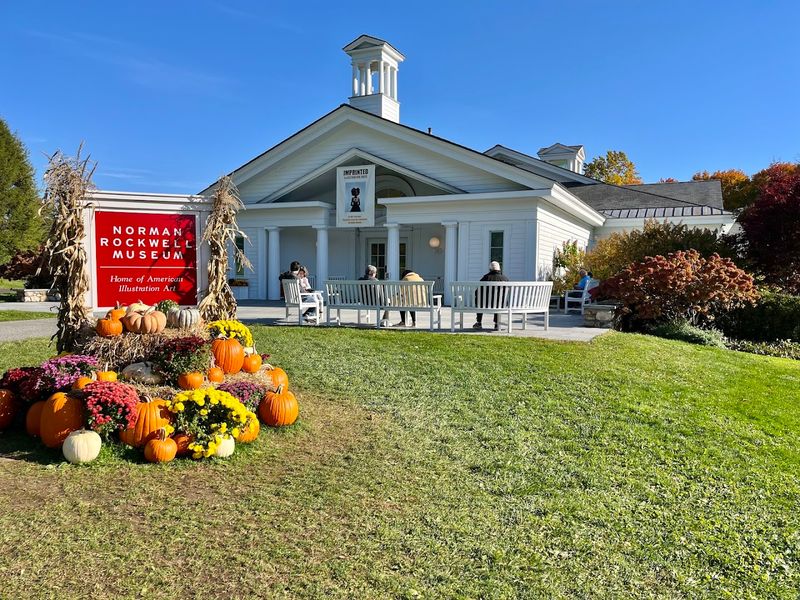
If you think Norman Rockwell is just sentimental Americana, this museum in Stockbridge gives you a much fuller picture. The Norman Rockwell Museum presents his original paintings, sketches, and archival material in a way that reveals just how observant, technically skilled, and culturally sharp he really was.
You leave seeing more than nostalgia.
The galleries trace both the art and the process behind it, which makes the work feel richer. You start noticing composition, symbolism, and the ways Rockwell balanced humor with social commentary.
The museum also broadens the story through exhibitions on illustration and American visual culture.
I like that it works for many kinds of visitors. Fans of classic magazine art will be happy, but so will anyone interested in storytelling, civil rights imagery, or the mechanics of visual communication.
It is emotionally accessible without being simplistic.
In the Berkshires, this is an easy cultural standout. It is warm, insightful, and much more layered than people often expect.
New Bedford Whaling Museum
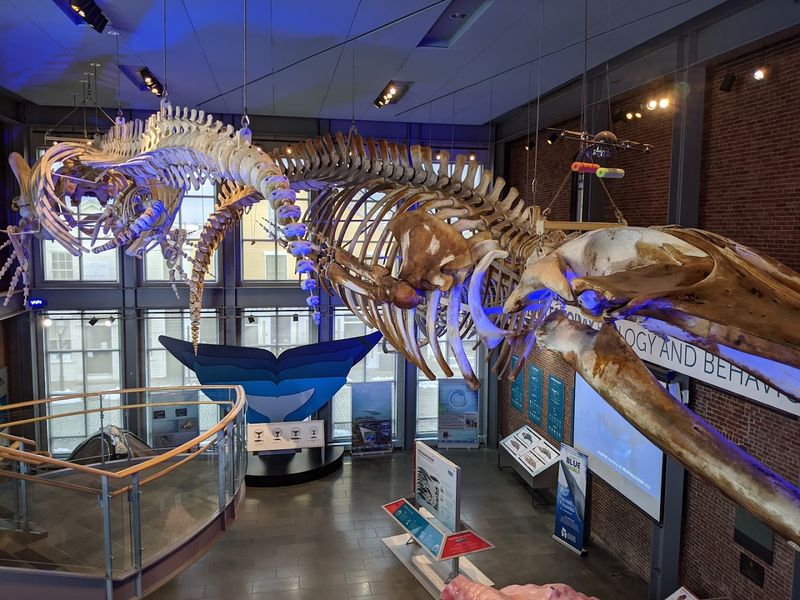
The New Bedford Whaling Museum is not a niche stop unless you simply do not like fascinating places. In one of America’s most important historic seaports, it tells a huge story about industry, labor, science, risk, and the ocean itself.
The scale of the museum makes it feel far more significant than many first-time visitors expect.
You will find whaling history, scrimshaw, ship models, maritime art, and exhibits that connect local history to global trade and environmental questions. One of the biggest draws is the dramatic display of whale skeletons, which instantly shifts the visit from abstract history to physical reality.
It is immersive without relying on gimmicks.
I especially appreciate that the museum does not flatten the subject into simple heroics. It gives you room to think about human ambition, exploitation, technology, and changing values.
That complexity makes it memorable.
If you are heading south of Boston, this is one of Massachusetts’ strongest museum experiences. It is rich, powerful, and absolutely worth the trip.
Custom House Maritime Museum
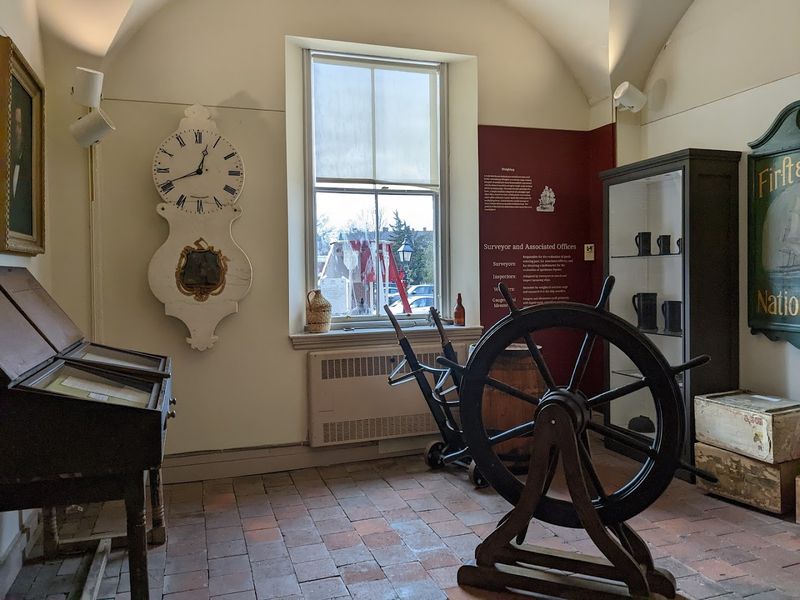
The Custom House Maritime Museum in Newburyport is a smaller stop, but that is part of its charm. Set inside a historic federal building, it captures the region’s shipbuilding, trade, and waterfront identity in a way that feels grounded and local.
You are not getting a generic maritime story here.
The museum does a good job connecting big themes to one port city’s experience. Exhibits on navigation, commerce, privateering, and coastal life help explain how Newburyport fit into wider Atlantic networks.
Because the setting is intimate, the history feels easier to absorb and remember.
I find places like this especially rewarding when I want context for a town, not just a checklist attraction. After visiting, the streets, harbor, and architecture around Newburyport make more sense.
That kind of added perspective can transform a casual day trip.
If you enjoy maritime history but prefer something quieter and more personal than a giant institution, this museum is a smart choice. It is compact, informative, and easy to pair with a waterfront stroll.
Peabody Essex Museum
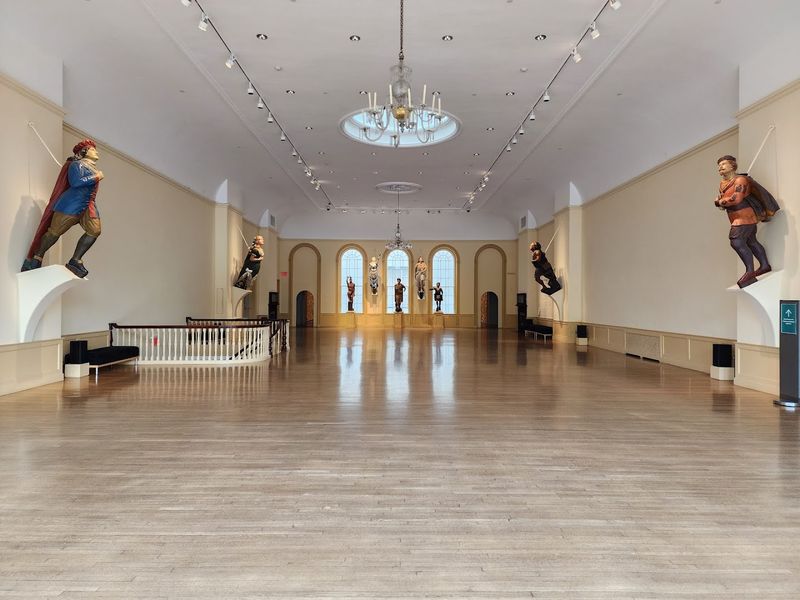
The Peabody Essex Museum in Salem deserves to be known for far more than its location. While many visitors come to town focused on witch history, PEM offers one of the most ambitious and rewarding museum experiences in Massachusetts.
It combines global art, design, and maritime history at a scale that can genuinely surprise you.
The museum’s strengths include Asian export art, historic houses, ocean-related collections, and changing exhibitions that often feel current and visually impressive. The spaces are polished and varied, so the visit never settles into one repetitive rhythm.
There is always another turn that shifts the mood.
I like PEM because it can satisfy different kinds of curiosity in a single trip. If you care about craftsmanship, international exchange, architecture, or New England’s seafaring past, you will find something meaningful here.
It feels broad without becoming unfocused.
Give this museum real time, not just a quick add-on to Salem sightseeing. It is sophisticated, substantial, and one of the state’s most underrated major institutions.
Hammond Castle Museum
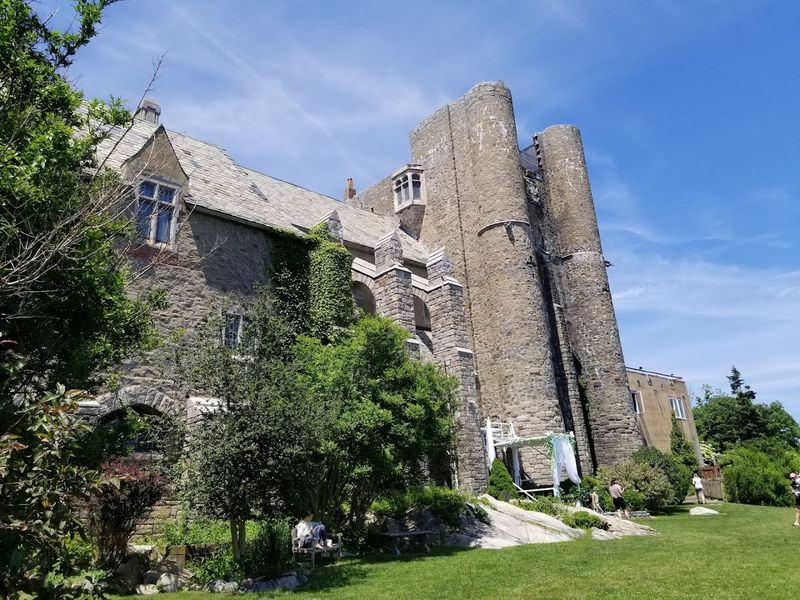
Hammond Castle Museum is one of those places where the building is already enough to justify the trip. Perched above the water in Gloucester, this medieval-style castle was built by inventor John Hays Hammond Jr., and it manages to feel theatrical, eccentric, and historically fascinating all at once.
You do not need to be a castle person to enjoy it.
The interiors are full of dramatic stonework, arches, courtyards, and collected architectural fragments that create a strange, memorable atmosphere. At the same time, the site tells a real story about Hammond’s life, scientific work, and habit of blending innovation with spectacle.
It is much more than a photo backdrop.
I love museums that feel slightly improbable, and this one absolutely qualifies. You get coastal views, Gilded Age personality, and just enough mystery to keep things interesting.
It is easy to imagine spending longer here than planned.
If you want a museum visit with a strong sense of place, Hammond Castle delivers. It is quirky, scenic, and genuinely worth the detour.
Plimoth Patuxet Museums
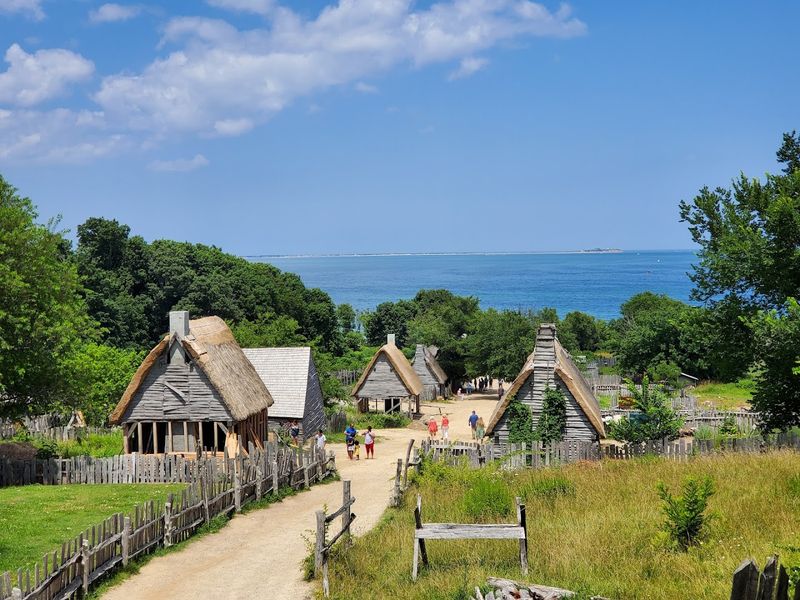
Plimoth Patuxet Museums in Plymouth goes far beyond the simplified Thanksgiving version of early New England. This living history site explores both 17th-century colonial life and Wampanoag history, giving visitors a more layered understanding of encounter, adaptation, and survival.
If you arrive expecting something old-fashioned, you may be pleasantly surprised.
The immersive settings help the past feel textured and human. Colonial homes, working spaces, and interpreted landscapes let you ask practical questions about food, labor, religion, and daily routines, while the Indigenous perspective adds essential context that many older narratives ignored.
That balance matters.
I appreciate that the site can spark reflection as much as curiosity. It is not just about reenactment or costume appeal.
Done well, living history can help you understand how people negotiated difficult realities, and this museum often reaches that deeper level.
Give yourself time to move slowly and talk with interpreters. Plimoth Patuxet is one of Massachusetts’ most valuable historical experiences when you want nuance, not mythology.
Springfield Museums Complex
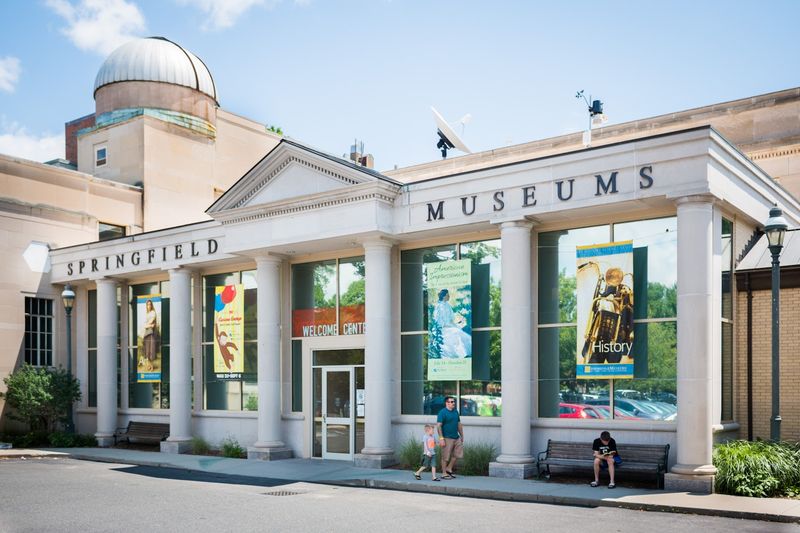
The Springfield Museums Complex is perfect if you want range without planning a complicated museum crawl. This group of museums brings together art, science, history, and the city’s connection to Dr. Seuss in one compact campus, which makes it especially good for mixed interests and mixed ages.
You can build a day that feels custom without much effort.
What makes the complex stand out is the variety. One hour can lean toward fine art or natural science, and the next can shift into regional history or literary nostalgia tied to Springfield-born Theodor Geisel.
That kind of flexibility keeps everyone engaged.
I like this place because it feels generous rather than overwhelming. The campus setup makes it easy to take breaks, reset, and choose your own pace.
You are never trapped in one long, tiring museum experience unless you want to be.
If you are traveling through western Massachusetts, this is a strong and practical stop. It delivers depth, family appeal, and enough diversity to justify several hours without feeling repetitive.
The Spellman Museum of Stamps & Postal History
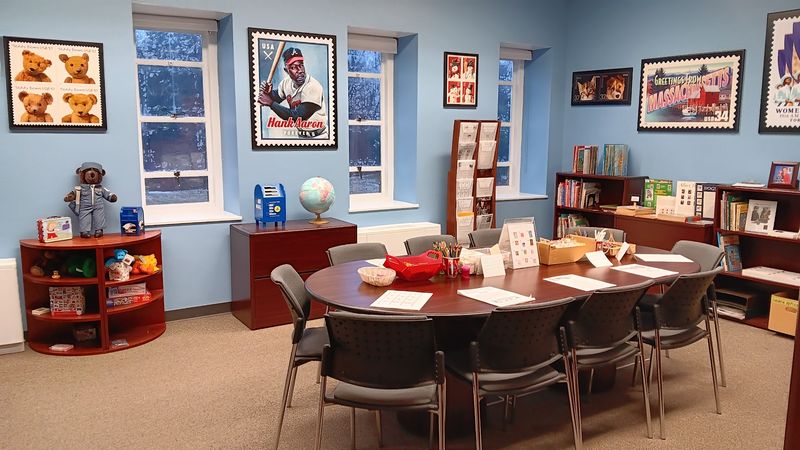
The Spellman Museum of Stamps and Postal History in Weston sounds niche, and it is, but that is exactly why it works. A good specialty museum can make an ordinary subject feel unexpectedly rich, and this one shows how stamps and mail connect to politics, design, technology, travel, and identity.
You start with tiny objects and end up thinking globally.
The exhibits often reveal stamps as miniature works of art as well as historical documents. Postal systems tell stories about empire, communication networks, national branding, and everyday life in ways that are more interesting than many people expect.
The scale of the material invites close attention.
I like how manageable and curious this museum feels. You do not need prior knowledge to enjoy it, and there is something satisfying about discovering meaning in objects most people overlook.
It turns a familiar part of daily life into cultural history.
If you enjoy offbeat museums with real substance, add this one to your list. It is clever, educational, and refreshingly different from standard museum fare.