

Scattered across the United States, Underground Railroad sites tell stories of courage, resilience, and the fight for freedom. From hidden safe houses to historic churches and waypoints, each location feels powerful, poignant, and deeply human. Walking these grounds connects visitors to the lives of those who risked everything for liberty.
These landmarks showcase not only the journeys of escaping enslaved people but also the bravery of allies who offered shelter and guidance. Many are preserved as museums or interpretive sites, blending history with storytelling that is both educational and moving. Visiting them allows travelers to reflect on the complexities of America’s past.
Josiah Henson Museum & Park (Dix Hill, MD)
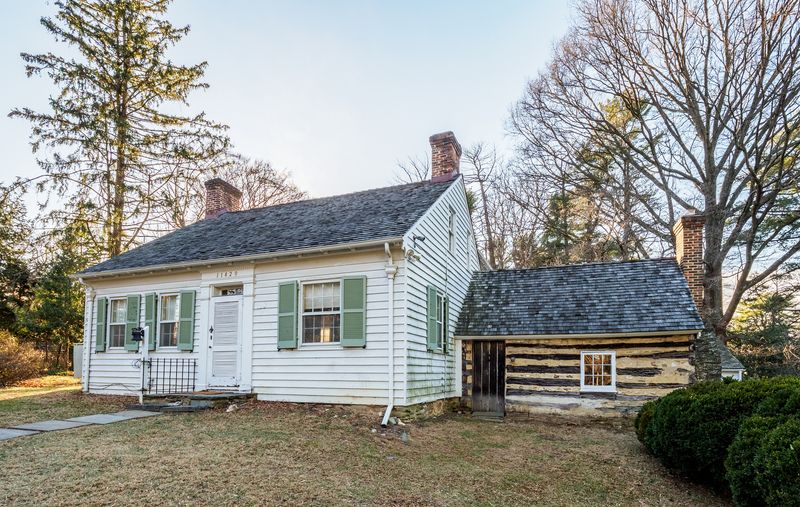
Nestled in Maryland, this museum honors Josiah Henson, whose escape from enslavement inspired Harriet Beecher Stowe’s “Uncle Tom’s Cabin.” The serene landscape houses exhibits that reveal Henson’s life and legacy. Walking through the rooms, one can almost hear the whispered tales of bravery that spiraled out from these walls.
The park not only showcases artifacts but also captures the essence of Henson’s journey to freedom. Interactive displays bring history to life, making it an engaging experience for visitors. With its commitment to preserving Henson’s story, the museum stands as a beacon of hope and resilience.
A visit here offers insight into the struggles and triumphs of those who sought freedom against all odds, forever shaping American history.
Harriet Tubman Underground Railroad National Historical Park (Church Creek, MD)
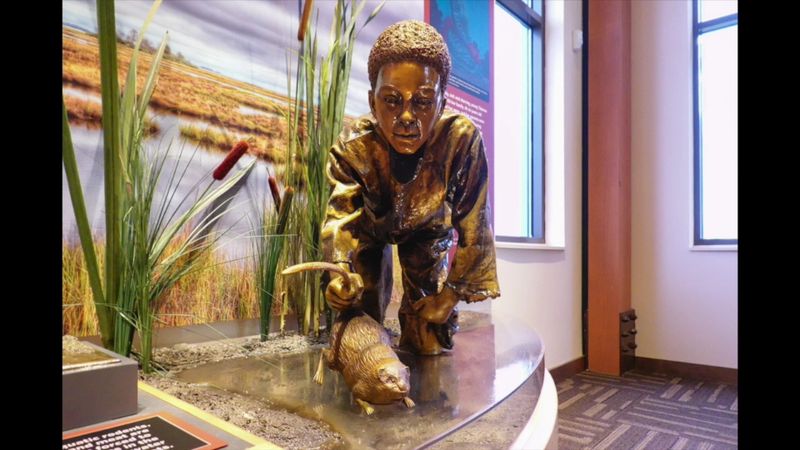
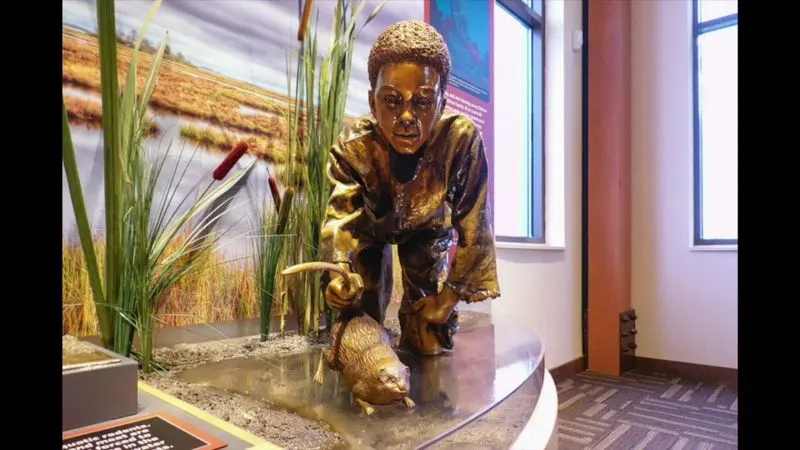
In the heart of Maryland’s Eastern Shore, this park celebrates Harriet Tubman’s indomitable spirit. Known as the “Moses of her people,” Tubman led many enslaved people to freedom, and her courage echoes throughout this sanctuary. Visitors are drawn into her world through immersive exhibits.
The park’s trails and landscapes mirror the arduous paths Tubman once traversed. Interpretive programs and guided tours offer a profound connection to her life’s work and the courage it took to stand against oppression.
Stepping onto these grounds is akin to stepping back in time, where the whispers of history urge us to remember and honor those who risked everything for liberty.
John Rankin House (Ripley, OH)
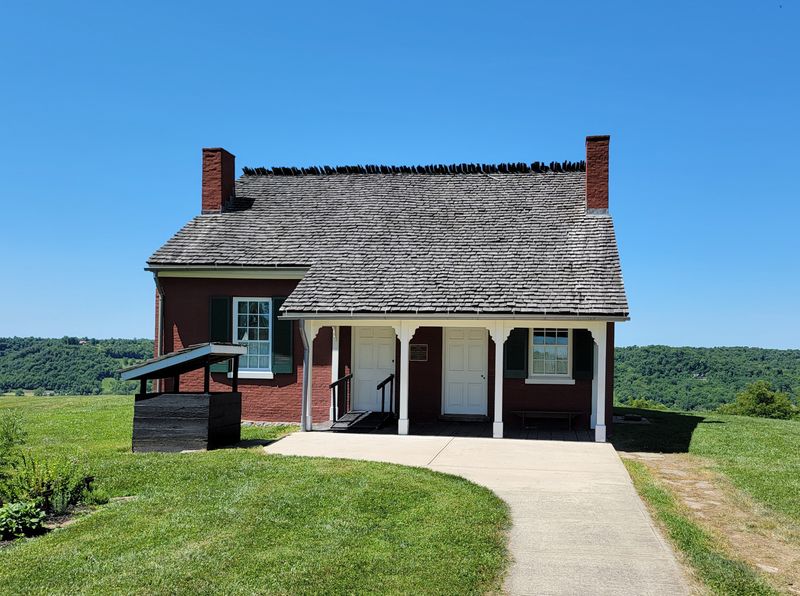
Perched high above the Ohio River, the John Rankin House tells tales of courage and compassion. This historic home served as a beacon of hope for those seeking freedom across the river. The view from the hilltop is as breathtaking as the stories it holds.
Inside, the house is filled with memorabilia and narratives of the brave souls who passed through. Rankin, a minister and abolitionist, made his home a lifeline for countless individuals escaping slavery.
Each corner of the house echoes with the legacy of kindness and bravery, offering a powerful reminder of the strength of the human spirit in the fight for freedom.
Thaddeus Stevens & Lydia Hamilton Smith Historic Site (Lancaster, PA)
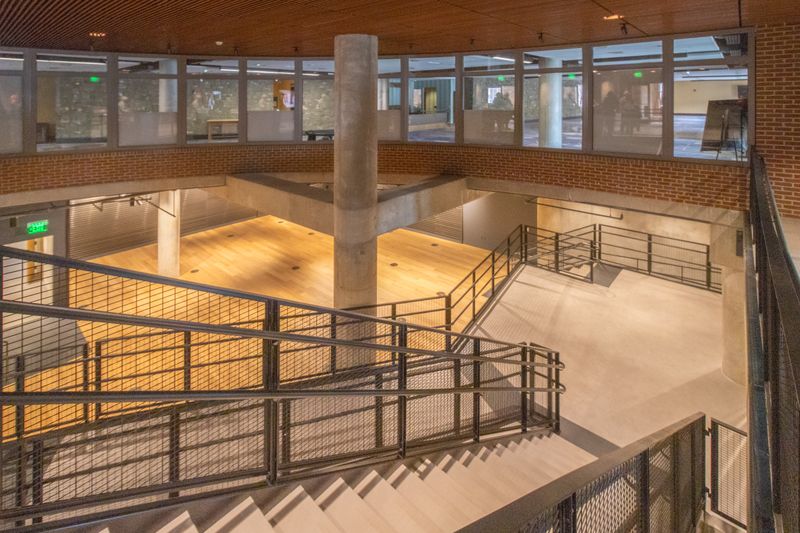
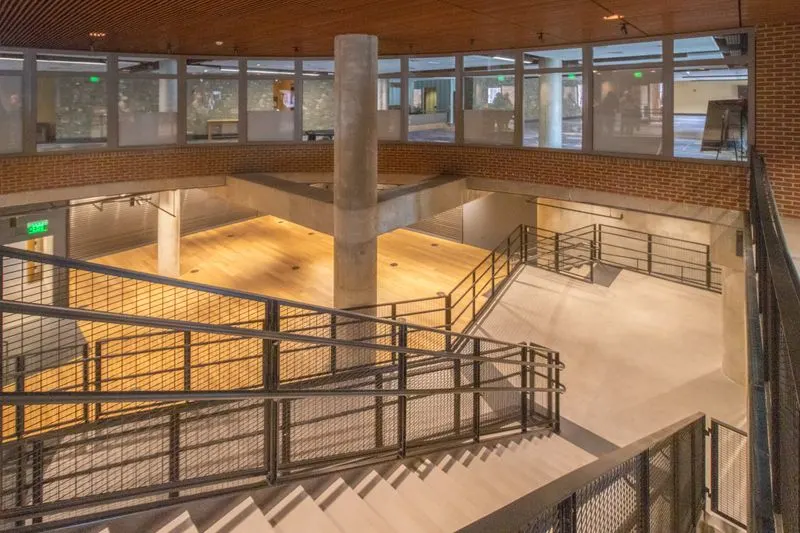
In the heart of Lancaster, the site dedicated to Thaddeus Stevens and Lydia Hamilton Smith offers a glimpse into the lives of two pivotal figures in the abolitionist movement. Stevens, a fiery congressman, and Smith, his courageous housekeeper, worked tirelessly for the cause.
The historic site includes their former home and law office, where plans for liberation were often crafted. Walking through the rooms, one can sense the urgency and passion that fueled their efforts.
With each artifact and story, visitors gain insight into the lives of those who fought not just with words, but with unwavering conviction, forever changing the course of history.
Wilson’s Creek National Battlefield / Underground Railroad Sites (Republic, MO)
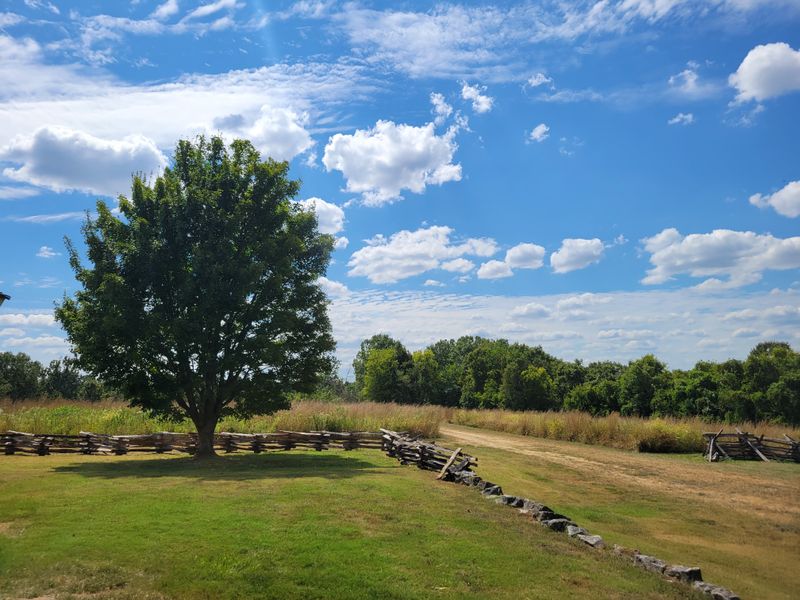
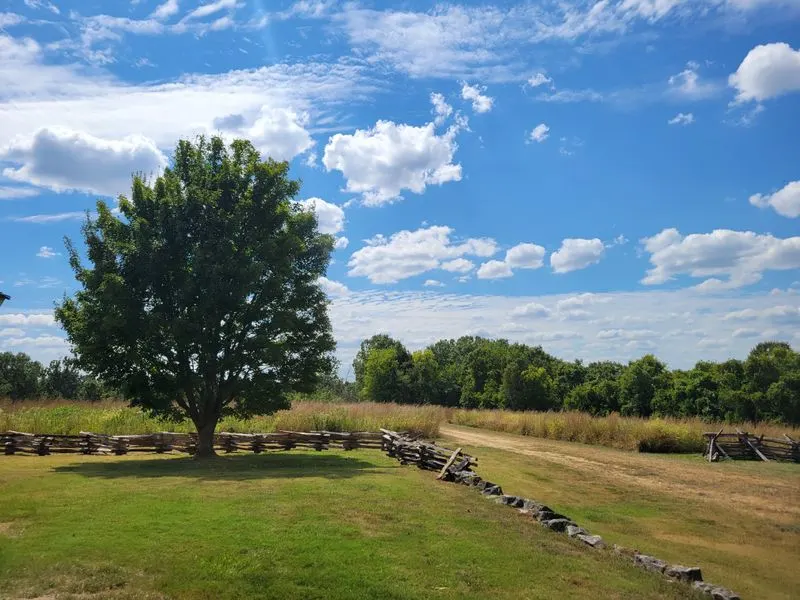
This battlefield is more than a reminder of Civil War conflicts; it also holds a deep connection to the Underground Railroad. Encompassing over 2,000 acres, the site offers a glimpse into a turbulent time when bravery knew no bounds.
Guided tours and programs highlight the area’s dual significance, focusing on the battlefield’s history as well as its role in the journey to freedom. The landscape, dotted with markers, speaks volumes of the sacrifices made on these grounds.
Visitors leave with a renewed understanding of the intertwined stories of war and freedom, and the enduring impact they have on our heritage.
William Still House (Philadelphia, PA)
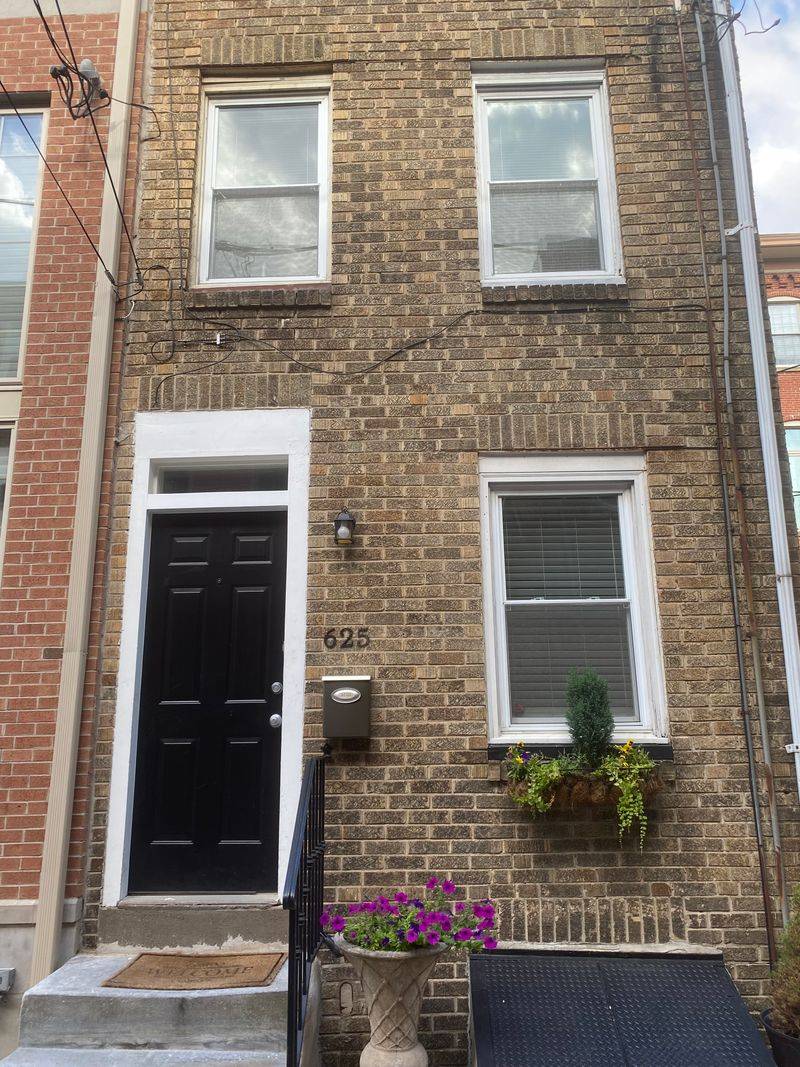
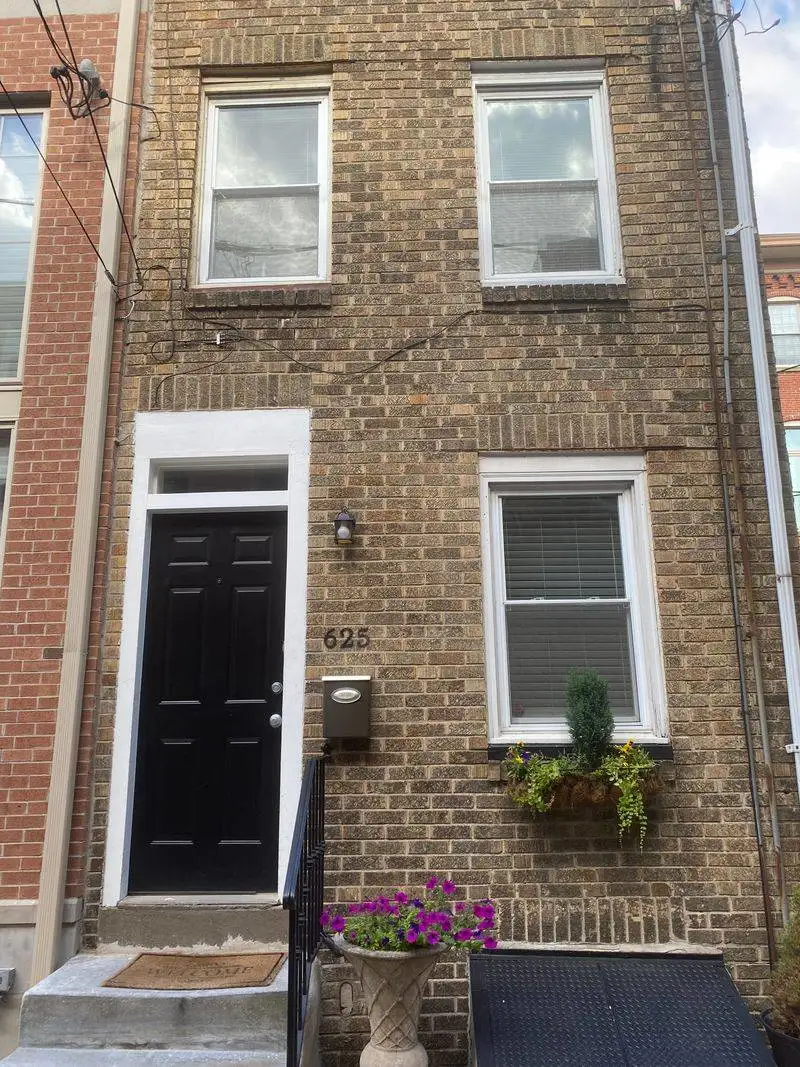
Philadelphia’s William Still House stands as a testament to one man’s dedication to freedom. Often called the “Father of the Underground Railroad,” Still chronicled the stories of those he helped escape bondage.
His former home, now a historic site, provides a rich narrative of the secret network that operated within its walls. Visitors learn about Still’s meticulous records and the risks he took to ensure the success of the Underground Railroad.
The site captures the essence of solidarity and bravery, offering a poignant reminder of the hidden heroes who shaped the fight for freedom.
Uncle Tom’s Cabin Historic Site (Ripley, OH)
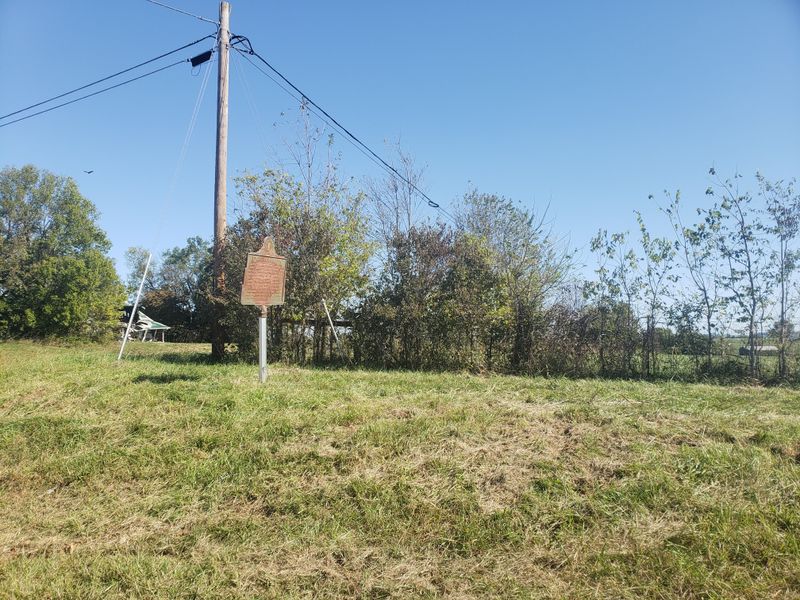
This historic site in Ohio offers more than just a glimpse into the past; it provides a profound connection to the journey of many seeking liberty. Known for its connection to “Uncle Tom’s Cabin,” it stands as a testament to bravery and resilience.
Visitors can explore the cabin and its surrounding grounds, absorbing the stories of the individuals who once sought refuge here. Educational displays delve into the site’s pivotal role in the Underground Railroad.
Every corner of this site whispers tales of courage, making it a powerful symbol of hope and the relentless pursuit of freedom.
Liberty Hall / Liberty Hall Museum (Union, NJ)
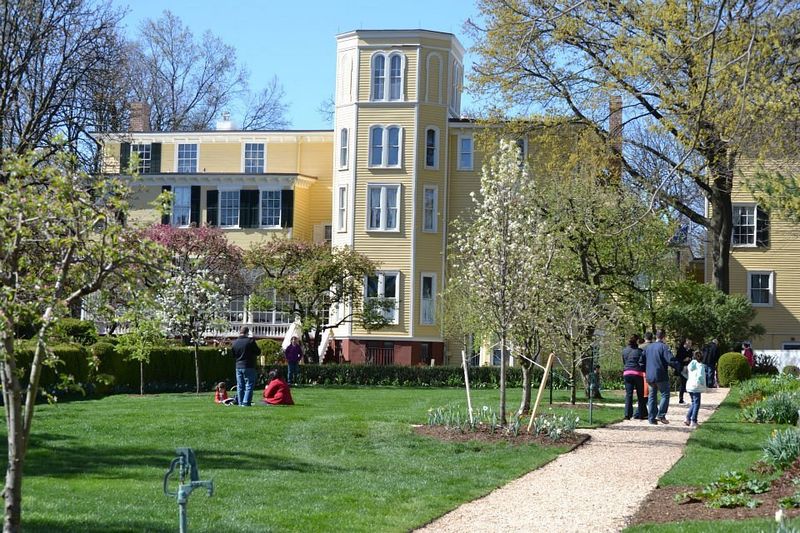
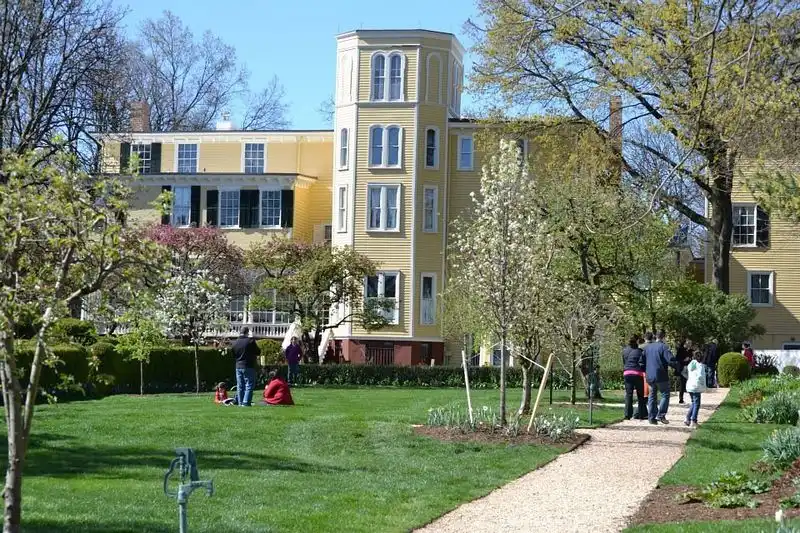
Liberty Hall in New Jersey is more than just a stately mansion; it’s a historical treasure trove. The museum reveals layers of American history, including its significance in the context of the Underground Railroad.
Visitors wander through elegant rooms filled with artifacts and stories of those who fought for freedom. The gardens and architecture reflect the grandeur of a bygone era, yet the whispers of heroism linger.
With each exhibit, the museum showcases the courage and conviction of those who defied oppression, offering a rich tapestry of history that resonates deeply with all who visit.
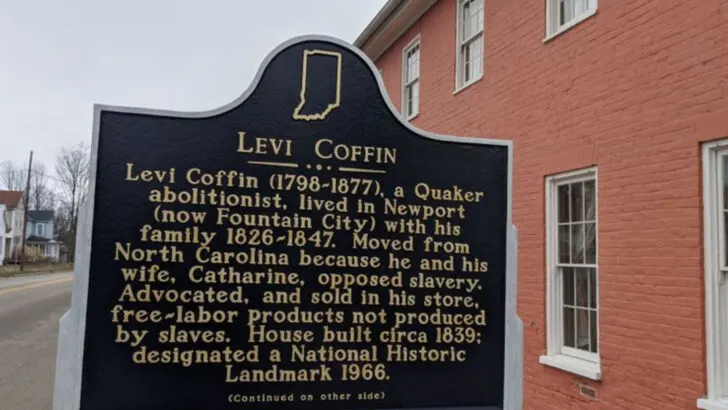
Levi Coffin House (Fountain City, IN)
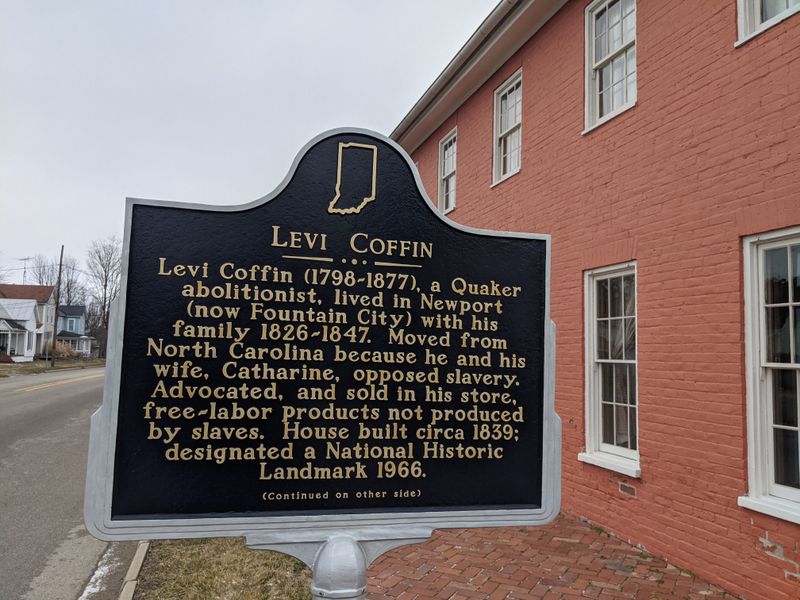
In Indiana, the Levi Coffin House stands as the “Grand Central Station” of the Underground Railroad. Coffin and his wife, Catherine, sheltered over 1,000 freedom seekers, a testament to their fearlessness.
The house, now a museum, is filled with artifacts and stories of those who passed through its doors. Visitors can almost hear the quiet footsteps and hushed voices that once filled these rooms.
The Coffins’ unwavering commitment to justice and humanity is palpable, offering a moving tribute to their significant role in the fight for freedom and equality.
Stevens-Coolidge House & Gardens (North Andover, MA)
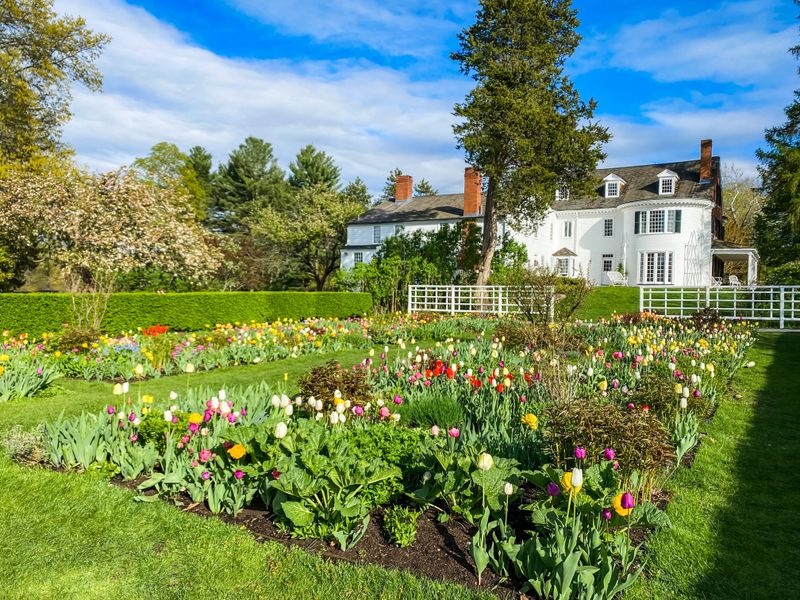
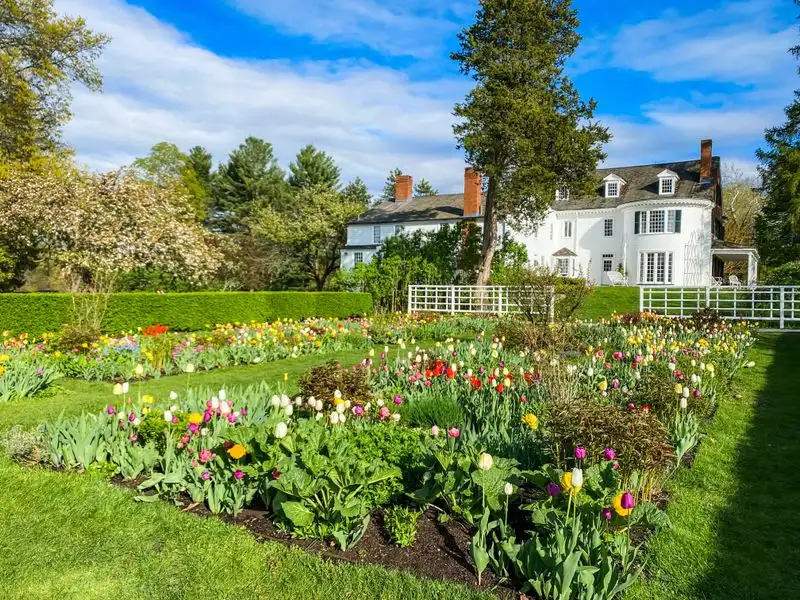
The Stevens-Coolidge House & Gardens in Massachusetts is a haven of beauty and history. While renowned for its exquisite gardens, it also holds a connection to the Underground Railroad.
Visitors are charmed by the estate’s elegance, yet the echoes of history are ever-present. The house offers insights into its role as a silent witness to the era’s struggles and triumphs.
With each step through its picturesque grounds, one is reminded of the courage and hope that permeated this sanctuary, offering a poignant reflection on the past.
Quaker Meetinghouse / Underground Railroad Site (New Bedford, MA)
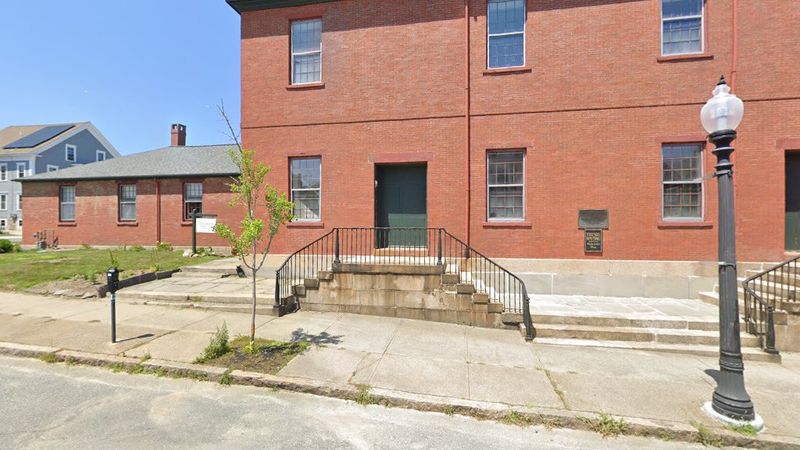
New Bedford’s Quaker Meetinghouse is a testament to the power of faith and determination. Quakers, known for their abolitionist beliefs, made this site a pivotal stop on the Underground Railroad.
The meetinghouse stands as a symbol of the community’s commitment to justice and equality. Inside, stories of courage unfold through its simple, yet profound, architecture.
Visiting this site is a journey into the hearts of those who defied societal norms to stand up for what is right, leaving an indelible mark on history.