North Carolina is full of famous stops, but some of its most memorable places still fly under the radar. If you love scenic overlooks, oddball history, hidden state parks, and spots with real local character, this list will give you plenty to add to your map.
These attractions are not just worth a quick stop – they can easily become the highlight of your trip. Here are 12 underrated places across the state that deserve far more attention than they usually get.
Emerald Village Gem Mines
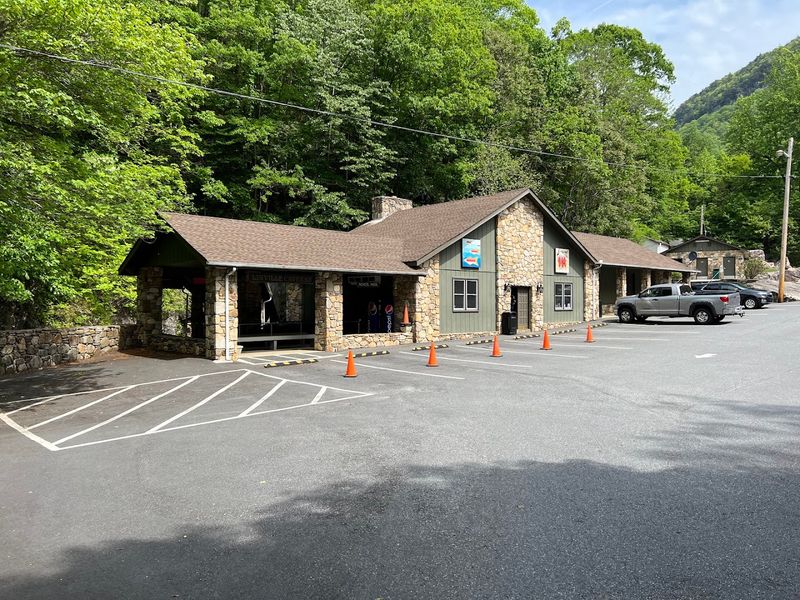
Emerald Village Gem Mines offers a kind of mountain adventure you do not find at every roadside attraction. Located near Little Switzerland in Spruce Pine, it combines historic mining sites, gem panning, mineral exhibits, and underground exploration in one unusually hands-on stop.
The complex includes a collection of real mines, which gives the experience more depth than a simple tourist activity.
If you are even mildly curious about geology, this place can pull you in fast. You can pan for stones, learn how the region became famous for minerals, and walk through exhibits filled with glowing specimens and mining equipment.
It feels educational without becoming dry or overly polished.
I like that it appeals to kids, hobby rock collectors, and adults who just want something different. There is a strong sense of place here because mining shaped this part of western North Carolina for generations.
That local story comes through clearly during a visit.
Plan for more time than you think, especially if you enjoy browsing exhibits. The setting in the mountains adds extra charm, and the variety keeps the visit from feeling repetitive.
It is quirky, informative, and far more memorable than many better known stops nearby.
Linville Caverns
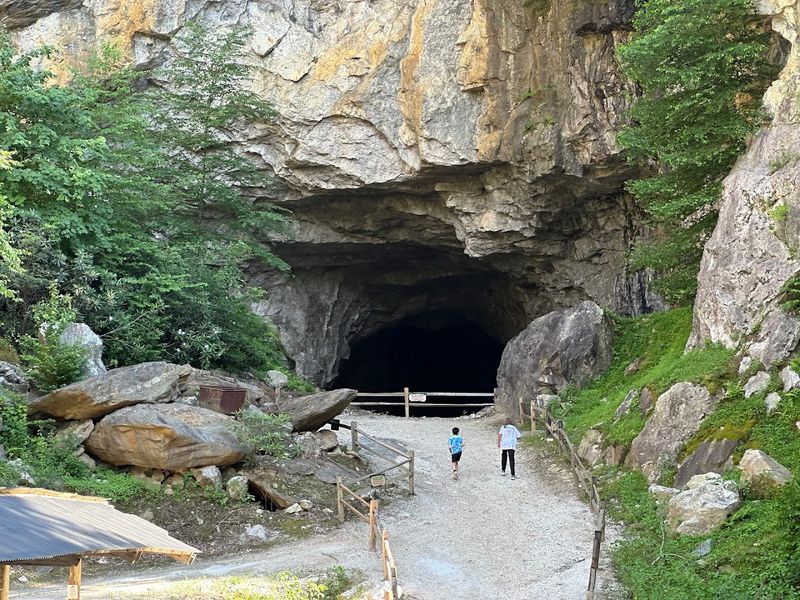
Linville Caverns is one of the easiest ways to see a hidden side of North Carolina that many visitors never consider. Near Marion, this cave system offers guided tours through cool passageways, underground water, and rock formations shaped over countless years.
It is also the state’s only commercial cavern, which alone makes it worth a closer look.
The tour is not flashy, and that is part of the appeal. Instead of oversized gimmicks, you get a grounded, informative walk through a natural space where darkness, moisture, and silence create a completely different mood from the mountain views outside.
The underground stream and trout add an extra layer of surprise.
You should know the cave stays chilly and the paths can be damp, so practical shoes help. The experience feels intimate because the groups are guided and the setting encourages you to pay attention.
It is a nice contrast to more crowded outdoor attractions nearby.
I would especially recommend Linville Caverns if you want something family friendly that still feels unusual. Pair it with nearby mountain stops and you get a day that balances scenery with something deeper, literally.
It deserves more recognition than it usually gets.
Mystery Hill

Mystery Hill is the kind of attraction you visit expecting a gimmick and leave admitting you had a great time. Located in Blowing Rock, it centers on a famous gravitational anomaly where balls appear to roll uphill and people seem to lean at impossible angles.
Around that core experience, you also get science exhibits, Appalachian heritage displays, and a bit of classic roadside weirdness.
What makes it underrated is that it does more than one thing well. The hands-on demonstrations keep it fun, but the site also includes historic cabins and museum spaces that give the visit more substance than you might assume from the name alone.
It works especially well for families or mixed-age groups.
I appreciate attractions that do not take themselves too seriously, and this one leans into its offbeat personality. You can laugh at the illusion, then turn around and learn something about local history.
That balance keeps the experience from feeling shallow.
If you are already spending time around Boone or Blowing Rock, this is an easy addition to your itinerary. Give yourself an hour or two, bring curiosity, and embrace the silliness.
Not every memorable stop needs to be grand, and Mystery Hill proves it.
Reed Gold Mine State Historic Site
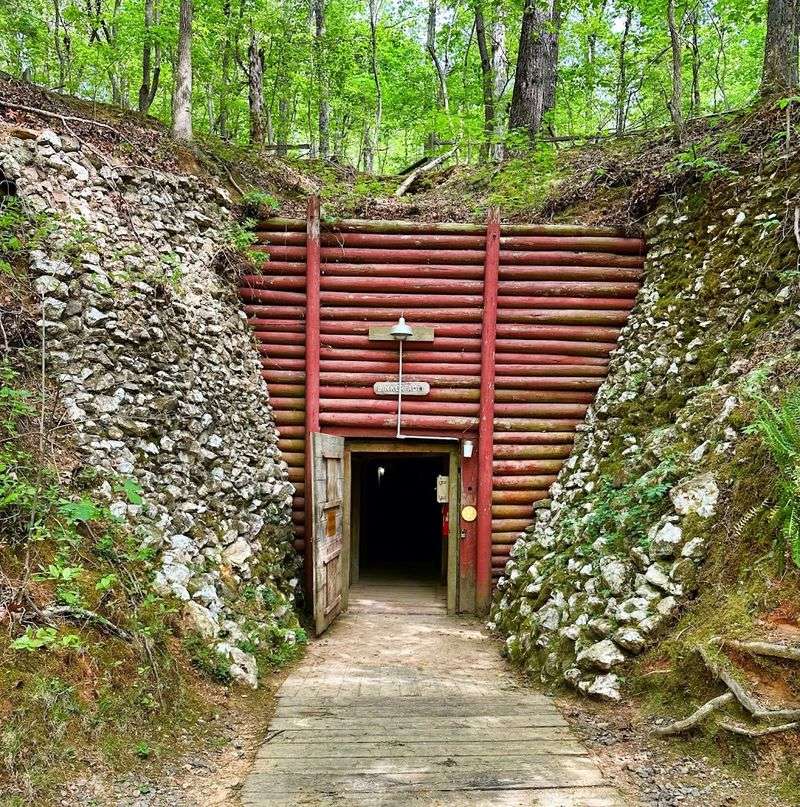
Reed Gold Mine State Historic Site tells a national story that surprisingly few travelers know. In 1799, the first documented gold discovery in the United States happened here in Midland, launching a Carolina gold rush long before California became famous.
Today, the site combines history exhibits, a reconstructed underground tunnel, and seasonal gold panning in a way that feels approachable and genuinely interesting.
You do not need to be a history buff to enjoy it. The museum explains how one unexpected find changed the region, and walking through the mine tunnel helps make that story tangible.
Seeing the tools, terrain, and simple conditions adds perspective that books rarely provide.
I think this place stands out because it connects local history to a larger American narrative. It is modest in scale, but the significance is huge, which makes the experience feel like discovering a secret.
That contrast is exactly why it belongs on an underrated list.
If you visit, take time to read the exhibits rather than rushing straight to the tunnel. The details about mining life, family discovery, and regional economics are what give the site real weight.
It is educational, affordable, and far more memorable than many travelers expect.
Körner’s Folly
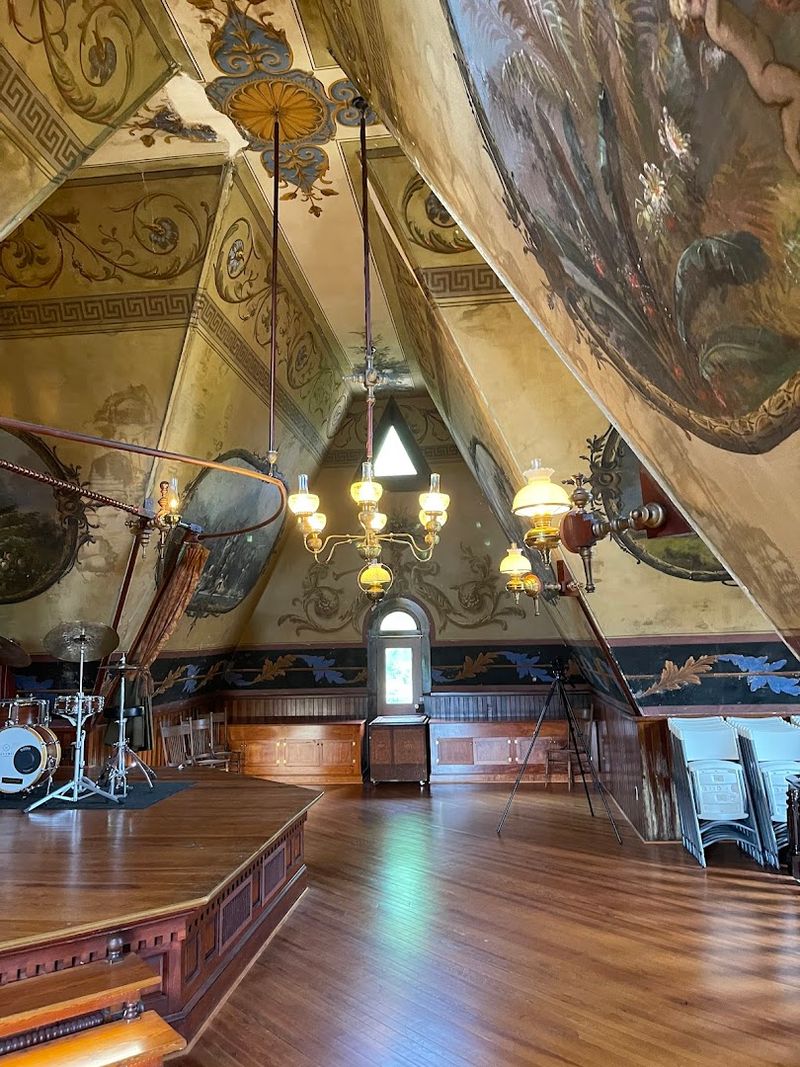
Korner’s Folly feels less like a house museum and more like wandering through someone’s wonderfully overactive imagination. Built in Kernersville by artist and designer Jule Gilmer Korner, this late nineteenth century home features 22 rooms across seven levels, with unexpected stairways, unusual ceiling heights, hand painted details, and theatrical flourishes almost everywhere you look.
It is eccentric, beautiful, and impossible to confuse with any other historic property.
What I like most is that the house does not hide its personality behind velvet rope formality. Each room reveals another creative decision, and the architecture reflects Korner’s work in interior design and theater.
You are not just seeing furniture and wallpaper – you are seeing ambition turned into a living structure.
Because it sits in the Piedmont rather than a major tourist corridor, many people have never heard of it. That is a shame, because it is one of the most distinctive historic homes in the state.
It rewards slow looking and a little curiosity.
If you enjoy art, design, or strange historic spaces, this place is easy to love. Guided or self paced visits both work well because there is so much visual detail to absorb.
Korner’s Folly is quirky in the best possible way.
Merchants Millpond State Park
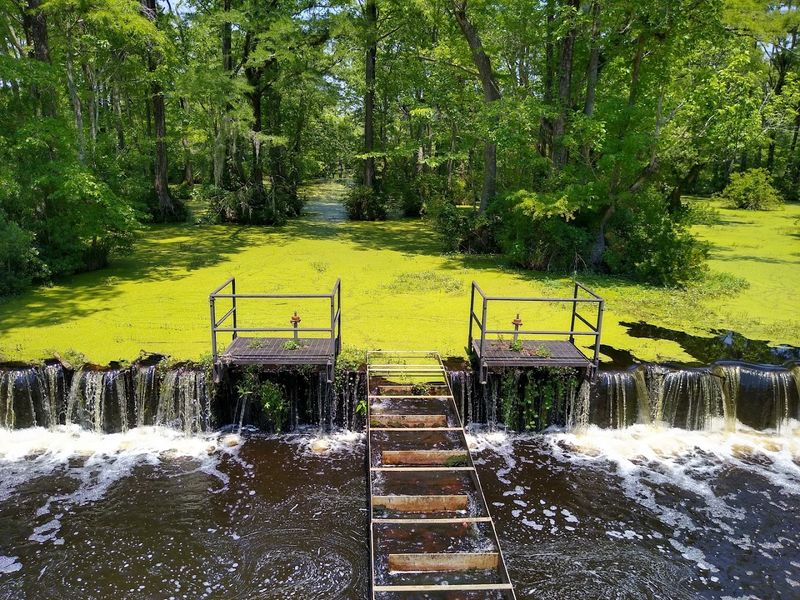
Merchants Millpond State Park looks like a place where time slowed down and nature quietly took over. In the northeastern part of the state near Gatesville, this park protects a rare millpond and swamp ecosystem filled with cypress trees, water lilies, Spanish moss, and reflective blackwater channels.
Paddle here and you may feel like you have drifted into another region entirely.
The park is underrated because it offers a very different version of North Carolina beauty. Instead of mountain overlooks or ocean beaches, you get still water, haunting tree lines, and a rich habitat for birds, turtles, and other wildlife.
It is peaceful, but never boring.
I would strongly recommend renting a canoe or kayak if conditions allow. Experiencing the millpond from the water gives you the full effect, especially in early morning when the light is soft and the swamp feels almost prehistoric.
Hiking trails are nice, but paddling is the real highlight.
This is the kind of park that rewards patience and quiet attention. Bring binoculars, move slowly, and expect a more immersive experience than a checklist destination.
If you want a state park that feels atmospheric and unforgettable, Merchants Millpond absolutely deserves more love.
Jockey’s Ridge State Park
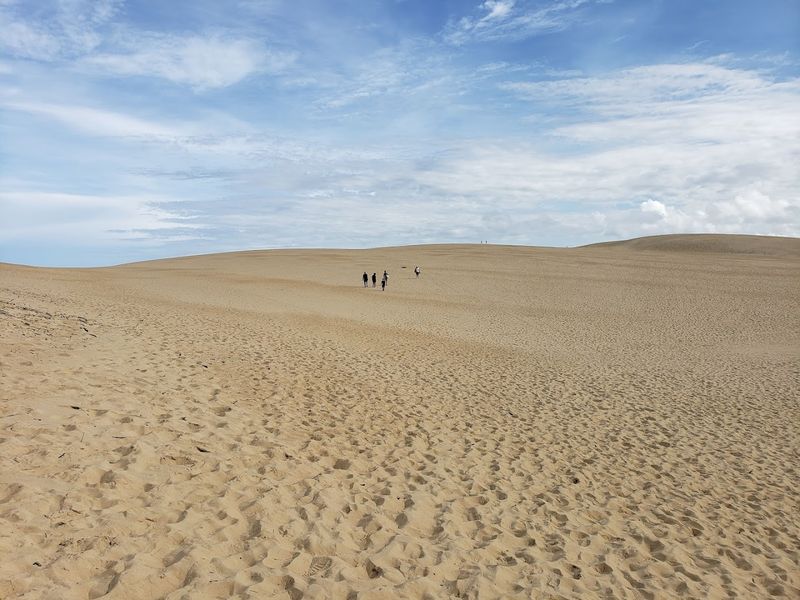
Jockey’s Ridge State Park is not exactly unknown, but it still feels underrated for how spectacular it really is. Located in Nags Head, it protects the tallest natural sand dune system on the East Coast, creating a shifting landscape that looks more like a desert dropped beside the Atlantic.
The scale surprises you immediately, especially when you start climbing.
What makes this place special is how many ways there are to enjoy it. You can hike across the dunes, fly a kite, watch hang gliders, or simply settle in for one of the best sunset views on the Outer Banks.
The experience changes constantly with wind, light, and season.
I think some travelers treat it like a quick roadside photo stop, which undersells it badly. If you give yourself time to wander, the open space becomes the attraction, and the lack of structure is part of the magic.
It feels freeing in a way that crowded beach spots often do not.
Bring water, wear shoes that can handle hot sand, and stay for golden hour if possible. The view of sky, dune, and sound becomes extraordinary as the light drops.
For a place this iconic, it still somehow does not get enough full appreciation.
Town Creek Indian Mound
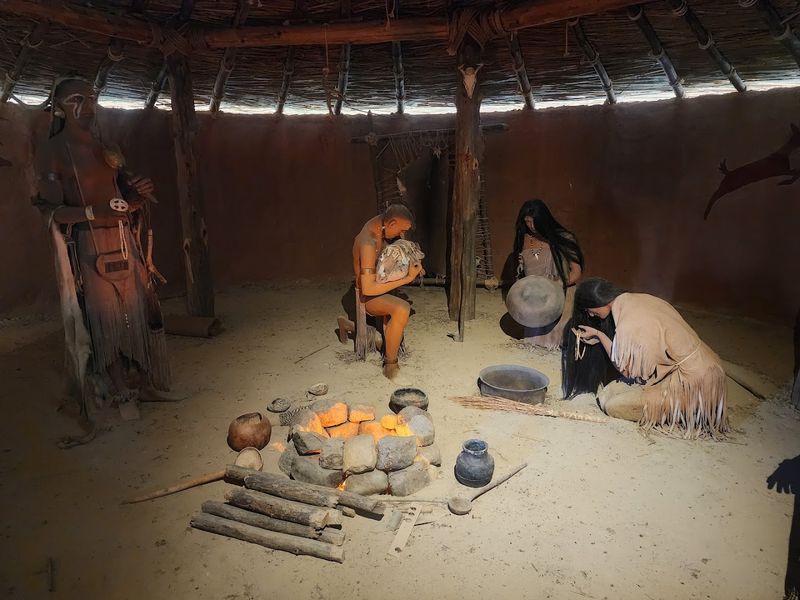
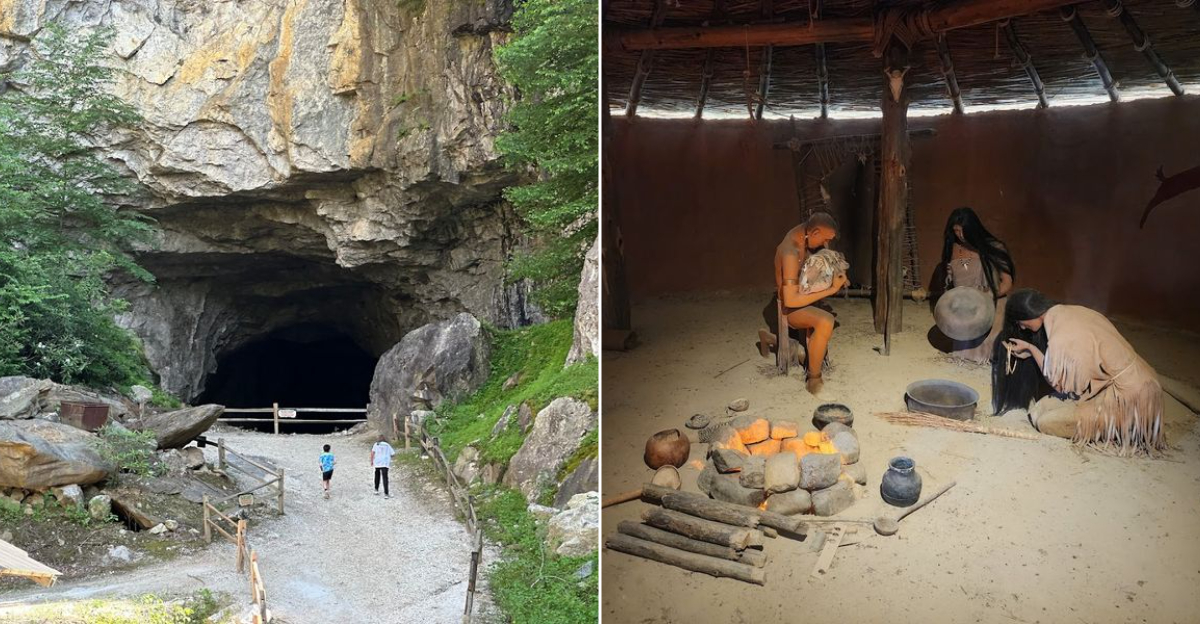
Town Creek Indian Mound is one of the most important Indigenous historic sites in North Carolina, yet many travelers have never even heard of it. Located near Mount Gilead, it preserves and interprets a reconstructed ceremonial center associated with the Pee Dee culture, including an earthen mound, palisade, and village structures.
The site offers a rare chance to engage with precolonial history in a physical, grounded way.
What stands out here is the combination of archaeology and atmosphere. You are not looking at history through a single glass case – you are walking through a landscape where ceremonies, politics, and community life once unfolded.
That direct spatial experience makes the past feel more immediate.
I think it deserves more attention because it helps correct a common travel blind spot. Too many itineraries skip Indigenous history or reduce it to a paragraph, but this site invites deeper understanding.
The interpretation is thoughtful and the setting encourages reflection.
Give yourself enough time to explore both the visitor center and the outdoor reconstructions. Reading the exhibits adds essential context, and the open grounds let that context sink in.
If you value meaningful travel, Town Creek Indian Mound belongs on your list.
Bentonville Battlefield State Historic Site
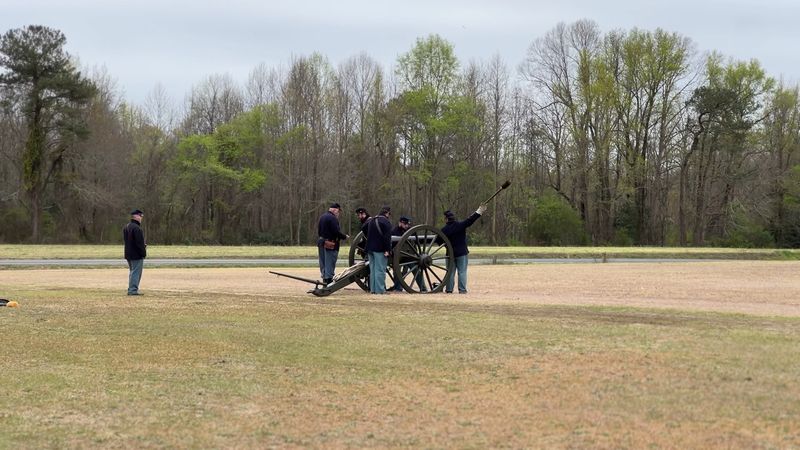
Bentonville Battlefield State Historic Site preserves the ground where the largest Civil War battle in North Carolina took place. Near Four Oaks, this expansive landscape marks the final major Confederate offensive against Union forces under Sherman in March 1865.
The scale of the site helps you understand the conflict in a way that maps and textbooks rarely can.
What makes Bentonville memorable is its sense of space and seriousness. You can visit the Harper House, follow driving or walking tours, and stand in quiet fields that once held intense fighting and chaos.
The interpretation does a strong job connecting military movements with the lives of soldiers and civilians.
I think this site deserves more attention because it feels both historically significant and emotionally grounded. It is not overproduced, and that restraint works in its favor.
You have room to think, absorb, and imagine the enormity of what happened here.
If you go, start at the visitor center so the battlefield stops make more sense. The exhibits give the landscape meaning, and the preserved setting invites a slower, more reflective visit.
For anyone interested in American history, Bentonville is a powerful and underrated destination.
Duplin Winery
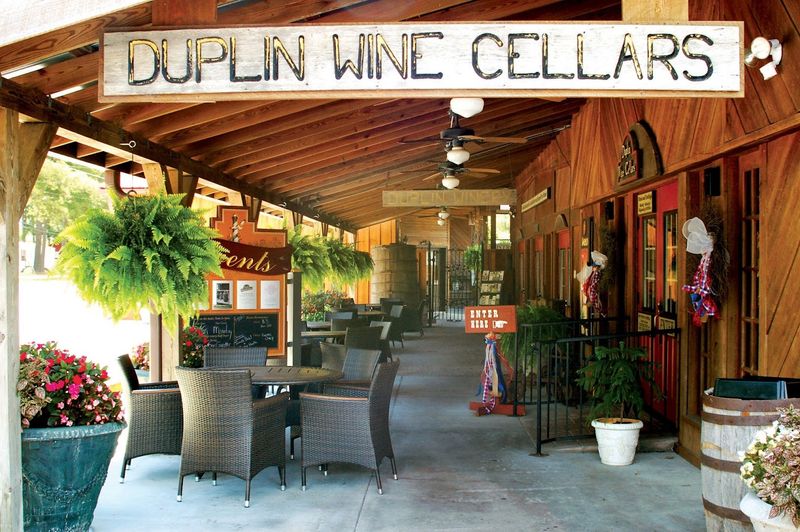
Duplin Winery in Rose Hill is a reminder that North Carolina’s food and drink culture has deep regional roots. Known as the oldest and largest muscadine winery in the United States, it celebrates a grape that is strongly tied to the South and often overlooked by travelers chasing more familiar wine regions.
A visit here feels less formal than many winery experiences, which is part of its appeal.
You can sample a range of wines, learn about muscadine production, and get a clearer sense of how local agriculture shaped this business. The atmosphere tends to be welcoming rather than intimidating, making it easy to enjoy whether you know a lot about wine or not.
That accessibility makes the stop especially enjoyable.
I think it is underrated because people often dismiss sweet or regional wines too quickly. Duplin offers a chance to appreciate a distinct tradition on its own terms, and that makes the experience more culturally interesting than a generic tasting room.
It feels tied to place.
If you are exploring eastern North Carolina, this is a fun stop to pair with other attractions in Rose Hill. Go in with an open mind and try something outside your usual preferences.
You may leave with a better understanding of local flavor and a bottle you did not expect to like.
World’s Largest Frying Pan
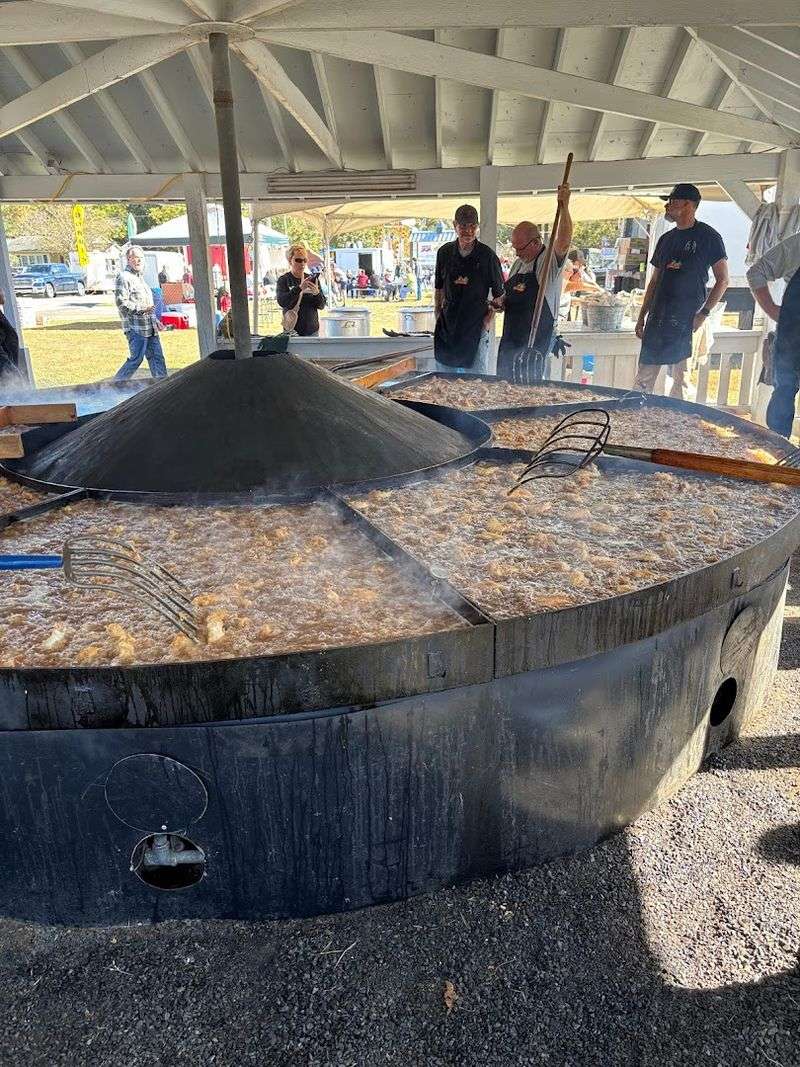
The World’s Largest Frying Pan in Rose Hill is exactly the kind of roadside attraction that can make a trip more memorable. At first glance it seems purely goofy, and honestly, that is part of the charm.
But this oversized pan also reflects local agricultural heritage and the town’s long connection to events celebrating food, farming, and community identity.
I think quirky attractions work best when they carry a genuine local story, and this one does. It is not trying to be profound, but it does offer a quick, fun way to connect with the personality of Rose Hill.
In a travel landscape filled with polished sameness, that kind of small town oddity feels refreshing.
You are not going to spend half a day here, and that is fine. This is a classic short stop for stretching your legs, taking a photo, and enjoying something unapologetically offbeat.
Sometimes that is exactly what a road trip needs.
If you are already visiting Duplin Winery or passing through eastern North Carolina, it makes perfect sense to add this to your route. Embrace the silliness and read up on the background while you are there.
The best underrated attractions are not always grand – sometimes they are just delightfully specific.
House in the Horseshoe State Historic Site
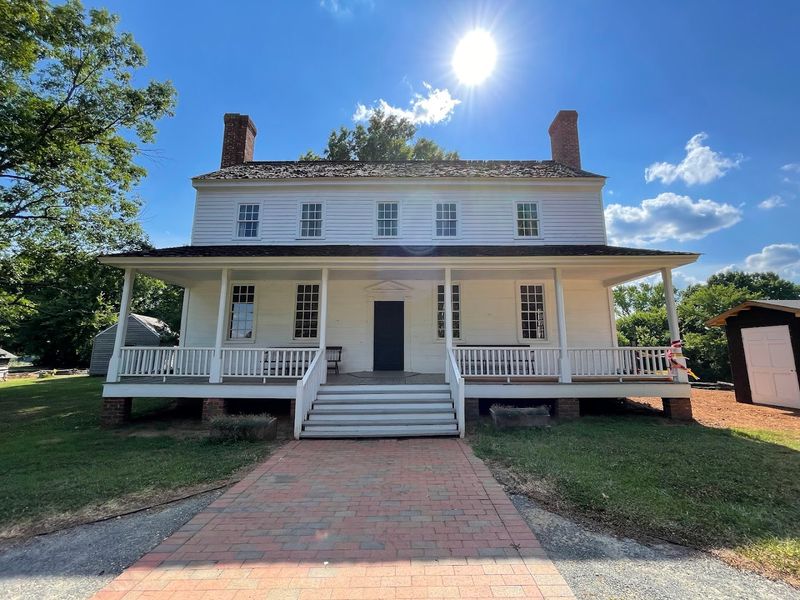
House in the Horseshoe State Historic Site is one of those places where history feels startlingly close. Located near Sanford on a bend of the Deep River, this preserved eighteenth century home is closely tied to the Revolutionary era and still bears visible scars from violent conflict.
That physical evidence gives the site an immediacy many historic houses simply cannot match.
The appeal here is not grandeur but authenticity. The house stands in a rural setting that helps you imagine daily life, while the interpretation explains how divided loyalties and military actions affected ordinary people in North Carolina.
Instead of broad patriotic abstraction, you get local history with texture and consequences.
I think this site is especially valuable because it highlights a part of the Revolution that often receives less attention. North Carolina’s backcountry was deeply shaped by the war, and this house helps make that story personal.
It is quieter than bigger battle sites, but no less meaningful.
If you visit, pay attention to the details inside and outside the house, because that is where the story lives. The landscape, structure, and surviving marks all work together to create a powerful sense of place.
House in the Horseshoe is thoughtful, evocative, and highly underrated.