Florida beaches don’t always mean wall-to-wall tourists and packed parking lots.
Hidden along the state’s 1,350-mile coastline are quiet stretches of sand where you can actually hear the waves and find a spot to call your own.
These underrated gems offer the same beautiful water and sunshine without the crowds that flock to the famous hotspots.
Whether you’re seeking total seclusion or just a more relaxed beach day, these peaceful hideaways prove that Florida still has plenty of breathing room.
St. George Island State Park
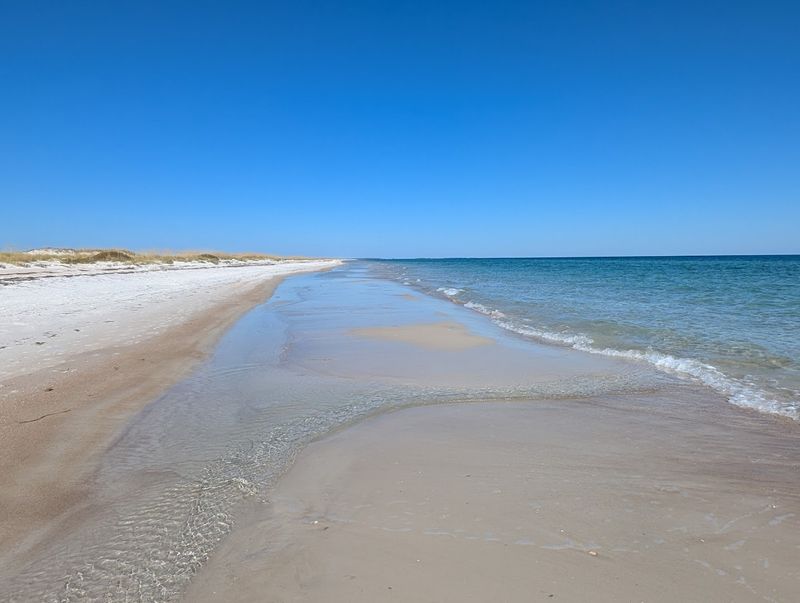
Miles of powdery white sand stretch in both directions with barely another soul in sight. This Gulf Coast barrier island protects nine miles of untouched beaches, giving you the rare gift of space even during spring break madness.
The soft sand feels like walking on clouds, and the gentle waves make it perfect for families with little ones.
Most visitors stick to the main beaches elsewhere in Florida, which means you’ll often have entire sections to yourself here. Pack a cooler and claim your territory for the day.
The state park designation keeps developers away, so there are no towering condos blocking your sunset views.
Early mornings bring shorebirds hunting for breakfast along the tideline. Bring your binoculars because dolphins frequently cruise just offshore.
The lack of artificial lights makes stargazing spectacular after dark, though camping spots book up fast during peak months.
Cape San Blas
Tucked away on a skinny peninsula that juts into the Gulf, this beach feels like Florida’s best-kept secret. The water stays remarkably calm thanks to the sheltered geography, making it ideal for paddleboarding or letting kids splash without constant wave-watching.
Wide stretches of sand give everyone elbow room, even on beautiful weekends.
You won’t find massive hotel chains or neon-lit beach bars here. Instead, quiet vacation homes and a handful of low-key shops create a neighborhood atmosphere where locals still outnumber tourists.
That residential feel means fewer crowds and more authentic coastal living.
The peninsula curves around, offering different views and vibes depending on which section you explore. Sunrise on the bay side, sunset on the Gulf side—both are equally stunning.
Bring fishing gear because the catches here are legendary, or simply enjoy the unhurried pace that makes you forget which day of the week it is.
Navarre Beach
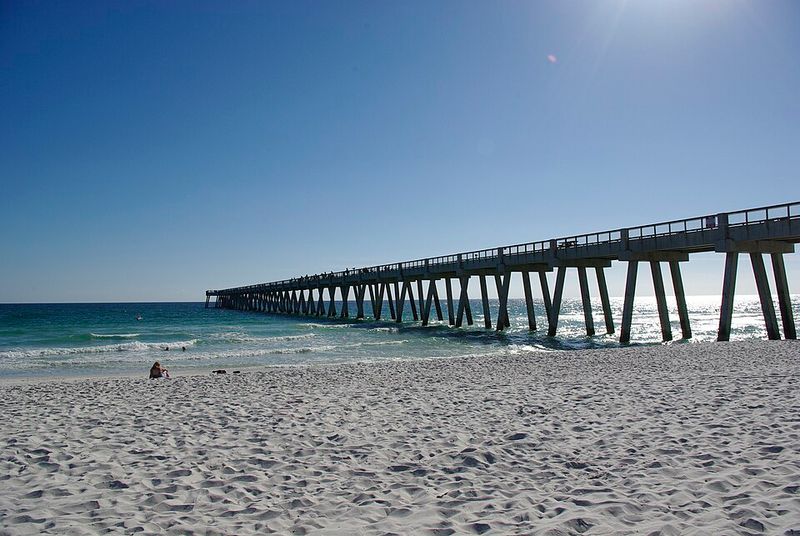
Sitting right between Pensacola and Destin, this beach somehow dodges the tourist stampede that overwhelms its neighbors. The water clarity rivals anything you’d see in the Caribbean, with that gorgeous emerald green that Northwest Florida does so well.
Yet parking spots are actually available, and you won’t be squeezing your towel between a dozen others.
The locals call it Florida’s Most Relaxing Place, and they’re not exaggerating. A long fishing pier extends into the Gulf, perfect for sunset walks when the air cools down.
Small beach shops and casual restaurants keep things simple rather than flashy.
Did you know? Navarre Beach was intentionally kept underdeveloped to preserve the natural dunes and coastal ecosystem.
That decision decades ago now makes it a sanctuary for beach lovers tired of overdevelopment. The gentle waves and gradual depth make swimming easy for all ages, while the uncrowded sand means kids can actually run around freely.
Cayo Costa State Park
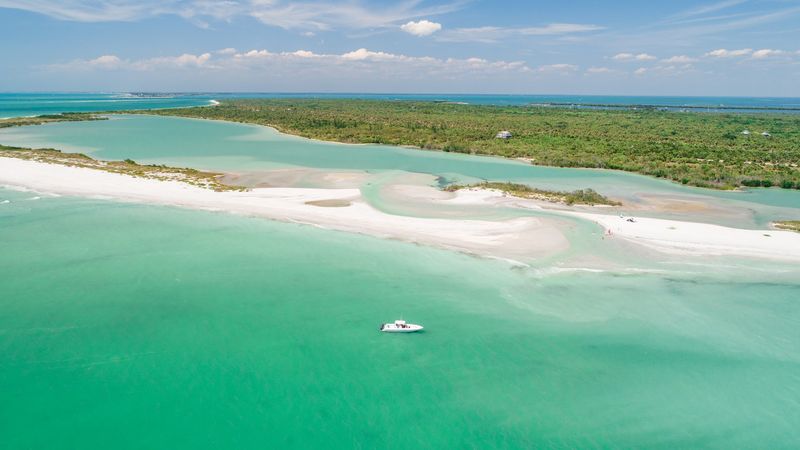
No bridge connects this island to the mainland, which automatically filters out casual beachgoers. You’ll need to catch a ferry or charter a boat, but that small barrier to entry rewards you with one of Florida’s most pristine coastal experiences.
Nine miles of untouched beaches await, where your footprints might be the only ones in the sand.
Wildlife outnumbers people here by a comfortable margin. Dolphins hunt in the shallow waters while ospreys patrol from above.
Shells pile up along the tideline because so few people bother collecting them.
Bring everything you need for the day since there’s no snack bar or gift shop to bail you out. Primitive camping is available for those wanting to extend the solitude overnight.
The island’s wild character feels like stepping back centuries before development changed Florida’s coastline. Just remember to respect the natural environment that makes this place so special—pack out everything you pack in.
Hobe Sound National Wildlife Refuge
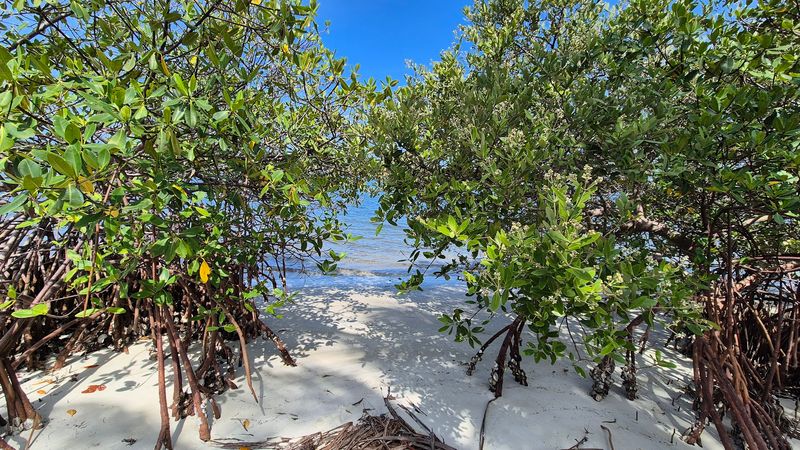
Protected status keeps this Atlantic coast beach refreshingly natural and blessedly quiet. Sea turtles choose these shores for nesting each summer, which tells you everything about how undisturbed it remains.
The wildlife refuge designation means limited parking and facilities, but that’s exactly why it stays peaceful.
Shelling here ranks among the best on Florida’s east coast. Morning walks after high tide reveal treasures washed up overnight.
The beach stretches for miles with minimal development visible, creating that rare feeling of wilderness within reach of civilization.
Unlike jam-packed beaches where you fight for parking and space, Hobe Sound enforces visitor limits to protect nesting habitats. This means you might need to arrive early during peak season, but it also guarantees you won’t be sardined between strangers.
The sound of waves drowns out everything else—no jet skis, no loud music, just authentic beach ambiance. Pack water and snacks since amenities are intentionally minimal to preserve the natural character.
Blowing Rocks Preserve
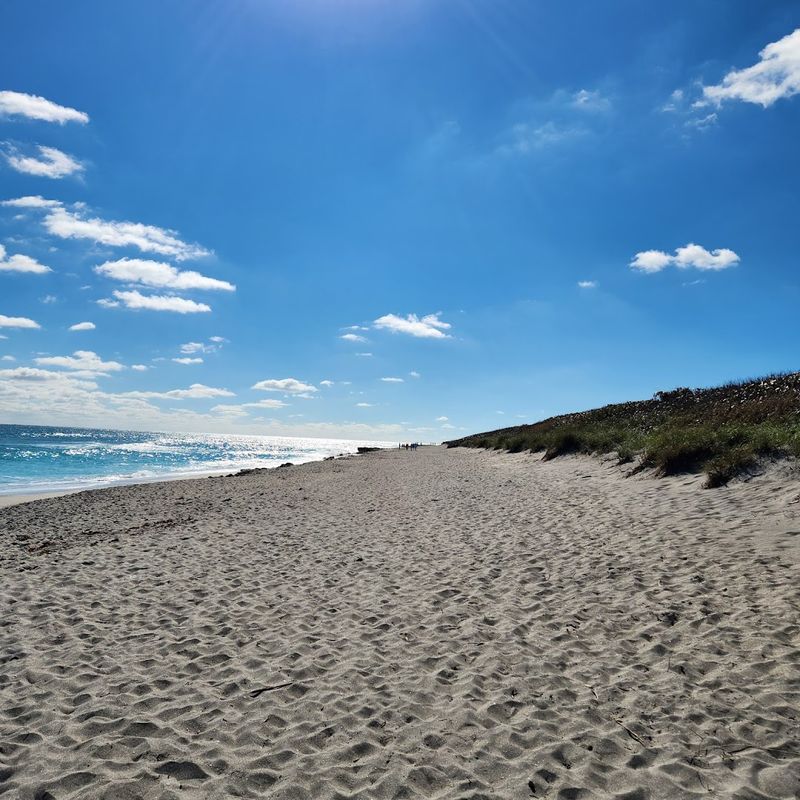
Forget typical Florida beach experiences—this place breaks the mold entirely. Ancient limestone forms a rocky shoreline that erupts with water geysers when waves hit just right during high tide.
The preserve protects this unique geological feature while offering a completely different coastal experience than endless sand.
Swimming takes a backseat here to exploring and photographing the dramatic landscape. Tidal pools trap small fish and crabs, fascinating kids for hours.
The rocky terrain naturally limits crowds since sunbathers seeking traditional beach setups head elsewhere.
Located between more famous Palm Beach County destinations, Blowing Rocks flies under most tourists’ radar despite being incredibly photogenic. The preserve also includes some sandy areas for those wanting variety.
Visit during different tides to see how dramatically the shoreline transforms. Winter storms create the most impressive water shows when swells slam into the limestone.
Just maintain safe distances from the rocks during rough conditions—nature’s power deserves respect here more than most Florida beaches.
Little Talbot Island State Park
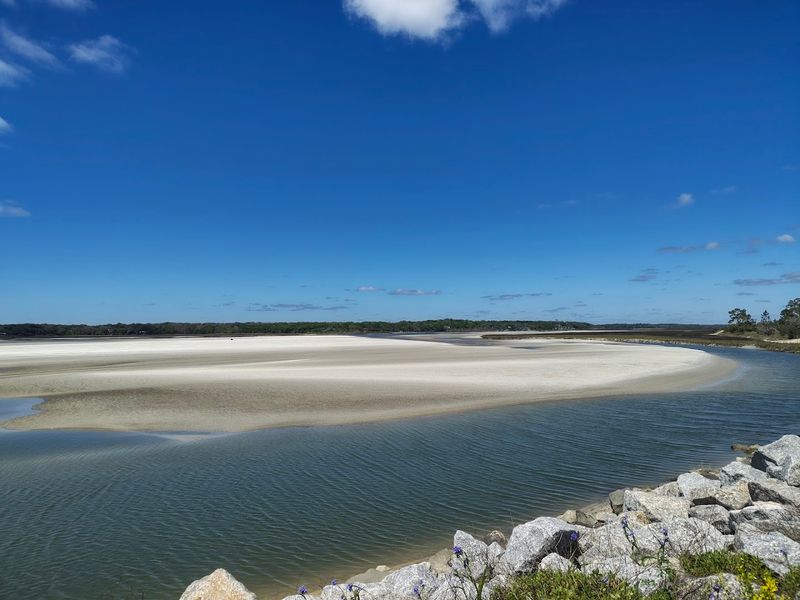
Massive pieces of bleached driftwood create an almost otherworldly landscape along this rugged shoreline. Weather-beaten and salt-sculpted, these fallen trees transform the beach into natural art.
The untouched character feels refreshingly wild compared to Florida’s manicured resort beaches.
Strong winds shape the dunes and bend the coastal vegetation, giving Little Talbot a raw beauty that appeals to photographers and nature lovers. Long beach walks here clear your head better than any meditation app.
The consistent emptiness means you can wander for miles without dodging beach umbrellas.
This barrier island north of Jacksonville stays remarkably crowd-free despite easy access from the city. The darker sand contains more minerals than typical Florida beaches, and the Atlantic waves provide decent body-surfing opportunities.
Bike trails wind through maritime forests if you want variety beyond the shoreline. Pack binoculars because bird diversity here impresses even casual observers.
The unspoiled environment reminds you what Florida’s coast looked like before tourism took over—genuinely peaceful and wonderfully uncomplicated.
Canaveral National Seashore
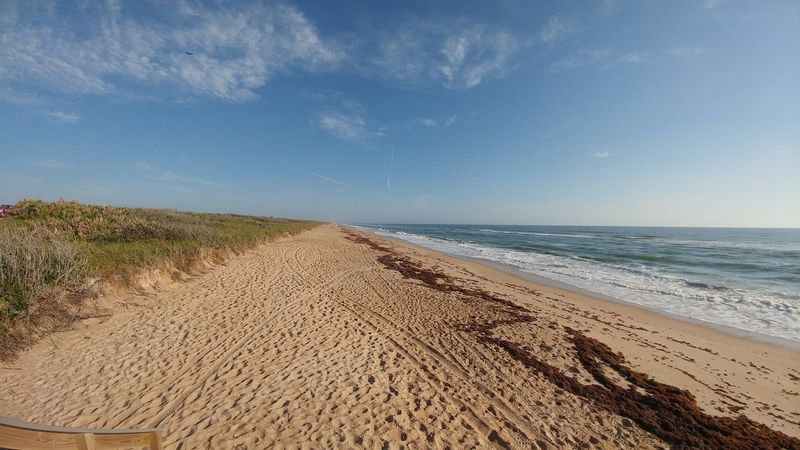
Twenty-four miles of protected coastline make this one of the longest undeveloped beach stretches remaining on Florida’s east coast. That’s twenty-four miles where nature calls the shots instead of developers.
The sheer length means even on busier days, walking a short distance delivers solitude.
NASA’s Kennedy Space Center sits nearby, but rocket launches only occasionally interrupt the peaceful atmosphere. The national seashore designation ensures this raw coastal experience survives for future generations.
Sandy trails lead through dunes where gopher tortoises dig their burrows and native plants thrive without landscapers fussing over them.
Multiple access points let you choose your adventure—some areas allow vehicles on the beach while others remain pedestrian-only. Fishing, surfing, and simple beach lounging all work beautifully here without competing crowds.
The lack of nearby resorts means no beach vendors hawking their wares every five minutes. Sunset brings incredible color shows over the dunes.
This beach respects your need for genuine peace and quiet without sacrificing natural beauty.
Indian Pass Beach
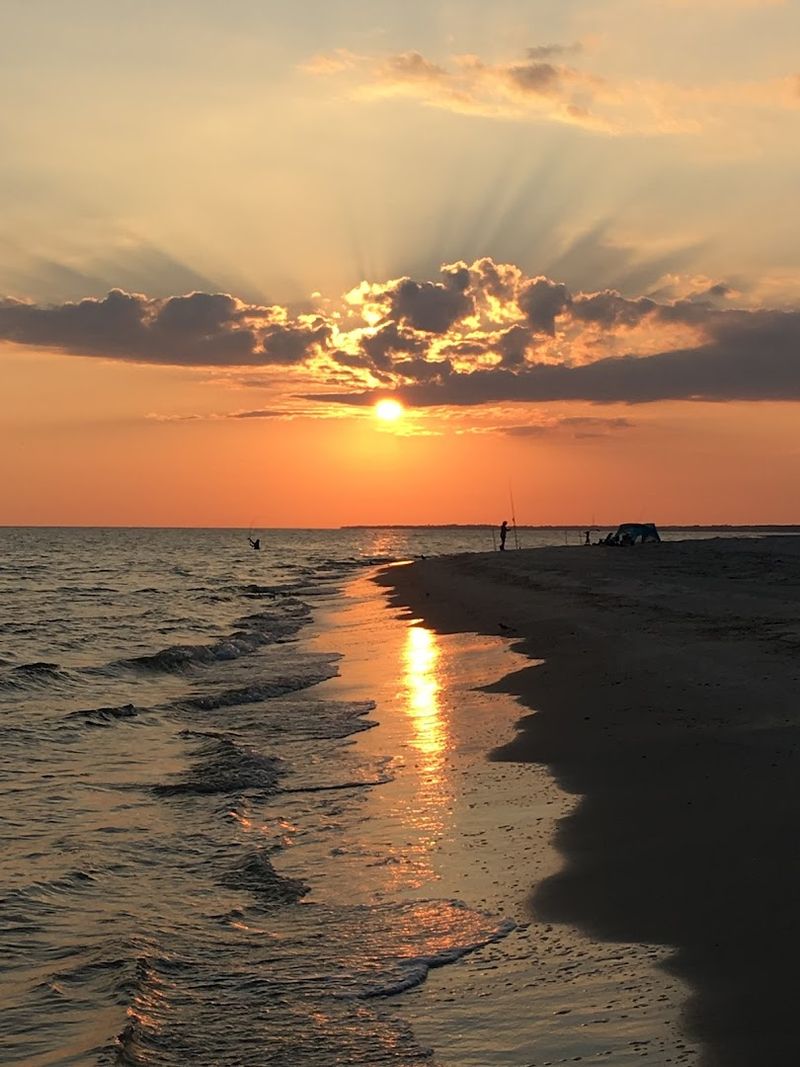
Zero high-rises. Zero crowds.
Zero apologies for being delightfully old-school Florida. The coarser sand feels different under your feet, a reminder that not every beach needs to be postcard-perfect white powder.
That textural difference actually helps keep away tourists hunting for Instagram-worthy scenes, which suits regular visitors just fine.
This hidden gem sits near the end of a long road where only intentional visitors bother going. That geographical isolation acts as a natural filter, rewarding those who seek it out.
The Gulf waters stay shallow far from shore, making it incredibly family-friendly despite the remote feel.
Local fishermen know this area well, but tourists rarely discover it before their vacation ends. Simple beach houses replace towering condos, maintaining a throwback atmosphere that recalls pre-tourism boom Florida.
Bring everything you need because commercial development remains blissfully minimal. The raw oyster bars offshore create excellent fishing and kayaking opportunities.
Pelicans dive-bomb breakfast while you sip coffee watching the sunrise—this is peaceful Florida at its most authentic and unpretentious.
Cedar Key
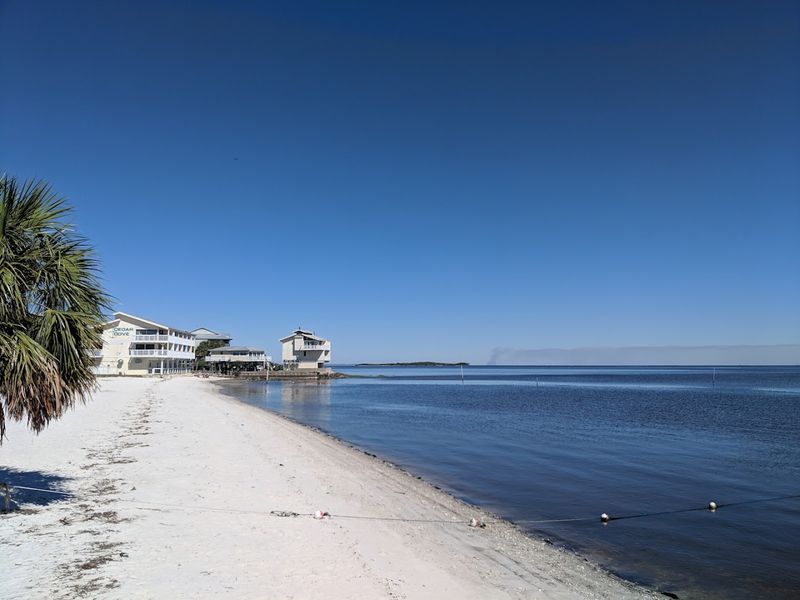
Calling Cedar Key a traditional beach destination misses the point entirely. This quirky coastal village offers something different—a laid-back, Old Florida vibe where the journey matters as much as the destination.
The shoreline lacks the brilliant white sand found elsewhere, but the peaceful atmosphere more than compensates.
Artists and retirees have discovered Cedar Key’s charm, creating a small community that resists overdevelopment and chain restaurants. Tiny galleries and seafood shacks line the waterfront instead of mega-resorts.
The slow pace feels intentional, like the entire town agreed to pump the brakes on modern life.
Kayaking through the maze of nearby islands beats lounging on crowded beaches anyway. Manatees frequent these waters, often surprising paddlers with their gentle curiosity.
Sunsets paint the sky in colors that seem photoshopped until you witness them yourself. The lack of typical beach amenities keeps crowds manageable year-round.
Visit for the quiet, stay for the surprisingly good local art scene, and leave wondering why more people haven’t caught on yet. Hopefully they never will.
Blind Pass Beach
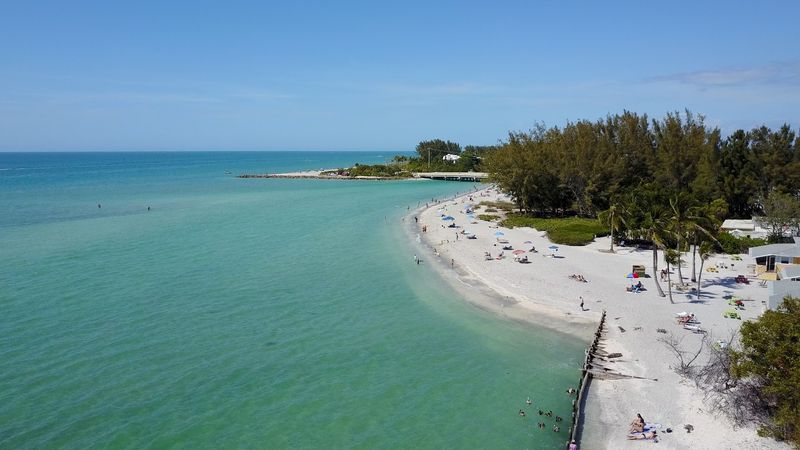
Situated between famous Sanibel and Captiva Islands, Blind Pass somehow escapes the tourist frenzy that overwhelms its neighbors. Serious shell collectors guard this secret jealously—the pass concentrates incredible varieties of shells without the elbow-to-elbow competition found at more popular spots.
Early morning arrives with the best treasures freshly deposited by overnight tides.
The beach itself maintains a more natural, less manicured appearance than Sanibel’s main beaches. That slightly wild character appeals to visitors wanting genuine coastal experiences over perfectly groomed tourist attractions.
Strong currents through the pass make swimming tricky, but watching water rush between the islands fascinates anyone interested in coastal dynamics.
Parking fills up faster during winter months when snowbirds flock south, so timing matters. But even on busier days, the relaxed atmosphere persists.
Local shelling experts generously share identification tips with curious beginners. The bridge overhead creates shade during midday heat—small comfort that the bigger beaches lack.
Bring a mesh bag for collecting shells and prepare to lose hours hunting for that perfect specimen while gentle waves provide background music.
St. Vincent National Wildlife Refuge
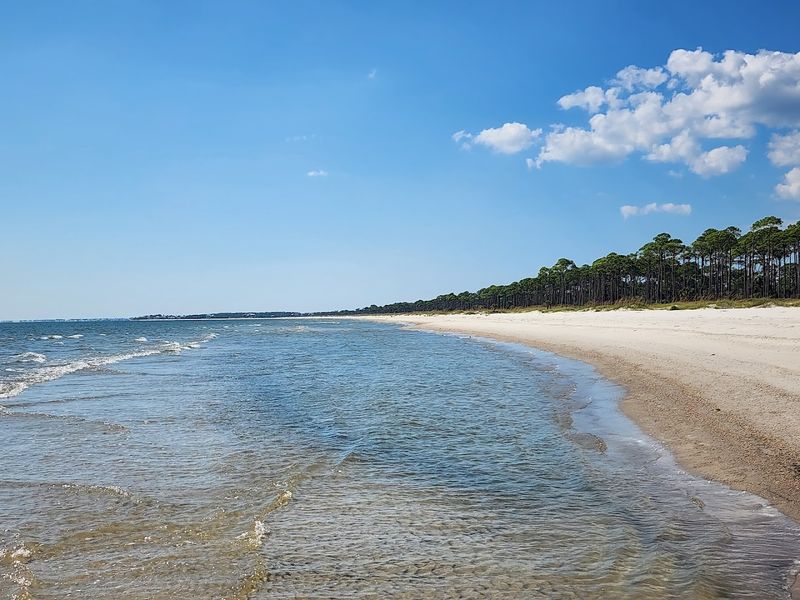
Extreme seclusion defines this island refuge accessible only by private boat or charter service. That significant access barrier ensures only dedicated nature lovers make the journey, keeping visitor numbers refreshingly low.
Once you arrive, fourteen miles of completely undeveloped beaches await exploration—no facilities, no crowds, no civilization intruding on the wilderness experience.
The refuge protects endangered species and maintains the island’s wild character. Sambar deer roam freely, descendants of an exotic herd introduced decades ago.
Loggerhead sea turtles nest along the shores during summer months. Bird diversity makes every walk an impromptu nature documentary.
Plan carefully before visiting since there’s zero support infrastructure once you’re there. Bring plenty of water, sun protection, and respect for the fragile ecosystem.
The island’s off-the-grid character rewards self-sufficient adventurers with an experience increasingly rare in developed Florida. Swimming, beachcombing, and wildlife watching fill the hours while phones lose signal—which might be the best part.
This isn’t casual beach tourism; it’s genuine wilderness immersion just offshore from the mainland.
Playalinda Beach
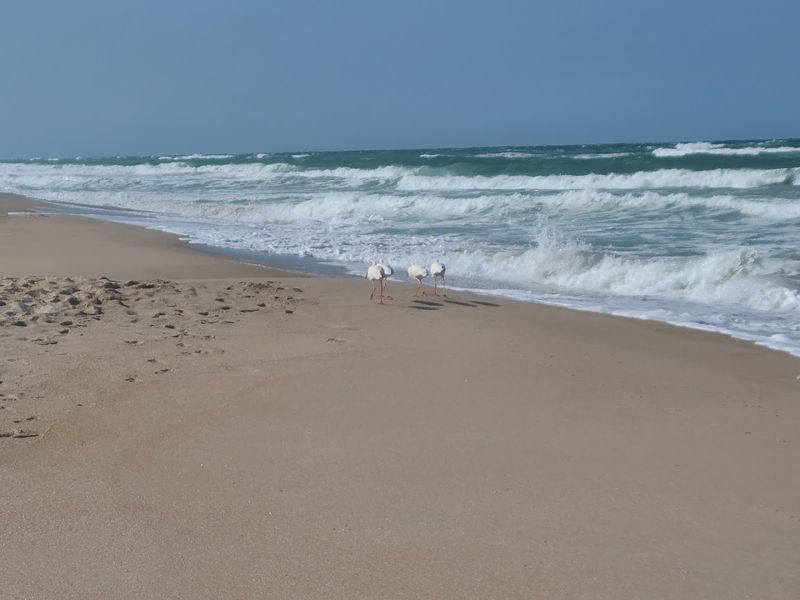
Part of the larger Canaveral National Seashore, Playalinda offers distinct access points that feel even more remote than other sections. Natural dunes roll behind you while the Atlantic stretches endlessly ahead—civilization feels pleasantly distant.
The intentionally limited facilities keep casual visitors away while serious beach lovers embrace the minimalist approach.
NASA’s launch pads sit just north, occasionally providing spectacular rocket launch views from the beach. Between launches though, peaceful solitude dominates.
The further south you walk, the fewer people you’ll encounter until you might wonder if you’re the only person for miles.
Swimming here requires attention to conditions since lifeguards aren’t always present. That responsibility for your own safety actually enhances the wild feeling.
Surfers appreciate the decent breaks, while shell collectors find plenty along the tideline. The lack of commercial development means no music blaring, no jet skis buzzing, no vendors interrupting your thoughts.
Just waves, wind, and whatever you bring to entertain yourself. Sometimes the best beach experiences come from what’s absent rather than what’s present—Playalinda proves that philosophy perfectly.
Shell Key Preserve
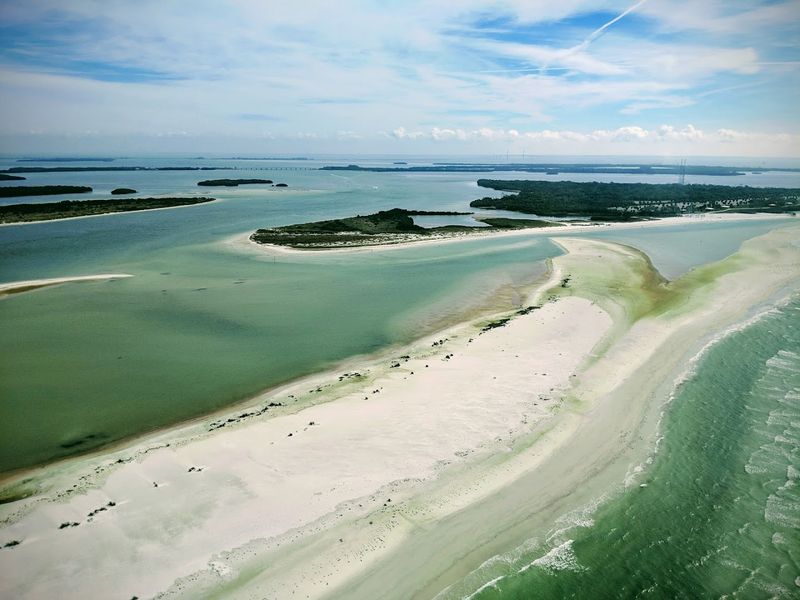
Most Tampa Bay area beach lovers never discover this boat-access island sitting just offshore from busy St. Petersburg. That short water crossing creates a world of difference—suddenly you’re surrounded by pristine sandbars, wading birds, and crystal-clear water instead of beach bar crowds.
The preserve protects nesting birds and maintains the island’s natural state, limiting visitor numbers through access requirements alone.
Kayakers and small boaters make up the majority of visitors, creating a self-selecting crowd that respects the environment. The shallow waters around the island glow turquoise on sunny days, perfect for spotting rays and small fish.
Sandbars shift with storms and tides, meaning the island’s shape constantly evolves.
Pack a picnic and spend hours exploring without seeing another soul, or join other nature lovers comparing bird sightings. The mainland’s urban sprawl feels impossibly distant despite being visible across the water.
No facilities exist on the island, so prepare accordingly. This throwback to wild Florida survives because getting there requires effort—may it always remain just difficult enough to stay special and peaceful for those willing to make the journey.