Early summer in Florida often brings people outdoors, but some of the state’s most memorable discoveries wait inside cool, quiet spaces far from the beach crowds. Behind historic facades, tucked into downtown streets, and hidden within unexpected corners of the state, museums and cultural sites preserve stories that are every bit as captivating as Florida’s famous coastline.
Step through their doors and you may find stained-glass masterpieces glowing in filtered light, artifacts recovered from centuries-old shipwrecks, or exhibits that capture the experiences of communities whose stories might otherwise be forgotten. These places invite visitors to slow down, look closely, and connect with the people behind the objects.
The result is a different side of Florida—one filled with creativity, history, and surprising moments of discovery.
Here’s a closer look at eleven cultural spaces where rare exhibits and remarkable stories quietly take center stage.
The Charles Hosmer Morse Museum of American Art
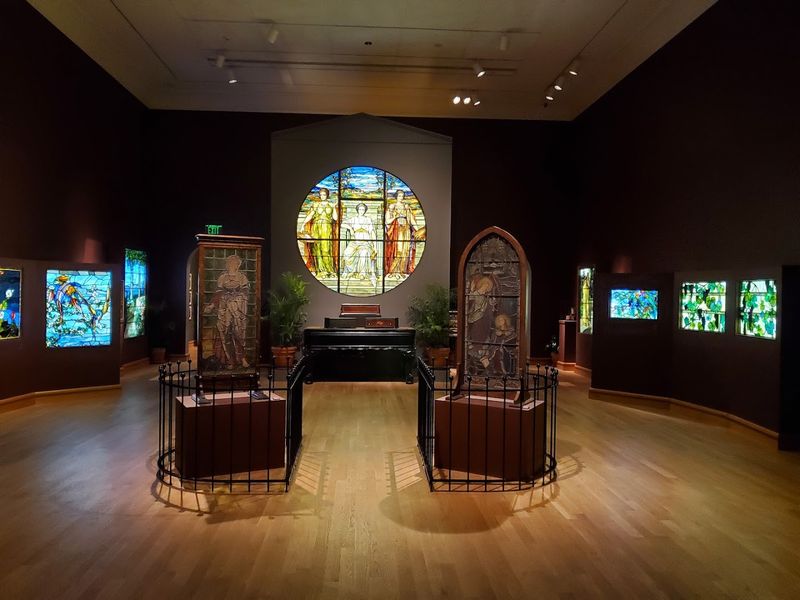
Soft amber light, jewel toned glass, and the hush of a carefully kept secret set the mood before you fully realize how significant this collection is. Many people walk in expecting a pleasant decorative arts museum and leave stunned by the depth of what they have seen.
In Winter Park, The Charles Hosmer Morse Museum of American Art quietly holds the world’s most comprehensive collection of works by Louis Comfort Tiffany.
That means far more than pretty lamps. You encounter stained glass windows, pottery, jewelry, leaded glass panels, and architectural fragments that reveal Tiffany as a designer of total environments rather than isolated objects.
The museum’s restored chapel from the 1893 World’s Columbian Exposition is especially powerful, because it lets you stand inside a work most people know only from photographs and art history references.
Another layer of surprise comes from Laurelton Hall, Tiffany’s lost Long Island estate. The museum preserves salvaged elements from that vanished property, giving you a rare chance to imagine rooms, textures, and ambitions otherwise destroyed by time and fire.
That rescue story adds emotional weight to every display case.
If you love decorative arts, this museum feels essential. If you think you do not, it may be the place that changes your mind completely.
The Dalí Museum
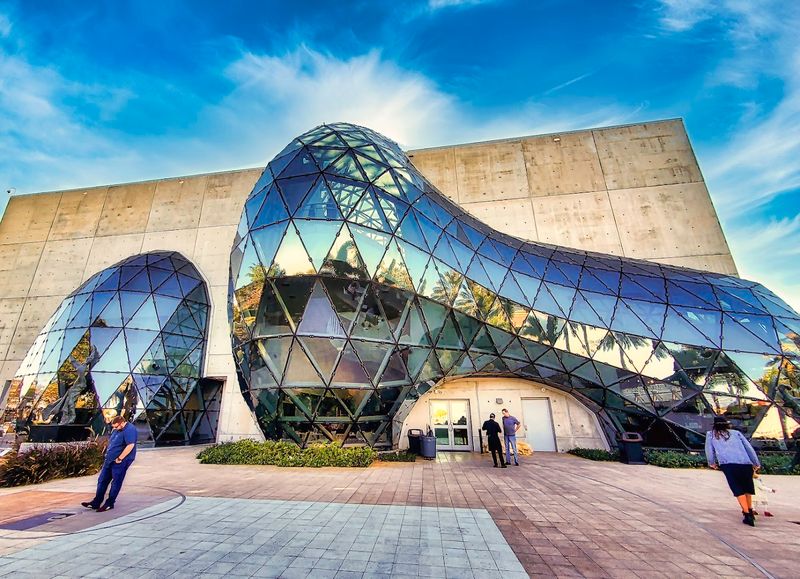
Curved glass, coastal light, and a sense that reality is about to bend make this stop feel unusual before you even enter. The building itself prepares you for disorientation, pairing crisp modern design with a dreamlike presence on the St. Petersburg waterfront.
Inside The Dalí Museum, that first impression expands into one of the largest collections of Salvador Dalí’s work outside Spain.
You are not just looking at a few famous images pulled from textbooks. The museum holds paintings, drawings, sculptures, and other works that let you trace Dalí’s technical control alongside his theatrical imagination.
Seeing that range in one place helps you understand that surrealism here is not random weirdness, but a carefully built visual language full of memory, symbolism, and precision.
What feels especially unexpected is how effectively the museum uses immersive technology and exhibit design to deepen the experience. Instead of distracting from the art, digital installations can help you slow down and notice recurring ideas, hidden imagery, and visual jokes you might otherwise miss.
That makes the collection feel accessible without flattening its complexity.
If you want a museum visit that feels intellectual and slightly unsteady in the best way, this one delivers. You leave seeing ordinary objects a little differently.
Florida Museum of Natural History
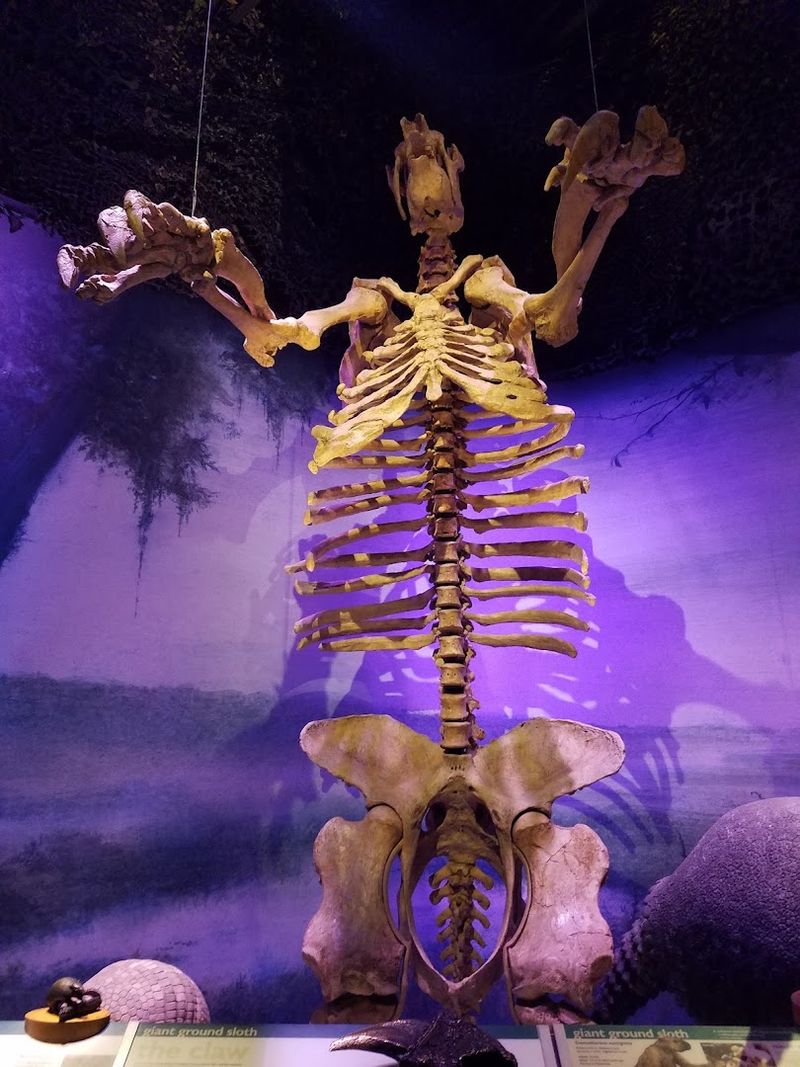
Rows of fossils and artifacts may catch your attention first, but the real wonder here lies in how much you cannot immediately see. Behind public exhibits sits a massive research world, where specimens continue answering questions long after they were collected.
At the Florida Museum of Natural History in Gainesville, the rarest treasures are often valuable because scientists still use them.
The museum’s collections span Florida archaeology, paleontology, ethnography, and biodiversity, reaching across thousands of years of environmental and human change. That breadth means you can move from ancient bones to Indigenous artifacts to preserved species, all while sensing how interconnected the state’s story really is.
Florida stops looking like a simple vacation backdrop and starts feeling like a living archive.
What makes this place especially compelling is that research collections are not frozen in the past. Specimens gathered decades ago can help scholars study climate shifts, extinction patterns, disease spread, and cultural adaptation today.
In that way, an old drawer of shells, bones, or pottery fragments becomes active evidence rather than static storage.
If you enjoy museums that reward curiosity, this one gives you plenty to think about. It is a reminder that knowledge often grows quietly, specimen by specimen, behind scenes most visitors never witness.
Museum of Florida History
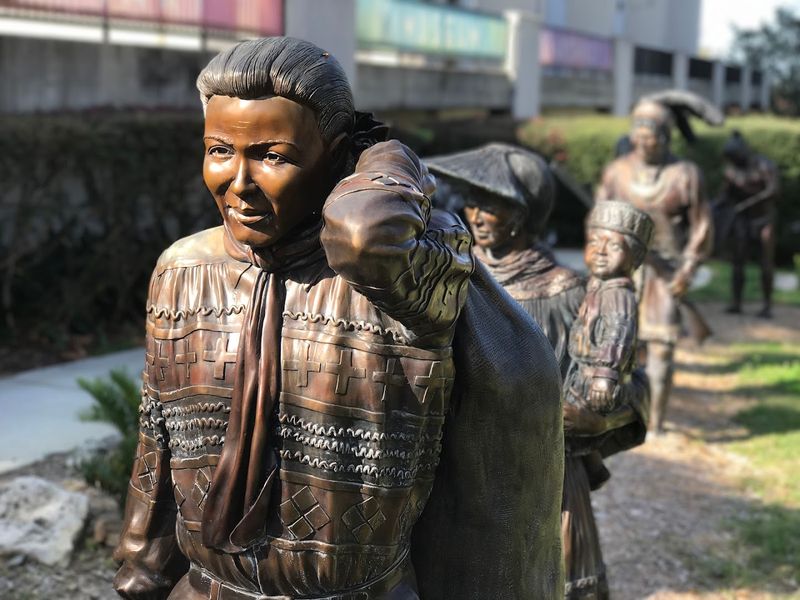
Some museums tell a state’s story in broad strokes, but the most interesting ones let you feel the texture of everyday life across centuries. Cases filled with tools, documents, clothing, and transport pieces begin to reveal how Florida was shaped by movement, conflict, trade, and reinvention.
That is exactly the appeal of the Museum of Florida History in Tallahassee.
Its collections stretch from Indigenous cultures through the modern era, giving you a wide view without losing sight of individual objects. Archaeological discoveries sit alongside political memorabilia and transportation artifacts, showing how power, technology, and survival have all left material traces.
You start noticing that even ordinary items can become vivid evidence once they are placed in the right historical context.
The unexpected story here involves what stays out of sight. Many fascinating objects spend years in storage and appear only during special exhibitions, which means the museum contains far more than any single visit can reveal.
That hidden depth makes the institution feel alive, as though the visible galleries are just one chapter from a much larger archive.
If you want an introduction to Florida that goes beyond clichés, this is a strong place to begin. It connects distant eras without making the past feel remote or abstract.
Florida Historic Capitol Museum
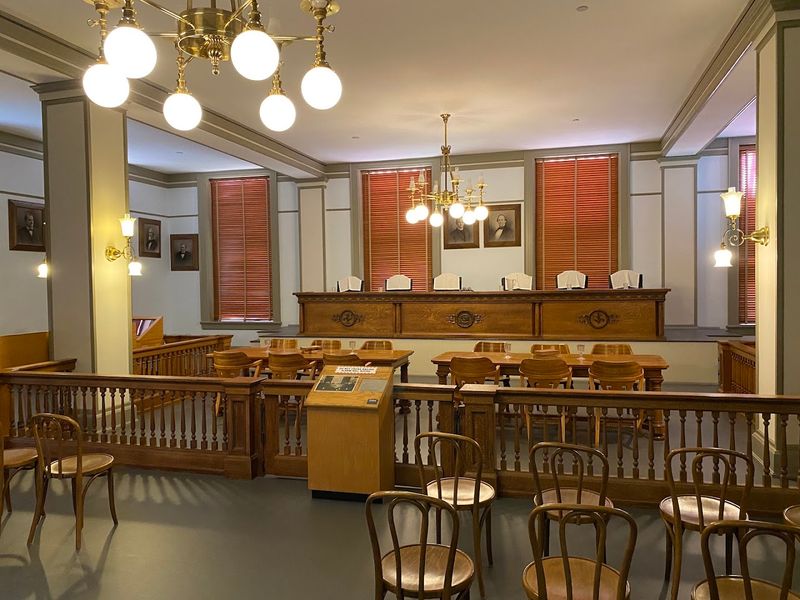
Polished wood, restored chambers, and the quiet formality of government spaces give this museum a different kind of drama. Instead of battlefield relics or glittering masterpieces, you find desks, documents, furnishings, and political objects that once shaped public life.
At the Florida Historic Capitol Museum in Tallahassee, those everyday tools of government become artifacts with surprising emotional charge.
Walking through the restored legislative chambers and executive offices, you get a rare sense of politics as lived space rather than abstract process. The rooms make it easier to imagine debates, compromises, ambitions, and tensions that influenced people far beyond the building.
History feels less like a timeline and more like a series of decisions made by humans in very specific environments.
The museum’s real strength is showing how ordinary objects gain meaning over time. A campaign item, office accessory, or ceremonial piece may look modest at first, yet together they document changes in communication, power, public image, and civic identity.
You begin to see that political history is also cultural history, filled with symbols, design choices, and social expectations.
If you usually avoid government museums, this one may surprise you. It turns institutional spaces into a readable record of change, and it does so without losing the human scale.
The Ringling
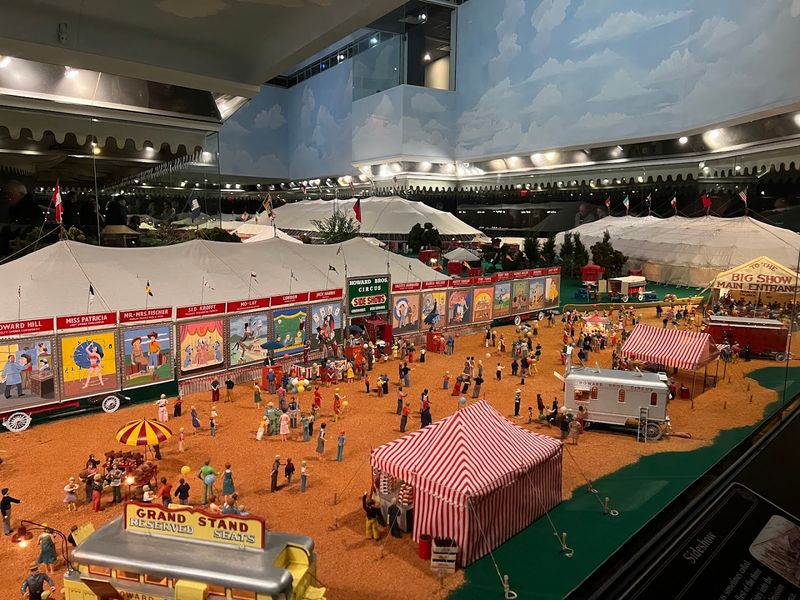
Few places in Florida move so effortlessly between spectacle and scholarship. One moment you are thinking about velvet, brass, and the thunder of a parade route, and the next you are standing before fine art or overlooking a grand waterfront mansion.
That unusual mix is what makes The Ringling in Sarasota feel far richer than a single themed attraction.
Its circus collections are the obvious surprise for many visitors. Costumes, posters, wagons, and memorabilia preserve the scale and ingenuity of an industry that once transformed entertainment across America.
Rather than treating the circus as pure nostalgia, the museum shows it as a major cultural force shaped by labor, design, logistics, publicity, and performance.
Then the campus widens your perspective. European art collections and the historic Ca’ d’Zan mansion reveal how John and Mable Ringling built a world that connected popular spectacle with elite collecting and architectural ambition.
You start to see the circus not as an isolated curiosity, but as part of larger stories about wealth, taste, mobility, and American imagination.
If you enjoy museums that refuse to stay in one category, this is an excellent stop. It captures glamour and grit at the same time, which is usually where the most interesting history lives.
Vizcaya Museum & Gardens
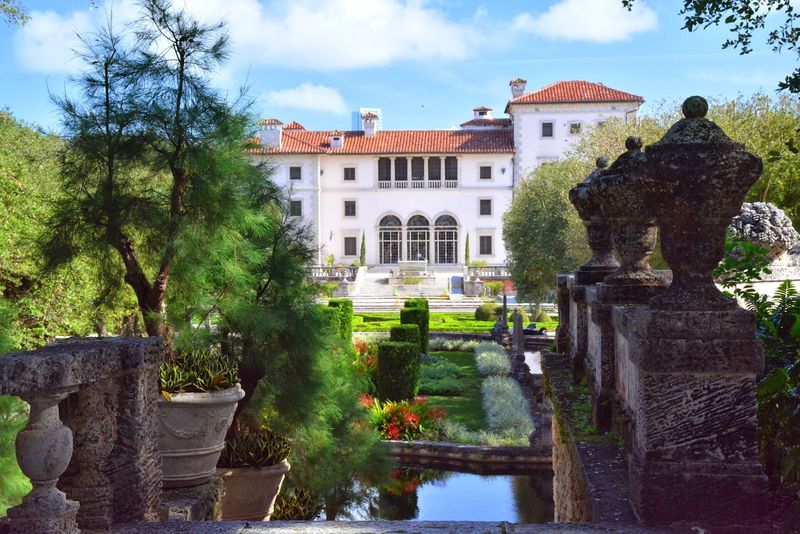
Bay breezes, stone terraces, and rooms that seem transported from another continent create an almost theatrical first impression. You do not expect a place in Miami to feel so insistently Old World, yet that contrast is exactly what gives it power.
At Vizcaya Museum & Gardens, Florida becomes the setting for a carefully staged vision of European grandeur.
Built as industrialist James Deering’s winter estate, the property is filled with imported furnishings, antiques, and decorative arts that blur the line between mansion and museum. The interiors reward slow looking, because every carved surface, textile, and object contributes to a complete atmosphere rather than standing alone.
You are not just viewing possessions, but moving through a designed expression of taste, status, and fantasy.
The surprise is how much this fantasy tells you about Florida itself. Vizcaya reflects the state’s long role as a place where wealthy visitors projected reinvention, escape, and cultural aspiration onto the landscape.
That tension between tropical environment and European form gives the estate its distinctive identity and keeps it from feeling like a mere transplant.
If you want history with visual drama, this site is deeply satisfying. It feels romantic at first glance, but the more closely you look, the more revealing it becomes.
Ybor City Museum State Park
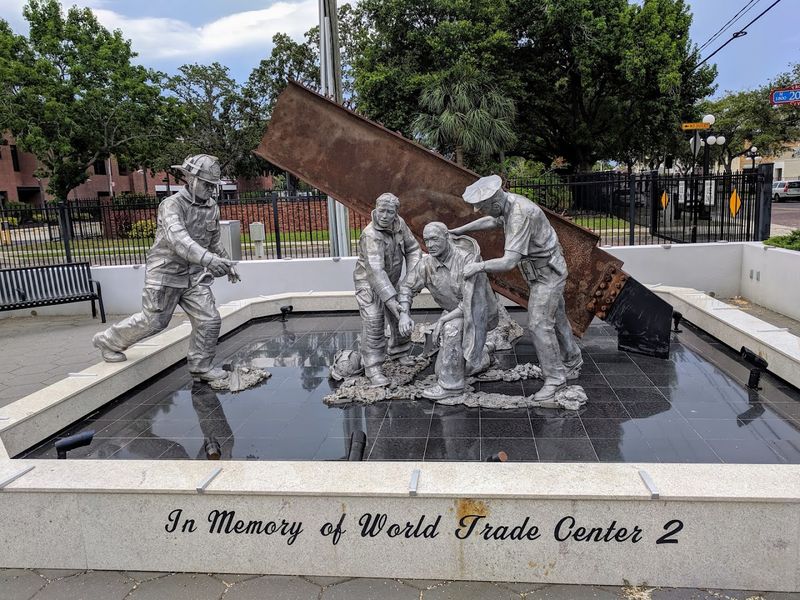
Brick streets, layered languages, and the scent of old industry still seem to linger around this part of Tampa. Before you even enter the museum, the neighborhood suggests that immigration, labor, and ambition built something extraordinary here.
Inside Ybor City Museum State Park, those impressions sharpen into a story about how a small community reshaped an entire region.
The museum preserves artifacts from Tampa’s cigar industry along with materials tied to Cuban, Spanish, and Italian immigrant life. That combination matters, because the city’s rise was never just an economic story.
It was also about mutual aid societies, family networks, political ideas, food traditions, and the daily negotiations of identity in a rapidly changing place.
One of the most compelling aspects is how clearly the museum shows local history becoming global history. Tobacco, migration, labor activism, and transnational culture all intersect here, turning what could seem like a niche subject into a much larger American story.
You begin to understand why Ybor earned the title Cigar Capital of the World, and what that title cost and created.
If you like museums that humanize urban history, this one is rewarding. It reveals that entire neighborhoods can function like living artifacts when their stories are preserved with care.
The Bishop Museum of Science and Nature
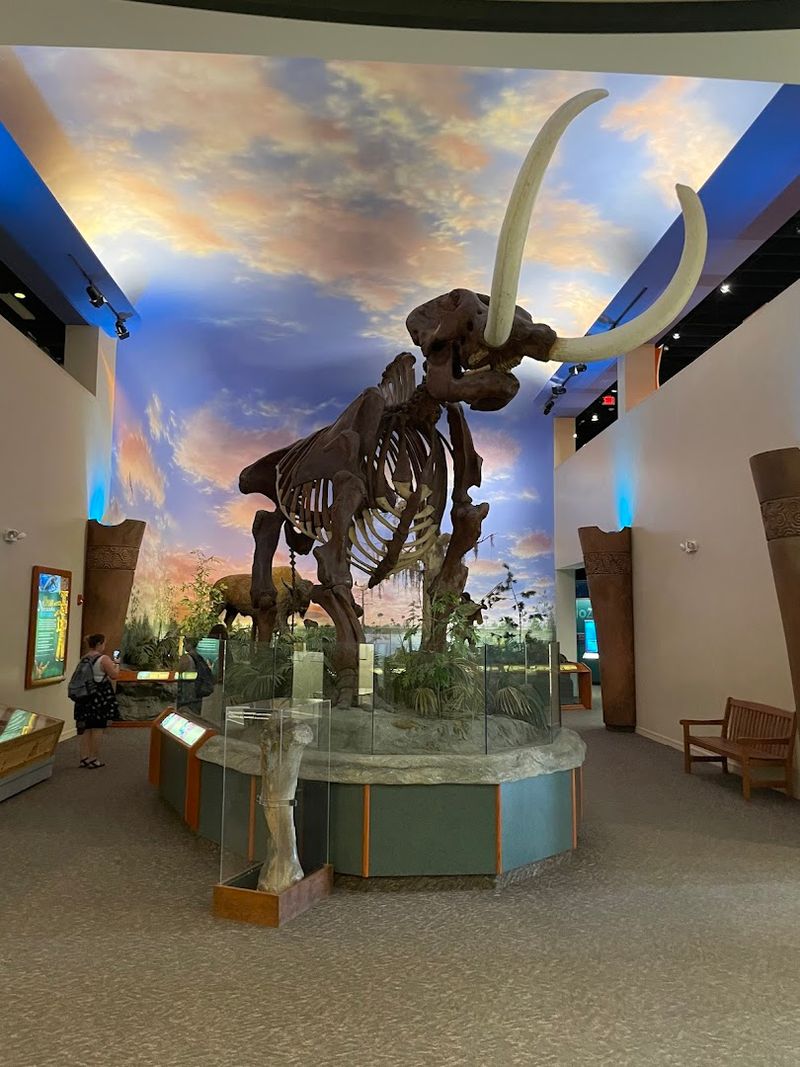
At first glance, the mix can seem unlikely. Fossils, archaeology, regional history, and space science do not sound like natural companions, yet that unexpected combination is exactly what gives this museum its energy.
At The Bishop Museum of Science and Nature in Bradenton, you move through Florida’s past and wider scientific questions without feeling forced into a single narrative.
The museum’s collections include Florida fossils and archaeological artifacts that ground the experience in deep time and human presence. Those objects make the region feel ancient, inhabited, and continually changing rather than newly developed or easily summarized.
You get a stronger sense of place because natural history and cultural history are presented as intertwined stories.
What stands out is the museum’s regional focus. Instead of overwhelming you with generic science displays, it shows how local landscapes, waterways, and communities connect to bigger themes such as extinction, adaptation, exploration, and identity.
That makes even familiar topics feel more personal, especially if you want to understand Florida beyond postcard imagery.
If you appreciate museums that cross boundaries between disciplines, this one deserves attention. It offers a compact but thoughtful way to see how land, people, and scientific inquiry shape one another across generations.
Cedar Key Museum State Park
Salt air, weathered histories, and a sense of time moving at a different speed define this Gulf Coast stop. It is easy to underestimate a small museum in a small town, which is part of the charm and part of the surprise.
At Cedar Key Museum State Park, intimate displays preserve a coastal world that might otherwise slip quietly out of memory.
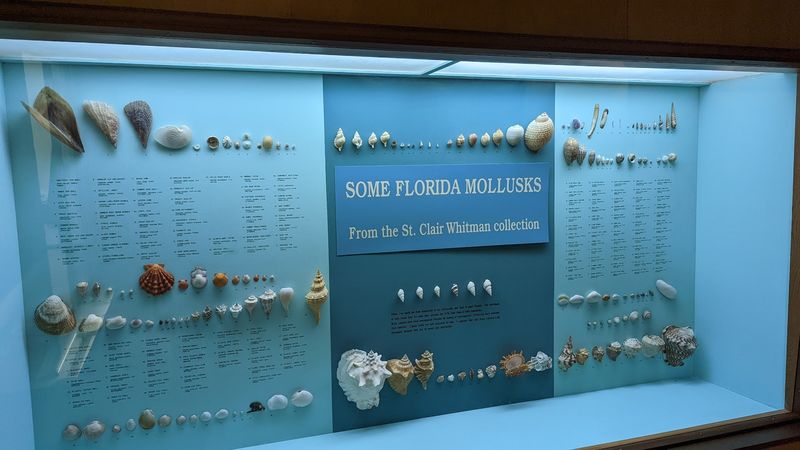
The museum includes local artifacts, shell collections, and remarkably detailed handcrafted dioramas depicting centuries of community life. Those miniature scenes are more than charming curiosities.
They serve as visual archives, capturing labor, homes, industries, and routines that written histories often summarize too quickly or ignore altogether.
What makes the place memorable is its attention to vanished texture. Cedar Key’s past includes fishing, trade, storm recovery, and changing relationships between people and the Gulf environment, and the museum conveys those realities on a human scale.
Rather than overwhelming you with quantity, it works through specificity, showing how one community adapted to isolation, opportunity, and uncertainty over time.
If you value museums that feel local in the best possible way, this one is worth seeking out. It proves that small collections can hold enormous interpretive power when they preserve details bigger institutions might miss.
Mel Fisher Maritime Museum
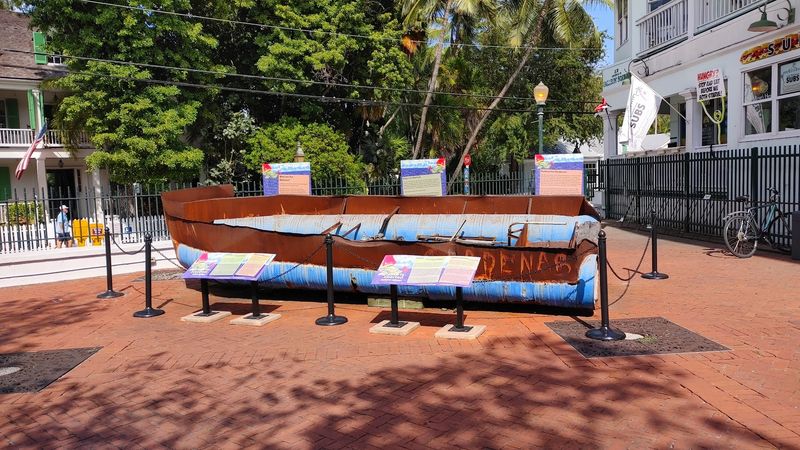
Gold has a way of pulling people in, but the real fascination here runs deeper than glitter. Cases of coins, silver, emeralds, and salvaged artifacts immediately signal adventure, yet they also point toward painstaking archaeological work and centuries of maritime risk.
At the Mel Fisher Maritime Museum in Key West, shipwreck treasure becomes a doorway into imperial trade, disaster, and recovery.
The museum is known for material recovered from Spanish wrecks, including famous treasure fleets lost off Florida’s coast. Seeing real pieces of that cargo in person carries a thrill that reproductions never match.
Still, the strongest displays do more than celebrate valuable objects. They place them within shipboard life, colonial economies, navigation, and the brutal uncertainties of sea travel.
That context matters because treasure stories are easy to romanticize. Here, you are reminded that every recovered coin or ingot once moved through systems of labor, conquest, weather, and survival.
The museum balances excitement with history, making the objects feel significant not just for their price, but for the routes and lives they represent.
If you have ever been captivated by shipwreck legends, this museum satisfies that curiosity while giving it substance. You leave with both the sparkle and the story, which is the best combination.