While many people stick to the famous amusement parks and city zoos, Ohio holds a collection of quirky adventures that rarely make the standard brochures.
These experiences take you away from the typical tourist crowds and into the heart of the state’s most creative and unusual corners.
Each of these activities offers a playful break from the ordinary, proving that the Buckeye State is full of surprises for those who look beyond the obvious.
The following stops tell a uniquely Ohioan story, blending history with a healthy dose of imagination.
You’ll head home with a fresh set of memories that prove the best adventures are often the ones you never saw coming.
1. American Sign Museum, Cincinnati
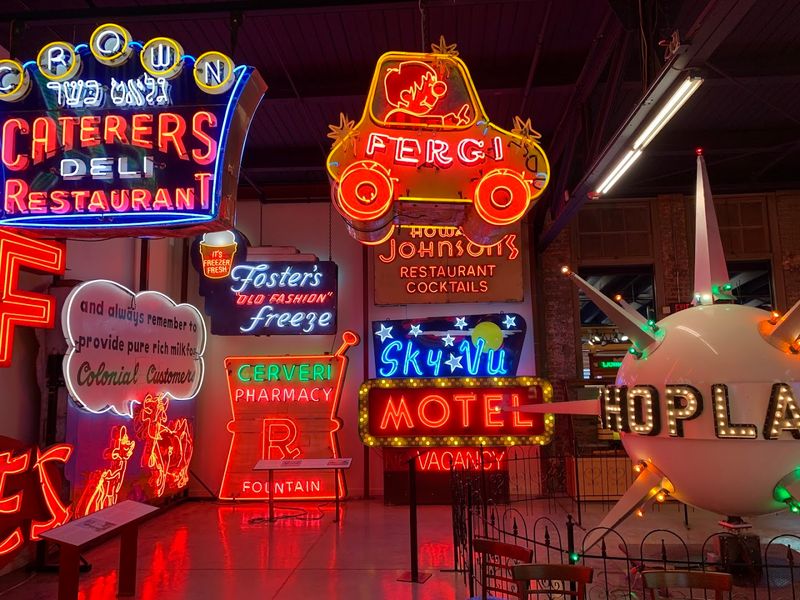
Neon light signs hit differently when they hum.
At the American Sign Museum in Cincinnati, I walked through a bright maze of restored neon, hand-painted panels, and old storefront pieces that once lured drivers from the road.
It feels part design archive, part love letter to American advertising, with enough glow to make your camera work overtime.
The best move is to go slowly and look up.
The American Sign Museum spreads out like a miniature street scene, so I found myself noticing typefaces, metalwork, and clever slogans I would have missed on a quick pass.
Guided tours add stories about sign makers and the rise of roadside culture, which gives the collection real depth.
Here is the twist: it is surprisingly personal.
At the American Sign Museum, I kept connecting the signs to old diners, theaters, and motels you might remember from family trips, even if the exact places are gone.
Arrive with extra phone storage, and if you love graphics or retro history, budget more time than you think.
2. Otherworld, Columbus

Reality gets pleasantly glitchy in the best way here.
At Otherworld in Columbus, I stepped into a huge immersive art space packed with secret doors, glowing tunnels, strange soundscapes, and rooms that feel as if a dream hired a set designer.
It is playful, a little eerie, and much easier to enjoy if you stop trying to make total sense of it.
The trick is to wander with curiosity instead of a checklist.
Otherworld rewards people who open cabinets, press buttons, read odd clues, and pay attention to details hiding in corners and ceilings.
Kids love the spectacle, but adults often get just as hooked because every chamber shifts the mood so completely.
What surprised me most was how long I stayed engaged.
At Otherworld, the interactive story elements turn a simple photo stop into a loose mystery, and that keeps the experience from feeling one-note.
Make sure to wear comfortable shoes, book ahead on busy weekends, and go early if you want room to explore without a crowd drifting into every frame.
3. The Wilds, Cumberland
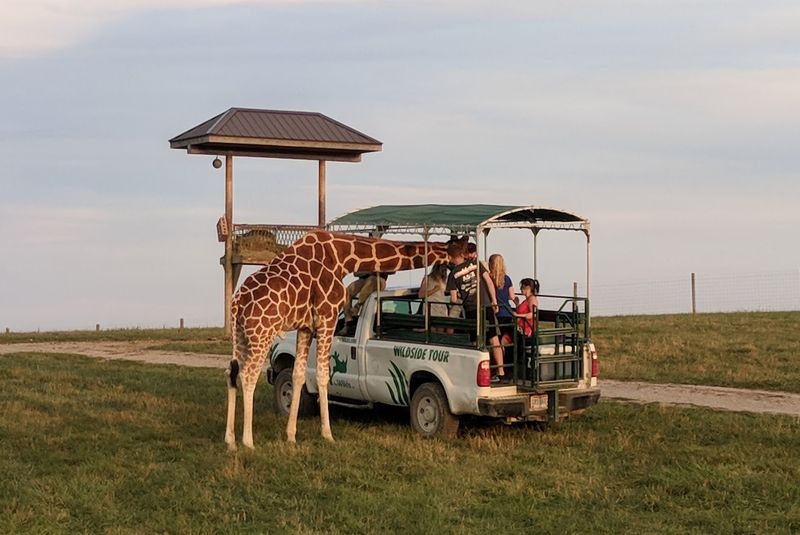
Wide-open space is not what most people picture first in Ohio.
At The Wilds in Cumberland, I found huge rolling landscapes where rhinos, giraffes, zebras, and other animals roam in large conservation pastures that feel far removed from a standard zoo layout.
The scale changes everything, because you spend more time scanning hills and valleys than peering into enclosures.
The ride becomes part safari, part field lesson.
The Wilds offers bus tours, zipline options, and specialty experiences, and I liked that the guides explained conservation work without sounding scripted.
Bring binoculars if you have them, since animals sometimes gather at a distance and the extra view makes a real difference.
The biggest surprise is how peaceful the whole outing feels.
At The Wilds, the scenery is as memorable as the wildlife, especially when the light starts to soften and the land turns almost painterly.
Book early in warm months, wear layers, and expect weather to shape the experience because this place works on nature’s schedule, not yours.
4. Temple of Tolerance, Wapakoneta
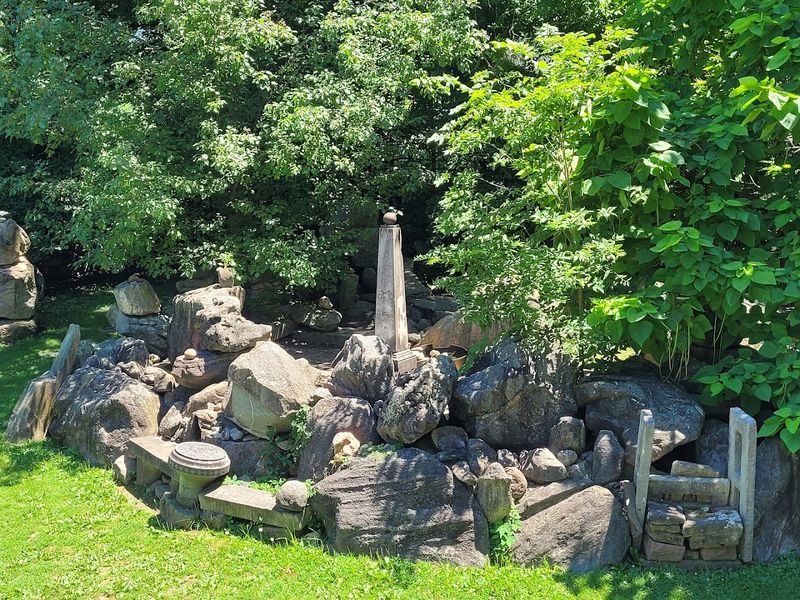
Some places feel handmade in the deepest sense of the word.
At the Temple of Tolerance in Wapakoneta, I wandered through a folk art environment covered in mosaics, bright colors, found objects, and messages about peace, compassion, and community.
It is unconventional and personal, the kind of stop that invites you to slow down and look with an open mind.
You do not need a long itinerary to appreciate it.
The Temple of Tolerance works best when I let myself notice the small details, from mirrored fragments to handwritten phrases that reveal the creator’s mission.
Because it is outdoors, good weather helps, and comfortable shoes make it easier to linger and explore the grounds carefully.
What stayed with me was the sincerity of it all.
At the Temple of Tolerance, the art does not hide behind polish, and that honesty gives the place a warmth many larger attractions miss.
Pair it with a visit to nearby Wapakoneta sights if you want a fuller day, but keep a little unstructured time for reflection.
5. Topiary Park, Columbus
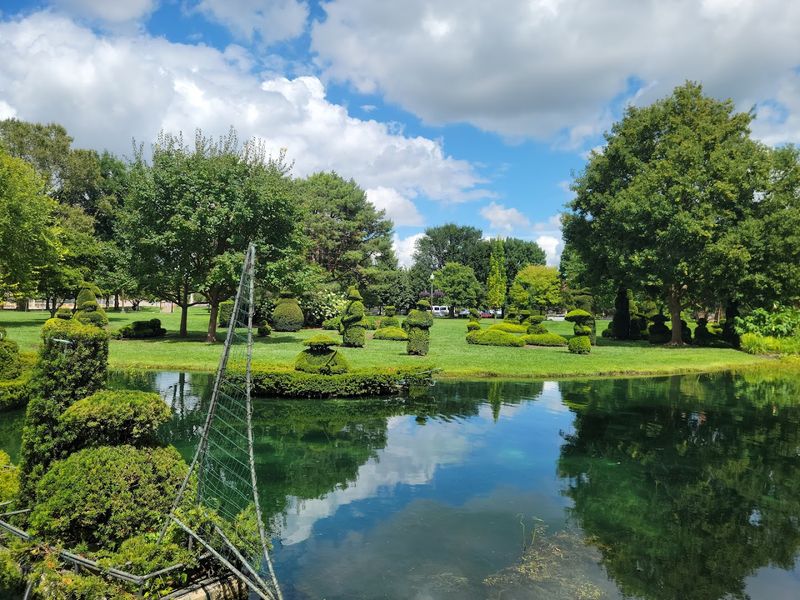
Art gets greener when it climbs out of the frame.
At Topiary Park in Columbus, I found a living recreation of Georges Seurat’s famous painting, with carefully sculpted shrubs forming people, dogs, boats, and the whole scene beside a pond.
It is one of those ideas that sounds quirky on paper and then lands perfectly in person.
The pleasure is in the details and the setting.
Topiary Park sits downtown yet feels calm, so I liked circling the water, comparing the shapes to the original composition, and watching how the hedges change with the season.
Benches make it easy to stay a while, and the nearby paths give you different angles for photos.
What makes it memorable is its mix of wit and serenity.
At Topiary Park, you get a public artwork, a small urban retreat, and a conversation starter all at once, which is a neat trick for such a compact place.
Make sure to visit in daylight for the clearest view.
6. Warther Museum, Dover

Precision and engineering can be oddly moving when you see it up close.
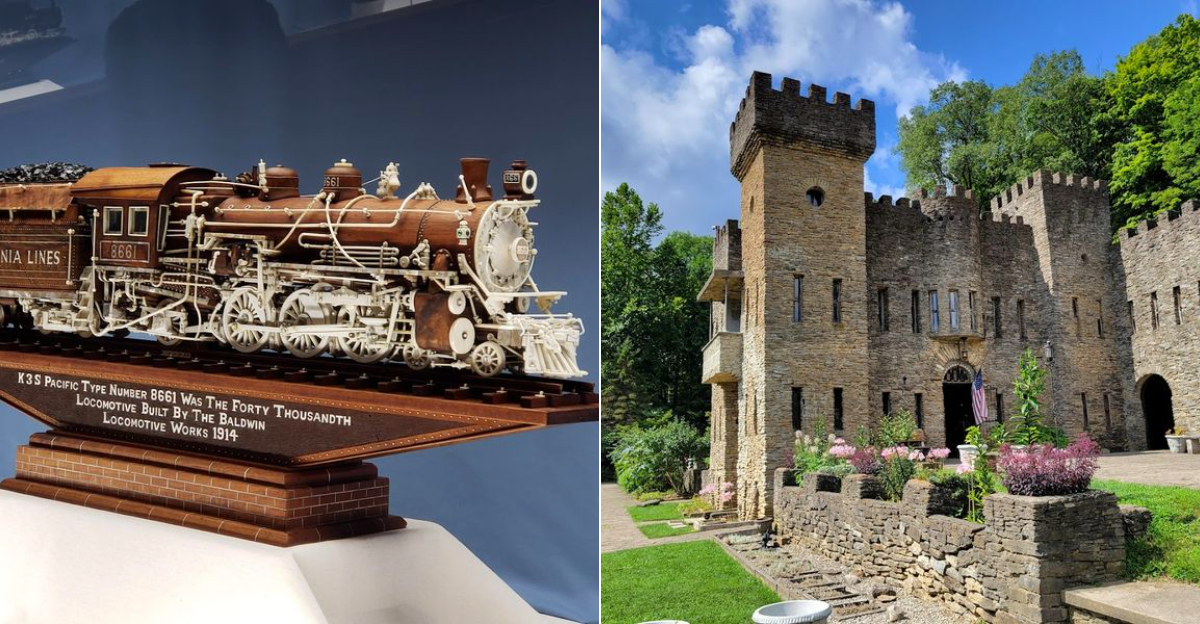
At the Warther Museum in Dover, I stared at hand-carved locomotive models so detailed that even tiny moving parts seemed impossible to have come from wood and simple tools.
The place centers on Ernest Warther, a master carver whose work turns patience into something you can practically hear clicking.
There is more texture here than most people expect.
The Warther Museum also includes his workshop, family history, and collections that show how deeply craft shaped daily life, not just display cases.
I liked hearing how visitors once watched him carve, because it makes the whole museum feel less distant and more human.
The real surprise is how approachable it feels.
At the Warther Museum, even if trains are not your thing, the skill and stories pull you in quickly, and the guides explain the pieces without turning it into a lecture.
Leave time for the gardens and the knife collection, and consider pairing your stop with lunch in town.
7. Merry-Go-Round Museum, Sandusky
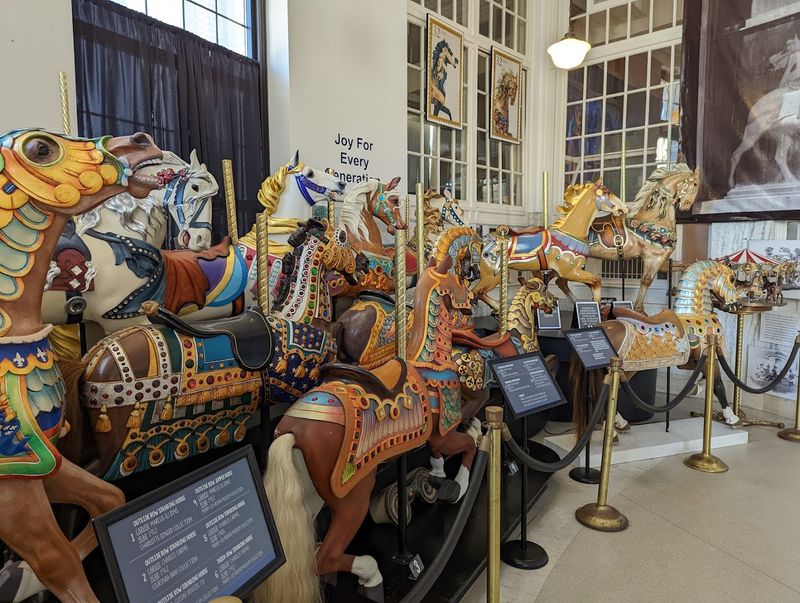
Joy has a soundtrack, and sometimes it comes with calliope music.
At the Merry-Go-Round Museum in Sandusky, I stepped into a cheerful world of carousel history, hand-carved animals, restoration work, and bright decorative flourishes that refuse to act their age.
It is whimsical without feeling childish, which makes it easy to enjoy whether you arrive with kids or not.
The behind-the-scenes angle gives the place real substance.
The Merry-Go-Round Museum explains how carousel figures were carved, painted, repaired, and preserved, and I liked seeing the craftsmanship rather than just the finished sparkle.
If the carousel is running, take the ride, because it adds a nice little burst of motion to all that history.
The fun part is how unexpectedly specific the museum is.
At the Merry-Go-Round Museum, that focus becomes its charm, and I left knowing more about amusement history than I ever planned to learn on a random afternoon.
Check hours before going, especially outside peak travel times, and pair your visit with a walk along the Sandusky waterfront.
8. Hartman Rock Garden, Springfield
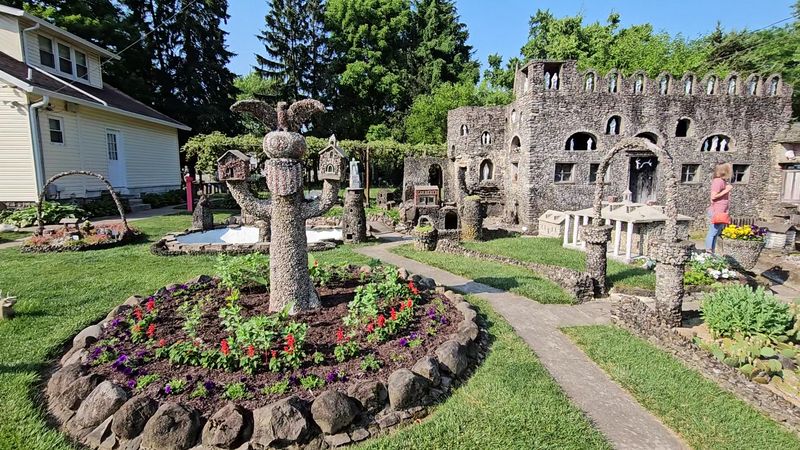
Small things can steal the whole show when they are built with care.
At Hartman Rock Garden in Springfield, I explored a whimsical landscape of miniature buildings, bridges, monuments, and scenes crafted from rocks, concrete, shells, and bits of glass.
The scale pulls you in fast, because every few steps reveal another tiny surprise tucked into the design.
Patience pays off more than speed here.
Hartman Rock Garden was created during the Great Depression by Ben Hartman, and knowing that backstory made the place feel even more inventive and resilient to me.
I found it best to move slowly, scan the layers, and notice how much labor and imagination went into each section.
The charm comes from its homemade confidence.
At Hartman Rock Garden, nothing feels mass-produced, and that gives the site a personality you do not get from tidier, more polished attractions.
Bring a camera that handles close-ups well, read the interpretive signs, and combine it with other Springfield stops if you want a full day of local history.
9. Serpent Mound, Adams County
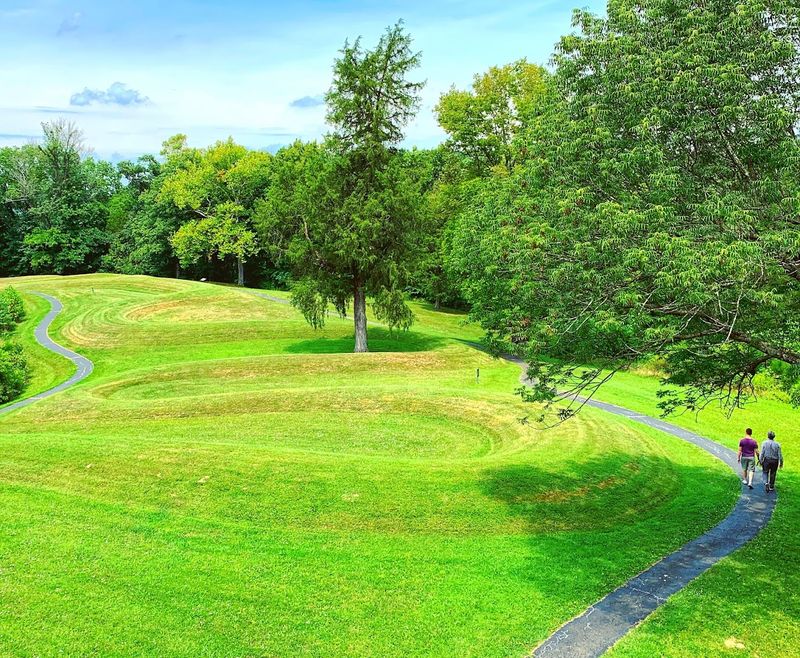
Ancient landscapes can speak quietly and still hold your full attention.
At Serpent Mound near Peebles in Adams County, I stood beside one of the world’s most remarkable effigy mounds, a massive earthwork shaped like a serpent stretching across a plateau.
Seeing it in person gives the site a gravity that photos and maps never quite capture.
The best approach is to slow your pace and read the context.
Serpent Mound is linked to deep Indigenous history, and the museum and signs help explain archaeological questions, alignments, and the long debate over its age and meaning.
I appreciated that the site encourages curiosity without pretending every mystery has been neatly solved.
The setting adds a calm, reflective mood to the visit.
At Serpent Mound, the viewing tower helps you understand the full form, while the surrounding landscape makes it easy to imagine why this ridge mattered for so long.
Wearing good walking/hiking shoes is a must, and so is treating this place with the respect it deserves.
10. Loveland Castle Museum, Loveland
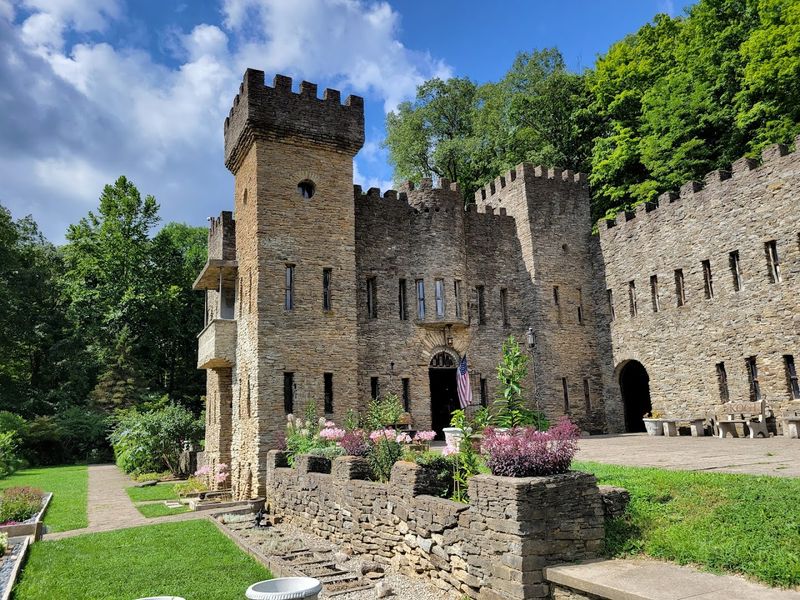
Stone walls feel a little mischievous when they rise beside an Ohio river.
At Loveland Castle Museum in Loveland, I found a handmade medieval-style fortress built by Harry Delos Andrews, complete with towers, armor, artifacts, and enough old-world mood to make the setting delightfully offbeat.
It is compact, but that only adds to the sense of stumbling onto a secret.
The story behind it is half the fun.
Loveland Castle Museum reflects one man’s obsession with history, chivalry, and craftsmanship, and I liked seeing how personal vision shaped every stair, room, and rough-cut wall.
The grounds are pleasant too, especially if you want a short walk and a few good photos without committing to a huge attraction.
The place works best when you lean into its strangeness.
At Loveland Castle Museum, I enjoyed the uneven edges and homemade details more than polished perfection, because they give the site real character.
Check seasonal hours before driving out, and mind the stairs if mobility and accessibility are a concern.
11. Ohio State Reformatory, Mansfield
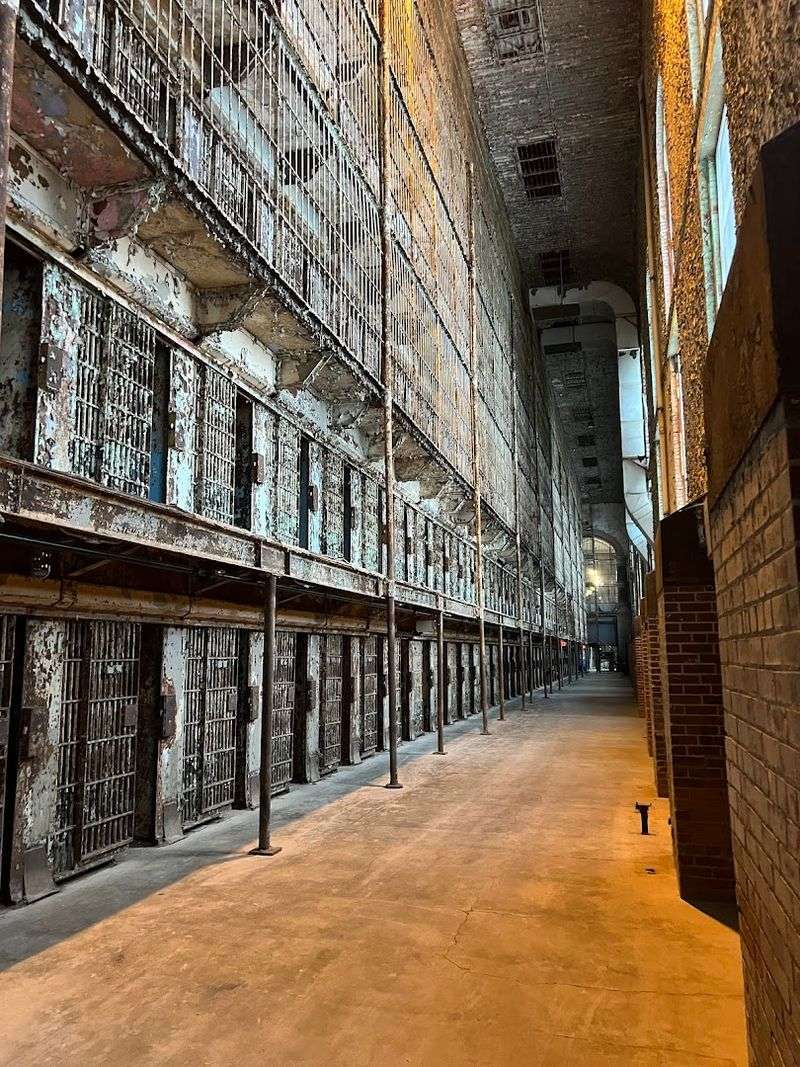
Grandeur and gloom make a memorable pair.
At the Ohio State Reformatory in Mansfield, I walked through towering cell blocks, ornate stonework, and cavernous corridors that feel equal parts architectural showcase and haunted history lesson.
The building is famous for its role in film, but the real draw for me was the way beauty and brutality sit so close together.
The scale can be overwhelming in a good way.
The Ohio State Reformatory offers self-guided and special tours, and I found the exhibits on prison life, reform ideals, and later decline gave the place much more weight than a quick spooky stop.
If you like photography, the shafts of light and repeating lines are especially striking.
What lingers is not just the atmosphere but the contradictions.
At the Ohio State Reformatory, hopes for rehabilitation collided with harsh realities, and that tension gives every room a story beyond the ghost-tour reputation.
Keep in mind that booking themed tours is a must, and make sure to opt for early schedule if one catches your interest.
12. Cuyahoga Valley Scenic Railroad, Cuyahoga
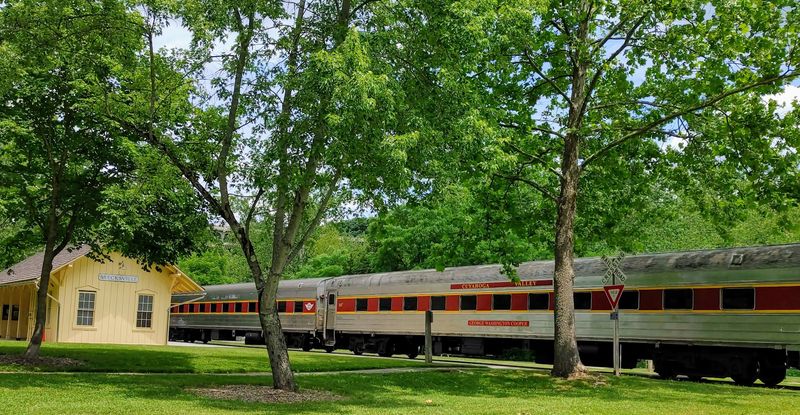
Sometimes the best way to see a place is to let someone else handle the tracks.
On the Cuyahoga Valley Scenic Railroad in Cuyahoga Valley National Park, I settled into a relaxed ride past woods, wetlands, river views, and small glimpses of the park that feel different from seeing it by car.
It turns sightseeing into a slower, steadier experience, which can be a welcome change.
The route is especially useful if you want options.
The Cuyahoga Valley Scenic Railroad pairs nicely with biking or hiking because you can ride one way and explore the Towpath Trail or nearby stops at your own pace.
I liked watching the landscape shift through the windows, especially in fall when the colors start showing off.
The simple pleasure here is the rhythm of the journey.
On the Cuyahoga Valley Scenic Railroad, I found myself noticing herons, old bridges, and quiet stretches of water I might have rushed past otherwise.
Check the seasonal schedule, choose your departure point carefully, and sit on the side with the best light if you plan on taking lots of photos.