North Carolina holds some truly unexpected treasures beyond its famous mountains and beaches.
Tucked away in small towns across the state are museums dedicated to everything from prehistoric fossils to house cats, each telling unique stories about local history and culture.
These aren’t your typical museums with polished exhibits and predictable displays.
They’re quirky, personal, and sometimes downright bizarre collections that reveal fascinating pieces of the state’s past.
Belhaven Memorial Museum (Belhaven)

Walking into this former town hall feels like stepping into someone’s overstuffed attic where history collided with a carnival. The museum owes its existence to Miss Eva Blount Way, a local resident who spent decades collecting everything she found interesting or unusual.
Her definition of museum-worthy was refreshingly broad.
Inside, you’ll find Confederate currency displayed next to two-headed animals preserved in jars. Medical instruments from the 1800s share space with wedding dresses, military uniforms, and oddities that defy easy categorization.
The randomness is part of the charm, creating an experience that feels authentically personal rather than professionally curated.
What makes this place special isn’t just the objects themselves but the glimpse into small-town life and one woman’s determination to preserve everything. Miss Eva believed every object had a story worth saving.
Her collection reflects a time when community museums were family affairs, built on passion rather than grants or fancy displays.
Museum of the Bizarre (Wilmington)
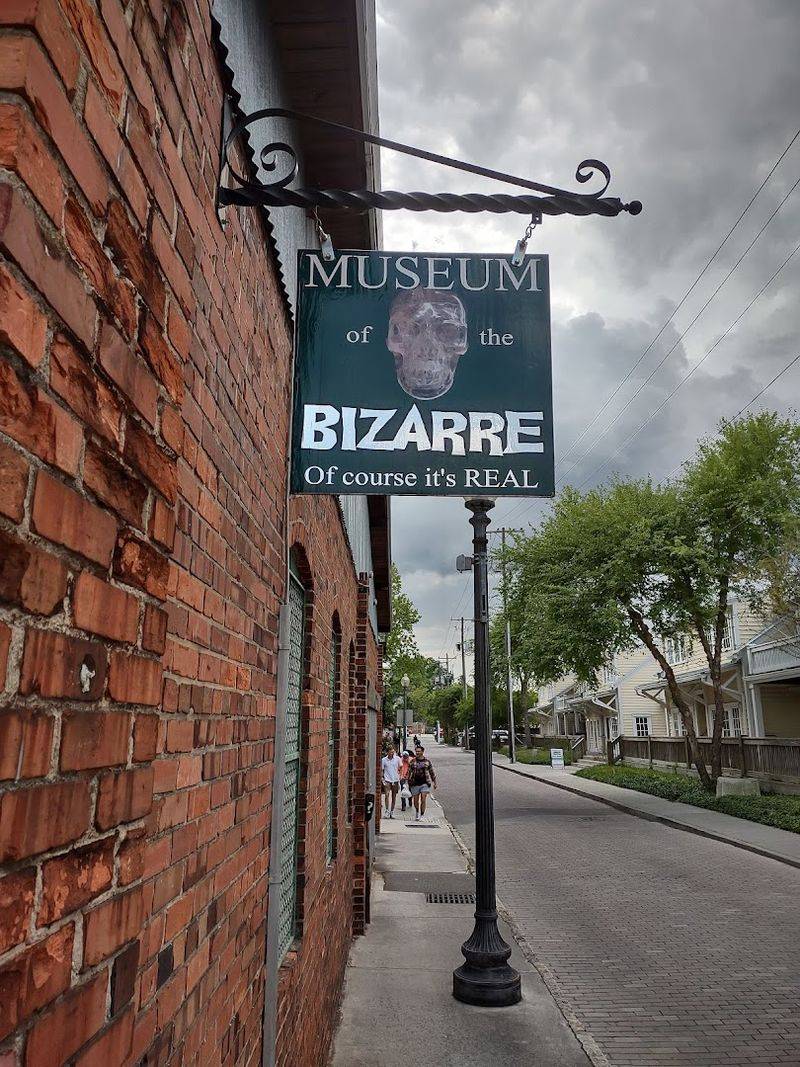
Port cities attract strange stories, and Wilmington has collected centuries worth of them. This small museum embraces the region’s reputation for ghost tales, unexplained phenomena, and coastal mysteries with unabashed enthusiasm.
Forget dry historical markers here.
The exhibits lean heavily into North Carolina’s spookier side through unusual taxidermy arrangements, objects supposedly connected to local legends, and movie props from films shot in the area. You’ll encounter displays about regional folklore that blur the line between documented history and entertaining myth.
The museum doesn’t pretend to solve mysteries; it celebrates them.
Visitors either love the theatrical approach or find it a bit much, but nobody leaves unmoved. The collection includes items tied to Wilmington’s film industry, giving it a uniquely modern twist alongside the traditional ghost stories.
It’s perfect for anyone who thinks history is more interesting when it includes pirates, unexplained disappearances, and things that go bump in the night.
Aurora Fossil Museum (Aurora)
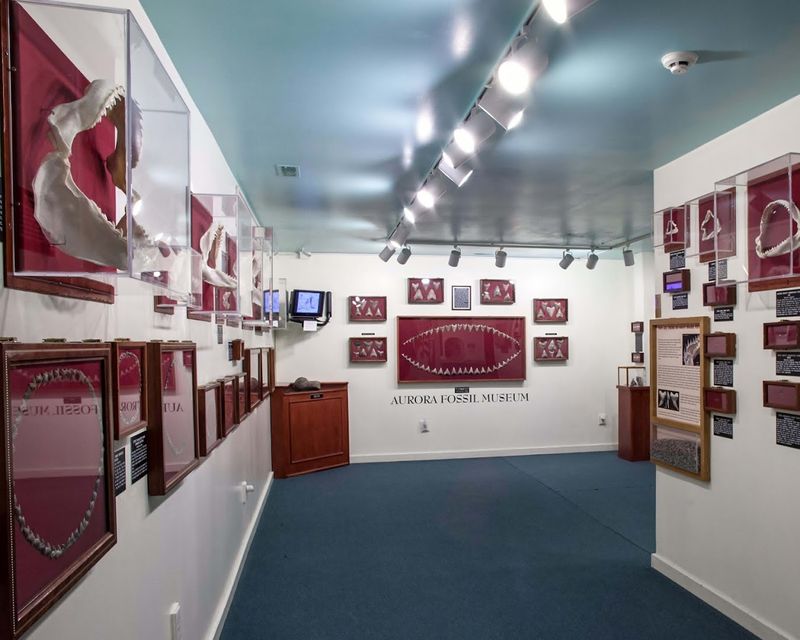
Millions of years ago, eastern North Carolina sat underwater as part of a vast prehistoric ocean. The Aurora Fossil Museum exists because phosphate mining operations in this tiny town kept unearthing spectacular reminders of that ancient marine world.
Giant shark teeth the size of your hand are just the beginning.
The museum showcases megalodon teeth, fossilized whale bones, and countless other creatures that once swam where farmland now stretches. But the real draw is the outdoor fossil pit where visitors can dig through mining spoils and keep whatever they find.
Kids especially love the treasure hunt aspect, sifting through piles of shells and rocks searching for their own prehistoric discovery.
Aurora transformed its industrial history into an educational attraction that connects people directly with deep time. The hands-on approach makes paleontology accessible and exciting rather than intimidating.
You might arrive skeptical about a fossil museum in a town of barely 500 people, but you’ll leave with pockets full of ancient shark teeth.
American Museum of the House Cat (Sylva)
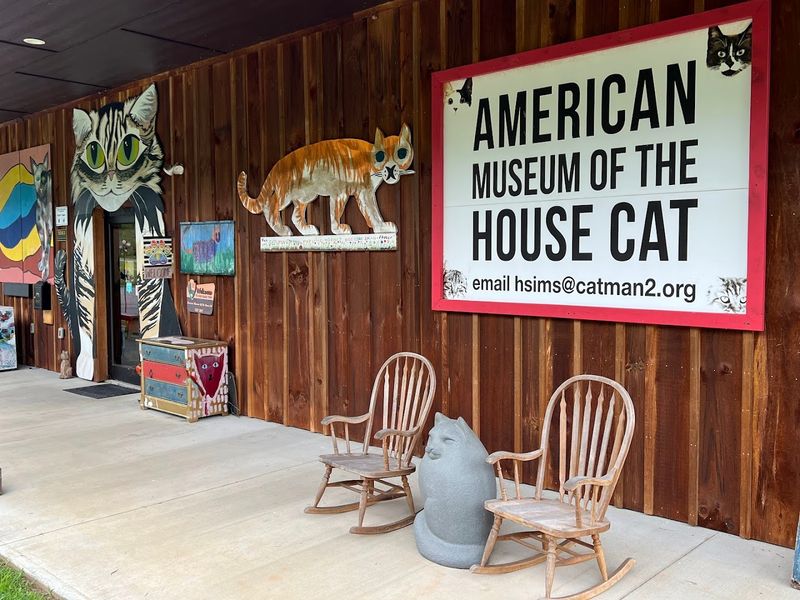
Only in the Smoky Mountains would you find a museum entirely devoted to humanity’s complicated relationship with domestic cats. This wonderfully strange collection emerged from one person’s serious obsession with all things feline, resulting in thousands upon thousands of cat-related objects crammed into a mountain town storefront.
The exhibits explore how cats have been represented in art, advertising, toys, and popular culture across different eras and countries. You’ll see ancient Egyptian cat statues near vintage Felix the Cat merchandise and Japanese lucky cat figurines.
The sheer variety is overwhelming in the best possible way.
Some visitors find it endearingly eccentric while others question its existence entirely, but everyone agrees it’s memorable. The museum treats its quirky subject with genuine scholarly attention, examining why humans have been fascinated by cats for millennia.
Whether you’re a devoted cat person or just appreciate committed enthusiasm for an unusual topic, this place delivers an experience you won’t find anywhere else in North Carolina or probably the entire country.
Frisco Native American Museum (Frisco)
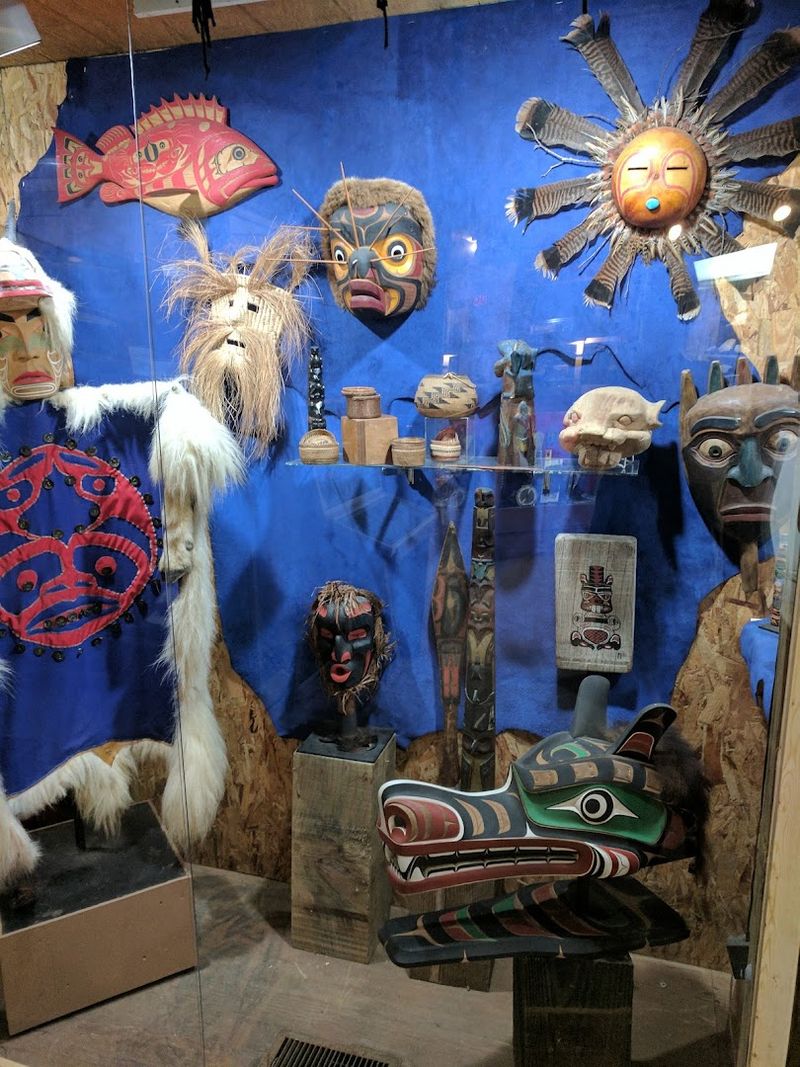
Out on Hatteras Island, where ocean winds shape everything, this museum tells interconnected stories that mainstream history often separates. The collection weaves together Native American heritage, particularly Croatoan culture, with the maritime traditions of the Outer Banks.
It sits surrounded by nature trails that make the visit feel like a journey rather than just a museum stop.
The displays reflect decades of passionate collecting and preservation by people deeply connected to the area. You’ll find arrowheads, pottery, tools, and fishing equipment that span centuries of coastal life.
The museum doesn’t have the polish of major institutions, which actually works in its favor by creating an intimate, personal atmosphere.
What makes this place special is how it presents overlapping histories without trying to sanitize or simplify them. The Croatoan connection to the Lost Colony mystery adds intrigue, while the broader focus on sustainable coastal living offers practical insights.
Visitors leave with a richer understanding of how indigenous peoples adapted to barrier island life.
Graveyard of the Atlantic Museum (Hatteras)
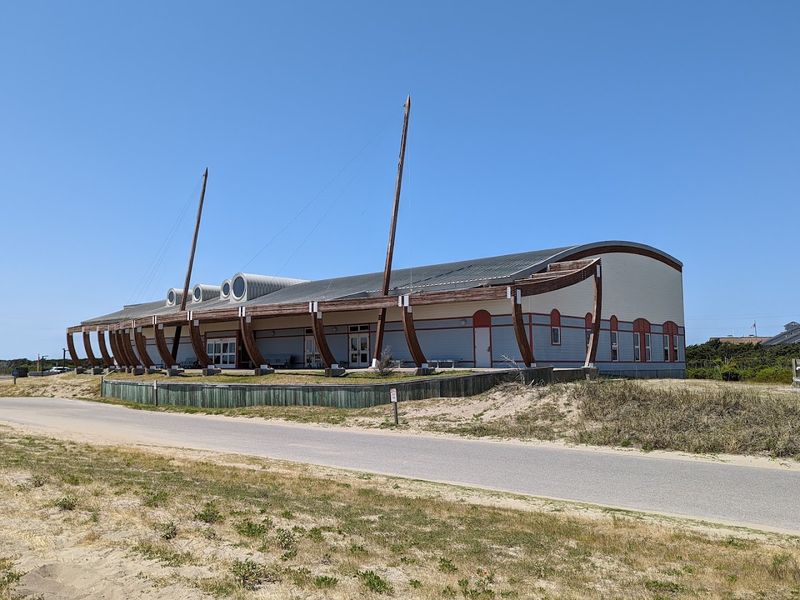
The waters off North Carolina’s coast have claimed over 5,000 ships, earning the region its grim nickname. This museum embraces that dark legacy without flinching, presenting centuries of maritime tragedy, survival, and loss.
It’s not your cheerful seaside attraction.
Exhibits cover everything from colonial-era pirate attacks to World War II German U-boat sinkings just offshore. You’ll see recovered ship artifacts, dramatic rescue stories, and accounts of storms that changed coastal communities forever.
The museum explores how hurricanes, shifting sandbars, and wartime dangers turned these waters into one of America’s most treacherous maritime zones.
Personal stories give the statistics weight and emotion. Reading about families torn apart by shipwrecks or lighthouse keepers risking everything for rescue missions makes history feel immediate.
The museum succeeds because it doesn’t romanticize disaster; it presents the Outer Banks as a beautiful but genuinely dangerous place where the ocean always had the final word. That honest approach makes it far more compelling than sanitized coastal history museums elsewhere.
Museum of the Alphabet (Waxhaw)
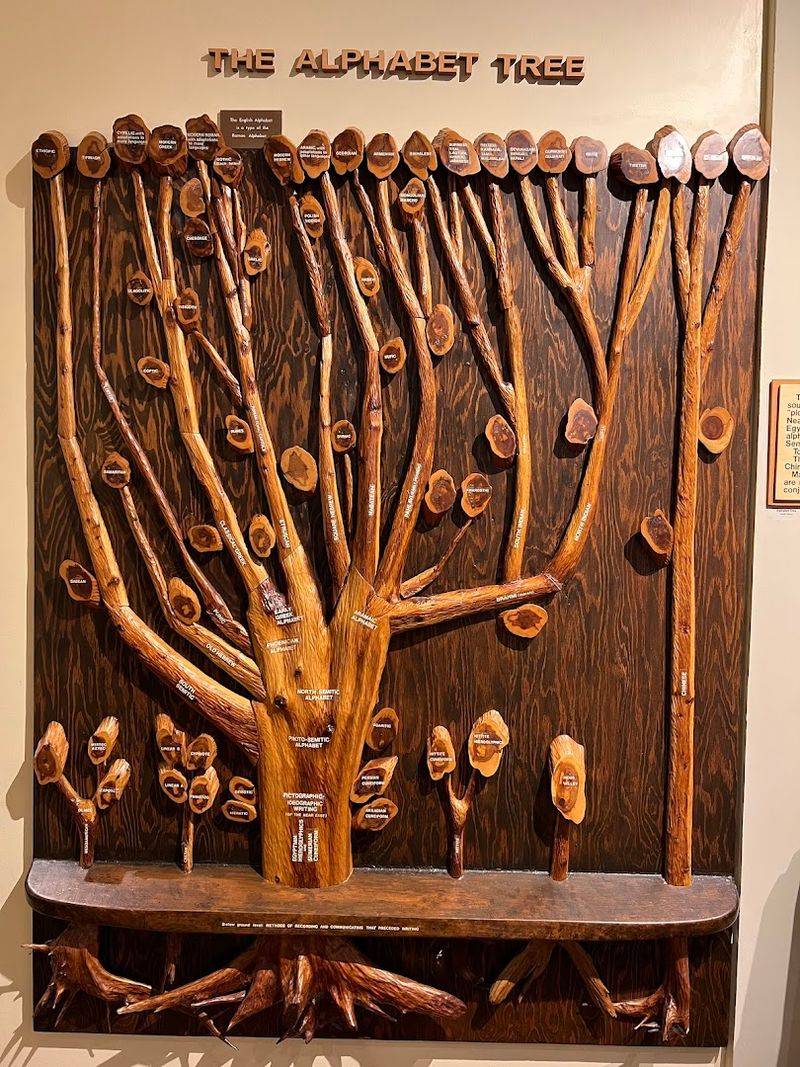
How often do you think about the letters you’re reading right now? This museum wants you to consider writing systems as one of humanity’s most revolutionary inventions.
It’s dedicated entirely to alphabets, typography, printing, and the evolution of written communication. Yes, really.
The collection includes rare examples of different writing systems from around the world, vintage printing equipment, antique signs showcasing typography evolution, and displays explaining how humans developed symbolic written language. It’s unexpectedly fascinating once you start paying attention to details you normally ignore.
The museum makes you see everyday text with fresh eyes.
Graphic designers and teachers especially appreciate the depth of information presented about something we take completely for granted. But even casual visitors find themselves drawn into questions about why alphabets look the way they do or how regional styles developed.
The museum’s niche focus allows it to explore its subject thoroughly without overwhelming visitors. You’ll never look at fonts, signs, or handwriting quite the same way after spending time here.
North Carolina Country Doctor Museum (Bailey)
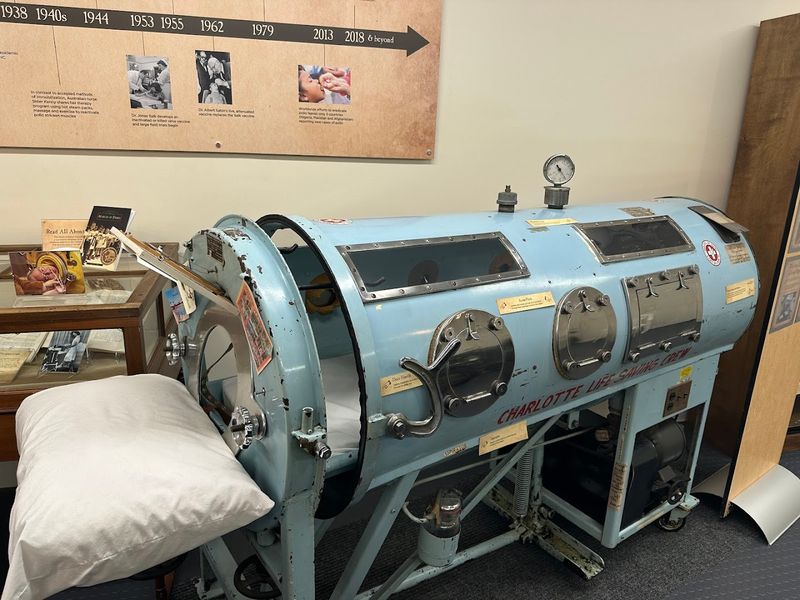
Before hospitals, emergency rooms, and specialists, rural communities relied on country doctors who traveled dusty roads with medical bags and determination. This museum preserves that vanished world of frontier healthcare through a restored medical office filled with equipment that looks more like torture devices than healing tools.
The collection includes surgical instruments from an era before reliable anesthesia, mysterious bottles of patent medicines promising miracle cures, and obstetrical tools that remind visitors how dangerous childbirth once was. You’ll see the horse-drawn buggies doctors used for house calls and personal items revealing their isolated, demanding lives.
The exhibits don’t shy away from how limited and sometimes horrifying early medical practices were.
Yet the museum also celebrates the courage of doctors serving remote areas with whatever knowledge and tools they had available. Their dedication kept communities functioning when the nearest hospital might be days away by bad roads.
Walking through feels like time travel to when medicine was as much about human connection as scientific knowledge, and doctors truly knew their patients’ entire families.
Schiele Museum of Natural History (Gastonia)
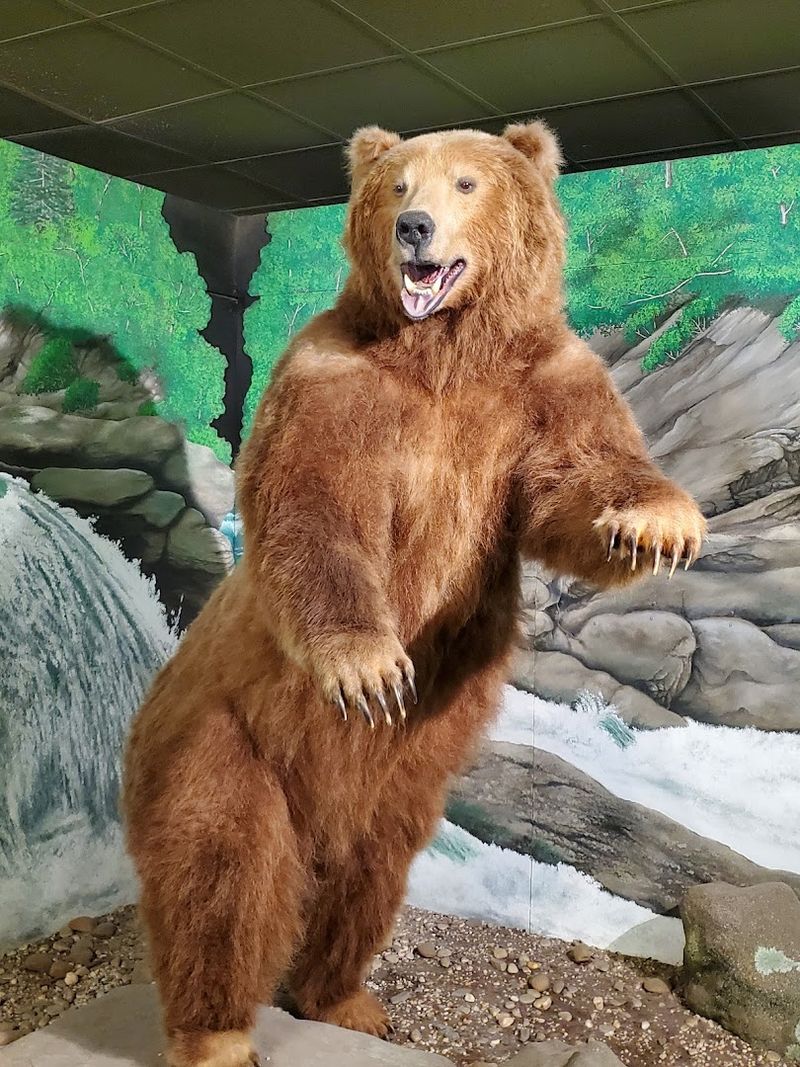
Step inside and you’re transported to the heyday of mid-century natural history museums, when taxidermy was king and dioramas attempted to recreate entire ecosystems behind glass. The Schiele hasn’t completely modernized, which gives it a wonderfully nostalgic, slightly eerie atmosphere that newer museums lack.
Those glassy animal eyes watching visitors create memorable unease.
The exhibits blend fossils, mounted animals, Native American artifacts, and geological specimens in ways that feel delightfully old-school. You’ll find the kind of hands-on, slightly dusty educational approach that characterized local science museums decades ago.
It’s not sleek or digital, but that becomes part of its charm for visitors seeking authentic experiences over polished presentations.
Kids still love the planetarium and live animal encounters, while adults appreciate the throwback aesthetic. The museum represents an earlier philosophy of science education that prioritized collecting and displaying everything rather than narrowing focus.
That comprehensive approach may seem dated to some, but it offers rich rewards for anyone willing to slow down and explore carefully rather than expecting flashy interactive screens.
Körner’s Folly (Kernersville)
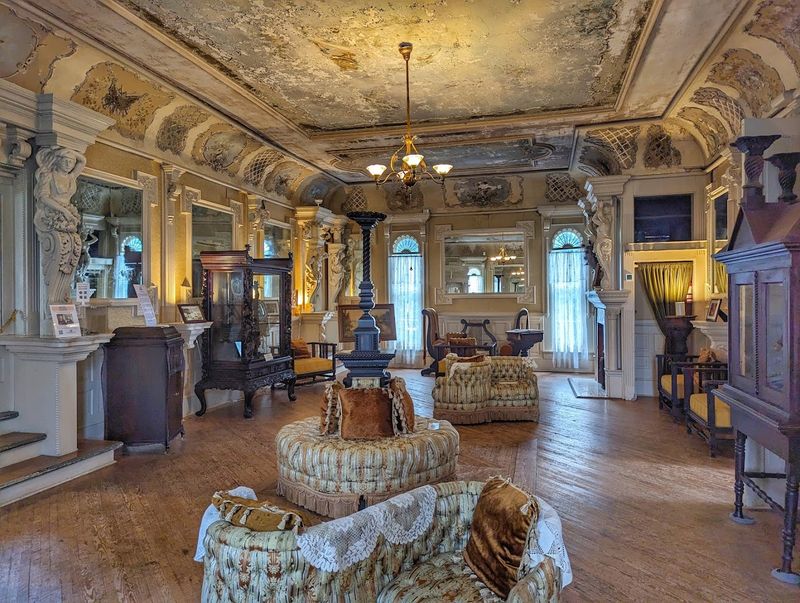
Jule Körner designed his home to be deliberately strange, creating a three-story architectural fever dream that served as his living space, furniture showroom, and artistic statement. Calling it a “folly” proved accurate.
The house defies normal architectural logic with rooms of wildly different sizes stacked in unexpected configurations.
Wandering through feels disorienting in the best way. Ceilings are painted with elaborate designs, doorways appear at odd heights, and hidden spaces emerge where you’d never expect them.
Körner incorporated at least seven different floor levels and rooms ranging from tiny to enormous. Each space showcases his furniture designs and artistic vision, making the entire house function as a three-dimensional advertisement for his creative services.
The place rewards careful exploration because new oddities keep revealing themselves. You’ll discover peculiar architectural flourishes, unexpected nooks, and decorative choices that make perfect sense and no sense simultaneously.
It’s part historic home, part art installation, and entirely unique among North Carolina’s house museums. Körner succeeded in creating something so unusual that it still confounds and delights visitors over a century later.
North Carolina Maritime Museum at Southport (Southport)
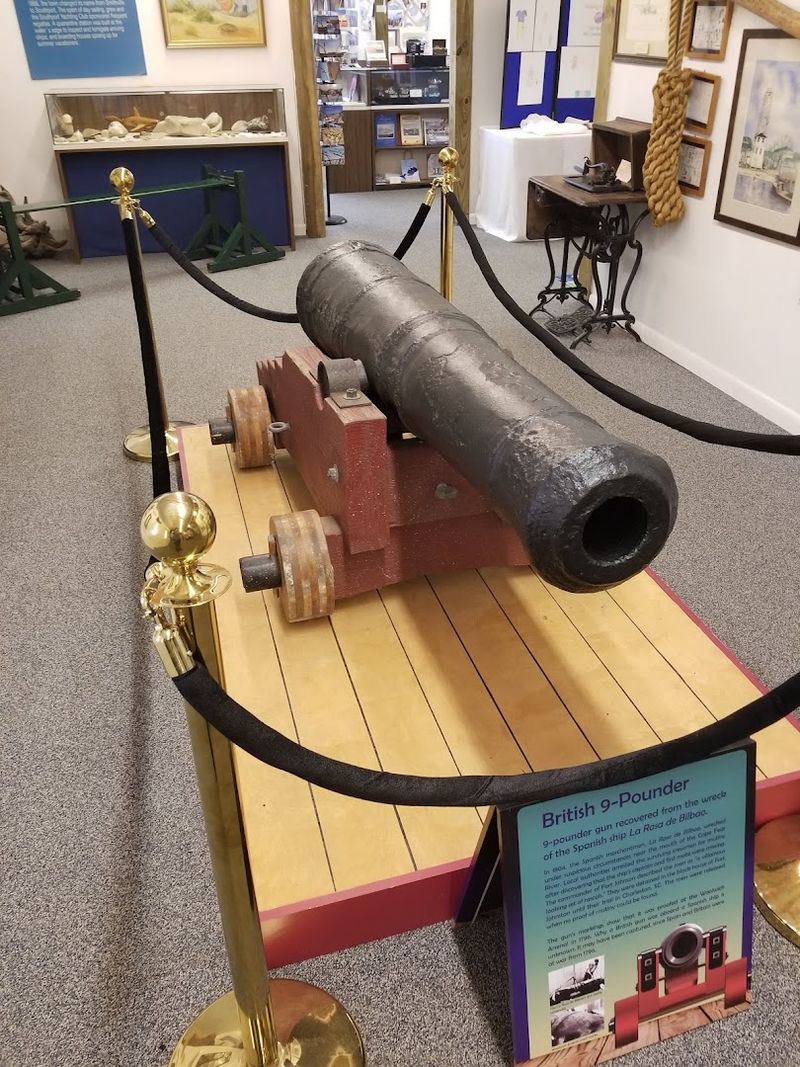
While North Carolina has several maritime museums, Southport’s version takes a notably darker approach by emphasizing disasters, conflicts, and survival along the Cape Fear coast. The exhibits explore how this region’s strategic location made it a hotspot for piracy, military action, and deadly storms that shaped local communities.
You’ll encounter detailed accounts of Civil War blockade running, when ships tried slipping past Union forces under cover of darkness with supplies for Confederate troops. Pirate history gets thorough treatment, moving beyond romantic legends to examine the actual violence and economic impact of coastal raiding.
Hurricane exhibits show how storms repeatedly devastated towns and changed the geography itself through erosion and flooding.
The museum’s focus on hardship and danger provides necessary context for understanding coastal life beyond vacation brochures. Shipwreck stories reveal how treacherous local waters remained even as maritime technology improved.
By emphasizing the struggles communities faced, the museum creates a more complete and honest picture of Cape Fear history. It’s sobering, educational, and far more memorable than generic coastal heritage museums.