
Nebraska isn’t just endless plains and cornfields. Hidden along its highways are roadside oddities, historic relics, and natural wonders that feel like stepping into another world.
From quirky sculptures to fossil beds frozen in time, this state is packed with surprises that most travelers never see. One turn of the road might reveal a towering stone monument, the next a life‑size car version of England’s Stonehenge.
History, art, and nature collide in unexpected ways. Pioneer villages, ancient fossils, and massive rail yards invite curiosity, while small towns hide stories that make every stop feel like uncovering buried treasure.
If you think you know Nebraska, think again. These 10 unusual stops prove the Cornhusker State is full of adventure, wonder, and the kind of experiences that turn a simple road trip into a journey you’ll never forget.
Ashfall Fossil Beds State Historical Park
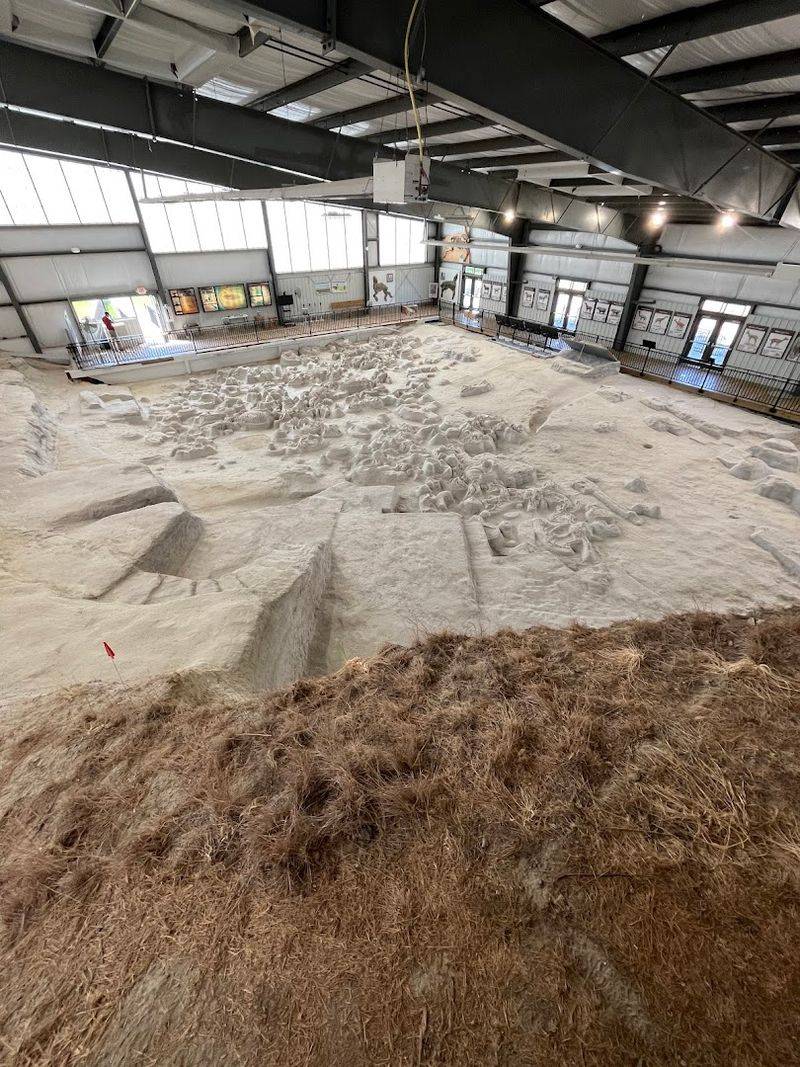
Ashfall Fossil Beds feels less like a museum stop and more like stepping into a prehistoric moment that never finished unfolding. Near Royal, this site preserves animals buried after volcanic ash drifted across the region roughly 10 to 12 million years ago.
The result is one of Nebraska’s most extraordinary windows into ancient life, often called a Pompeii of prehistoric animals.
The main experience centers on the Rhino Barn, where you can look directly onto an active fossil quarry. Skeletons of rhinos, horses, camels, and other creatures remain where they fell near a watering hole, which gives the site an emotional immediacy many fossil exhibits cannot match.
Instead of seeing bones moved into dramatic poses, you are seeing evidence almost exactly where history left it.
I think this stop works best when you give yourself time to read the exhibits and ask questions. Rangers and interpretive displays explain how ash from distant eruptions transformed a living landscape into a rare scientific archive.
Trails around the park also help you picture the broader environment that once supported these animals.
Ashfall is unusual because it combines roadside accessibility with real scientific significance. You leave with more than photos because the place changes how you imagine the Great Plains.
If you want a Nebraska stop that feels quiet, haunting, and genuinely important, this one belongs high on your list.
Chimney Rock National Historic Site
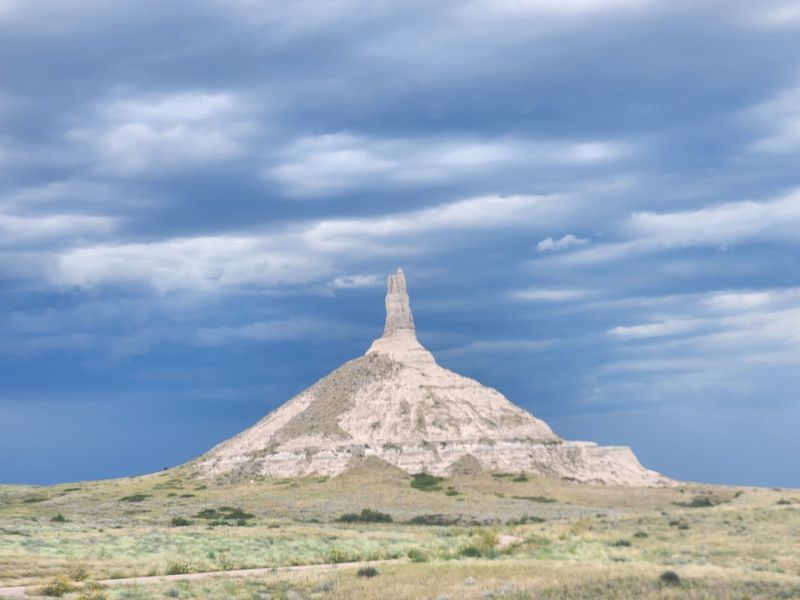
Chimney Rock is one of those landmarks you know before you fully know Nebraska. Rising dramatically above the North Platte Valley near Bayard, the formation stood as a major guidepost for travelers on the Oregon, Mormon, and California Trails.
Seeing it in person makes the scale of westward migration feel more real than any textbook summary ever could.
The rock itself towers more than 300 feet above the surrounding valley, though erosion has changed its shape over time. Even from a distance, it has a striking silhouette that explains why emigrants wrote about it so often in diaries and letters.
The visitor center helps connect that visual drama to the human stories of hope, exhaustion, and uncertainty tied to the trail era.
I like that this stop offers both scenery and context. You can learn about Native history, overland travel, and the geology that created the landmark, then step outside and see the same general view that once reassured thousands of people heading west.
It is simple, powerful, and easy to appreciate even on a tight road trip schedule.
Chimney Rock belongs on this list because it is not just a scenic formation but a symbol of movement across the Plains. Nebraska roads can feel wonderfully open, and this landmark captures that feeling perfectly.
If you want a stop with historical weight and unmistakable presence, pull over here.
Harold Warp Pioneer Village
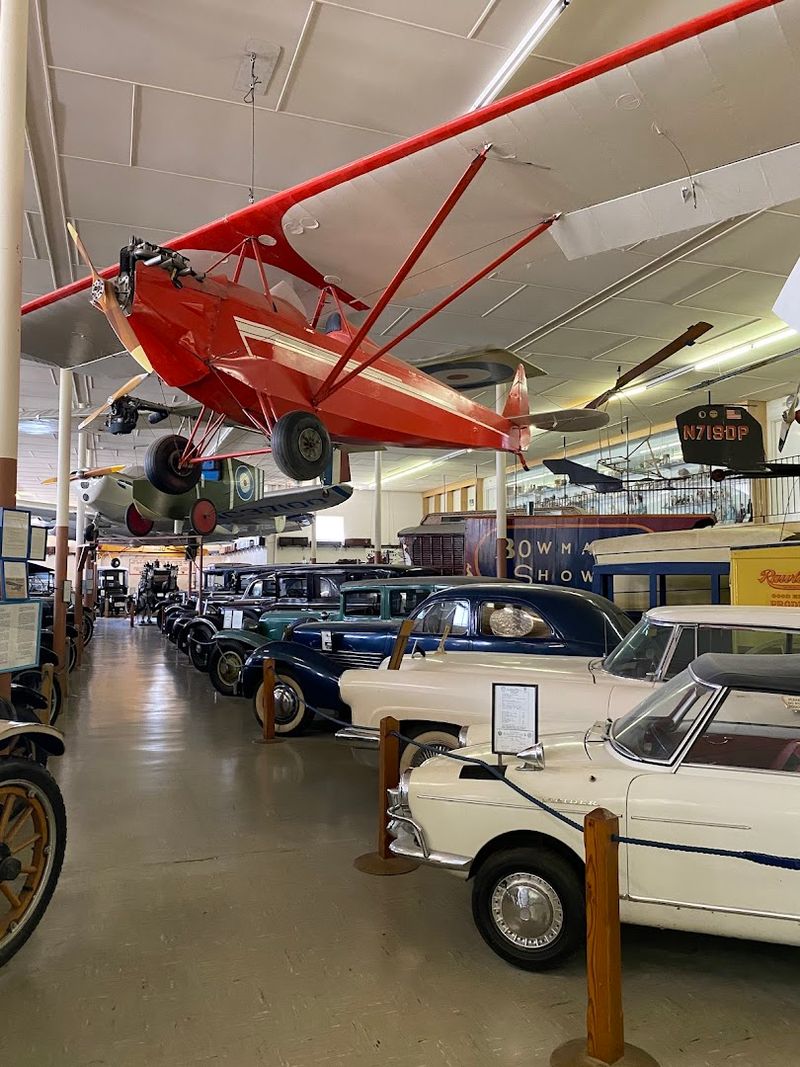
Harold Warp Pioneer Village in Minden is one of those places where you expect a modest local museum and quickly realize you have underestimated it. This huge complex includes 28 historic buildings and more than 50,000 artifacts, covering everything from transportation and agriculture to household life and early technology.
It feels like a compressed tour through American progress, with Nebraska as a strong backdrop.
What makes it unusual is the sheer breadth of the collection. You can move from antique automobiles and tractors to old storefronts, machinery, furniture, and domestic objects that make past generations feel close and tangible.
Instead of focusing on one theme, the village builds a broad picture of how people lived, traveled, worked, and adapted over time.
I would plan more time here than the word village might suggest. The exhibits keep unfolding, and each building adds another layer, whether you are interested in innovation, rural life, or the everyday items that usually disappear from history.
It is the kind of stop where you start by browsing and end up deeply engaged in details you did not expect to care about.
Pioneer Village earns a place on this road trip because it turns Nebraska history into something immersive and surprisingly vast. There is nostalgia here, but also a real sense of invention and resilience.
If you enjoy big collections and thoughtful wandering, this stop can easily become a highlight.
Fort Cody Trading Post
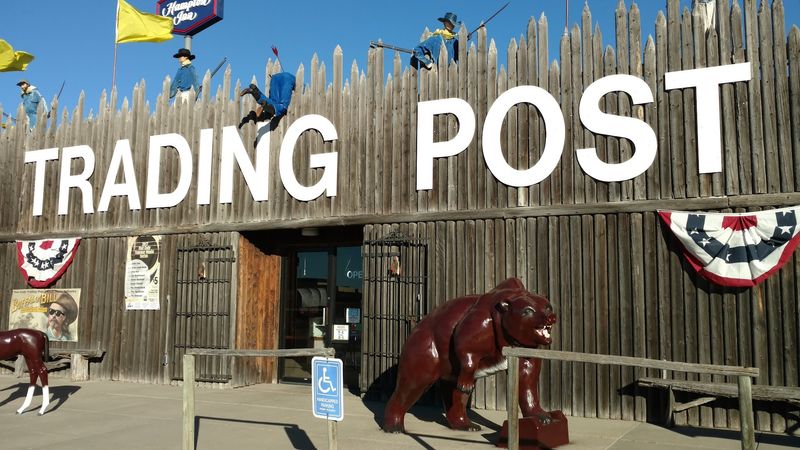
Fort Cody Trading Post is classic roadside Americana with enough Wild West flair to make the stop feel earned instead of kitschy. Located in North Platte, it is best known for the giant statue of Buffalo Bill Cody standing outside, plus a trading post packed with souvenirs and frontier themed displays.
It leans into theatrical history, which is exactly part of its charm.
The attraction reflects the larger legend of Buffalo Bill and the performance driven mythology of the American West. Inside, you can browse gifts, Nebraska memorabilia, and old-fashioned curios while getting a light introduction to local frontier identity.
It is less about deep interpretation than atmosphere, but that atmosphere is fun and memorable.
I like Fort Cody because it understands the assignment of a road trip stop. You can stretch your legs, take a photo with the towering figure outside, and enjoy a place that feels intentionally over the top without losing its local connection.
For families, it is easy and entertaining, and for nostalgia lovers, it hits the right notes fast.
This is the kind of stop that gives a long drive personality. Not every attraction needs to be solemn or scholarly to be worth your time, and Fort Cody proves that.
If you want a playful reminder that Nebraska roads still have room for old-school roadside spectacle, this one delivers.
Stuhr Museum of the Prairie Pioneer
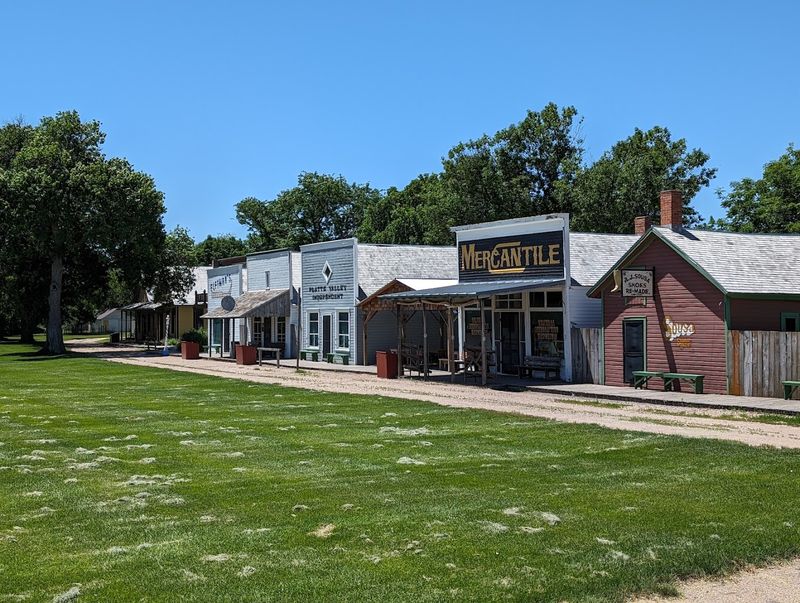
Stuhr Museum of the Prairie Pioneer offers a deeper, more immersive look at Nebraska’s past than a standard exhibit hall can provide. In Grand Island, this museum is best known for Railroad Town, a recreated nineteenth century community where historic buildings, period details, and live interpretation help the prairie era feel tangible.
You are not just reading labels here, you are stepping into a setting.
The museum explores settlement, transportation, domestic life, and the broader development of the region. Buildings are arranged to suggest a functioning town, which makes it easier to imagine how people worked, traded, traveled, and built communities on the Plains.
Seasonal programs and costumed interpreters often add another layer of energy and realism.
I like Stuhr because it balances education with atmosphere. You can slow down, move through different spaces, and absorb history in a way that feels less rushed and more human than many museums manage.
It is especially rewarding if you enjoy details like tools, architecture, clothing, and the rhythms of everyday life.
This stop earns its place by turning Nebraska history into an experience rather than a summary. It is thoughtful without feeling dry, and engaging without becoming overly theatrical.
If you want a road trip stop that helps the prairie past feel personal and vivid, Stuhr Museum is a strong choice.
Strategic Air Command & Aerospace Museum
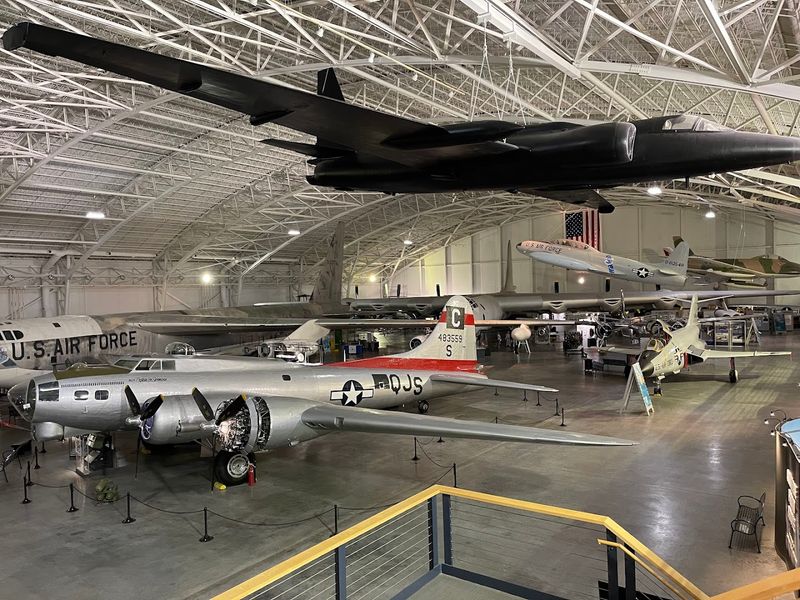
The Strategic Air Command and Aerospace Museum in Ashland brings a very different kind of Nebraska surprise to the road. Instead of prairie folklore or frontier nostalgia, you get massive aircraft, missiles, and a direct connection to Cold War history.
The scale alone is impressive, and once you step inside, the giant hangars make everything feel even more dramatic.
This museum focuses on aviation, defense, and space related innovation, with aircraft that once played major strategic roles. Bombers, reconnaissance planes, and missile exhibits help explain how Nebraska fit into national military planning during tense decades of global politics.
Even if you are not an aviation expert, the machines themselves command attention.
I think the museum works because it pairs spectacle with strong interpretation. You can admire engineering details, then move into exhibits that explain technology, strategy, and the people behind the systems.
Families usually find plenty to engage with, and history fans can easily spend longer than planned tracing the connections between local geography and world events.
What makes this stop unusual in a Nebraska road trip is the contrast. One day you might be looking at pioneer landmarks, and the next you are standing below aircraft built for nuclear age deterrence.
If you want a stop that feels big, serious, and unexpectedly compelling, this museum absolutely delivers.
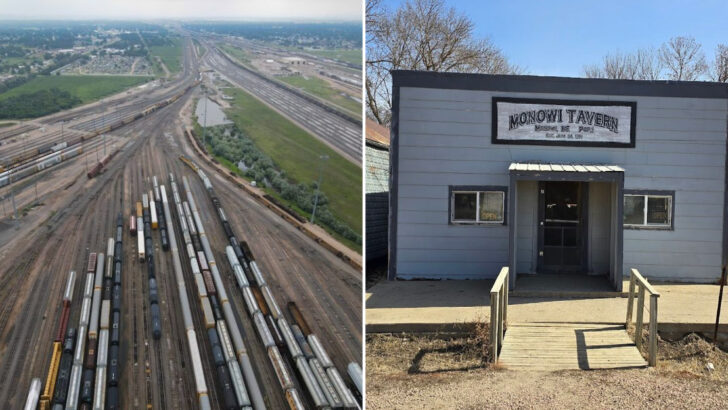
Monowi – The Smallest Town in America
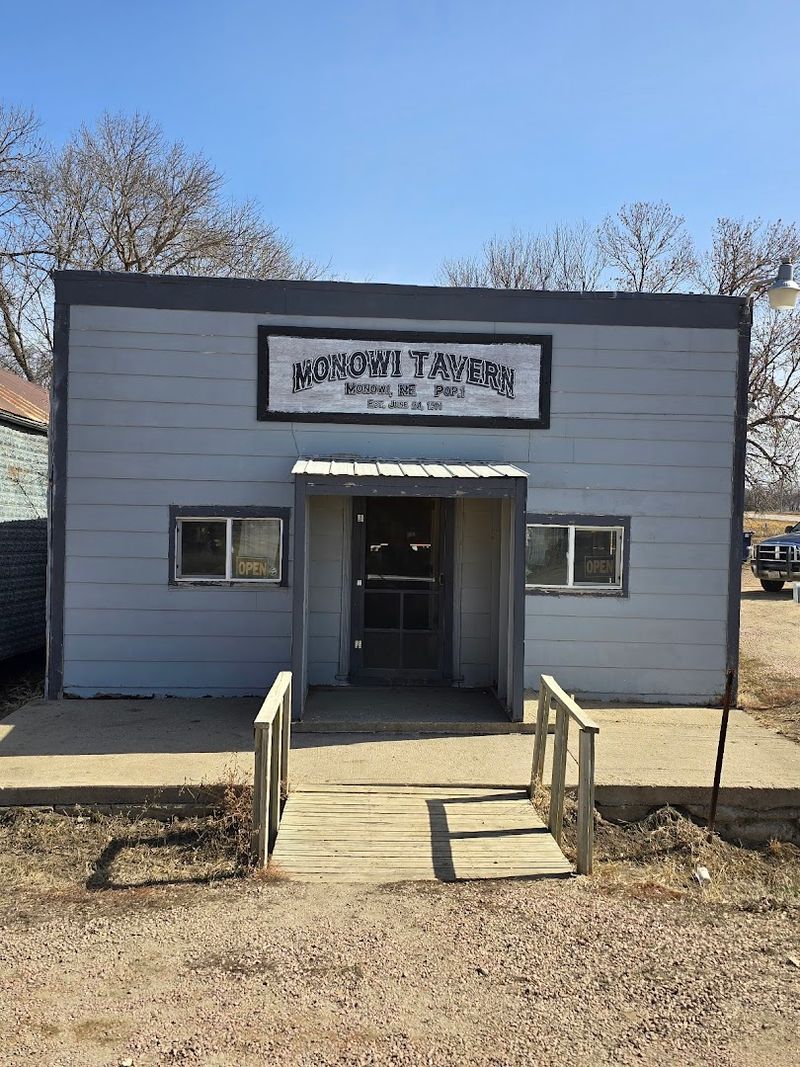
Monowi is one of those places that sounds invented until you arrive and realize it is very real. This tiny Nebraska town is famous for having a population of one, and that lone resident, Elsie Eiler, serves as mayor, librarian, and bartender.
As roadside stories go, it is hard to find one more unusual or more genuinely human.
The stop centers on the Monowi Tavern and the tiny surrounding footprint of a town that once held more residents. What might seem like a novelty from afar becomes unexpectedly moving when you consider the persistence required to keep a place going almost single-handedly.
There is humor in the population statistic, but there is also resilience, memory, and local pride.
I think Monowi stays with you because it turns abstraction into conversation. You are not looking at a replica or a monument to small-town decline, you are seeing a place that still functions because one person keeps choosing to maintain it.
That makes the experience feel less like checking off a quirky fact and more like encountering a living story.
On a Nebraska road trip, Monowi offers something impossible to fake: scale reduced to the most personal level imaginable. It is quiet, a little surreal, and deeply memorable.
If you enjoy places where oddity and authenticity overlap, this is one stop you will talk about long after the drive ends.
Agate Fossil Beds National Monument
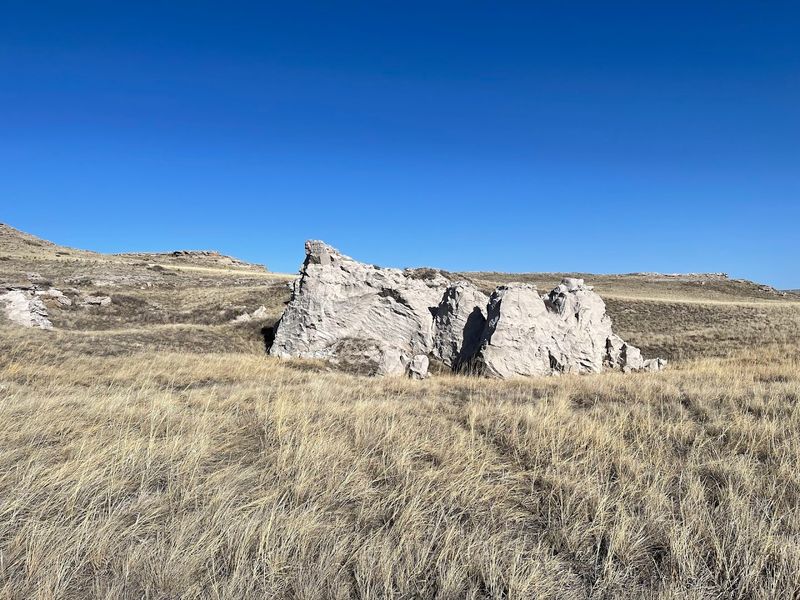
Agate Fossil Beds National Monument combines paleontology, Plains history, and wide-open scenery in a way that feels quietly powerful. Near Harrison in northwestern Nebraska, the monument preserves important Miocene fossil deposits from an ancient world once filled with now extinct mammals.
It also houses a significant collection of Lakota artifacts, which broadens the story beyond bones and geology.
The fossil history here is substantial, with discoveries that helped scientists understand prehistoric ecosystems of the Great Plains. Trails let you move through the landscape where these animals once lived, making it easier to picture grasslands long before modern roads or fences.
Inside the visitor center, exhibits connect the science to human stories, especially through the cultural material linked to Plains communities.
I appreciate that Agate feels both intellectual and meditative. You are not overwhelmed by crowds or flashy presentation, which gives the place room to work on you slowly.
The land itself becomes part of the interpretation, and the quiet can sharpen your sense of deep time.
This monument is worth the detour because it does more than display relics. It invites you to think about Nebraska as a place layered with ancient life, cultural exchange, and scientific discovery.
If you want a stop that feels thoughtful, scenic, and genuinely distinctive, Agate Fossil Beds is a strong choice.
Toadstool Geologic Park
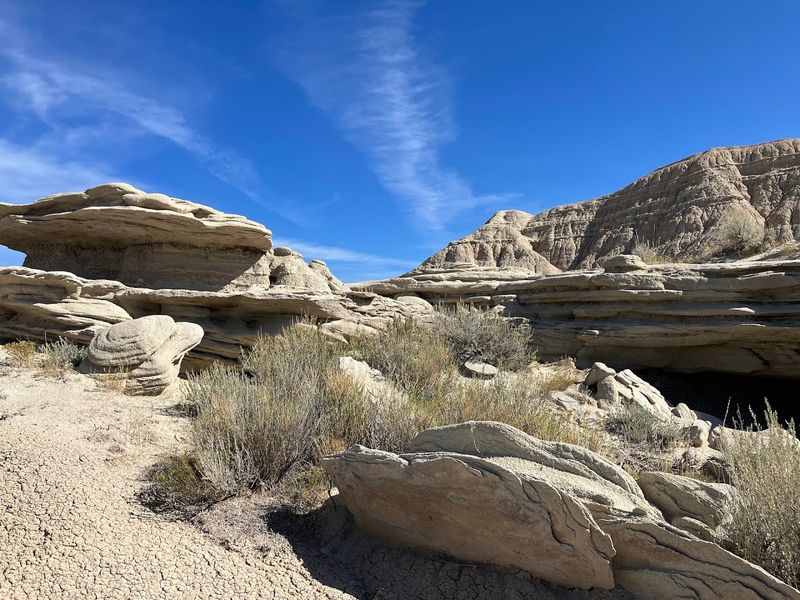
Toadstool Geologic Park looks more like a movie set from another planet than a typical Nebraska stop. Near Crawford in the state’s northwest corner, the landscape is filled with oddly shaped rock formations that resemble giant mushrooms, which gives the park its memorable name.
The terrain is stark, sculpted, and wonderfully strange against the open sky.
What makes this place special is how quickly it changes your sense of the region. Nebraska is often imagined as flat farmland, yet here you get badlands style topography, pale sediment layers, and erosional forms that feel almost prehistoric.
Short trails help you move through the formations and appreciate the geology at close range.
I would come prepared for sun, wind, and a slower pace, because this is a stop best enjoyed by wandering and observing. The park also has educational value, with fossils and rock layers that reveal long environmental histories written into the ground.
It is photogenic throughout the day, but soft light near morning or evening makes the shapes especially dramatic.
Toadstool belongs on this list because it delivers genuine surprise. It is scenic, unusual, and different from nearly every stereotype attached to Nebraska.
If you want a road trip detour that feels remote, surreal, and deeply tied to the natural history of the Plains, this park is absolutely worth the drive.
Bailey Yard – World’s Largest Rail Yard
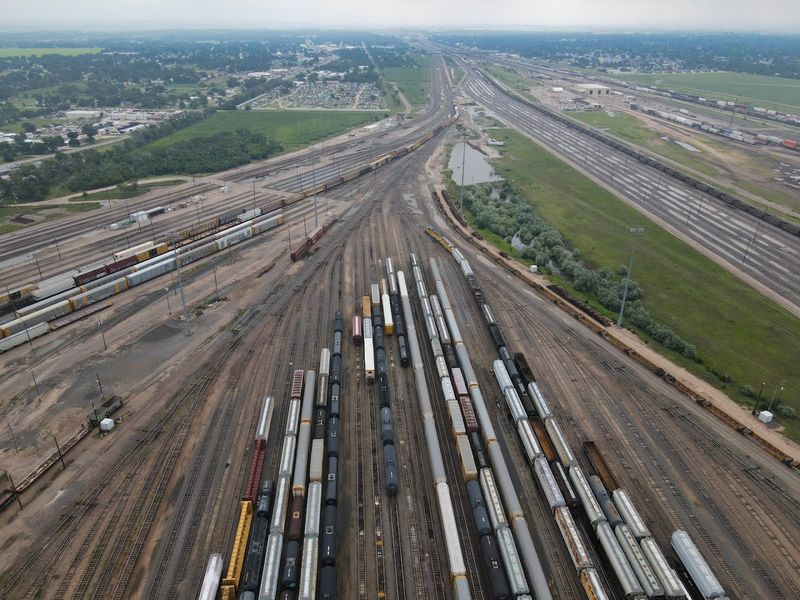
Bailey Yard in North Platte is one of those places where industrial scale becomes its own kind of spectacle. Operated by Union Pacific, it covers nearly 3,000 acres and is widely recognized as the largest railroad classification yard in the world.
Even if trains are not usually your thing, the sheer immensity of the operation is hard to ignore.
This yard matters because it reveals how the country moves goods behind the scenes. Freight cars arrive, are sorted, repaired, inspected, and sent back out through a system that runs with astonishing complexity and precision.
Nebraska’s central location becomes easy to understand once you see how crucial this railroad hub is to national logistics.
I find Bailey Yard fascinating because it turns something most of us overlook into a major travel experience. Instead of a polished tourist attraction, you are engaging with working infrastructure on a massive scale, and that makes the visit feel grounded and real.
Watching long lines of railcars shift through the maze of tracks can be oddly hypnotic.
This stop earns its place by showing a side of Nebraska that is both practical and epic. The state has always been shaped by movement, and Bailey Yard is a modern expression of that history.
If you enjoy engineering, transportation, or simply seeing something done on an enormous scale, this is a memorable detour.