

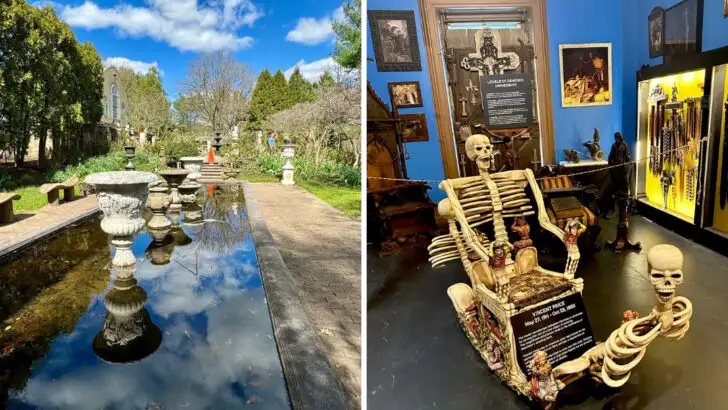
Tucked along US-202 in Doylestown, VAMPA feels like a secret you cannot wait to share. Part museum, part living artwork, it blends vampire lore, sacred relics, and paranormal artifacts into a walkable story that keeps surprising you.
The grounds alone set the mood with ironwork, fountains, and peacocks strutting past dinosaurs and statues. Step inside, and you are greeted by dim glow, hushed whispers, and a curator who treats every piece with reverence.
Orientation: What VAMPA Is and How To Plan Your Visit

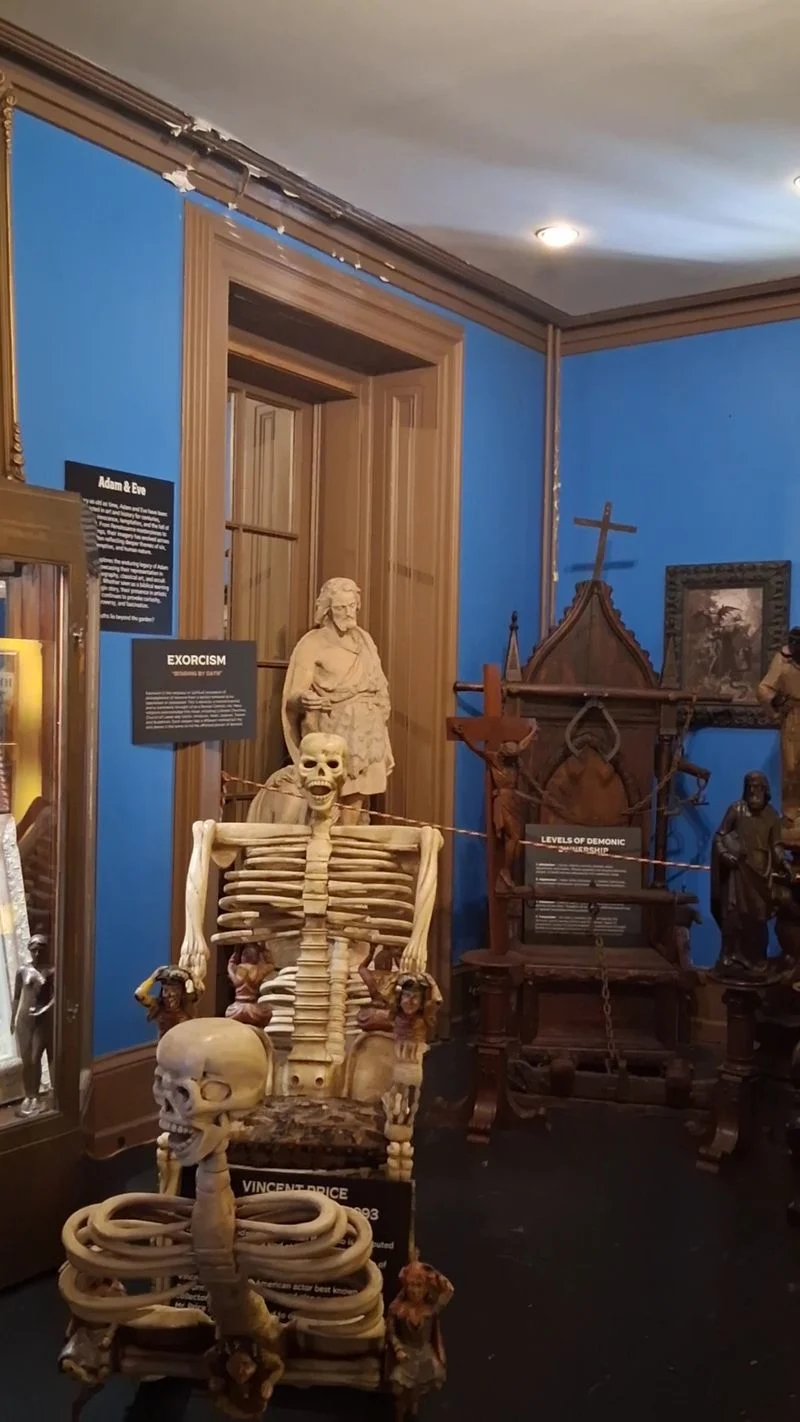
VAMPA is a curated deep dive into vampire history, spiritual artifacts, and the paranormal, all set on a storybook property in Doylestown. You will find the museum at 3686 US-202, tucked back from Swamp Road, where the entrance can sneak up on you.
Hours are simple and visitor friendly Thursday through Sunday 10 AM to 5 PM, with special events like the Cleansing Room flashlight tour announced in advance.
Plan at least 90 minutes, though two hours feels ideal if you read labels, ask questions, and wander the grounds. Regular daytime tickets hover around twenty dollars, with special night tours carrying separate pricing.
Parking can be tight on busy weekends, so arrive early, especially during spooky season.
What stands out is the care. The collection is respectful, clearly researched, and presented with content warnings near haunted or cursed items so you can skip what you prefer.
You will notice energy shifts room by room, but staff are calm, attentive, and happy to guide.
Bring a camera, sturdy shoes, and curiosity. Dress for the weather, because part of the magic happens outdoors among iron benches, fountains, and roaming peacocks.
You will likely leave with conversation fodder and a new favorite road trip story.
The Vampire Collection: Kits, Lore, and the Prince of Darkness

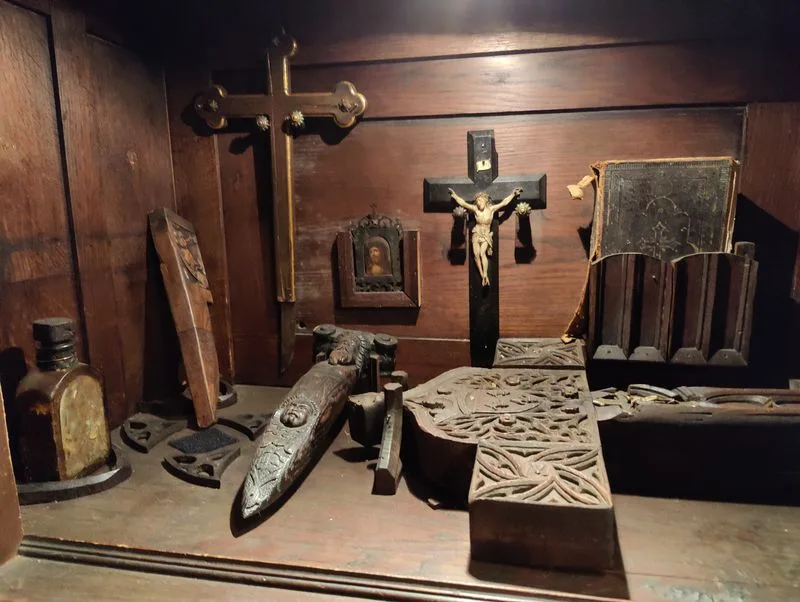
The vampire section is where curiosity meets scholarship. You will see period style vampire kits, reliquaries, and iconography that place blood lore in its social and religious context.
Labels unpack folklore across Europe and beyond, explaining why communities carried stakes, herbs, and sacred medals, and how fear translated into ritual.
Expect both theatrical atmosphere and sober history. Items are displayed with humility rather than shock value, so the narrative feels thoughtful.
The Prince of Darkness looms as a cultural archetype, not just a movie villain, and you will catch subtle nods to Vincent Price era iconography that shaped American imagination.
What hits hardest is the human side. Vampirism often masked disease, grief, and misunderstanding, and the exhibit carefully separates myth from medical reality.
You will leave appreciating how faith, fear, and folklore braided together to protect households.
Spend time with the labels and ask the curator to point out provenance. Some pieces feel charged, others purely historical, and that contrast gives the gallery depth.
Whether you lean believer or skeptic, the collection respects your stance while offering context you can carry into the rest of the museum.
The Cleansing Room: Night Flashlight Tour Experience
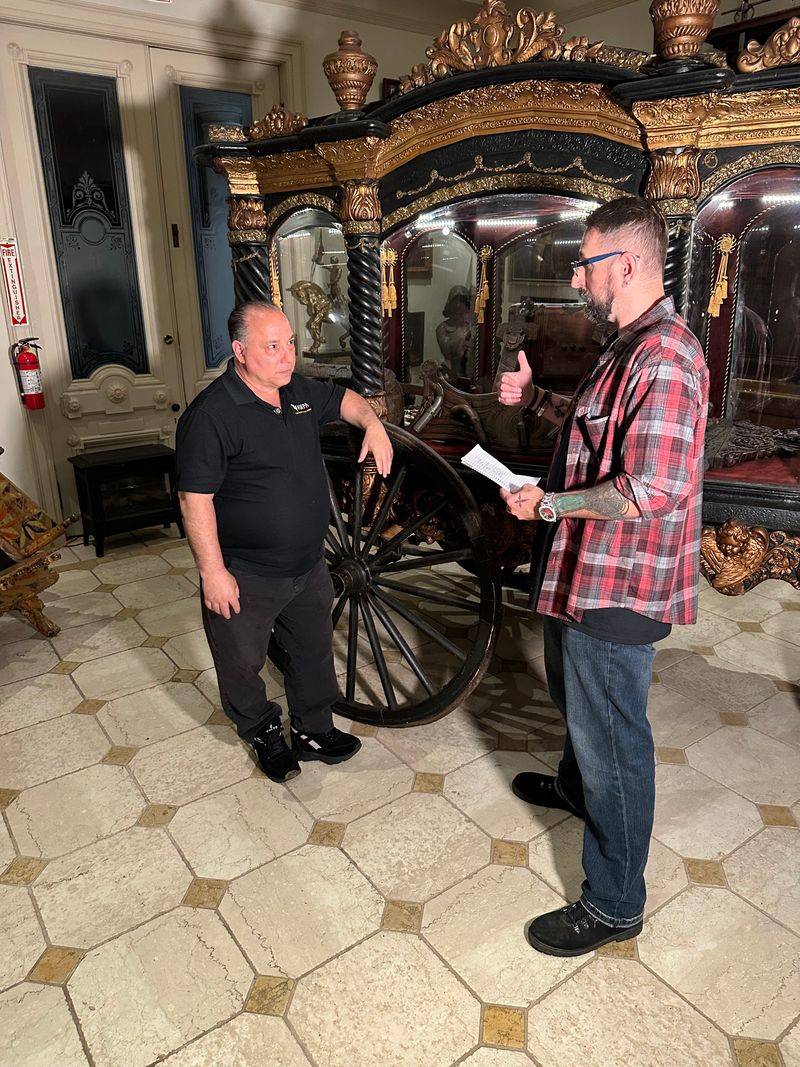
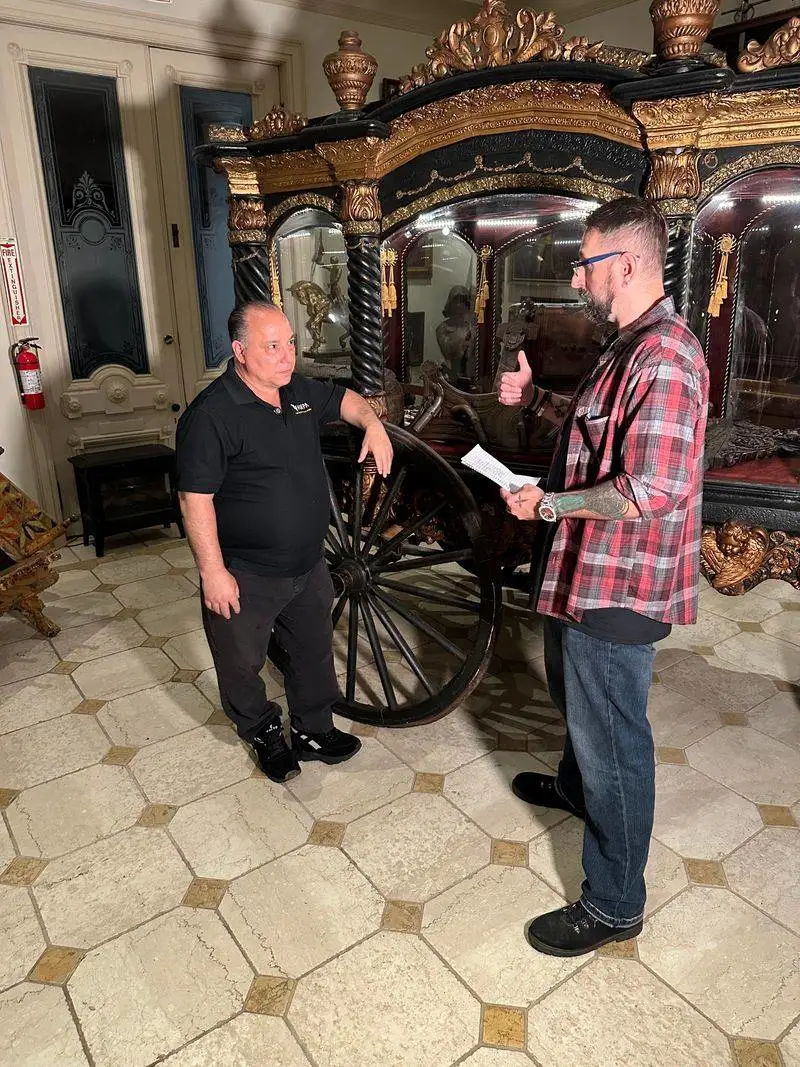
If you can swing a night visit, the Cleansing Room flashlight tour is unforgettable. Groups are small and the pace is intentionally unhurried, giving you time to feel the room’s temperature shifts and study ritual elements without distraction.
You will be guided by a curator who balances storytelling with grounded cautions and encourages questions.
Flashlights pick out details you might miss in daylight. Carvings seem to move, oils glint, and textiles reveal crosses and sigils layered with soot and age.
The effect is eerie yet reverent rather than sensational.
Expect personal space and a focus on consent. If something feels heavy, you can step back or skip a portion, and nobody pushes you.
Guests often report chills near particular corners, then relief in brighter spaces, and the staff acknowledge those responses kindly.
It is priced higher than daytime admission, but the intimacy, narration, and access make it worthwhile. Dress warmly, silence your phone, and be present.
You will leave with a deeper appreciation for how ritual objects carry stories and why VAMPA treats them with such careful respect.
Haunted and Cursed Objects: Warnings, Boundaries, and Etiquette

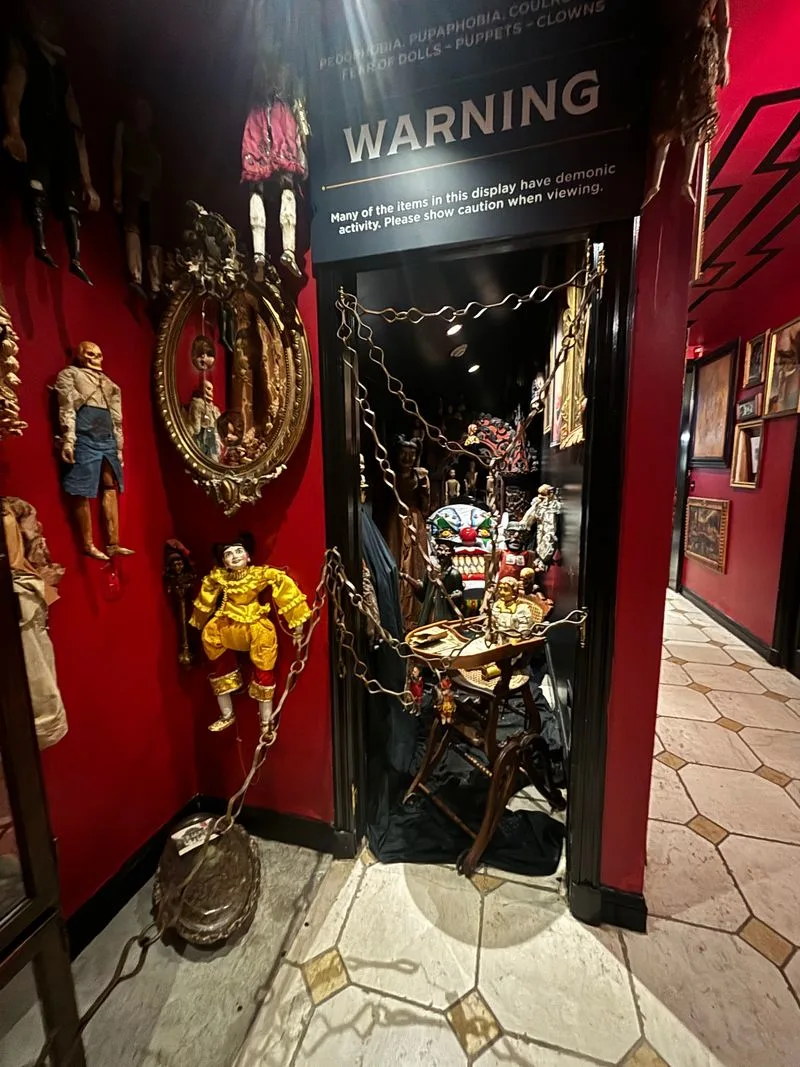
VAMPA posts clear warnings near haunted and cursed objects so you can make informed choices. You will notice placards that explain alleged phenomena, note prior reports, and invite you to skip if you prefer.
This respectful approach sets the tone and makes exploration feel safe, even if you are nervous.
Etiquette is simple. Do not touch, photograph respectfully, and hold conversation to a whisper so others can focus.
If a piece feels heavy to you, step aside and ground yourself in a brighter gallery or outside among the fountains and peacocks.
Some displays might include an exorcism chair or ritual tools tied to cleansing practices. Whether you believe or not, you will appreciate the museum’s care for provenance and context.
The staff are open to questions and offer practical framing without hype.
Consider bringing a small notebook to capture impressions, because memory gets fuzzy when adrenaline spikes. Hydrate, breathe, and let your curiosity lead.
You will likely find that the balance of caution and accessibility makes the spookier items feel profound rather than performative.
Saint Michael’s Room: Light After Darkness

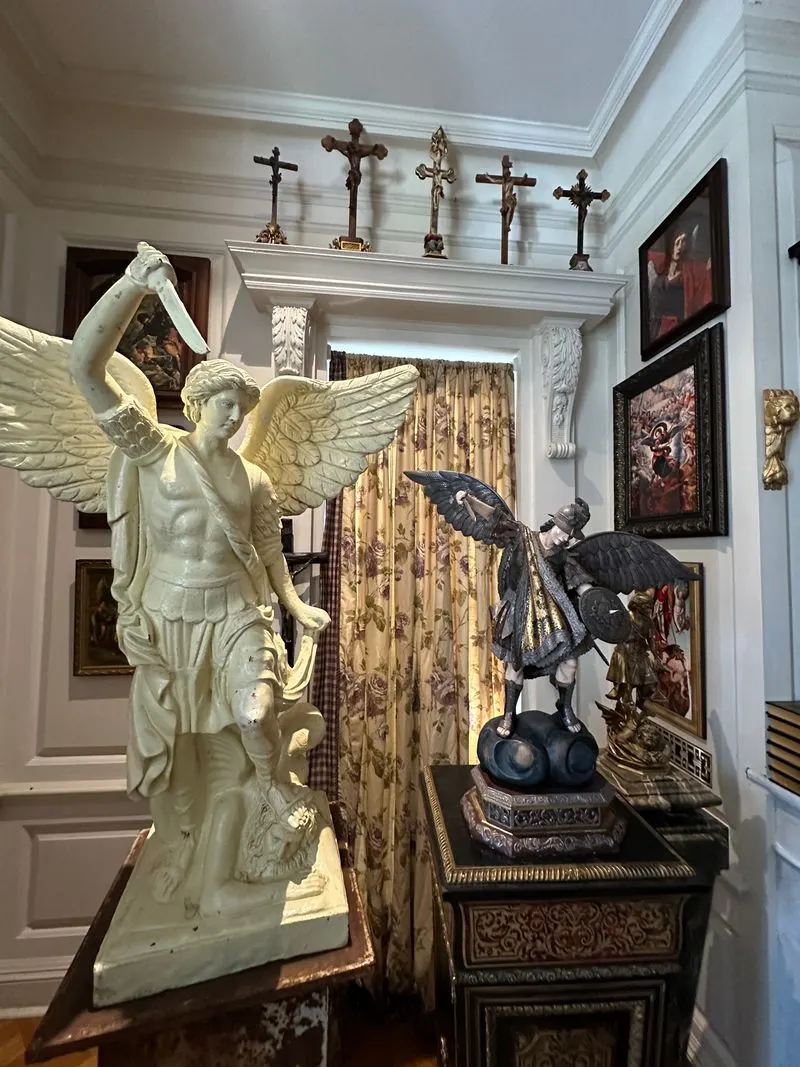
After the heavier galleries, Saint Michael’s Room feels like a deep breath. Warm light, sacred imagery, and the archangel’s victorious pose create a calm counterpoint to darker themes.
You will likely feel shoulders drop as you take in gold leaf, blue tones, and the hush of devotional art.
The curation here is intentional. Placards trace iconography across centuries and explain why St. Michael is invoked for protection, justice, and courage.
Visitors mention feeling lighter in this space, especially after time with charged artifacts.
Use the room to reset your senses. Sit on a bench, slow your breathing, and listen for small sounds that anchor you back into your body.
The shift is part of the museum’s rhythm, honoring that exploration of the paranormal should include restoration.
Ask staff about specific pieces and their journeys to Doylestown. You will hear stories of rescue, repair, and reverence that mirror the museum’s mission.
When you step back into the next gallery, you will carry a steadier energy and probably notice more detail than before.
The Grounds: Peacocks, Dinosaurs, and Iron Gardens

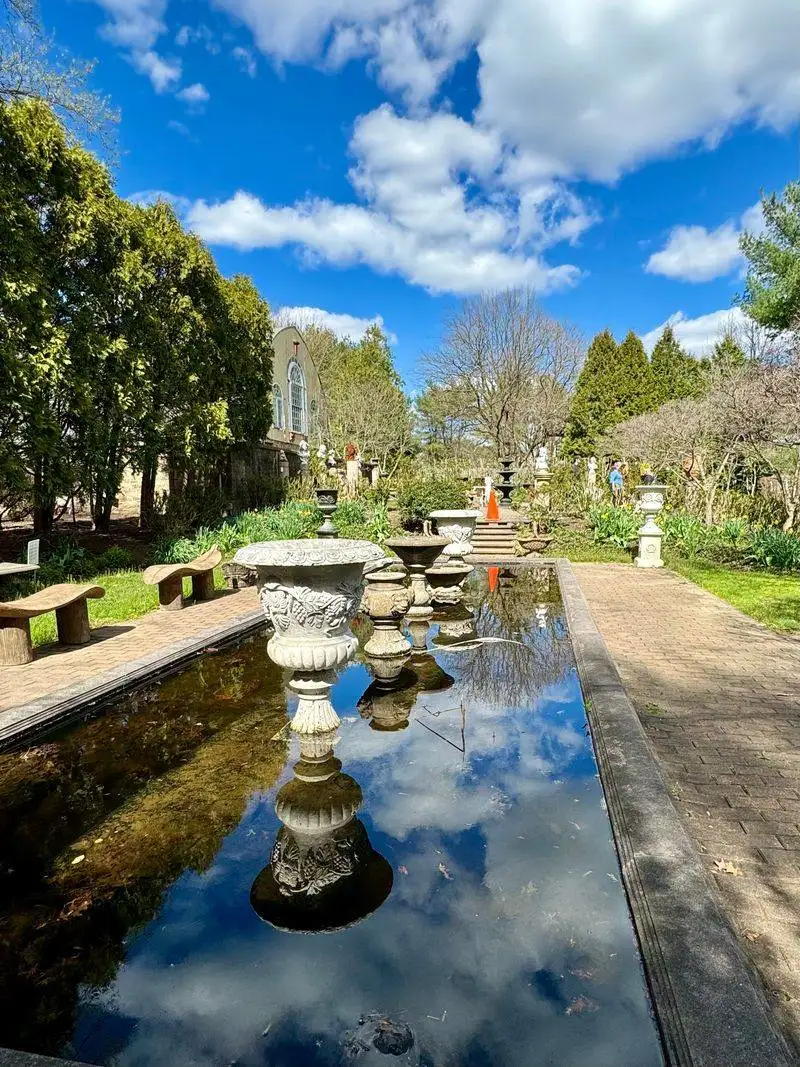
Before you even reach the entrance, the property sets the mood. You will walk past iron benches, fountains, and vignettes that feel like a storybook stitched to a gothic folio.
Live peacocks wander between dinosaur statues and mermaids, and you might catch their calls echoing against the barn.
Take your time here. The outdoor pieces are not just decoration, they are part garden, part stage, and part playful wink at the museum’s theatrical spirit.
The mix reads kitschy to some and enchanting to others, but either way it builds anticipation.
Bring a camera for portraits and details. You will find textures in weathered iron, water droplets on carved stone, and shadows that make everything feel alive.
Families appreciate that kids can marvel at dinosaurs while adults soak up atmosphere.
If you want to shop, the adjacent barn and gift spaces carry ironwork, statues, and curios you can bring home. Benches provide rest between galleries, and the grounds work beautifully for engagement photos or costumes during fall.
You will likely return to this area after the museum to process and smile.
Antique Barn and Gift Shop: Finds, Furniture, and Oddities

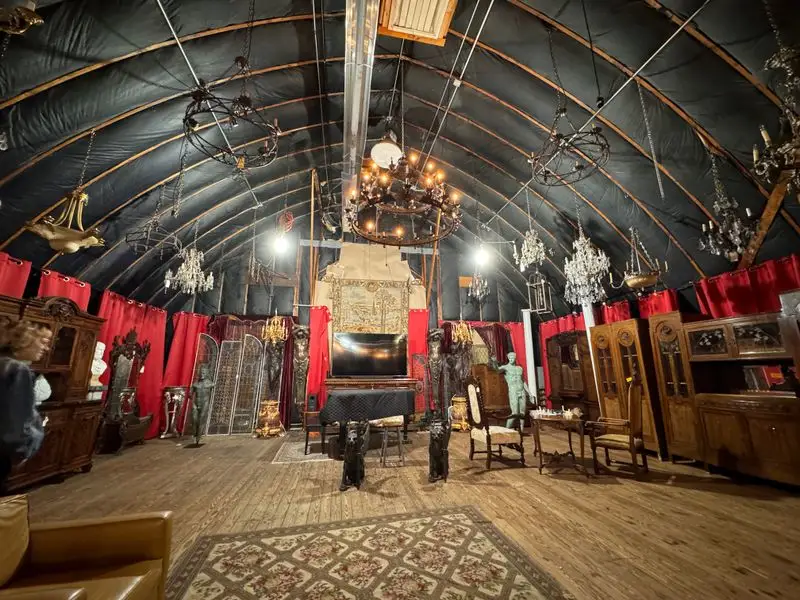
Step into the barn and you will feel the collector’s heartbeat. Iron gargoyles, skull knockers, vintage furniture, candles, and framed prints mingle with garden pieces ready for patios and foyers.
Prices range from impulse buys to heirloom investments, and staff are happy to discuss provenance or placement.
It is more than a gift shop. The upstairs often features eclectic antiques that echo the museum’s themes without duplicating them.
You will find practical home pieces alongside theatrical flourishes, so you can carry a bit of VAMPA atmosphere home.
Check for seasonal stock, because Halloween and fall bring in limited runs of iron and concrete statuary. You might even spot items seen on the grounds available for purchase.
Try lifting before committing, because some pieces are heavier than they look.
Merchandise runs thoughtful rather than generic. Hoodies, prints, and small relic style items make memorable souvenirs, especially after a flashlight tour.
Bring measurements and photos of your space so staff can help you choose scale. You will leave with something that keeps the museum’s mood alive between visits.
Education and Curation: How Stories Are Told

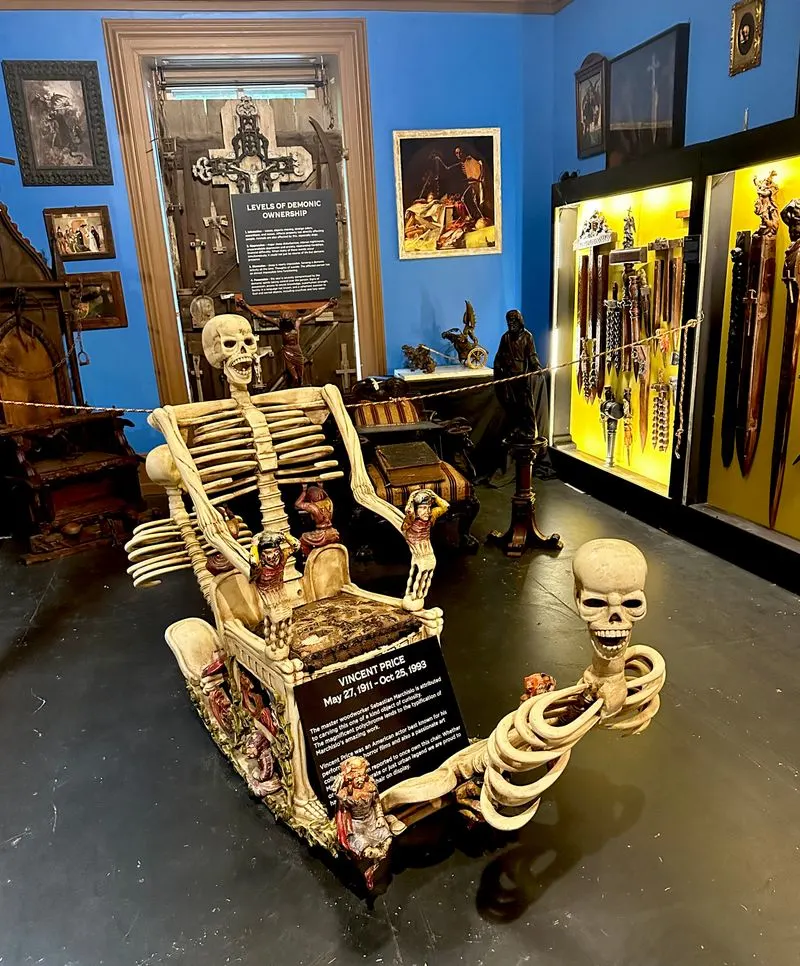
What elevates VAMPA is the scholarship behind the spectacle. Labels are clear, specific, and paced so you can follow threads across rooms without confusion.
You will notice careful language that differentiates folklore, ritual practice, and documented history, which invites both skeptics and believers to engage thoughtfully.
The curator’s presence matters. Ed greets questions with patience and depth, never rushing guests and always grounding big claims in context.
You will sense pride, not ego, and an ethos that the artifacts deserve care and quiet.
Education here feels active. Special talks and tours pop up, from cleansing practices to vampire history and cultural mythmaking.
If a topic resonates, ask for recommended reading or ways to volunteer support.
By the end, the narrative coherence stands out. Exhibits flow from fear to faith to relief, guiding you through shadow and back into light.
You will leave not just entertained but informed, with a sturdier framework for understanding why the paranormal fascinates and how museums can honor difficult stories.
Practical Tips: Getting There, Timing, and Respectful Conduct

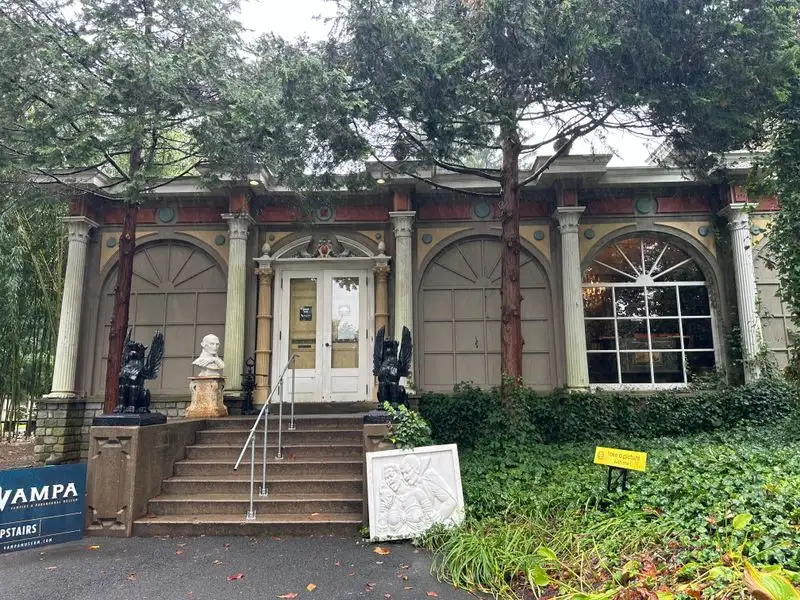
Set your GPS to 3686 US-202, Doylestown, and slow down near Swamp Road because the entrance appears quickly. The museum is closed Monday through Wednesday and open 10 AM to 5 PM Thursday through Sunday, with occasional special events at night.
Call +1 215-345-4253 or check vampamuseum.com for updates before you drive.
Plan arrival near opening on weekends to avoid parking crunches. Wear comfortable shoes, bring water, and layer clothing since some spaces feel cooler.
Keep phones silenced, and photograph respectfully while avoiding flash near sensitive objects.
Pace yourself through heavier rooms and step outside if you need a reset. If you are bringing kids, preview what you prefer to skip and use signage to guide choices.
The staff are approachable and will happily suggest routes that suit your comfort level.
Consider supporting the museum by purchasing tickets in advance, leaving reviews, or joining petitions that protect small cultural sites. Say thanks to staff, tip when appropriate during special experiences, and treat every artifact as a story someone once held sacred.
You will help ensure this remarkable place keeps welcoming curious minds.