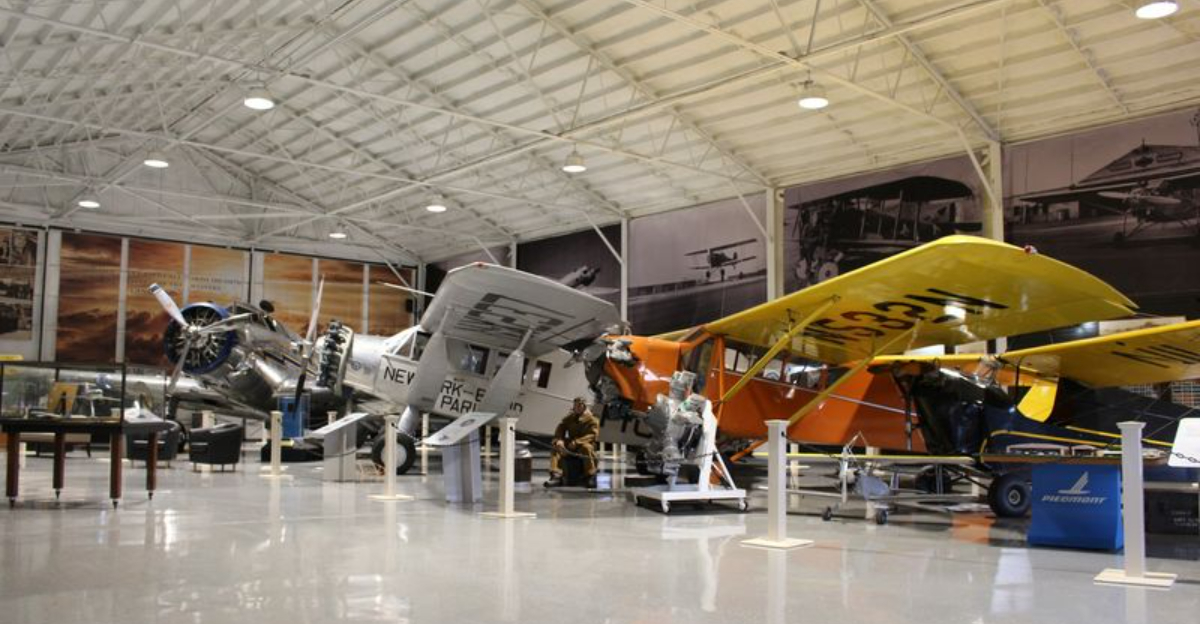
Virginia is full of places where airplanes, rockets, and pilots from the past still spark big dreams today.
Each museum on this list gives you more than machines to look at, because the stories behind the wings, engines, and missions make every visit feel real and memorable.
Families, students, and curious travelers can all learn how flight changed war, travel, science, and life in America.
From huge jets near Chantilly to space history on the Eastern Shore, these Virginia aviation museums turn simple museum trips into adventures that help you picture brave crews, bold inventors, and the exciting moments that lifted people off the ground and into history.
Some stops are packed with rare warbirds, while others mix hands-on exhibits with quiet memorials and local pride.
If you enjoy road trips with a purpose, this collection offers fun, learning, and plenty of reasons to look up at the sky with fresh wonder.
1. Steven F. Udvar-Hazy Center – Chantilly
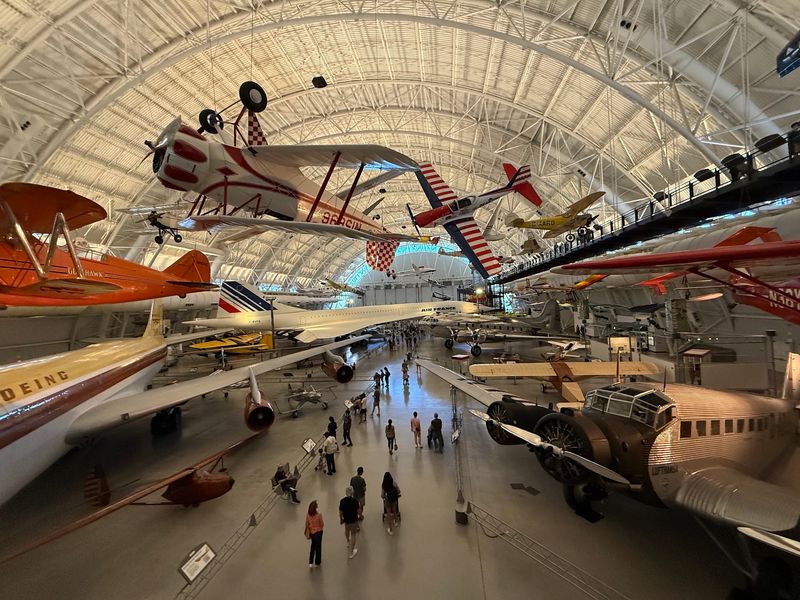
The first thing many visitors notice is the sheer size of the aircraft hanging above them.
At the Steven F.
Udvar-Hazy Center in Chantilly, part of the Smithsonian, famous machines share space with lesser-known planes that still carry powerful stories from war, science, and travel.
Walking through the massive hangars feels a bit like stepping inside an illustrated history book.
You can see the Space Shuttle Discovery, Cold War aircraft, early flight designs, and military planes that once changed real events, which makes this stop especially good for students and families who want big-picture aviation history in one place.
Give yourself plenty of time, because rushing here would mean missing the details.
Look for the marks of age on older aircraft, read the crew stories, and visit the observation tower if you want a break while still watching modern planes near Dulles Airport take off and land.
Parking is straightforward, and the museum works well on rainy or hot days.
A smart tip is to arrive early, wear comfortable shoes, and choose two or three must-see exhibits first so the visit stays fun instead of overwhelming.
2. Military Aviation Museum – Virginia Beach
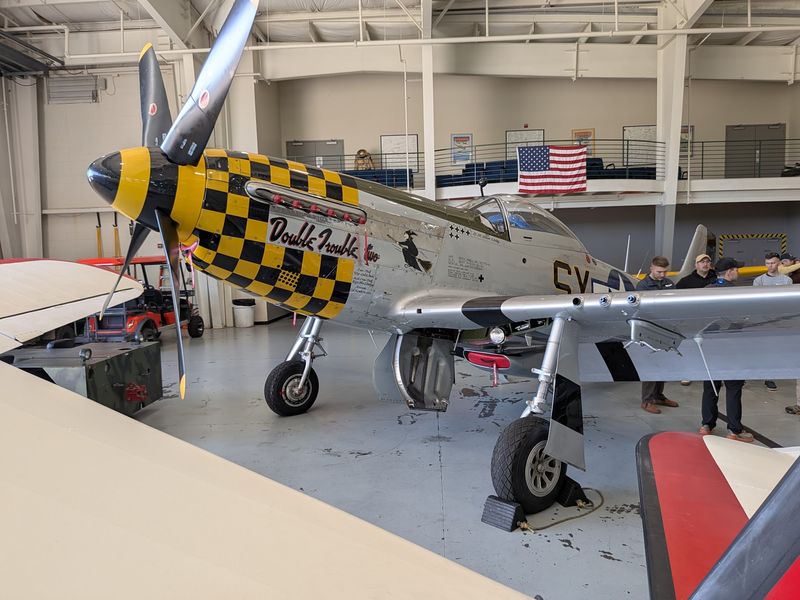
Nothing beats the rumble of a vintage engine when it comes to making history feel alive.
The Military Aviation Museum in Virginia Beach stands out because many of its restored warbirds are still airworthy, giving visitors a rare chance to connect with aircraft that once flew in combat and training missions.
The collection covers World War I and World War II in a way that feels vivid and personal.
Inside the hangars, you will find fighters, bombers, and support planes, along with stories about pilots, mechanics, and crews whose work demanded courage, patience, and teamwork under pressure.
Because the museum sits in a coastal city known for tourism, it makes an easy add-on during a beach trip.
Check the event calendar before you go, since flight demonstrations and reenactments can turn a good visit into an unforgettable one filled with motion, sound, and a stronger sense of the past.
Bring a camera and expect to spend time outdoors as well as inside.
Families with older kids often enjoy comparing plane shapes, nose art, and mission roles, while history fans appreciate how carefully the museum explains what each aircraft meant in its own era.
3. Virginia Air & Space Science Center – Hampton
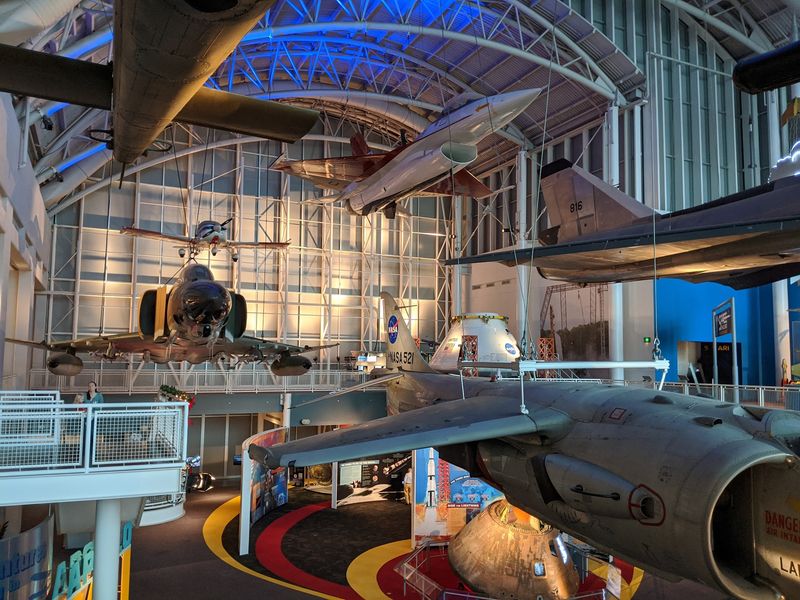
Bright lights, hands-on exhibits, and real aerospace history make this Hampton stop feel energetic from the start.
The Virginia Air & Space Science Center blends aviation and space exploration, so visitors can move from learning about airplanes to thinking about rockets, astronauts, and the science that supports both.
The museum works especially well for families because it mixes serious history with interactive fun.
Younger visitors can stay engaged through activity areas, while older students and adults can focus on the deeper stories behind flight technology, NASA links, and Hampton Roads’ long connection to research and innovation.
Location matters here, since Hampton is closely tied to the story of American aerospace progress.
Being near NASA Langley helps the exhibits feel grounded in a real working region where engineers and test pilots helped shape ideas that changed how people fly and explore beyond Earth.
A good strategy is to pace yourself and let kids lead part of the visit.
Start with one major gallery, pause for interactive stations, and then return to the historic displays so the museum feels balanced, not rushed, and full of moments that make science seem approachable instead of distant.
4. Shannon Air Museum – Fredericksburg
Some museums impress you with size, while others win you over with charm and closeness.
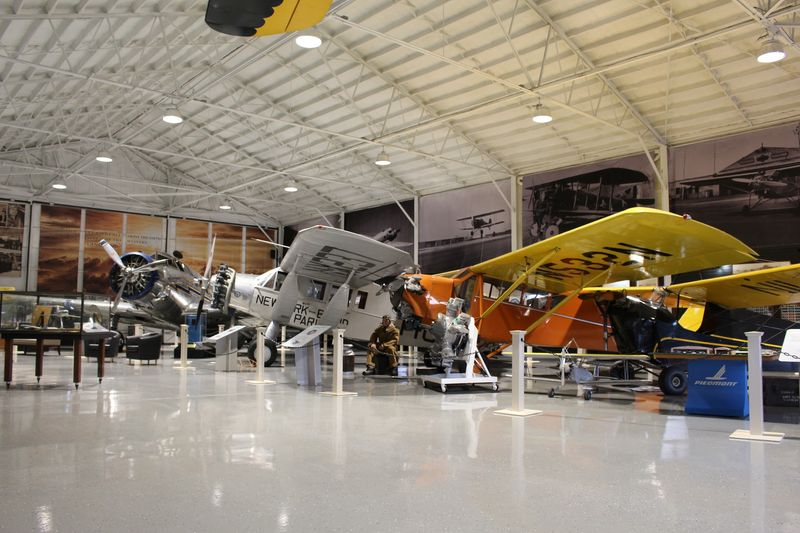
Shannon Air Museum near Fredericksburg offers that second kind of experience, giving visitors a more intimate look at aviation history in a setting that feels personal, welcoming, and connected to the classic spirit of small airfields.
Vintage aircraft are the heart of the museum, and each one helps tell a story about design, training, and everyday flying life from earlier decades.
Instead of feeling lost in a giant complex, you can slow down here, notice construction details, and imagine the people who depended on these machines for work, learning, and adventure.
The location near Fredericksburg makes it a smart stop for travelers who enjoy combining different kinds of history in one day.
You might visit battlefields, local landmarks, and then finish with airplanes, creating a broader picture of how transportation and conflict shaped Virginia over time.
Plan for a relaxed visit rather than a rushed checklist.
Ask questions if staff or volunteers are available, because smaller museums often shine through conversation, and those extra bits of knowledge can turn a simple aircraft display into a story you remember long after leaving.
5. Virginia Museum of Transportation – Roanoke
At first glance, a transportation museum may seem like an unusual place to look for aviation stories.
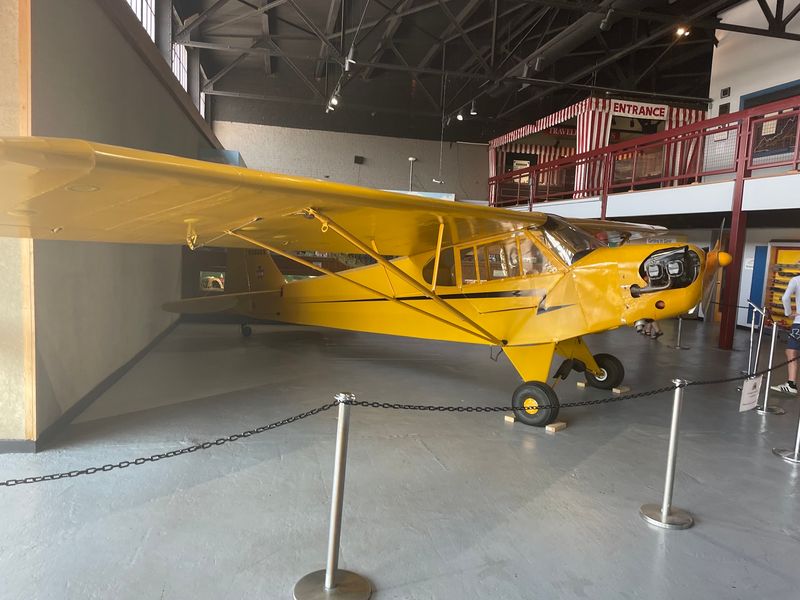
Yet the Virginia Museum of Transportation in Roanoke shows how planes fit into a bigger travel story, linking air travel with railroads, automobiles, and the constant human push to move faster and farther.
The aviation section may not be the museum’s only focus, but that actually adds something useful for visitors.
Seeing aircraft beside other vehicles helps kids and adults compare engineering ideas, understand changing travel needs, and realize that every leap in transportation changed how people lived, worked, and connected across distances.
Roanoke’s long transportation history gives the museum extra meaning.
In a city shaped by movement and industry, the aircraft displays feel like part of a larger conversation about innovation, problem-solving, and the tools communities built to cross mountains, states, and skies.
Come with curiosity and a flexible mindset instead of expecting only airplanes.
This museum is best for travelers who enjoy connections between subjects, and it works well for mixed-interest groups, since train fans, car lovers, and aviation enthusiasts can all find something that sparks discussion and keeps the visit lively.
6. Air Power Park – Hampton
Fresh air and open space give Air Power Park in Hampton a different mood from a traditional museum.
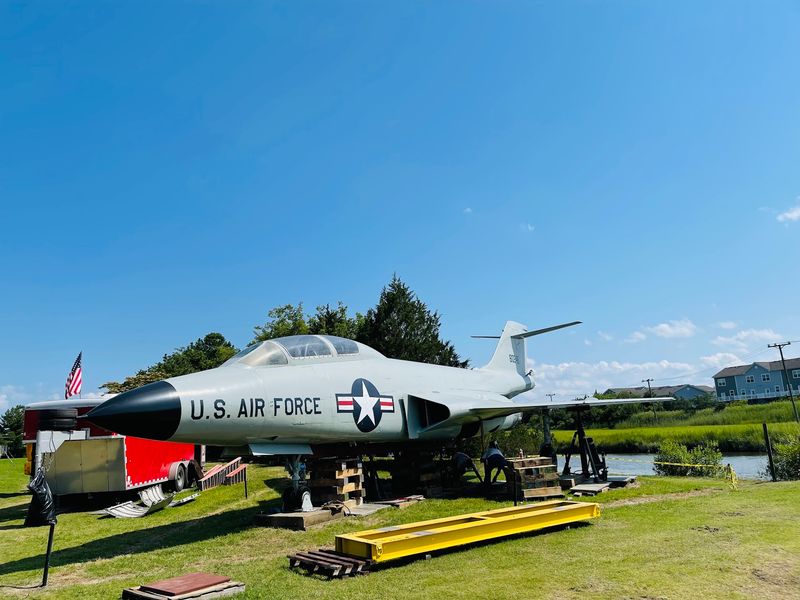
Instead of moving through large indoor galleries, visitors explore outdoor displays of aircraft, missiles, and rockets that show how aviation and defense technology developed during tense moments in American history.
The park setting makes the experience easy for families, especially on pleasant weather days.
Kids can move around more freely, and adults can use the layout to talk through the differences between military aircraft, space-related hardware, and the changing needs that shaped each machine’s design and purpose.
Hampton is a fitting home for a place like this because the region has deep ties to aerospace and military work.
That local connection helps the exhibits feel rooted in community history rather than random objects placed outside, which adds meaning even during a short stop.
Since much of the visit happens outdoors, bring water, sunscreen, and comfortable walking shoes.
A smart way to explore is to pick one aircraft or rocket and read everything nearby, then move to the next display with fresh eyes, so each object becomes its own story instead of blending together.
7. Wallops Flight Facility Visitor Center – Wallops Island
Rocket history has a special kind of excitement, and Wallops Island delivers it with coastal flair.
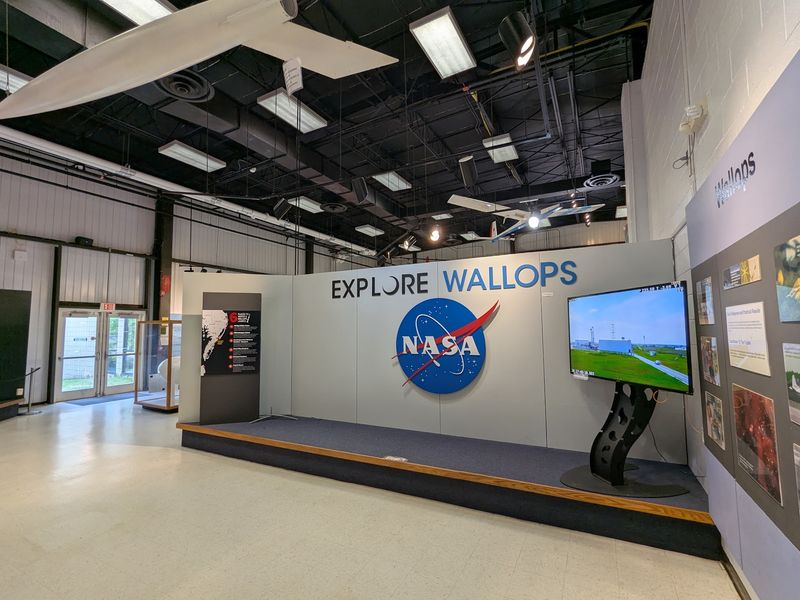
The Wallops Flight Facility Visitor Center introduces visitors to NASA’s work in sounding rockets, research missions, and launch operations, showing how aviation history grows naturally into the story of space science.
Unlike museums built around old warplanes alone, this center highlights experimentation and ongoing discovery.
That gives the exhibits a forward-looking energy, and it helps visitors understand that flight is not only about the past but also about testing ideas, gathering data, and expanding what humans can do.
The Eastern Shore location adds another layer of interest.
Being close to an active flight facility makes the displays feel connected to real work happening nearby, and if you are lucky with timing, local enthusiasm for launches can make the whole area feel charged with anticipation.
Before visiting, check schedules and visitor information, since access details can change.
Pair the stop with time outdoors on the shore if possible, because the wide sky and coastal setting make the lessons about launch, speed, and altitude feel even more vivid, especially for kids seeing space history up close.
8. Aviation Historical Park – Virginia Beach
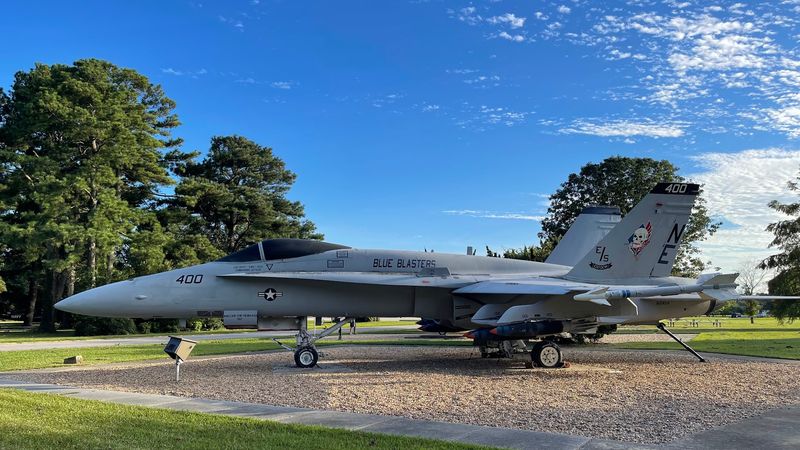
Quiet places can tell strong stories, and Aviation Historical Park in Virginia Beach proves that point well.
This site combines aircraft displays with memorial elements, creating a visit that feels part museum, part tribute, and part reminder that aviation history is deeply tied to service and sacrifice.
Visitors often appreciate how easy the park is to understand.
You can walk from one display to another, read plaques at your own pace, and focus not just on the planes themselves but on the people remembered there, which gives the experience a respectful and thoughtful tone.
Virginia Beach is a natural setting for such a park because military aviation has long shaped the area.
Nearby bases, training activity, and the region’s coastal role all help explain why aircraft history matters locally and why public memorial spaces like this continue to hold meaning for residents and travelers.
Go with the mindset that this is more than a photo stop.
Take time to read names, dates, and mission notes, especially if you are visiting with children, because those small details can open useful conversations about bravery, teamwork, risk, and the real human cost behind impressive machines.
9. Avotek Learning Center and Aviation Technology Museum – Weyers Cave
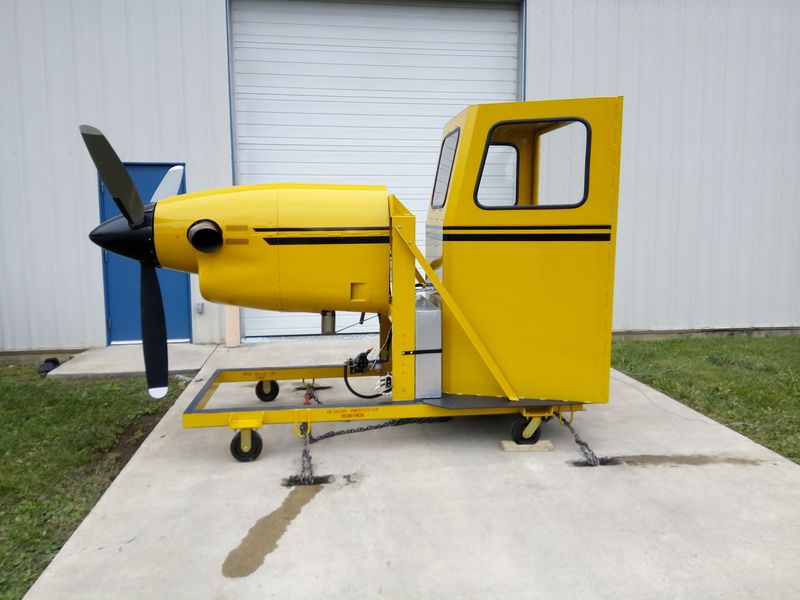
Tucked into the Shenandoah Valley area, Avotek Learning Center and Aviation Technology Museum in Weyers Cave rewards visitors who like lesser-known gems.
Its aircraft and exhibits may not have the fame of giant national collections, but the museum offers a grounded, local view of aviation that can feel surprisingly rich and memorable.
One strength of a smaller museum is focus.
You are often close enough to the displays to notice practical details, and the stories can feel less distant because they connect regional people, airports, and flying traditions to broader chapters of American military and civilian aviation history.
Weyers Cave also makes sense as a stop for road trippers exploring the valley.
Near Shenandoah Valley Regional Airport, the museum fits naturally into a day of scenic driving, local food, and nearby attractions, giving aviation fans a chance to add depth without committing to an all-day urban museum visit.
Try slowing your pace and reading more than you normally would.
In places like this, the labels, donated artifacts, and volunteer knowledge often carry the heart of the experience, and those modest touches can help visitors understand how aviation history lives on through communities that care enough to preserve it.
10. Dulles Airport Historic Display Collection – Chantilly
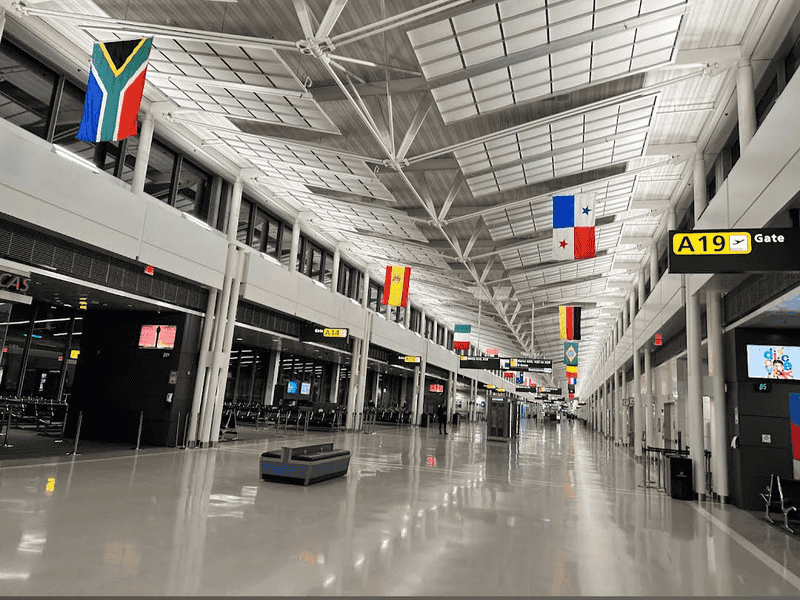
Sometimes the best history appears where travel is still happening all around you.
The Dulles Airport Historic Display Collection in Chantilly offers a smart reminder that airports are not just transit spaces, because they also preserve stories about design, passenger life, technology, and the changing culture of flight.
This kind of collection works differently from a full museum filled with large aircraft.
Instead, it often shines through artifacts, images, and focused displays that help visitors think about how airports developed, how air travel became more common, and how places like Dulles shaped modern connections between regions and countries.
Its location near one of Virginia’s most important aviation hubs gives the exhibits extra punch.
Looking at historic materials while jets continue arriving and departing nearby creates a strong contrast between past and present, which can make even a short visit feel thoughtful and surprisingly vivid.
If you are already visiting Chantilly attractions, add this stop for a broader view of aviation history.
It is especially useful for readers interested in everyday travel stories, not only military heroics, because the displays help explain how flying became part of ordinary life for millions of people.