True baking legends are not created through brief moments of inspiration.
They are built through years of discipline and the repeated execution of the same techniques before sunrise, day after day.
The croissant remains one of the clearest examples of that commitment, bringing together invisible training, muscle memory, and strict adherence to traditional methods in a single pastry.
Across Virginia, local food culture has moved well beyond mass-produced breakfast items.
Customers increasingly recognize and appreciate the technical skill required to create properly laminated dough with the texture and structure that define a great croissant.
Family-owned pastry shops and independent cafés have helped raise expectations, transforming an ordinary morning habit into a meaningful part of the state’s culinary identity.
The following guide explores 10 exceptional bakeries in Virginia where croissants have earned a reputation as local legends.
Gustave Boulangerie & Brasserie – Alexandria
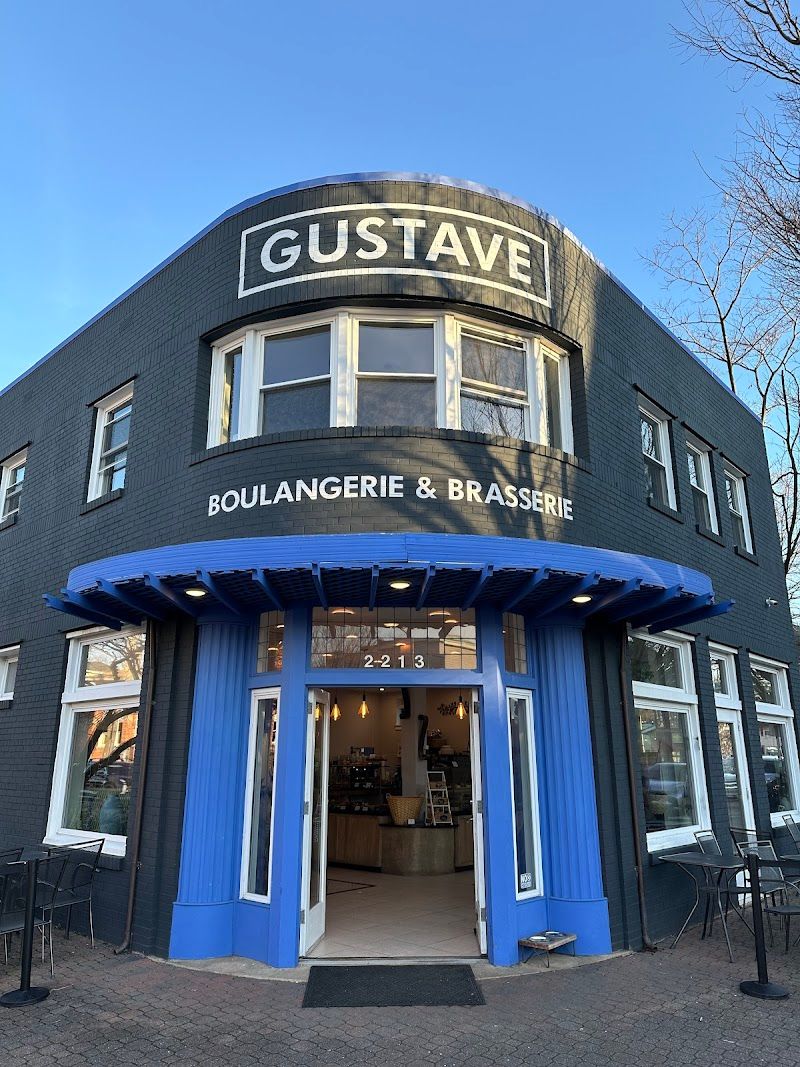
Inside this polished French-style room, the croissant matters because it anchors a broader commitment to boulangerie practice rather than serving as a decorative side item.
Layers show the discipline of proper lamination, where butter remains distinct enough to create lift, honeycomb structure, and a shattering exterior.
That texture matters in a cafe setting, because a serious pastry invites slow eating, coffee, and conversation instead of rushed takeaway habits.
Just as important, the menu context reflects Parisian habits that connect viennoiserie to bread, lunch service, and neighborhood routine.
Technique here reads as cultural translation, bringing classic French standards into a Northern Virginia dining pattern without flattening them into novelty.
What stays memorable is the balance between crisp shell, tender center, and restrained sweetness, which signals careful fermentation and attentive baking rather than excess glaze or filling.
Seen through a travel lens, that approach helps explain why one pastry can define a place.
Croissants become local legends when they express a whole bakery philosophy, and here they clearly do.
Fresh Baguette – McLean
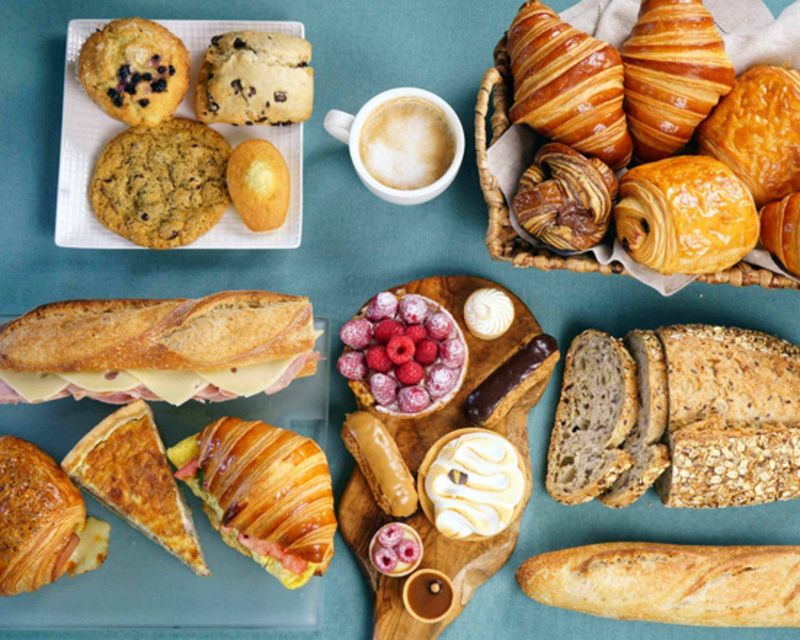
At this bakery, bread knowledge shapes the croissant in ways that are easy to taste.
A strong fermentation culture usually produces dough with better aroma, better color, and a cleaner wheat flavor, so the pastry feels rooted in craft rather than engineered for sweetness.
That connection between bread and viennoiserie is important, because croissants rely on the same discipline of timing, dough development, and ingredient restraint.
French artisanal identity comes through in the emphasis on classic forms, quality butter, and consistency across daily production.
Instead of chasing elaborate decoration, the strongest impression comes from structure: defined layers, even expansion, and a crumb that suggests patient proofing rather than hurried turnover.
Such control is never accidental, especially in a busy suburban setting where demand can push bakers toward shortcuts.
What makes this stop notable is the way traditional methods survive inside a modern retail rhythm.
You can sense that the pastry is part of a larger system of production, one where fermentation, flour handling, and repetition all support the final flake.
Heidelberg Pastry Shoppe – Arlington

Long-standing European bakeries tell a different croissant story, one shaped less by trend cycles and more by inherited standards.
In that environment, laminated pastry sits beside tortes, cookies, and celebration cakes, so the croissant becomes part of a broader craft vocabulary built over decades.
That matters because technical precision often survives best in businesses where methods are repeated daily and passed through family ownership.
Heritage is visible not only in the pastry case but in the sense of continuity behind it.
A croissant made within a traditional shop carries expectations about butter handling, proofing patience, and oven timing that come from routine rather than reinvention.
Those habits help preserve classic European baking techniques, especially at a time when many pastry programs lean heavily on visual novelty.
From a food travel perspective, the appeal lies in that persistence.
You are not just eating a flaky roll, but seeing how an established bakery protects standards through repetition, dependable workmanship, and a customer base that clearly values recognizable texture over fleeting social media drama.
De Ma Vie – Falls Church
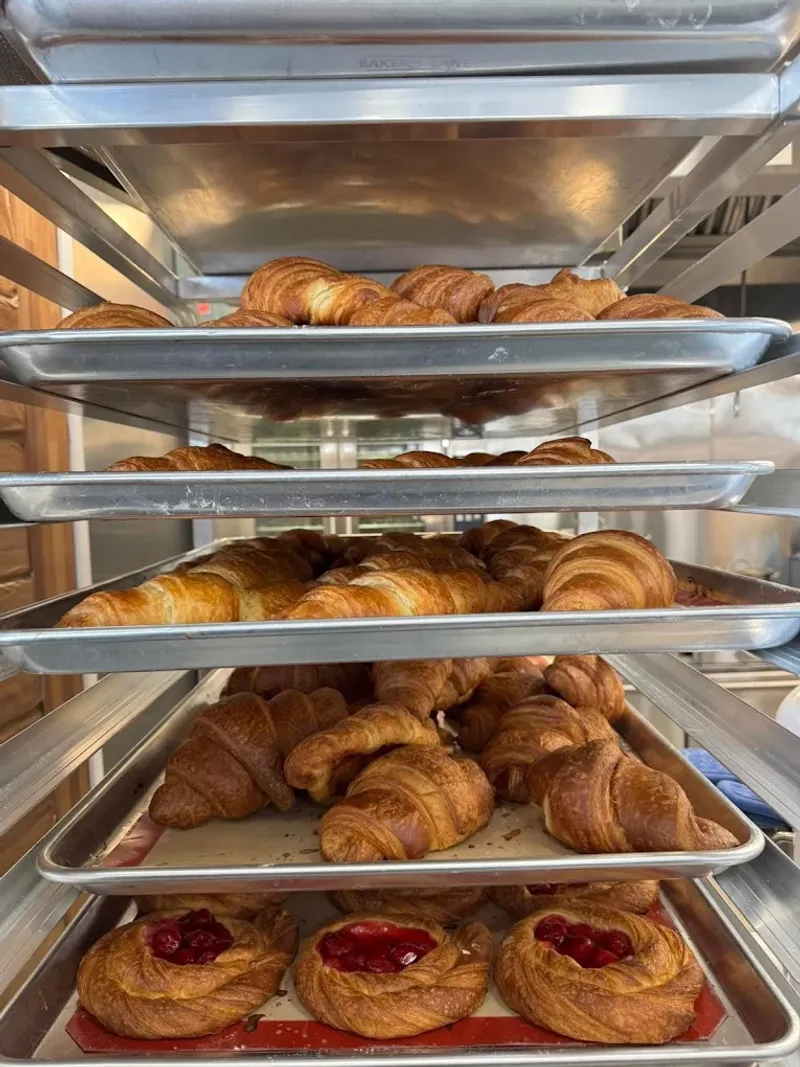
Small-batch French pastry shops often reveal their values through restraint, and that is especially true with croissants.
When production remains focused, bakers can watch proofing more closely, adjust for temperature shifts, and protect the fragile butter layers that give the pastry lift.
Those details matter because laminated dough punishes haste, and every shortcut shows up in density, grease, or weak interior structure.
An artisanal approach also encourages customers to notice the pastry as a technical product rather than a generic breakfast default.
Here, the appeal comes from defined layers, careful shaping, and the kind of crust that breaks cleanly without tasting dry or overly sweet.
Alongside other classic French pastries, the croissant helps explain why authentic European methods have found a stronger audience in recent years across Northern Virginia.
What stands out most is the relationship between scale and quality.
Smaller production can preserve nuance, letting fermentation, butter, and flour remain legible in each bite. For travelers who care about craft, that clarity says more than a crowded menu ever could.
La Brioche – Norfolk
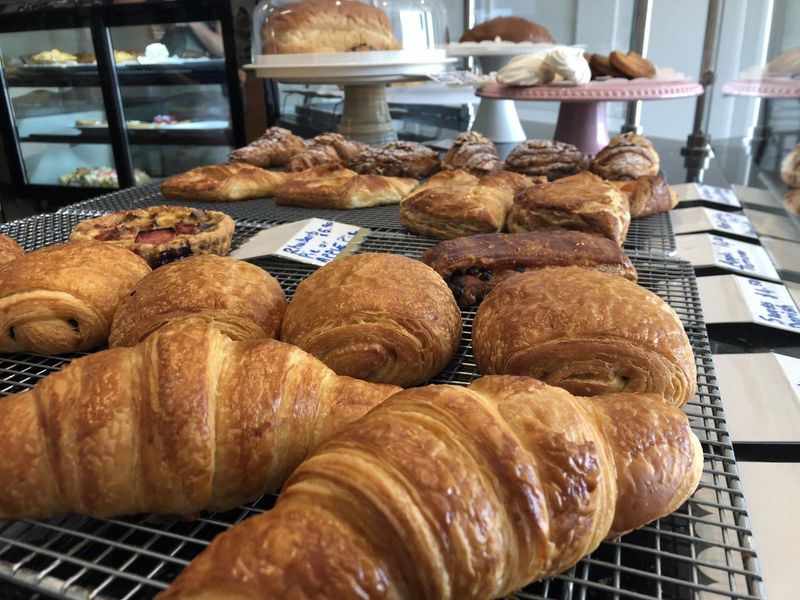
Coastal cities often develop bakery cultures that mix everyday convenience with strong cafe habits, and that setting suits croissants well.
Morning pastry traffic rewards products that are portable, but true laminated dough still demands planning, temperature awareness, and a disciplined hand with butter.
When a bakery maintains that standard, the croissant becomes a marker of serious French baking rather than a simple breakfast accessory.
European influence shows up in the broader rhythm of service, where coffee, pastry, and lingering conversation matter as much as speed.
The strongest examples balance exterior color, audible flake, and a soft interior that suggests careful proofing instead of underdeveloped dough.
Those qualities are especially important in humid coastal conditions, where dough management and baking control can become more difficult.
Seen in that light, the pastry reflects both technique and place.
A bakery rooted in French breakfast traditions helps translate continental habits into a Virginia shoreline context, giving local food culture another layer of identity.
Croissants endure here because they connect craft, routine, and a recognizable cafe ritual.
The Swiss Bakery and Pastry Shop – Springfield
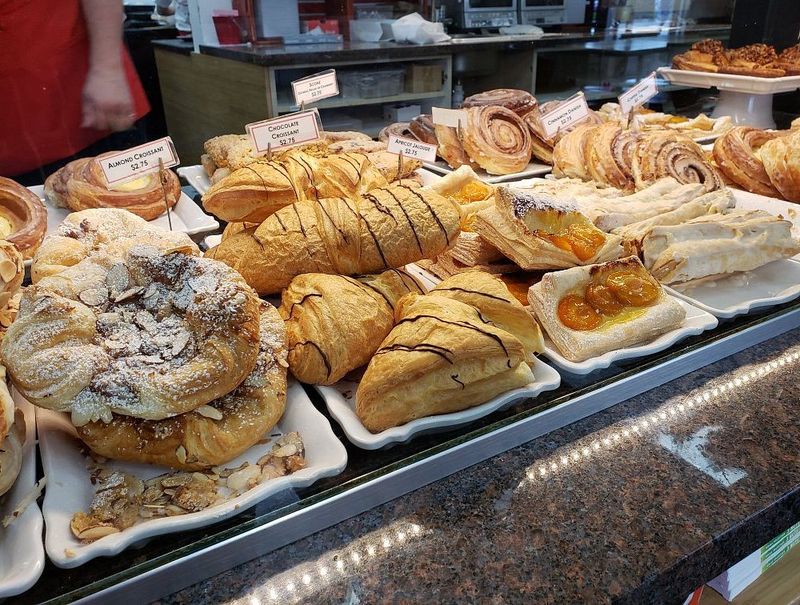
Family bakeries built on Swiss and broader European traditions tend to value consistency above spectacle. That outlook matters for croissants, since laminated pastry succeeds through repetition, measured handling, and steady standards that customers can recognize over time.
In a shop with long community ties, loyalty often grows from that reliability, not from trend-driven reinvention or oversized presentation.
European pastry expertise usually appears in small but meaningful details: even lamination, balanced color, and a crumb that feels light without becoming hollow.
A croissant made within such a system reflects the habits of a bakery that also understands breads, cakes, and seasonal specialties, all of which reinforce disciplined production.
Because regulars return expecting the same texture and flavor, the pastry becomes part of the neighborhood rhythm rather than an occasional indulgence.
That relationship between routine and trust is worth noticing when traveling for food.
You can learn a lot from places where customers have been buying baked goods for years, sometimes generations.
Here, the croissant carries the quiet authority of a bakery culture sustained by memory and daily practice.
Eileen’s Bakery & Cafe – Fredericksburg
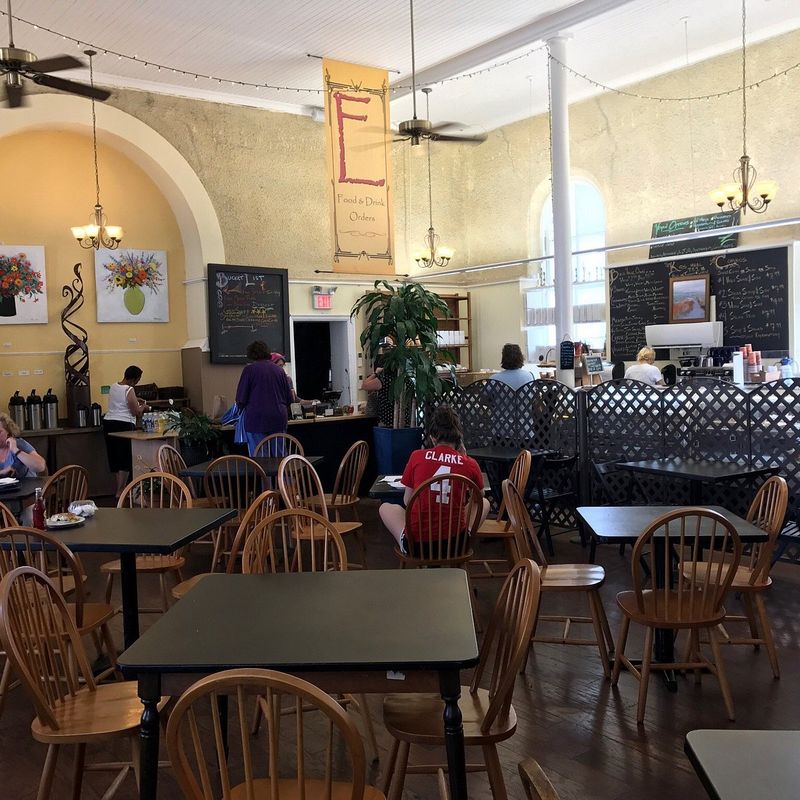
Independent cafes with growing reputations often reveal how local food culture changes, and croissants are a useful measure of that shift.
A made-from-scratch pastry requires labor, butter, refrigeration discipline, and staff skill, so choosing to produce it well signals serious investment in craft.
That matters in smaller city dining scenes, where demand for high-quality pastries can help expand expectations beyond standard coffee shop baking.
Innovation here is most interesting when it supports technique rather than distracting from it.
New fillings, seasonal variations, or updated cafe formats only work if the base dough still delivers lift, flake, and a tender center with clear fermentation character.
When the fundamentals stay intact, the pastry can reflect both artisanal tradition and the energy of a business responding to a changing local audience.
From a travel perspective, this kind of bakery shows how regional food communities mature.
You start to see pastry not as an imported luxury but as part of everyday eating.
The croissant becomes meaningful because it joins craftsmanship, neighborhood demand, and a wider appetite for scratch baking.
Toimoi Bakery – Chantilly
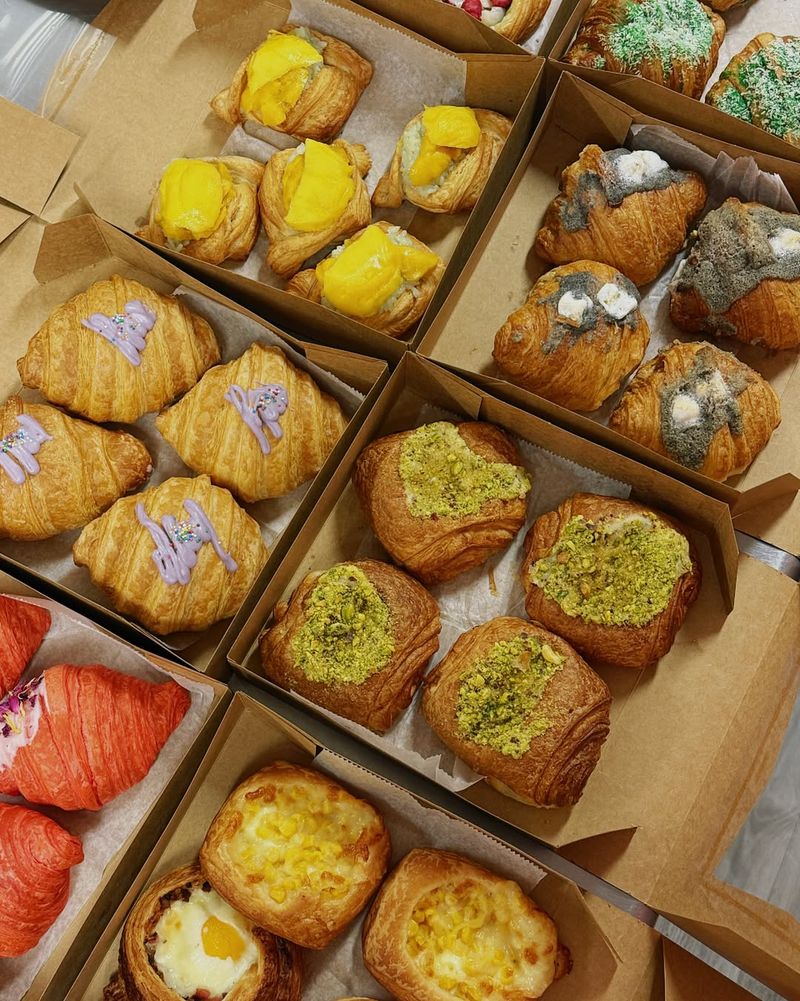
Modern bakery programs often face a difficult question: how do you innovate without weakening the foundations of classic pastry work.
Croissants provide the clearest test, because creativity means little if lamination fails, proofing slips, or butter leaks out before the pastry sets.
In a contemporary setting, technical control allows new ideas to sit on top of tradition instead of replacing it.
Specialty pastries can broaden interest, yet the most convincing sign of skill remains the plain croissant or similarly restrained viennoiserie.
A well-executed version shows whether the bakers understand dough strength, folding rhythm, and the narrow temperature window required for clean layers.
That kind of competence matters in a market where customers increasingly notice crumb structure, ingredient quality, and the difference between decorative pastry and true craft.
What makes a place like this relevant is the bridge it builds between current tastes and old methods. Contemporary presentation may draw people in, but disciplined technique keeps them attentive.
The croissant becomes evidence that modern style and serious baking do not need to compete.
Granier Bakery – Virginia Beach
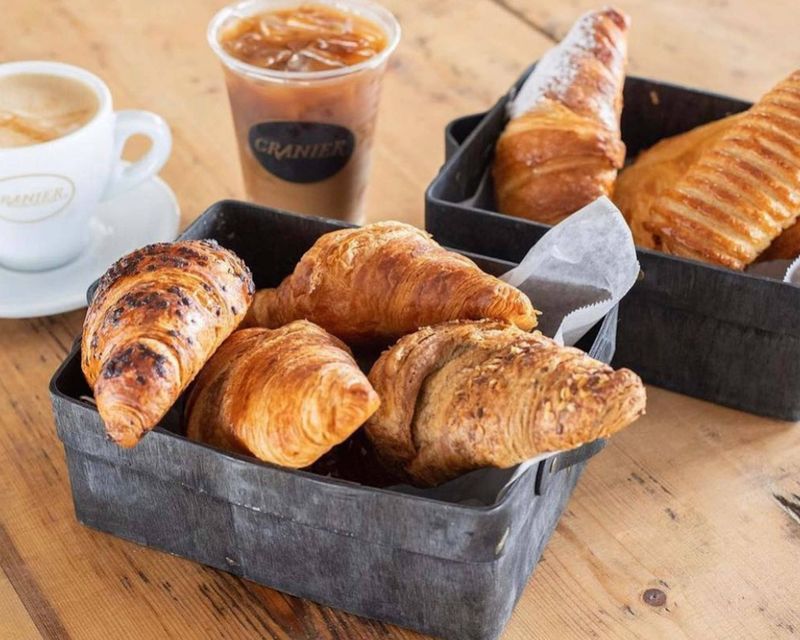
Daily pastry production tells you a lot about a bakery serving a busy coastal community.
Croissants require enough turnover to justify constant labor, yet they also demand enough discipline to remain consistent across repeated batches.
In a cafe environment shaped by commuters, beach traffic, and regular neighborhood use, that balance becomes central to the pastry’s identity.
European baking traditions appear here through the rhythm of fresh output, straightforward presentation, and an emphasis on everyday cafe culture.
Variety can matter, especially when different croissant forms help serve changing appetites, but the technical baseline stays the same: crisp layers, even bake, and a center that remains supple rather than bready.
Those qualities are important because they show whether artisan bakers can scale production without flattening the pastry into a generic convenience item.
For travelers, this kind of place explains how croissants become woven into local routine.
The pastry is not isolated as a special occasion product. Instead, it functions as part of a working food system, one that supports quick breakfasts, coffee breaks, and the steady expectations of a high-traffic coastal neighborhood.
Randolph Bakeries – Arlington
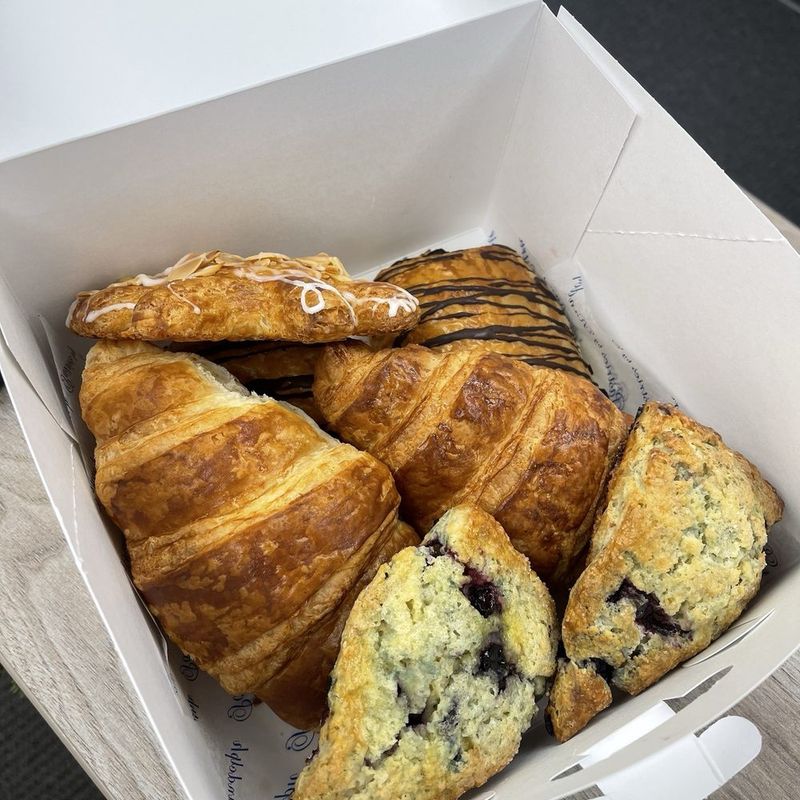
Pastry art can easily drift toward decoration, but croissants pull attention back to precision.
Their success depends on accuracy at every stage, from dough development and butter lock-in to folding sequence, proofing judgment, and final bake.
When a bakery is known for refined French dessert work, that same technical mindset often shows up clearly in laminated pastry.
Standards matter here because croissants expose inconsistency more ruthlessly than many finished sweets.
Glazes, creams, or fruit can hide flaws elsewhere, while a plain viennoiserie leaves nowhere to conceal tight crumb, weak lift, or uneven color.
That is why a carefully made version becomes such a useful indicator of skill, especially in a pastry program where precision and balance define the overall identity.
Viewed as part of Arlington’s dining landscape, the pastry speaks to a customer base that notices craft and expects polish.
High standards are not abstract in this context.
They show up as audible flake, orderly layers, and controlled richness that never turns heavy.
The croissant becomes local legend when technical rigor stays visible in every bite.