Chrome still feels alive in certain corners of Virginia, where polished fenders sit under soft gallery lighting and the quiet outlines of early road travel seem to linger just beyond the glass. In former industrial spaces, restored barns, and purpose-built halls, the state’s automotive heritage unfolds in layers—some refined, some raw, all shaped by a deep connection to motion and innovation.
Across the Commonwealth, Virginia car museums bring together an unexpectedly rich mix of early brass-era vehicles, American classics, racing machines, and locally significant automotive stories. These collections are often tucked into towns that don’t immediately signal automotive history, which makes the discovery feel even more rewarding.
This guide to Virginia car museums worth visiting for every auto enthusiast highlights standout destinations where design, engineering, and storytelling meet in tangible form. Inside, you’ll find 10 places that turn a simple drive through Virginia into a closer look at how cars shaped culture, industry, and everyday life.
Virginia Museum of Transportation
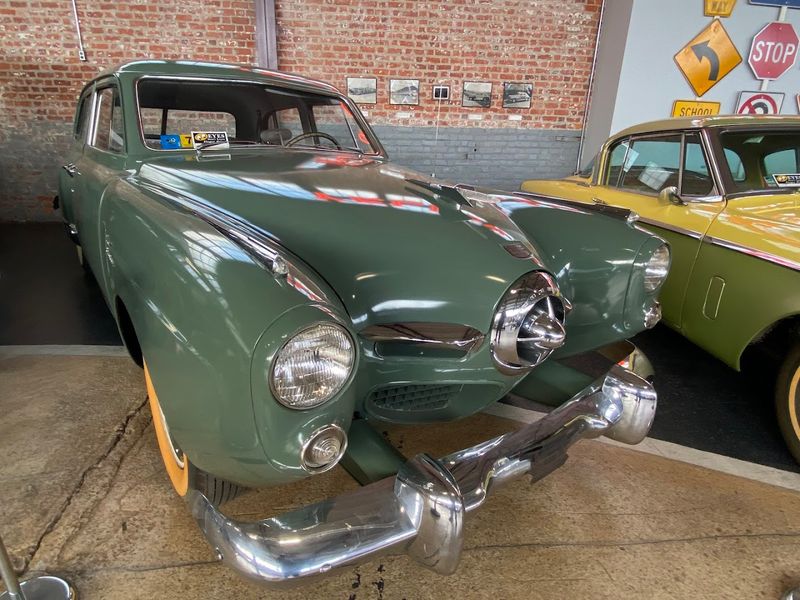
The first thing that hits you is scale – iron, chrome, glass, and memory gathered under one roof with a kind of quiet confidence. You walk in expecting trains to dominate the conversation, then suddenly an automobile gallery pulls your attention sideways with gleaming curves and early engineering details.
It feels less like a checklist stop and more like wandering into America’s long affair with movement.
In Roanoke, the Virginia Museum of Transportation gives cars a strong supporting role inside a broader transportation story. Vintage sedans, roadsters, and beautifully restored classics share space with locomotives, which makes the whole visit feel layered rather than narrow.
Even the old depot setting adds texture, especially when sunlight hits polished fenders.
If you like museums that let one machine lead naturally to another, this place lands beautifully. Afterward, downtown Roanoke is close enough for coffee, lunch, and a little post-visit debate over your favorite vehicle.
Car & Carriage Caravan Museum
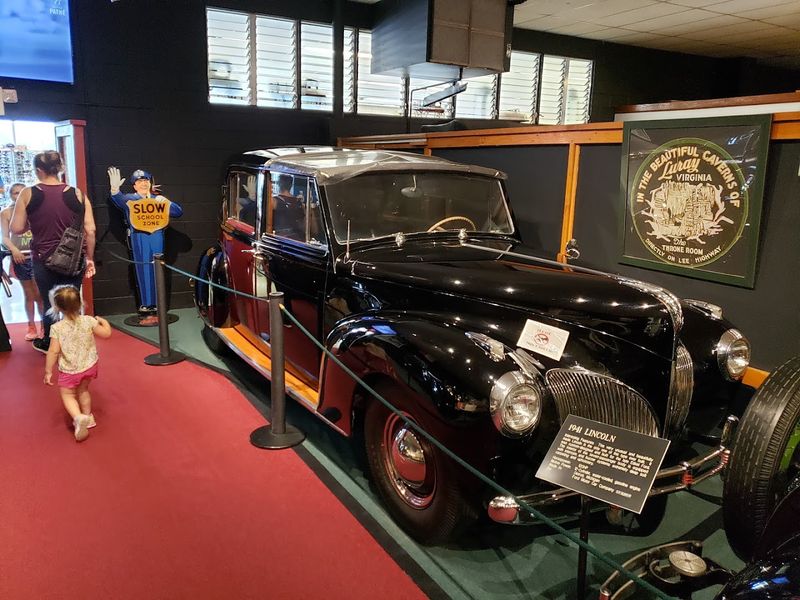
There is something almost theatrical about seeing a polished antique automobile parked near a carriage that once relied on horses instead of horsepower. The contrast slows you down in the best way, letting you notice tiny lamps, leather details, and the strange elegance of early travel.
You are not just looking at vehicles here – you are watching transportation change shape in real time.
That sense of transition is what makes the Car & Carriage Caravan Museum in Luray so absorbing. Its collection moves from horse-drawn vehicles into early automobiles with a graceful rhythm, and the setting pairs especially well with a day at nearby Luray Caverns.
Brass-era cars and ornate carriages create a visual conversation you do not get in many places.
It is a thoughtful stop for anyone who likes context as much as chrome. After your visit, the Shenandoah scenery outside feels even more connected to the journeys these vehicles once made.
Keystone Antique Truck & Tractor Museum
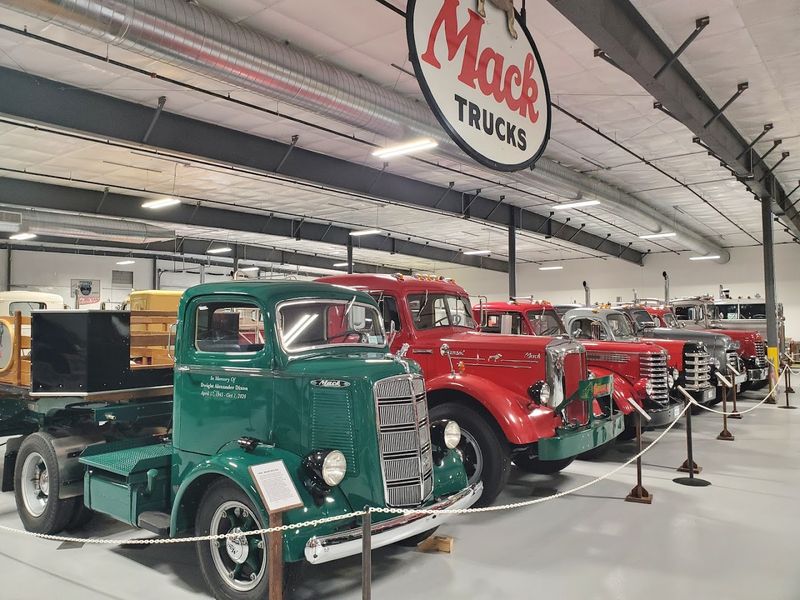
Some museums whisper, but this one has the broad-shouldered presence of a loading dock at sunrise. Massive grilles, weathered logos, and hardworking lines tell a different kind of automotive story, one built around farms, freight, and long days on the road.
You can almost smell motor oil and old upholstery, even when everything is neatly restored.
In Colonial Heights, the Keystone Antique Truck & Tractor Museum widens the definition of what an auto enthusiast should see. Alongside tractors and commercial vehicles, you will find classic automobiles and a wonderful parade of vintage signs, pumps, and transportation ephemera.
The scale is part of the fun, because each room seems to reveal another machine with its own personality.
This is the kind of place that rewards curiosity more than speed. If you linger, the details become the story, from hood ornaments to old branding that feels like rolling American design history.
Old Cranks Motorcar Museum
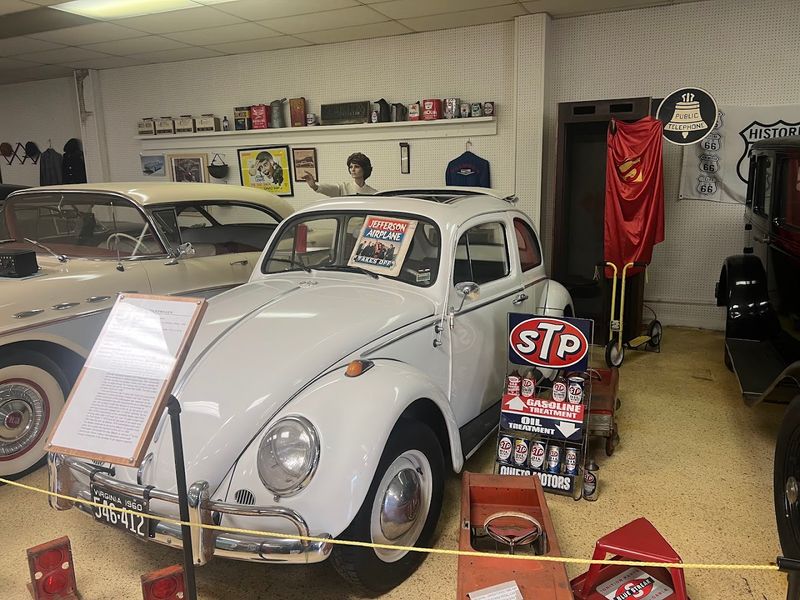
Not every memorable car museum needs dramatic architecture or huge crowds. Sometimes the charm comes from being close enough to see the stitching on a seat, the patina on a steering wheel, and the lovingly preserved oddities that larger institutions can miss.
That intimate feeling is exactly what makes this stop so appealing.
Old Cranks Motorcar Museum in Galax has the kind of personality that suits Southwest Virginia beautifully. The collection focuses on antique automobiles, and the setting feels personal rather than overwhelming, letting you absorb each vehicle at a human pace.
Galax itself adds another layer, especially if you pair the visit with local music heritage or a relaxed meal afterward.
You come here for the cars, but you stay for the atmosphere. It feels like stepping into a community’s memory of the road, where every headlamp, horn, and dashboard dial carries a little more warmth than expected.
U.S. Army Transportation Museum
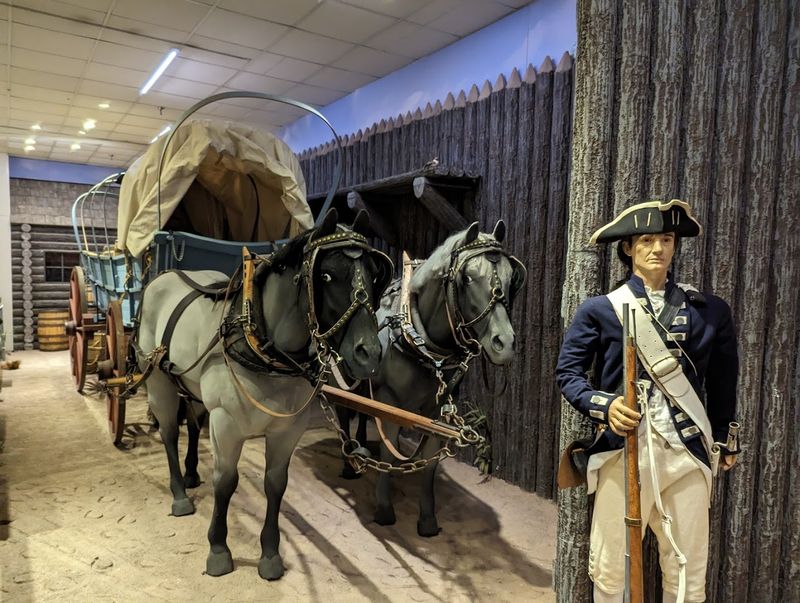
The mood shifts here from leisurely touring to purposeful motion. Instead of Sunday drives and polished touring cars, you are surrounded by vehicles built to move troops, supplies, and entire operations under pressure.
That urgency gives the experience a different emotional weight, especially when you stand beside machines designed for difficult history.
At Fort Eustis in Newport News, the U.S. Army Transportation Museum offers one of Virginia’s most compelling vehicle collections, even if its focus is military rather than civilian.
Historic jeeps, trucks, and specialized transport equipment show how engineering adapts when reliability matters more than comfort. The exhibits place the machines in a bigger story, which makes them feel especially vivid.
If you are interested in mechanics, logistics, or design under extreme demands, this museum is deeply rewarding. It also pairs well with a wider Peninsula trip, where maritime and military history are never very far away.
Wood Brothers Racing Museum
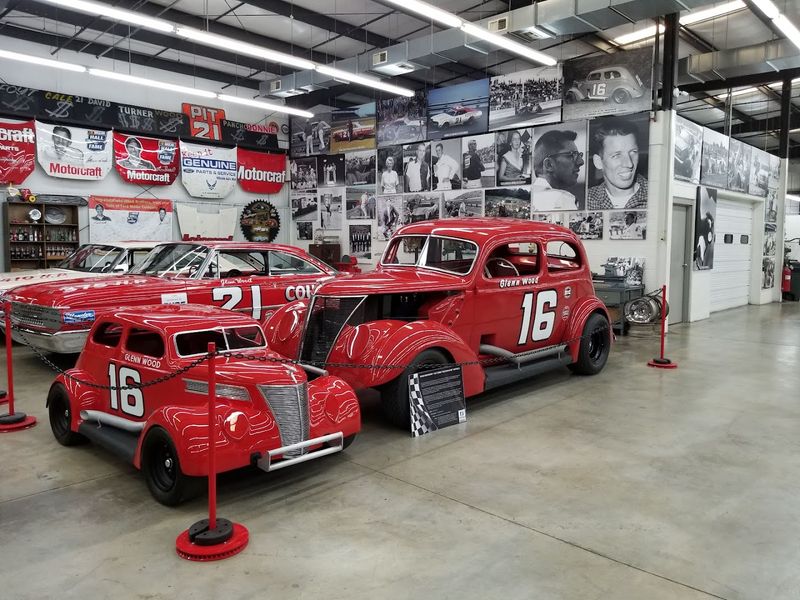
You do not have to follow every lap of NASCAR to feel the electricity in this place. The paint, the numbers, the trophies, and the stories all carry the speed of a sport built on nerve and split-second decisions.
Even standing still, the cars look ready to bolt through the nearest wall and onto the track.
That energy runs through the Wood Brothers Racing Museum in Stuart, where one of America’s most legendary racing families is celebrated with warmth and pride. Historic race cars, championship memories, and team artifacts give the exhibits a lived-in authenticity that polished corporate displays often miss.
In a small town setting, the scale feels personal rather than distant.
What stays with you is the human story behind the machines. This museum shows how innovation, family, and stubborn dedication can shape motorsports history, and that makes every hood stripe and trophy case feel earned.
Virginia Motorsports Museum & Hall of Fame
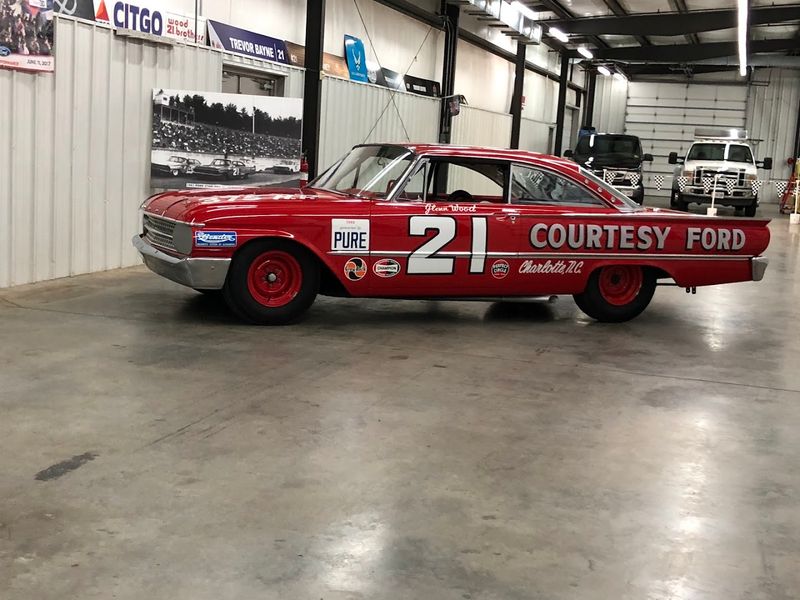
Racing history can feel surprisingly emotional when it is presented close to home. Instead of polished mythmaking, you get the local tracks, regional heroes, and cars that carry stories of weekends, rivalries, and mechanical improvisation.
There is a sincerity to that kind of museum that makes every exhibit easier to connect with.
In Stuart, the Virginia Motorsports Museum & Hall of Fame captures that regional spirit beautifully. You will see race cars, memorabilia, and hall of fame tributes that trace Virginia’s deep connection to stock car and short-track culture.
It complements the nearby Wood Brothers story nicely, but it has its own voice rooted in the state’s wider racing legacy.
This is a strong stop if you care about how motorsports actually lived in communities, not just on television. The details feel grounded, from old photos to competition-worn machines that still suggest noise, grit, and adrenaline.
Cooter’s Place – Luray
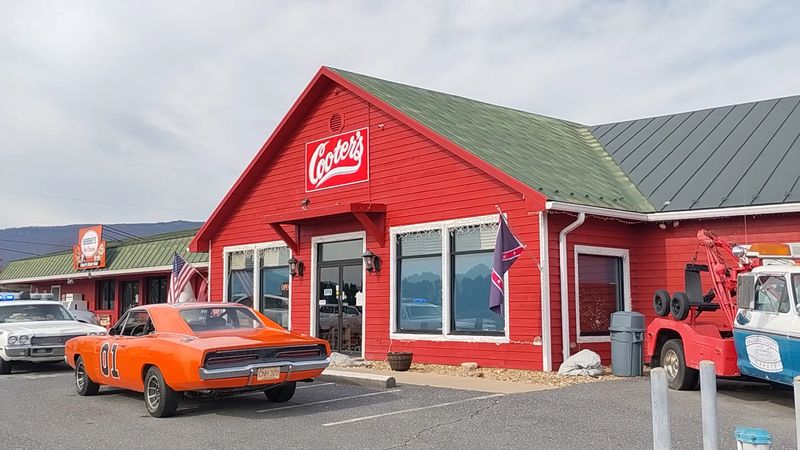
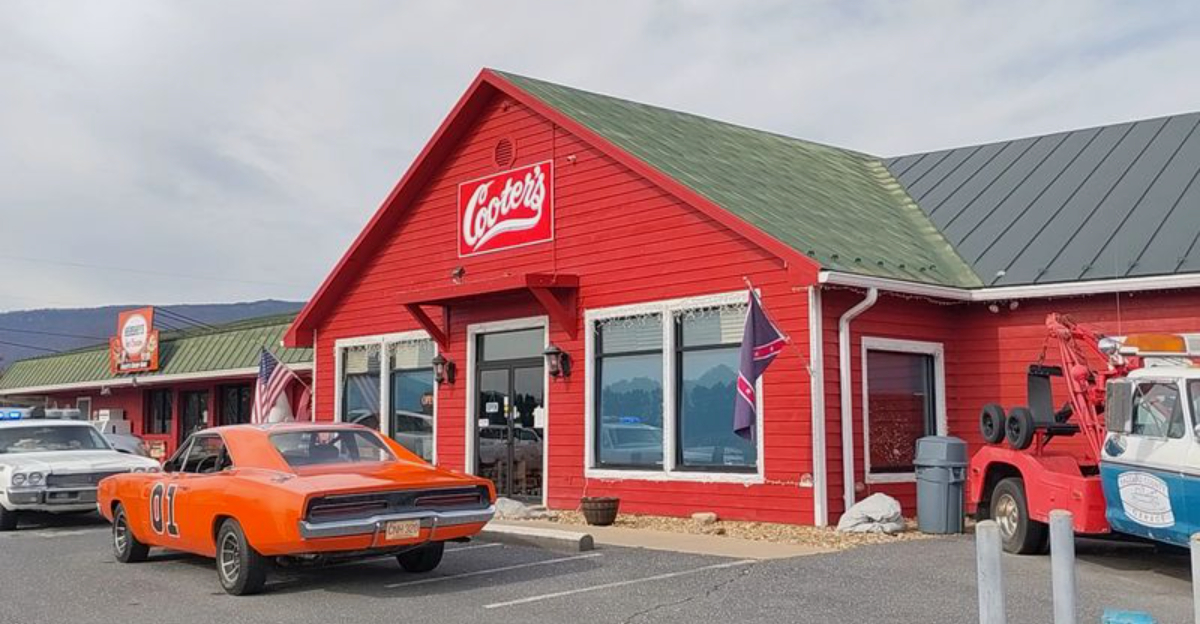
Nostalgia can arrive with a grin, a bright orange hood, and a theme song you did not realize you still remembered. This stop leans into pop culture fun, but it also taps into something real about why television cars become part of personal memory.
You walk in smiling, then end up lingering over props, photos, and replica details.
In Luray, Cooter’s Place brings The Dukes of Hazzard universe to life with General Lee replicas and a cheerful collection of memorabilia. The setting feels unabashedly playful, which makes it a nice contrast to more traditional museums nearby.
Families, casual fans, and serious car people all seem to find their own reason to enjoy it.
What makes it worth the detour is not just the TV connection, but the atmosphere of shared recognition. Afterward, Luray gives you plenty of ways to stretch the outing, from caverns to mountain views and an easy lunch downtown.
Richmond Raceway Hall of Fame
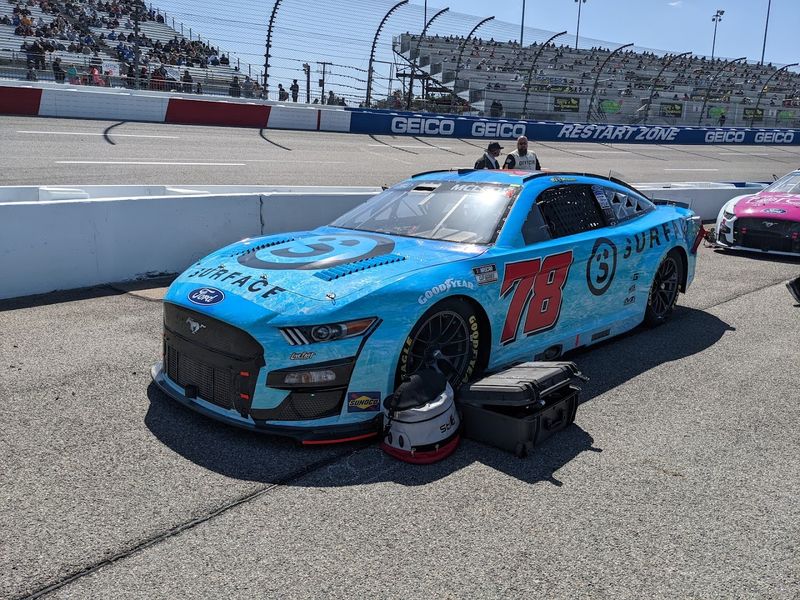
Under bright lights and polished displays, racing history can still feel wonderfully rough around the edges. The best exhibits preserve not only the victories, but also the texture of competition – the strategy, the danger, and the weekends when entire communities gathered around speed.
That mix gives this stop more emotional pull than you might expect.
At Richmond Raceway, the Hall of Fame display offers a focused look at the track’s place in Virginia motorsports culture. Cars, memorabilia, and tributes to drivers and contributors connect the present-day race experience with decades of hard-earned tradition.
Because Richmond is such an easy city to build a weekend around, this automotive stop slides naturally into a broader itinerary.
You can spend the rest of the day moving from race history to restaurants, murals, and river views without losing momentum. For auto enthusiasts, that blend of city energy and track legacy is especially satisfying.
South Boston Speedway Hall of Fame
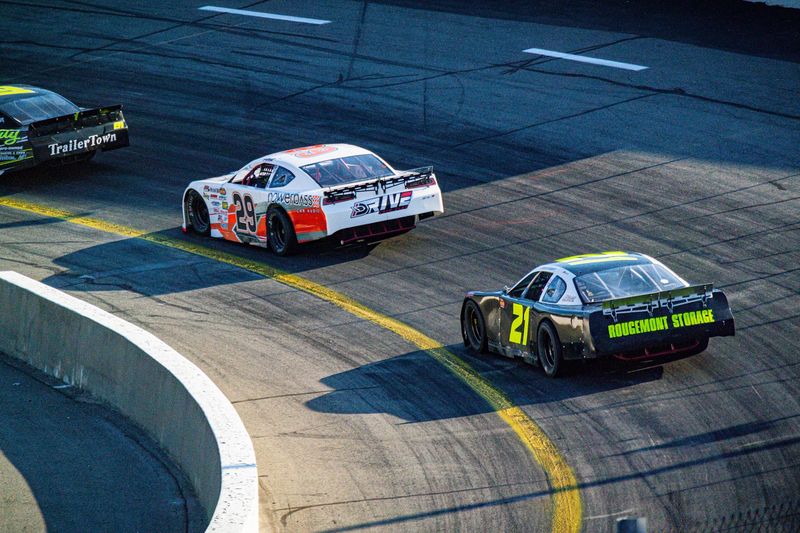
Grassroots racing has its own texture, and it is very different from big-arena spectacle. The stories are more local, the legends feel more accessible, and the machines carry the marks of places where fans were close enough to smell rubber and hear every throttle change.
That intimacy makes a small racing collection surprisingly memorable.
In South Boston, the speedway hall of fame experience reflects the town’s long connection to short-track competition. Exhibits and memorabilia highlight the regional side of motorsports, where local names matter deeply and the path to wider fame often started on a modest Virginia oval.
For anyone interested in how racing culture grows from communities upward, that perspective is valuable.
This is the kind of stop that rounds out a Virginia automotive itinerary rather than dominating it. You leave with a clearer sense that car history is not only about famous brands, but also about the tracks where loyalty and tradition were built.