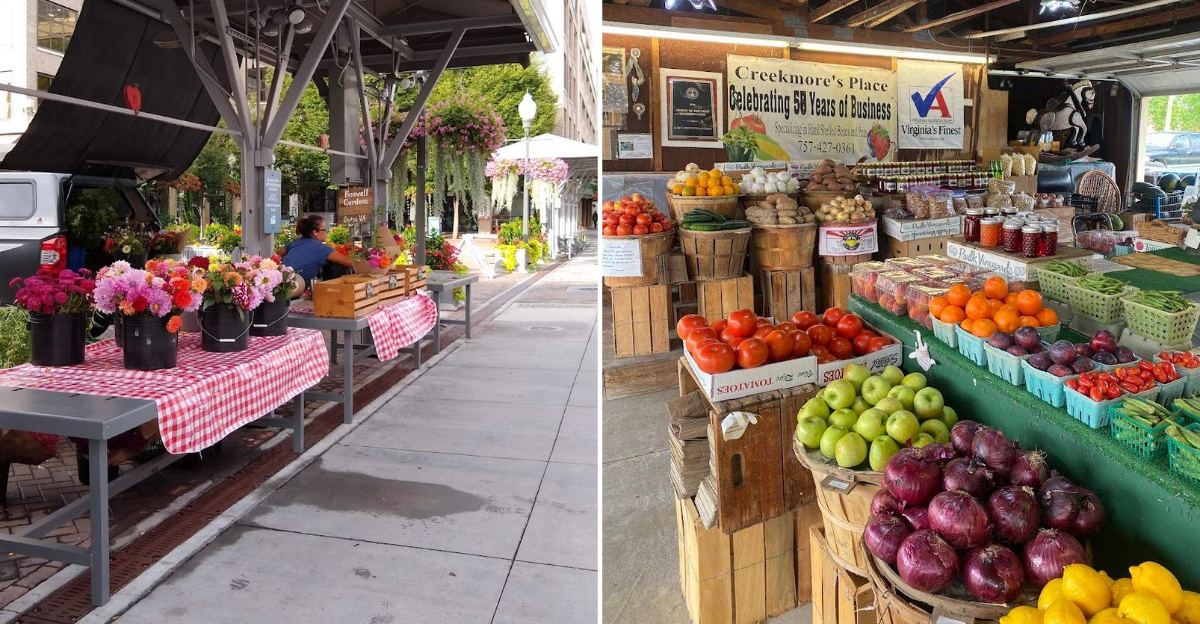
Spring in Virginia has a way of slowing everything down just enough to notice the details. Morning air still carries a bit of coolness, but it’s softened by sunlight warming the edges of roadside fields and town squares.
Stalls begin to fill with just-picked strawberries, leafy greens, and fresh bread that seems to hold onto the scent of the oven a little longer than it should.
Across small towns and busy neighborhoods alike, farmers markets turn into easy weekend rituals—places where conversations linger, baskets fill up, and the pace feels a little more human. There’s comfort in walking from table to table, comparing colors, tasting what’s in season, and realizing good food doesn’t have to come with a heavy price tag.
It’s the kind of simple, grounded experience that fits perfectly with the season. And these 14 Virginia farmers markets capture that feeling beautifully.
Old Town Alexandria Farmers’ Market
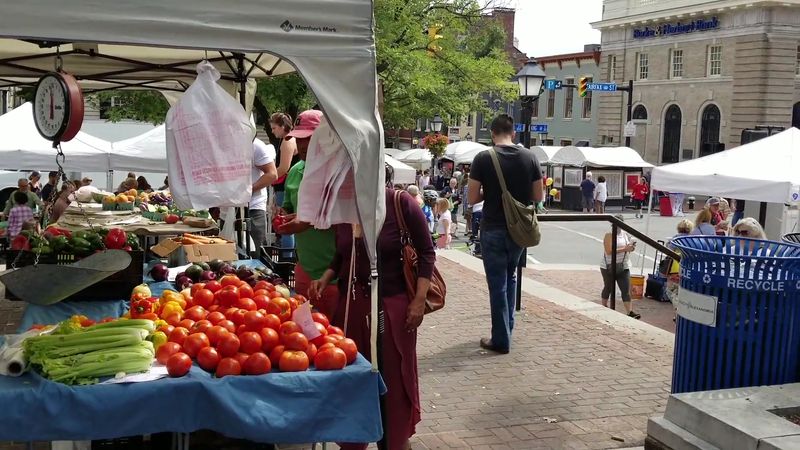
Weekend shopping feels a little more charming when brick sidewalks, church bells, and baskets of just-picked produce set the mood. You can browse without feeling rushed, compare prices stall by stall, and still leave with a bag full of practical groceries.
That easy balance of history and value is exactly what makes Old Town Alexandria Farmers’ Market stand out.
Operating since 1753, this is one of the oldest continuously running farmers markets in the country, but it does not feel stuck in the past. Local growers and makers bring vegetables, fruit, meats, baked goods, cheeses, flowers, and pantry staples that fit real households.
Prices can be especially appealing when you shop in season and ask vendors what is most abundant that week.
The market is also compact enough to navigate without wasting time, which matters if you want a quick, budget-friendly stop before other errands. I would focus first on basics like greens, apples, potatoes, bread, and eggs, then circle back for extras.
Seasonal abundance usually rewards flexible shoppers with better deals than rigid lists.
If you want freshness, local character, and a sense that your money is going directly to producers, this market delivers. Alexandria gives you the kind of Saturday outing that feels memorable without becoming expensive.
For value-minded shoppers, that combination is hard to beat.
Historic Roanoke City Market
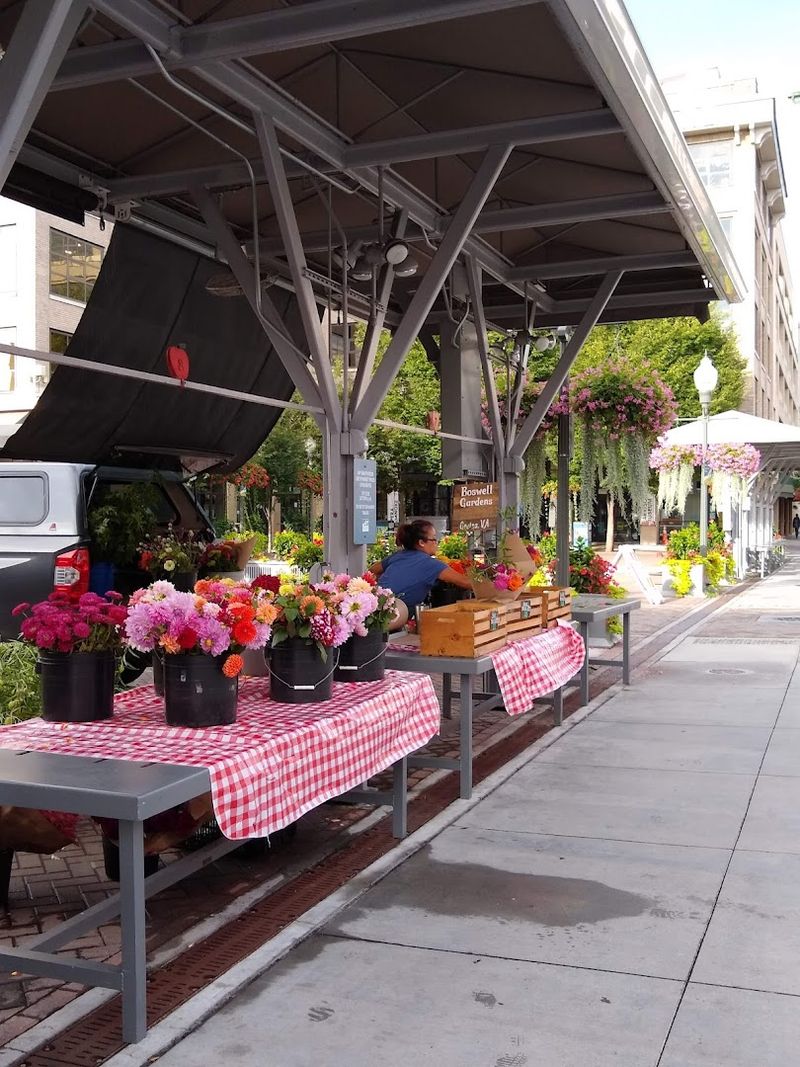
There is something satisfying about shopping where mountains frame the skyline and vendors know how to stretch the season. A good market should feel lively without making your wallet nervous, and this one pulls that off well.
In downtown Roanoke, the Historic Roanoke City Market has built its reputation on consistency, variety, and approachable prices.
Operating since 1882 and open year-round, this market gives you a dependable place to find produce, flowers, baked items, and prepared foods in almost any season. That year-round rhythm matters because value is not just about one big summer haul.
It is also about having a regular, local option when grocery prices elsewhere keep climbing.
The setup makes it easy to compare offerings from several sellers before committing, which helps budget shoppers shop smarter. I would keep an eye out for peak-season tomatoes, squash, apples, and greens, then add lower-cost bunches of herbs or flowers when they are abundant.
Vendors often know which items are best priced that day and will point you toward them if you ask.
Roanoke’s market also gives you a strong sense of place, which makes ordinary shopping feel less like a chore. You leave with fresher food, a little local flavor, and often a better deal than expected.
That is exactly the kind of market worth revisiting.
Charlottesville City Market
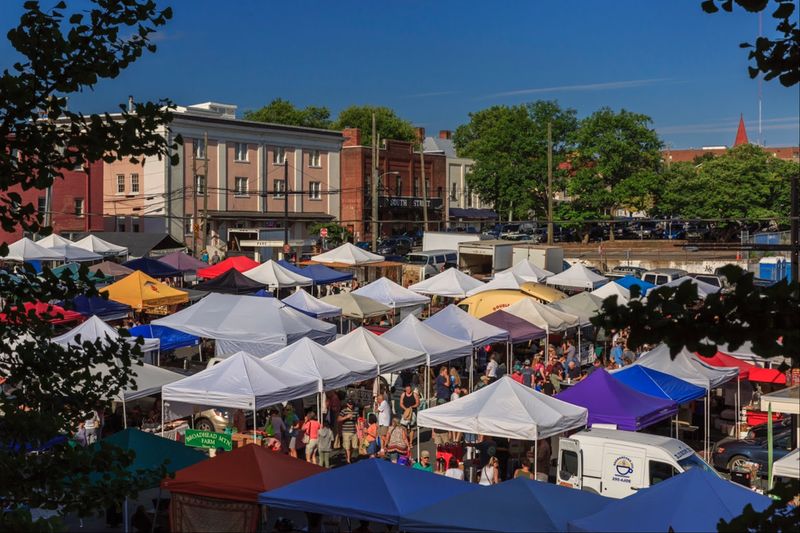
When a market feels big enough to offer real choice but still local enough to know where your food came from, shopping gets easier. You can scan several stands, compare quality, and build a meal plan around what is freshest instead of what is overpriced.
That is the appeal of Charlottesville City Market during its busy seasonal run.
Typically operating from April through November, this open-air market brings together local farms, bakers, cheesemakers, meat producers, and craft vendors in one energetic setting. The wide selection is helpful for price-conscious shoppers because abundance often keeps individual items competitive.
If peaches, tomatoes, sweet corn, or salad greens are peaking, you can usually tell by both the display size and the value.
It is also a smart place to combine staple shopping with a few special extras without blowing your budget. I would start with produce first, then check for bread, eggs, yogurt, or cheese from nearby producers to round out the week.
Going early can give you the best selection, while going later may reveal deals on items vendors would rather not pack back up.
Charlottesville City Market works especially well if you like seasonal eating and flexible meal planning. The atmosphere is upbeat, the farm presence is strong, and the shopping can feel surprisingly practical.
For many households, that makes it more than just a pleasant outing.
Virginia Beach Farmers Market
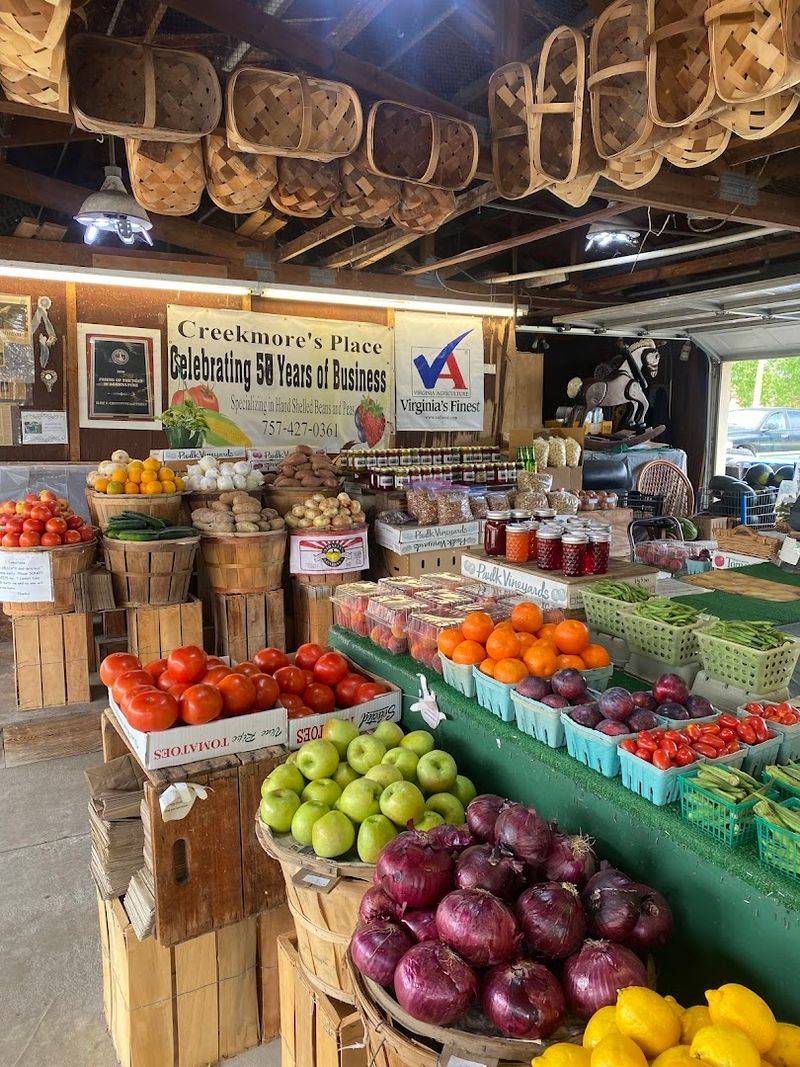
Fresh food near the coast has a different energy, especially when produce bins sit beside seafood counters and bakery cases. It feels generous, varied, and practical all at once, which is exactly what budget shoppers need.
Virginia Beach Farmers Market is one of those places where you can handle most of your grocery list in a single stop.
This year-round market is known for produce, meats, baked goods, plants, and regional specialties, giving you more range than a smaller seasonal setup. That variety can save money because it cuts down on extra store runs after your market trip.
Competitive pricing is one reason locals keep coming back, especially for in-season fruits and vegetables that are both fresher and more flavorful.
If you shop with a little flexibility, this market rewards you. I would look for produce that is stacked high and clearly moving quickly, because abundant items often signal the best value.
Seafood and baked goods can turn a practical haul into a fun one, but the smartest savings usually start with basics like greens, squash, onions, berries, and herbs.
The overall experience feels welcoming rather than precious, which matters if you are shopping for a household and not just browsing. Virginia Beach Farmers Market gives you useful selection, reliable quality, and enough price competition to keep things reasonable.
That combination makes it a strong everyday choice.
Richmond GrowRVA – South of the James Market
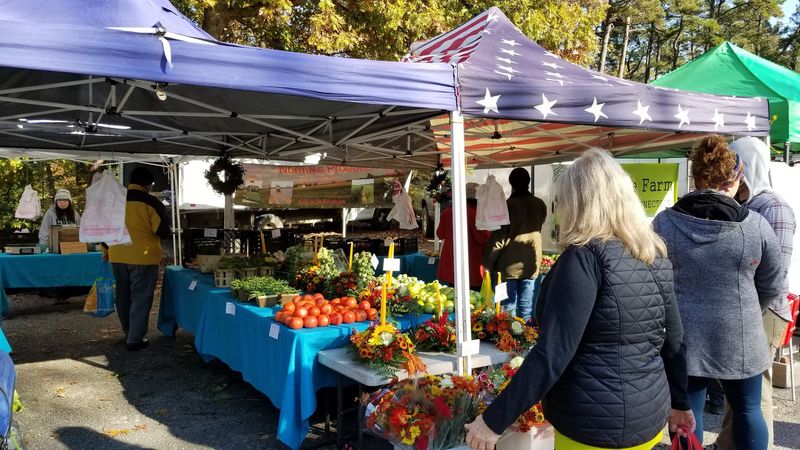
Some markets feel more like a community gathering than a shopping errand, and that can make stretching your budget feel a lot less dreary. Music, conversation, and rows of local produce create an energy that keeps people coming back week after week.
In Richmond, GrowRVA’s South of the James Market has become that kind of staple.
As one of the city’s largest producer markets, it is especially appealing for shoppers who want food directly from farmers and makers instead of middlemen. Farm-direct produce often means stronger freshness and better value, particularly when the season is in full swing.
Another major plus is SNAP and EBT support, which can make healthy food more accessible for many households.
The market’s scale helps, too, because more vendors usually means more options and easier price comparison. I would scan the produce stands first for whatever is overflowing, then build dinners around those ingredients instead of forcing a rigid list.
Greens, root vegetables, tomatoes, peppers, and fruit often become better buys when several farms are selling the same peak item.
South of the James also earns points for atmosphere without losing sight of practicality. You can come for the neighborhood vibe, but you stay because the shopping makes sense.
For Richmond shoppers trying to eat well on a budget, this market belongs high on the list.
Falls Church Farmers Market
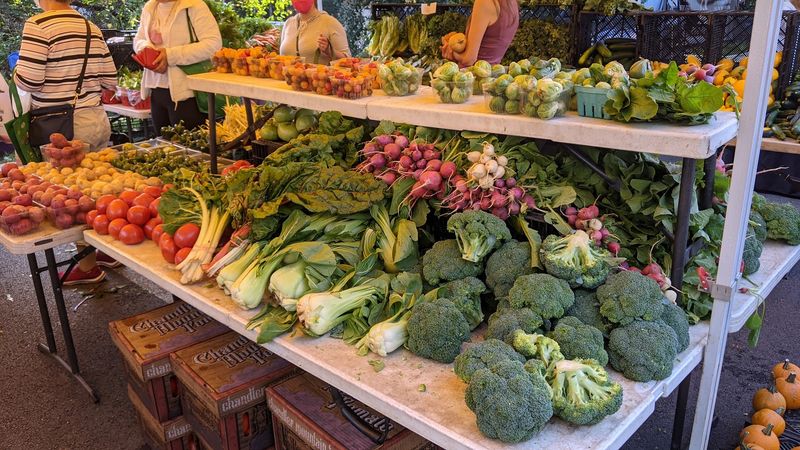
Some markets earn trust slowly, through consistency rather than flash, and those are often the ones worth prioritizing. You want a place where quality is dependable, prices feel fair for what you are getting, and the regulars clearly know they can count on it.
Falls Church Farmers Market has built exactly that kind of reputation in Northern Virginia.
Widely regarded as a strong producer-only market, it focuses on farm goods that come directly from the source. That matters because transparent sourcing often leads to fresher food and better conversations about what is truly in season.
High quality does not automatically mean high prices here, especially when you concentrate on staple produce and items that are abundant that week.
I would approach this market with a mix of practicality and curiosity. Buy basics first – greens, root vegetables, apples, herbs, eggs, or bread – then check whether any vendor has a standout seasonal deal worth adding.
The producer-only structure makes it easier to feel confident that your money is supporting actual growers rather than resellers.
The market’s popularity means selection is usually strong, but it still feels approachable rather than overwhelming. Falls Church offers the kind of shopping experience that helps you eat better without losing sight of budget.
In an expensive region, that balance is especially valuable.
Alexandria West End Farmers Market
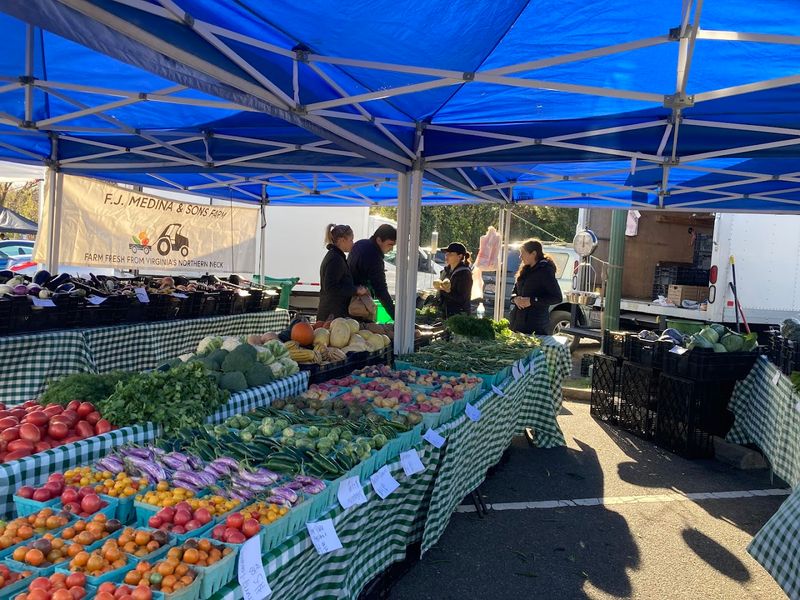
Neighborhood markets can be some of the most useful places to shop because they are built around regular needs, not just weekend entertainment. You notice it in the practical produce tables, the familiar faces, and the emphasis on access.
That everyday usefulness is a big reason Alexandria West End Farmers Market deserves attention.
This community-focused market highlights local farms and supports broader food access with SNAP incentives, making it especially relevant for shoppers watching every dollar. Programs that improve affordability can turn fresh produce from an occasional splurge into a realistic routine.
That shift matters more than any pretty market aesthetic ever could.
The selection may feel more grounded than flashy, but that is often where the best value lives. I would shop for dinner basics first and ask vendors which items are peaking, because seasonal abundance usually means better prices and better flavor at the same time.
Simple staples such as greens, onions, squash, tomatoes, beans, and fruit can go a long way when you build meals around them.
Another advantage is convenience for local residents who want to support nearby growers without traveling across the region. The atmosphere stays welcoming and practical, and the market’s community orientation gives it real staying power.
If your goal is fresh food that feels accessible, Alexandria’s West End is a smart stop.
Fairfax City Farmers Market
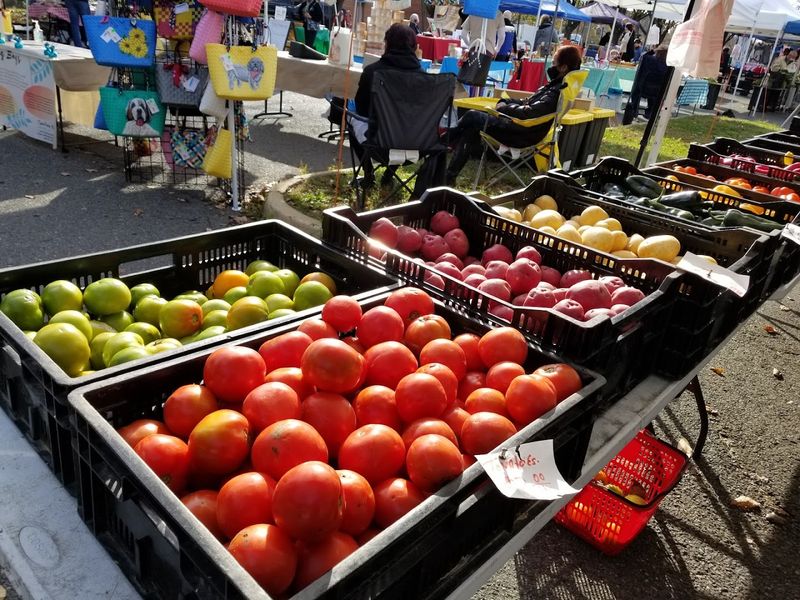
Not every worthwhile market needs to be huge to be useful. Sometimes a seasonal market with dependable vendors and a straightforward layout is exactly what helps you shop efficiently and avoid overspending.
Fairfax City Farmers Market fits that role well for shoppers who want local food without a complicated experience.
Known for Virginia-grown produce and baked goods, this market gives you a clean, practical selection that works nicely for weekly staples. Seasonal operation means the best visits tend to line up with the strongest local harvests, which is also when prices are often most attractive.
If you time your shopping around peak tomatoes, peaches, corn, apples, or greens, your money can go much further.
I like markets like this because they make it easier to stay disciplined. You can focus on the basics, talk briefly with growers, and leave with ingredients that actually shape your meals for the week.
Baked goods are tempting, of course, but the strongest value usually starts with produce that is fresh enough to keep you from wasting anything at home.
Fairfax City also benefits from feeling approachable for first-time market shoppers. There is enough variety to make the trip worthwhile without the sensory overload of a giant event.
For a manageable, local, and budget-aware outing, this market is a very solid choice.
Fredericksburg Farmers Market
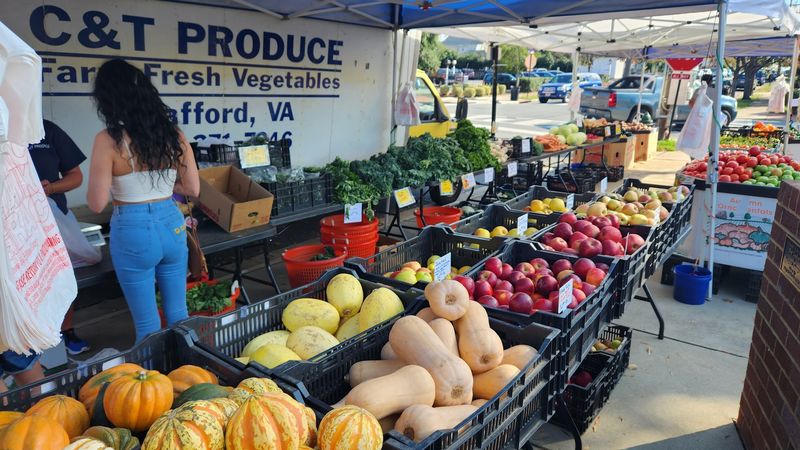
Historic downtown streets have a way of making simple errands feel more enjoyable, especially when fresh produce is involved. A good farmers market should offer more than charm, though – it should help you fill your kitchen at prices that still make sense.
Fredericksburg Farmers Market manages to offer both.
With a strong local farm presence and a reputation for affordable produce, this market is especially useful for shoppers who want dependable ingredients rather than novelty purchases. The downtown setting adds appeal, but the real draw is the practical mix of fruits, vegetables, and other local goods.
When regional harvests are strong, the market becomes an easy place to stock up without feeling like you are paying a premium for the experience.
I would make a beeline for the seasonal standouts first and build meals around those finds. Items like tomatoes, cucumbers, greens, berries, apples, and squash often deliver the best value when they are coming in steadily from nearby farms.
Asking which produce was picked most recently can also steer you toward the best quality for the price.
Fredericksburg’s market feels rooted in the community, which adds a sense of trust to the shopping experience. You can get in, shop well, and leave with ingredients that actually inspire home cooking.
For value and local character together, it is a strong pick.
Leesburg Farmers Market
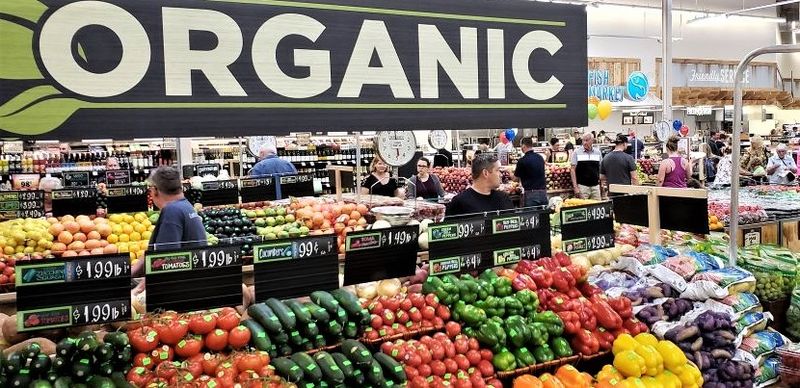
A popular market can sometimes mean higher prices, but it can also mean stronger vendor turnout, better selection, and more chances to find smart buys. The key is whether the market still serves everyday shoppers rather than just weekend browsers.
Leesburg Farmers Market does a good job balancing popularity with practical shopping potential.
One of Northern Virginia’s best-known weekend markets, it brings together fresh produce, meats, flowers, and artisan foods in a lively setting. The broad selection helps because you can compare offerings and decide where quality justifies the cost.
While specialty items can add up quickly, the market is still a worthwhile stop for seasonal produce and carefully chosen staples.
I would keep a sharp eye on what is abundant and local rather than getting distracted by everything beautiful at once. Fruits and vegetables in peak season usually offer the strongest value, while meats and artisan foods may be better treated as occasional additions.
If you shop with a list and a little restraint, this market can support both freshness and budget goals.
Leesburg also benefits from a pleasant atmosphere that makes you want to linger without requiring that you spend heavily. It feels active, polished, and deeply connected to regional producers.
For shoppers who want a high-energy market that can still be navigated wisely, this one earns its place.
Ashland Farmers Market
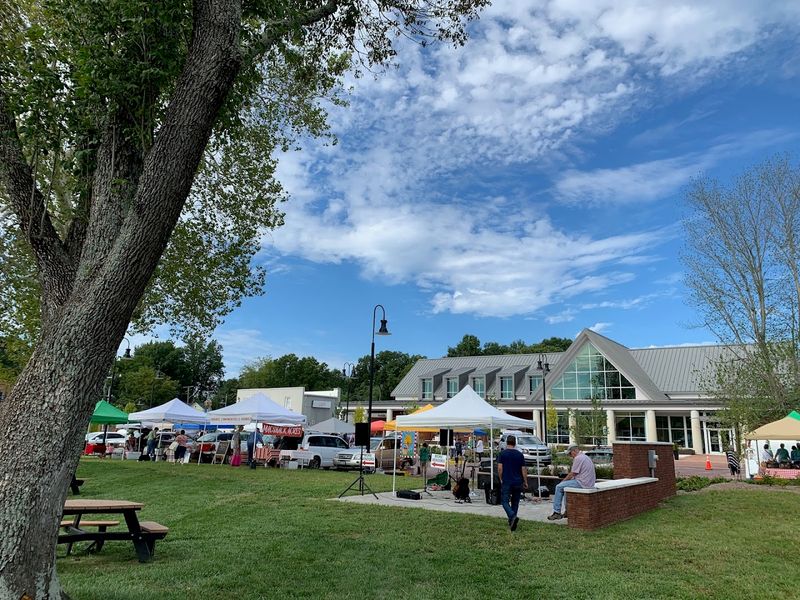
Small-town markets often deliver the kind of shopping experience that feels refreshingly straightforward. You can talk with growers, spot what looks best in minutes, and avoid the overstimulation that bigger markets sometimes bring.
Ashland Farmers Market has that easygoing appeal, and it works especially well for shoppers who care about value.
Known for direct farm sales and seasonal goods, this market leans into the strengths of local harvesting rather than trying to be everything at once. That makes it a good place to find produce that is fresh, timely, and often competitively priced when supply is strong.
The direct connection to growers also gives you better insight into what will keep well at home and what should be eaten first.
I would approach Ashland with a simple plan: buy what is clearly in season and skip anything that feels out of step with the local harvest. Leafy greens, summer squash, peppers, tomatoes, apples, and herbs can all be smart purchases depending on the month.
Because the market is smaller, each choice feels more intentional, which can help reduce waste and unnecessary spending.
The town setting adds warmth without turning the visit into a touristy production. Ashland Farmers Market feels neighborly, useful, and grounded in real food needs.
If you like direct farm shopping with a calm pace and reasonable value, this one is easy to recommend.
Chesapeake Farmers Market
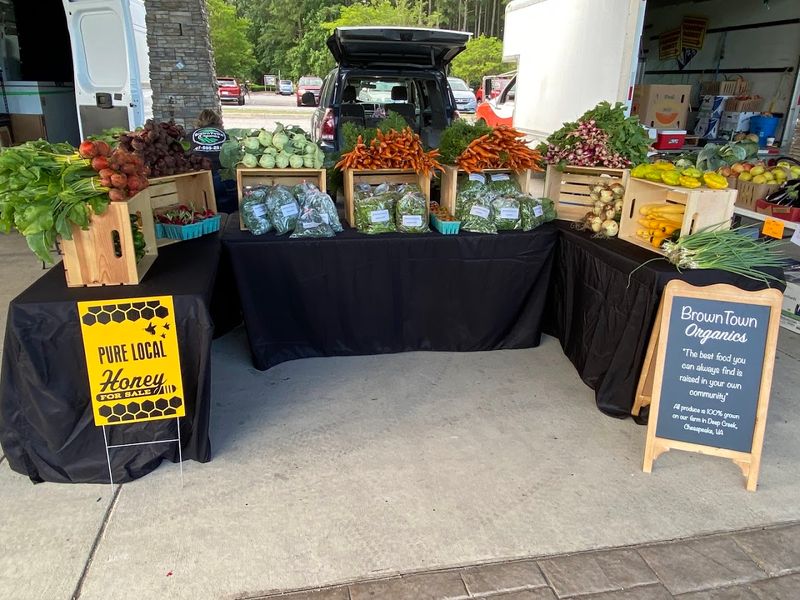
When a city supports multiple market sites, fresh food starts feeling more accessible and less like a special trip. That convenience matters because savings disappear fast when shopping becomes complicated or time-consuming.
Chesapeake Farmers Market stands out for making local produce easier to work into regular life.
Known for local farms, vegetables, and seasonal pricing, the market system across Chesapeake gives shoppers more chances to buy at the right time and place. Seasonal pricing is especially important because it reminds you that the best deals usually come when harvests are strongest.
Instead of forcing a rigid shopping list, you can let the season guide you toward what is freshest and most affordable.
I would use these markets as a way to stock up on versatile basics. Potatoes, onions, greens, beans, squash, berries, and corn can all become strong values when local supply is high, and they fit into many low-cost meals.
If one site is more convenient than another, that accessibility alone can make local shopping more sustainable for your routine.
Chesapeake’s market appeal is not about spectacle. It is about practical access, local agriculture, and the ability to shop seasonally without overcomplicating your week.
For households trying to eat fresher food while keeping spending under control, that kind of flexibility is genuinely useful.
Harrisonburg Farmers Market
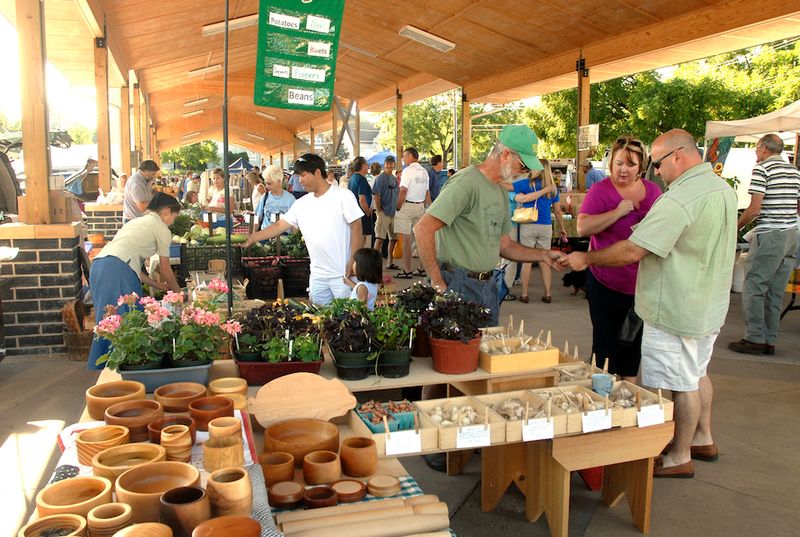
In an agricultural region, a farmers market can feel less like a novelty and more like an extension of everyday life. That usually translates into fresher products, stronger farm presence, and prices that make sense when local harvests are rolling in.
Harrisonburg Farmers Market benefits from exactly that Shenandoah Valley advantage.
This producer-focused market has earned a strong reputation for affordable, fresh agricultural products, and that reputation matters for good reason. Buying in a region with deep farming roots often means the food arrives with less fuss and more flavor.
You can expect a practical selection shaped by nearby fields, orchards, and producers who understand what local shoppers actually need.
I would shop here with confidence in the basics. Eggs, greens, apples, root vegetables, herbs, breads, and seasonal fruit often make particularly smart purchases, especially when several producers are offering similar items.
The producer-focused setup also helps you ask direct questions about farming practices, harvest dates, and the best value on the table.
Harrisonburg’s market is a reminder that affordability and quality do not have to compete with each other. The atmosphere feels rooted, useful, and tied to the rhythms of the valley.
If you want a Virginia market where farm freshness and fair pricing naturally go together, this one is an excellent option.
Manassas Farmers Market
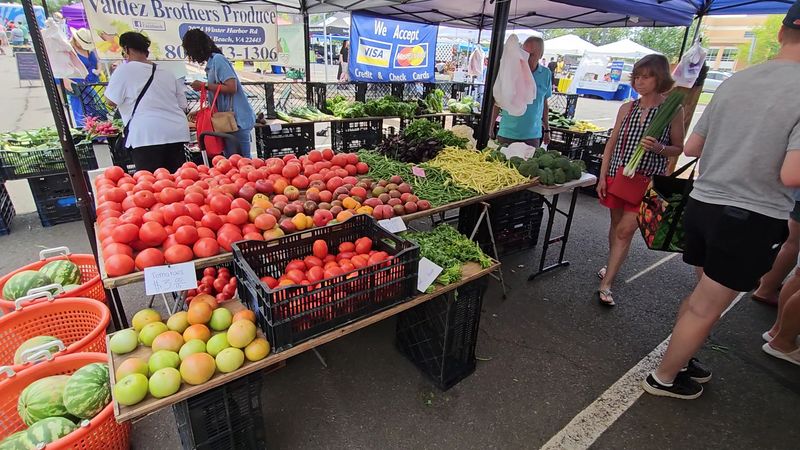
There is a special kind of pleasure in shopping where historic streets meet practical local food. A market like that can feel enjoyable enough for a weekend outing while still serving the real purpose of helping you stock your kitchen affordably.
Manassas Farmers Market does a nice job delivering both sides of that equation.
Set in historic downtown and known for regional farms and low-cost produce options, this market is especially appealing for shoppers who want clear value. The regional reach can bring a broad mix of fruits and vegetables, while the downtown location keeps the visit easy to pair with other errands.
When produce is in peak season, it is often possible to leave with a generous haul without overspending.
I would focus on the basics first and let the market’s best deals shape the rest. Tomatoes, peppers, corn, greens, apples, onions, and squash can all be strong buys depending on the time of year, and many are useful across several meals.
With a little planning, one visit can set up soups, salads, sides, and snacks for much of the week.
Manassas also has the kind of approachable atmosphere that makes repeat visits realistic. It feels local, manageable, and grounded in everyday shopping rather than curated spectacle.
For anyone looking to stretch their budget while still bringing home fresh Virginia-grown food, it is a very worthwhile stop.