Virginia is often called the birthplace of a nation, and for good reason; the Old Dominion was at the heart of nearly every major development of the American Revolution.
From the tobacco plantations where founding fathers debated liberty to the fields where the final decisive battle was fought, the state is saturated with history.
Visiting these sites is less like attending a history lesson and more like stepping into the story itself.
Whether you’re drawn to grand estates, preserved colonial towns, or quiet battlefield parks, Virginia offers something for every kind of traveler.
Families, students, and history enthusiasts alike will find these landmarks both educational and genuinely awe-inspiring.
Here are eleven Virginia landmarks that played a direct and significant role in America’s long fight for independence.
1. Red Hill Patrick Henry National Memorial – Brookneal, Campbell County
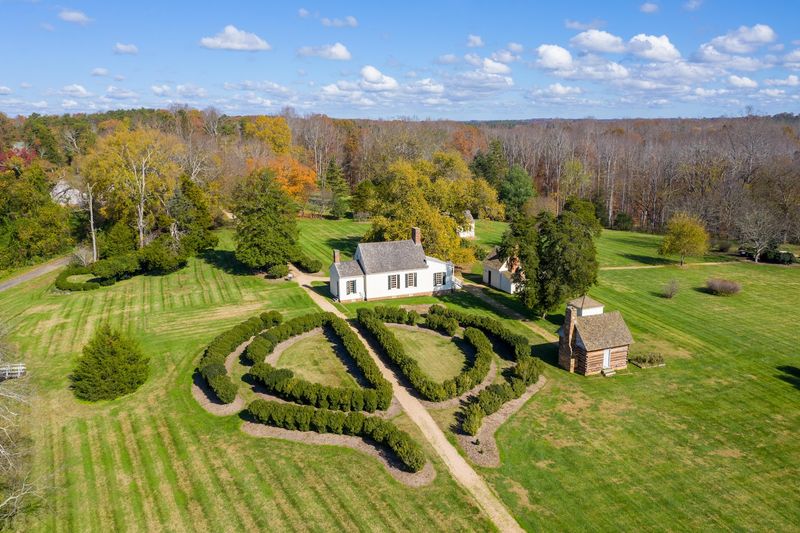
Quiet fields and a deeply personal atmosphere give this memorial a different kind of revolutionary power.
Instead of cannon fire, you feel the force of words, conviction, and political courage.
That is why Red Hill, Patrick Henry’s final home, matters so much to the story of independence.
Henry became one of Virginia’s most electrifying advocates for resistance to British authority.
Walking trails surrounding the property provide scenic views, allowing guests to appreciate Virginia’s natural beauty alongside important historical landmarks and tranquil settings.
Knowledgeable guides share fascinating stories about Henry’s family, plantation, legacy, and dedication to protecting individual liberties through passionate advocacy and principled leadership.
The carefully preserved residence reflects eighteenth-century architecture, offering authentic insights into daily life during America’s political transformation periods.
The memorial’s museum collections include artifacts, documents, furnishings, and personal belongings that deepen understanding of Patrick Henry’s extraordinary public service and private experiences.
Brookneal’s welcoming atmosphere complements the memorial, providing visitors opportunities to explore nearby attractions, and Virginia’s rich regional traditions afterward.
Red Hill Patrick Henry National Memorial remains an inspiring destination where history, education, preservation, and reflection unite, encouraging future generations to value freedom, courage, responsibility, and citizenship.
2. Monticello – Charlottesville, Albemarle County
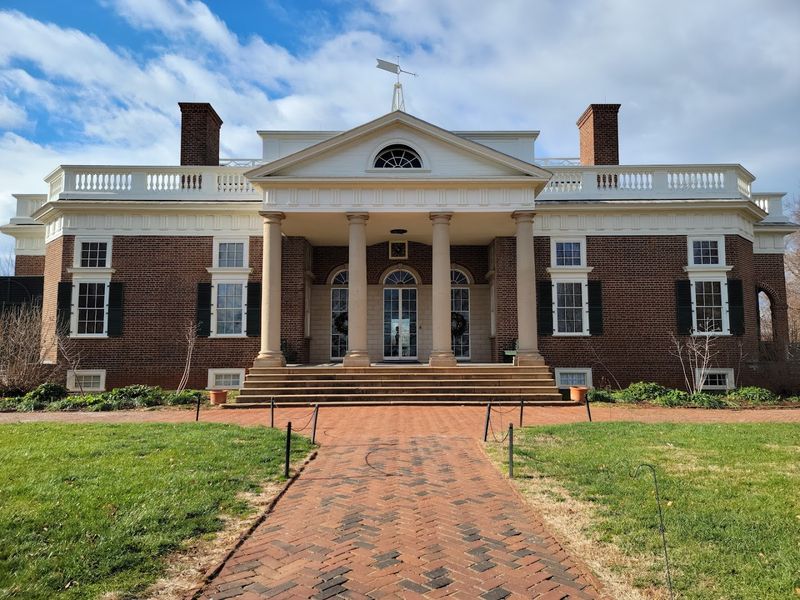
High on its hill, this estate feels quieter than many battle sites, yet its influence on independence reached far beyond the surrounding fields.
Ideas carried as much force as armies during the Revolution, and few places symbolize that better than Monticello.
Thomas Jefferson’s home helps explain how Virginia shaped the language and philosophy of the American cause.
Jefferson drafted the Declaration of Independence in 1776, and his intellectual world was deeply tied to the life he built here.
At Monticello, he read widely, designed relentlessly, and refined beliefs about natural rights, government, and liberty that would echo internationally.
Although the contradictions of slavery are inseparable from the estate, that tension is also central to understanding the Revolution’s unfinished promises.
The house itself was not a battlefield command post, but it was part of the network of elite Virginia homes where political strategy developed.
Jefferson served in public offices that shaped wartime governance, diplomacy, and the new republic’s direction.
Monticello therefore represents the Revolution’s ideological architecture as much as any military event.
You are entering a place where Enlightenment thought, personal ambition, and the paradoxes of freedom lived side by side.
To understand Virginia’s role in independence, you need both the speeches and the silences preserved here.
3. George Washington’s Mount Vernon – Mount Vernon, Fairfax County
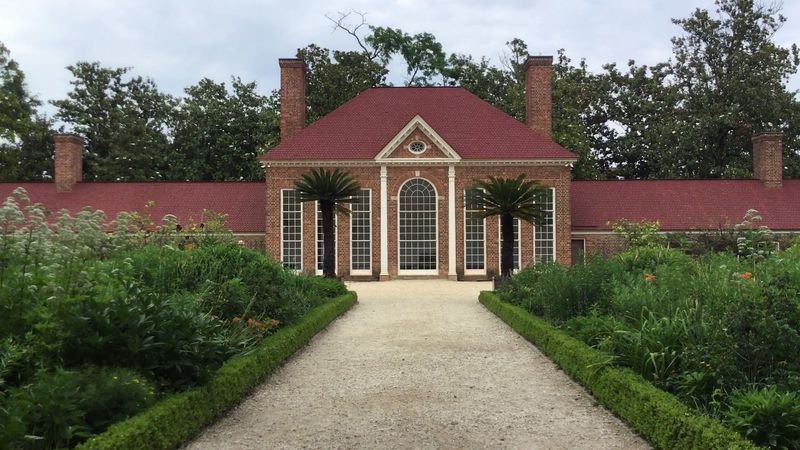
Overlooking the Potomac, this estate projects calm authority, which fits the man whose leadership helped hold the Revolution together.
Before and after the war, George Washington’s world was anchored at Mount Vernon.
That connection makes the estate a powerful lens for understanding how Virginia supplied both military leadership and republican example.
Washington left Mount Vernon to command the Continental Army in 1775, carrying with him the discipline, networks, and public reputation he had built as a Virginia planter and veteran.
His long absence turned the estate into a symbol of personal sacrifice as much as private property.
When people think about the Revolution’s endurance through defeats, uncertainty, and shortages, Washington’s steadiness is impossible to separate from the story.
Mount Vernon also matters because it reveals the social and economic world that shaped revolutionary leadership.
The plantation depended on enslaved labor, a fact that complicates any simple celebration and reminds you that liberty was contested from the beginning.
That contradiction followed Washington through war and nation building, making the site historically richer, not simpler.
Today, the mansion, outbuildings, and river views connect public mythology with lived reality.
For Virginia’s revolutionary legacy, Mount Vernon stands at the meeting point of leadership, sacrifice, and contradiction.
4. Gadsby’s Tavern Museum – Alexandria, Alexandria City
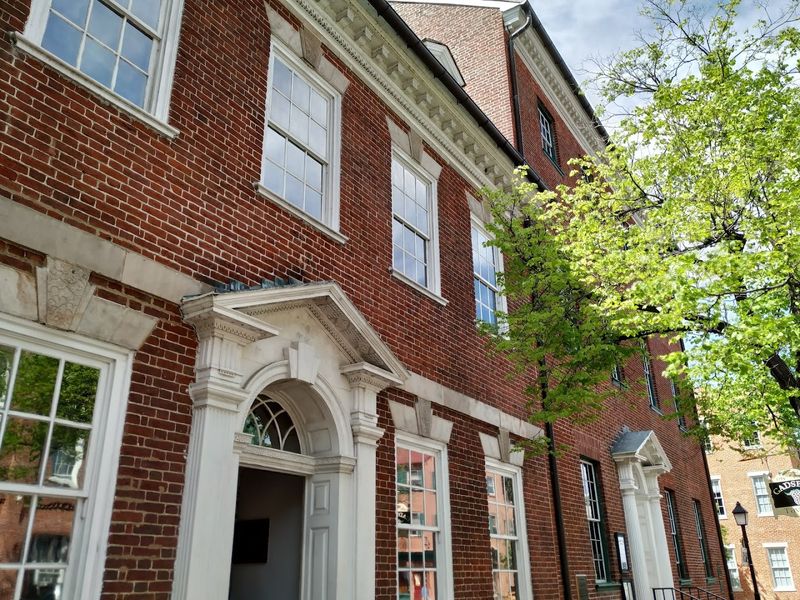
Candlelit rooms, polished wood, and the hum of imagined conversation make this place feel instantly social.
In the eighteenth century, taverns were not just for meals and lodging – they were engines of politics, networking, and public opinion.
Gadsby’s Tavern Museum preserves that civic energy in one of Virginia’s most important port cities.
Alexandria was a commercial hub where merchants, officers, legislators, and travelers exchanged news that could quickly shape local loyalties.
Within taverns like this one, ideas about British policy, wartime developments, and the future of the colonies circulated face to face.
That informal political culture mattered because revolutions grow through conversation long before they are secured on battlefields.
The site is also linked to major figures, including George Washington, who attended events here in the postwar era.
While the building’s strongest associations span beyond the Declaration itself, it reflects the urban world in which Virginia’s revolutionary generation built alliances and performed public leadership.
Its significance lies in showing how everyday spaces helped sustain political momentum.
You can picture disagreements over supper, toasts to victory, and anxious updates arriving from distant campaigns.
For understanding how independence was discussed, celebrated, and socially reinforced in Virginia, Gadsby’s Tavern remains an essential stop.
5. Colonial Williamsburg – Williamsburg, James City County
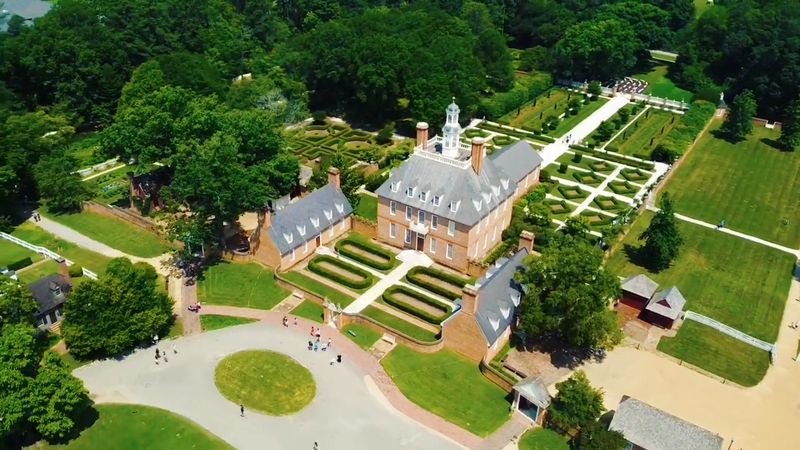
Brick streets, creaking signs, and the distant sound of musket drills make the revolutionary era feel startlingly close here.
When you walk through this living history district, the debates behind independence seem less like textbook events and more like urgent conversations.
That immediacy is exactly why Colonial Williamsburg mattered so deeply to Virginia’s political awakening.
As the colony’s capital before Richmond, Williamsburg hosted the House of Burgesses, where resistance to British policies gained organized force.
Figures like Patrick Henry, Thomas Jefferson, and George Washington moved through these streets while arguments over taxation, representation, and colonial rights sharpened.
After royal governor Lord Dunmore dissolved the assembly, Virginians continued meeting nearby, proving that political momentum could outlast official power.
The city also became a center for spreading revolutionary ideas through print shops, taverns, and public gatherings.
Ordinary residents encountered news, rumors, and speeches that helped transform private frustration into collective action.
That blend of elite leadership and public engagement made Williamsburg essential to Virginia’s revolutionary identity.
Today, the site lets you see where ideology became policy and where protest began to look like independence.
If you want one place that captures Virginia’s intellectual and political role in the Revolution, this is it.
6. Yorktown Battlefield – Yorktown, York County
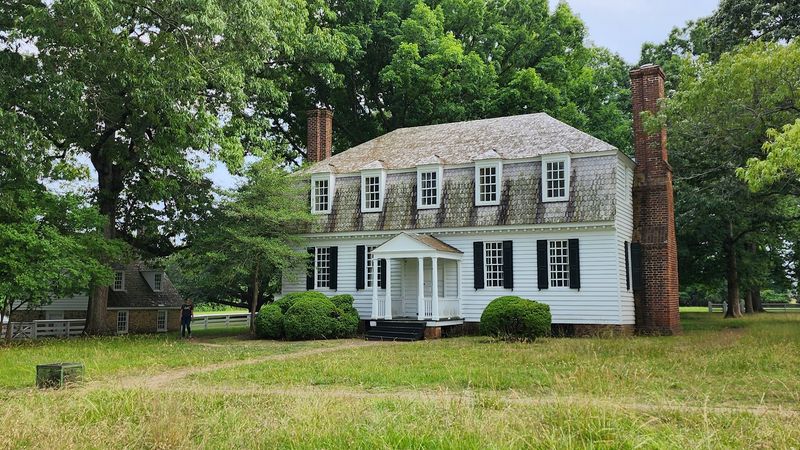
Wind moving across open fields can feel deceptively peaceful until you remember that one of the Revolution’s decisive endings unfolded here.
The landscape at Yorktown Battlefield still carries the scale of a siege that changed the future of the United States.
This is the place where military pressure finally cornered British hopes of victory.
In 1781, General George Washington and French commander Comte de Rochambeau coordinated with French naval forces to trap Lord Cornwallis at Yorktown.
American and French troops dug trenches, advanced artillery, and tightened control until British options collapsed.
Cornwallis’s surrender did not instantly end the war on paper, but it effectively broke Britain’s ability to continue the campaign successfully.
Virginia’s geography mattered enormously in this outcome.
The Chesapeake allowed French naval strength to seal the bay, while the peninsula shaped the siege’s tactical possibilities.
Yorktown therefore was not just a backdrop to victory – it was a strategic stage where allied planning, local terrain, and persistent campaigning converged.
Visiting today, you can stand near earthworks and artillery positions that make the battle’s final drama easier to grasp.
The site explains how years of sacrifice narrowed into one irreversible moment.
7. Historic Kenmore – Fredericksburg, Fredericksburg City
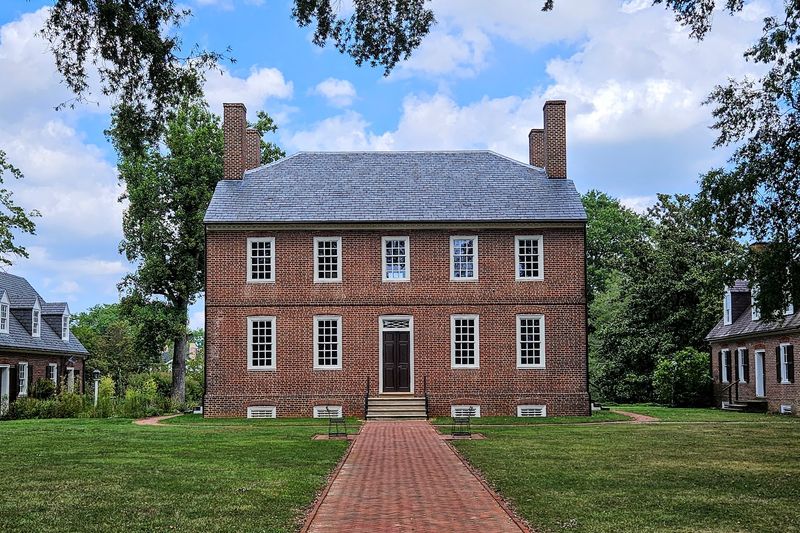
Refined architecture and ornamental plasterwork might seem far removed from wartime hardship, yet this estate opens a window into Virginia’s revolutionary leadership class.Historic Kenmore was the home of Fielding and Betty Washington Lewis, members of the extended Washington family.
Its beauty helps frame the personal, financial, and political pressures carried by elite Virginians during the struggle for independence.
Betty was George Washington’s sister, and the household stood close to the networks that supported the revolutionary cause.Fredericksburg itself contributed soldiers, supplies, and civic leadership, while nearby industries played practical roles in sustaining resistance.
The family’s social standing connected Kenmore to conversations that linked local commitment with national events.
The estate also reflects the economic strain of war.Many Virginia families with patriotic loyalties faced debt, disrupted trade, and uncertain futures as the conflict dragged on.
Seeing Kenmore in that context reminds you that support for independence involved sacrifice far beyond the battlefield.
Today, the mansion illustrates how domestic spaces intersected with public history.Its rooms reveal the material world of people who helped carry the Revolution through influence, kinship, and endurance.
If you want to understand not only how Virginia fought but also how Virginia’s leading families lived through the upheaval, Kenmore adds valuable depth to the story.
8. Ferry Farm – Fredericksburg, Stafford County
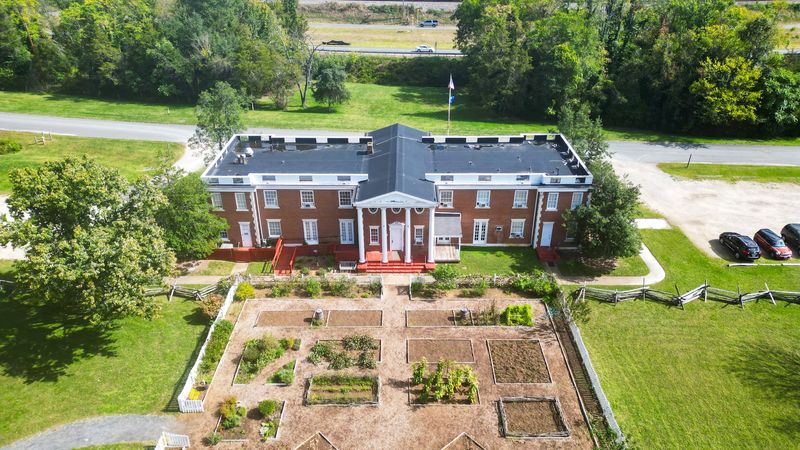
Across the river from Fredericksburg, open ground and reconstructed buildings invite you to imagine a future leader before history knew his name.
Ferry Farm is best known as George Washington’s boyhood home, and that alone gives it lasting national interest.
For Virginia’s revolutionary story, the site matters because it reveals the formative landscape behind Washington’s character and ambition.
Here, Washington experienced plantation life, family responsibility, and the regional culture that shaped colonial Virginia’s gentry.
The lessons of land management, social expectation, and personal discipline that began at Ferry Farm later informed his military bearing and political reserve.
Although no declaration was drafted here and no siege lines were cut through the fields, the site’s influence is rooted in origins rather than events.
Archaeology has made Ferry Farm especially valuable.
Excavations have uncovered artifacts that bring daily eighteenth-century life into focus and ground Washington’s early years in physical evidence.
That material record helps you see the Revolution not only as a sequence of famous actions but also as the product of long personal development.
Standing here today, you get a quieter perspective on independence.
This is where one of the Revolution’s central figures first learned the rhythms of Virginia life.
Ferry Farm helps explain the beginnings that made such leadership possible.
9. Virginia State Capitol – Richmond, Richmond City
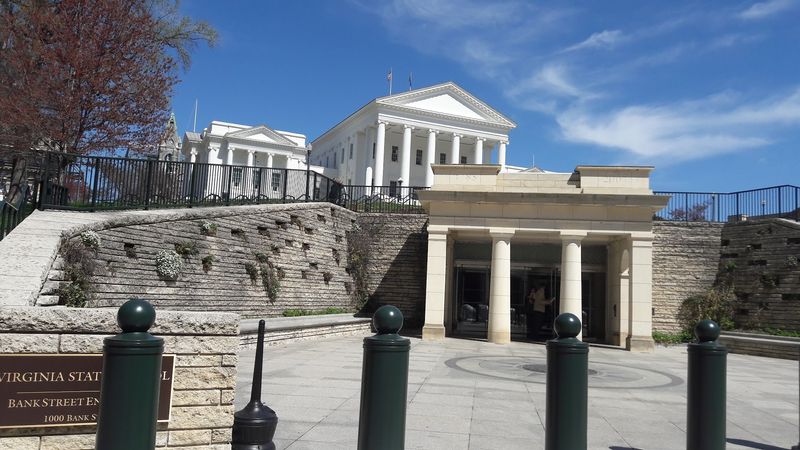
Set above Richmond with unmistakable civic presence, this building represents the Revolution after protest became government.
The Virginia State Capitol is where independence took institutional form in one of the new nation’s most influential states.
Its importance lies not in a single dramatic battle but in the steady work of creating republican rule.
After the capital moved from Williamsburg to Richmond in 1780, Virginia’s leaders governed from a city considered safer from British attack.
Thomas Jefferson helped shape the Capitol’s design, drawing inspiration from Roman republican architecture to express the ideals of the new era.
That choice was symbolic and practical, showing how the Revolution sought not only to defeat Britain but to build a durable political identity.
Within these walls, lawmakers debated policy, wartime needs, and the powers of the state in a changing constitutional world.
The Capitol later hosted major national figures and continued influencing American political culture long after independence was secured.
Its role connects Virginia’s revolutionary leadership with the broader experiment of self-government.
When you visit, the architecture itself feels argumentative, as if stone and proportion are making a case for republican virtue.
You are standing where governance replaced colonial dependence.
The State Capitol is one of the clearest landmarks in the entire commonwealth.
10. Point Pleasant Battle Monument – Point Pleasant, Mason County
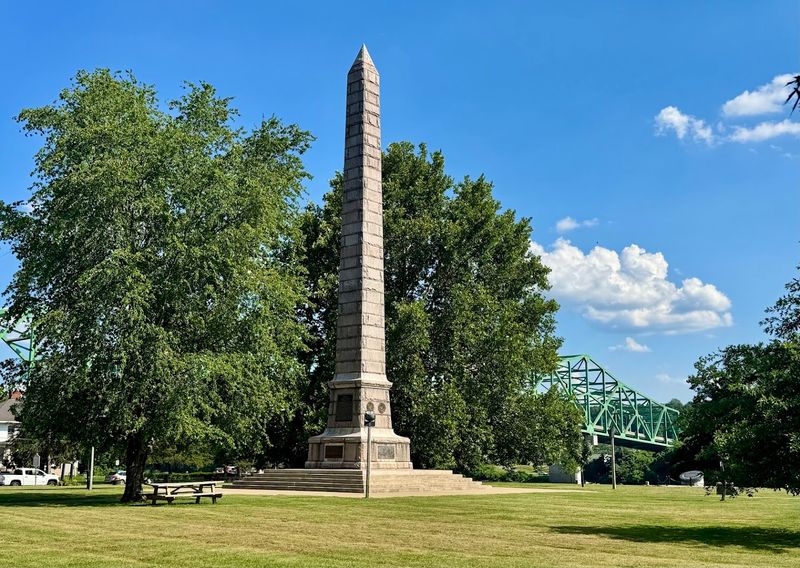
At the meeting of rivers, the frontier feels harsher, more uncertain, and more revealing about the long road to independence.
The Point Pleasant Battle Monument commemorates a 1774 conflict that predates the Declaration but shaped revolutionary memory in powerful ways.
Although the monument stands in present-day West Virginia, the battle occurred when this was still Virginia’s western frontier.
The clash, fought during Lord Dunmore’s War between Virginia militia and Shawnee and Mingo forces, was not part of the Revolutionary War itself.
Still, many later Americans treated it as a prelude to independence because it hardened colonial military experience and intensified attitudes toward British authority and frontier defense.
Participants such as Andrew Lewis and other Virginians carried those experiences into the revolutionary period.
The monument therefore matters less as a literal independence site and more as a marker of how Virginians understood their own path to resistance.
It also raises necessary questions about Indigenous dispossession and the violent expansion embedded in early American history.
That complexity makes the place more important, not less, for honest interpretation.
When you visit, you confront a memorial landscape shaped by memory as much as by battle.
To grasp Virginia’s revolutionary identity fully, you have to include the contested western edge represented here.
11. Chesterfield County Courthouse – Chesterfield, Chesterfield County
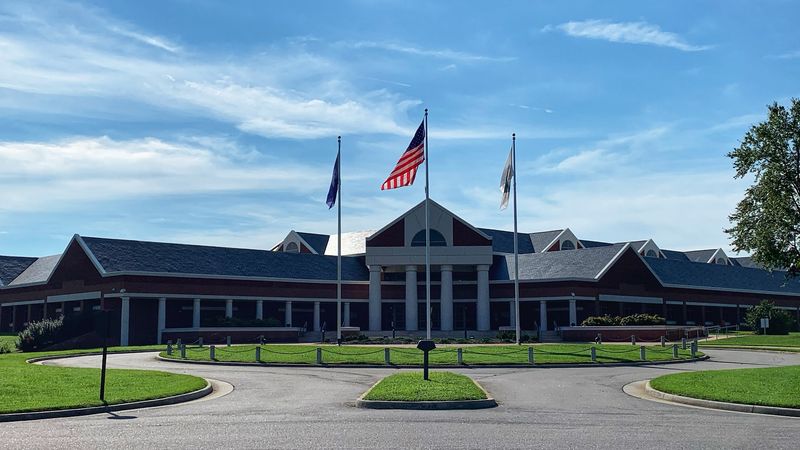
Modest civic buildings often tell the most revealing stories because revolutions depend on local action as much as famous leaders.
The Chesterfield County Courthouse represents the county-level world where Virginia’s resistance was organized, enforced, and made real.
Courthouses like this were where public authority met everyday life.
During the revolutionary era, local courts and county governments handled militia matters, loyalty questions, taxation, records, and wartime administration.
Even when larger political declarations came from capitals and conventions, implementation depended on places just like this one.
That practical role made county courthouses essential links between lofty ideals and functioning rebellion.
Chesterfield County also sat near Richmond and within a region deeply affected by military movement late in the war.
The courthouse stands as a reminder that independence required bureaucratic endurance along with battlefield courage.
Paperwork, local leadership, and civic obligation may sound less dramatic than sieges, but they helped hold the cause together.
Visiting today, you can appreciate how ordinary governance supported extraordinary change.
The building anchors the Revolution in a setting citizens would have recognized as familiar and unavoidable.
The Chesterfield County Courthouse offers a grounded and valuable perspective of how resistance transformed the political reality of the age.