Virginia does not need a red carpet to feel movie-ready.
Its mountains, old streets, grand buildings, and small towns have helped tell stories about dancers, presidents, superheroes, and everyday people facing huge choices.
Visiting these spots turns a normal trip into a fun scavenger hunt, where you can stand where cameras rolled and imagine the crew whispering, “Action.” Some places are famous landmarks, while others hide in plain sight beside shops, sidewalks, or quiet country roads.
That mix makes the state especially exciting for film fans, history lovers, and curious travelers who enjoy a good story with their sightseeing.
Pack comfy shoes, charge your phone, and bring your best movie-quote voice.
Virginia is full of scenes worth finding, and a few may surprise you more than a twist ending.
Use this guide to plan a weekend trip, a day outing, or a film-themed road adventure.
Mountain Lake Lodge, Pembroke – Dirty Dancing
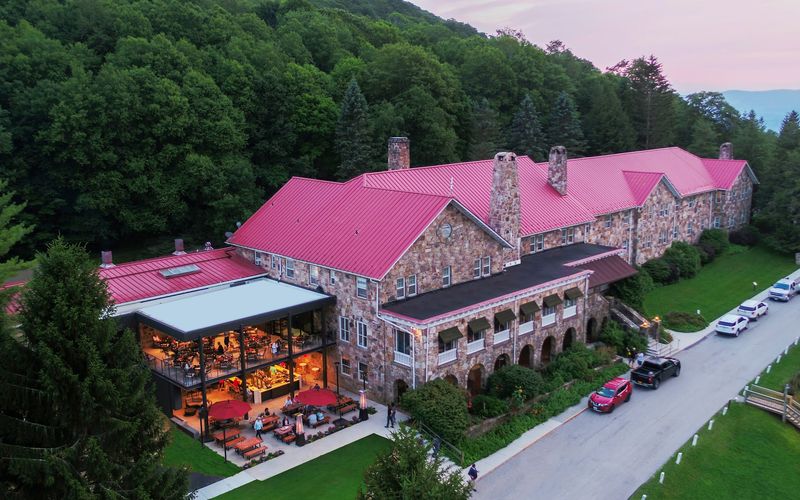
Few movie places can make visitors hum a soundtrack before they leave the parking lot, but Mountain Lake Lodge pulls it off.
Tucked in Pembroke in the Blue Ridge Mountains, this resort stood in for Kellerman’s in Dirty Dancing.
Fans come for the movie memories, yet the real setting adds its own charm with cool mountain air, wooded trails, and lodge buildings that feel frozen in the best summer of 1987.
The lake itself has changed over time because of natural groundwater cycles, so do not arrive expecting every scene to look exactly the same.
Instead, enjoy the guided tours, themed weekends, and photo spots where Baby and Johnny’s story still seems to echo.
Wear comfortable shoes because the property is spread out, and bring a jacket if you visit in cooler months.
Pembroke is peaceful, so the trip works well for travelers who want film fun without city noise.
For the full experience, stay overnight, eat on-site, and practice your dance lift only on dry land.
Nobody needs an emergency room cameo.
Virginia State Capitol, Richmond – Lincoln
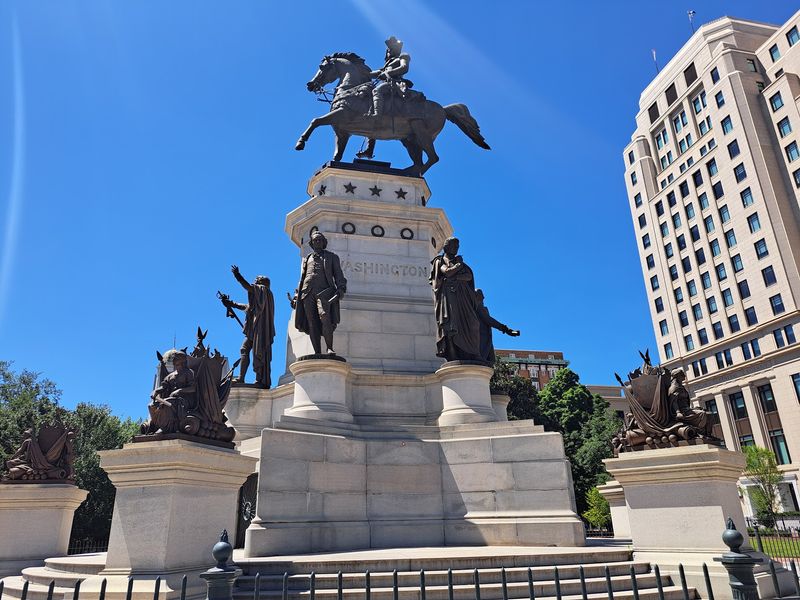
White columns, wide steps, and serious history give the Virginia State Capitol a built-in movie-star stare.
Steven Spielberg used this Richmond landmark while filming Lincoln, and it is easy to see why.
Designed with help from Thomas Jefferson, the Capitol has the kind of classical look that makes every angle feel important, even if you are just checking your map.
Visitors can tour the building and learn about Virginia government, Civil War history, and the many debates that shaped the state.
Movie fans may enjoy spotting rooms and exterior views that helped create the world of Abraham Lincoln’s final months.
Plan extra time for Capitol Square, where statues, lawns, and walking paths make the visit feel bigger than one building.
Downtown Richmond has parking decks nearby, but traffic can be lively, so check tour hours before you go.
The best part is the double reward.
You get a filming location and a major historic site in one stop, which is a bargain even Hollywood accountants might applaud.
Old Towne Petersburg, Petersburg – Harriet and The Good Lord Bird
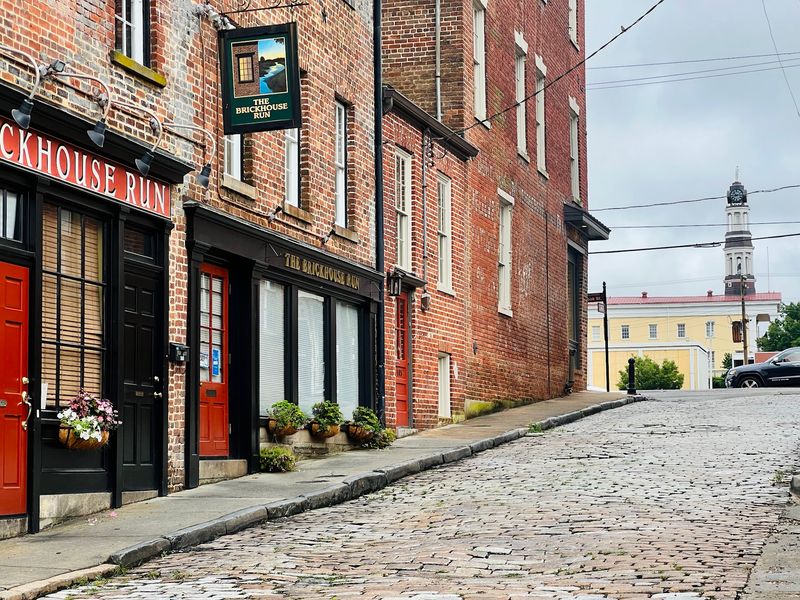
Brick streets and weathered storefronts make Old Towne Petersburg feel like a time machine with better coffee nearby.
This historic district appeared in Harriet and The Good Lord Bird, both stories tied to slavery, freedom, and the dangerous road toward justice.
Petersburg’s older buildings helped filmmakers create a believable 1800s setting without building everything from scratch.
A walk here rewards slow looking.
Notice the brickwork, narrow alleys, old commercial facades, and railroad connections that shaped the city’s past.
The area also has restaurants, antique shops, and murals, so you can mix history with lunch and browsing.
Because the district covers several blocks, start near the visitor center or use a self-guided walking map.
Petersburg has deep Civil War and African American history, so consider pairing your movie stop with museums or nearby battlefield sites.
Do not rush through with only a quick selfie.
Old Towne works best when you let the layers show, from film scenes to real lives that were far more dramatic than any script.
Colonial Williamsburg, Williamsburg – John Adams
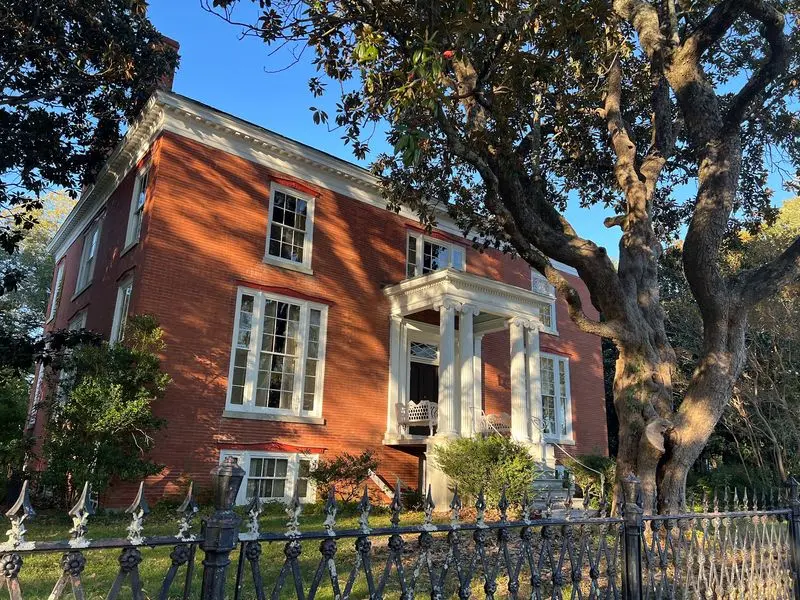
At Colonial Williamsburg, even the sidewalks seem ready to deliver a history lesson in a waistcoat.
The HBO miniseries John Adams filmed in this famous living-history area, using its restored 18th-century streets, taverns, gardens, and public buildings to recreate colonial America.
The setting feels natural because Williamsburg already works hard to show daily life from the Revolutionary era.
Visitors can watch tradespeople, talk with costumed interpreters, tour historic structures, and see how politics, food, fashion, and work shaped early America.
For film fans, the fun comes from noticing how real spaces become dramatic backdrops when cameras arrive.
Buy tickets ahead if you want access to major buildings and programs.
Wear walking shoes, because the historic area is larger than it first appears, and summer heat can sneak up like a powdered-wig ambush.
Families will find plenty to do, but adults can enjoy it just as much.
Add nearby museums or a tavern meal, and your visit becomes part movie hunt, part history class, and part very photogenic stroll.
Steven F. Udvar-Hazy Center, Chantilly – Transformers: Revenge of the Fallen
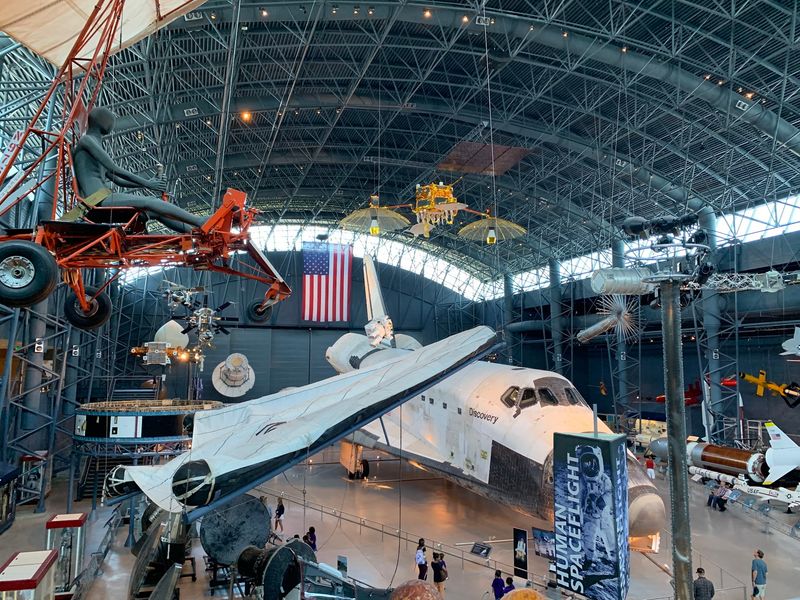
Giant aircraft under one roof already feel like robots in disguise, so Transformers fit right in.
The Steven F.
Udvar-Hazy Center in Chantilly, part of the Smithsonian National Air and Space Museum, appeared in Transformers: Revenge of the Fallen.
Its huge hangars, sleek planes, and space artifacts gave the film a ready-made sense of scale.
The museum is a dream stop even if you cannot name a single Autobot.
You can see the Space Shuttle Discovery, the Enola Gay, a Concorde, and many rare aircraft displayed in ways that make kids and adults look up with wide eyes.
Admission is free, but parking usually has a fee, so plan for that.
The center sits near Dulles International Airport, making it a smart stop before or after a flight if your schedule allows.
Give yourself at least two hours, though aviation fans may want much longer.
Between movie trivia and real engineering wonders, this place proves metal can be more thrilling than popcorn explosions.
Landmark Mall Site, Alexandria – Wonder Woman 1984
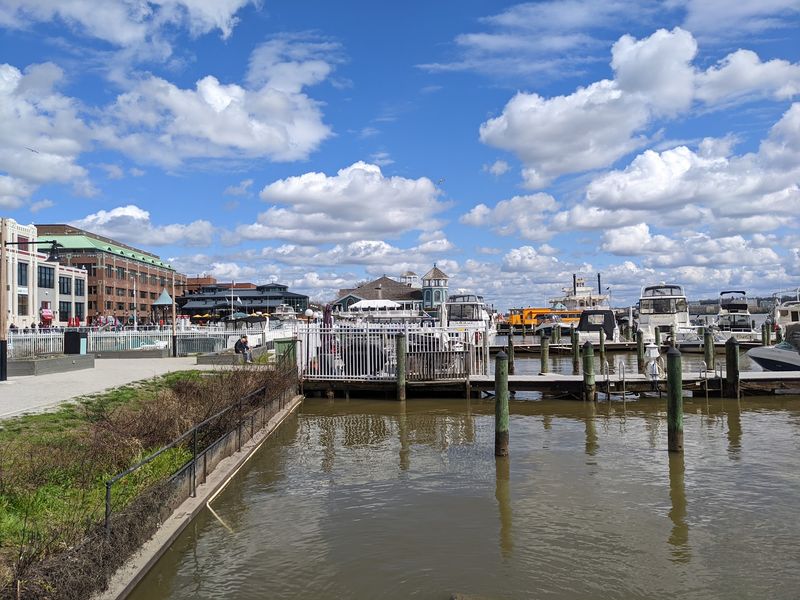
Once upon a food court, Landmark Mall got a second life as a neon-bright 1980s movie playground.
The Alexandria mall site was used for Wonder Woman 1984, where filmmakers transformed parts of the aging shopping center into a colorful throwback setting.
The movie leaned into big hair, bold outfits, and the kind of mall energy that makes you expect a synthesizer solo around every corner.
Today, visitors should know the site has been changing through redevelopment, so it is not a traditional tourist stop like a museum or historic house.
Check current access before going, and remember that construction plans may limit what you can see.
Still, film fans may enjoy passing by the area and imagining how a fading mall became a superhero set.
Alexandria also offers plenty nearby, including Old Town, waterfront walks, shops, and restaurants.
Use this stop as a quick piece of movie trivia rather than the whole day.
Wonder Woman can save the world, but she cannot guarantee open mall doors forever.
Virginia Museum of Fine Arts, Richmond – Dopesick and Homeland
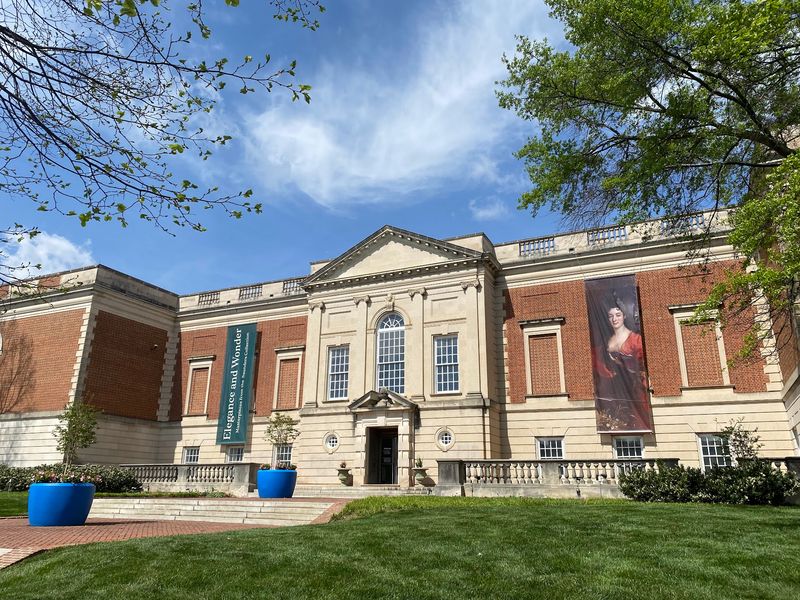
Art museums usually ask you to look closely, and the Virginia Museum of Fine Arts gives film fans extra reasons to squint.
This Richmond favorite appeared in Dopesick and Homeland, adding a polished, modern backdrop to serious television stories.
The museum’s mix of glass, stone, sculpture, and open public spaces makes it flexible for filming scenes that need culture, power, or quiet tension.
For visitors, the VMFA is much more than a screen location.
Its collection includes works from around the world, including Faberge pieces, American art, African art, Asian art, and rotating exhibitions that can change the flavor of each visit.
General admission is free, though some special exhibits require tickets.
The museum has a cafe, gift shop, parking deck, and outdoor sculpture garden, so it works well in any weather.
After exploring the galleries, walk the grounds and imagine camera crews setting up between visitors and statues.
The place proves Richmond can play refined, mysterious, and deeply thoughtful, sometimes all before lunch.
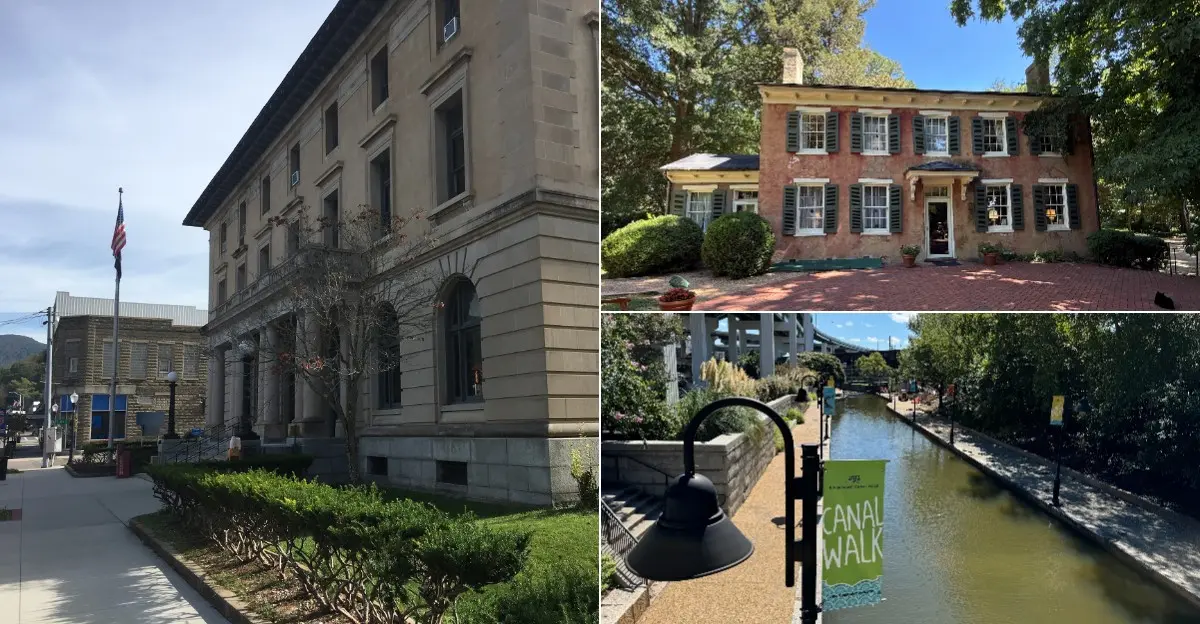
Richmond Canal Walk, Richmond – Dopesick
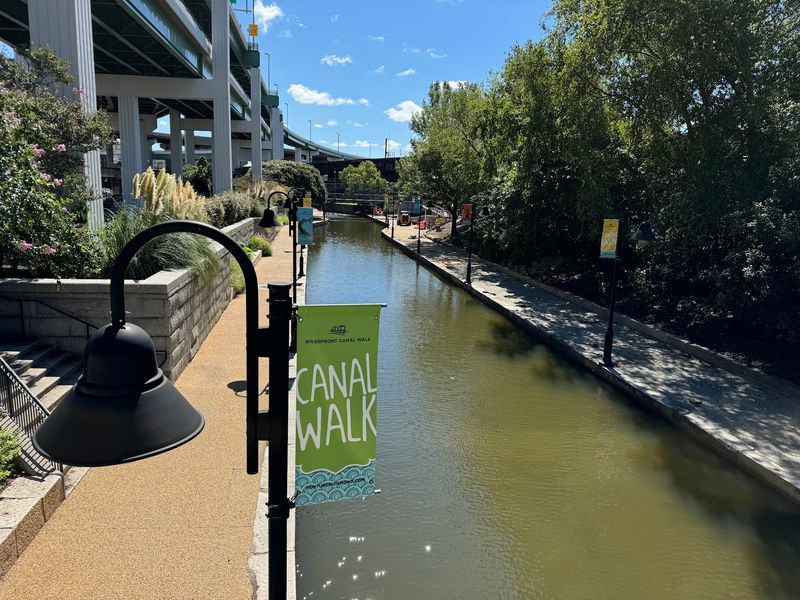
Water, brick, murals, and city sounds give the Richmond Canal Walk a mood that changes every few steps.
Scenes for Dopesick used parts of Richmond, and the Canal Walk stands out as a place where the city feels layered and alive.
The path follows the James River and Kanawha Canal and the Haxall Canal, connecting history, public art, bridges, and downtown views.
Bring a camera because the area offers strong visuals, from old industrial walls to colorful murals and river overlooks.
Interpretive signs explain how canals helped move goods long before cars and trucks took over Virginia’s roads.
The walk is free and open to the public, but choose daylight hours if you want the easiest visit and best photos.
Nearby neighborhoods offer restaurants, museums, and access to the riverfront, so it can anchor a Richmond afternoon.
Fans of Dopesick may come for the filming connection, yet they will leave with a clearer sense of the city itself.
Not bad for a stroll that asks only for comfortable shoes.
Historic Masonic Theatre, Clifton Forge – Dopesick
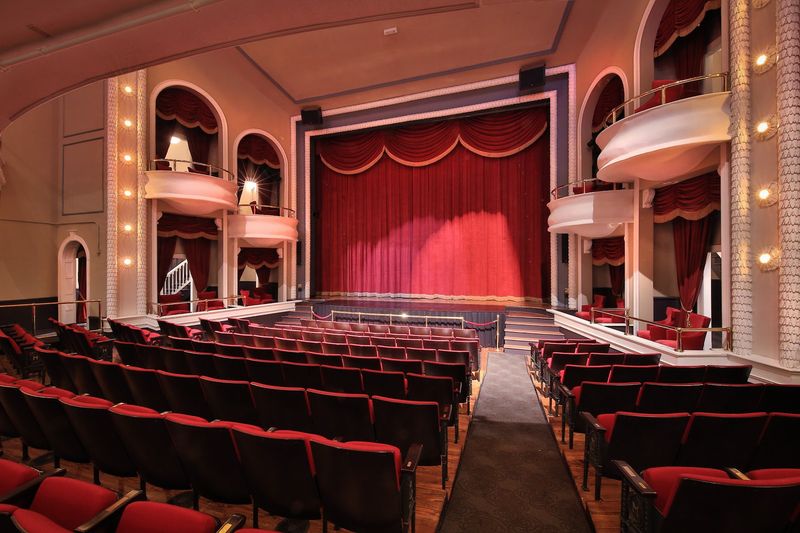
A grand old theater in a mountain town has a way of making even a quiet street feel ready for applause.
The Historic Masonic Theatre in Clifton Forge appeared in Dopesick, bringing real small-town texture to a series about the opioid crisis and its wide reach.
Built in the early 1900s, the theater has long served as a gathering place for performances, events, and community life.
Its restored facade and classic interior give visitors a strong sense of place.
Check the schedule before visiting, because catching a concert, play, or film screening makes the stop much richer than a quick look from the sidewalk.
Clifton Forge sits in the Alleghany Highlands, so the drive adds mountain views to the experience.
Nearby attractions include the C and O Railway Heritage Center, local shops, and outdoor recreation.
This location feels especially meaningful because Dopesick focused on communities often overlooked by bigger cities.
Standing outside the theater, you can see how a real building helps a story feel honest, grounded, and painfully close to home.
Big Stone Gap – Big Stone Gap
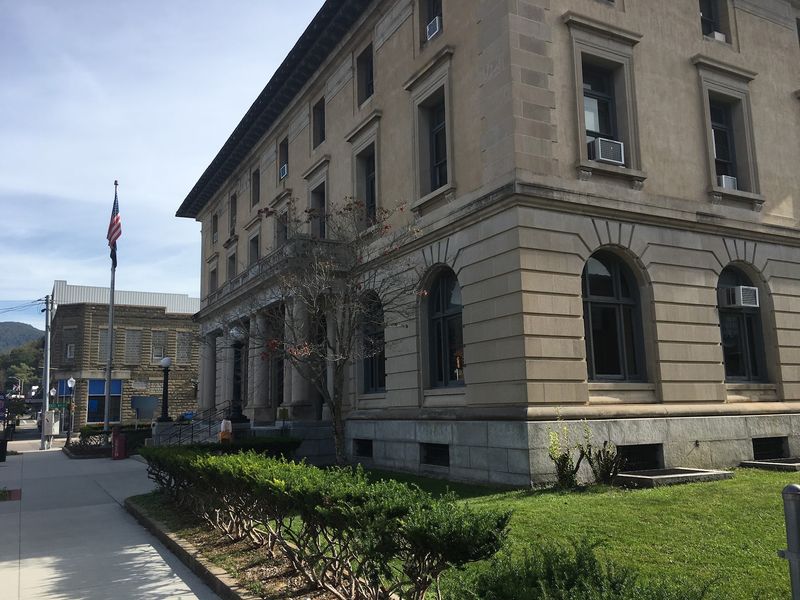
Big Stone Gap has the rare honor of playing itself, which is the small-town version of winning best actor.
The movie Big Stone Gap, based on Adriana Trigiani’s novel, filmed in the Southwest Virginia town that inspired the story.
Its streets, mountain setting, and friendly pace helped shape a romantic comedy full of local color and Appalachian pride.
Visitors can explore the downtown area, see the landscape that frames the story, and look for spots tied to the film and book.
The town also celebrates its heritage through museums, festivals, and sites connected to author John Fox Jr. and country music history.
Because Big Stone Gap is farther from Virginia’s larger cities, turn the trip into a relaxed overnight visit or a Southwest Virginia road adventure.
The surrounding mountains offer hiking, scenic drives, and plenty of fresh air.
Come with curiosity instead of a rushed checklist.
The appeal here is not one single movie scene, but the feeling that the whole town stepped into the frame and smiled.
Berkeley Plantation, Charles City – Harriet
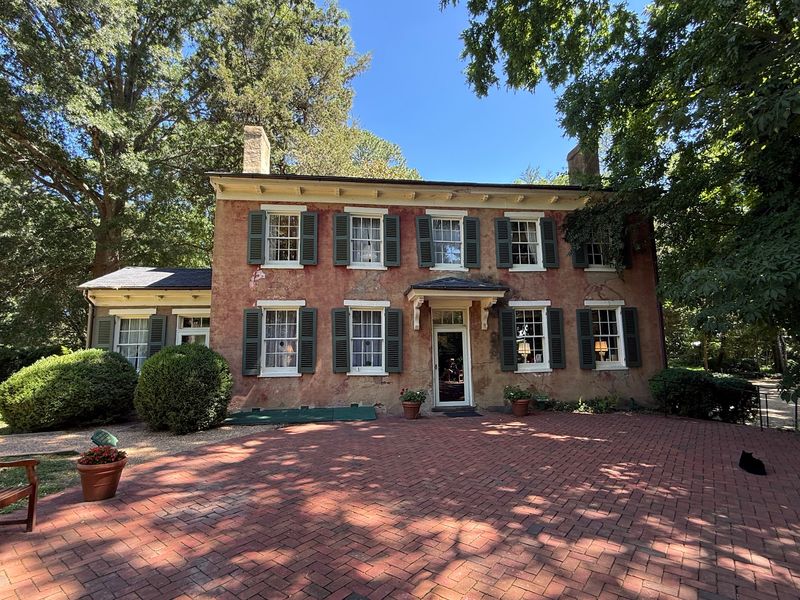
Berkeley Plantation looks calm today, but its long history carries both beauty and weight.
Located in Charles City along the James River, the plantation was used during filming for Harriet.
The movie tells the story of Harriet Tubman, whose courage helped many enslaved people seek freedom through the Underground Railroad.
Berkeley is known for its Georgian mansion, river views, gardens, and ties to early American history.
It was the home of the Harrison family, which included signers, governors, and presidents, but visitors should also think carefully about the enslaved people whose labor supported plantation life.
Guided tours help explain the property, and the grounds are peaceful for walking.
Check hours and ticket information before driving out, because rural historic sites can have seasonal schedules or special event closures.
A visit here works best when you hold two ideas at once: the place is visually stunning, and its past is deeply complicated.
That tension is exactly why it can serve as a powerful film setting and a meaningful learning stop.
Morven Park, Leesburg – Foxcatcher
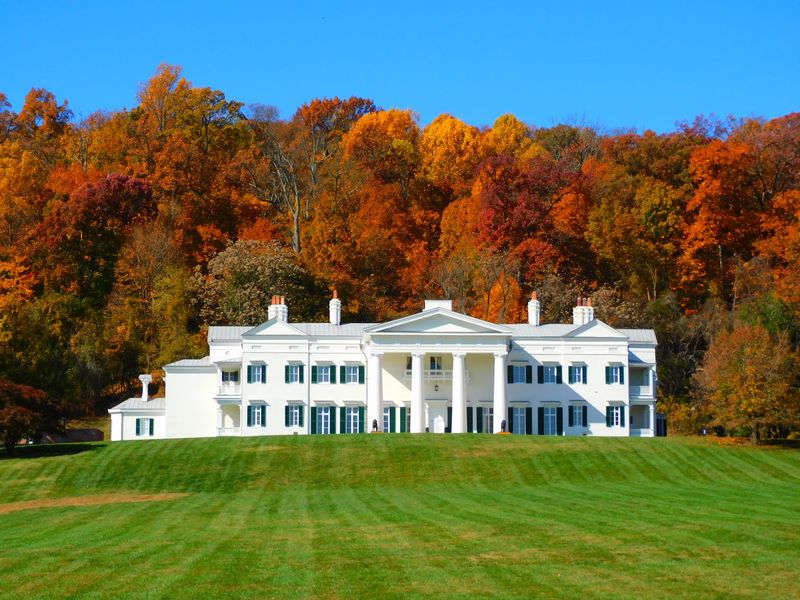
Some estates whisper elegance; Morven Park adds a slightly dramatic pause, which suits Foxcatcher well.
This Leesburg property was one of the Virginia locations used for Foxcatcher, the tense film about wrestling, wealth, control, and tragedy.
With its mansion, formal gardens, rolling lawns, and horse-country setting, Morven Park can look graceful while also feeling distant and imposing on screen.
Visitors can tour the historic mansion, walk the grounds, and learn about former Virginia governor Westmoreland Davis, who lived there in the early 20th century.
The site also hosts equestrian events, educational programs, and seasonal activities, so check the calendar before you go.
Leesburg makes the trip easy to expand.
Add downtown shops, restaurants, wineries, or nearby parks, and the filming stop becomes part of a full Loudoun County outing.
Movie fans may appreciate how location shapes mood here.
Morven Park does not need loud effects to hold attention.
Its quiet lawns, grand rooms, and polished details create a sense that something serious could happen just beyond the garden path.