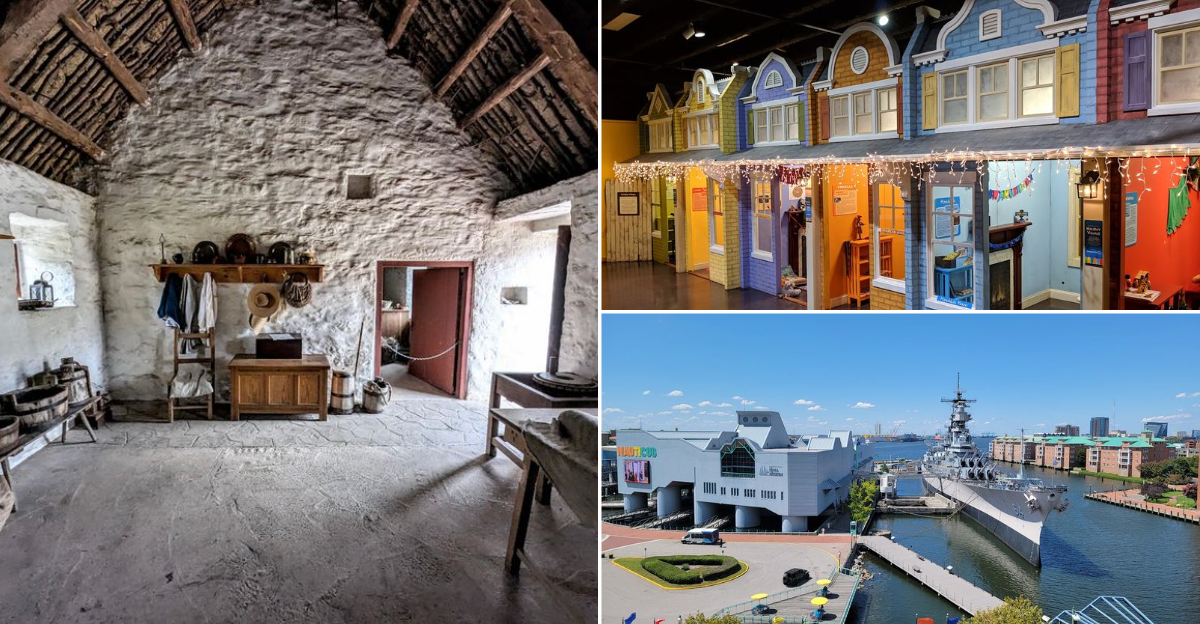
If your ideal museum day involves pressing buttons, stepping inside history, and leaving with more stories than selfies, Virginia is ready to overachieve for you.
Across the state, these museums invite you to climb aboard, test ideas, wander immersive spaces, and get gloriously curious instead of shuffling past labels in polite silence.
You will find art you can engage with, ships and aircraft that feel larger than life, hands-on science, living history, and marine encounters that turn a regular outing into a full-blown memory.
So lace up your walking shoes, charge your phone, and bring your best questions, because these ten Virginia museums prove learning sticks better when you are actively in the mix, not parked behind a velvet rope all afternoon.
1. Virginia Museum of Fine Arts – Richmond
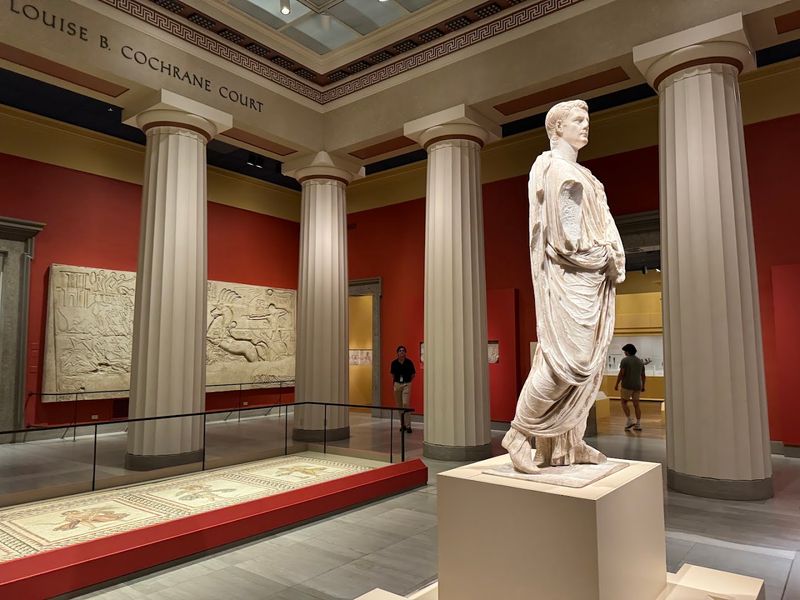
Silence is optional at the Virginia Museum of Fine Arts in Richmond, because this place rewards curiosity more than hushed tiptoeing.
You can move from ancient artifacts to glittering Faberge treasures, then pivot into contemporary galleries that make your brain do cheerful cartwheels.
The museum’s layout feels welcoming rather than intimidating, so even first-time visitors can explore without that familiar, fake-confident museum squint.
Free general admission is the first pleasant surprise, and it makes lingering easier when one gallery unexpectedly steals your afternoon.
Interactive interpretation, rotating exhibitions, and thoughtful family programs keep the experience dynamic, while the sculpture garden gives you room to reset outdoors.
If you like art with a side of fresh air, the grounds and reflecting pools offer a graceful pause between visual rabbit holes.
Located on Arthur Ashe Boulevard, the museum also scores points for a strong cafe, a stylish gift shop, and easy access to other Richmond neighborhoods.
You are encouraged to look closely, ask questions, and connect pieces across cultures and centuries instead of racing toward a highlights list.
By the time you leave, art feels less like homework and more like a conversation you actually wanted to have.
2. Virginia Museum of History & Culture – Richmond
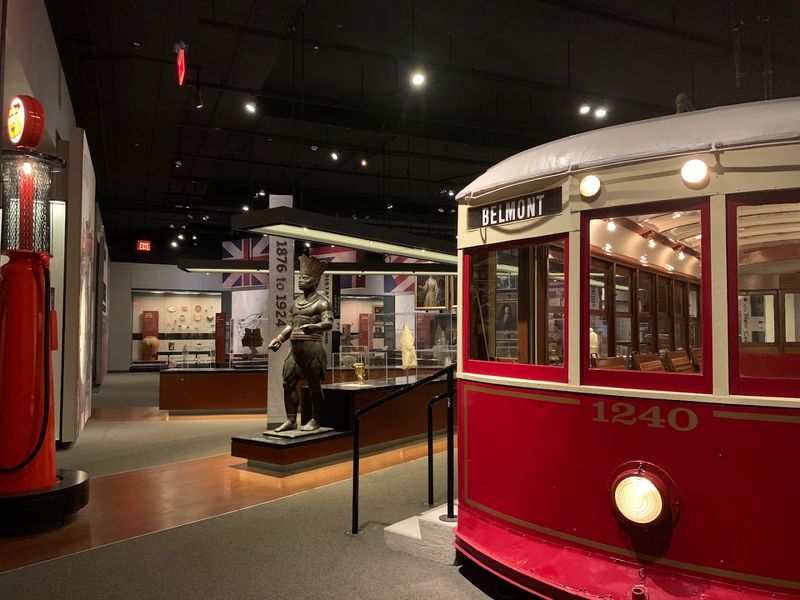
History gets a lively handshake at the Virginia Museum of History and Culture in Richmond, where Virginia’s past feels active instead of sealed in glass.
The exhibits blend artifacts, personal stories, and multimedia in ways that make political milestones and everyday lives feel equally important.
You are not just memorizing dates here, you are tracing how people moved, worked, fought, built, and changed the state over time.
Temporary exhibitions keep the museum from feeling static, and the core galleries do a smart job of balancing big events with human-scale detail.
Families, casual visitors, and serious history buffs can all find an entry point, which is harder than it sounds when centuries are competing for attention.
The museum’s interpretation is clear and engaging, so you spend less time decoding labels and more time connecting dots.
Located on North Arthur Ashe Boulevard near the Virginia Museum of Fine Arts, it makes an easy pairing if you want a culture-packed Richmond day.
Programs, talks, and hands-on elements regularly invite deeper participation, turning passive viewing into active discovery with a strong local pulse.
You leave with a sharper sense of Virginia’s influence and a healthy suspicion of anyone who claims history has to be boring.
3. National Air and Space Museum Steven F. Udvar-Hazy Center – Chantilly
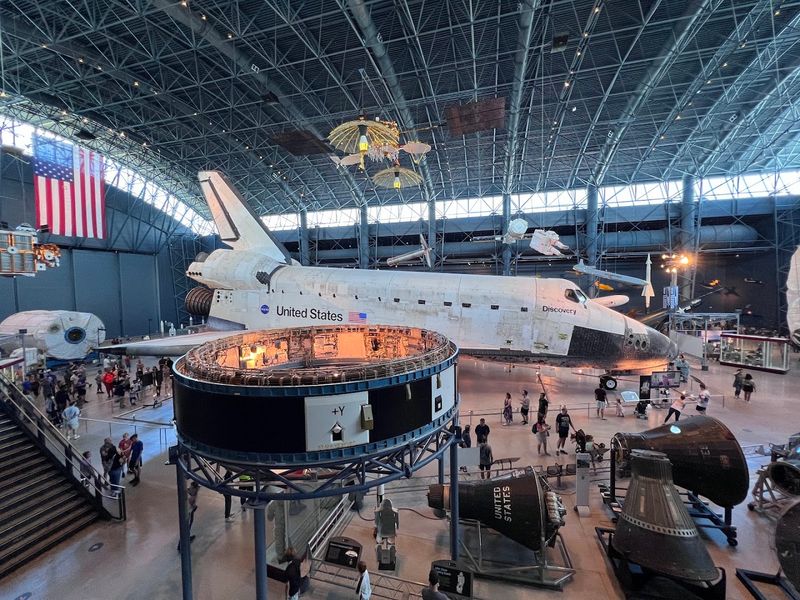
Nothing prepares you for the first look inside the Steven F.
Udvar-Hazy Center in Chantilly, where the aircraft hangars feel gloriously cathedral-sized.
Planes dangle overhead, rockets rise around corners, and the space shuttle Discovery commands attention like it knows exactly how famous it is.
This is the kind of museum where your neck gets a workout, because wonder mostly happens above eye level.
An extension of the Smithsonian National Air and Space Museum, the center offers enormous artifacts that simply could not squeeze onto the National Mall.
You can study aviation milestones up close, watch restoration work, and climb the Donald D.
Engen Observation Tower for runway views at nearby Dulles.
Interactive displays and clear interpretation help translate engineering feats into stories that make sense even if you never built a model airplane.
Located in Chantilly, just south of Washington Dulles International Airport, it is an excellent stop for families, aviation geeks, and anyone who likes objects with serious swagger.
The sheer scale encourages exploration, because every turn reveals another machine that changed travel, war, or the space race.
You leave feeling smaller than a rivet, but much more impressed by what humans can do with math, metal, and outrageous ambition.
4. Nauticus – Norfolk
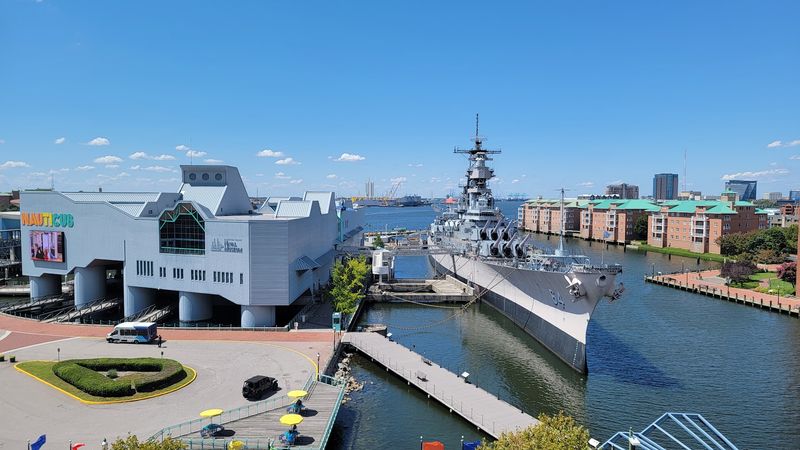
Sea legs are not required at Nauticus in downtown Norfolk, but a little maritime enthusiasm helps once the harbor views start showing off.
This museum and science center leans into hands-on discovery with exhibits about naval history, ocean exploration, and the working waterfront.
You can bounce between technology, ecology, and seafaring stories without feeling like you boarded three different field trips at once.
The headline attraction is the battleship USS Wisconsin, berthed right outside and massive enough to make modern buildings look underfed.
Walking its decks adds a thrilling physical dimension to what you just learned inside, turning abstract military history into steel, scale, and narrow passageways.
Inside Nauticus, interactive stations and engaging design keep younger visitors busy while adults quietly admit they are having a great time too.
Because it sits along the Norfolk waterfront near downtown attractions, the location makes a full day easy to plan.
The museum connects Virginia’s coastal identity to global trade, naval service, and marine science, giving your visit more substance than a quick ship photo.
You leave with a better grasp of life at sea, and possibly the irresistible urge to say ahoy far more often than necessary.
5. Virginia Aquarium & Marine Science Center – Virginia Beach
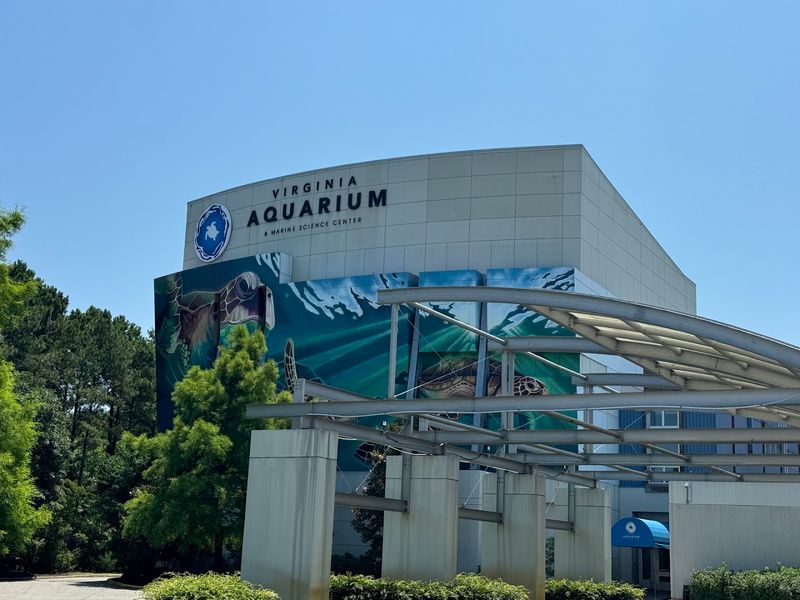
Blue light, drifting fish, and the low hum of water set the mood fast at the Virginia Aquarium and Marine Science Center in Virginia Beach.
This is not a glance-and-go aquarium, because the exhibits are designed to pull you into coastal habitats, marine research, and animal behavior.
You are encouraged to slow down, watch carefully, and let curiosity ripple outward like a pebble dropped in a tide pool.
Interactive displays and touch-friendly learning areas make the science approachable, especially for kids who ask eleven follow-up questions before lunch.
The aquarium’s living collections, from sharks to sea turtles, are paired with conservation messages that feel practical rather than preachy.
Outdoor experiences, including boat trips and nature trails depending on the season, expand the visit beyond tanks and into the wider ecosystem.
Located on General Booth Boulevard, not far from the Virginia Beach oceanfront, it offers a smart change of pace from sand and surf.
The campus layout keeps things moving, while the exhibits balance spectacle with substance so you do not leave with only cute otter memories.
Instead, you come away understanding the coast a little better, and yes, the otters still absolutely steal the show with suspicious ease.
6. Children’s Museum of Richmond – Richmond
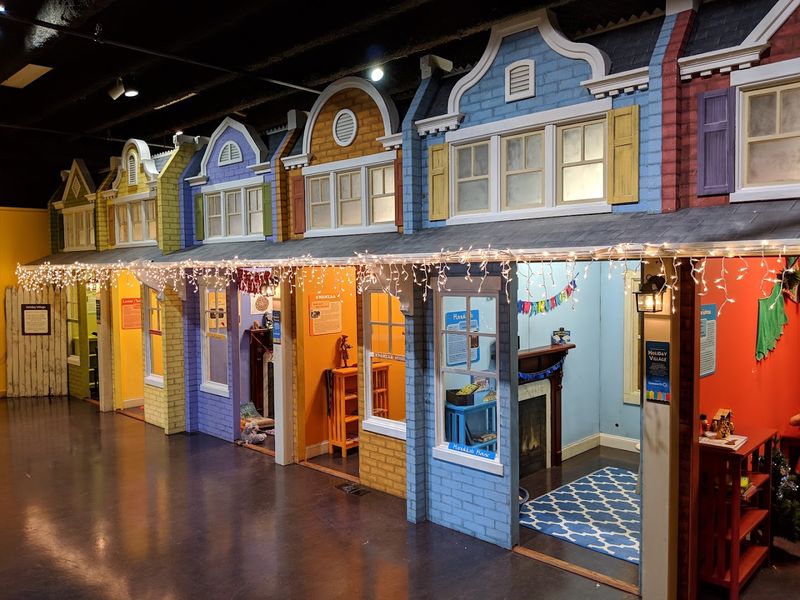
Joy arrives at full volume inside the Children’s Museum of Richmond, where learning looks suspiciously like play done very well.
Everything is built to be touched, tried, rearranged, climbed on, or investigated, which is excellent news for kids with busy hands and bigger imaginations.
You will quickly notice that the museum treats children as active problem-solvers, not tiny tourists waiting to be entertained.
Exhibits focus on creativity, movement, collaboration, and everyday systems, often through role-play spaces that let children practice real-world skills.
One minute they are shopping, building, painting, or performing, and the next they are testing ideas without realizing a lesson snuck in.
Parents get a pleasant bonus too, because the space is designed for participation rather than sideline supervision and endless shushing.
Located in Richmond’s Broad Street corridor, the museum is a dependable pick for families who want something more engaging than another generic indoor outing.
Programs and rotating activities keep repeat visits fresh, which matters when your smallest travel companion picks favorites with fierce loyalty.
You leave with tired children, smarter children, or ideally both, and that is about as close to museum magic as parenting gets.
7. Mariner’s Museum and Park – Newport News
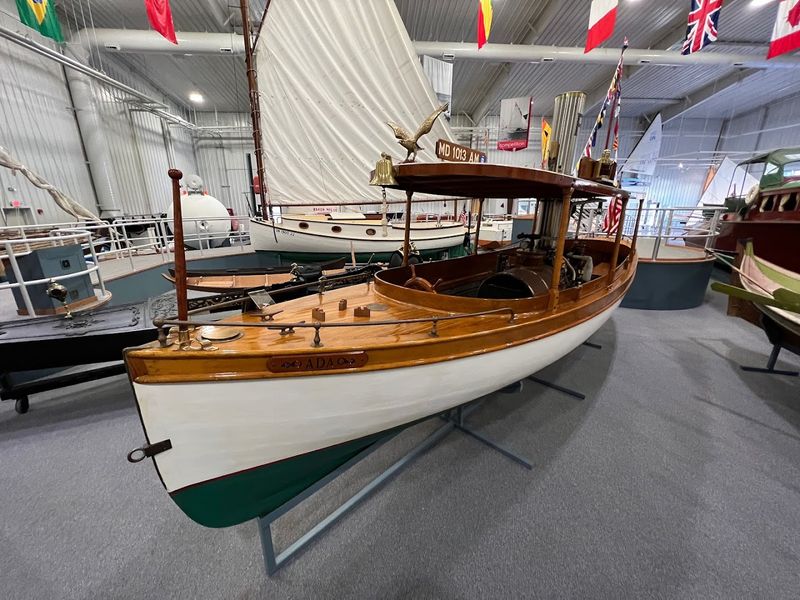
A maritime museum with a 550-acre park attached sounds almost unfair, yet the Mariner’s Museum and Park in Newport News pulls it off beautifully.
Inside, the galleries explore seafaring history through ship models, navigational tools, personal stories, and major events that shaped life on the water.
You can move from elegant craftsmanship to hard realities of conflict and commerce without losing the human thread.
One of the standout areas covers the Civil War ironclads Monitor and Virginia, giving naval history a dramatic, high-stakes pulse.
The USS Monitor Center is especially compelling, using conservation, artifacts, and interpretation to connect technology with the people behind it.
Interactive elements and thoughtful storytelling make the material accessible, even if your prior expertise on ship design is approximately zero knots.
The location on Museum Drive in Newport News adds another reason to linger, because the surrounding park and Noland Trail invite a scenic decompression walk.
That combination of indoor discovery and outdoor breathing room makes the visit feel generous rather than crowded.
You leave with a stronger sense of how maritime history shaped the region, plus a renewed respect for anyone who trusted wooden vessels with their entire future.
8. Science Museum of Western Virginia – Roanoke
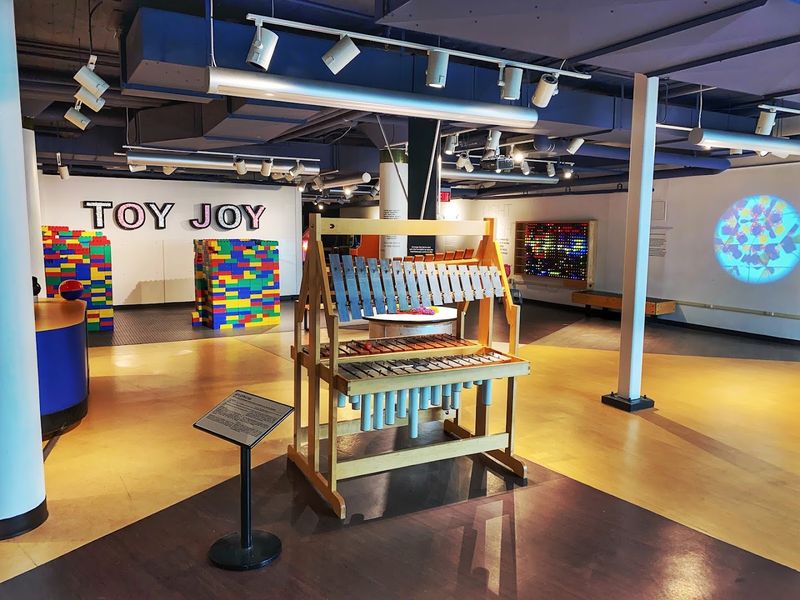
Curiosity practically crackles in the air at the Science Museum of Western Virginia in downtown Roanoke, where touching the exhibits is usually the point.
This museum keeps science grounded in experience, with hands-on stations that invite you to test, build, compare, and occasionally fail in useful ways.
That trial-and-error spirit makes the learning memorable, because discovery sticks better when your own choices helped create it.
Exhibits often cover physics, health, engineering, weather, and regional science themes, offering enough variety to engage different ages at once.
Younger visitors can burn energy productively, while older ones find plenty to investigate beyond the obvious wow-factor devices.
The museum’s approachable scale is another advantage, since it feels manageable and focused instead of overwhelming by design.
Located in Roanoke’s Center in the Square complex, it pairs nicely with nearby cultural stops and downtown dining, making planning refreshingly simple.
Programs, demonstrations, and rotating experiences add novelty, so repeat visits can uncover fresh questions instead of familiar routines.
You walk out having poked at real ideas rather than just reading about them, which is exactly how a science museum earns repeat business and delighted, slightly messy minds.
9. American Civil War Museum – Richmond
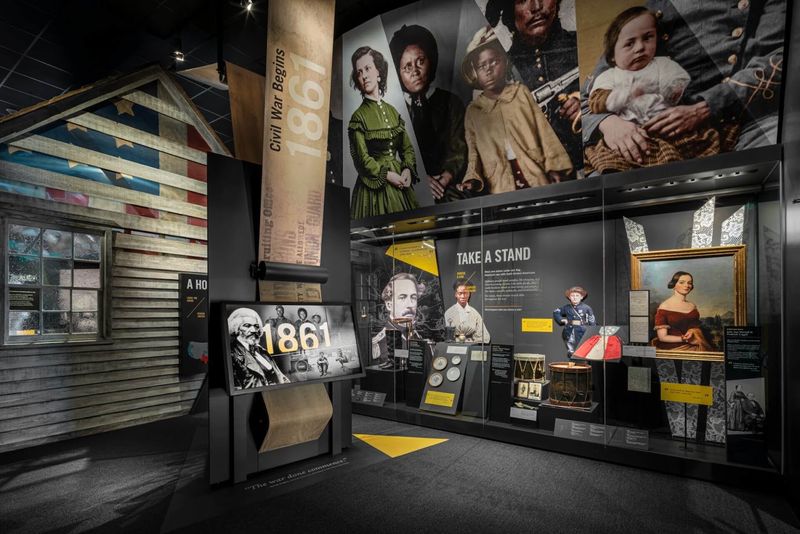
Few subjects demand careful storytelling like the Civil War, and the American Civil War Museum in Richmond approaches it with depth, nuance, and purpose.
Rather than flattening events into easy heroes and villains, the museum explores causes, combat, slavery, emancipation, and memory through multiple perspectives.
You are invited to think actively, question assumptions, and connect national upheaval to individual lives in a way that feels honest.
The museum’s exhibitions use artifacts, immersive media, and strong interpretation to make a familiar topic feel newly complex.
Its location at Historic Tredegar, near the James River, reinforces that sense of place because Richmond was central to the Confederacy and the war’s story.
The setting adds weight without theatrics, allowing the material to carry its own emotional force.
Because the museum emphasizes dialogue and context, it works especially well for visitors who want more than battlefield summaries.
You leave with a clearer understanding of how the conflict reshaped Virginia and the United States, and why its legacies still matter now.
It is not always comfortable, nor should it be, but it is deeply engaging and far more thought-provoking than any quick textbook recap could manage.
10. Frontier Culture Museum – Staunton
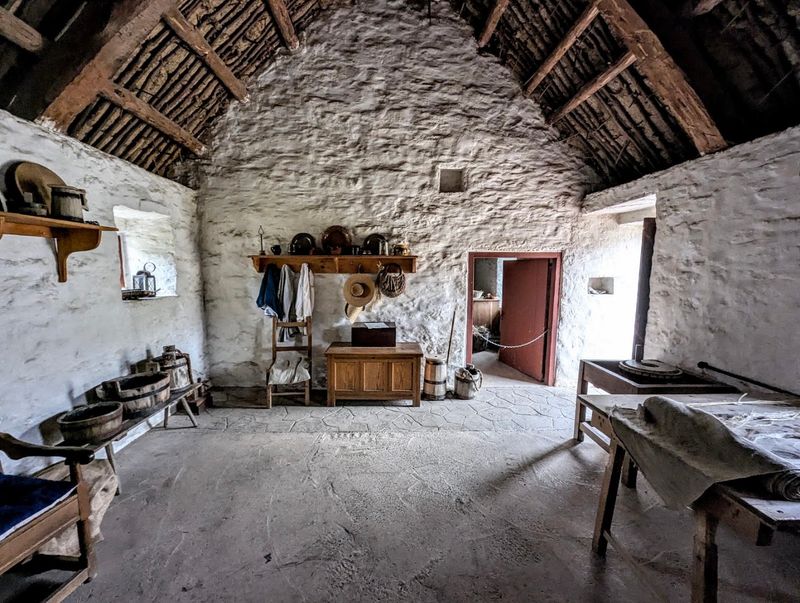
Fresh air changes the museum equation at the Frontier Culture Museum in Staunton, where history comes with boots, barns, and the occasional farm smell.
This living history museum explores the cultures that shaped early America through recreated farms and homes from Europe, Africa, and colonial Virginia.
You do not just read about settlement patterns here, you walk through them and feel the distances between worlds.
Costumed interpreters demonstrate cooking, farming, craftwork, and daily routines, which turns broad historical themes into practical, human details.
Watching tasks unfold in real time helps you appreciate how labor, environment, and tradition shaped ordinary life long before modern convenience swaggered in.
The outdoor format also gives the visit a relaxed rhythm, with room to roam, ask questions, and linger where your interest sparks.
Located in Staunton in the Shenandoah Valley, the museum offers mountain scenery as a bonus, which is rude in the best possible way.
Its immersive design encourages comparison across cultures and time periods, helping you grasp continuity, adaptation, and survival with unusual clarity.
You leave with dirt on your shoes, sharper historical perspective, and gratitude that your dinner no longer depends on firewood, weather, and very patient hands.