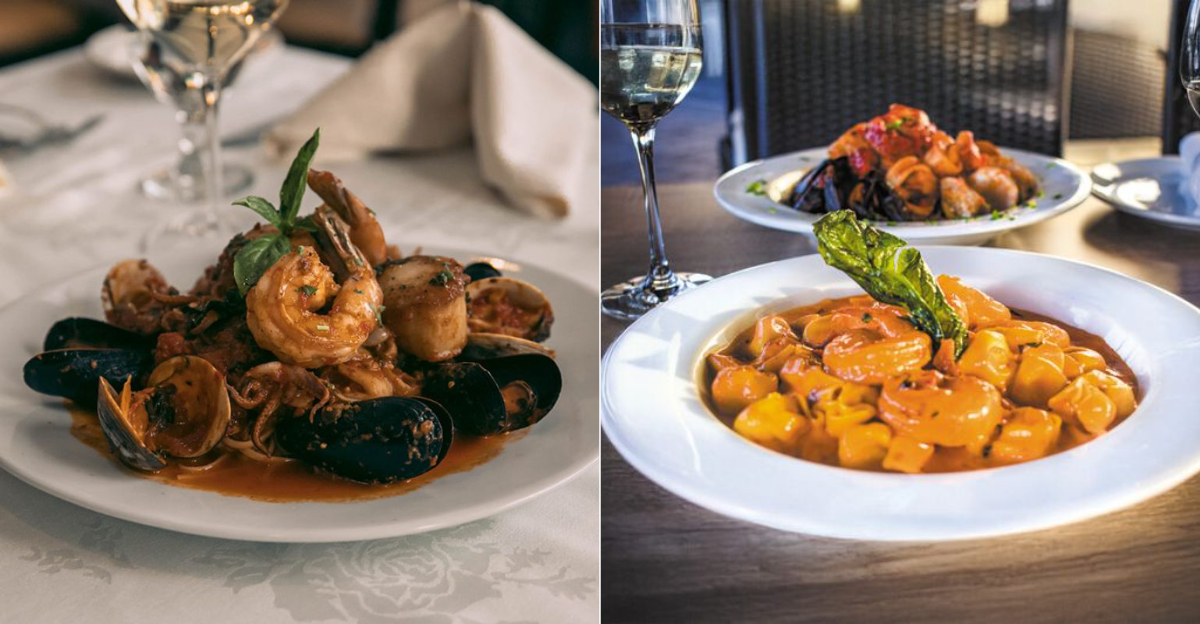
The best trattorias are often recognized by their ability to turn dinner into an experience shaped by soft lighting, the quiet sound of silverware, and a sense of intimacy that makes every table feel important.
In Virginia, that carefully cultivated atmosphere is not simply a backdrop. It is an essential part of a dining experience where homemade pasta serves as a source of genuine culinary comfort.
Family-owned dining rooms and welcoming restaurants led by dedicated chefs continue to demonstrate that Italian flavors are often most memorable when enjoyed in spaces defined by warmth and character.
A combination of thoughtful hospitality and deep respect for tradition creates an environment where a meal naturally evolves into a leisurely evening ritual.
The following guide explores 10 exceptional pasta restaurants in Virginia that successfully blend cozy surroundings with authentic Italian cuisine.
These are places where atmosphere and flavor work together to create a dining experience shaped by both comfort and craftsmanship.
Mamma Zu – Richmond
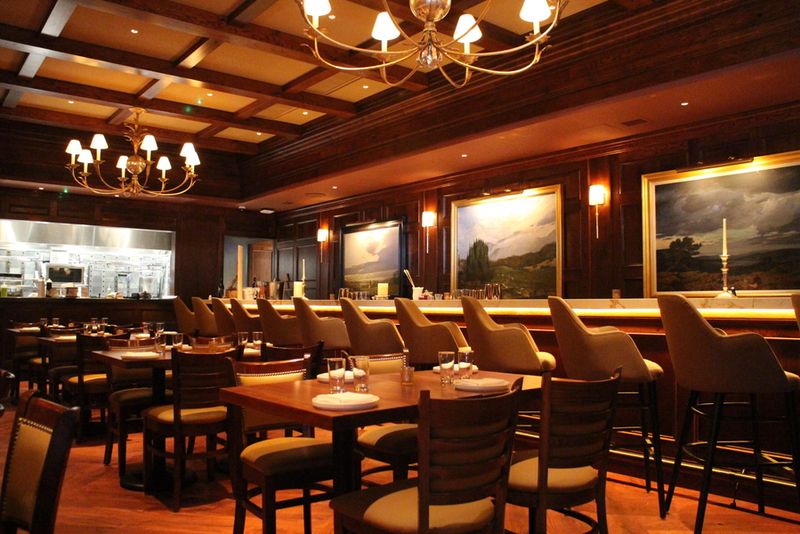
Within Richmond’s Oregon Hill tradition, this restaurant built its identity around old-school Italian cooking that values repetition, restraint, and the honesty of handmade food.
Daily menus have long leaned on pasta forms and sauces that feel rooted in family practice rather than fashion, with gnocchi, rich ragus, and sturdy preparations that reward patience.
Nothing about the room distracts from that purpose, because close tables, dim light, and a worn-in feel support a style of dining shaped by appetite and conversation.
Instead of polishing away its rough edges, the kitchen preserved a neighborhood character that made the experience feel inseparable from the surrounding block.
Handmade pasta matters here because texture becomes part of the argument for tradition, carrying sauce differently than factory noodles and reinforcing a slower, more deliberate kitchen rhythm.
Few places in Virginia have represented rustic dining with such conviction, helping establish a lasting reputation among generations of diners.
That influence still lingers whenever local discussions turn to enduring Italian standards, serious comfort, and the value of preserving inherited methods.
Aldo’s Ristorante – Virginia Beach
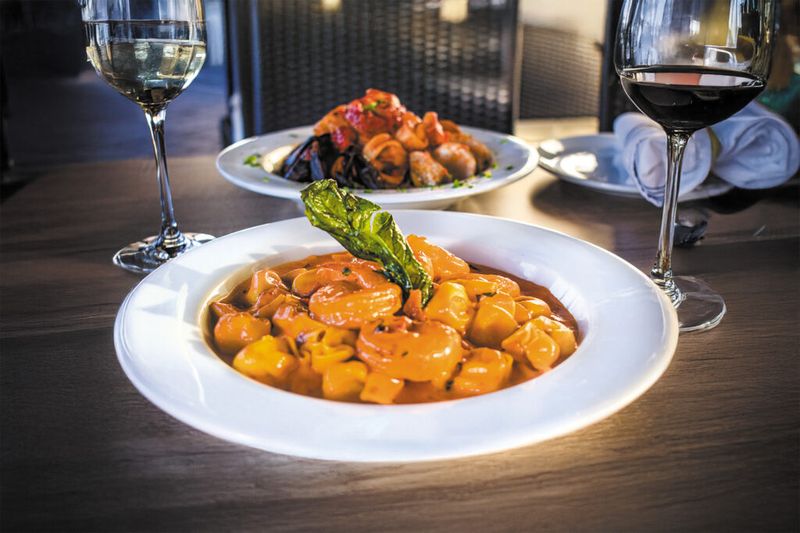
For many diners along the coast, consistency is the quality that defines this long-established dining room more than novelty ever could.
The menu has sustained loyalty through familiar pasta favorites, veal dishes, seafood combinations, and sauces that stay close to the classic Italian-American playbook without feeling careless or dated.
Service contributes just as much as the food, since formal touches, practiced pacing, and a polished room create the dependable sense of occasion associated with older hospitality traditions.
Family influence can be read in the restaurant’s insistence on continuity, where recipes become markers of trust and returning guests expect recognizable flavors from one visit to the next.
Pasta specialties matter in that framework because they anchor the menu, whether paired with shellfish, cream-based sauces, or tomato-driven preparations that satisfy a broad local audience.
Loyalty rarely forms by accident in restaurants with long histories.
This example shows how customer attachment often grows from disciplined execution, stable standards, and the reassuring atmosphere of a place that knows exactly what it wants to be.
Carmello’s of Old Town Manassas – Manassas
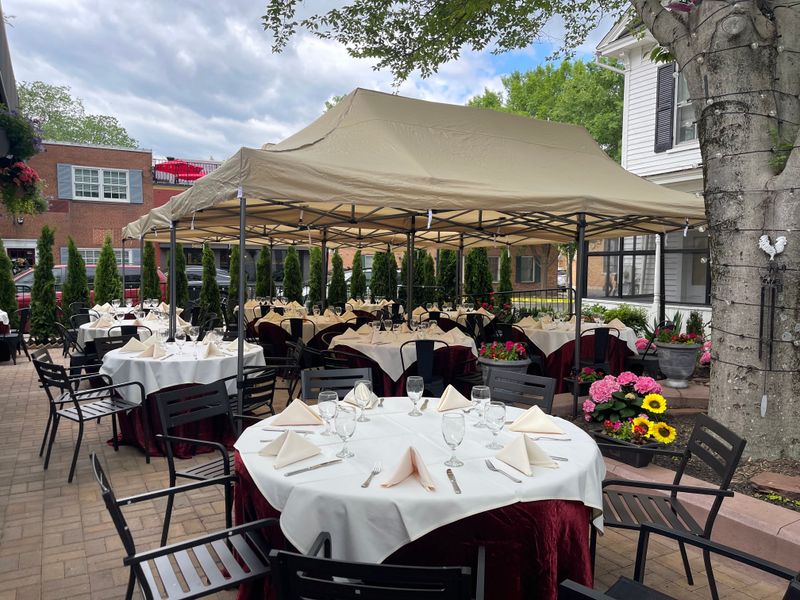
Set within Old Town’s more intimate dining landscape, this restaurant approaches Italian cooking through a polished lens shaped by broader European habits of service and presentation.
Artisanal pasta plays an important role because refinement here does not mean distance from craft, but rather careful attention to dough texture, sauce balance, and the structure of each composed plate.
Smaller rooms and quieter lighting support that sensibility, allowing elegance to emerge through scale instead of formality alone.
Several Virginia restaurants borrow the language of fine dining, yet this one stands apart by keeping comfort in the frame while still emphasizing precision.
European influence appears not as decoration but as discipline, visible in pacing, wine-minded composition, and a preference for dishes that feel measured rather than oversized.
That balance matters for pasta in particular, since delicate fillings, restrained sauces, and cleaner plating can be lost in louder spaces.
Here, the surroundings encourage focus on technique, proportion, and the subtle pleasure of a restaurant that understands intimacy as part of flavor.
La Grotta Ristorante – Richmond
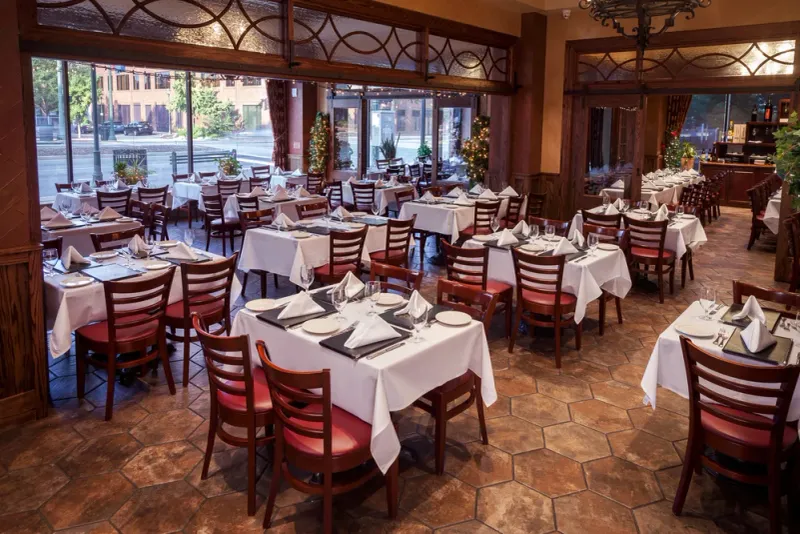
Beneath street level, this cellar-style restaurant creates one of the clearest examples in Virginia of how architecture can reinforce culinary heritage.
Brick walls, lower ceilings, and subdued light make the room feel sheltered and old-world, which suits a menu grounded in traditional recipes, familiar sauces, and pasta dishes that favor continuity over experimentation.
Family ownership deepens that impression because hospitality feels tied to stewardship, as if the space and the food are being protected together.
Authenticity here is less about theatrical signals than about the steady preservation of Italian standards that diners return to for texture, aroma, and ritual.
Traditional pasta choices gain force in a setting like this, where a plate of ravioli, lasagna, or seafood pasta seems connected to a lineage rather than isolated as a single dish.
Richmond has many strong Italian options, yet this dining room occupies a distinctive place within the local dining scene.
Its atmosphere helps explain why inherited recipes endure, turning dinner into a small lesson in how culinary memory survives through rooms, families, and repetition.
Portico Restaurant – Richmond
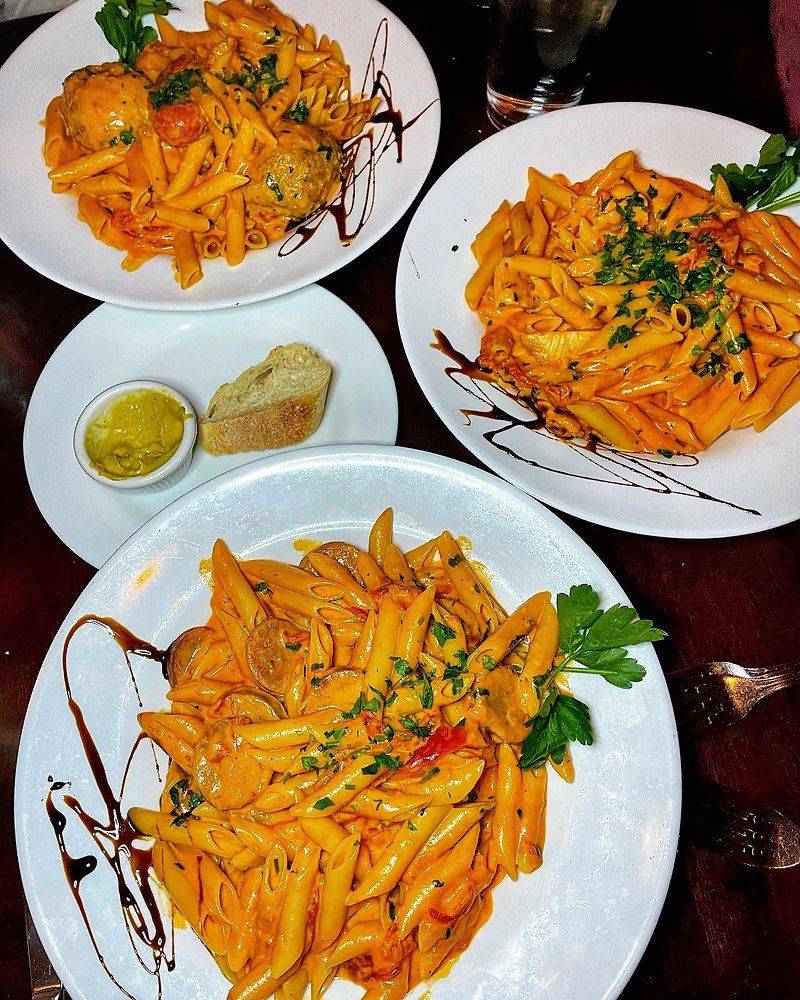
Unlike darker trattorias that frame pasta through nostalgia, this restaurant connects Italian influence to open air, gardens, and a softer style of hospitality.
The setting is central to the experience, especially on the terrace, where greenery and distance between tables slow the meal and sharpen attention to texture, aroma, and pacing.
Handmade pasta fits naturally into that environment because dishes feel seasonal and composed, often relying on restraint rather than weight to hold interest.
Hospitality traditions appear here through calm service and a sense that the room, the grounds, and the kitchen are working toward the same measured effect.
Italian cooking often gains depth when diners are not rushed, and this setting shows why atmosphere can change the way sauce, fresh herbs, and delicate dough are perceived over the course of a meal. Richmond’s restaurant scene contains many louder pleasures, but this example highlights a different approach to comfort.
Appreciation of pasta can be heightened by light, space, and a garden-centered frame, showing that warmth does not always depend on rustic density.
Osteria Marzano – Alexandria
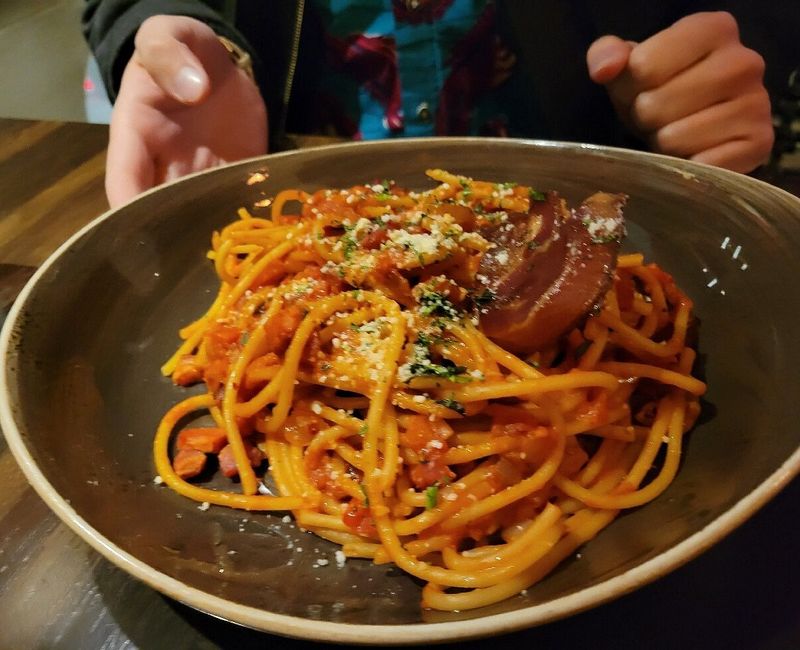
Regional identity shapes the kitchen here more than broad Italian branding, which gives the menu a sharper point of view than many suburban pasta restaurants.
Fresh pasta production signals that commitment, since dough, fillings, and sauces can be adjusted to suit specific traditions instead of collapsing into a single generic style.
Chef-led cooking is equally important because the restaurant’s credibility rests on decisions about ingredients, technique, and discipline rather than on decorative references to Italy.
Quality becomes visible in pasta restaurants when flour texture, egg richness, olive oil, and careful sourcing influence the final plate without requiring explanation.
Modern rooms sometimes risk feeling detached from the food, yet this dining space remains grounded by warmth and by a menu that treats authenticity as a practice, not a slogan.
Alexandria benefits from restaurants willing to translate regional Italian cuisine for contemporary diners. This one demonstrates how precision, fresh pasta, and a focused culinary voice can create an atmosphere where tradition feels active rather than simply preserved.
Trattoria Villagio – Clifton
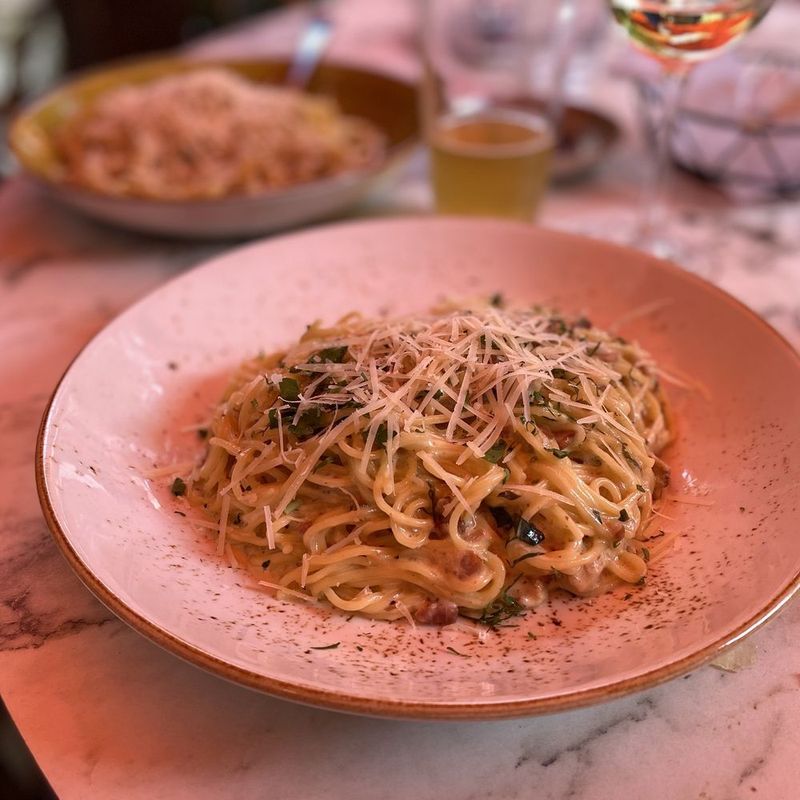
Near the small-town rhythms of Clifton, this trattoria draws strength from the kind of familiarity that keeps neighborhood restaurants woven into daily life.
Classic pasta recipes, approachable portions, and a warm room make the restaurant feel less like a special-event space and more like a dependable gathering place shaped by repeated visits.
That distinction matters because trattoria culture traditionally rests on welcome, routine, and the steady presence of dishes people understand before they order.
Family dining traditions remain central to the atmosphere, visible in the way the menu accommodates different appetites while keeping Italian staples at the forefront.
A bowl of pasta in such a setting carries more than flavor, since red sauce, baked dishes, and straightforward preparations help define the social role of the restaurant within its community.
Many modern Italian restaurants chase novelty or sleekness, but the enduring appeal here comes from continuity.
The restaurant makes a persuasive case that neighborhood institutions survive through hospitality habits, recognizable cooking, and the quiet comfort of being woven into local custom.
Bella’s Restaurant – Richmond
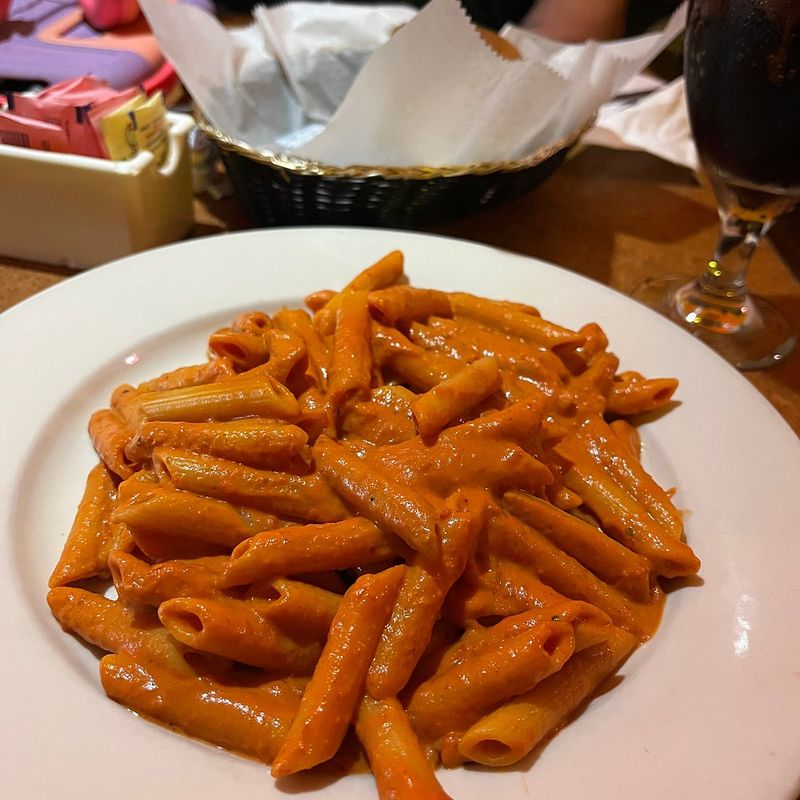
Richmond’s affection for Italian-American comfort food is easy to understand in a restaurant where homemade pasta and familiar sauces drive both menu identity and neighborhood attachment.
Casual dining culture defines the experience, not as a compromise, but as a framework that lets baked pastas, hearty ragus, and red-sauce standards deliver their full emotional weight.
Community connections grow naturally in rooms like this because regulars, families, and first-time visitors are all folded into the same easy rhythm of service.
Homemade pasta matters differently in an Italian-American setting than in a fine-dining one, since the goal is often generosity, softness, and the kind of sauce absorption associated with deep comfort.
Familiar flavors deserve attention precisely because they are easy to dismiss, even though their durability depends on balance, repetition, and a cook’s understanding of what diners actually return for.
Rather than chasing novelty, this restaurant shows how shared expectations can become a culinary strength.
Simple surroundings and recognizable plates have helped make it a lasting part of the city’s broader food memory.
Il Porto Ristorante – Alexandria
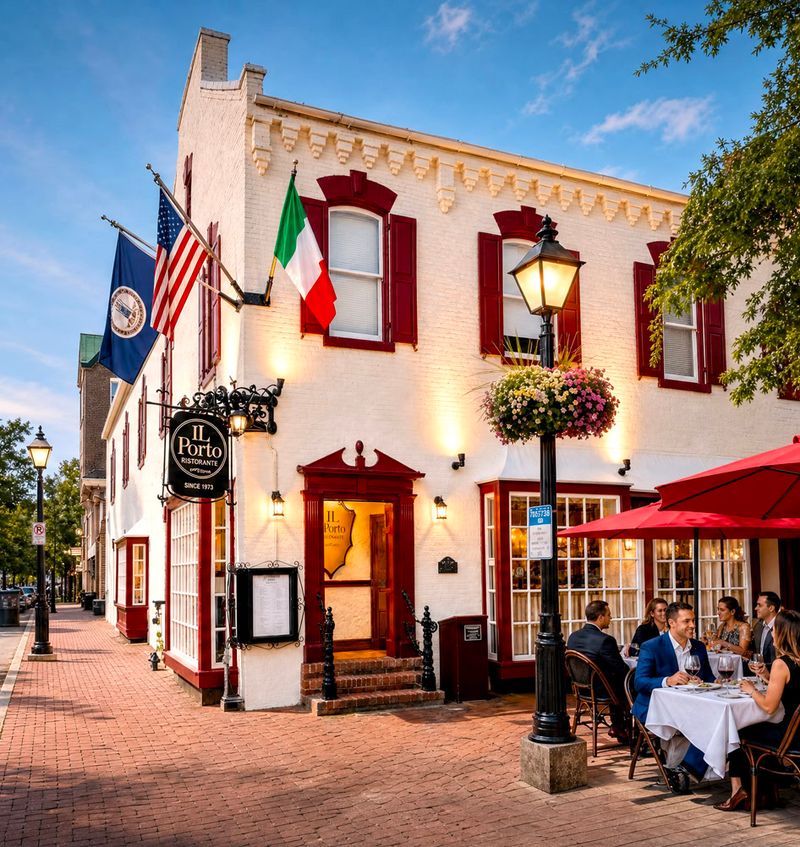
Along Alexandria’s long-established dining scene, this restaurant has maintained a reputation tied closely to hospitality, seafood, and the enduring appeal of classic Italian restaurant form.
Family traditions shape that identity, giving the menu a sense of continuity while allowing seafood pasta dishes to stand out as signatures within a broader roster of familiar standards.
The room supports those choices through polished service and an atmosphere that feels settled rather than trendy, which matters in a city where longevity often signals trust.
Seafood pasta can easily become heavy or indistinct, so its success depends on timing, sauce control, and respect for the character of shellfish or fish in the bowl.
Those technical details are especially important in a restaurant where guests may arrive expecting both comfort and a degree of occasion, since the dish must satisfy memory while still showing skill.
Alexandria’s restaurant culture includes many international influences, yet this address continues to hold a distinctive place in the local dining landscape.
It links Italian hospitality to maritime flavor, proving that family-centered dining can remain relevant through careful execution and a steady presence.
Luce – Middletown
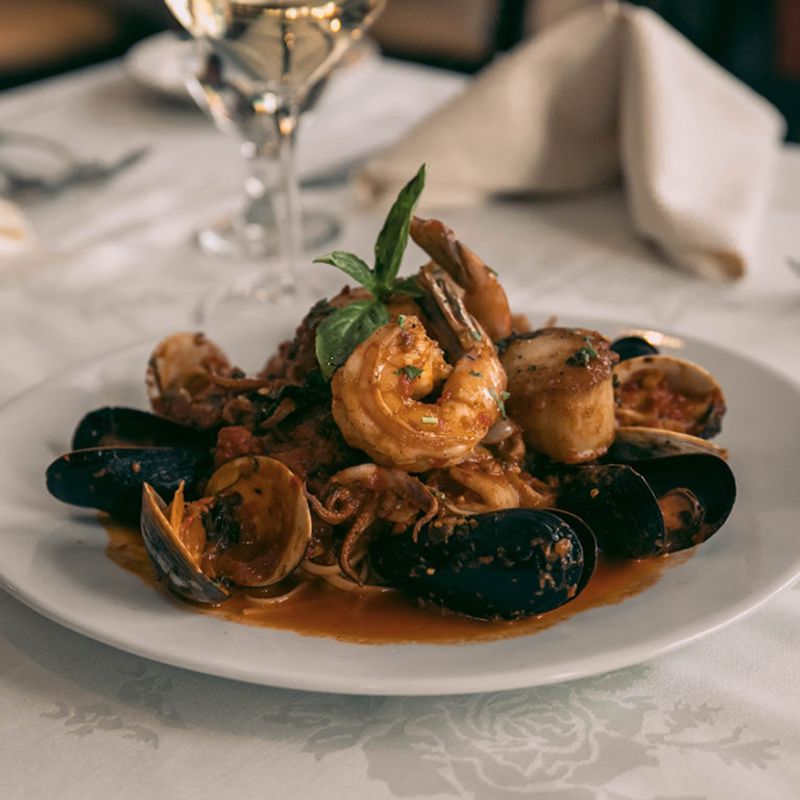
In the Shenandoah Valley, this restaurant approaches Italian food with a level of precision that reflects both contemporary technique and respect for regional foundations.
Handmade pasta anchors that philosophy because dough handling, shaping, and finishing become visible expressions of discipline, not just comforting menu categories.
Ingredient sourcing also carries unusual weight here, as seasonal produce, careful selection, and a kitchen-driven point of view influence how traditional ideas are translated in a modern dining room.
Contemporary does not mean detached from heritage when the cooking remains attentive to regional structure, balance, and the logic behind classic pairings.
Culinary precision matters most in pasta, where a few seconds of cooking time, the elasticity of dough, or the concentration of a sauce can determine whether a dish feels merely competent or fully integrated. Middletown is not the first Virginia location many travelers associate with Italian food.
That reality makes this restaurant especially notable, showing how ambition, sourcing, and technical control can create a serious pasta destination beyond the state’s larger urban centers.