Remember when a move to Virginia sounded like a clever budget play instead of a full-contact sport for your wallet?
Across the state, towns that once tempted first-time buyers, young families, and priced-out commuters with reasonable mortgages now come with sticker shock, bidding wars, and rent that can make your coffee taste more expensive too.
Some places changed because of booming job markets, shiny downtown revivals, or proximity to Washington, while others simply became too popular for their own financial good.
If you have been wondering where affordability quietly packed its bags, you are in the right place, because this list takes a lively tour through ten Virginia towns where the old bargain-bin reputation has definitely expired.
Expect local flavor, real housing context, and a few eyebrow-raising surprises along the way.
Let us dig into the places where charm still lives, but cheap living does not.
You may laugh, wince, and immediately check home listings just to confirm the damage.
1. Arlington

One glance at Arlington’s skyline and you can practically hear budgets whimper.
Not long ago, this close-in community looked like a smart compromise for people who wanted access to Washington without paying the capital’s highest prices.
Now, many buyers and renters discover that Arlington did not compromise at all – it simply leveled up.
The county’s draw is obvious.
You get Metro lines, major employers, highly rated amenities, walkable pockets, and neighborhoods that make commuting feel almost civilized.
That convenience has pushed home values and rents upward, especially in places near Ballston, Clarendon, and Rosslyn, where demand behaves like it had three espressos.
Even smaller condos can carry eye-popping price tags.
Single-family homes often sit firmly out of reach for middle-income households, and property taxes do not exactly soften the landing.
For newcomers, the math can feel less like a housing search and more like advanced calculus with parking fees.
Arlington still offers quality of life, strong services, and access that is hard to beat.
But affordable it is not, at least not in the old sense of the word.
If you are shopping here, bring a solid plan, quick reflexes, and maybe a tiny gold mine.
2. Alexandria
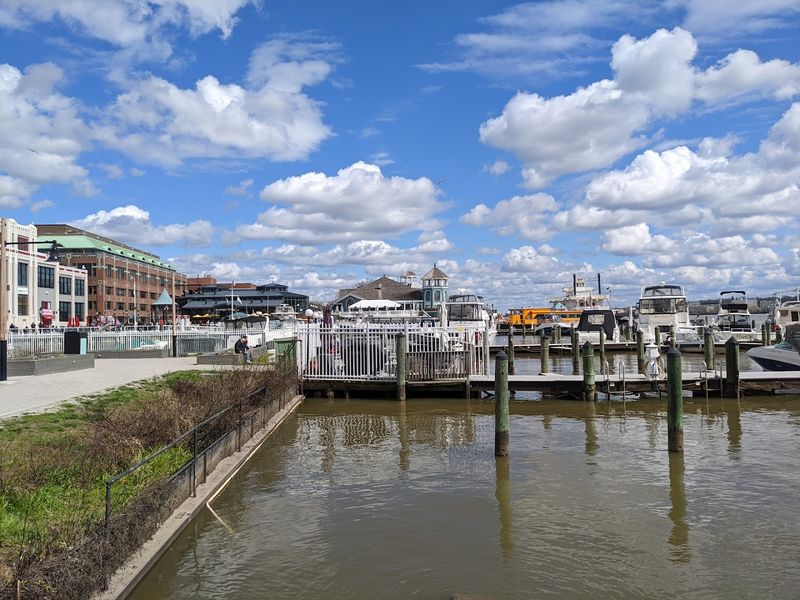
Old Town charm has a sneaky way of emptying wallets with a smile.
Alexandria once felt like a manageable alternative for people craving history, walkability, and quick access to the Washington region.
These days, the city’s prettiest blocks often come with prices that look designed for people who casually say things like investment portfolio.
The appeal is easy to understand.
Alexandria blends colonial character, waterfront scenery, restaurants, and transit connections into one polished package that buyers love.
As demand climbed, prices followed, and neighborhoods from Del Ray to Rosemont became harder for ordinary households to enter without financial gymnastics.
Renters have felt the squeeze too.
Apartments that once seemed merely expensive can now cross into breathtaking territory, especially near Metro stations or the Potomac.
Even homes needing updates may spark intense competition, because location here does most of the flirting.
To be fair, Alexandria still delivers a lot.
It is beautiful, convenient, and full of personality, which helps explain why affordability has faded into city folklore.
For the storybook setting, be ready for a price tag that reads less like a chapter and more like the entire trilogy.
3. Fairfax
Fairfax used to play the role of sensible suburban choice, and it played it well.
For many households, it offered good schools, solid neighborhoods, and access to jobs without the flashiest price tags in Northern Virginia.
That script has changed, and the understudy called affordability never made it on stage.
Its central location inside Fairfax County keeps demand strong.
People want the convenience of commuting options, shopping, healthcare, and schools that consistently attract attention from families.
When a town checks that many boxes, prices rarely stay humble for long, and Fairfax has clearly received that memo.
Homebuyers now face rising values, limited inventory, and intense competition for well-kept properties.
Even townhomes and smaller houses can stretch budgets far beyond what many first-time buyers expected.
Renters are not spared either, especially in newer communities where monthly costs can feel like a second car payment with better landscaping.
What makes Fairfax tricky is that it still looks practical on paper.
Compared with the region’s priciest zip codes, it may seem almost reasonable until you actually run the numbers.
Then reality arrives, smiles politely, and asks whether you have considered a much longer commute and fewer countertops.
4. Vienna
This small town may look quaint, but its housing market has developed an expensive sense of humor.
Vienna once attracted buyers who wanted a cozy community feel within reach of the capital region.
Now, the cozy part remains, while the reachable part depends heavily on your income and your tolerance for eye-watering listings.
Vienna’s popularity is not random.
It offers a charming downtown, strong schools, appealing neighborhoods, and access to major routes and nearby Metro stations.
That blend has made it a magnet for families and professionals, which helps explain why modest older homes often become premium redevelopment opportunities.
Teardowns and large new builds have transformed parts of the market.
As those luxury homes appear, nearby values rise too, making it tougher for buyers who hoped to find an ordinary house at an ordinary price.
Even smaller properties can command figures that would have seemed absurd a generation ago, or last Tuesday.
Vienna still feels welcoming and polished, and many residents adore its community events and walkable core.
But the town’s old reputation for relative affordability has faded fast under regional demand and limited supply.
If you want in, expect charm, competition, and a mortgage payment that insists on introducing itself in bold type.
5. Herndon
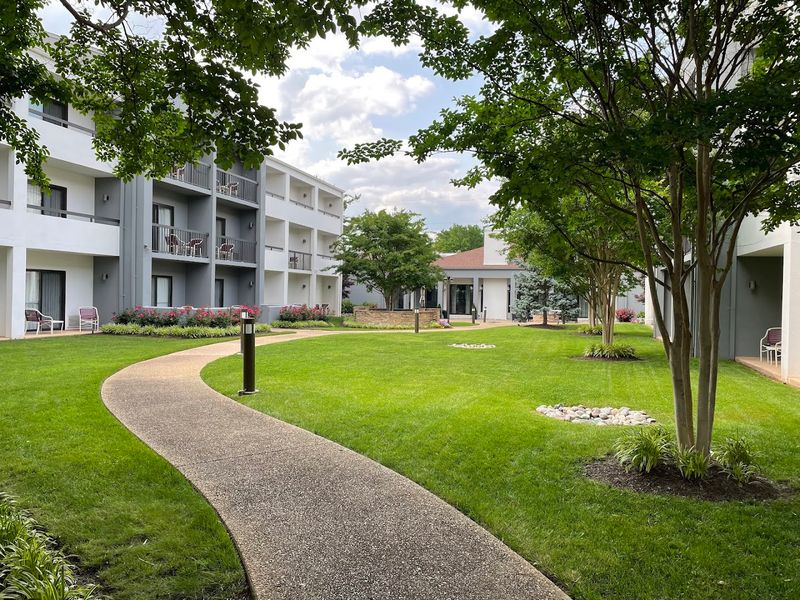
Herndon once had a reputation as the place where your paycheck could still breathe.
Compared with some of its Northern Virginia neighbors, it offered a more approachable path to homeownership for commuters and young families.
That reputation has been squeezed by growth, tech money, and the magnetic pull of convenience.
The town benefits from its position near the Dulles technology corridor.
Major employers, airport access, and transportation improvements have made the area increasingly attractive to buyers and renters alike.
When opportunity arrives in bulk, housing costs usually follow, and Herndon has been living that plot twist for years.
The Silver Line added more fuel to demand.
Homes with good access to transit or major job centers became especially sought after, pushing up prices across different property types.
Renters have also seen rising costs, particularly in newer apartment communities that market lifestyle amenities with the confidence of luxury resorts.
Herndon still can look less intimidating than some nearby towns at first glance.
But relative affordability is not the same as actual affordability, especially when wages fail to keep pace with housing costs.
6. Ashburn
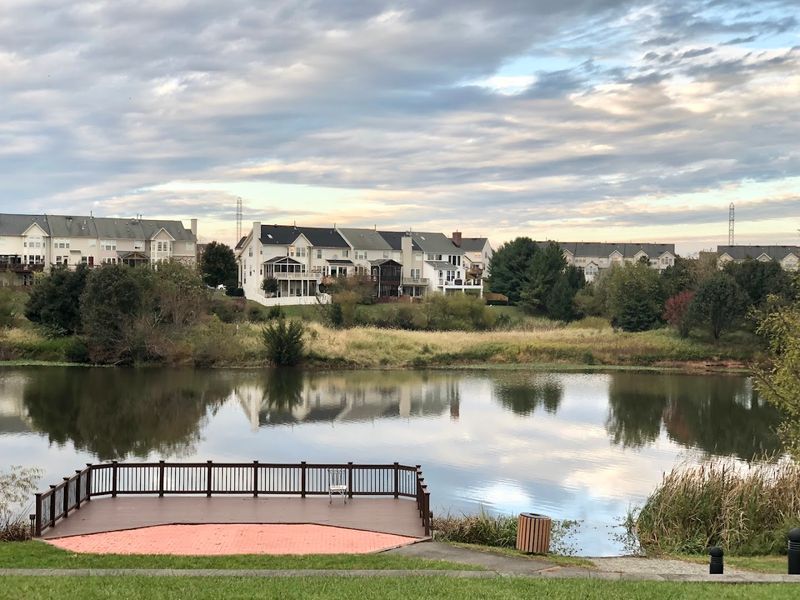
Ashburn grew up fast, and your housing budget probably noticed first.
What was once a more affordable suburban option in Loudoun County has become one of the region’s most expensive places to plant roots.
Today, many buyers arrive expecting value and leave having learned a tough lesson in Northern Virginia arithmetic.
The town’s rise comes from several powerful ingredients.
Strong schools, planned communities, tech-driven employment, and proximity to major commuter routes all boosted its appeal.
On top of that, the broader growth of Loudoun County turned Ashburn into a highly desirable destination rather than a hidden bargain.
Newer homes, larger lots, and polished amenities can be impressive, but they are rarely cheap.
Prices for single-family homes often stretch well beyond what middle-income households can manage comfortably, and townhomes are hardly the easy fallback they once seemed.
Rent has climbed too, especially in newer developments that package convenience, gyms, and shiny lobbies into one expensive monthly bill.
Ashburn still offers a lot of practical upside.
It is organized, well-served, and connected to a thriving regional economy, which keeps demand humming.
But if you remember when this area seemed like the affordable edge of growth, that memory now belongs in the same category as cheap concert tickets.
7. Leesburg
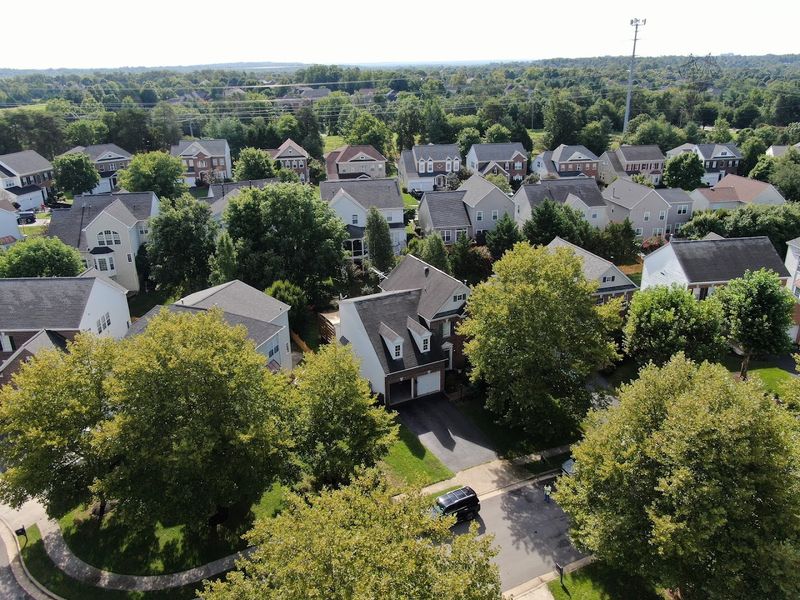
This town has managed the neat trick of staying charming while becoming much harder to afford.
For years, it drew people who wanted a historic downtown, a little breathing room, and more manageable prices than closer-in Washington suburbs.
That balance has tilted, and the old affordability story now sounds like local legend told over brunch.
Its appeal is broad and growing.
Leesburg offers attractive neighborhoods, a lively downtown, wineries nearby, and convenient access to the larger job market of Northern Virginia.
As Loudoun County boomed, buyers eager for space and quality of life pushed competition upward, especially for homes with character or updated features.
The result is a market that can surprise newcomers.
Single-family homes often command prices that would have seemed excessive not long ago, and even townhomes can carry hefty monthly costs once taxes and fees join the party.
Renters have not escaped either, particularly in newer properties with upscale finishes and prime locations.
Leesburg remains a place many people genuinely love.
It mixes history, amenities, and scenic appeal in a way that feels easy to enjoy.
But if you are hoping for the sort of deal the town once represented, you may need a time machine, a miracle, or a relative with a spare guesthouse.
8. Charlottesville
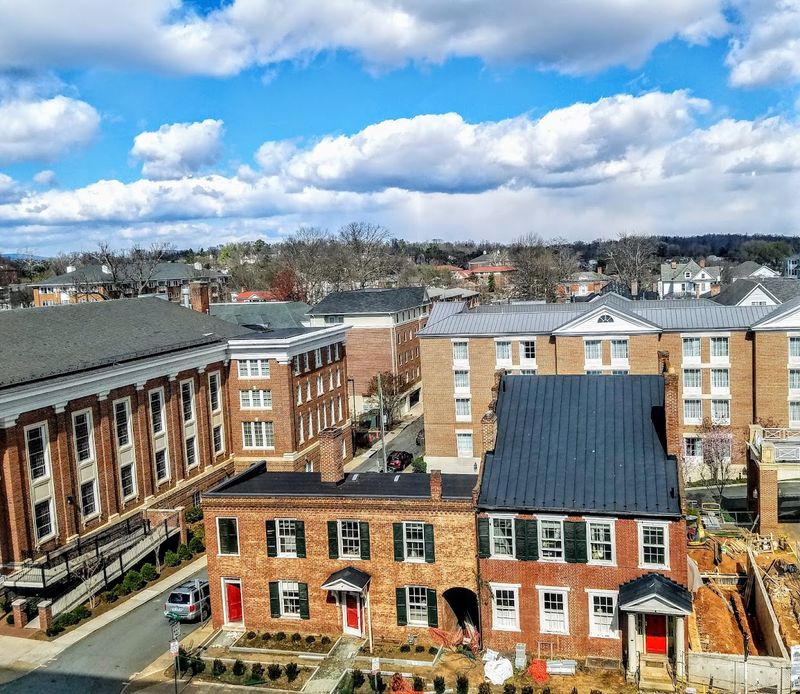
Charlottesville wears its beauty so well that people gladly pay extra to be near it.
Once considered a more attainable Virginia city with culture, scenery, and a strong sense of place, it has become increasingly difficult for many locals and newcomers alike.
The mountain views are still free, but plenty of everything else is not.
The University of Virginia plays a major role in the local economy and housing demand.
Add a walkable downtown, food scene, healthcare presence, and easy access to outdoor recreation, and you have a place that attracts steady interest from students, professionals, retirees, and investors.
That many suitors can make a housing market feel like speed dating with escalating offers.
Inventory constraints have added pressure.
Homes in desirable neighborhoods often move quickly, and prices have risen enough to push many buyers farther from the city core.
Rent has also grown tougher, especially for workers whose incomes do not match the area’s expanding cost of living.
Charlottesville still delivers character in abundance.
It is smart, scenic, and lively without trying too hard, which only increases competition.
If you are hoping to settle here on a modest budget, plan carefully, because charm has become premium-priced and the bargains now hide better than truffle mushrooms.
9. Virginia Beach
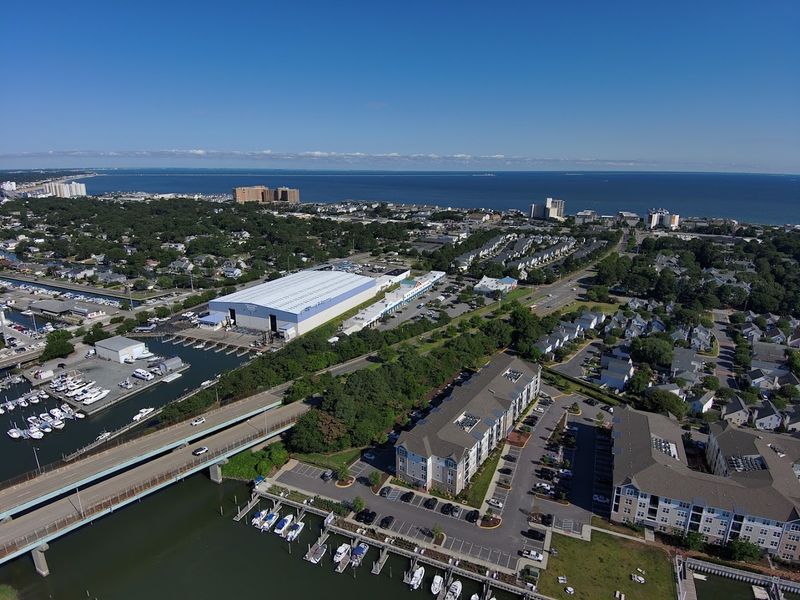
Salt air has never been cheap, but Virginia Beach used to feel more realistic.
Many families saw it as a place where coastal living, military ties, and suburban convenience could still fit into a reasonable budget.
Lately, that calculation has changed, and the beach town dream now often arrives with premium pricing attached.
The city’s appeal is broad and durable.
It offers miles of shoreline, large residential areas, tourism, military employment, and a lifestyle that mixes vacation energy with everyday practicality.
When you combine desirability with population growth and limited housing in the most sought-after areas, affordability tends to wash out with the tide.
Neighborhoods near the water can be especially costly.
But even inland areas have seen prices rise enough to challenge buyers who once assumed Virginia Beach would remain more attainable than many East Coast coastal markets.
Insurance, maintenance, and other ownership costs can also pile on, because beach life loves a hidden fee.
Virginia Beach still gives residents plenty to enjoy.
There is space, activity, and a strong local identity that keeps people invested.
Still, if you are arriving with memories of old bargain listings, prepare for a reality check delivered by ocean breezes, competitive offers, and a mortgage calculator that suddenly feels very judgmental.
10. Richmond
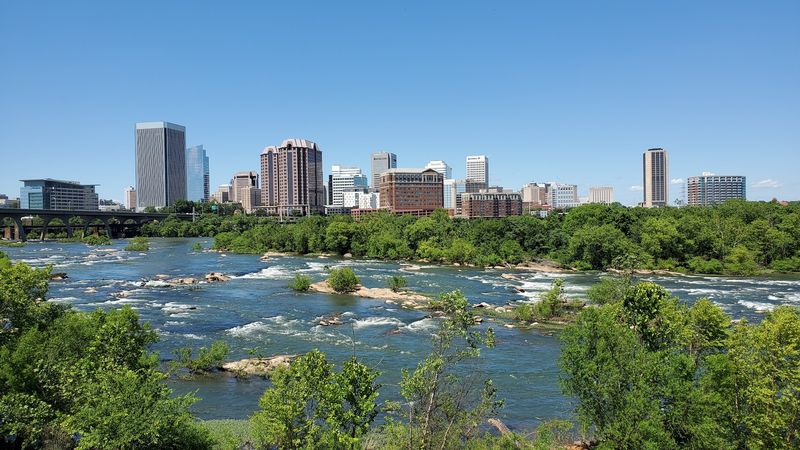
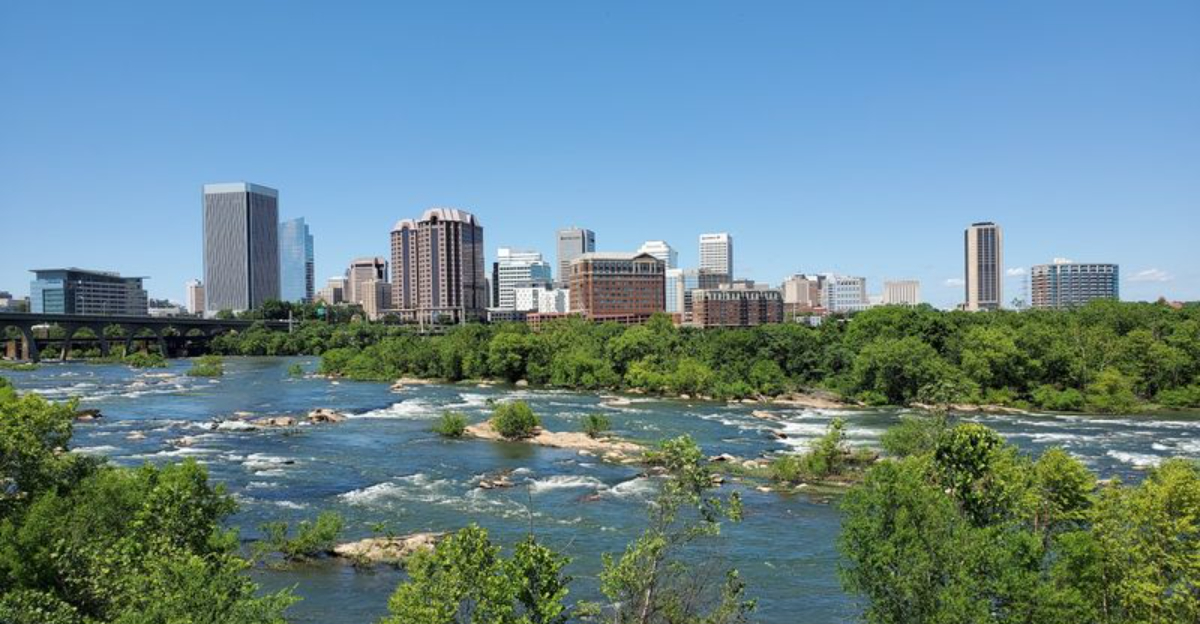
Richmond may be the biggest eyebrow-raiser on this list, because it long carried the banner of value.
For years, people flocked here for historic neighborhoods, creative energy, and housing costs that looked refreshingly sane compared with larger East Coast cities.
Now, the city still feels cool, but cool has gotten a lot pricier.
Richmond’s transformation has been driven by growth and reinvestment.
Its restaurant scene, riverfront appeal, walkable districts, and expanding job base have drawn new residents from around Virginia and beyond.
As demand climbed, neighborhoods that were once attainable for first-time buyers began posting prices that feel far less friendly.
Areas like the Fan, Museum District, and parts of Northside and South Richmond have all felt this pressure in different ways.
Competition for updated homes can be intense, and rents have risen enough to squeeze many residents who helped make the city vibrant in the first place.
That tension is where the affordability story gets serious, even if the murals stay cheerful.
Richmond still offers more variety than some pricier Northern Virginia markets.
But compared with its own recent past, it is clearly no longer the budget darling many people remember.
For a shopping here now, expect charm, momentum, and at least one moment where you ask a listing if it accidentally added an extra digit.