
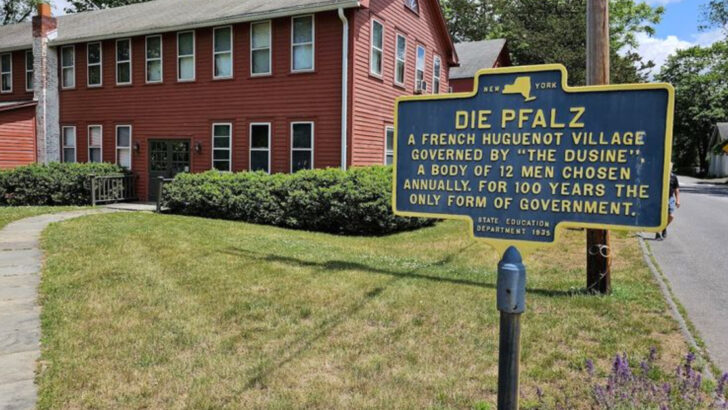
One walk can carry you from present day New Paltz straight into the 1700s without leaving town. Historic Huguenot Street lines up seven stone houses, a recreated church, and a centuries old burial ground that feel strikingly alive.
You get texture here wood beams, hearth smoke memories, and the names of real families who carved a community from the Hudson Valley. Come ready for stories, quick detours, and practical tips that help you see far more than old walls.
Start at Dubois Fort Visitor Center
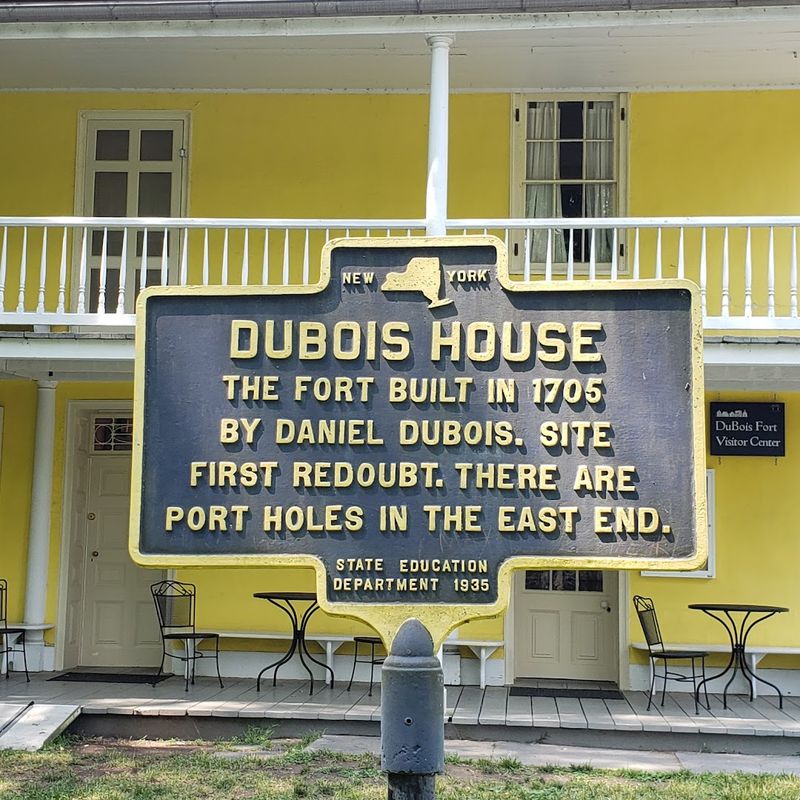
Maps, context, and timing come together the moment you step into the Dubois Fort Visitor Center. Staff will give you the day’s schedule, share which houses are open, and suggest routes that match your time window.
Grab the self guided app here, along with a paper brochure for quick cross checks.
Do not skip the small exhibits tucked by the desk. A glance at the timeline tightens your focus, so each doorway later makes more sense.
You will also find restrooms, water, and a calm place to regroup between stops.
Tickets for guided tours sell out on busy weekends, so secure a slot early. If plans are tight, ask for the best short route and the two most interpretive interiors that fit your interests.
Families can pick up prompts that keep kids engaged without rushing the grown ups.
Before leaving, confirm closing times and any pop up demonstrations. A quick two minute chat often saves twenty minutes of backtracking.
Step outside with a plan, then start slow your eyes need a moment to adjust from modern lighting to the soft, steady light of stone era rooms.
Jean Hasbrouck House
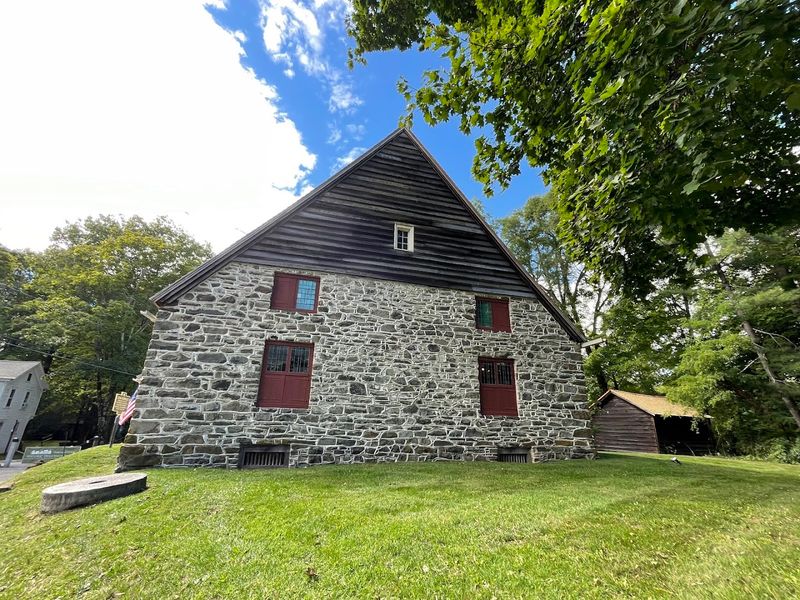
Thick stone and a steep roof set expectations the second you see this house. Interiors are purpose built for work, heat, and storage, which you feel in the low ceilings and heavy doors.
You can trace tool marks on beams, then look out to the gardens to picture daily rhythms.
Guides here connect architecture to decisions made under stress faith, winters, and fragile harvests. Ask how ownership changed rooms over time, because furnishings often reveal new chapters.
Seeing a warming pan or a cradle reframes everything from marriage to mortality rates.
Light tracks across the floorboards in a slow arc, making details pop. Watch for iron hardware that shows both craft and scarcity.
If a hearth demonstration is running, get close enough to feel the heat and ask where air escapes.
Photographs are usually allowed without flash, but double check at the door. For quieter visits, arrive right at opening or late afternoon.
When you exit, look back once more notice the roofline angles, then compare them with the next house to sharpen your eye.
Abraham Hasbrouck House
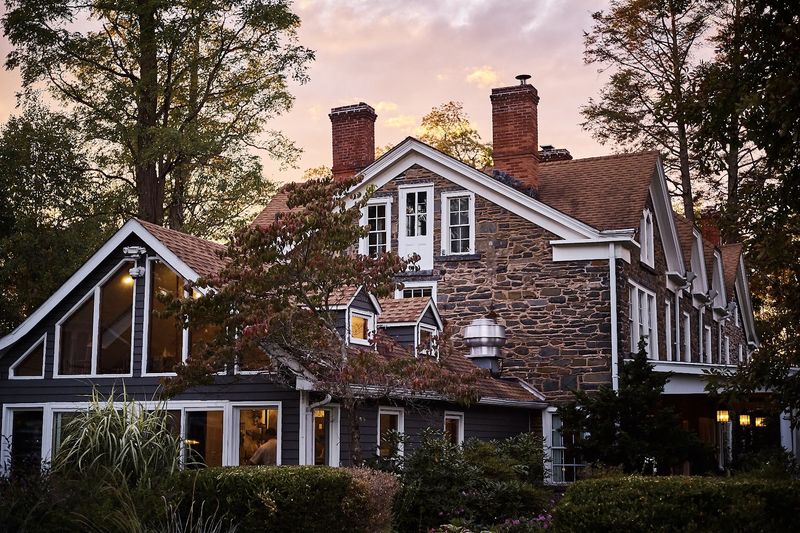
Change is visible on the outside here, which helps you read centuries in minutes. Additions step outward like a family’s timeline, growing with needs, tools, and means.
Stand across the street and sketch the roofline edges with your eyes to spot the phases.
Inside, rooms feel different because they were built in different eras. Ask which spaces were earliest, and note the window shapes that signal technology shifts.
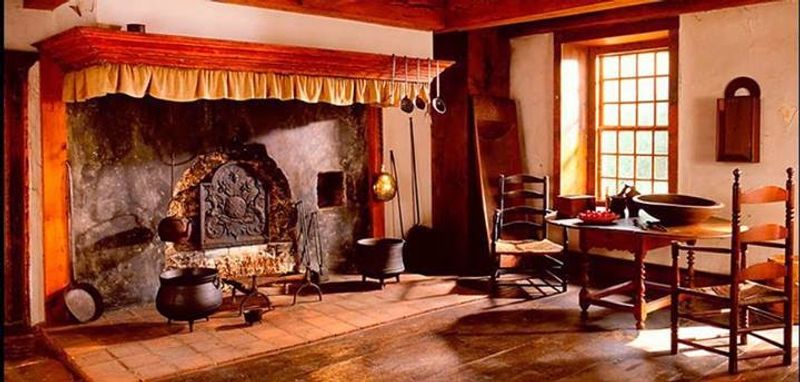
The kitchen often becomes the best classroom for talking fuel, scarcity, and ingenuity.
Guides do not just lecture they invite you to weigh tradeoffs. Was light worth the draft in winter.
Could a small change in window glass change daily labor.
Practical tip bring a compact flashlight to glance under mantels and inside deep cupboards. You will notice tool marks and repaired joints that photographs miss.
Before leaving, circle the exterior and check drainage patterns around the foundation they tell a quiet story about survival, storms, and maintenance long before contractors.
Historic Burial Ground
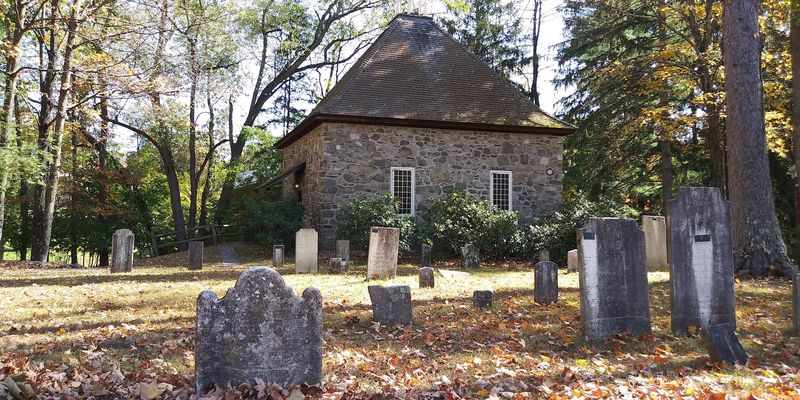
Names, dates, and symbols compress whole lives into a few carved lines. Walk slowly and read out loud you will feel the weight of time in your chest.
Small markers often hide the fullest stories, so do not skip ones that look plain.
Iconography helps you decode beliefs and anxieties. Ask a guide about common motifs here and what years they peak.
You will start connecting stone styles to epidemics, prosperity, and material available to grieving families.
Respect is non negotiable stay on paths and keep voices low. Photography is welcome, but avoid stepping close during ceremonies.
If kids are with you, treat this as a quiet counting game tally dates, compare ages, and discuss what health looked like centuries ago.
Before leaving, look back from the gate to take in alignment with the street. That sightline anchors the settlement’s scale in your memory.
Then pause a moment longer because leaving quickly after reading names feels wrong let the silence finish saying what the stones began.
Self Guided Audio Tour Tactics
Time is tight for many visits, and the app solves that. Download on Wi Fi at the visitor center, then cache the audio in case cell service wobbles.
Pair with the paper map so house numbers and wayfinding stay clear.
Chapters are short enough for street pauses, but long enough to add texture. After each stop, take ten silent steps to let the story settle.
If the playback jumps, scrub back a minute and restart no need to rush.
Earbuds help you focus, yet keep one ear free for traffic and cyclists. Pause frequently for photographs after key lines you will anchor images to ideas.
Solo visitors can switch to speaker mode in the green without bothering others.
Set a simple goal two interiors, the burial ground, and one slow loop of exteriors. That plan fits in about an hour, leaving buffer for questions.
If a guided tour opens up, you already hold context, which turns a good tour into a great one.
Seasonal Programs, Boos and Brews, and Special Tours
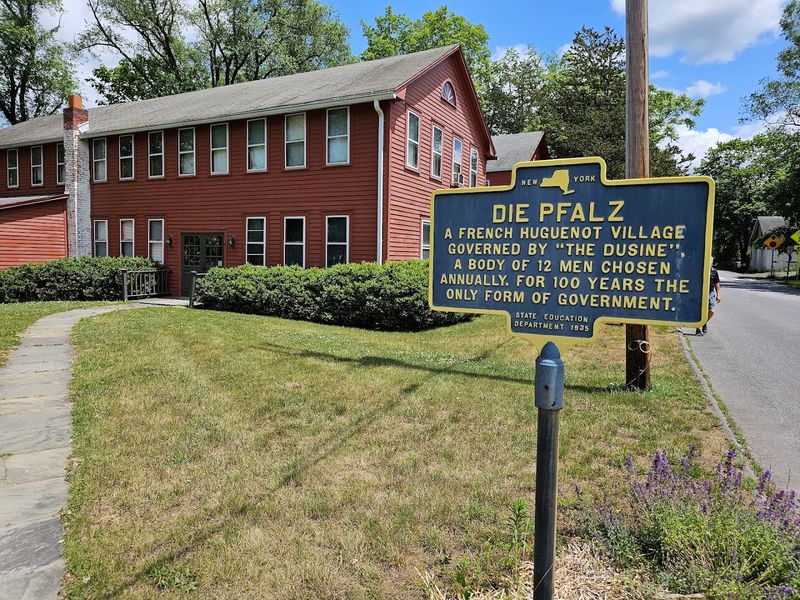
Evenings change everything on this street. Lantern light pulls out textures you miss at noon and commentary leans into mysteries, missteps, and documented hauntings.
Tickets go quickly, so book ahead, then arrive early for check in at the fort.
Programs like Boos and Brews add a social layer that still respects the scholarship. You will hear the footnotes, but also the folklore families pass down.
Ask which stories are backed by records and which live in that gray zone of community memory.
Special tours focus on architecture, foodways, or the lives of people who were enslaved here. If that last tour is offered, prioritize it and arrive ready to listen more than you talk.
Hard histories deserve time, care, and follow up reading after you get home.
Layer your day schedule a daylight walk plus a night program. The contrast makes details pop on your second pass.
On cool nights, bring a packable jacket and a small flashlight for paths between stops comfort frees your attention for the good stuff.
Practical Planning: Hours, Parking, Food, and Nearby Trails
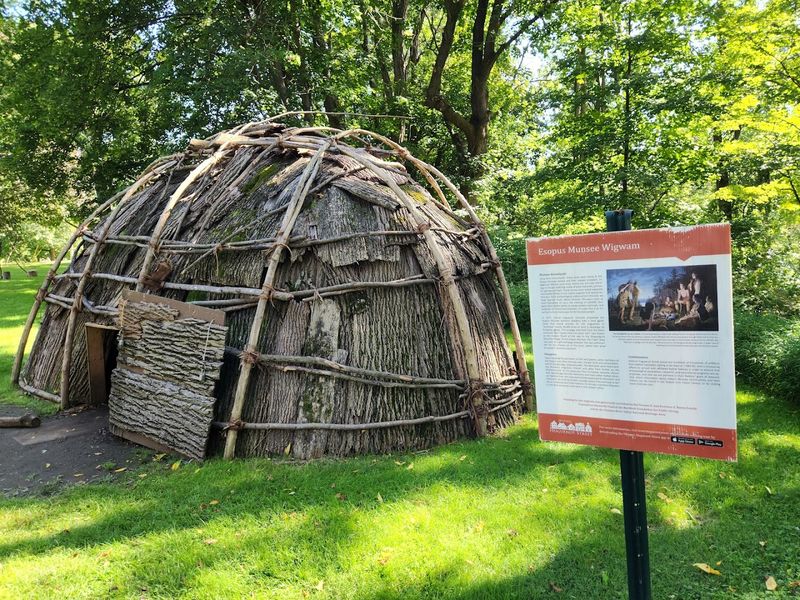
Good logistics make room for better questions. Check the website for hours, tour times, and any weather advisories, then call if you need accessibility details.
Parking is straightforward, but summer weekends fill, so arrive early or pair with the rail trail to walk in.
Pack water and a snack since you will be on your feet. Downtown New Paltz sits a short stroll away for coffee or a quick bite.
If you bring kids, set a clear loop with two must see interiors and a treat promised at the end.
Pairing history with nature pays off. The nearby Wallkill Valley Rail Trail gives you a quiet reset between house clusters and the burial ground.
Fifteen minutes of trees helps younger visitors handle another thirty minutes of rooms.
Budget matters tours are reasonably priced, with discounts for students and members. If your schedule is tight, the self guided route delivers value in under an hour.
Build a little slack into the day because surprise conversations with docents are often the highlight you did not know you needed.