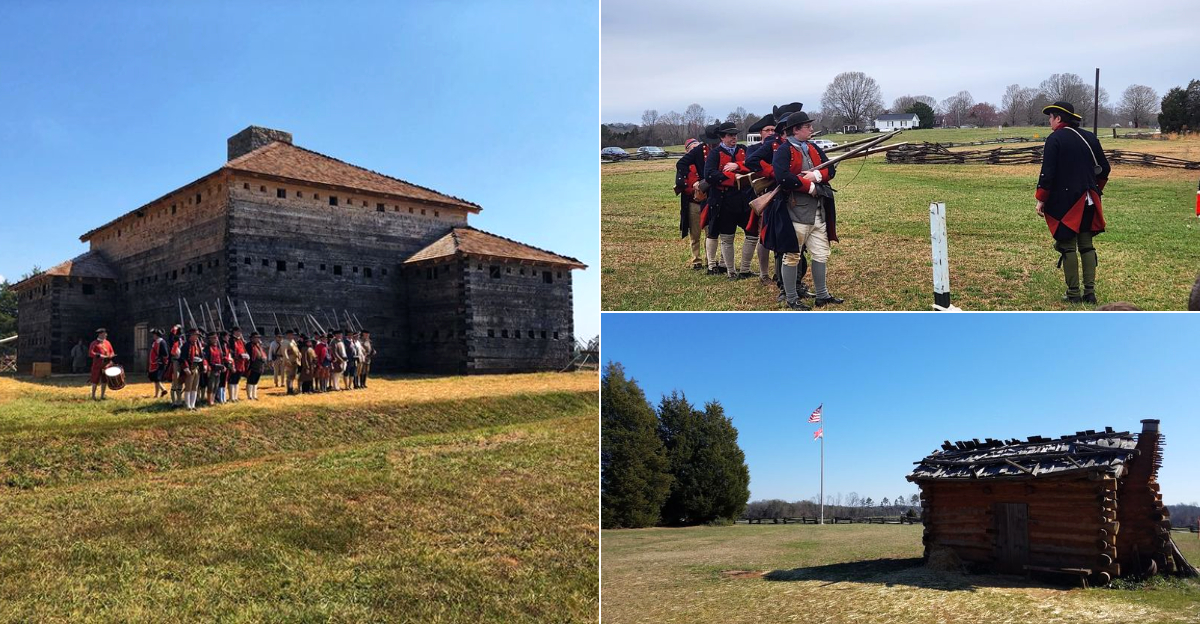
Long before the Revolutionary War reshaped the colonies, there was a frontier, and it needed defending.
In the mid-eighteenth century, a string of wooden forts stretched across the Carolina backcountry, built to protect settlers pushing into territory that was anything but safe.
Most of those forts are gone now, lost to time, fire, or simply the passage of centuries.
But one survives in remarkable form, and visiting it feels like stepping into a chapter of American history that rarely makes the headlines.
Fort Dobbs in Statesville, North Carolina, was built during the French and Indian War and saw real combat with Cherokee forces in 1760.
This is the kind of place that makes history feel immediate, personal, and worth making the trip for.
A First Glimpse Of The Frontier
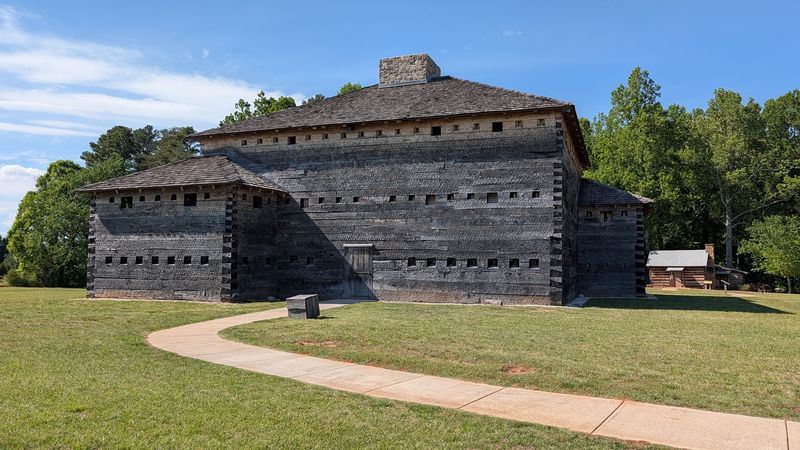
Before you even step inside, the quiet of the grounds sets the mood for a place shaped by vigilance, distance, and uncertainty.
The reconstructed blockhouse rises from the hillside with a practical, rugged look that instantly separates it from polished modern attractions.
You are not just arriving at a museum here, you are approaching a story about survival on North Carolina’s colonial edge.
Fort Dobbs State Historic Site at 438 Fort Dobbs Rd, Statesville, NC 28625 preserves the memory of a frontier outpost tied to the French and Indian War.
Its setting helps you understand why this position mattered, especially when settlements to the west were exposed and communication was slow.
I think that sense of isolation is one of the site’s strongest qualities because the landscape still feels believable.
Visitors often describe the fort as a hidden gem, and that feels accurate once the trees, trails, and timber walls come into view.
Even before the tour begins, you can sense that this stop offers more than a quick photo opportunity.
It invites you to picture soldiers scanning the woods, listening for movement, and measuring every ordinary day against possible danger.
That atmosphere is exactly what makes the experience memorable from the very first moment.
Why Fort Dobbs Mattered
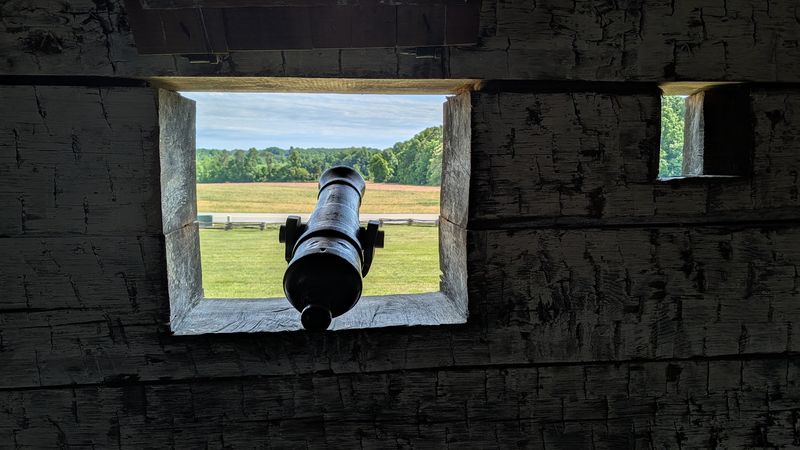
Long before the Revolution defined American memory, fear and strategy shaped life across the backcountry in ways many travelers never fully consider.
This fort existed to protect settlers during the French and Indian War, when frontier communities faced raids, political instability, and constant uncertainty.
That purpose gives every beam, stair, and firing port a practical meaning rather than a merely decorative one.
Built originally in the 1750s, Fort Dobbs served as North Carolina’s westernmost defensive outpost during a volatile chapter of colonial expansion.
It was not a giant fortress designed to dominate a skyline, and that smaller scale actually sharpens its historical importance.
You can better appreciate how vulnerable the region was when you realize how much responsibility rested on a relatively modest structure.
The site also helps connect local history to the wider imperial struggle between Britain and France and their allied Native nations.
That broader context keeps the story from feeling isolated or overly romanticized.
Instead, the fort becomes a lens for understanding how ordinary people experienced global conflict in deeply personal and immediate ways.
If you want a place that translates textbook history into something grounded and human, this is where that transformation really happens.
Take The Guided Tour
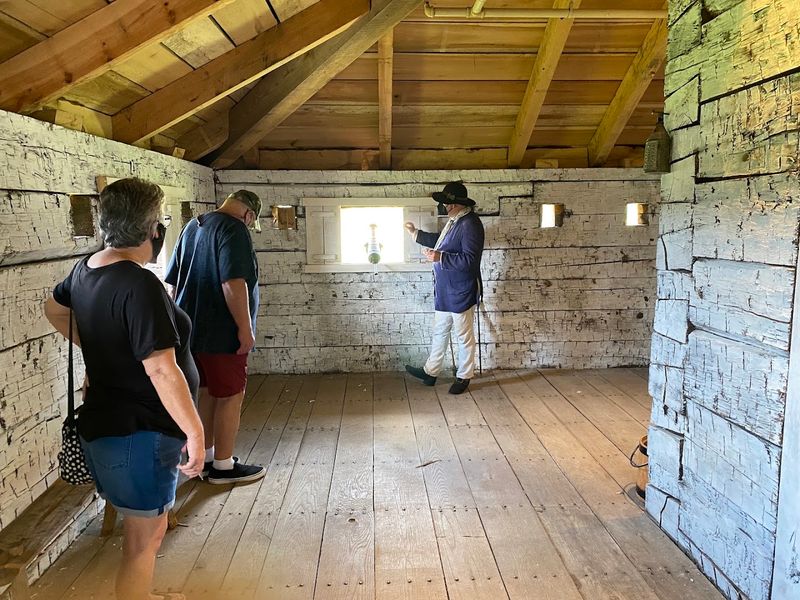
The most valuable thing you can do here is let a knowledgeable guide open the fort’s story layer by layer for you.
From visitor reviews to staff recommendations, one point comes through clearly: the guided tour is the experience that makes everything click.
Walking the outside alone gives you the shape of the place, but the tour supplies meaning, texture, and memorable detail.
Because access to the interior is tour-based, stepping inside feels more intentional than wandering through a standard open exhibit.
That structure actually improves the visit by turning your attention toward explanation, demonstration, and conversation.
You hear how historians identified the original site, what daily routines looked like, and why the reconstruction was built as it was.
Guests consistently praise the guides for being friendly, deeply informed, and genuinely enthusiastic rather than stiff or overly rehearsed.
That personal energy matters because frontier military history can feel abstract until someone makes it vivid for you.
I would absolutely recommend starting with the introductory video if available, then joining the tour with questions ready.
For a modest fee and less than an hour of your time, you get a far richer understanding than a casual walk could ever provide.
Inside The Reconstructed Fort
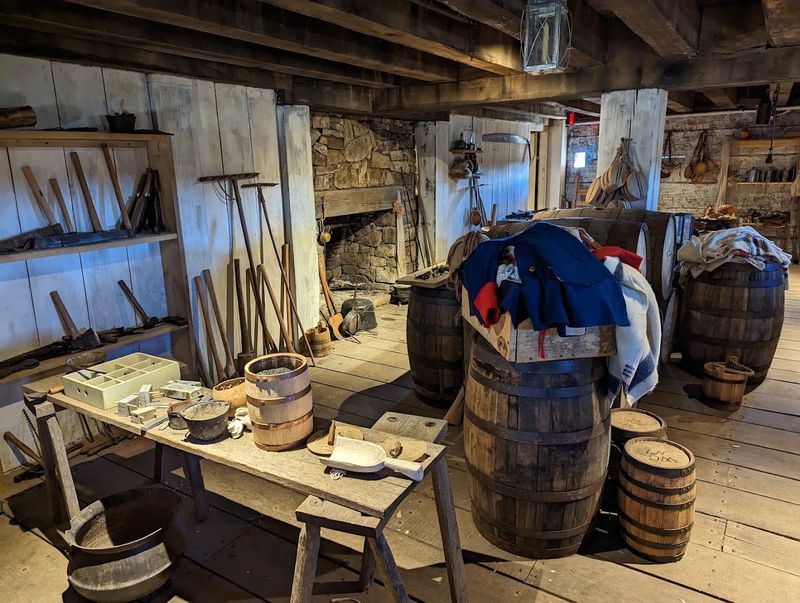
Once the door closes behind your group, the fort stops feeling like a replica from a distance and starts feeling convincingly lived in.
The interior is compact, utilitarian, and full of details that reveal how soldiers balanced defense with the ordinary demands of daily survival.
Every corner seems designed to answer the same question: how do people endure hardship in a dangerous, isolated place?
Visitors often mention bunks, household objects, military gear, and hands-on elements that make the rooms especially engaging for both adults and kids.
That interactivity is a huge advantage because it transforms the fort from something you simply observe into something you actively understand.
You can imagine tired men sleeping lightly, storing supplies carefully, and staying ready for sudden violence at any hour.
The timber walls, upper level, and firing positions also help explain the practical logic behind the structure’s design.
Nothing feels oversized or theatrical, which keeps the experience grounded in realism.
I like that the reconstruction does not pretend to be untouched original fabric, but instead uses careful interpretation to make the past accessible.
That honesty, paired with immersive spaces, gives the fort an educational credibility that makes the visit much more satisfying.
Living History That Feels Personal
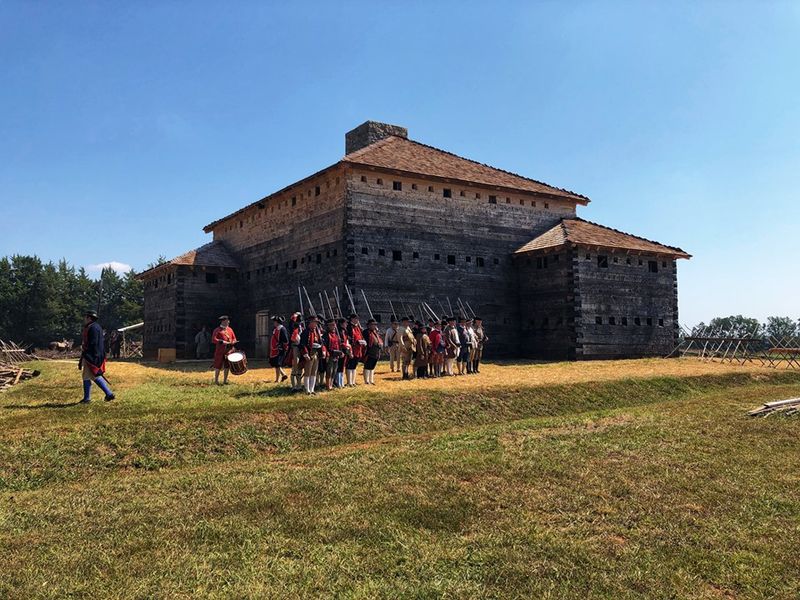
The strongest moments here come when history stops sounding official and starts feeling like something people actually lived through day by day.
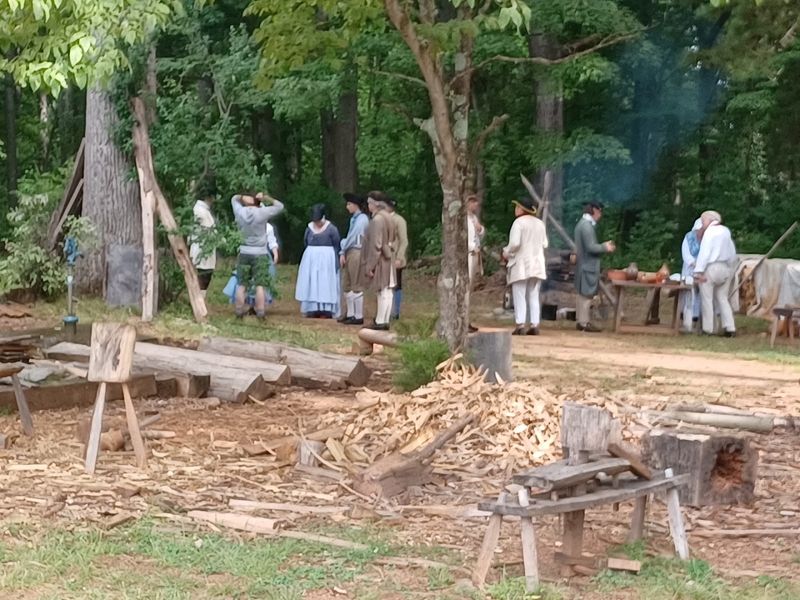
That shift happens through costumed interpretation, hands-on objects, and conversations that connect military history with domestic work, craft, and routine.
Instead of reducing the past to dates alone, the site shows you how a frontier post functioned as a human environment.
Reviews regularly highlight opportunities to examine reproductions closely and sometimes interact with clothing, tools, or everyday equipment inside the fort.
Those experiences are especially effective because they narrow the distance between your world and theirs.
You do not just hear that soldiers slept on rough bedding or handled basic gear, you can picture how uncomfortable and necessary those things were.
The same goes for demonstrations related to traditional crafts, building methods, and material culture around the grounds.
When staff members explain shingles, pottery, blacksmithing, or cooking, the fort’s story widens beyond defense alone.
I think that broader approach is why so many visitors leave impressed by a site that is physically small but intellectually rich.
It turns a reconstructed blockhouse into a gateway for understanding labor, resilience, and the texture of eighteenth-century frontier life.
The Grounds, Trails, And Visitor Center
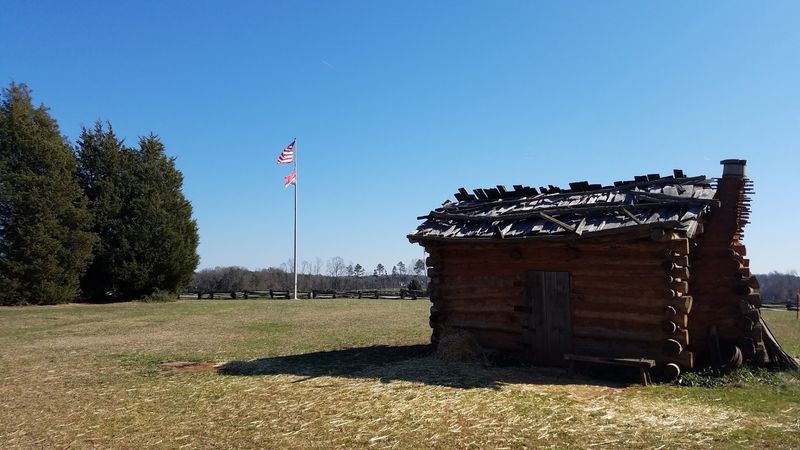
Even if you come for the fort itself, the surrounding grounds add a gentler layer to the experience that makes the visit feel complete.
Shaded walking paths, open green space, and a calm wooded setting create room to slow down between learning sessions.
That balance is part of the site’s appeal because the history is intense, while the landscape feels restful and welcoming.
The visitor center helps set expectations with exhibits, orientation material, and a chance to learn before stepping into the reconstructed fort.
Several visitors specifically recommend watching the video first, which seems like smart advice if you want the strongest possible context.
There is also a gift shop element and display space that can reward a few extra minutes of attention.
Outside, reviews mention a covered picnic area and short trails that work well for families, road trippers, and anyone needing a break.
That makes this site easy to enjoy even if your schedule is tight or your group has different energy levels.
You can learn a lot, stretch your legs, and still keep the outing manageable without feeling rushed.
For travelers passing through Statesville, that combination of substance and simplicity makes the stop especially easy to recommend.
Plan Your Visit Well
A little planning goes a long way here because the best version of this experience depends on timing your visit around tours and open days.
The site operates Tuesday through Saturday from 9 AM to 5 PM and is closed Sunday and Monday.
Knowing that schedule ahead of time helps you avoid the disappointment some travelers describe when they miss the final tour window.
Since the interior is only accessible with a guided tour, it is worth checking current tour times before you arrive.
That is especially true if you are visiting on a road trip and only have a narrow block of time.
The fort’s grounds can still be enjoyable on their own, but the guided experience is where most of the value lives.
Visitors also note that the fee is inexpensive, making this one of the more affordable historical outings in the region.
If you are traveling with children, older relatives, or anyone sensitive to uneven ground, keep in mind that accessibility can be limited in spots.
I would also allow enough time to browse the visitor center rather than treating the fort as a simple photo stop.
With a bit of preparation, you can turn a short visit into a surprisingly rewarding history experience.
Why Visitors Keep Coming Back
What stays with most people is not just the building, but the feeling that they discovered a place doing much more than expected.
Again and again, visitors describe the site as informative, friendly, inexpensive, and surprisingly immersive for a stop that looks modest at first glance.
That pattern says a lot about how effectively Fort Dobbs turns local history into a meaningful public experience.
Families appreciate that children can stay engaged, history lovers value the depth, and casual travelers often leave feeling they learned something memorable.
The enthusiasm surrounding the staff also stands out across reviews in a way that feels earned rather than accidental.
People repeatedly mention guides who are passionate, approachable, and capable of answering detailed questions without losing the thread of the story.
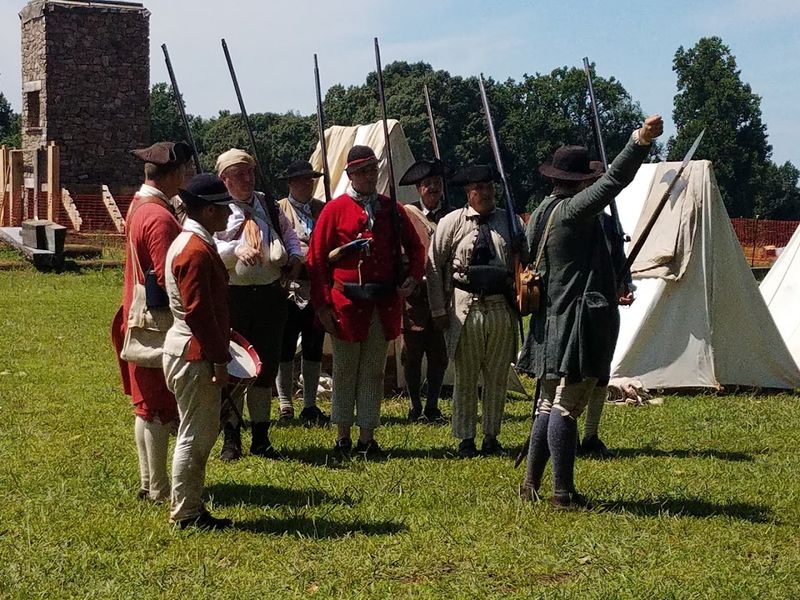
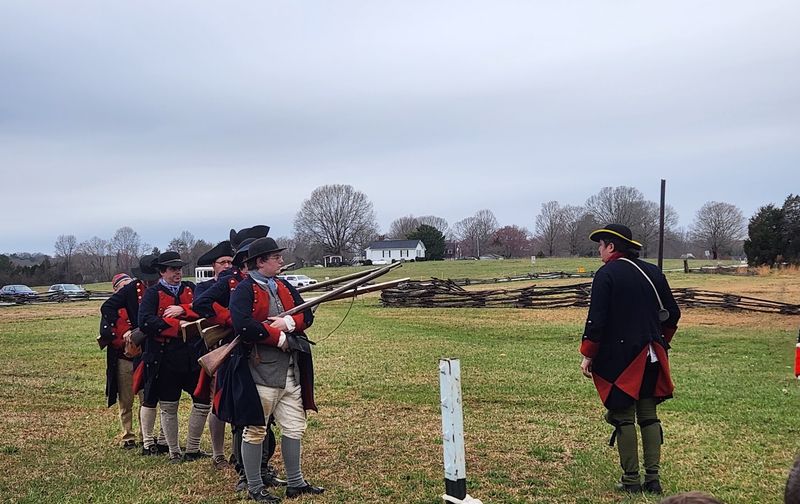
Special events and reenactments add another reason to return, especially if you want the site at its most animated and communal.
Those programs seem to deepen the sense that this is a living educational space rather than a static reconstruction.
You may come once out of curiosity, but it is easy to understand why others plan repeat visits around tours and seasonal programming.
For a frontier fort with a compact footprint, its lasting impression is unexpectedly large.
What Makes This Fort Worth The Stop
Some historical attractions impress with size, while others win you over by making one forgotten chapter feel immediate, specific, and real.
This place belongs firmly in the second group, and that is exactly why it deserves attention.
It offers a focused experience that combines military history, frontier life, archaeology, reconstruction, and skilled interpretation without overwhelming you.
By the time you leave, the fort no longer reads as a simple wooden structure on a hill.
It becomes evidence of fear, strategy, endurance, and the fragile ambitions of colonial settlement in western North Carolina.
That transformation from object to story is the mark of a truly effective historic site.
I also think the manageable scale works in its favor because you can absorb a lot without feeling exhausted or overprogrammed.
You get room to imagine, ask questions, and connect details across the grounds, exhibits, and guided interpretation.
If you care about places where the past still feels textured and human, this fort delivers more than its quiet setting suggests.
For anyone exploring Statesville or the wider region, Fort Dobbs is the kind of stop that lingers in your mind long after the visit ends.