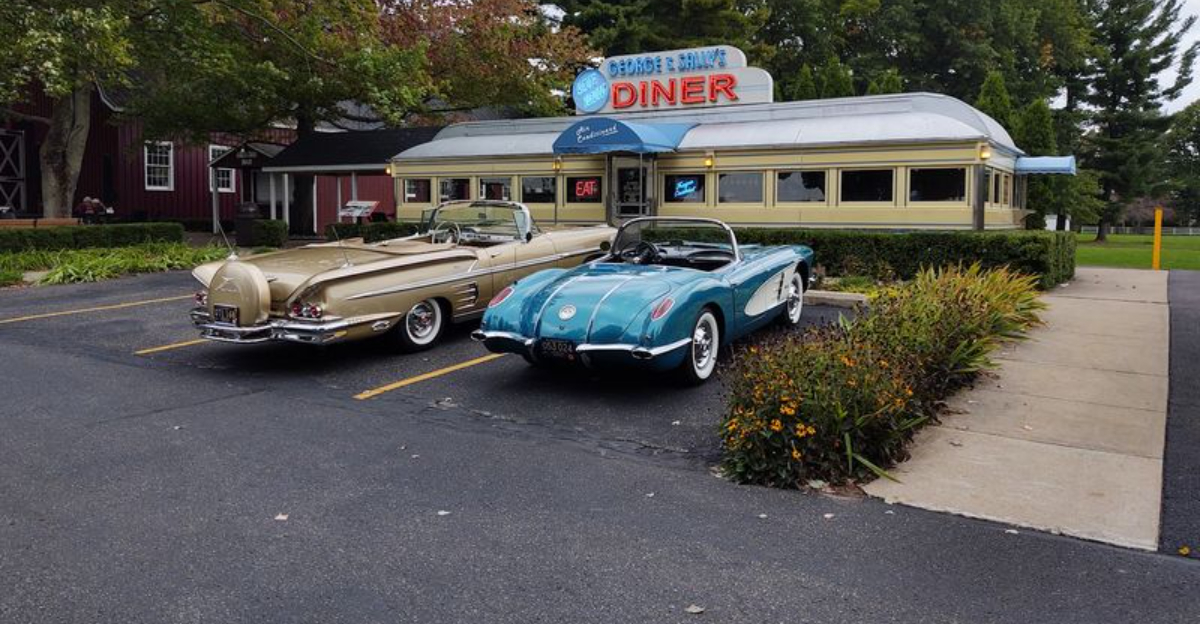
Imagine walking into a place where chrome bumpers gleam, big band music drifts through the air, and the smell of old leather takes you straight back to 1935.
That place actually exists in the Michigan countryside, tucked between cornfields and rolling green lawns.
The Gilmore Car Museum holds around 400 cars and motorcycles spread across a campus of historic barns, showrooms, and even a working 1941 diner that still slices pecan pie.
Visitors show up planning to stay one hour and end up staying four, because there is simply too much to see in a single sweep.
Kids love the free arcade racing game.
Grandparents love pointing at the car they drove in high school.
Everybody loves the free rides in a Model T or a finned 1950s Cadillac.
If a road trip is anywhere in your future, put this stop on your list.
Here are eight reasons the place earns its 4.9-star reputation, plus a few tips to help you plan a smarter visit.
Historic Barns Packed With Rolling History
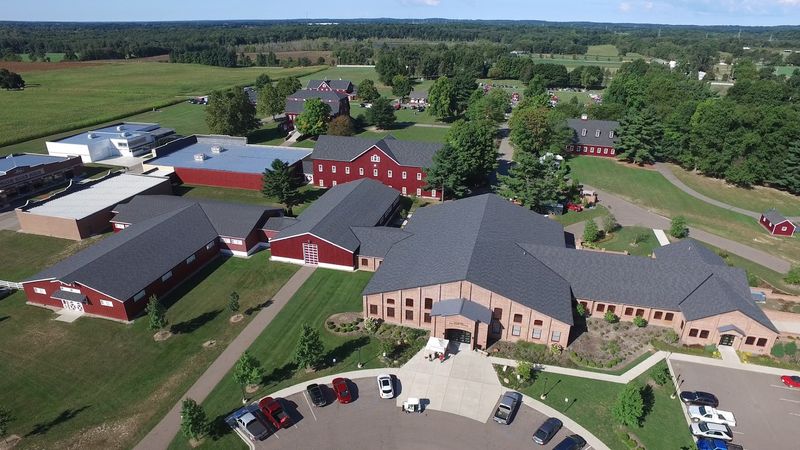
Red barns usually hide tractors and hay.
Here they hide Duesenbergs.
The campus spreads across 90 acres of lawn, and the museum moved genuine historic barns onto the property to serve as galleries.
Walking between them feels like strolling a small village where every building holds a surprise.
One barn covers the earliest horseless carriages.
Another bursts with muscle cars and rumbling attitude.
A third salutes motorcycles, with handlebars and gas tanks lined up like sculpture.
Music from each era plays inside the buildings, which is a small touch that does heavy lifting.
Ragtime in one room, doo-wop in the next.
Your ears travel through time along with your eyes.
Paths are paved, flat, and stroller friendly, and wheelchairs are available at no charge.
Benches sit scattered throughout for anyone who needs a breather.
Most buildings run air conditioning, though a few older structures stay warm on humid August afternoons.
Frequent visitors suggest cooler days or morning arrivals.
Give yourself at least three hours.
Four is better.
Five and you might still miss a corner.
Free Rides In A Genuine Model T
Here is the detail people rave about most, and it costs nothing extra.
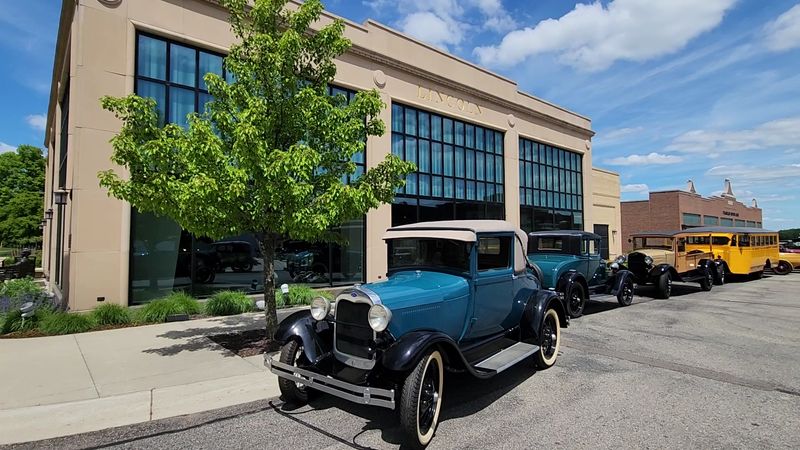
Between roughly May and September, volunteers fire up vintage vehicles and take guests for a spin around the grounds.
Sometimes it is a Ford Model T sputtering along.
Sometimes it is a chrome-heavy 1950s Cadillac gliding like a boat.
The ride comes included with admission.
No tickets, no upcharge, no fine print.
Riding in a century-old car teaches you things a display placard never could.
You feel every seam in the pavement.
You hear the engine working.
You realize how brave early drivers had to be.
Drivers happily answer questions while they steer, and many are longtime enthusiasts who know each car’s quirks by heart.
One family visiting from out of state called the Cadillac ride the highlight of their whole trip, and their teenagers agreed, which is no small victory.
Ask at the front desk when you arrive to learn the day’s ride schedule.
Lines stay short on weekday mornings.
Bring a hat.
Open-air motoring means open-air sunshine.
The Restored 1941 Blue Moon Diner
Sizzling griddle, spinning stools, jukebox glow.
The diner nails the whole package.
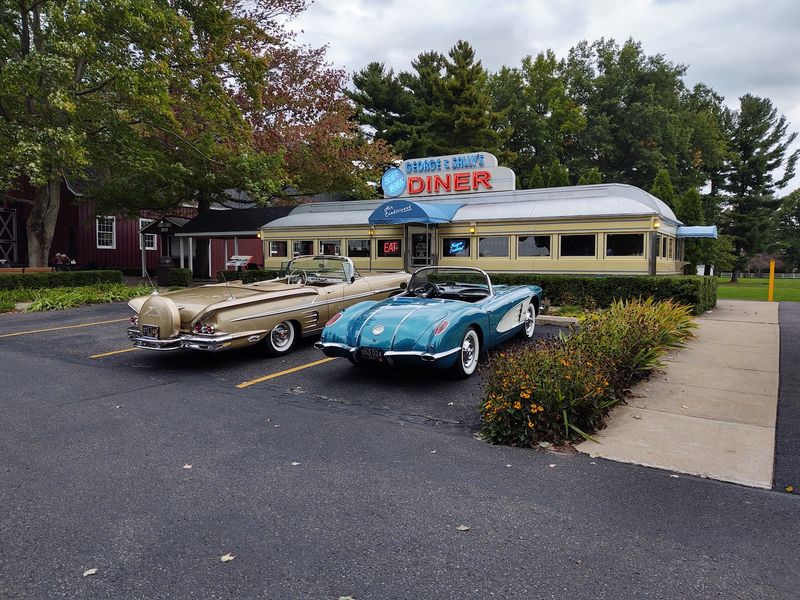
Rescued and restored, this authentic 1941 dining car sits right on the museum grounds and still serves food to hungry guests.
Burgers, hot dogs, sandwiches, milkshakes, and a famous slice of pecan pie all come across the counter.
Stepping inside feels like walking onto a movie set, except the coffee is real and the stools actually squeak.
Fair warning from honest reviewers: prices lean high.
One family of five spent more on lunch than on their museum tickets.
The vintage atmosphere is authentic, but the bill reflects modern times.
A separate cafe offers lighter, quicker options, and shaded outdoor picnic areas give budget-minded families a place to eat packed lunches.
My advice?
Split a milkshake and order one slice of pie for the table.
You still get the experience without the sticker shock.
Time your meal for 11 a.m. or 2 p.m. to dodge the lunch rush, since seating inside the diner is limited to a couple dozen spots.
Muscle Cars That Practically Growl
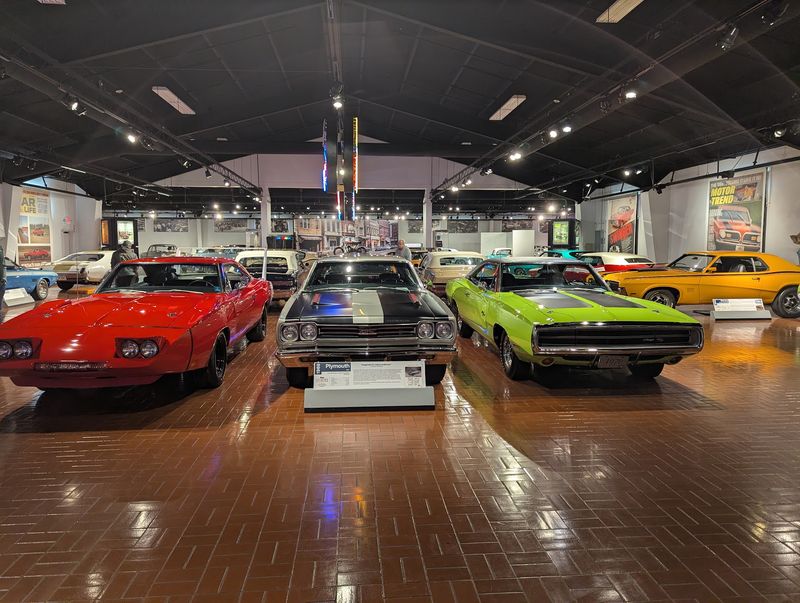
Teenagers who shrug at antique carriages tend to snap awake in this room.
The muscle car showroom celebrates America’s loudest decades, roughly 1964 through 1974, when horsepower ruled and paint colors had names like Plum Crazy and Grabber Blue.
Camaros, Mustangs, Chargers, and Corvettes sit inches apart, hood scoops aimed forward like they are still racing.
Reviewers mention this hall constantly, and two boys aged 14 and 15 named it their favorite stop of the entire day.
Fair enough.
The cars look fast standing still.
Placards explain how the horsepower war between Detroit automakers pushed engineering forward, and how fuel prices and insurance costs eventually cooled the whole thing down.
Fun bit of trivia: many of these engines were built just a few hours away in Michigan factories, making this hometown history rather than borrowed glory.
Volunteers stationed nearby love talking specs.
Ask one about a car and prepare for a genuinely enthusiastic answer.
Photographers should note the lighting here is excellent, so phone pictures actually turn out sharp.
Rare Beauties Like The Pierce-Arrow Collection
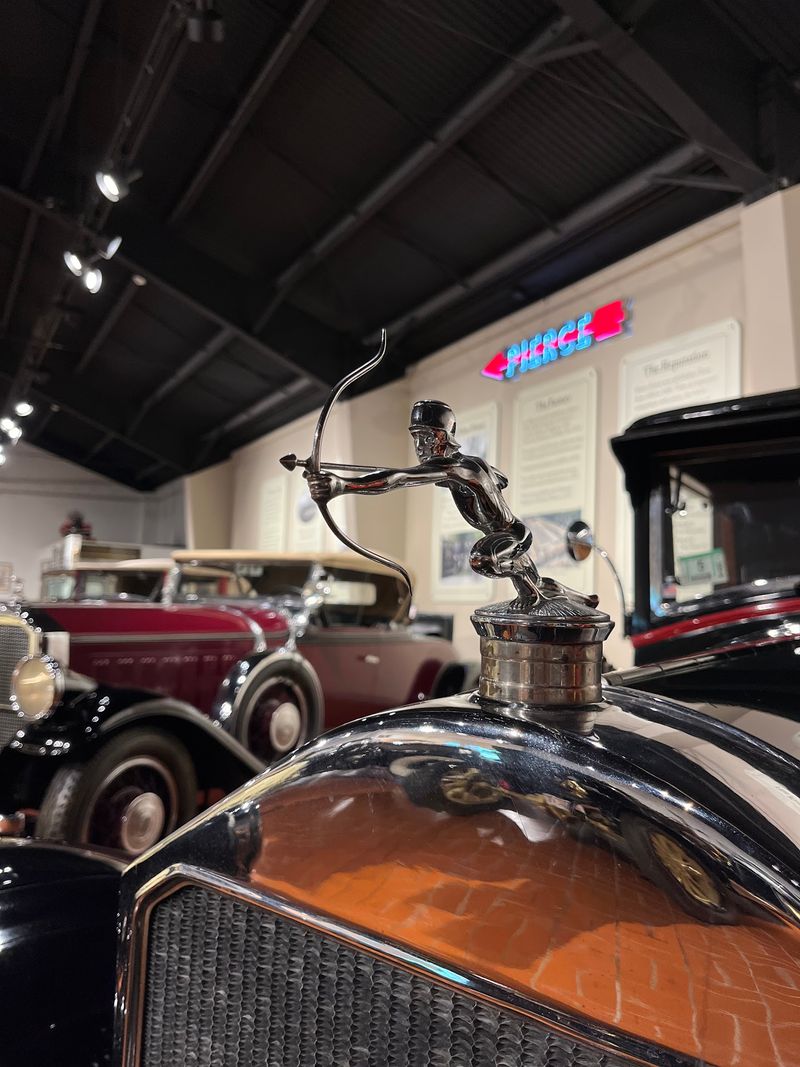
Some cars were built to move people.
Others were built to make jaws drop.
Pierce-Arrows fall squarely in the second group, and the museum’s collection of them stops visitors mid-stride.
Long hoods, sweeping fenders, and headlights molded right into the bodywork give these luxury machines a look nothing else matches.
Guests describe them with words normally saved for art museums.
Gorgeous.
Stunning.
Unreal.
Alongside them you will find Franklins, Cadillacs, Packards, and other names that once meant serious money.
Many of these cars survive in tiny numbers worldwide.
One visitor put it perfectly after a recent trip: they saw vehicles they will likely never see in person again.
Dedicated galleries also honor specific marques and eras, and rotating special exhibits keep repeat trips fresh.
Regulars mention returning yearly and always finding something new.
Take your time in these rooms.
Read the placards.
The stories behind vanished automakers explain a lot about how Michigan became the center of the car world.
Detail lovers should look at the hood ornaments.
Small sculptures, every one.
Model A And Model T Displays That Rewrite What You Think You Know
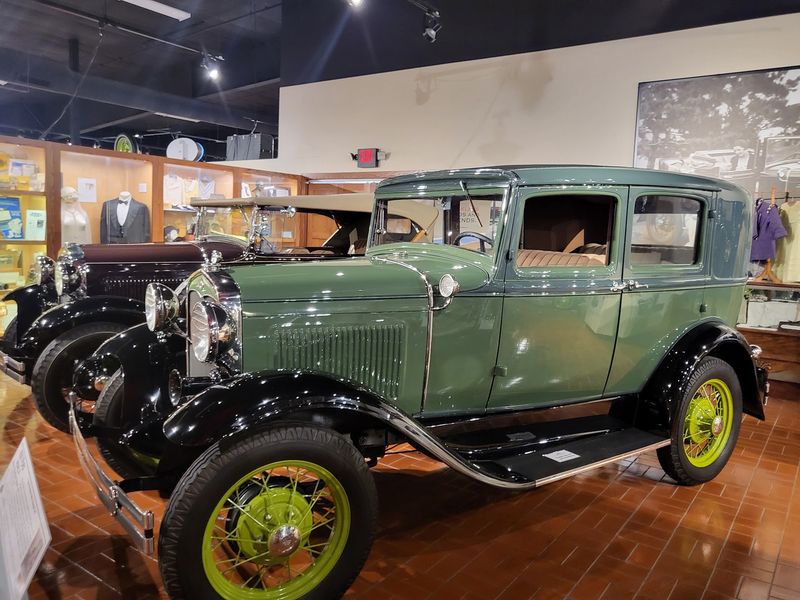
Quick quiz: which came first, the Model T or the Model A?
Most people guess wrong, and the museum’s Ford exhibit sets the record straight.
The Model T arrived in 1908 and ran until 1927.
The Model A followed, launching in 1927 with far more comfort and style.
One reviewer admitted the alphabet fooled them completely until they walked through this display.
What makes the exhibit shine is variety.
Coupes, sedans, pickups, delivery trucks, and roadsters show just how many jobs a single design could handle.
Kids gravitate here because the cars look like cartoon drawings brought to life.
Adults linger because the assembly line story is genuinely gripping.
Interactive elements help too, including a free arcade racing game that has entertained everyone from four-year-olds to grumpy teenagers.
Staff and volunteers around this section clearly love the subject.
Several are retired mechanics and hobbyists who can explain a crank start in plain language.
Budget 30 minutes minimum.
You will probably spend longer.
Wednesday Car Shows On The Lawn
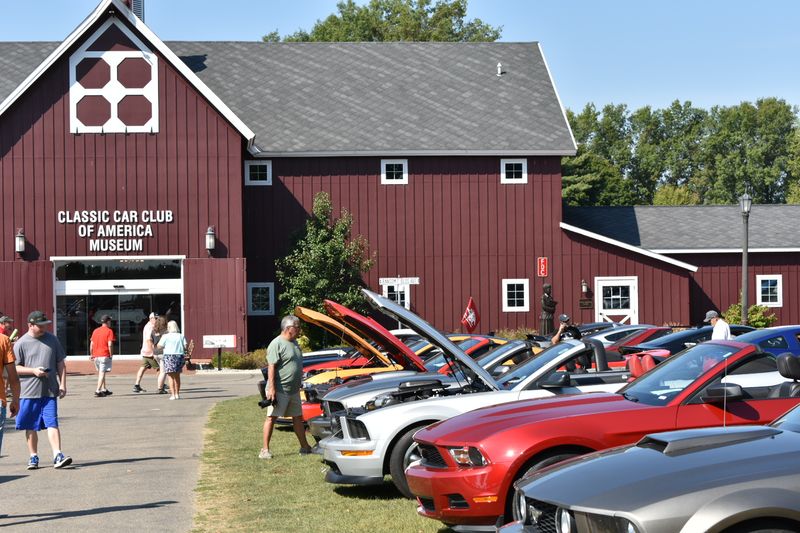
Arrive on the right day and the parking lot becomes half the attraction.
Throughout the warm months, the museum hosts cruise-ins and car shows, with Wednesday afternoons and evenings drawing regular crowds of owners and their pride and joy.
Some events top 300 vehicles.
One traveler from South Carolina stumbled into a vintage show by accident and called the whole trip worth every penny.
Owners pop hoods, share stories, and answer questions without a hint of snobbery.
That friendliness is a big part of why these gatherings keep growing.
Bring your own classic on designated days and join the fun.
Nothing beats parking a restored coupe among 400 museum pieces.
Check the official schedule at gilmorecarmuseum.org before you drive out, since events shift with weather and the calendar.
A quick call to 269-671-5089 works too.
Wear comfortable shoes.
Grass fields plus hundreds of cars equals real mileage on your feet.
Photographers, come late in the day.
Low sunlight on polished paint looks unbeatable.
Planning Your Trip To Hickory Corners
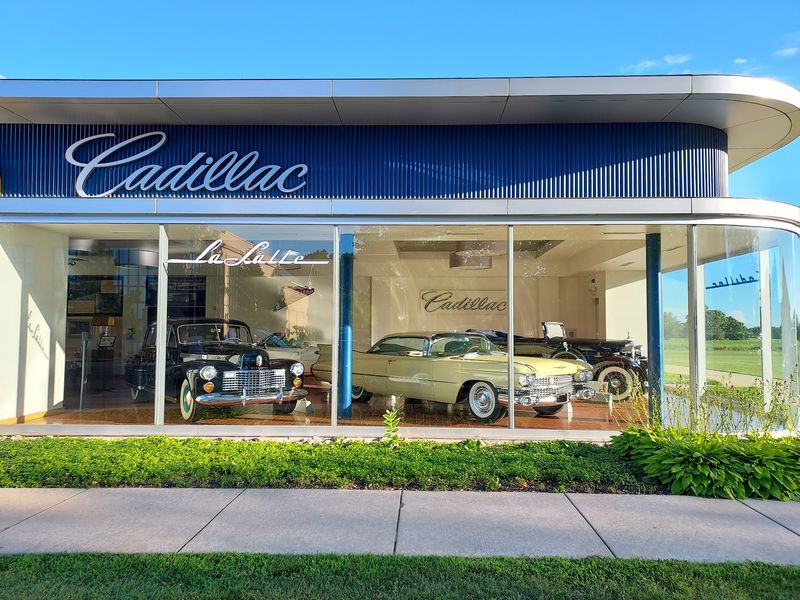
A little planning turns a good visit into a great one.
The museum sits at 6865 Hickory Rd in Hickory Corners, Michigan 49060, roughly a 20-minute drive from Kalamazoo and Western Michigan University.
Cornfields surround the property, so the setting feels peaceful and pleasantly rural.
Doors open at 9 a.m. daily, closing at 5 p.m.
Monday through Friday and 6 p.m. on weekends.
Admission runs about $20 for adults and $15 for teens, which several visitors called cheaper than expected once they saw the scale of the place.
Free car rides and the arcade game are included.
Weekday mornings bring the smallest crowds.
One family visited on a Wednesday right after opening and practically had the barns to themselves.
A gift shop, restrooms, shaded seating, and plenty of free parking round out the amenities.
Winter holds its own draw thanks to a drive-through light display synced to your car radio, plus an elf hunt inside the galleries.
Whatever season you pick, block out half a day.
You will want it.