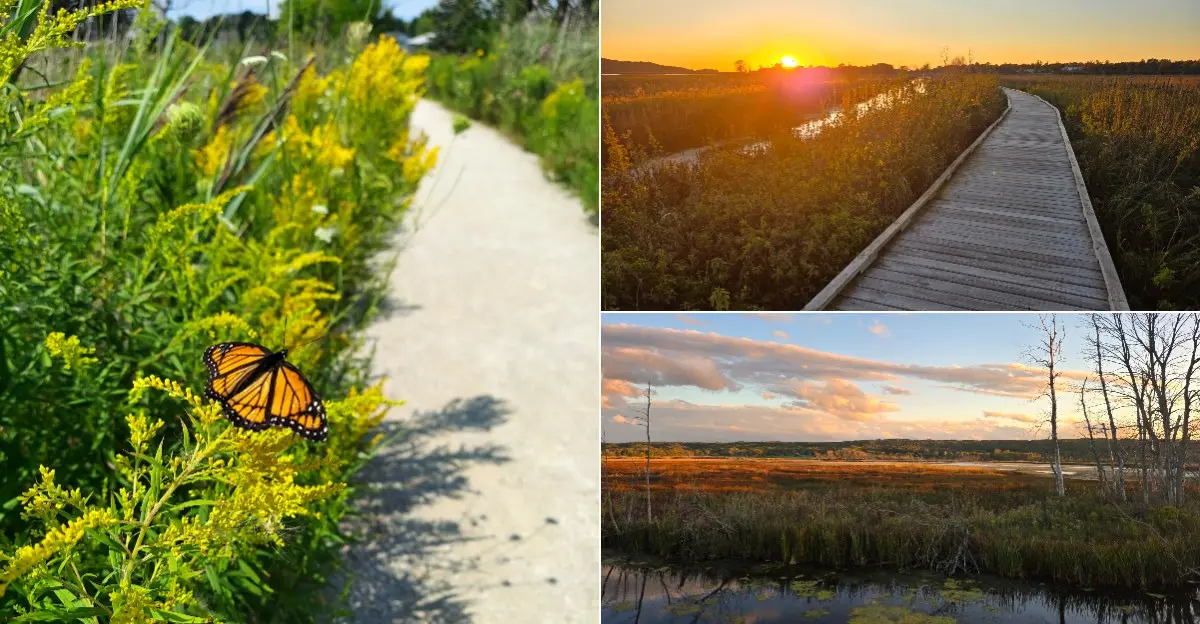
A quiet path stretching across open marsh can feel like walking right on the water.
Arcadia Marsh Nature Preserve sits near the Lake Michigan shoreline in the small community of Arcadia, Michigan.
Its accessible boardwalk and trail carry visitors through one of the region’s rare Great Lakes coastal marshes.
Cattails, open water, and wildflowers surround you, creating a peaceful and ever-changing view.
Birdwatchers love the preserve, which draws herons, waterfowl, and many other species throughout the year.
Bring binoculars, walk slowly, and let the sounds of the marsh set the pace.
A Wooden Path That Seems to Float
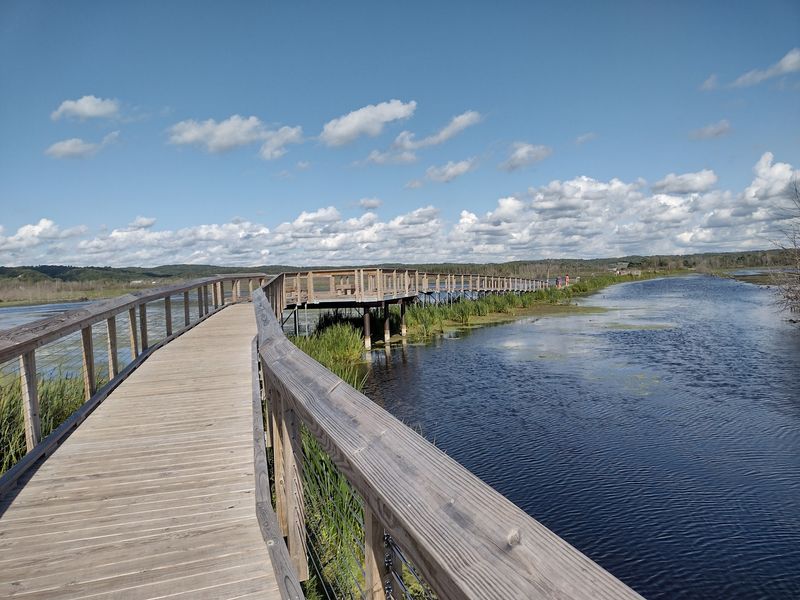
Water spreads beside your shoes, and the wooden path ahead seems to skim across the marsh. That feeling is the main attraction at Arcadia Marsh Nature Preserve, 16791 Northwood Hwy, Arcadia, MI 49613, United States. Instead of watching a wetland from its edge, you can move through it while staying on a raised boardwalk.
The views change as you walk, with reeds framing some stretches and broader pools opening beside others. On a calm day, reflections can make the sky feel twice as large. Wind adds another layer, pushing ripples across the surface and rustling the plants.
Take your first few minutes slowly rather than treating the route like a workout. Look ahead for the long line of boards, then glance sideways for movement in the water. Keep your feet on the path and avoid leaning beyond its edges for a photograph.
Some sections do not have full railings, so children need close attention throughout the walk. The best experience comes from noticing small changes rather than rushing toward an endpoint. A cloud reflection, a swimming bird, or a patch of moving reeds can turn an ordinary pause into the moment you remember most after returning home from this quiet walk across the water.
Level Walking With Room to Pause
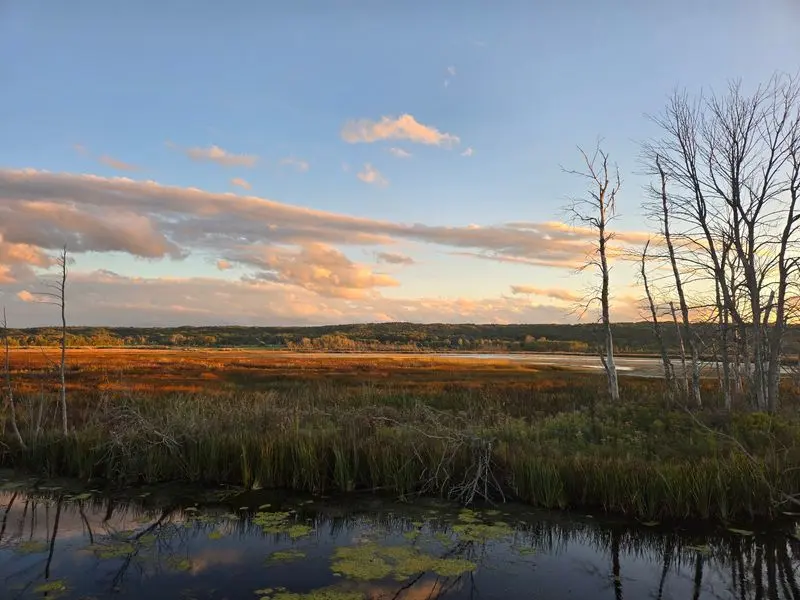
A nature outing does not have to begin with a steep climb or a muddy scramble. The level boardwalk gives visitors a way to enjoy wetland scenery without following a rough woodland trail. Its accessible design is a major reason people describe the walk as welcoming to different ages and abilities.
Benches and wider stopping areas offer chances to rest, watch birds, or let another group pass. For someone using a wheelchair or pushing a stroller, these pauses can make the outing feel less hurried. Choose a comfortable distance rather than assuming everyone needs to complete the entire route.
Visitor reports describe the full walk as roughly a mile each way, although estimates vary. Check the conservancy’s current trail information before planning around an exact distance. Seasonal closures can also affect how far you can travel.
Accessibility does not remove every outdoor challenge, especially when boards are wet or weather changes suddenly. Wear shoes with reliable grip, keep wheels away from the edges, and move carefully around other visitors. If someone in your group has specific access needs, contact the preserve manager before leaving home. A little preparation helps everyone spend less time worrying about the route and more time enjoying the view at their own pace.
Birds Turn the Marsh Into a Moving Show
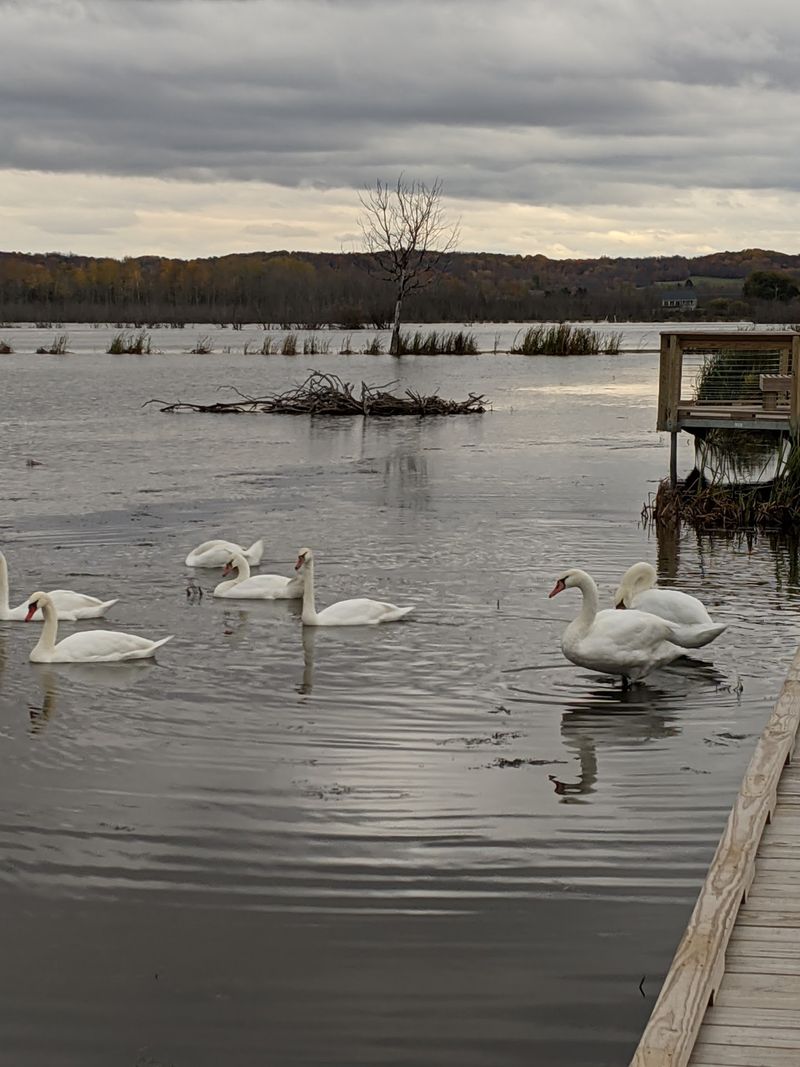
A white shape gliding between the reeds can steal your attention faster than any scenic overlook. Swans are among the birds visitors frequently mention, along with other waterfowl and a variety of smaller birds. The open marsh gives you space to watch their movements without needing to leave the boardwalk.
Bring binoculars if you have them, because a distant bird becomes much more interesting when its markings are clear. A camera with a zoom lens can help too, but ordinary phone pictures still capture the setting. Avoid moving closer just to fill the frame.
Quiet observation usually works better than constant conversation when you want to notice wildlife. Stop at a viewing area, listen for calls, and scan the water slowly from one side to the other. Sometimes you will hear birds long before you spot them.
Do not expect the same sightings on every visit, since seasons, weather, and simple luck all matter. A bird identification app or small field guide can help you name what appears. Keep recorded bird calls off, and never feed the birds to attract them. Even a visit with few sightings offers practice in noticing shapes, sounds, and behavior, which makes the next marsh walk more rewarding for curious beginners and birdwatchers alike.
Tiny Ripples Reveal Hidden Neighbors
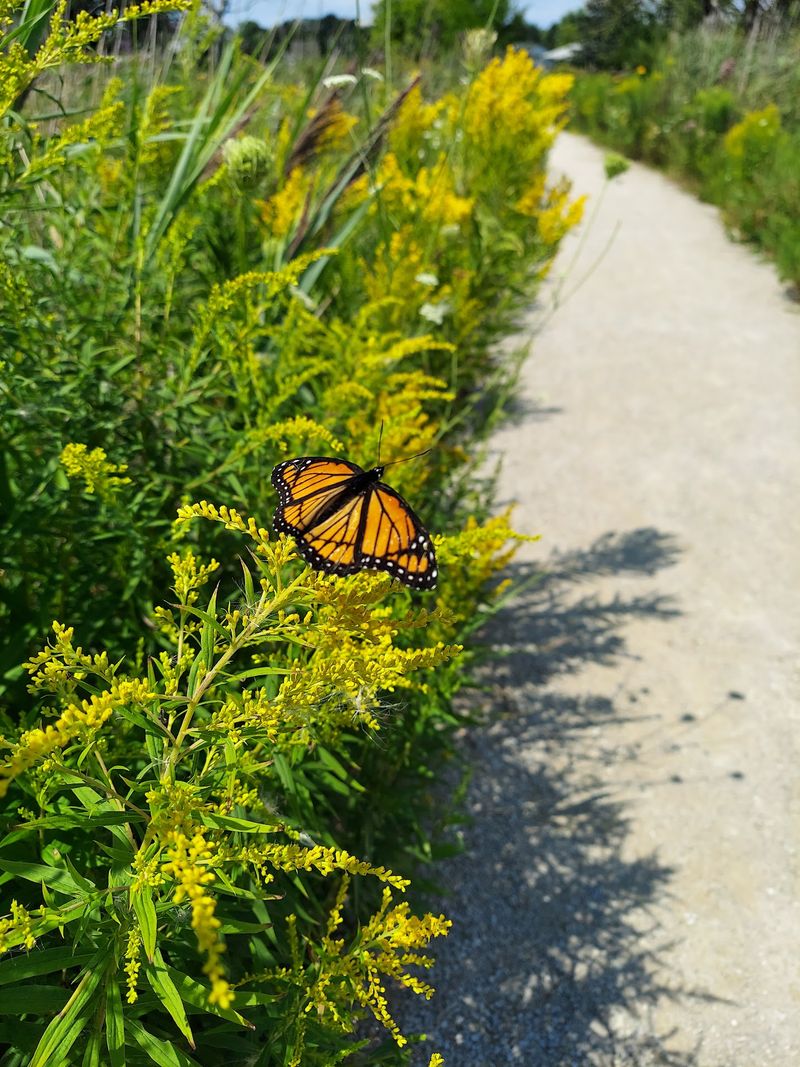
Not every marsh resident announces itself with wings or a loud call. A small ripple near the plants might be your first clue that something is moving below the view. Visitors have reported turtles, frogs, and muskrats, making careful observation part of the fun.
Look for turtles resting on logs when conditions are suitable, but remember that an empty log proves nothing. Animals move, hide, and follow their own schedules. The preserve is a habitat, not a display where every creature appears on demand.
Children can enjoy a simple spotting game that rewards patience rather than volume. Ask them to find a ripple, a floating leaf, and a place where an animal could hide. Keep guesses playful while using signs or a guide to check unfamiliar discoveries.
Never reach toward wildlife, toss food into the water, or try to lift an animal onto the path. Watching from a distance protects both the creature and your group. If the marsh seems quiet, stand still for a few minutes and study one small area instead of scanning everything at once. That slower approach often reveals details you missed while walking, from insects above the surface to a sudden trail of ripples slipping through the reeds beside the wooden boards underfoot.
Marsh Plants Make the View More Than Water
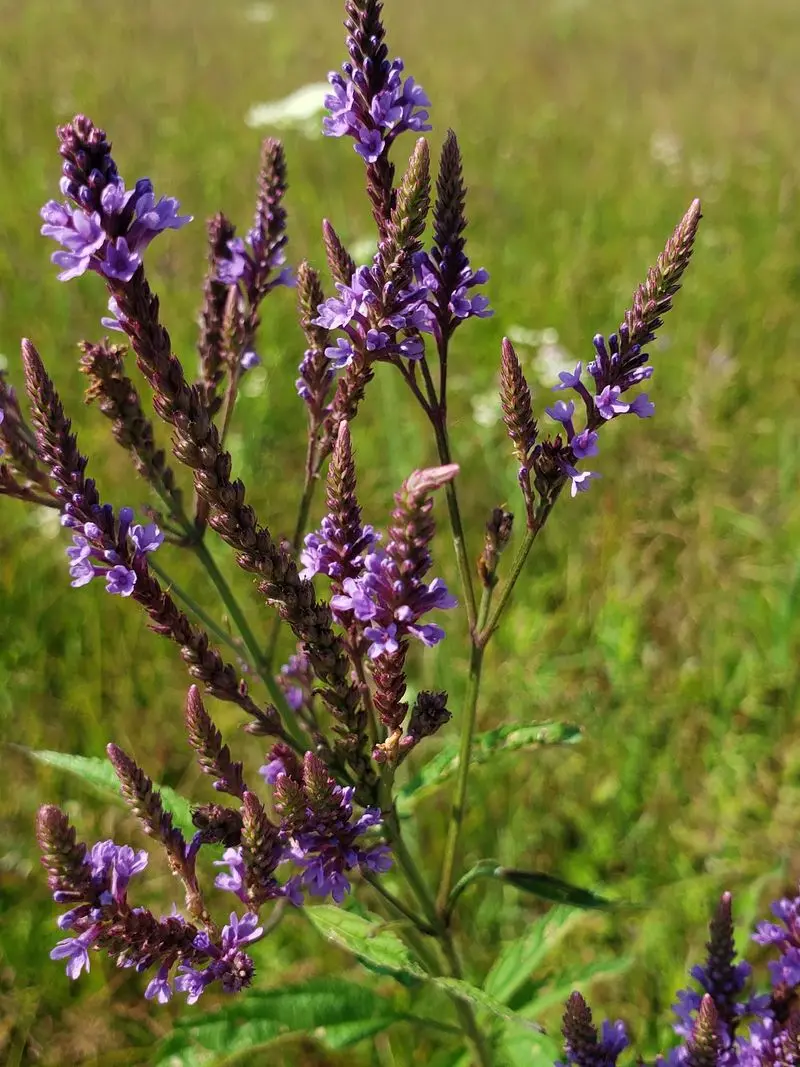
Green reeds may seem like background scenery until you watch how much life gathers around them. Marsh plants provide shelter, feeding areas, and places where wildlife can stay out of sight. They also give the landscape its changing colors and textures throughout the growing season.
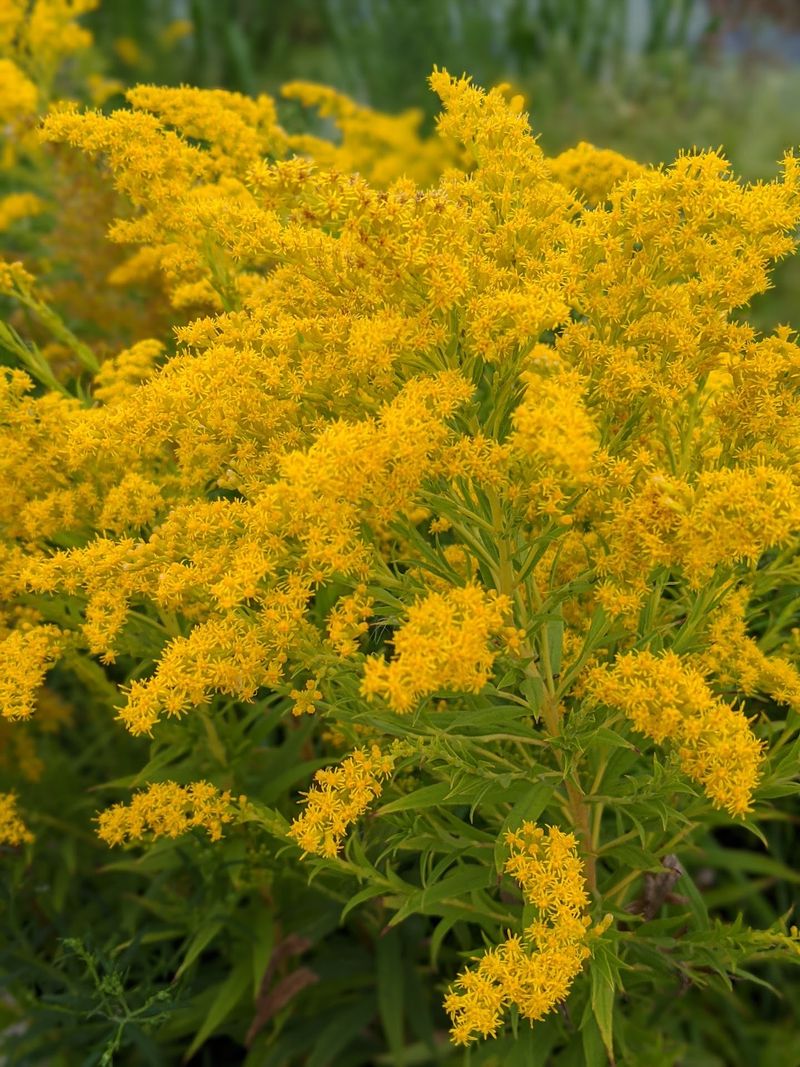
Along the boardwalk, look for differences between tall stems, broad leaves, and smaller flowering plants. You do not need to know every name to appreciate the variety. Notice which plants stand in water and which grow near slightly higher ground.
Wetlands help slow moving water, trap some sediment, and support food webs that connect insects, fish, and birds. Those jobs make the marsh valuable beyond its pretty views. Protecting the plants helps protect the wider community of living things around them.
Use the educational signs to connect what you see with how the habitat works. Take pictures of interesting leaves or flowers instead of picking them, and keep all feet and wheels on the boardwalk. Even a short step into the vegetation can disturb fragile ground or hidden wildlife. For a simple family activity, compare three different plant shapes and discuss what each might offer an animal. The exercise turns a stretch of greenery into a living neighborhood with shelter, food, and seasonal changes.
Changing Light Gives Every Walk a Different Mood
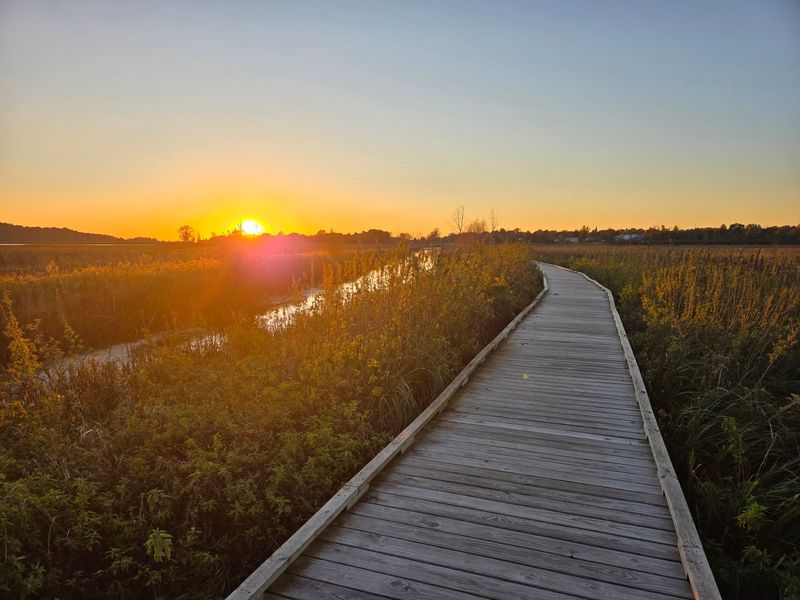
The same stretch of boards can feel fresh in morning light and warm beneath an evening sky. Open water reflects passing clouds, while reeds catch sunlight from different angles as the day changes. That shifting light helps explain why visitors often return for another walk.
For photographs, pause where you can stand safely without blocking people behind you. Try including the boardwalk in your picture so its lines lead the eye toward the marsh. Another option is a closer view of water reflections or plants moving in the breeze.
Bright conditions can produce glare, so sunglasses and a brimmed hat are useful additions. Much of the route is exposed, making sunscreen and drinking water sensible even for a relaxed outing. Wind can feel cooler over the wetland than you expect near the parking area.
Late light may be beautiful, but do not assume you can remain until after sunset. Check current opening hours and leave enough time to return before closing or darkness. The supplied listing shows daily hours of seven in the morning to eight at night, but schedules can change. A memorable photograph is never worth rushing along dim boards or ignoring a posted gate. Plan around safe daylight, then let the sky provide its own finishing touch.
Nesting Season Sets the Route
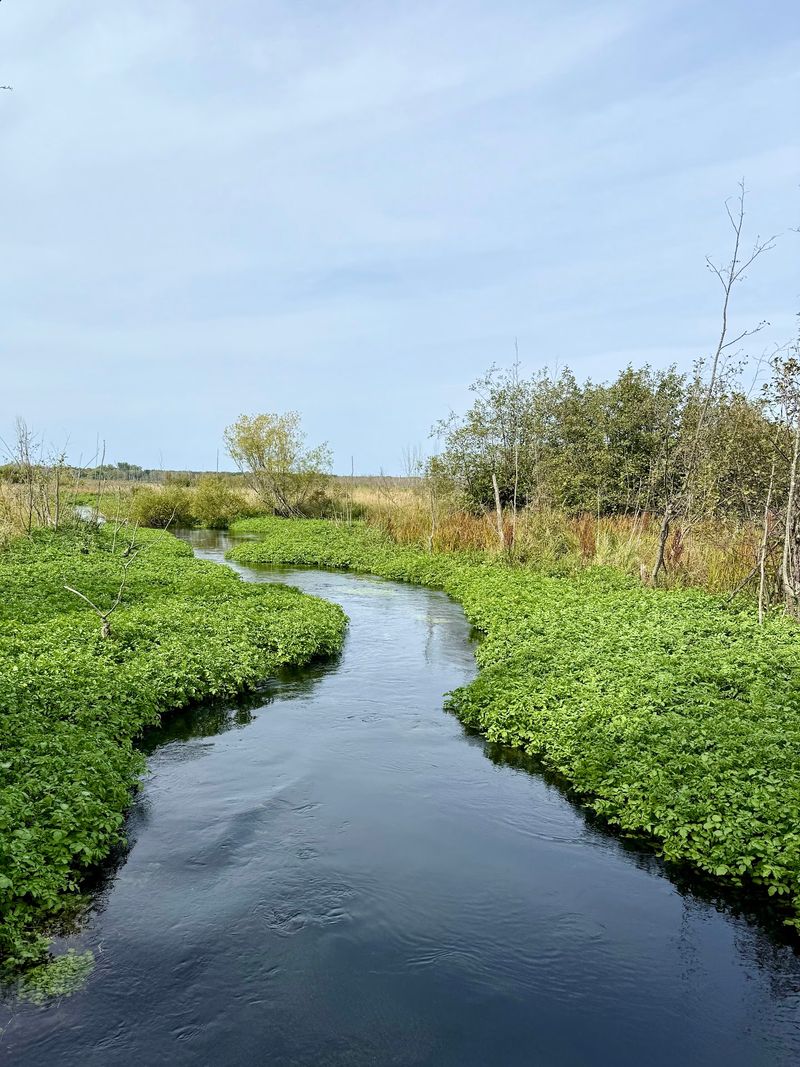
A closed gate can be a sign that the marsh is doing exactly what it should. During nesting season, part of the boardwalk may close to give birds space while they raise their young. Visitors report spring and early summer restrictions, but current dates should come from official notices.
Check the Grand Traverse Regional Land Conservancy website before traveling, then read the signs when you arrive. Do not rely on an older review to decide whether the full route will be open. Weather, habitat needs, and management decisions can affect access.
If you reach a barrier, turn around rather than trying to continue beside it. The open portion can still offer water views, wildlife watching, and places to pause. A shorter walk is not a failed visit when it helps protect the animals you came to see.
Keep voices low near wildlife, avoid playing music, and give birds plenty of room. Visitor information also reports that dogs are not allowed on the boardwalk, so check the current rules and leave pets at home. Explain these limits to children as a way of being a good guest in another creature’s home. Respecting one gate or rule may seem small, but those choices help keep the marsh welcoming for future nesting seasons.
Simple Preparation Keeps the Outing Relaxed
The most useful packing list here is short enough to remember without a shopping trip. Bring water, comfortable shoes, sun protection, and a light layer for changing weather. Binoculars add enjoyment, while insect repellent can help when bugs are active.
Use a restroom before arriving rather than counting on facilities at the entrance. Visitors report no restroom on the highway side, and amenities should be confirmed before your trip. Families with young children will appreciate handling that detail before the walk begins.
Admission is reported as free, which makes a brief stop easy to fit into a day. Still, check the official preserve page for current access information, rules, and any notices affecting parking. Allow extra time for watching wildlife instead of planning only around walking speed.
Choose a turnaround point that suits the least comfortable walker in your group. Keep snacks packed unless posted rules allow them, and carry every wrapper back out. Before leaving, take one final look across the water without your phone in front of your face. The lasting reward is often not a perfect photograph or a long checklist of animals, but the feeling of having slowed down somewhere alive with movement. That is what makes this boardwalk worth approaching with curiosity rather than hurry.