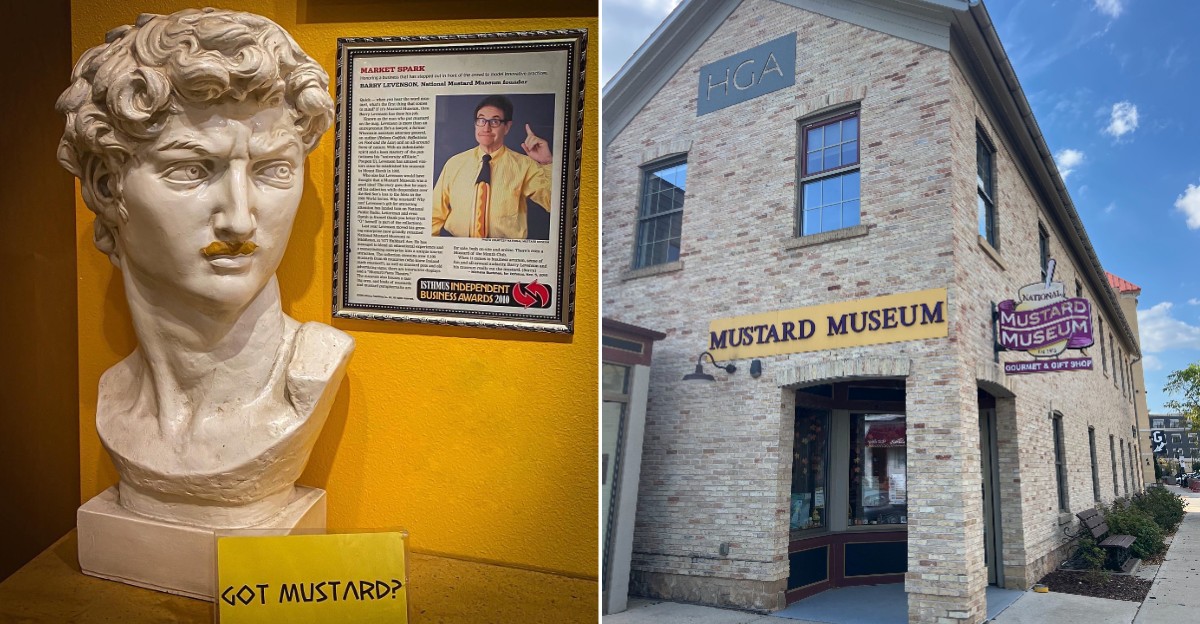
A jar of mustard can seem like an unlikely museum centerpiece—until you walk into a room filled with thousands of them. The National Mustard Museum turns a familiar condiment into an unexpectedly entertaining look at food, history, packaging, and the people who have enjoyed mustard around the world.
Despite its Mount Horeb connection in the title, the museum is now located at 7477 Hubbard Ave in Middleton, Wisconsin.
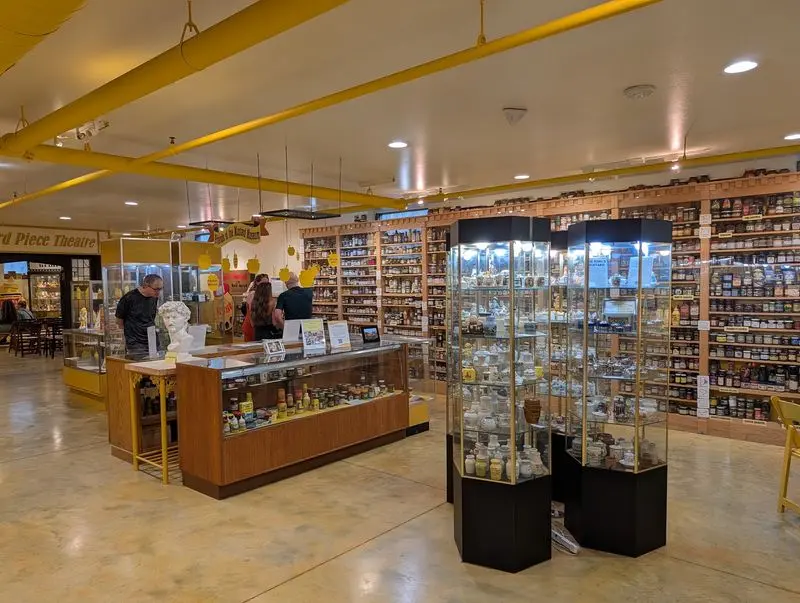
Inside, shelves and displays reveal colorful jars, unusual labels, vintage advertisements, and mustard varieties from different places and eras. The collection is playful without losing its historical side, making it easy to spend more time browsing than you might expect.
There is also a chance to sample and shop for mustards, giving the visit a flavorful ending.
If you enjoy quirky museums with plenty of visual surprises, the National Mustard Museum offers a memorable stop in Middleton. Here’s what you can discover once you step inside.
A Pantry That Keeps Going
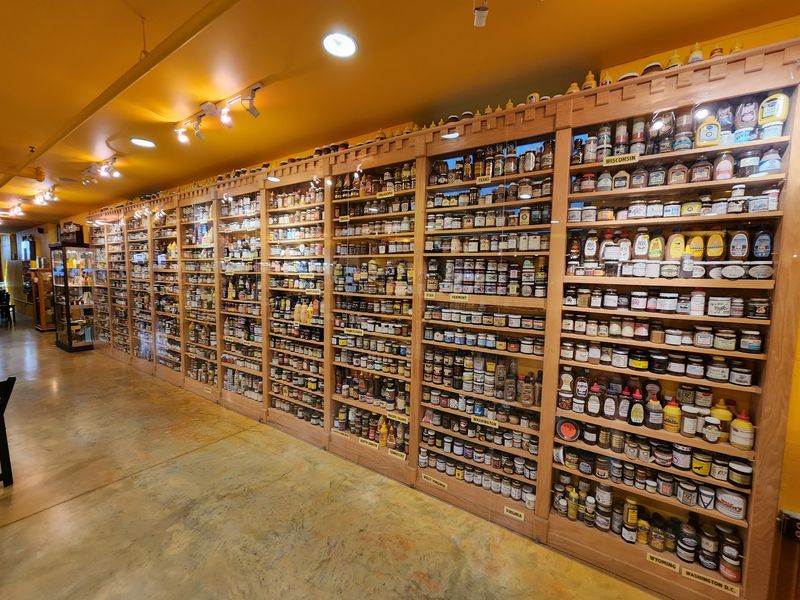
At first, the rows of jars look like somebody stocked a pantry and forgot when to stop. Colors and labels pull your eyes in different directions, and it takes a moment to realize how much there is to see.
At the National Mustard Museum in Middleton, that first surprise is part of the fun.
The main floor has a shop and tasting area, while the museum exhibits are downstairs. Give yourself time to explore both, since the displays offer a different experience from the shelves of mustard you can buy.
One is about stories and objects; the other lets you imagine what might taste good on your next sandwich.
Before picking up a shopping basket, head downstairs and look around without rushing. Notice the labels, the containers, and the jokes tucked into the displays.
Then return upstairs with a better sense of what catches your interest. It is an easy way to turn a quick stop into a small adventure, even if you arrived thinking you knew everything about mustard.
You might be surprised by how long you linger over a single shelf.
A Baseball Loss and a Big Idea
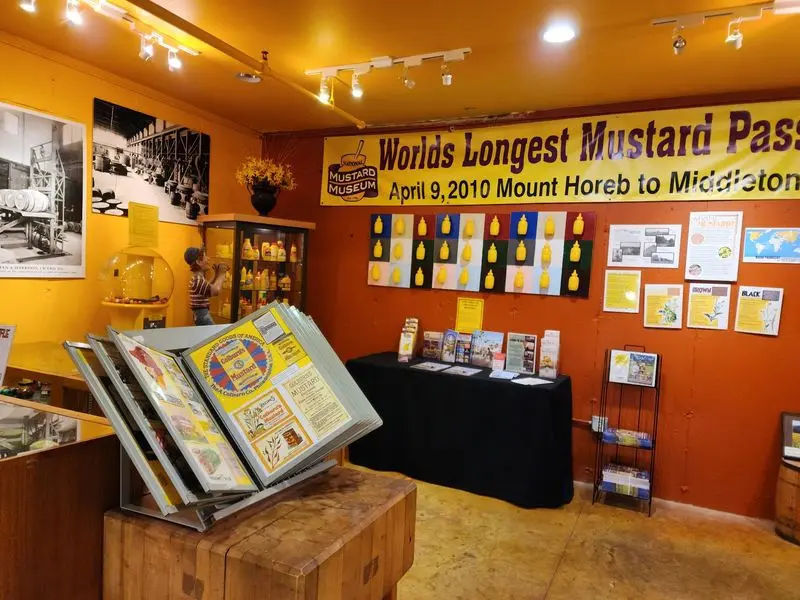
Some collections begin with a careful plan. This one has a baseball story behind it.
After the Boston Red Sox lost the World Series in 1986, founder Barry Levenson found himself looking at mustard in a supermarket, an odd moment that helped spark a lasting interest.
His growing collection became a museum that first opened in Mount Horeb in 1992. Today, visitors find it at 7477 Hubbard Ave in Middleton.
That move matters if an old article or the title of this story sends you looking in the wrong town, so check the current address before setting out.
The origin story gives the exhibits a personal touch. As you walk past the jars, remember that a hobby can start with one curious choice and grow into something other people enjoy.
Families might ask each other what everyday object they would collect if they could build a museum. You do not need to follow baseball to appreciate the answer here: an ordinary grocery shelf inspired a place that invites strangers to laugh, learn, and compare flavors together.
Jars from Far Beyond Wisconsin
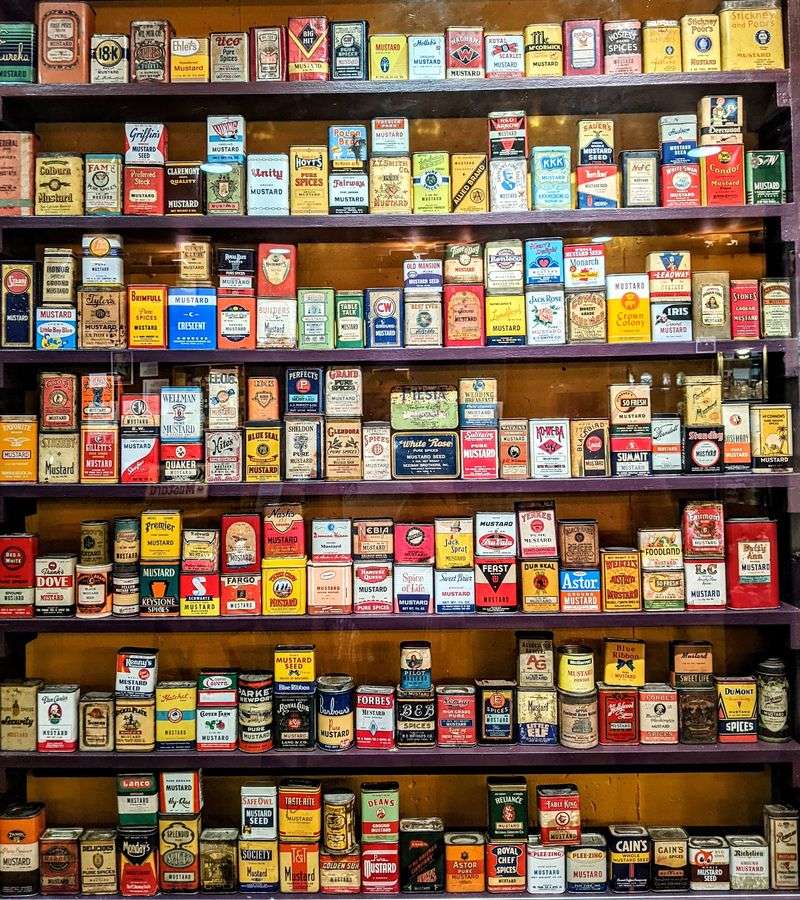
One small jar can tell you where it came from before you ever open it. Names, colors, and package designs hint at food traditions from places far beyond Wisconsin.
Downstairs at the National Mustard Museum, the large collection makes that idea easy to see.
Mustards from every U.S. state and many countries fill the displays, so try exploring them like a map instead of counting jars. Look for a place you have visited, then find one you know little about.
Even without tasting the exhibits, you can spot differences in labels and notice how a familiar food changes across borders.
Parents can turn this into a simple game: choose a country and ask what meal might go well with its mustard. There is no need to get every guess right.
The point is to see how cooks use a basic ingredient in many ways. Save the flavor testing for the tasting bar upstairs, where staff can help you find something to sample.
By the time you leave the cases, plain yellow mustard may seem like just the first page of a much bigger menu.
Tiny Pots with Long Memories
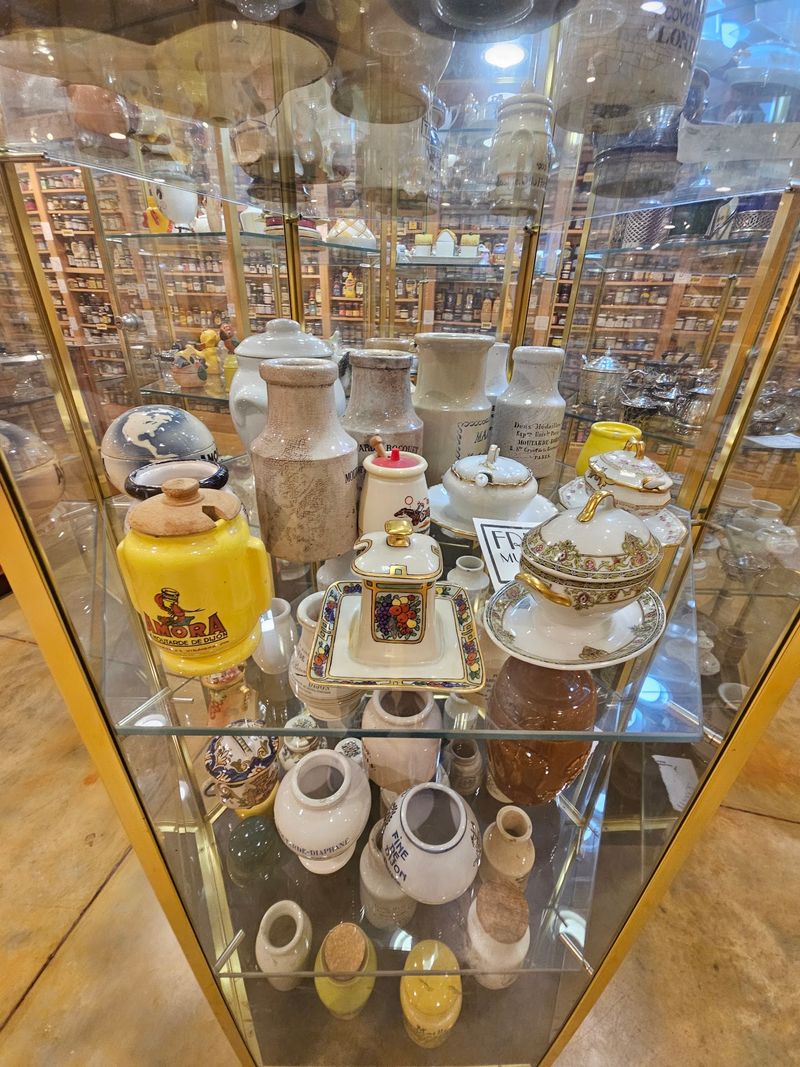
A little serving pot can make an everyday dinner feel surprisingly grand. Among the mustard jars, the museum displays older objects that show how people once stored, served, and sold this condiment.
Silver and porcelain mustard pots offer a striking change from the squeeze bottles most of us keep at home.
At the National Mustard Museum, take a close look at the shapes and materials of these pieces. Some were made to sit on a dining table, while old tins and advertisements speak to another side of mustard history.
Together, they show that packaging has always helped catch a shopper’s eye.
Try choosing one object you would put in your own kitchen and one that seems almost too fancy to use. It is a playful way to notice details you might otherwise pass by.
If you are visiting with children, ask them to imagine opening a jar without a modern lid. The answer may lead to a good conversation about how much ordinary household tools have changed.
Here, the history is small enough to fit beside a plate, but interesting enough to hold your attention.
The Tasting Bar Changes Minds
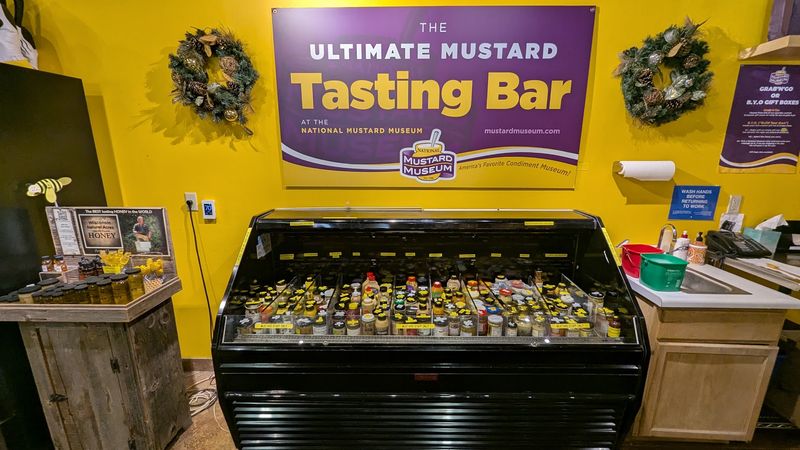
Then comes the moment when looking is no longer enough. Upstairs, the tasting bar lets visitors try mustards before deciding what belongs in the shopping bag.
A mild sample can lead to a spicy one, and a sweet flavor might win over someone who thought they disliked mustard.
The staff at the National Mustard Museum can help you choose among the options available that day. Start with familiar flavors, then ask for something unexpected, such as a fruit blend or a sharper style.
Take small tastes and pause between them, so the heat from one sample does not hide the next.
If you plan to buy a jar, think about the food you actually make at home. A mustard you love on a pretzel might also work in a sandwich, salad dressing, or egg salad.
Visitors have praised the chance to sample before buying, which takes much of the guesswork out of choosing. Keep an open mind, but listen to your own taste buds.
The most unusual label is not always the jar you will want to open again next week.
A Gift Shop with a Sense of Humor
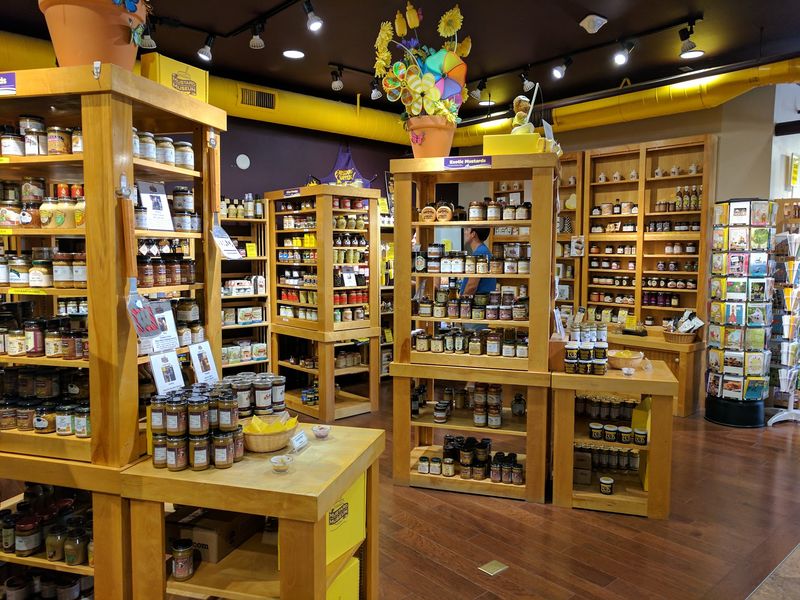
Shopping here can feel like choosing a present from the world’s most specific wish list. Mustard jars line the shelves, but they are not the only things competing for your attention.
The National Mustard Museum also stocks other sauces and playful gifts, including items tied to its joking Poupon U theme.
After tasting, return to any flavor you liked before reaching for a bottle. Check the label for heat level and ingredients, especially if you are buying for someone with food allergies or strong preferences.
A small jar with a story behind it can make a more thoughtful gift than the wildest flavor on the shelf.
The shop is also a good place to notice the museum’s lighthearted personality. You can take the history seriously while still laughing at a condiment joke.
If luggage space is tight, choose one mustard you know you will use rather than several you might forget in the cupboard. Ask staff for help narrowing the options; they spend plenty of time around these jars.
Leaving with the right one lets the visit continue when you finally open it at home.
A Summer Day Devoted to Mustard
Most museum visits fit neatly into an afternoon. On National Mustard Day, the excitement can spill beyond the doors.
The annual celebration is traditionally held on the first Saturday in August and gives mustard fans another reason to gather around the museum in Middleton.
Food, games, and music have been part of the festival, though the exact lineup can change from year to year. If you are planning a special trip, check the museum’s current event information before you leave home.
Arriving early may also make it easier to look through the exhibits before joining the outdoor activities.
There is something funny and sweet about seeing a whole crowd celebrate a condiment. You can try a mustard on a familiar snack, watch families join the fun, and then step inside to learn why the collection exists.
Festival day suits visitors who like a lively scene; a regular day may be better if you prefer quiet time with the displays. Either way, the event shows how a small museum can bring people together over something they once barely noticed on their plates.
More Than Something for a Hot Dog
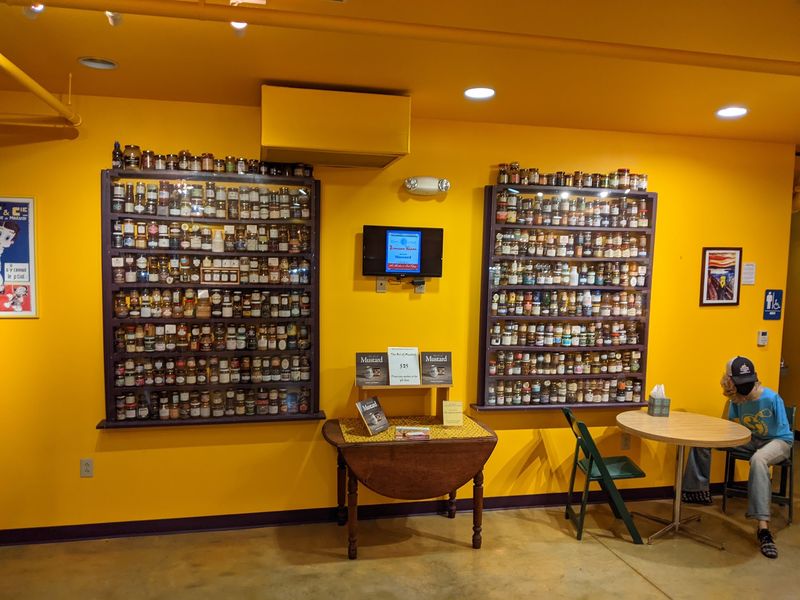
Imagine finding out that a food you know well has lived several other lives. Mustard has a history beyond sandwiches, and the museum’s exhibits look at how it has been made and used over time.
Displays about seeds and older customs can turn a familiar flavor into an unexpected lesson.
At the National Mustard Museum, read a few signs instead of trying to absorb every fact at once. You may encounter accounts of historical home remedies, including mustard baths.
Treat those stories as history, not health advice. They are interesting because they reveal what people once believed and how the place of mustard in daily life has changed.
If a child asks where mustard comes from, use the exhibits to start with the plant and work toward the jar. That simple path makes the information easier to remember.
The museum also has a small theater area that can add another break from reading displays. Even visitors who only came for samples may find themselves staying to learn why this sharp little ingredient has held people’s attention for so long.
The Joy of a Museum That Knows Its Joke
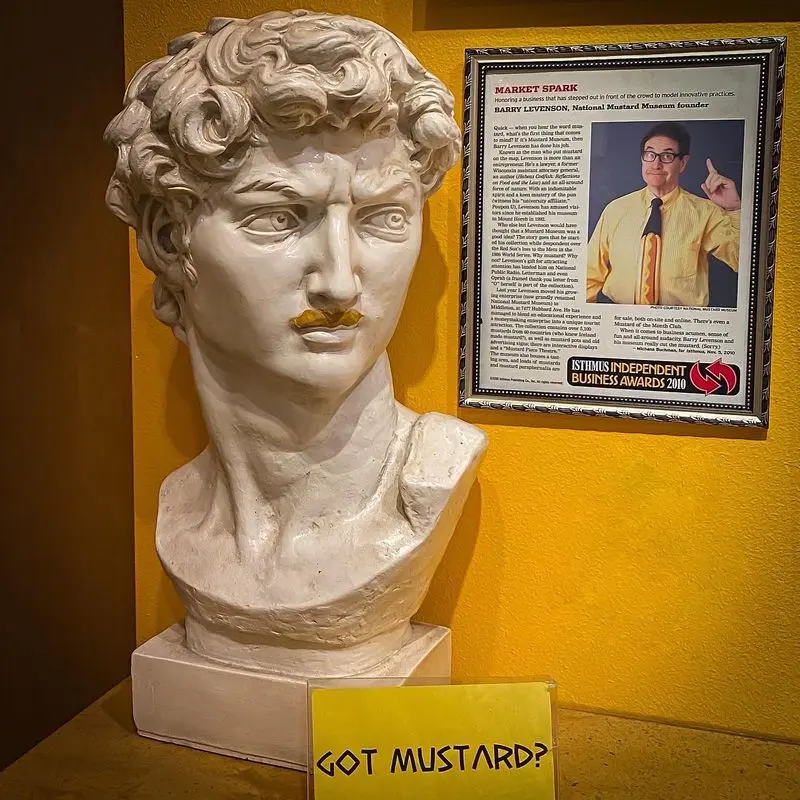
Not every museum asks you to keep a straight face. Here, a wall of mustard can be impressive and funny at the same time.
The National Mustard Museum leans into its unusual subject, mixing a serious collection with signs and displays that invite a smile.
That balance makes the place welcoming even if you are not a devoted mustard fan. You can spend time comparing labels, read a bit of history, and laugh at a joke without feeling that there is a correct way to visit.
Admission is free, so a short stop can feel as worthwhile as a longer look around.
Bring someone whose tastes differ from yours and see which display gets them talking. A road-trip break often becomes more memorable when both people leave with a story to tell.
Rather than rushing to the tasting counter, let the museum’s odd little details set the pace. You might leave knowing more about mustard, but the stronger memory may be the pleasure of finding a place that cares deeply about its subject and still knows how to have fun with it.
An Easy Stop to Plan Well
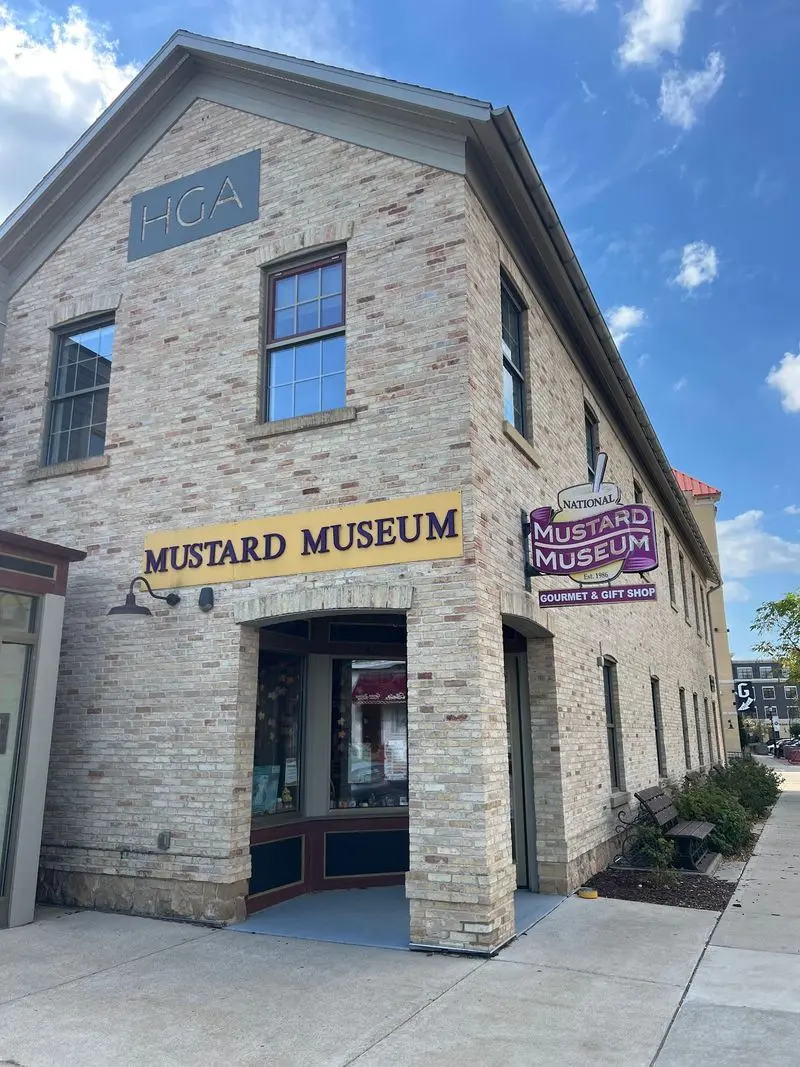
A good detour should not require a complicated plan. The National Mustard Museum sits at 7477 Hubbard Ave in Middleton, not in Mount Horeb, where it first opened years ago.
Put the Middleton address into your map before driving, especially if the older location appears in a story you have read.
Admission is free, and the museum’s posted regular hours are 10 a.m. to 5 p.m. daily. Hours can change for holidays or events, so check the official website before making a long trip.
Allow about an hour if you want time for both the downstairs exhibits and upstairs tasting, with extra time if you enjoy reading every display.
Visitors who need step-free access can use an elevator between floors, but it is still smart to contact the museum about any specific needs. Free parking has been reported nearby, and the museum is in a walkable part of downtown Middleton.
You do not have to buy anything to enjoy the visit. Come ready to look closely, try a flavor or two, and leave with a better story than the one you expected from a mustard museum.