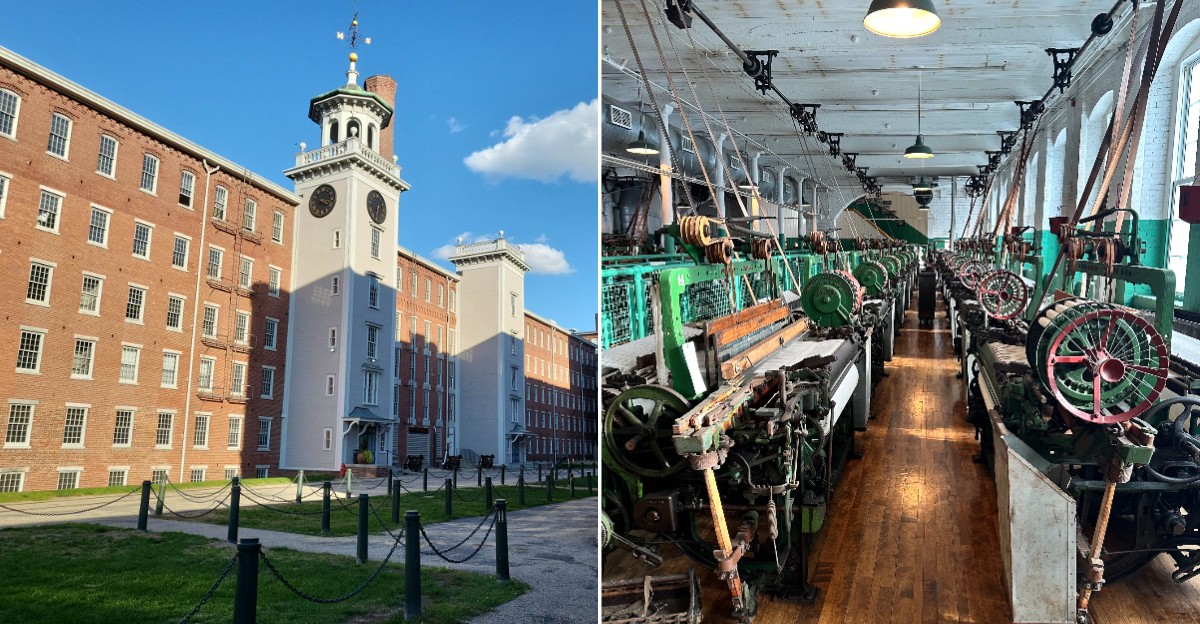
Dozens of century-old power looms still clatter to life on one museum floor, and the staff hands out earplugs for a reason. The racket is real.
The machines are real too.
Those looms are Draper Model E machines dating from roughly 1913 to 1921. They sit inside a brick mill complex founded in 1835.
It might be hard to imagine working a full shift beside them, yet thousands of people once did exactly that.
Upstairs, the story keeps going with hands-on exhibits, oral histories, and a film about the farm-or-factory debate. Kids can try carding cotton and making thread.
Adults can try not getting lost in the details.
This is a Massachusetts museum that lets you hear history instead of just reading about it.
Grab Those Earplugs Because The Weave Room Means Business
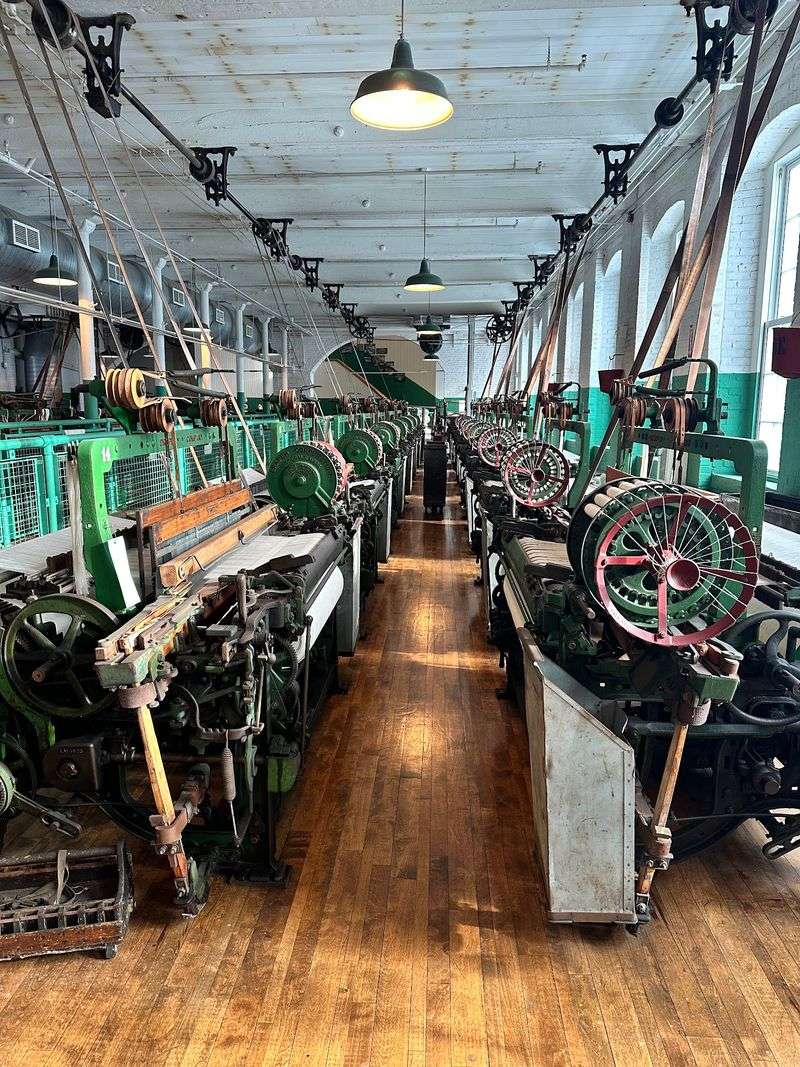
Earplugs at a museum sound like a joke until the looms start running. At the Boott Cotton Mills Museum, the first-floor weave room is the star of the show, and it does not whisper.
The room recreates a 1920s-era mill floor packed with operating power looms. Depending on the source, you’ll find somewhere between 85 and 98 machines in the space.
Only some run during demonstrations, and that’s plenty.
Rangers and weavers lead interpretive demos that explain how the machines work. They also share what daily life looked like for the people who tended them.
The sound fills the room fast, so those earplugs earn their keep.
I believe this is the smartest way to teach industrial history. Reading that mills were noisy is one thing.
Feeling the noise press against you is something else entirely.
Here’s a practical tip for timing. Plan your visit so you catch a demonstration rather than wandering past silent machines.
Ask at the front desk about the schedule when you arrive.
Then stand still for a minute and just listen. Multiply that clatter by every floor of the original mill.
Suddenly a twelve-hour shift sounds like a very long day.
Those Clattering Machines Are Older Than Your Great-Grandparents
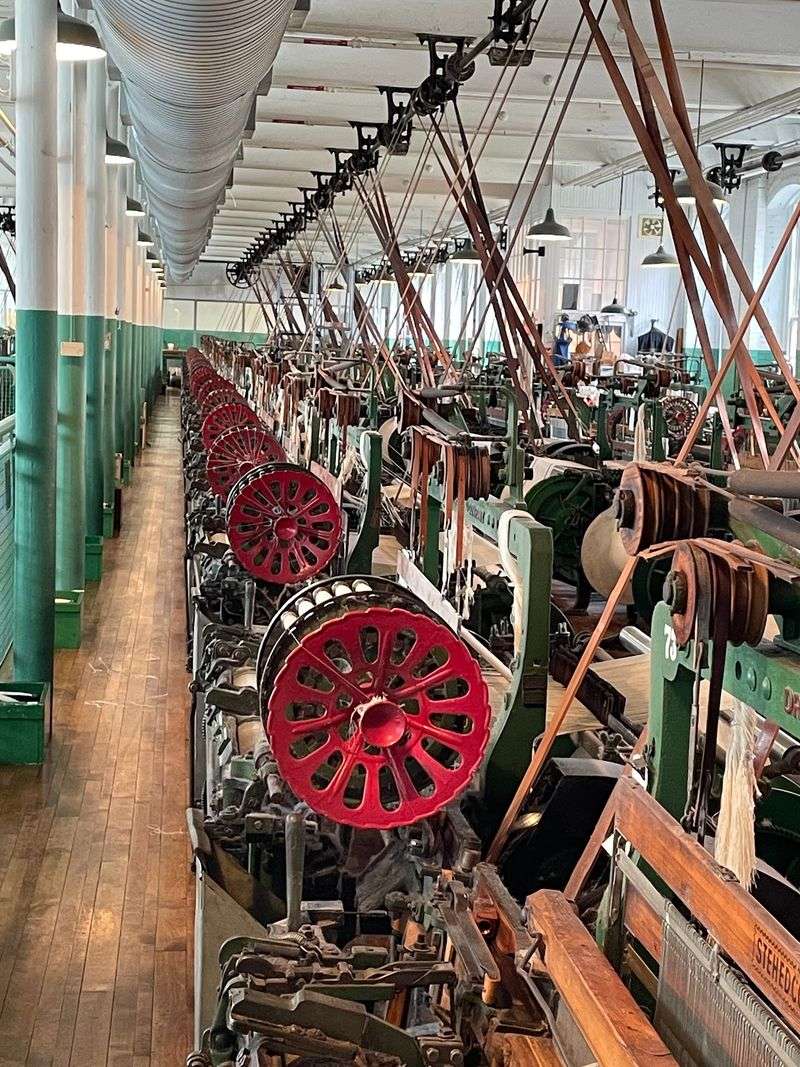
Some museum pieces sit behind glass and collect dust. The Draper Model E looms here get switched on and put to work.
These electrified machines date from around 1913 to 1921. That means they’ve been weaving cloth for over a century.
Not bad for something that predates sliced bread.
Draper looms were a big deal in their day. They helped American mills speed up production and cut down on hand labor.
Seeing them move shows you exactly why factory owners loved them.
Watch the shuttles fly back and forth across the threads. Notice how fast the fabric builds up, row after row.
It’s oddly hypnotic once your ears adjust.
Staff members sometimes explain how operators kept the looms fed and running. Thread had to be replaced, and problems had to be fixed quickly.
One stalled machine meant lost cloth and lost pay.
If you have a curious kid, this is the moment to let them ask questions. Rangers here are known for being patient and knowledgeable.
A good question can turn a quick look into a mini lesson.
Honestly, a few minutes beside these machines teaches more than a whole textbook chapter. Engineering nerds, consider yourselves warned.
Head Upstairs For The Story Of An Entire American City
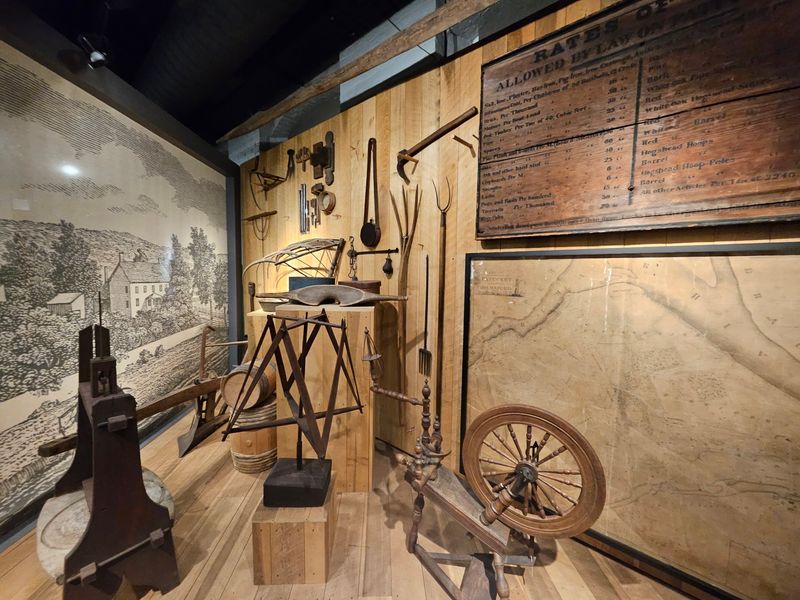
Lowell gets credit as the first successful planned industrial city in the United States. The upstairs exhibit, called Lowell: Visions of Industrial America, explains how that happened.
The story runs from the 1700s all the way to today. It covers inventions, money, workers, and the big changes that followed.
Think of it as a city biography with machines for supporting characters.
Personal stories are a big part of the experience. Oral history videos let former workers and residents speak in their own words.
Those voices make the past feel close and human.
The Lowell’s Heyday section focuses on textile production at its peak. You’ll find an 1800s mill model, displays on technology, and details about factory jobs.
There’s also information on how cloth was sold and shipped.
Later sections trace the decline as mills shut down. Then the exhibit shows how Lowell worked to bounce back.
It’s a story about grit as much as gears.
Give yourself real time up here. Many people rush the galleries after the loud weave room.
Slow down, read a few panels, and let the details connect.
The building itself becomes part of the lesson as you explore.
Little Hands Get To Card Cotton And Spin Some Thread
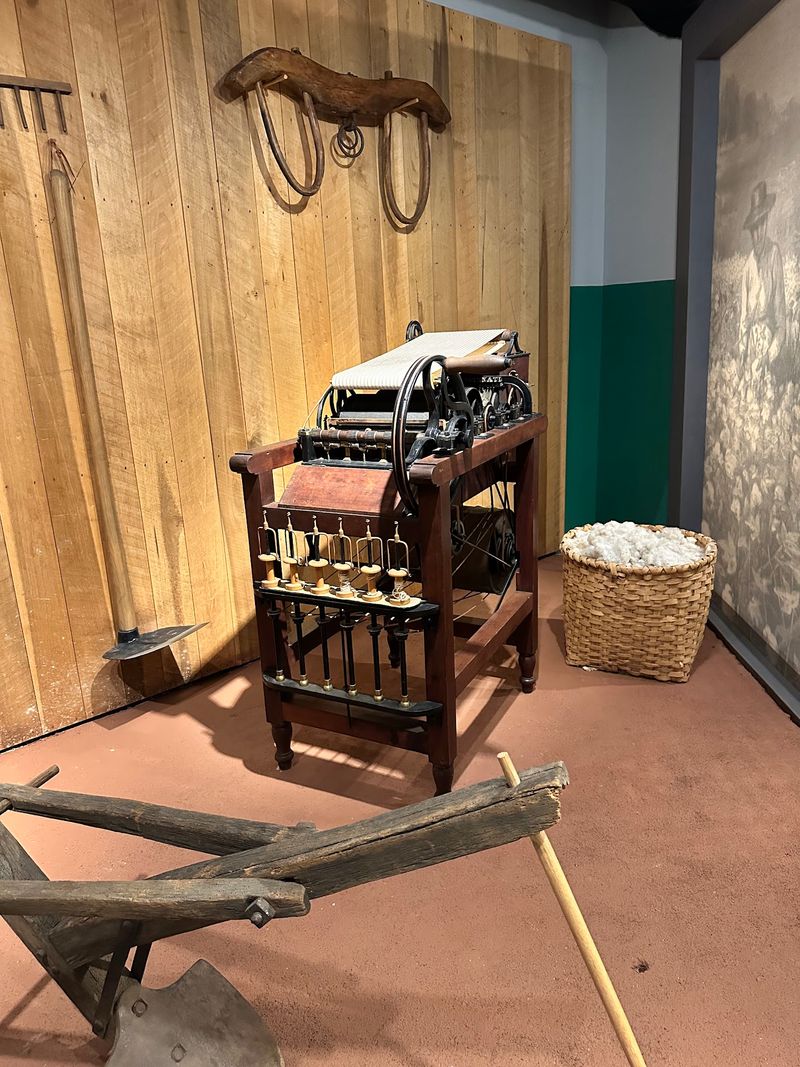
Kids who claim museums are boring may need to eat their words here. The Boott Cotton Mills Museum packs its upper floor with activities made for touching.
Visitors can try carding cotton, which means combing the fibers so they line up. Then they can practice making thread and even cloth.
It’s a quick lesson in how much work hides inside a simple T-shirt.
Another activity puts players in charge of city planning challenges. You get to wrestle with the same kinds of problems Lowell faced as it grew and changed.
Spoiler alert, running a city is tricky.
These hands-on stations break up the reading nicely. Younger visitors stay busy while older ones study the displays.
Everyone wins, including tired parents.
My advice is simple. Let kids try every station, even the ones that look plain.
The cotton bits feel totally different once you know what they become.
School groups also have a special option nearby. The Tsongas Industrial History Center offers workshops for grades four through twelve, with role-playing and hands-on programs.
Teachers in Massachusetts and beyond use it for field trips.
Curiosity is basically required equipment for this floor.
Farm Or Factory Was The Big Question Back Then
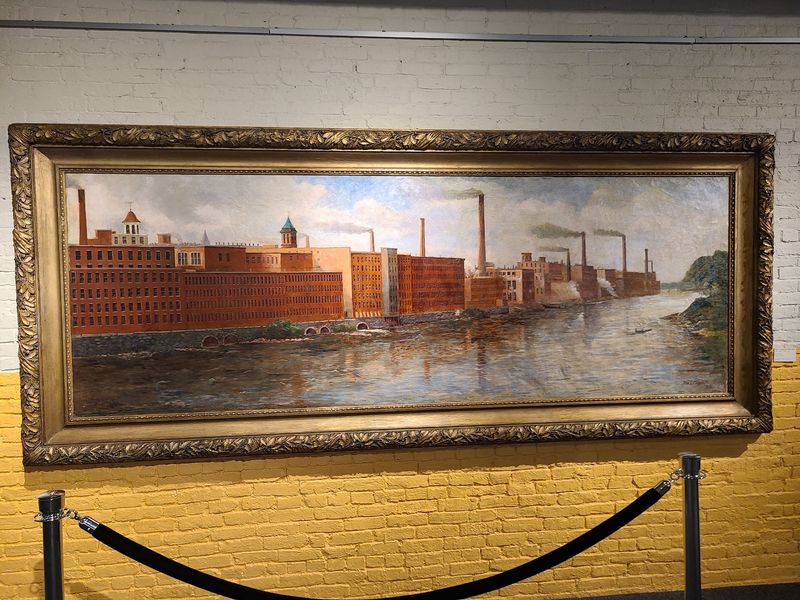
Back in the 1800s, Americans argued about a huge question. Should the young country stay a nation of farms, or build factories?
A corridor called The Dawn of an Era explores that debate. Its walls hold nineteenth-century sketches and paintings of Lowell.
They show a landscape caught between plows and smokestacks.
The corridor also features a 20-minute film titled Wheels of Change. It compares farming life with the new industrial economy.
The film sets the stage for everything else in the museum.
I like starting here because it explains why Lowell mattered. Before the mills, most families worked the land.
Afterward, many young people left home to earn wages in factory towns.
That shift changed families, cities, and the whole country. Watching the film helps you see the mills as a choice, not just an accident.
Somebody had to decide to build all this.
Grab a seat and catch the screening if you can. Twenty minutes goes quickly, and the context pays off downstairs and upstairs alike.
Plus, the artwork in the corridor makes a handsome backdrop for a quiet moment. History buffs may linger longer than planned.
Brick Walls With Nearly Two Centuries Of Stories
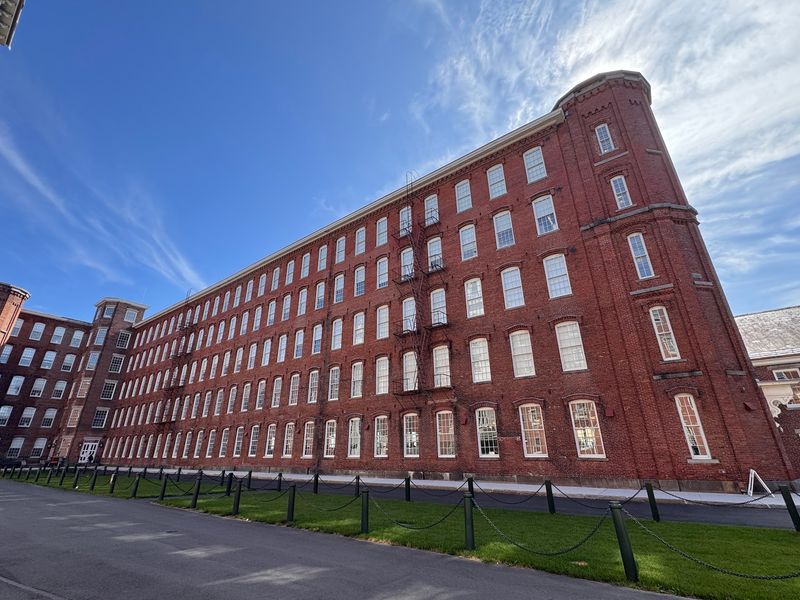
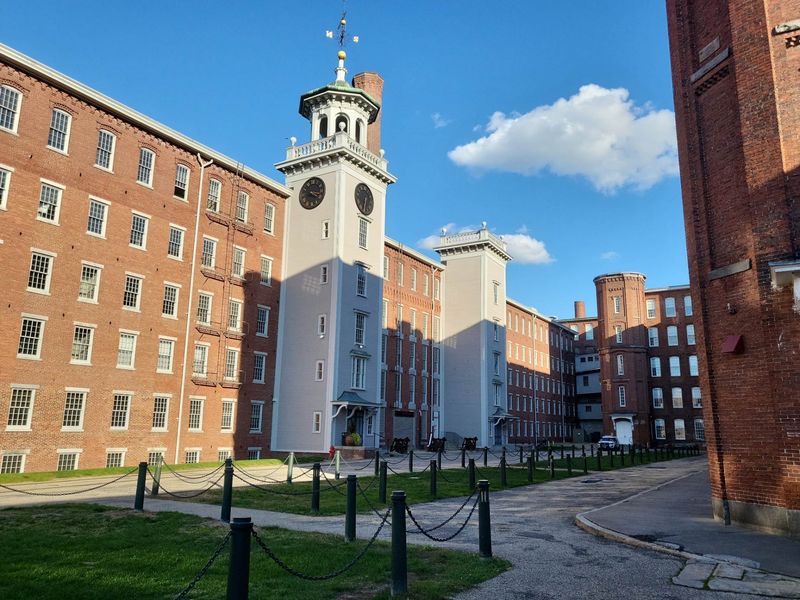
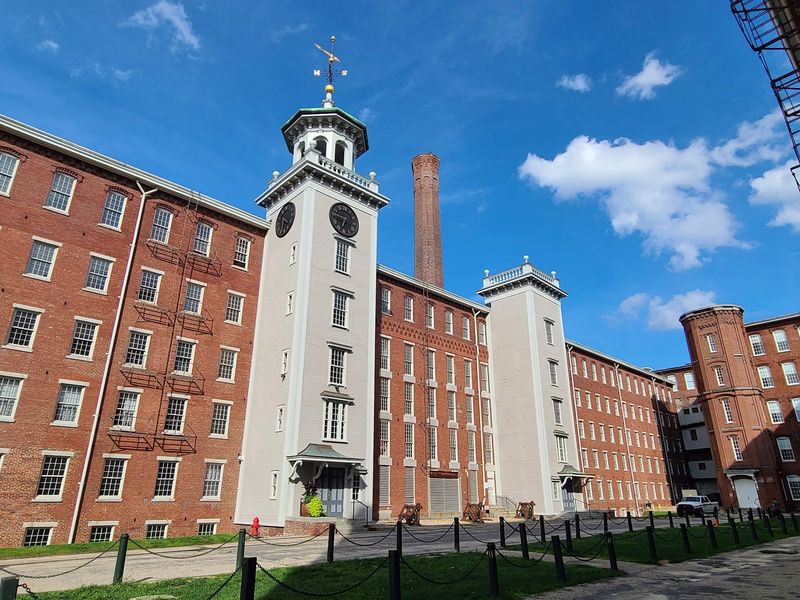
Kirk Boott founded the Boott Cotton Mills in 1835. The complex grew over the decades, with buildings dating from that year into the early 1900s.
Power came from water first. Waterwheels turned the machinery until the mills switched to hydroelectric power in 1912.
Same river, smarter setup.
The mills kept running long after many neighbors closed. Operations finally stopped in the mid-1950s.
Boott was the last of the original Lowell mills to shut down.
Then came a second act. Lowell National Historical Park was established in 1978, protecting important industrial sites across the city.
The Boott Mills were renovated, and the museum moved in.
Today, the complex mixes old and new in a clever way. Parts of the mill now hold offices, apartments, and condominiums alongside the museum.
Imagine telling a 1835 mill worker that people would someday live here on purpose.
Take a few minutes to look at the buildings from outside. The scale tells its own story about how big this industry once was.
It’s one of the most striking reminders of Massachusetts’ manufacturing past.
Every brick here has clocked some serious overtime.
Your Trip Gets Easier With A Few Smart Moves
Good news for planners. The museum is open year-round, though hours can shift by season.
You’ll find it at 115 John St, Lowell, MA 01852. Current hours run 9 AM to 4 PM daily, but checking ahead before a holiday trip is wise.
Admission requires a modest fee. Kids five and under get in free, and discounts exist for seniors, youths, and students with ID.
National Park pass holders get half off for themselves and up to three guests.
Parking is handled at the Joseph Downes city garage on John Street, just one block away. National Park visitors can pick up a free parking voucher at the Visitor Center or the museum.
That’s a nice perk for a downtown spot.
Construction work has been underway around the area. The museum has stayed open with adjusted access, so follow posted signs on arrival.
Accessibility gets real attention too. The museum is fully accessible, offers wheelchair loans, and welcomes service dogs.
Budget at least an hour, more if you love reading every panel. Rushing through Lowell’s biggest story feels a little like skimming the last chapter first.
Souvenir Hunters Should Save Room For The Park Store
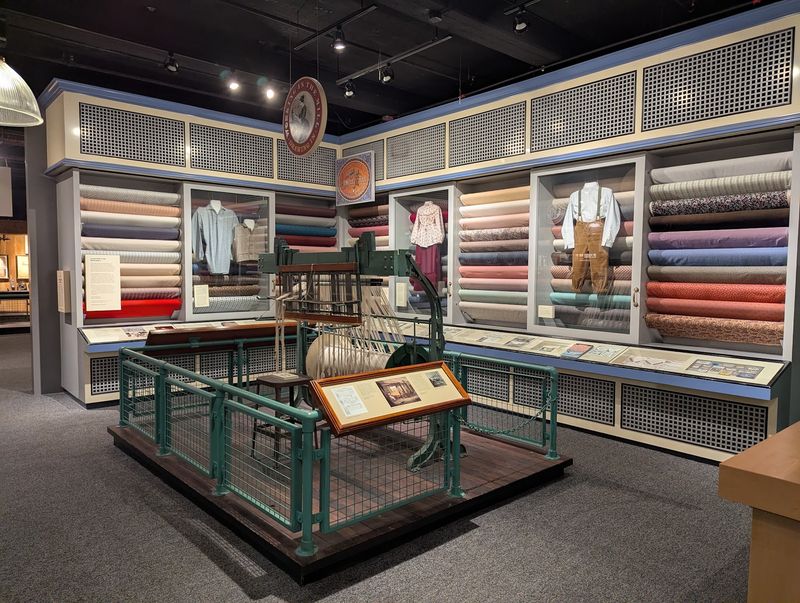
Every great museum visit deserves a little something to take home. Right on the first floor, the Park Store makes that easy.
Shelves carry books, videos, and educational souvenirs tied to Lowell’s story. It’s a natural spot for anyone who wants to keep learning after leaving.
History readers can find titles that dig deeper into mill life and the Industrial Revolution. Teachers may spot useful classroom material.
Kids usually find something that sparks fresh questions on the ride home.
I believe the best souvenirs extend the experience instead of just sitting on a shelf. A good book about the mill workers does exactly that.
So does a video you can share with family who missed the trip.
Shopping here also feels connected to the place. You’ve just heard the looms and seen the exhibits.
Picking up a related item helps lock those memories in place.
Here’s a friendly tip. Visit the store at the end, not the start.
You’ll know which topics grabbed you most and can choose wisely.
Fair warning, though. History fans may leave with a heavier bag than expected.
Hop The Trolley And Keep The History Rolling
A trip to the mill doesn’t have to end at the museum door. The Boott Cotton Mills Museum sits inside the larger Lowell National Historical Park, and there’s plenty more to explore.
A free seasonal trolley runs between the museum and the park Visitor Center on Market Street. Riding a trolley through an old mill city feels fitting.
It’s also easier on tired feet.
At the Visitor Center, you can watch the film Lowell: The Continuing Revolution. It adds another layer to the story you just saw.
Rangers there can also point you toward other park sites.
The museum makes a strong anchor for a full day in this corner of Massachusetts. Start with the looms, then branch out to the rest of the park.
Each stop fills in a new piece of the puzzle.
Check the trolley season before counting on a ride. Since it’s seasonal, it won’t run every month of the year.
Wear comfortable shoes either way. Downtown Lowell rewards people who wander a bit.
By the end, you’ll understand why this whole city earned national park status, one clattering loom at a time.