Quiet, overgrown streets and faint wisps of steam rising from the hillsides give this corner of Pennsylvania an eerie, unforgettable feel.
Centralia, in Columbia County, was once a busy coal-mining town with more than a thousand residents.
In 1962, a fire ignited in the abandoned mines beneath the town, and it has been smoldering underground ever since.
Over the following decades, nearly everyone relocated, leaving behind empty lots, a few remaining homes, and a grid of silent roads.
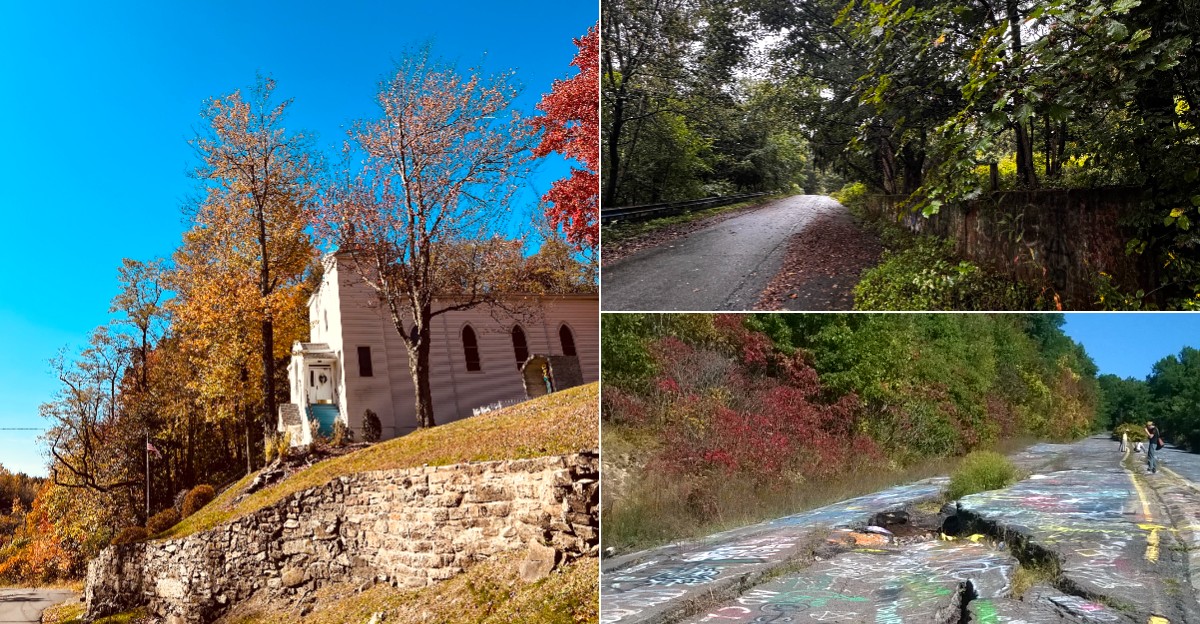
Today visitors come to see what is left, from the hilltop cemeteries to the remnants of a once-famous graffiti-covered stretch of highway.
Go with curiosity and care, and you will leave with a new appreciation for this strange and haunting chapter of Pennsylvania history.
The Streets That Outlasted the Town
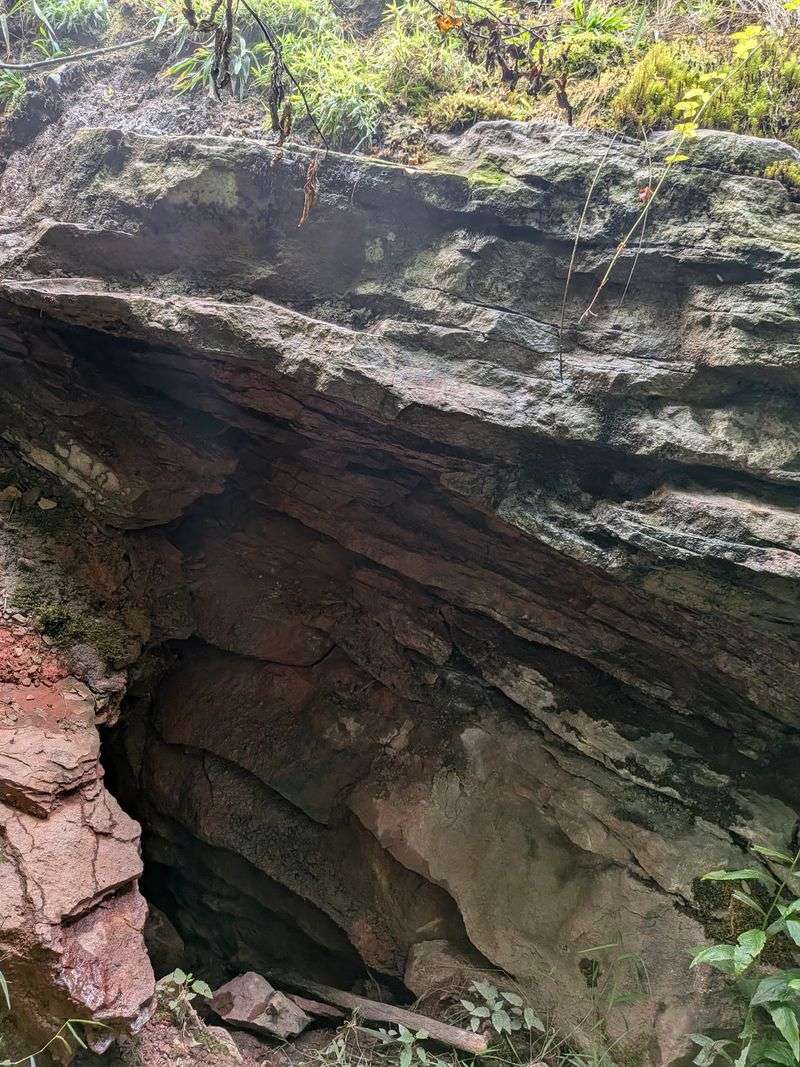
At first glance, an empty street can look like any quiet road on a weekday. Look longer, and the missing houses become the story. Centralia, Pennsylvania, was once a busy coal town, but most of its buildings were removed after an underground mine fire made living there unsafe.
Sidewalks, road edges, and open spaces can still hint at where neighbors once lived. Try to picture school mornings, porch conversations, and cars parked outside homes that no longer stand. That simple exercise makes the silence feel less like a movie set and more like a real loss.
A few residents have remained, so the borough is not completely empty. Treat every occupied property as someone’s home, even when the surrounding area looks deserted. Stay on roads open to the public, obey signs, and never assume an empty lot is a public place to explore.
Photos can help you notice details, but take them without crossing fences or approaching homes. The most thoughtful way to visit is to leave everything as you found it. A town does not have to be full of buildings to deserve respect. Here, the spaces between things are reminders of the people whose lives changed when they had to move away.
A Fire Hidden Beneath the Ground
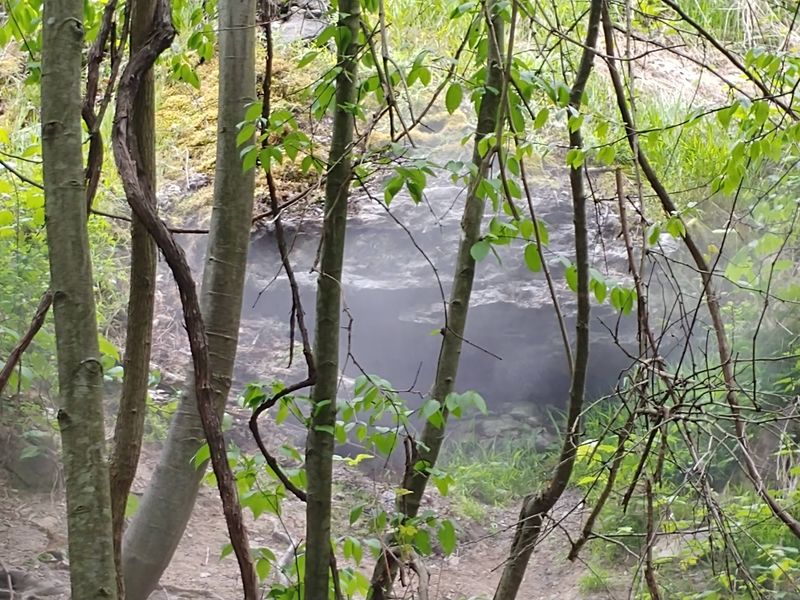
The strange part is that the town’s biggest danger is mostly out of sight. A fire began in the coal workings beneath the area in 1962 and spread through underground seams. Coal can burn for years when heat, fuel, and air meet below the surface.
Imagine a campfire you cannot reach with a bucket of water. Now imagine that its fuel runs through passages and cracks underground. That helps explain why putting out the fire has proved so difficult and why the problem lasted long after the first flames appeared.
Some accounts link the start to a fire at a trash disposal site, though details of how it reached the mine remain debated. The key fact for visitors is simpler: burning coal can make the ground unstable and release harmful gases. A surface that seems solid may not be safe.
Do not search for hot spots, dig into soil, or follow steam toward a vent. Conditions can change, and a dramatic photo is never worth an injury. If you are explaining the town’s history to a younger visitor, describe the fire as an underground hazard rather than a giant open pit of lava. The real story is unusual enough without turning it into fiction.
Why So Many Families Left
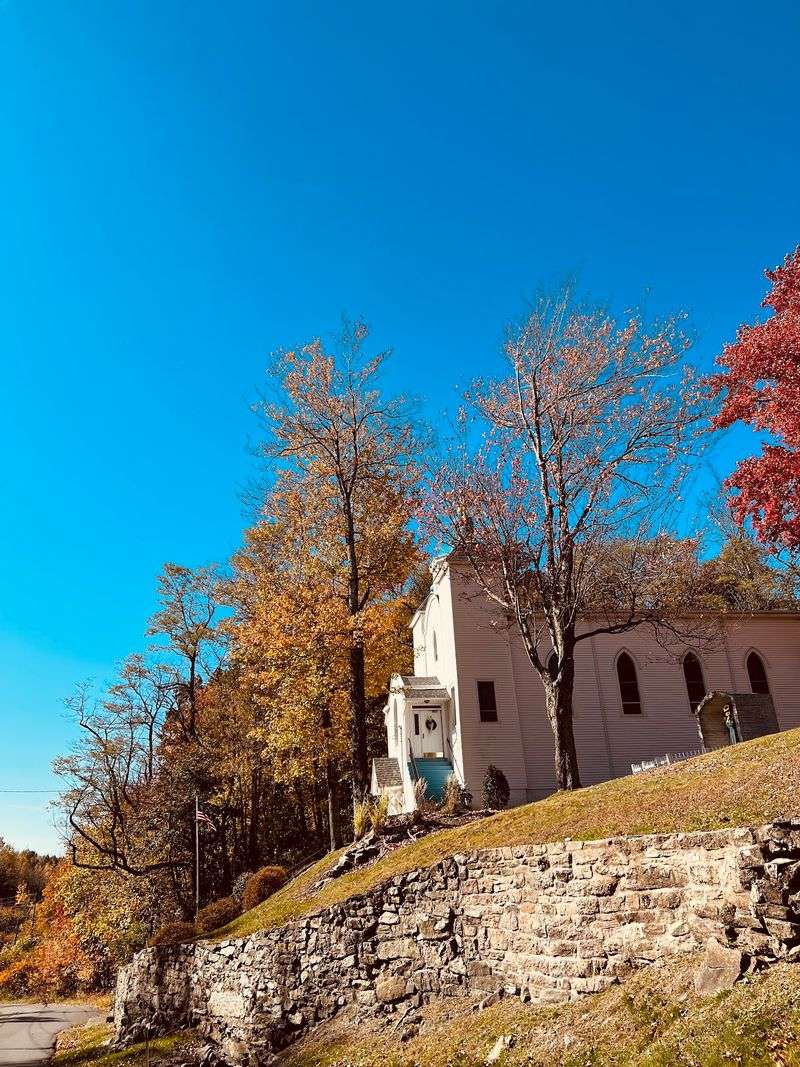
For families, leaving was not one sudden decision made on a single day. People watched the fire’s effects grow while officials studied risks to air and ground. Reports of gases and dangerous openings made ordinary routines harder to trust.
In the 1980s, federal money helped pay for residents to move. Many accepted buyouts, and their homes were later taken down. Moving could offer safety, but it also meant saying goodbye to familiar rooms, neighbors, and the small habits that make a place feel like home.
One well-known warning came in 1981, when a young boy escaped after the ground opened beneath him. His survival drew national attention to the danger. Still, the town’s decline cannot be explained by one frightening event alone; it involved years of fire, worry, and difficult choices.
When you see an open patch beside a road, remember that it may once have held someone’s kitchen or garden. Avoid treating those spaces as props for spooky pictures. If you want to learn more, look for interviews and local histories that let former residents speak for themselves. Their memories add everyday voices to a story often told only through smoke and abandoned streets.
A Population Count That Tells a Story
A town can disappear from daily life without disappearing from every map. About 1,000 people lived here in 1980, while the 2020 census counted just five residents. Those numbers make the change easy to see, but they cannot show what each move felt like.
A population chart might look like a steep line falling across a page. Behind that line were families deciding where to go, children changing schools, and neighbors losing the chance to meet on the same street. Thinking about people rather than only numbers gives the history its proper weight.
The small remaining population also challenges the nickname ghost town. It is a useful shorthand, yet it can make visitors forget that real people still have ties to the borough. Some former residents also keep their memories alive through stories, photographs, and visits.
Before sharing a picture online, choose words that do not describe the place as completely uninhabited. That small correction matters. You can also compare older maps or photographs with today’s road layout to see how much has changed. Look for reliable dates when doing so, because images from different years may show very different stages of the town’s decline.
The Road That Became Famous
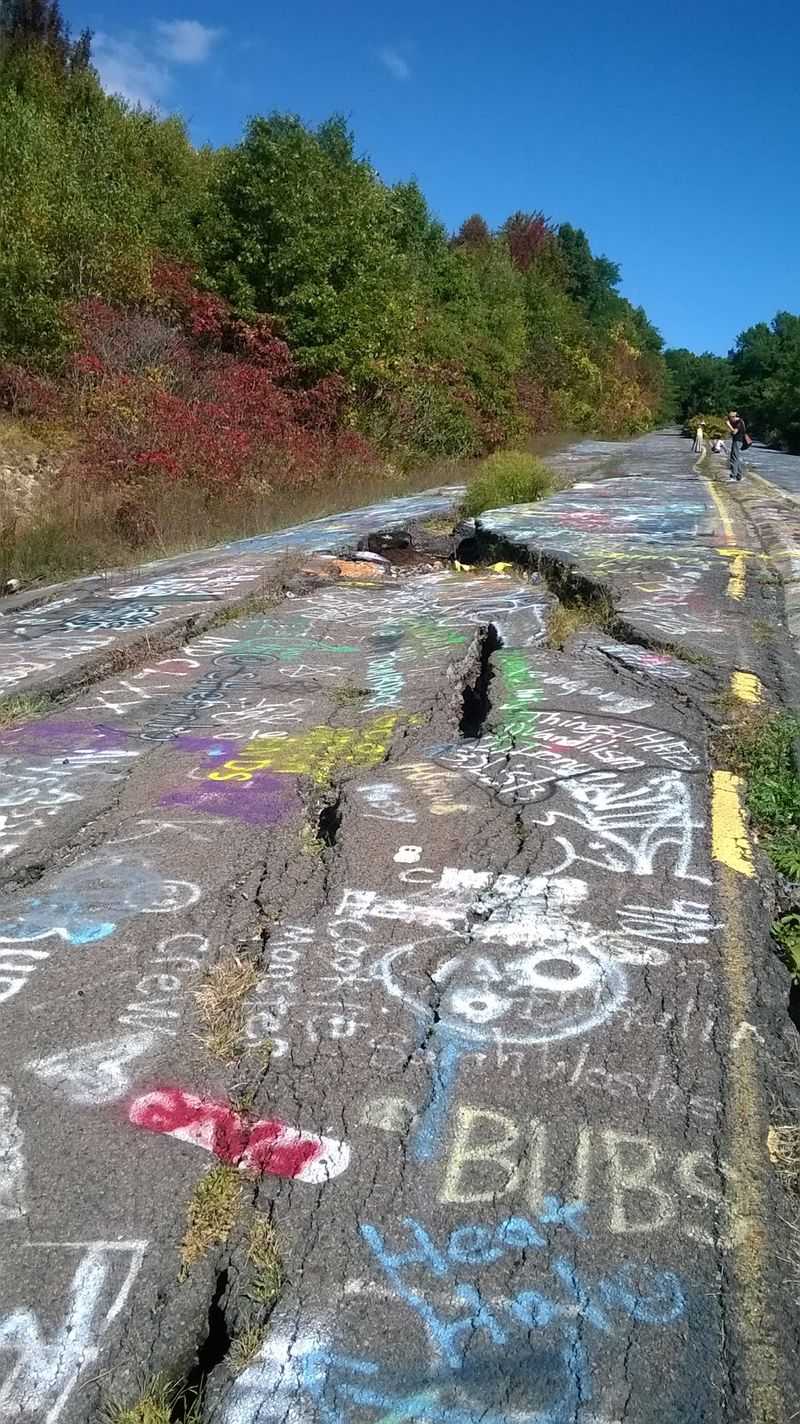
Cracked pavement once gave visitors one of the most shared images of the mine fire. A former stretch of Route 61 was closed after fire-related ground damage made it unsafe for normal traffic. For years, people photographed its broken surface and later covered parts of it with graffiti.
That fame can create a false idea that the road is a public attraction. Access has been restricted, and the graffiti-covered pavement was covered with dirt in 2020. Old travel posts may still show scenes that visitors cannot, and should not, try to recreate today.
Road closures are safety measures, not invitations to find a path around a fence. Underground heat and weak ground are not always visible from above. If a route is blocked, turn back and choose a lawful viewpoint instead.
There is also a useful lesson in the road’s history. A famous photograph can freeze a place at one moment, while rules and conditions keep changing. Check current access information before traveling, follow posted directions when you arrive, and leave room for plans to change. The safest memory of a visit is one made without crossing a barrier for a picture.
What the Quiet Landscape Can Hide
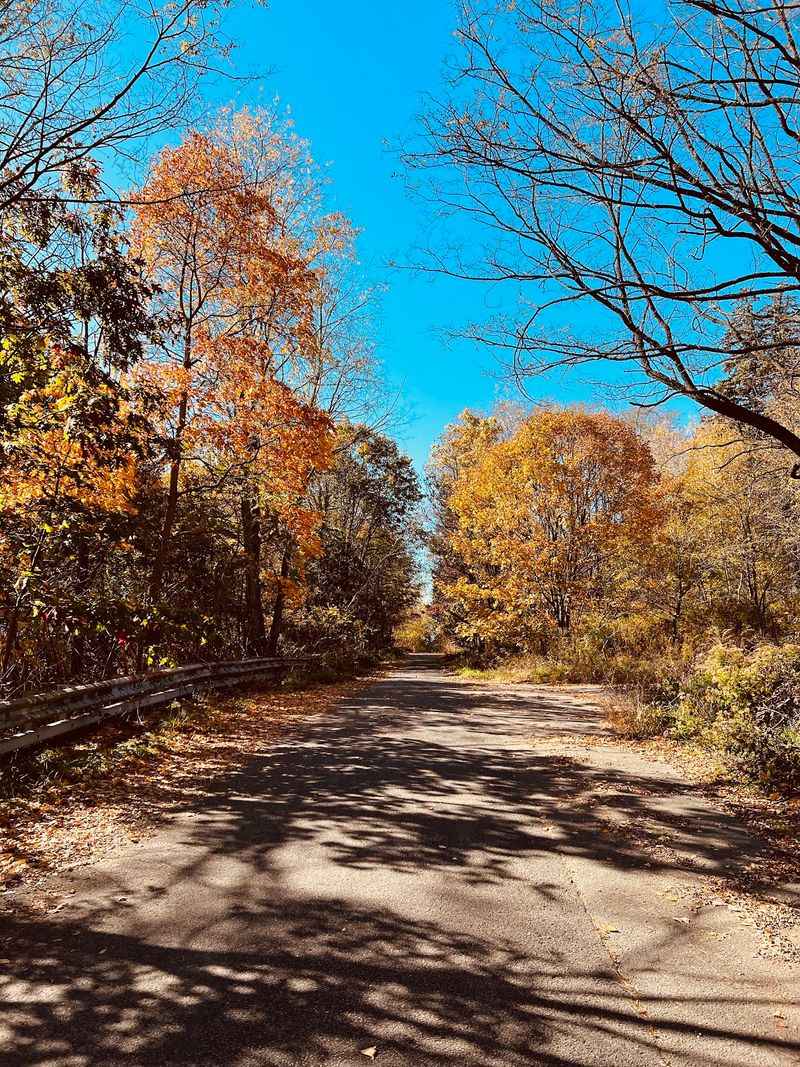
Grass, trees, and fresh air can make the area seem harmless on a calm day. That peaceful appearance is part of what makes underground fires so hard to understand. Heat may travel below places that look ordinary from above.
Burning coal can release gases through cracks and openings. The ground may also sink where underground material has burned away. Neither danger requires a dramatic cloud of smoke to be present, so using your eyes alone is not a reliable safety test.
Keep children and pets close if you are in an area where public access is permitted. Do not step onto soft ground, investigate holes, or touch a spot that looks warm. Respect warnings even if another visitor seems to ignore them.
Weather can make a risky place look different from one day to the next. Rain, fog, or cold air may also change what you notice on the surface. Instead of hunting for steam, use the visit to think about the gap between appearance and reality. Many hazards, from weak ice to damaged bridges, work the same way: they do not need to look dramatic to deserve caution. An uneventful walk, taken within the rules, is a much better outcome than a close encounter with the fire.
Clues to an Everyday Past
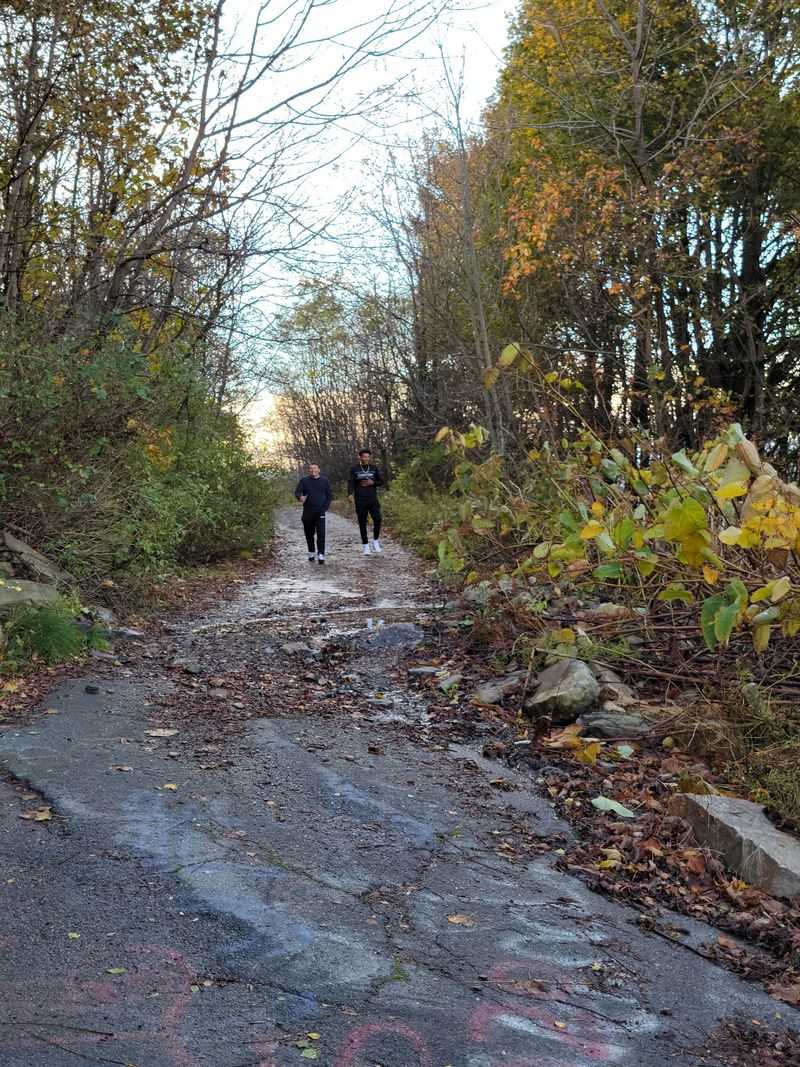
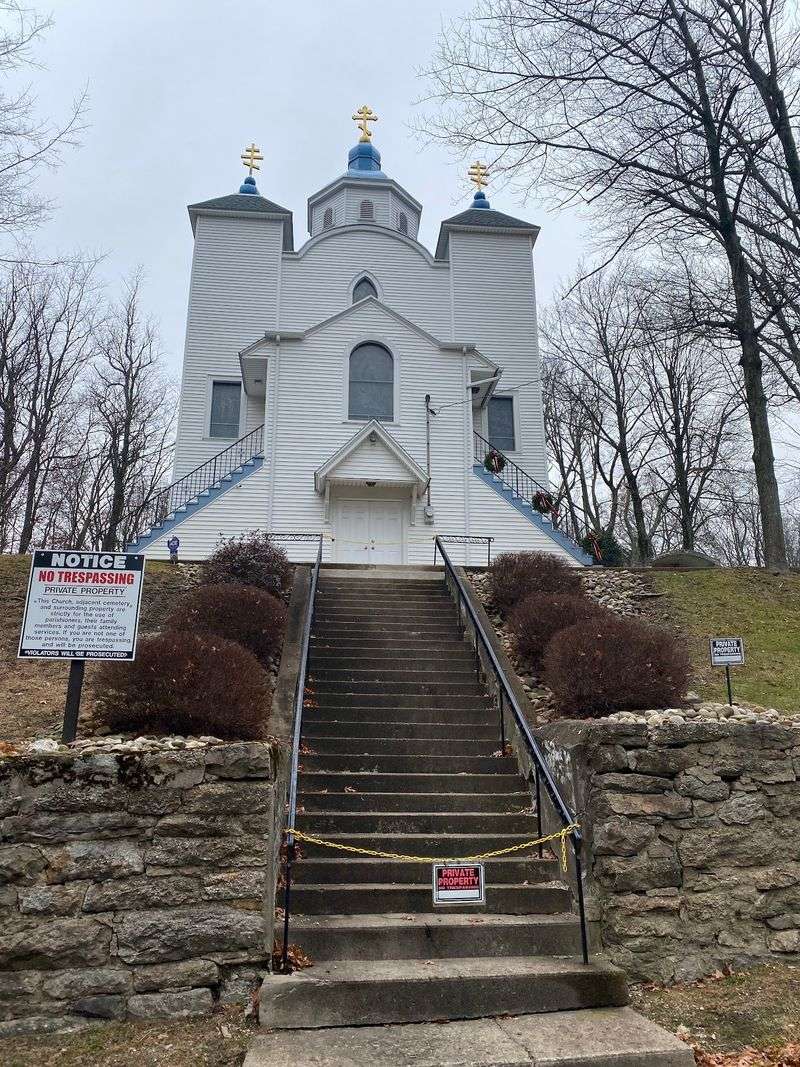
Not every trace of the past looks like a ruined building. A cemetery, a road, or a surviving structure can say more about a community than a dramatic crack in the pavement. Such places remind us that the town was built around ordinary lives, not around a future headline.
People worked, raised children, marked holidays, and cared for relatives here. Coal mining shaped the area’s economy, but it did not define every part of a person’s day. Remembering that fuller picture helps keep the story from becoming only a tale of disaster.
If you come across a cemetery, behave as you would at one anywhere else. Stay on appropriate paths, give other visitors space, and never move flowers or objects left at graves. A name on a marker belongs to someone, not to a travel display.
Older photographs can be useful companions to what you see outside. Compare a historic street scene with the present layout, and look for roads or hills that help you match the views. Be careful with captions, since an image without a clear date can be easy to misunderstand. The goal is not to solve every mystery, but to notice the everyday community that existed before the fire changed its future.
How to Visit with Care
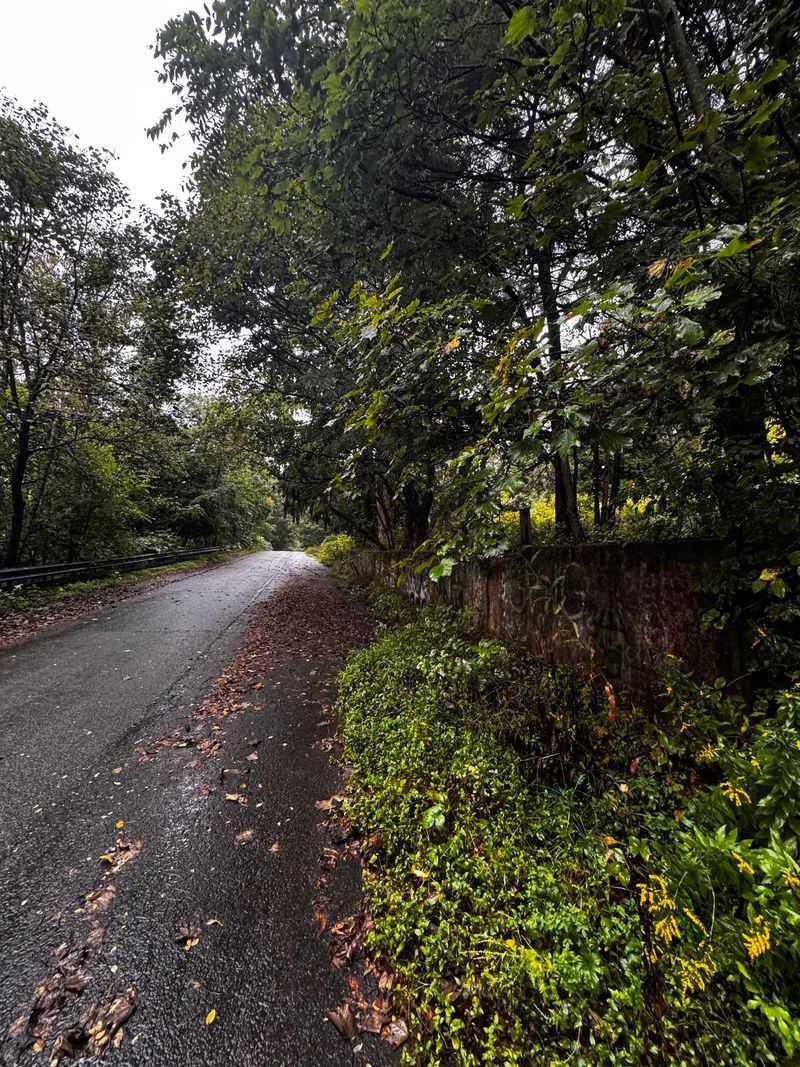
A good visit begins before you park the car. Read current local guidance, because access and road conditions may change. A photograph or map from years ago is not proof that a route is open today.
Once you arrive, let signs and barriers settle any question about where to go. Use lawful public roads and viewpoints, keep driveways clear, and give remaining residents their privacy. Do not enter buildings, cross onto private land, or wander over unfamiliar ground in search of a better angle.
Bring water, wear practical shoes, and tell someone your plans if you are traveling alone. Those simple steps help on any outing, though they do not make restricted areas safe. If weather is poor or directions are unclear, leaving is a sensible choice.
Try approaching the place as a history lesson rather than a thrill ride. Take a few minutes to consider the families who moved and the people still connected to the town. Share accurate facts when you post pictures, and avoid encouraging others to bypass closures. You do not need to see smoke or stand on broken pavement to understand why this landscape stays in people’s minds. Respect makes the story clearer, and it helps keep everyone safer.