A 1913 steam engine sits parked beside a railcar stacked with logs that may be 500 years old.
That engine hauled timber for half a century, and now it just waits for you.
Nearby, a farmhouse built in the 1860s from native heart pine still stands.
A breezeway called a dog-trot links it to the kitchen, which kept cooking heat away from sleeping rooms.
I like how this place in Florida feels like a whole village someone pressed pause on.
Church, schoolhouse, general store, train depot, and a shoe repair shop all line winding paths under the trees.
I can’t imagine a better way to show kids how people lived before air conditioning.
Most of these buildings were rescued and moved here piece by piece.
So which old door would you open first?
Winding Paths Lead You Straight Into A Village Frozen In Time
Twenty acres of wooded hillside hold an entire pioneer village at Pioneer Florida Museum & Village. The open-air museum recreates life in Florida from pioneer days up to 1945.
More than ten main historic buildings sit along winding paths. Eight of those important structures were moved here from communities across Pasco County, which saved them from being lost.
That detail changes how the place feels. Each building had a real past life somewhere else before it found a new home on this hill.
The museum runs as a non-profit, and its mission is simple. It preserves local history through restoration work, educational programs, and special events all year long.
Plan on one to two hours for a self-guided walk through the display areas. History fans who stop to read every sign can easily stretch that a lot longer.
The story started small, too. In 1960, Rudolph and Annie Rhode donated 37 antique farm tools to the Pasco County Fair Association.
The museum association was chartered by the State of Florida on April 30, 1961. Then in 1973, Emily Larkin donated 6.5 acres in memory of her husband, William Larkin.
The Oldest House On The Hill Has A Breezy Secret
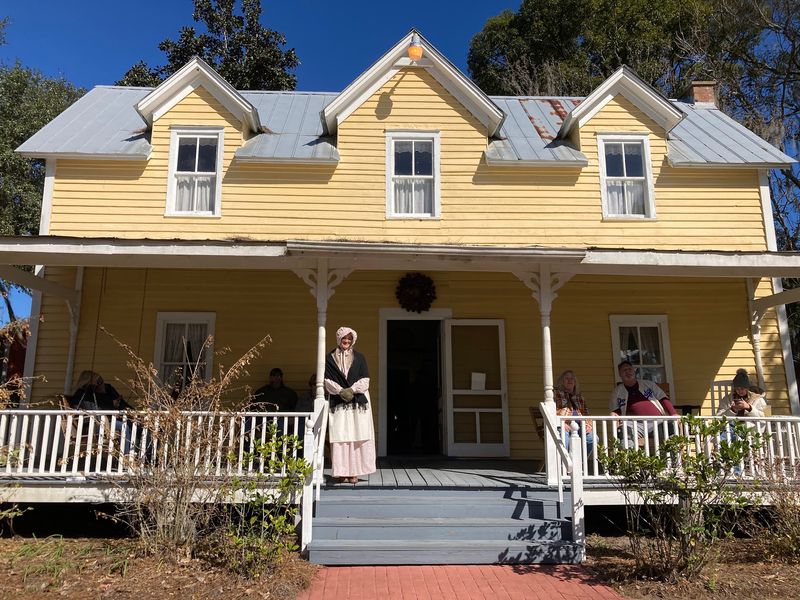
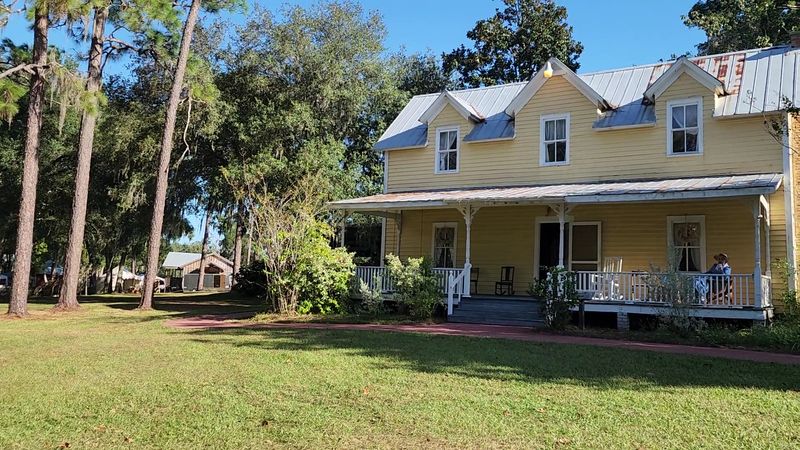
Heart pine built the John Overstreet House back in the mid-1860s. That makes this two-story farmhouse the oldest building on the whole property.
It’s a classic example of Florida Cracker-style architecture. Settlers built homes like this to handle long, sticky summers without any modern help.
The star feature is the dog-trot breezeway. This open passage connects the house to the kitchen, and it helped keep cooking heat away from the main living spaces.
Smart, right? Those early families had no fans plugged into the wall, so they let the design do the cooling.
Inside, the rooms are furnished to match the period. You get a real sense of how a pioneer family arranged daily life, from sleeping quarters to the kitchen.
Heart pine itself is worth a moment of respect. The dense, sturdy wood came from old-growth longleaf pine forests that once covered much of the South.
Kids usually grasp the breezeway idea quickly once they stand in it. Ask them where they’d want to nap on a hot July afternoon.
Bring that question home, and suddenly a history lesson turns into a fun family debate.
All Aboard For An 1896 Depot Packed With Tiny Trains
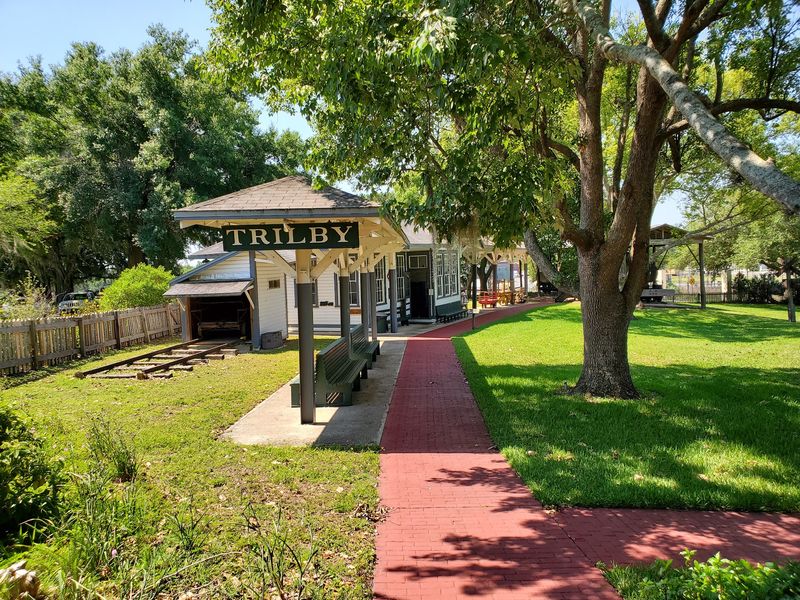
Trilby once had one of the largest rail yards in Florida. Its 1896 depot survived that busy era and now lives at the museum.
The building is furnished to look like it did during Trilby’s heyday. Stepping inside gives you a peek at how travelers and freight agents spent their days.
Then there’s the model railroad. An impressive layout fills part of the depot, and it tends to stop kids and grown-ups in their tracks.
Don’t skip the lantern collection either. Railroad lanterns were essential tools for signaling crews, especially after dark.
Look closely at the different shapes and colors on display. Each one tells a little story about how workers kept trains moving safely.
Train fans will want extra time here. Casual visitors often end up lingering longer than planned, which is a pretty good sign.
The depot pairs nicely with the steam engine nearby. Seeing both together helps you imagine how the railroad shaped small towns in Pasco County.
Trains brought supplies, mail, and visitors into rural communities. Without depots like this one, many pioneer towns would have stayed far more isolated.
A Mighty Steam Engine Still Shows Off Its Ancient Cargo
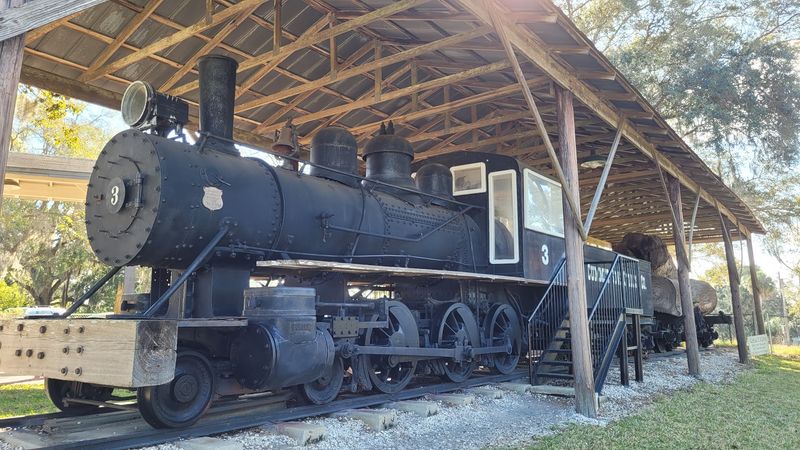
Fifty years of hauling logs earned this 1913 Porter steam engine a well-deserved rest. It worked for the Cummer Cypress Company’s sawmill in Lacoochee.
Lacoochee sits in Pasco County, so the engine didn’t travel far to retire. Now it stays on display for anyone curious about Florida’s timber days.
Here’s the jaw-dropper. A railcar beside it carries logs estimated to be between 400 and 500 years old.
Do the math on that one. Some of those trees were already growing long before Florida became a state.
Cypress wood was prized because it resists rot and lasts a long time. That made it a valuable resource for building homes, docks, and much more.
The engine gives you a sense of scale that photos can’t capture. Standing beside it, you realize how much muscle early industry needed.
Bring your camera, since this is a favorite spot for pictures. The dark engine and massive logs make a striking pair.
Families with little ones should point out the wheels and smokestack. It’s an easy way to spark questions about how steam power actually worked.
Ring In Some Old-Time Charm At The Church And Schoolhouse
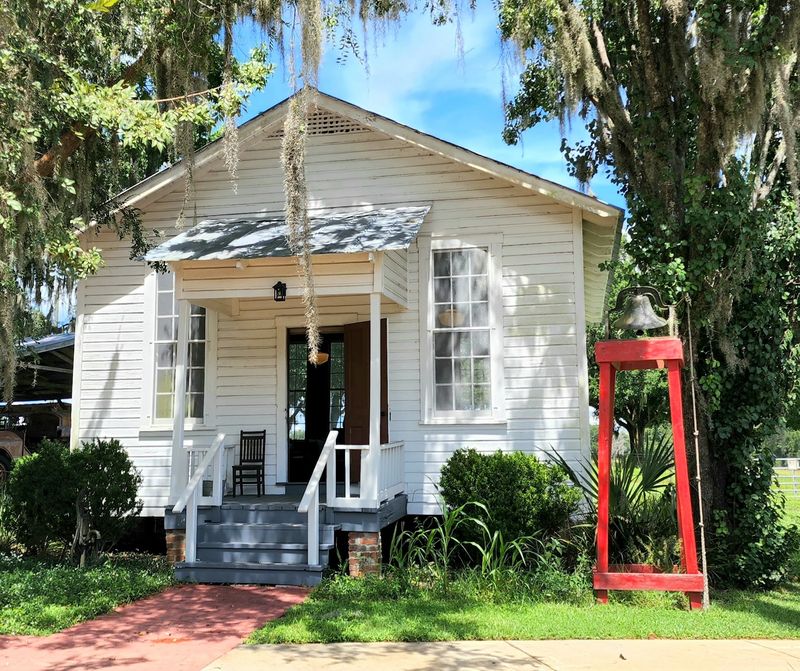
Wedding bells still ring at Enterprise Church. The congregation’s story goes back to 1878, and the building was rebuilt in 1903.
It continues to host weddings and other services today. That makes it one of the few museum pieces that still does its original job.
A short walk away stands the Old Lacoochee School. It was built in the 1930s and follows the style of older one-room schoolhouses.
The space has been restored and furnished to show rural education of that era. Picture one teacher handling several grades in a single room, all at once.
Classes and meetings still happen inside, too. So the schoolhouse keeps teaching, just with a slightly different audience.
Kids tend to find this stop eye-opening. Ask them how they would feel sharing a classroom with their older siblings every single day.
Together, the church and school show the two anchors of many small Florida communities. Faith and learning brought neighbors together long before shopping centers existed.
Planning a special day? The church’s wedding history makes it a charming choice for couples who love vintage settings with real roots.
Shop Like It’s The 1920s At The General Store
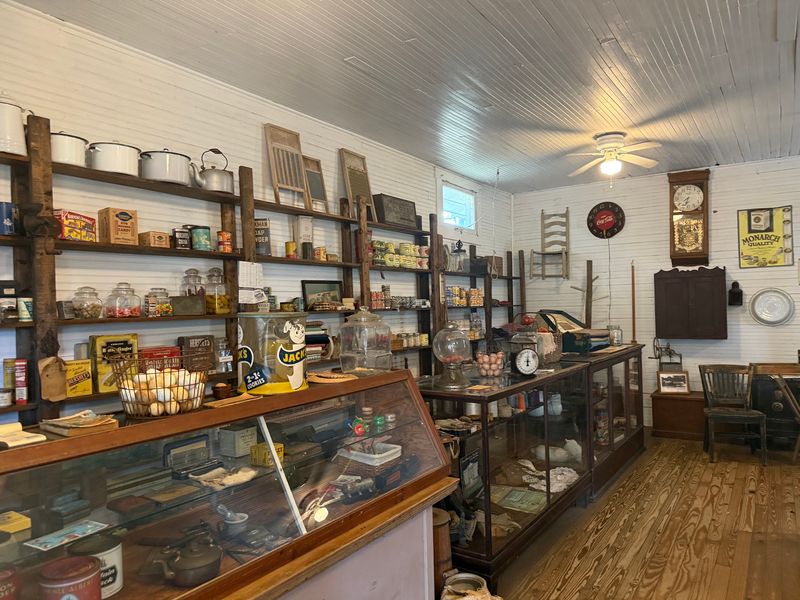
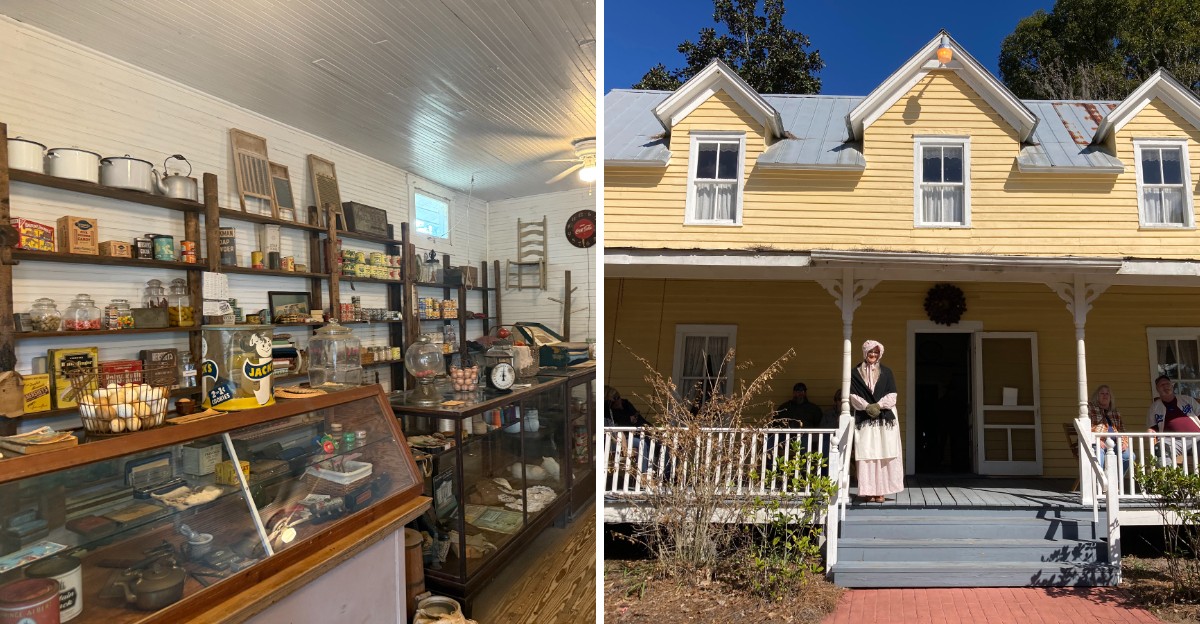
Meat scales, a butcher block, and bolts of fabric greet you inside the C.C. Smith General Store.
It dates to the 1920s and served the Lacoochee area for over 50 years.
Back then, one store handled almost everything a family needed. Groceries, cloth for sewing, and even mail all came through the same front door.
That’s where the Postmaster’s Station comes in. General stores often doubled as post offices in rural towns.
Think of it as the town’s social hub. Neighbors picked up letters, swapped news, and grabbed supplies on the same trip.
Next door in spirit is the J.L. Bromley Shoe Repair building.
Jack Bromley ran his shoe repair business there from 1913 into the 1930s.
Shoes weren’t tossed out when they wore thin. People patched and resoled them, so a good cobbler was a big deal.
These two stops show how small businesses kept pioneer towns running. Nobody drove to a mall, so local shops carried the load.
Point out the scales to kids and explain how prices once depended on weight. It’s a neat lesson hiding in plain sight.
Sparks Fly And Syrup Bubbles In These Working Shops
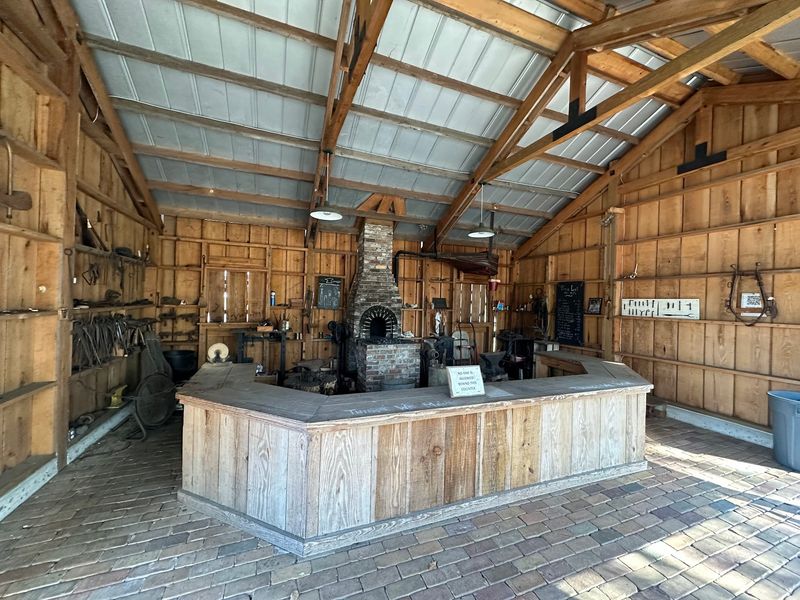
Hammer meets anvil in the working blacksmith shop, added to the grounds in 2018. A woodworking shop joined it the same year.
Both shops highlight traditional craftsmanship. Pioneers couldn’t order replacement parts online, so skilled hands built and fixed everything.
Over at the cane grinding mills, the focus turns sweet. The museum offers syrup-making demonstrations using grinders and a big cooking kettle.
Some of that equipment dates back to the Civil War era. Florida families boiled sugarcane juice for hours to make syrup for the whole year.
The Blanton Packing House tells another Florida story. It opened in 1910 as a citrus plant and operated until a harsh freeze in 1989.
Reconstruction is underway to turn it into a functional plant for education. Citrus fans should keep an eye on its progress.
There’s also a 1910 log house that recently arrived on the grounds. Crews are reassembling, preserving, and furnishing it now.
That means the village keeps growing. A return trip down the road may reveal something brand new that’s actually very old.
Indoor Treasures Wait For You When The Sun Gets Fierce
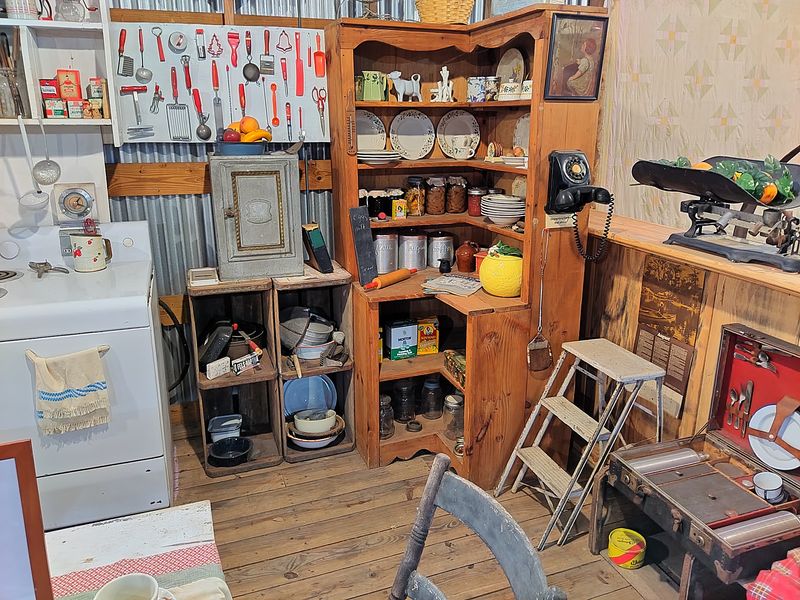
Florida heat can be relentless, so the main museum building is a welcome stop. Built in 1975, it holds a surprisingly wide range of collections.
Native American tools sit alongside dolls, toys, textiles, and pottery. Each display adds a new piece to the story of everyday life.
The replica dental office tends to get the biggest reaction. Let’s just say modern dentists have upgraded their equipment quite a bit.
Kids who groan about checkups may suddenly feel grateful. That alone could make the visit worth it for some parents.
The toys and dolls offer a gentler contrast. They show how children played long before screens and batteries came along.
Textiles and pottery reveal how families made useful things by hand. Patience was clearly a big part of pioneer life.
Before leaving, check out the gift shop. It carries old-fashioned children’s toys, t-shirts, hats, mugs, novelty candies, and Florida-inspired books.
A classic wooden toy makes a fun souvenir. It keeps the history lesson going long after you’re back home in the car.
Festivals Here Bring Quilts, Cane, And A Little Moonshine Lore
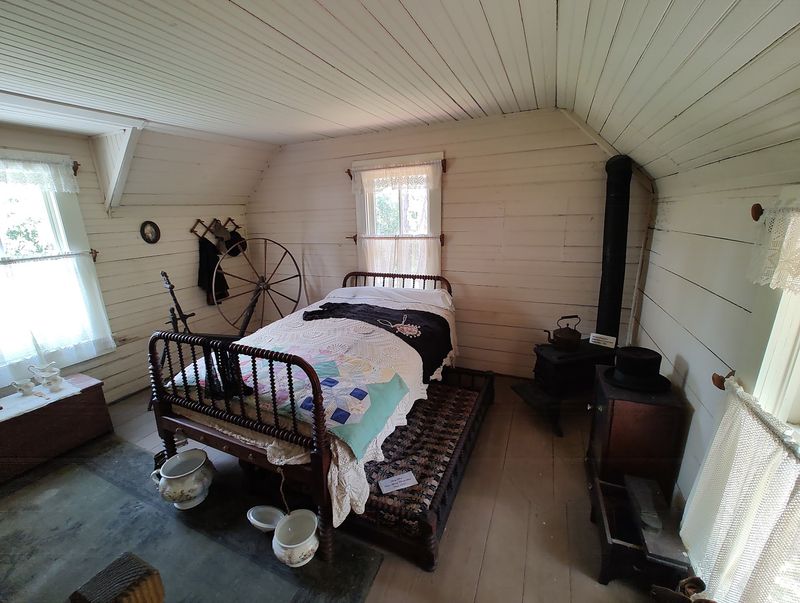
Mark your calendar, because the museum hosts annual events with plenty of personality. The lineup includes the Scarecrow Festival, the Farm Festival and Quilt Show, the Raising Cane Festival, and the Moonshine Festival.
Each event puts a different spin on pioneer life. Admission for special events can vary, so check ahead before you go.
On regular days, Pioneer Florida Museum & Village opens Tuesday through Saturday from 10 a.m. to 5 p.m. From May through September, the museum may close at 3:30 p.m. if no guests remain on the grounds.
Self-guided tours have a last entry of 3:30 p.m. The museum stays closed on Sundays, Mondays, and most major holidays.
Groups of ten or more can book guided tours by appointment. That’s a smart move for school trips or family reunions.
You’ll find it at 15602 Pioneer Museum Rd, Dade City, FL 33523. It sits about a mile north of downtown Dade City, just off U.S. 301.
The grounds are wheelchair accessible, with accessible parking, buildings, restrooms, and connecting sidewalks. Only service animals are allowed, so pets stay home.
Children under five get in free. So do active duty military members with ID and their immediate families.