A short forest trail leads to a cave where enormous fallen boulders form a roof above a creek.
That unusual rock formation makes this Washington adventure feel far more dramatic than its modest hiking distance suggests.
The path climbs through the forest before reaching a dark passage that visitors can explore with flashlights.
I love how a relatively short hike can introduce families to such an unusual natural feature.
There’s another detail worth knowing before setting out.
Entry requires advance planning, and the cave’s protected wildlife habitat comes with rules that visitors must respect.
The reward is a chance to experience towering rock formations, cool cave air, and a memorable walk through the Cascade foothills.
Would a flashlight-lit cave adventure make your family’s next outdoor outing more exciting?
Where the Adventure Begins
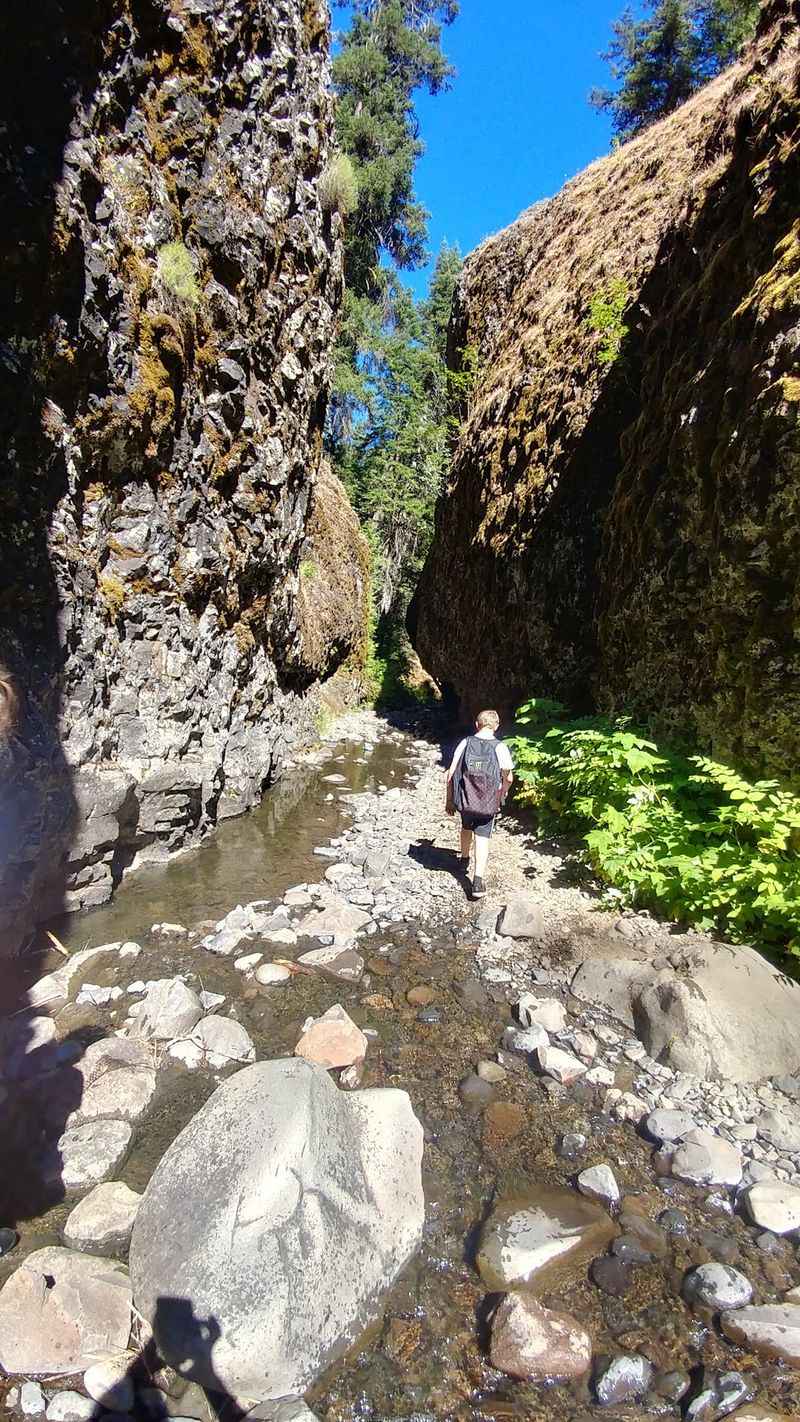
Boulder Cave Trail is one of the more unusual family outings in Washington’s Okanogan-Wenatchee National Forest. Instead of ending at a viewpoint, the hike leads to a passage formed beneath enormous fallen rocks.
The trail begins at Boulder Cave Day Use Area, a developed recreation site managed by the U.S. Forest Service.
Visitors follow a forest path that gradually climbs toward the cave entrance.
The surrounding canyon gives families plenty to notice along the way. Trees, exposed rock formations, and interpretive signs introduce the natural setting before the underground portion begins.
Access is controlled through timed reservations, so visitors should follow the arrival instructions provided with their booking. Entry is not permitted after 3 p.m., and the recreation area closes at 4:30 p.m.
Planning ahead matters because the site operates seasonally and may close to protect sensitive wildlife. Checking the Forest Service’s latest access information before leaving home helps avoid an unnecessary drive.
The cave is the main attraction, but the walk leading to it is part of the experience. A comfortable pace gives children time to appreciate the scenery without rushing toward the entrance.
The Golden Rule: Reserve Ahead
A visit to Boulder Cave requires more planning than an ordinary forest walk. Visitors must arrange a timed-entry reservation before arriving at the recreation area.
The reservation system helps manage visitor numbers at a sensitive natural site. It also gives travelers a clearer idea of when they can begin their visit.
Availability may be limited during popular summer periods, especially on weekends. Checking the booking calendar early is a practical way to avoid disappointment.
Visitors with eligible recreation passes should still review the reservation requirements. A pass does not automatically eliminate the need to secure an entry time.
The important detail is to follow the instructions attached to the reservation. Having the correct booking information ready makes the arrival process easier and leaves more time for the cave adventure.
Uphill, But Totally Doable
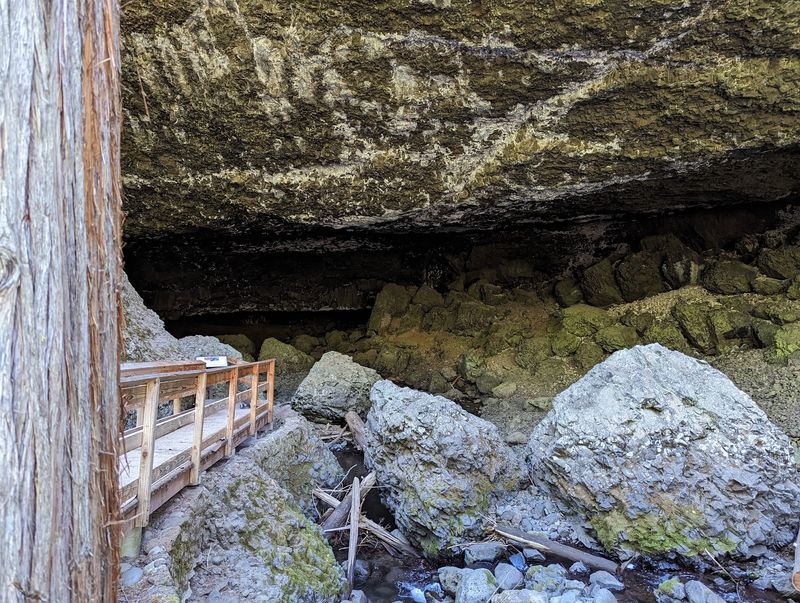
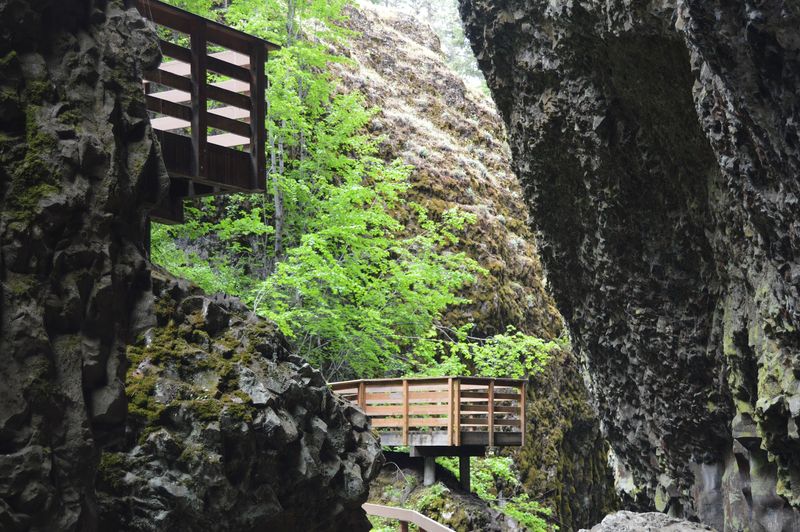
Short legs, take heart. The trail to the cave is roughly a mile one way, and the path is wide, well groomed, and made of packed dirt.
There is one catch worth knowing. The route climbs at a steady incline for most of the way in, with a few steeper spots mixed in.
Young children and older relatives usually handle it fine with breaks. Anyone with asthma or lower fitness may feel winded, so a slower pace helps a lot.
Plenty of pullouts along the way offer chances to rest and look out over the canyon. Kids tend to treat these as checkpoints, which keeps morale high.
Round trip, many families log between 1.5 and 2 miles. The final number depends on how many side lookouts grab your attention.
Good news for tired hikers: the return trip heads mostly downhill. What felt like a climb on the way up turns into an easy cruise back to the parking lot and the picnic tables.
A Cave Built by Boulders
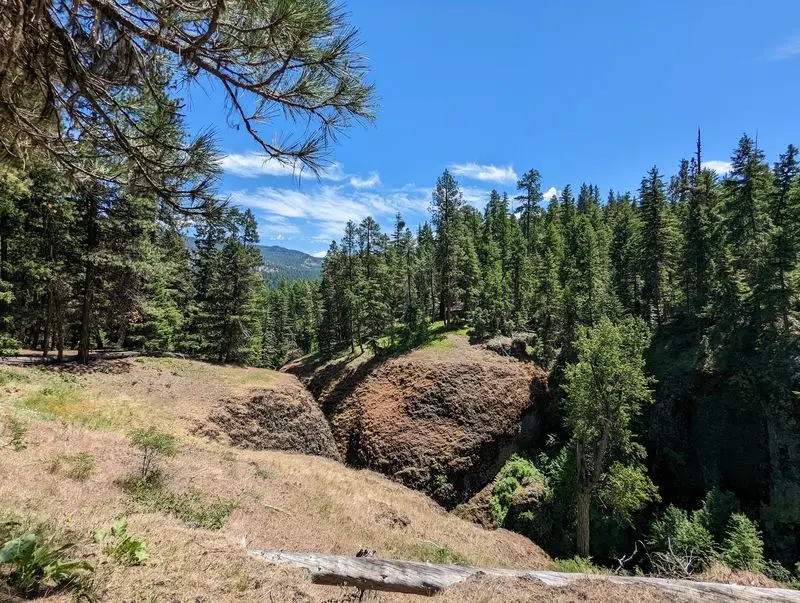
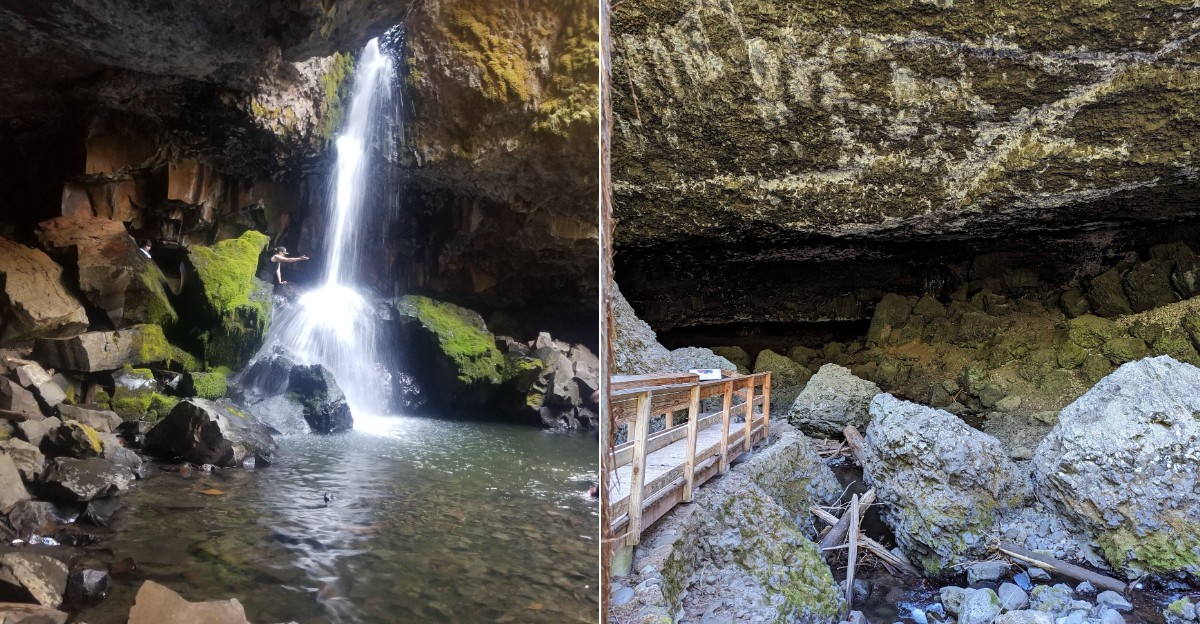
The cave’s unusual formation is the reason this hike stands apart from an ordinary forest trail. Massive boulders created a roof above Devil Creek, leaving a passage that visitors can walk through.
Water helped shape the canyon long before the present trail existed. The rock formations offer an interesting opportunity to see how natural processes can transform a landscape.
The cave passage extends approximately 330 feet, making the underground portion relatively short. Still, the darkness creates an entirely different experience from the sunny forest outside.
Flashlights or headlamps are essential because natural light does not reach every part of the passage. Having a separate light for each person makes it easier to watch the walking surface.
The temperature inside can feel noticeably cooler than the surrounding trail. A light jacket is useful, especially for children who may be sensitive to the change.
You don’t need a lengthy underground expedition to appreciate the cave’s unusual structure. The combination of towering rocks, a narrow passage, and the surrounding forest makes the destination memorable.
Meet the Tiny Residents
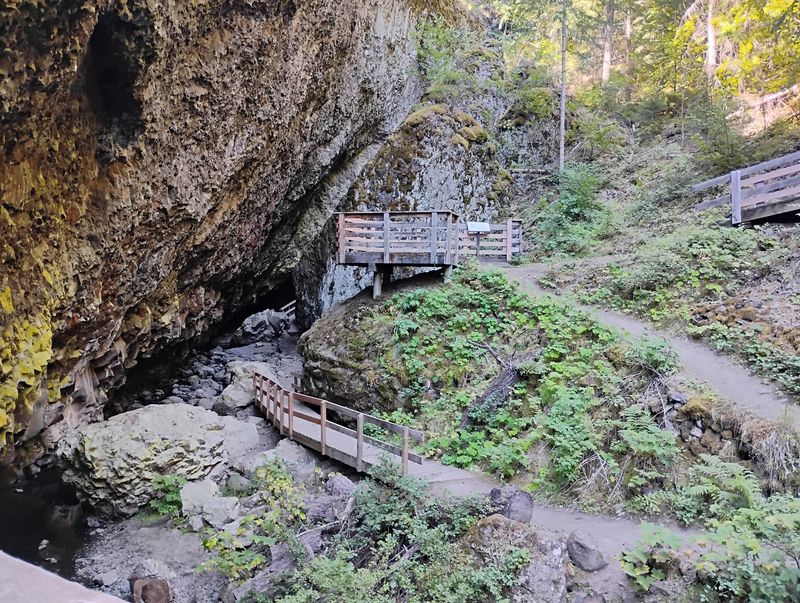
Boulder Cave provides important habitat for Townsend’s big-eared bats, a species that depends on suitable places to rest. Protecting these animals is one reason visitors must follow special rules during their visit.
Bats play an important role in natural ecosystems by feeding on insects. Their presence also makes the cave more than an interesting geological attraction.
Visitors should never touch bats or attempt to approach them for photographs. Keeping noise low and respecting posted instructions helps avoid unnecessary disturbance.
White-nose syndrome is a serious concern for bat populations across North America. Following the site’s current wildlife protection requirements is an important part of responsible cave exploration.
Children may be curious about the animals living in such a dark environment. The visit offers a chance to explain why wildlife sometimes needs protection from human activity.
Spotting a bat is not necessary for the outing to feel worthwhile. Learning about the species and respecting its habitat can be just as meaningful as seeing one.
Secret Waterfall Behind a Boulder
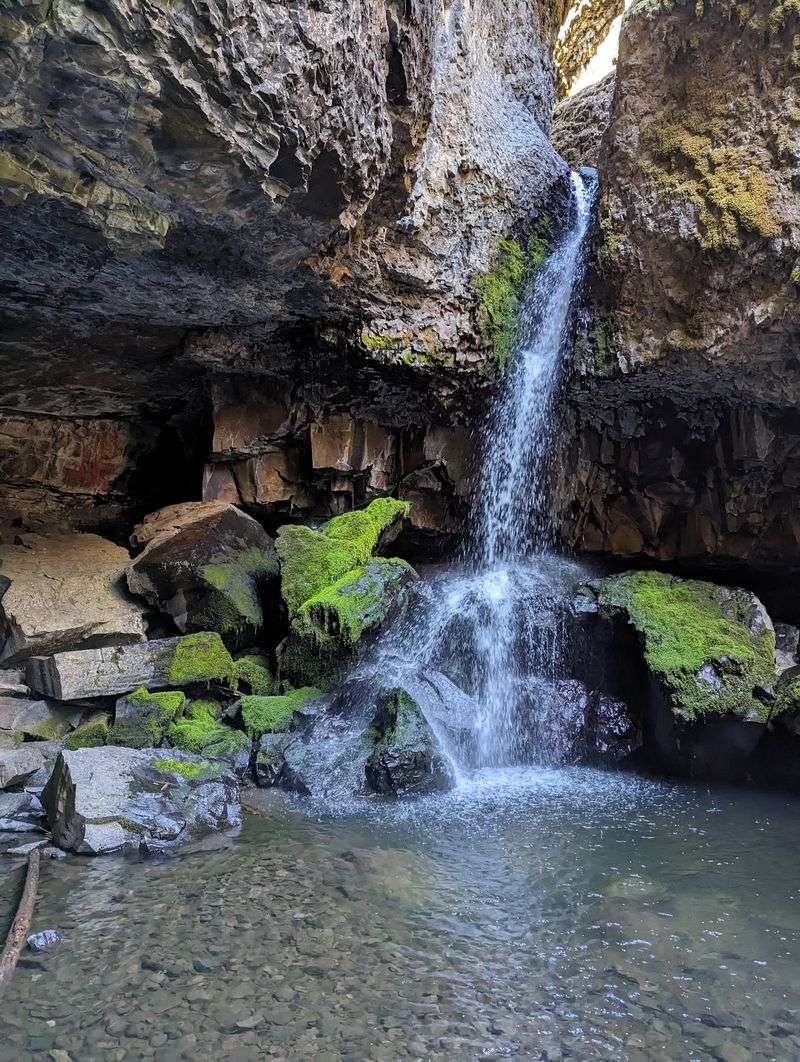
Shhh, not everyone knows about this part. A small waterfall and pool sit near the cave, hidden behind a large boulder and easy to miss.
The falls are located upriver from the cave entrance, not inside the main cave. Getting there involves rock hopping and scrambling, so it is not a simple stroll.
Each child will need an adult helper on this section. Wet rocks get slippery, and a quick slip can lead to a twisted ankle.
Families who make it often call this spot the highlight of the day. It makes a peaceful place to relax and enjoy the canyon.
Keep in mind that leaving the marked trail is discouraged in some areas. Check posted signs and listen to rangers about which routes are allowed.
Sturdy water shoes help a lot here. Pack a small towel too, since little hands and feet almost always end up wet.
A careful approach keeps this hidden corner fun instead of stressful.
Nature’s Own Water Slide
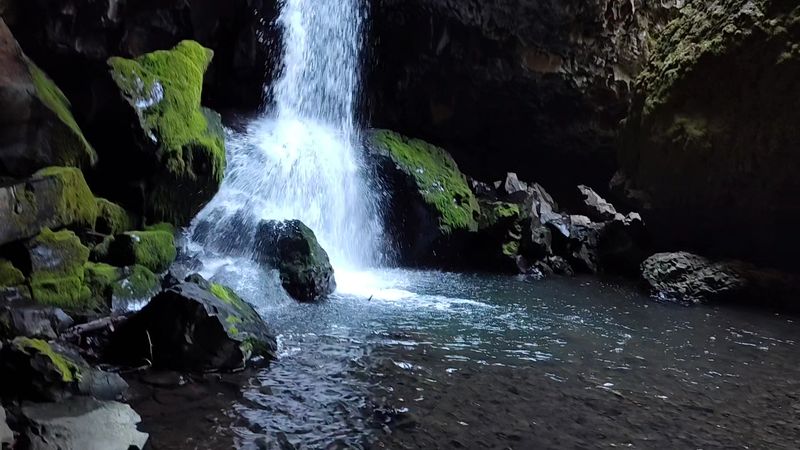
Who needs a water park when the creek built one already? Not far from the cave exit, about 0.2 miles down along the creek, a smooth rock forms a natural slide into a little pond.
Small children love it. The pond is shallow and not large, which suits younger kids best.
Getting there takes some care, though. The route follows the creek, and the rocks along the way can be very slippery.
Good water shoes make the walk much easier. Some families also follow the creek out of the canyon, which can mean wading through sections a foot or two deep.
Expect wet feet and maybe wet clothes. A towel and a spare set of socks waiting in the car can save the ride home.
Watch kids closely the whole time. Grown-ups should test each step first and guide little ones by the hand.
With patience, this splashy bonus becomes the part of the trip kids remember first.
Pack Like a Pro
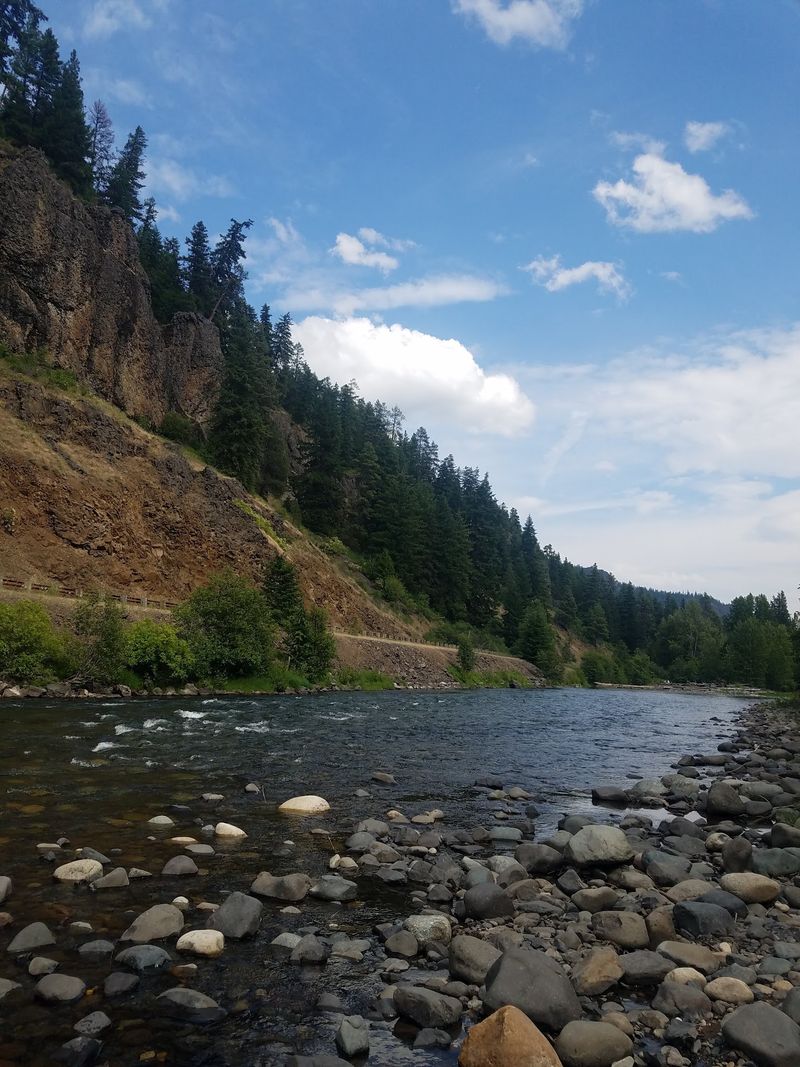
A smart backpack can make or break this trip. Start with a flashlight or headlamp for every hiker, because the cave gets truly dark in spots.
Water comes next. The trail climbs in the sun, and summer days can turn hot quickly.
Bug spray deserves a spot near the top of the bag. Insects can be a real nuisance here, so carry it on the trail rather than leaving it in the car.
Dress in layers. The cave stays cool while the trail warms up, and many families add and remove layers several times.
Toss in water shoes and a towel if creek play is part of the plan. A light coat also helps inside the cave.
Snacks or a packed lunch keep energy up, since many families end up spending most of the day. Finally, bring a bag for trash and carry out everything you bring in.
Leaving no trace keeps the canyon clean for the next group of young explorers.
Picnic Tables and Practical Stops
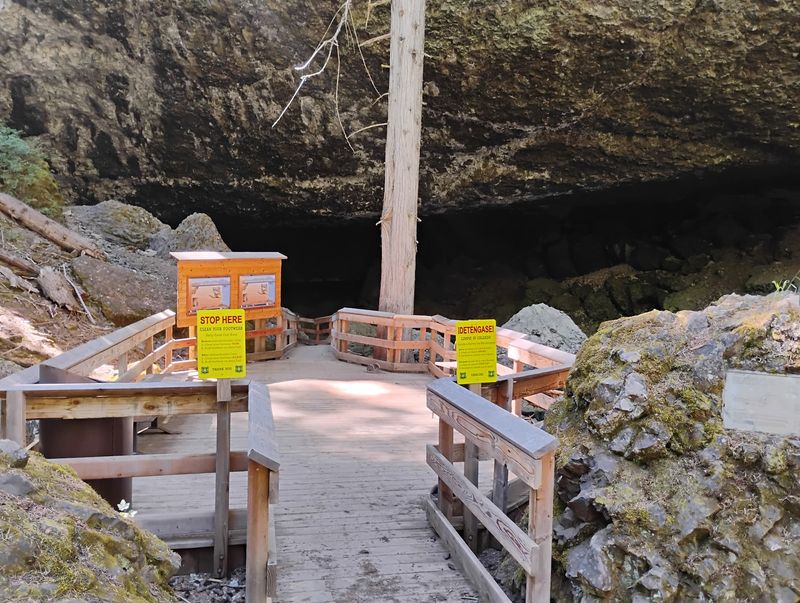
Lunch with a view waits right where the hike begins. Picnic tables sit near the parking lot, making it easy to refuel before or after the walk.
Many families plan the outing around a packed lunch. It turns a short hike into a relaxed full day outdoors.
Restrooms are available at the parking area, but they are rustic. Expect vault toilets with no running water and no flushing.
Hand sanitizer and wipes are worth packing for that reason. They help after the cave, the creek, and lunch.
The same parking lot also connects to another trail along the Naches River. Families with extra energy can add a riverside walk to the day.
Since there is no running water at the restrooms, fill bottles at home before leaving. Bring more than you think you need, especially in summer.
Little comforts add up. A cooler in the car, a blanket for the table, and dry clothes can turn a good outing into a great one.
Timing Your Trip Just Right
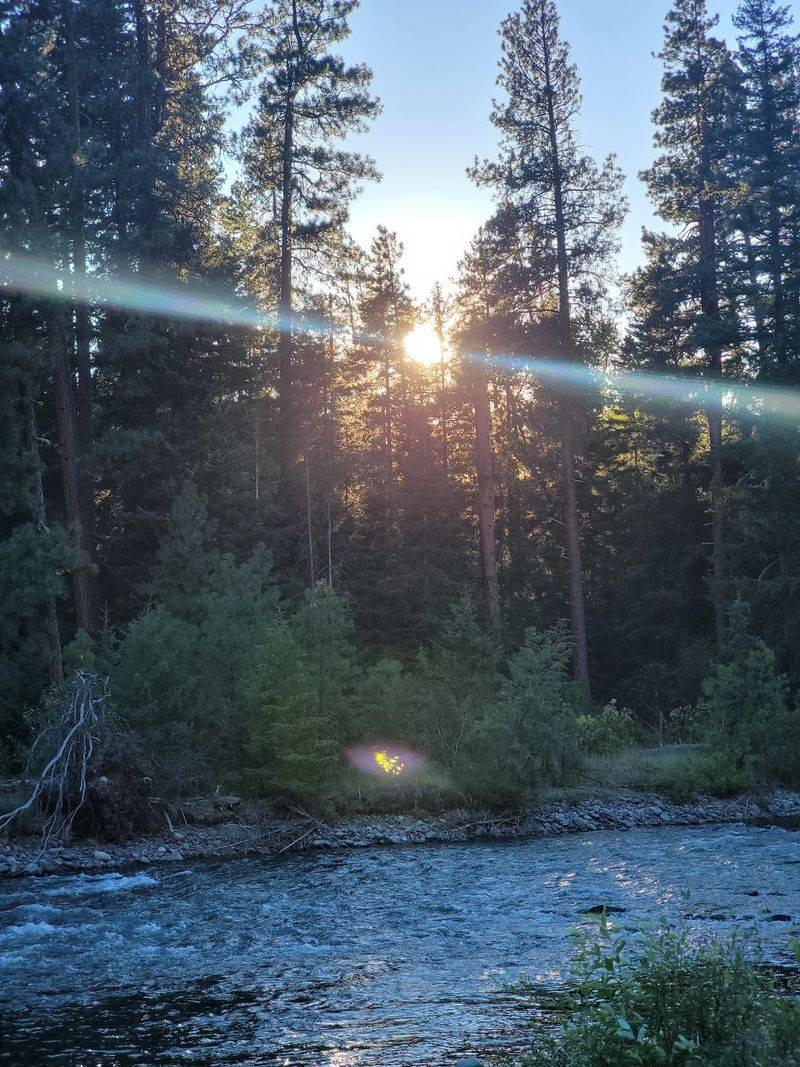
Timing is everything on a trail with a closing gate. Hours run from 10:30 a.m. to 4:30 p.m., so an early start gives the most breathing room.
Morning hikes also beat the afternoon heat. The uphill climb feels much easier before the sun rises high over the canyon.
Summer is popular for creek play and the cool cave air. Still, warm days call for extra water and shady breaks.
Season and access can change, and the cave has closed at times to protect the bats. Always check the official Forest Service page before driving out.
Plan at least a few hours for the visit. Many families find themselves lingering at lookouts, looping through the cave, and splashing in the creek longer than expected.
Keep a loose schedule and a firm departure time. That way kids get freedom to explore while grown-ups stay relaxed about the clock.
Wrap up the day with a final stop at the picnic tables, and everyone leaves already talking about the next visit.