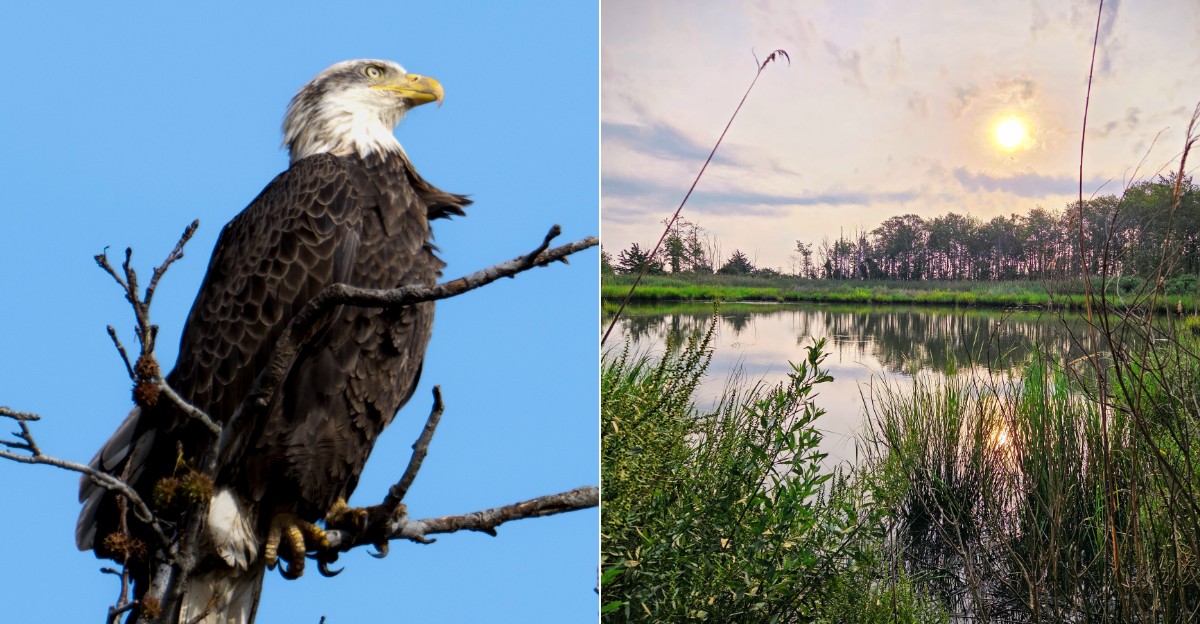
A flash of white above the marsh can make everyone stop talking at once. At Bombay Hook National Wildlife Refuge near Smyrna, Delaware, bald eagles can be spotted soaring over broad wetlands while herons, shorebirds, and other wildlife move quietly through the reeds below.
It is the kind of place where patience can turn an ordinary walk into a memorable wildlife encounter.
Located at 2591 Whitehall Neck Rd, the refuge protects a rich coastal landscape where tidal marshes and shallow waters provide important habitat for birds and other animals. Visitors can follow walking trails, drive through the refuge, and pause at observation areas with binoculars ready.
Listen for calls in the grass, scan the open sky, and watch the water for sudden movement. The beauty of Bombay Hook is that every visit can unfold differently, with another quiet corner or unexpected sight waiting just ahead.
Look Up for Bald Eagles
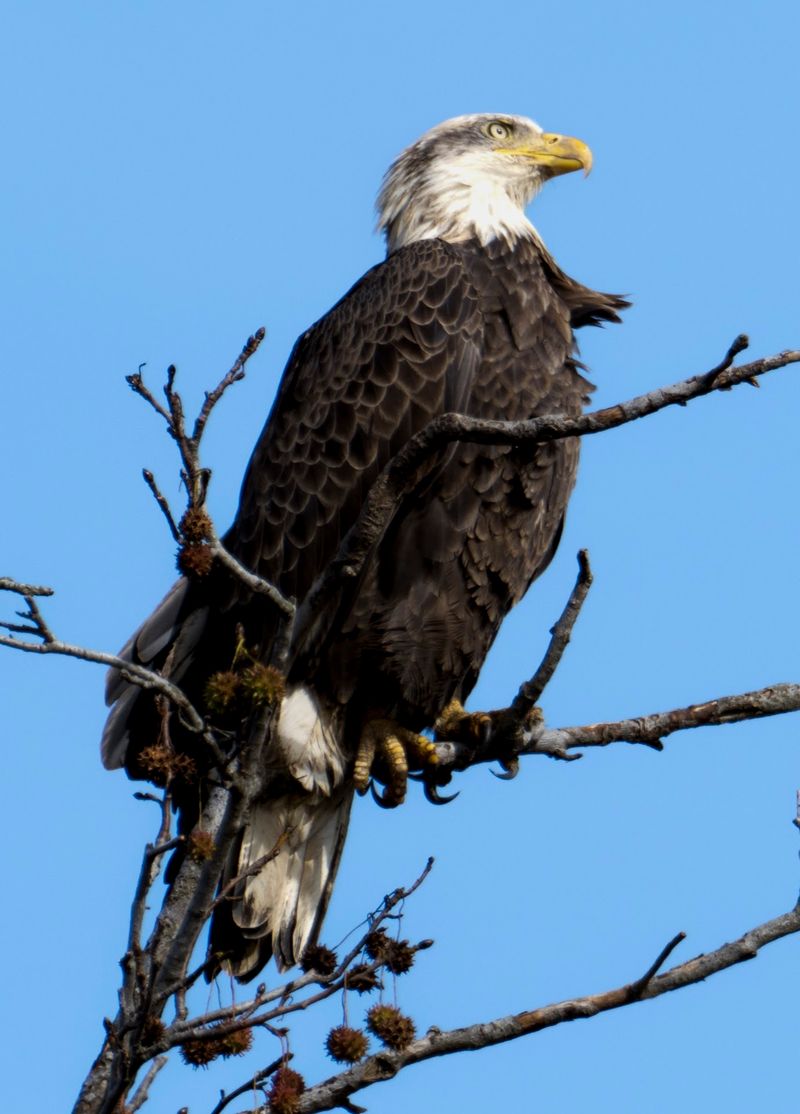
A dark shape crosses the sky, then a white head catches the light. At Bombay Hook National Wildlife Refuge, that quick change can turn an ordinary marsh view into an eagle sighting.
Watch the edges of the freshwater pools and the tall trees nearby, where bald eagles may perch between flights.
Bring binoculars, but take a moment to scan without them first. A large bird circling high above the reeds is easier to find with your eyes before you raise the lenses.
If it lands far away, stay patient rather than moving closer; other birds may react to it and reveal its position.
Eagles live wild lives here, so no stop comes with a promised appearance. Morning and late afternoon light can make a distant bird easier to see against the sky.
Keep your voice low and give every bird space, especially near nesting areas.
The reward is more than a photograph. Even a brief glimpse of broad wings over the water shows why protecting Delaware’s wetlands matters.
Leave time to stand still and watch the whole scene, not just the eagle.
Take the Wildlife Drive Slowly
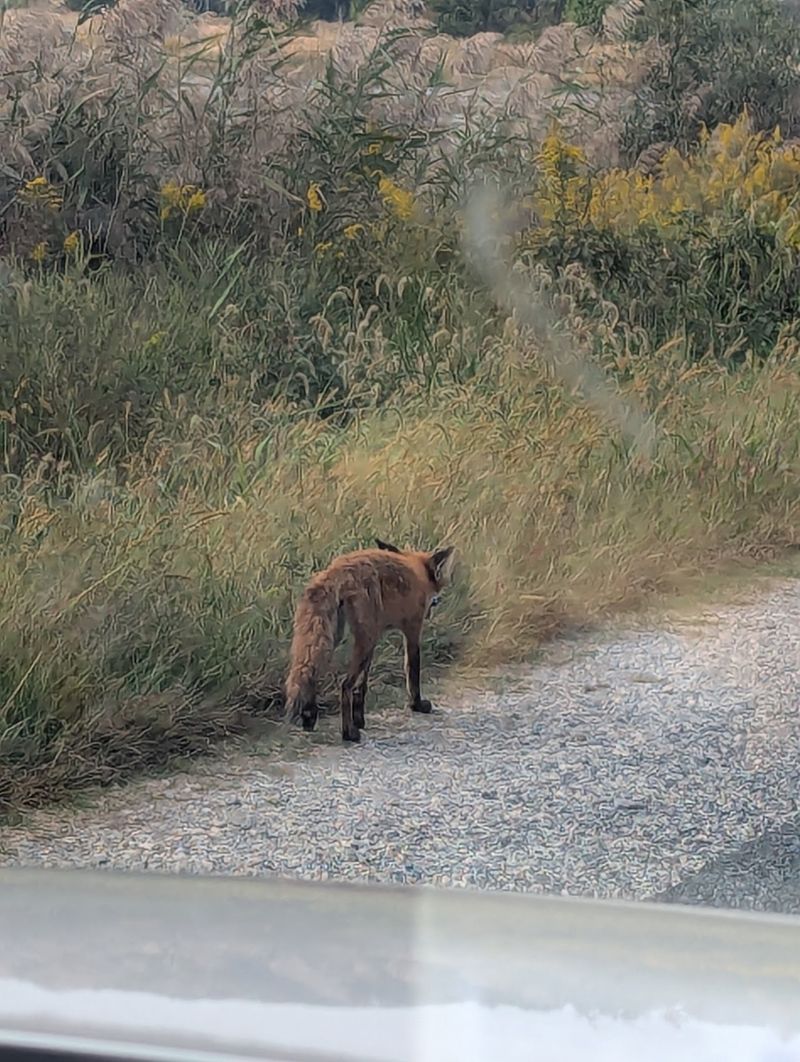
The best road trip here moves at the speed of a walking bird. Bombay Hook National Wildlife Refuge has a Wildlife Drive that winds past pools, marsh, and open ground, giving you several ways to look for animals without rushing between stops.
Roll down a window and listen before reaching for your camera.
One bend might reveal ducks feeding close to the bank. Around another, an eagle may sit in a distant tree while shorebirds gather below.
Drive carefully, watch for other visitors, and use designated places to pull over instead of blocking the road.
Keep binoculars within reach and let passengers help scan both sides. If a pool seems empty, wait a minute; birds often appear once your eyes adjust to the shapes and colors.
Check current refuge notices before leaving home, since access can change with weather or management work.
A slow loop lets you experience how the landscape shifts from one viewpoint to the next. You can stay comfortable in the car, then step out when a scene asks for a closer look.
Catch the Marsh in Morning Light
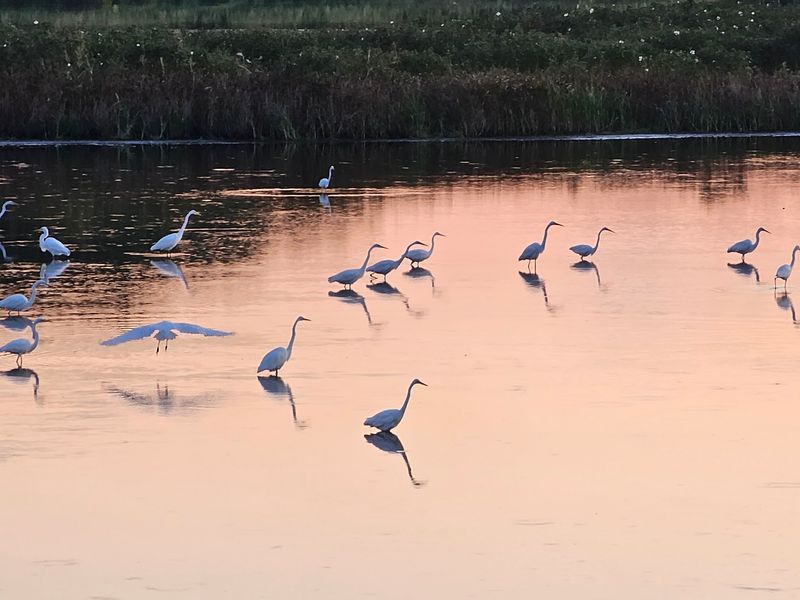
Before the sun climbs high, the pools can look like sheets of pale pink glass. An early visit to Bombay Hook National Wildlife Refuge brings cooler air, softer light, and a chance to hear bird calls before the day grows busy.
It is a lovely time to notice movement along the far bank.
Start with a wide view rather than searching for one famous bird. Ducks may paddle through reflections, while a heron stands nearly still in shallow water.
A bald eagle overhead can be easier to spot when its shape crosses a bright, open sky.
Pack a light layer, drinking water, and binoculars where you can reach them. Give yourself extra time for the drive, and confirm current opening information before planning an early arrival.
If you take photos, avoid using flash on wildlife and resist the urge to follow an animal for a better angle.
Morning rewards visitors who can pause without a schedule. When reeds brighten and the first birds begin to feed, even a familiar pool feels new.
The quiet may be the part you remember longest.
Scan Shearness Pool
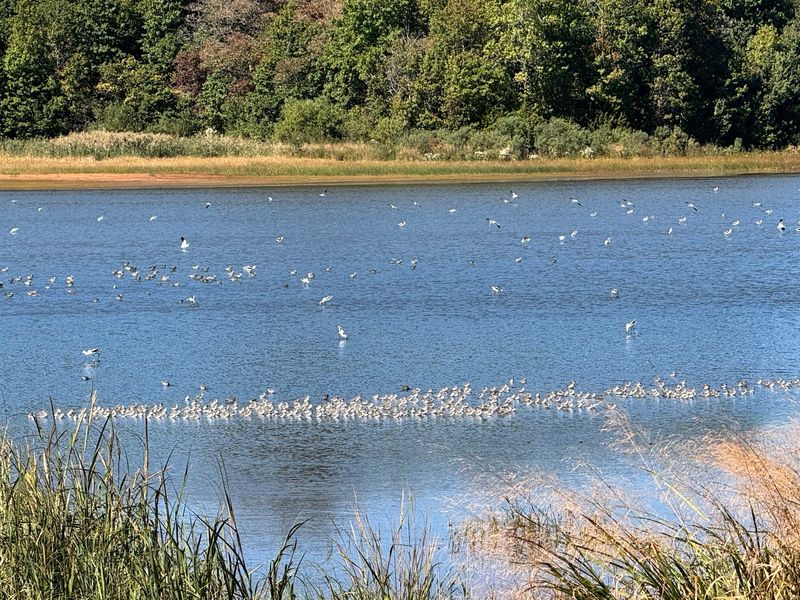
At first glance, the far shore looks empty. Then one small bird moves, and dozens of shapes seem to appear beside it.
Shearness Pool is a rewarding stop at Bombay Hook National Wildlife Refuge because its open water invites careful scanning. Depending on conditions, you might see waterfowl, wading birds, or shorebirds feeding nearby.
Look along the pool’s edges before sweeping across the center. Shallow areas can hold birds that blend into mud and reeds, while taller trees deserve a check for perched raptors.
An eagle sighting is possible, but the smaller birds often provide the liveliest show.
A spotting scope helps with distant birds, though binoculars are enough to enjoy the changing scene. Rest your elbows against a safe, steady surface if your hands shake.
Give other visitors room at viewing spots and keep clear of habitat edges rather than stepping toward the water.
Stay long enough for the pool to tell its story. Feeding birds may shift together when a shadow passes overhead, making the connection between predator and prey easy to see.
One patient stop can hold more surprises than a hurried circuit.
Climb for a Wider View
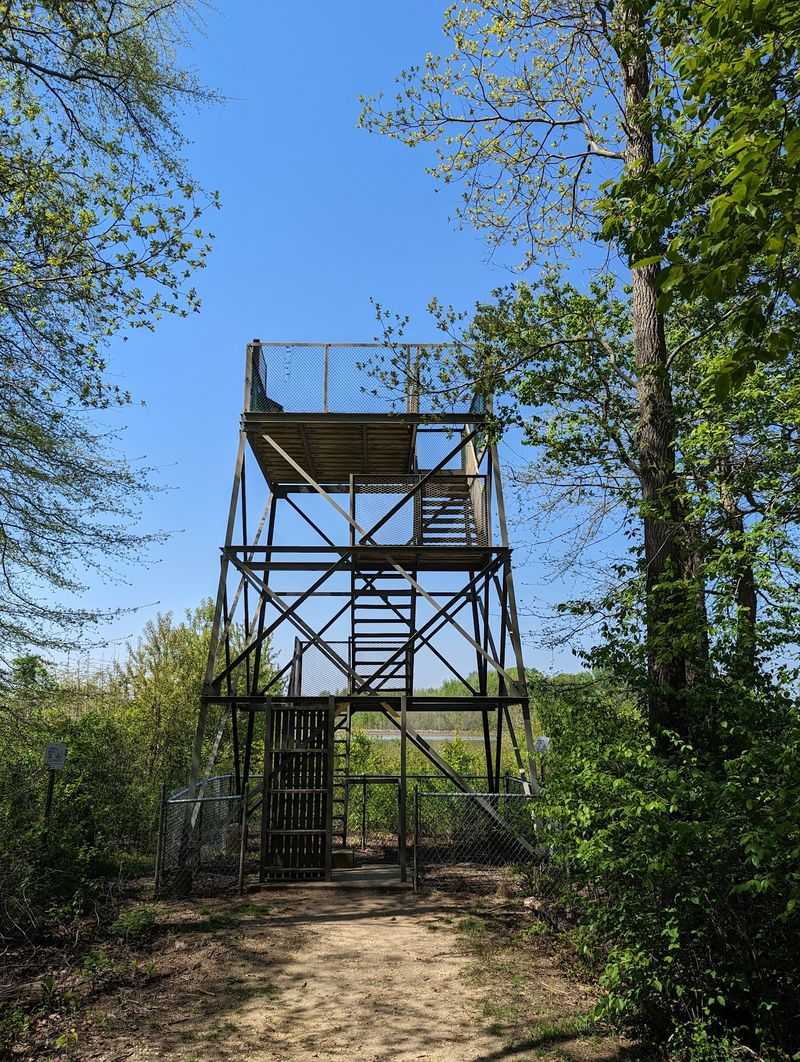
From above the reeds, separate pools and grassy stretches begin to fit together like pieces of a map. Observation towers at Bombay Hook National Wildlife Refuge offer that broader view, making it easier to understand how much space the birds have.
A tower near Raymond Pool is a good place to pause and search the horizon.
Climb carefully and keep a hand on the railing. Once you reach the top, begin with the nearest water, then look toward the distant marsh.
Herons and egrets may stand out as bright shapes, while a circling eagle can appear surprisingly small against the wide sky.
Bring binoculars and share the viewing space if others arrive. Wind can feel stronger up high, so secure loose hats and camera straps.
If stairs are not a comfortable choice, nearby ground level viewpoints still offer plenty to see; enjoying the refuge does not require a climb.
The change in height is worth a few quiet minutes. It turns a collection of bird sightings into a landscape, with water, grass, and woods all playing a part.
Looking out helps explain why the refuge protects more than one kind of habitat.
Follow the Boardwalk into the Marsh
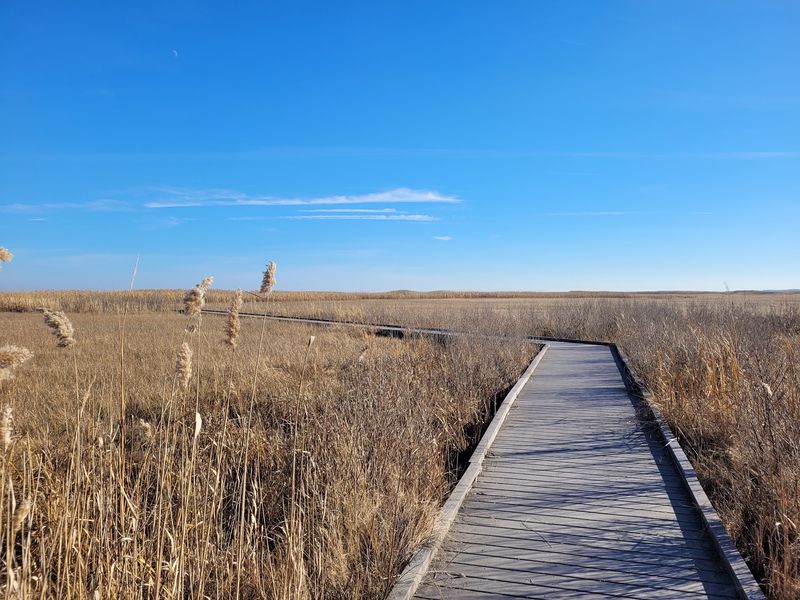
A quiet creek can sound busy when you stop to listen. Along the Boardwalk Trail at Bombay Hook National Wildlife Refuge, marsh grass rises near the path and small movements become part of the adventure.
Look down toward muddy edges for tiny crabs, then look up for birds crossing above the reeds.
Walking offers a different view from the car. You can notice how water threads between clumps of grass and how a shorebird searches the mud with its bill.
Take short steps and let your eyes settle before deciding that nothing is there.
Wear shoes that handle damp conditions, and carry insect repellent during warmer months. Stay on the marked route, both for your safety and to protect the plants and animals below.
Boardwalk conditions can change, so check refuge updates before counting on a particular trail.
The pleasure here comes from seeing a huge wetland through small details. A crab’s sideways dash or a bird’s quick call might become your favorite memory of the day.
Slow walkers have the best chance to catch those moments without disturbing the marsh.
Welcome the Traveling Birds
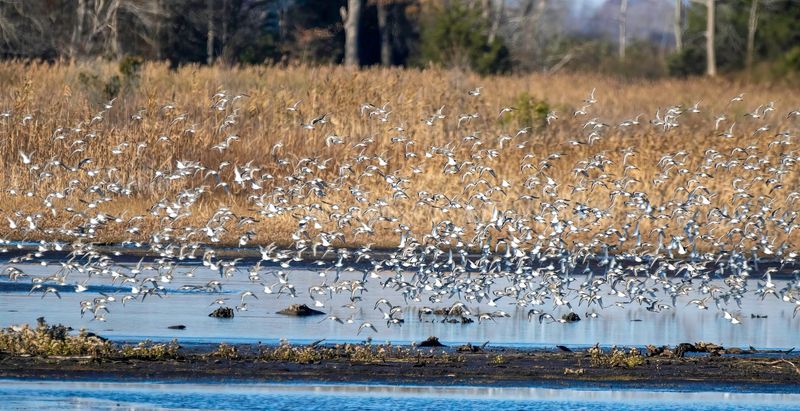
One morning the water may hold a few quiet ducks; on another, it seems full of wings. Bombay Hook National Wildlife Refuge lies along the Atlantic Flyway, a route used by birds traveling between seasonal homes.
Its pools and marshes give many of them places to rest and feed.
Spring and fall can bring changing groups of shorebirds and waterfowl. Spend time watching behavior instead of worrying about every species name.
Some birds probe the mud for food, while others float together until a sudden burst of motion sends them into the air.
Carry a simple bird guide or use a birding app after you have taken a good look. Note the bird’s size, shape, and bill before checking its name.
Flock numbers and locations vary with weather and water levels, so treat each visit as a fresh chance rather than expecting a set show.
Those long journeys make a stopover feel special. A bird that looks tiny from the roadside may have traveled an astonishing distance to reach this patch of Delaware wetland.
Watching it feed turns a peaceful outing into a glimpse of a much larger story.
Watch the Seasons Rewrite the Scene
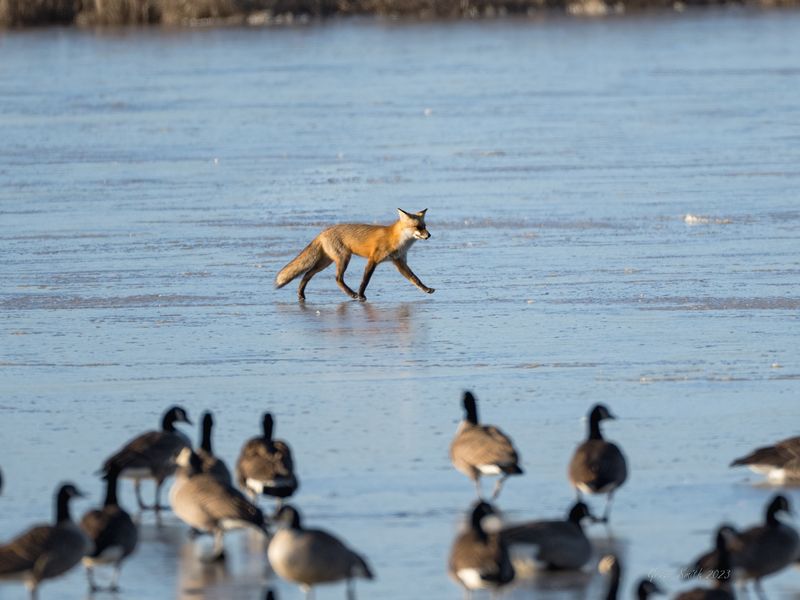
The refuge never gives quite the same performance twice. At Bombay Hook National Wildlife Refuge, changing seasons bring different colors, sounds, and birds to the wetlands.
A return trip can feel new even when you stop beside the same pool.
Cooler months may bring large groups of geese and ducks, their calls carrying across the open water. Spring draws attention to migrating shorebirds and fresh growth along the trails.
Summer can be a good time to watch herons and egrets work the shallows, though heat and insects deserve a place in your plans.
Dress for the forecast and bring water in every season. A hat and insect repellent can make a warm weather visit easier, while an extra layer helps when wind crosses the marsh.
Check current refuge conditions before traveling, since water levels and access affect what you can see.
Try visiting at two different times of year and comparing what catches your eye. You might remember the noise of geese on one trip and a single eagle on another.
Each visit shows how the wetland changes while continuing to shelter wildlife.
Keep an Eye Out Beyond the Birds
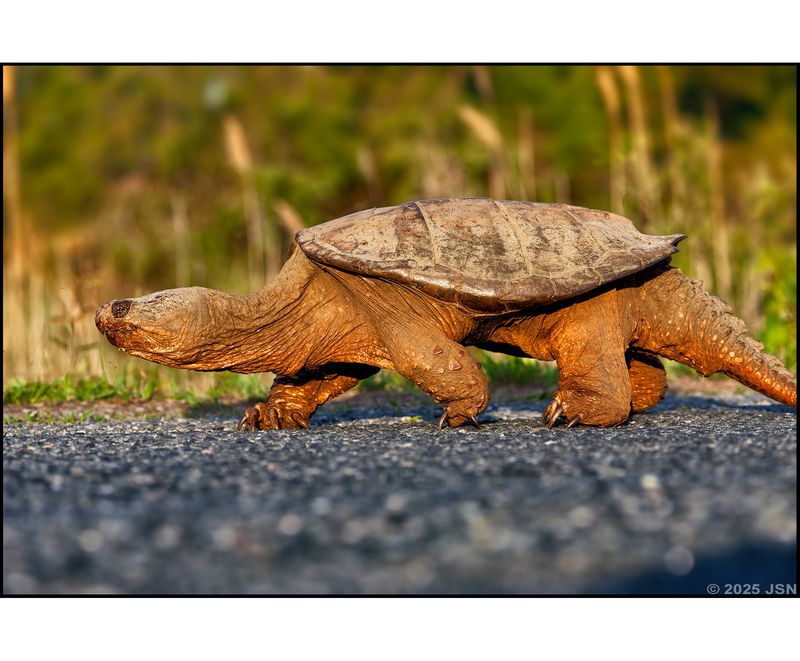
A flicker at the field’s edge might not have feathers at all. Although birds draw many visitors to Bombay Hook National Wildlife Refuge, mammals, turtles, and small marsh creatures also live among its woods and waterways.
Watching for them adds a playful twist to an eagle focused outing.
White-tailed deer sometimes appear near open fields, especially during quieter parts of the day. Near the water, look for signs of muskrats or the small motions of fiddler crabs along muddy ground.
Sightings depend on luck, so enjoy tracks, sounds, and movement even when an animal stays hidden.
Keep a respectful distance and never offer wildlife food. A zoom lens or binoculars gives you a better view without pushing into an animal’s space.
Move slowly near viewing areas, and make sure children know that wild creatures are for watching, not touching.
Noticing more than birds changes the way you see the refuge. A rustle in the grass becomes a reason to pause, while a ripple on a pool invites a second look.
The wetlands feel richer when you give every resident a chance to surprise you.
Leave Room for Quiet
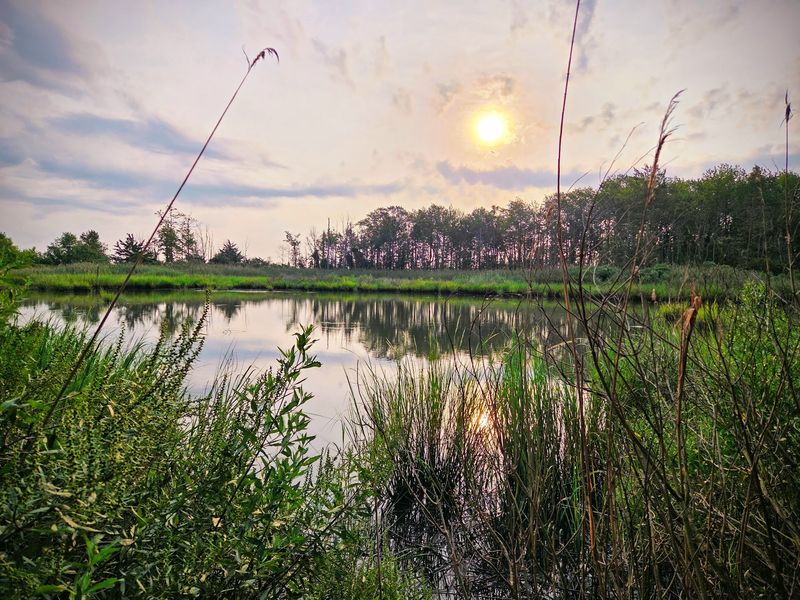
Sometimes the most memorable sight is an almost empty stretch of water. At Bombay Hook National Wildlife Refuge, the open marsh gives you room to slow down between bird sightings.
Wind moves through the reeds, a call travels across a pool, and ordinary worries can feel a little farther away.
Choose one viewing spot and stay longer than you first planned. Watch how light changes on the water, or listen for a bird you cannot yet see.
If an eagle passes overhead, wonderful; if not, the marsh still has its own rhythm to share.
Bring water and a snack for your visit, then carry out everything you brought in. Keep noise low, follow posted rules, and check current hours and fees before setting off.
These small choices help make the refuge welcoming for both wildlife and the next person hoping for a quiet moment.
You do not need a long list of sightings to leave feeling glad you came. A few still minutes can make the trip worthwhile.
The best souvenir may be the memory of looking across the wetlands with nowhere else you needed to be.