Forget everything you’ve heard about Iowa being nothing but endless cornfields. Hidden among rocky bluffs, quiet forests, and winding streams are waterfall trails that surprise even longtime locals with their beauty.
Some are reached by an easy stroll, while others reward hikers with peaceful paths leading to spring-fed cascades and moss-covered cliffs.
A few only show their full power after a good rain, making every visit feel a little different.
From the rugged hills of the Driftless Area to tucked-away state parks, these trails reveal a side of Iowa that many travelers never expect to find.
Bring sturdy shoes, charge your camera, and get ready to discover places that prove the Hawkeye State has plenty of natural wonders waiting around the next bend.
Dunnings Spring Trail (Decorah)
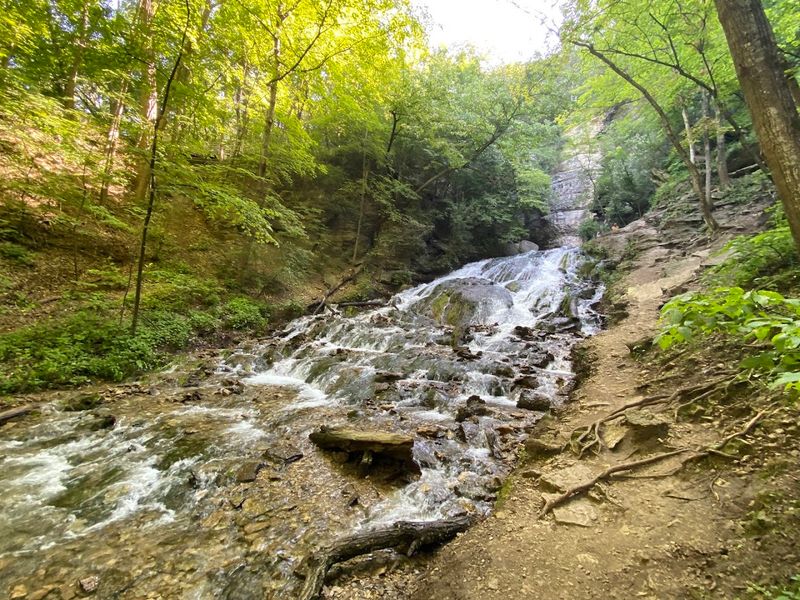
Water tumbles gracefully over a tall limestone cliff at this family favorite, creating one of Iowa’s most photographed natural wonders. The trail itself is short and easy, making it perfect for kids, older adults, or anyone who wants to see something beautiful without breaking a sweat.
You can reach the falls in just a few minutes from the parking area.
What makes this spot truly special is how it changes with the seasons. Spring brings rushing water from snowmelt, while summer offers a cool escape from the heat.
Fall frames the waterfall with brilliant orange and red leaves, and winter sometimes creates incredible ice formations along the cliff face.
The waterfall looks especially impressive after rainstorms when the water flow increases dramatically. The surrounding wooded ravine stays cool even on hot summer days, and the sound of flowing water creates a peaceful atmosphere.
Local photographers often visit at sunrise to catch the best light filtering through the trees onto the falling water.
Bridal Veil Falls Trail at Pikes Peak State Park (McGregor)
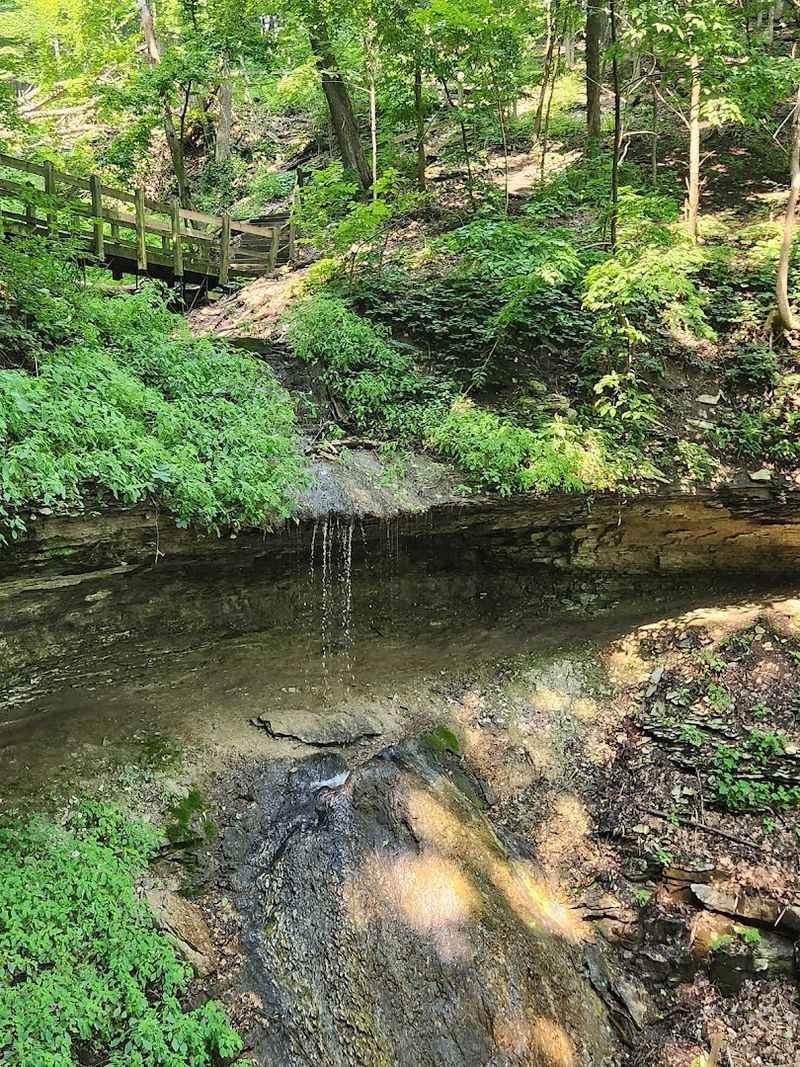
A wooden boardwalk winds through a cool, fern-filled ravine that feels more like Kentucky or Tennessee than Iowa. The trail stays accessible even for people who struggle with rough hiking paths, making this waterfall experience available to almost everyone.
Towering limestone bluffs create natural walls on either side, giving the whole area a protected, almost secret garden feeling.
The waterfall itself is seasonal, meaning you’ll want to visit in spring or after significant rainfall to see it at its best. When flowing, the water drops dramatically from the cliff tops above, creating a thin veil of water that gives the falls their romantic name.
Even when the waterfall isn’t flowing, the ravine itself remains beautiful with its abundant ferns and mossy rocks.
Pikes Peak State Park also offers incredible views of the Mississippi River from its bluff-top overlooks. Many visitors combine the waterfall hike with these overlook trails for a full day of scenery.
The park’s combination of waterfalls, river views, and unique rock formations makes it one of Iowa’s true outdoor treasures.
Beulah Springs Falls Trail (McGregor)
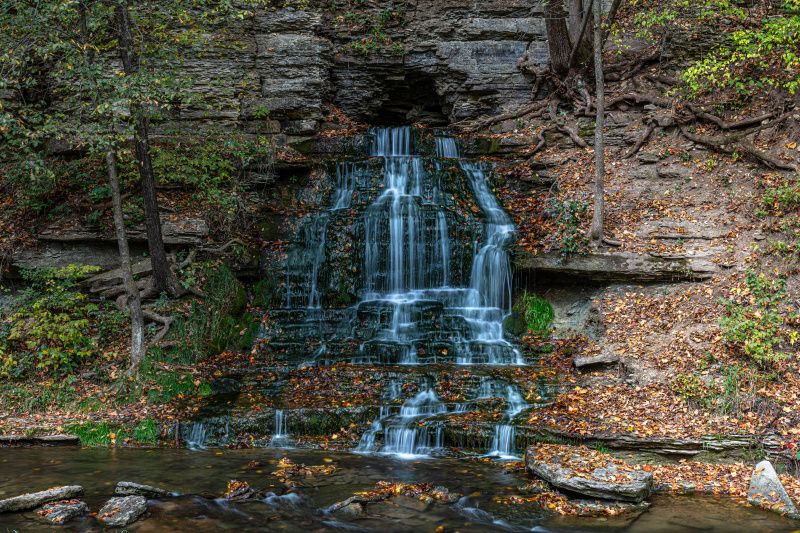
Tucked away like a secret waiting to be discovered, this mossy waterfall hides beneath limestone cliffs near Bloody Run Creek and Spook Cave. Getting there feels like a treasure hunt, and finding this hidden gem makes the journey totally worthwhile.
The falls maintain their mossy green appearance throughout the growing season, creating an almost enchanted forest atmosphere.
Unlike some seasonal waterfalls, this spring-fed cascade flows consistently because its water source comes from underground rather than surface runoff. The constant moisture supports thick moss growth on the surrounding rocks and creates a microclimate that stays cooler than the surrounding forest.
Ferns and shade-loving plants thrive in this environment, adding to the lush appearance.
The name Bloody Run Creek sounds ominous but actually refers to a historical Native American battle in the area. Today the creek provides beautiful scenery and good trout fishing opportunities.
The waterfall itself remains relatively unknown compared to other Iowa falls, so you might have it all to yourself. Bring a camera and take time to explore the area around the falls where additional springs bubble up from the ground.
Backbone State Park Spillway via West Lake Trail (Dundee)
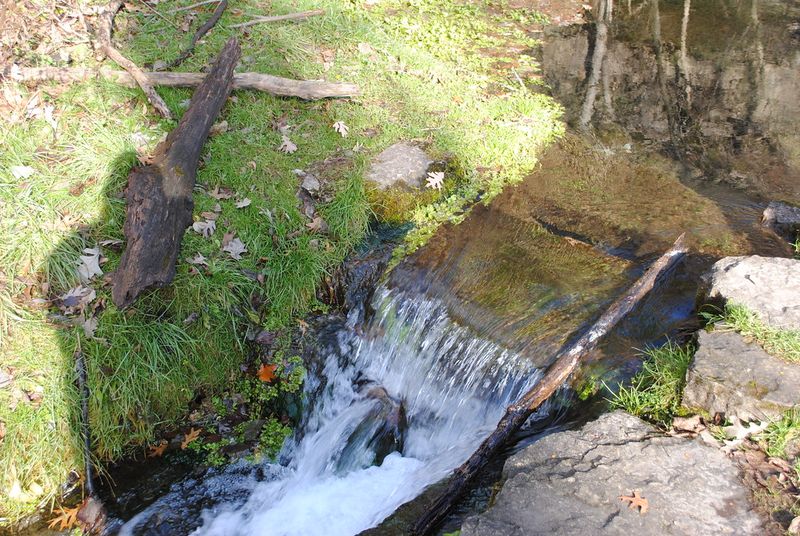
Iowa’s very first state park delivers rugged beauty that surprises first-time visitors. The spillway waterfall flows year-round, unlike seasonal falls that disappear during dry spells.
This reliability makes it a favorite destination for photographers who want to capture flowing water without worrying about timing their visit perfectly.
The West Lake Trail leads hikers through varied terrain before revealing the spillway. Rocky outcrops, dense forest, and lake views combine to create a true wilderness feel.
The park earned its name from a narrow ridge of bedrock that resembles a backbone, and this unique geology makes the entire park interesting to explore beyond just the waterfall.
Different seasons bring dramatically different experiences here. Spring showcases the spillway at its most powerful with heavy water flow.
Summer visitors enjoy swimming in the lake after their hike. Fall transforms the forest into a palette of reds and golds, and winter sometimes freezes the spillway into an ice sculpture.
The park’s historic status means facilities and trails are well-maintained, making visits comfortable while still feeling wild and natural.
Siewers Springs Trail (Decorah)
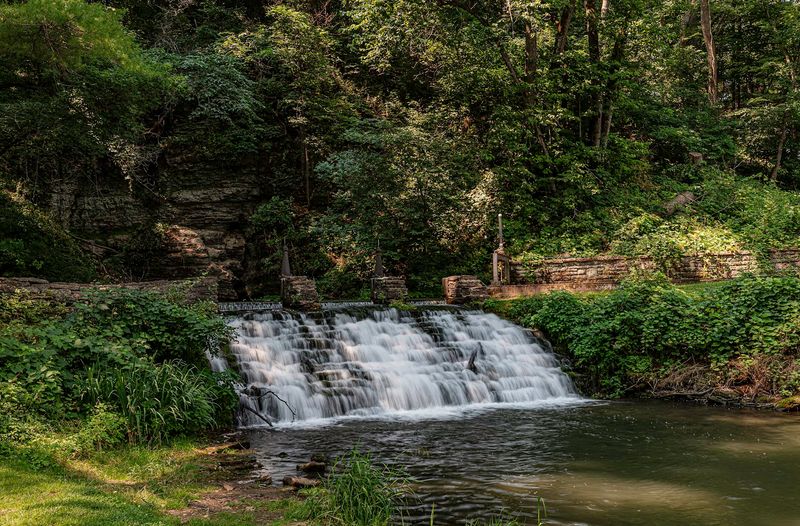
Near Decorah’s fish hatchery, water cascades down a stepped spillway that creates a miniature version of a natural waterfall. The multiple tiers catch light beautifully, and each level creates a different sound as water drops to the next step.
Trout streams wind through the surrounding park area, adding to the aquatic atmosphere and providing fishing opportunities for those who brought their gear.
The easy walking trail makes this waterfall accessible to practically everyone, including families pushing strollers or visitors with mobility concerns. Natural springs feed the system, ensuring reliable water flow throughout most of the year.
The fish hatchery nearby raises thousands of trout, and watching these fish in the clear rearing ponds adds another element of interest to your visit.
Decorah invested in making this area beautiful and functional, combining natural springs with carefully designed spillways that look almost natural. The result is one of the town’s most scenic spots and a favorite for locals who want a quick nature break.
Benches near the waterfall invite visitors to sit and enjoy the peaceful water sounds. Spring brings wildflowers to the surrounding areas, while fall colors reflect in the pools below the spillway.
Macbride Falls Trail (Solon)
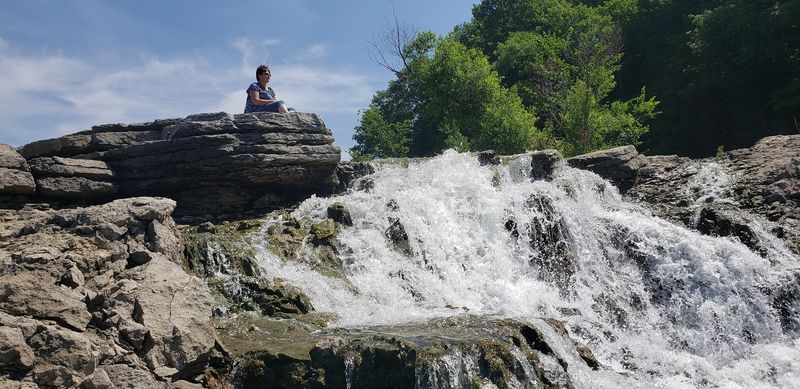
Positioned perfectly between Lake Macbride and Coralville Reservoir, this broad rock spillway creates waterfall-like scenery that changes dramatically based on water levels. When both lakes are full, the spillway becomes a rushing cascade that rivals many natural falls.
The width of the spillway is impressive, stretching across a significant expanse rather than dropping as a narrow stream.
The hiking trail connecting the two lakes offers pleasant scenery throughout its length, not just at the spillway. Forest surrounds much of the path, providing shade on hot days and brilliant color in autumn.
The moderate difficulty level means most reasonably fit people can complete the hike without too much strain, though it’s longer than some of the other waterfall trails on this list.
High water periods following spring snowmelt or heavy rains create the best waterfall effects here. During these times, the spillway roars with power and generates impressive spray.
Lower water periods still offer nice scenery but with a more gentle, meandering flow. The surrounding recreation areas provide opportunities for camping, fishing, and boating, making this a great destination for a full outdoor weekend rather than just a quick waterfall visit.
Ledges State Park Canyon Trail (Boone)
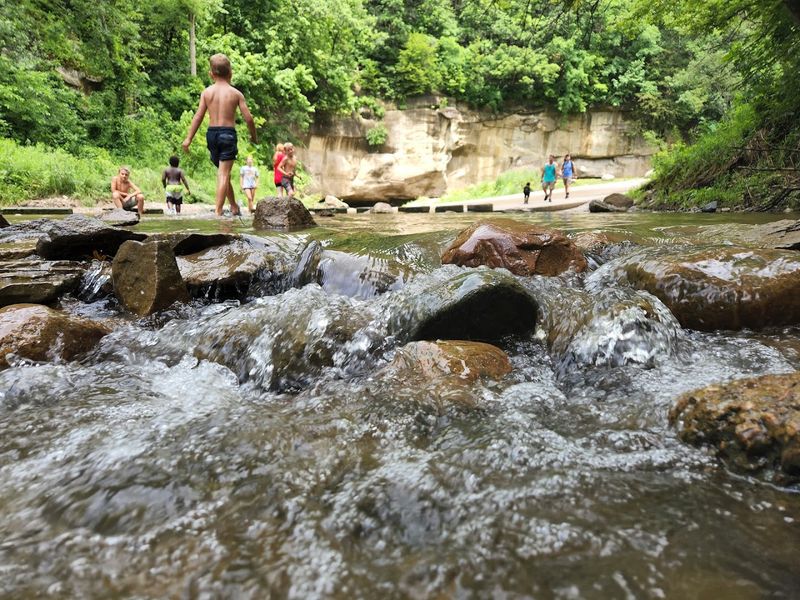
Forget looking for one big waterfall here because Ledges State Park offers something even better. Multiple seasonal cascades, flowing water crossing the roadway, and dramatic sandstone ledges combine to create one of Iowa’s most memorable hiking experiences.
The canyon itself feels almost otherworldly, with layered sandstone formations that tell geological stories spanning thousands of years.
Water behavior here changes constantly depending on recent rainfall and season. Sometimes you’ll encounter significant cascades, while other visits might reveal only trickling streams and damp rock faces.
The flowing water crossing the roadway creates a unique feature where visitors can safely interact with moving water without leaving the trail. Kids especially love this part where they can walk through shallow water flowing over the pavement.
The sandstone ledges give the park its name and provide the most dramatic scenery. These overhanging rock shelves create natural shelters that ancient peoples once used.
Today’s hikers appreciate how these formations frame views and create interesting foreground elements for photography. The entire canyon system offers adventure beyond any single waterfall, with nooks and crannies to explore throughout the trail system.
Woodman Hollow State Preserve Trail (Near Otho)
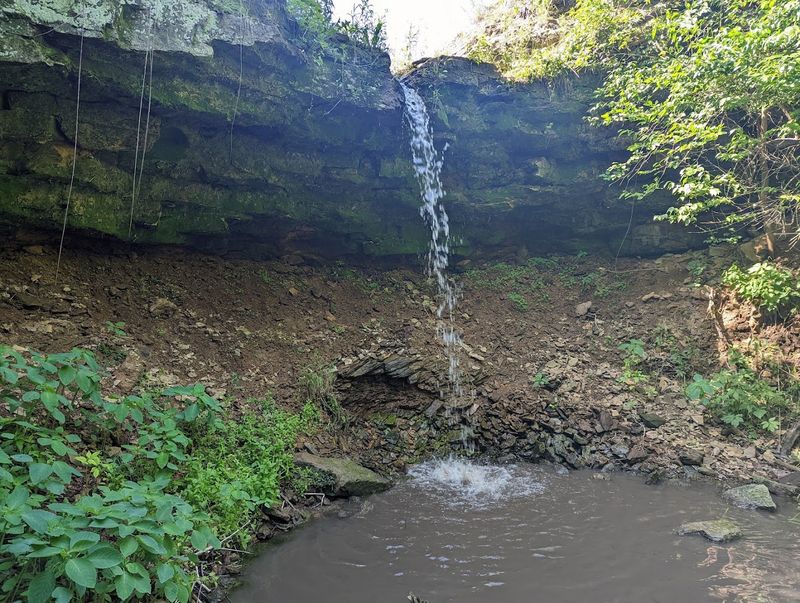
Central Iowa doesn’t get enough credit for its natural beauty, but Woodman Hollow State Preserve proves the region has hidden treasures. This rugged preserve protects old-growth forest and dramatic topography that feels completely unlike the surrounding agricultural landscape.
Steep ravines, rocky cliffs, and dense vegetation create an almost mountain-like atmosphere in the middle of relatively flat farmland.
The seasonal waterfall requires some effort to reach, as the terrain here is genuinely challenging with steep slopes and uneven footing. Serious hikers appreciate this preserve for its authentic wilderness character that hasn’t been sanitized or over-developed.
When the waterfall flows after rain or snowmelt, discovering it feels like finding a secret known only to a lucky few.
Old-growth trees tower overhead, some of them centuries old and spared from the logging that cleared most of Iowa’s original forests. This ancient woodland provides habitat for plants and animals that have disappeared from much of the state.
The preserve’s protected status ensures these natural features will remain wild for future generations. Bring sturdy boots, watch your footing, and prepare for a real adventure rather than a casual stroll.
Beed’s Lake Spillway Trail (Hampton)
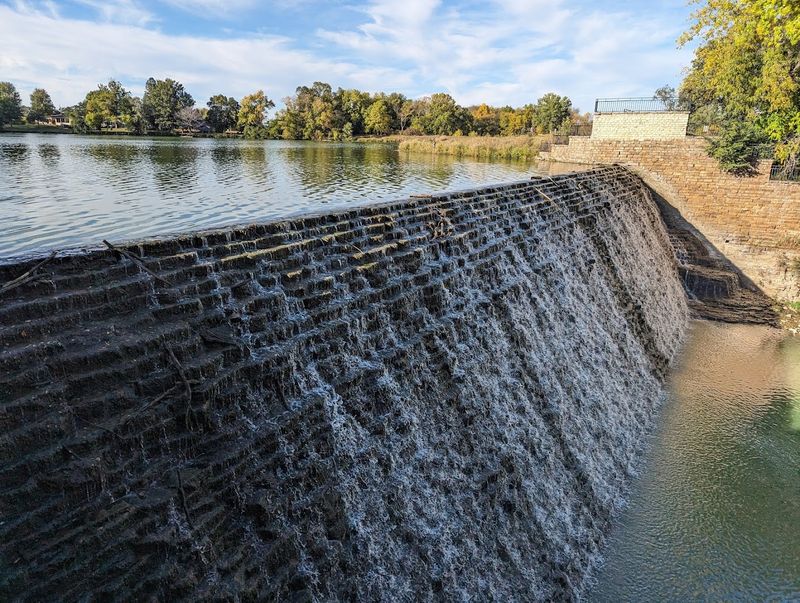
Historic stonework combines with natural water flow to create one of Iowa’s most photographed spillways. The craftsmanship evident in the masonry reminds visitors that people once built things to last for generations.
Each carefully placed stone serves both functional and aesthetic purposes, directing water flow while creating visual appeal that modern concrete structures rarely match.
The short walk from parking to spillway makes this an easy stop for anyone passing through the area. Families with young children appreciate how quickly they can reach the waterfall and how safe the viewing areas are.
Despite the brief walk, the spillway delivers impressive scenery worth stopping for, especially during periods of active water flow.
Photography enthusiasts visit throughout the year to capture different seasonal looks. Spring brings rushing water and emerging greenery, summer shows the spillway framed by full forest, fall adds colorful leaves, and winter sometimes creates icicles along the stone edges.
The combination of human engineering and natural beauty creates a unique aesthetic that purely natural waterfalls don’t offer. Local residents treat this spot as a community gem, maintaining it carefully and proudly sharing it with visitors.
Union Grove State Park Spillway Trail (Gladbrook)
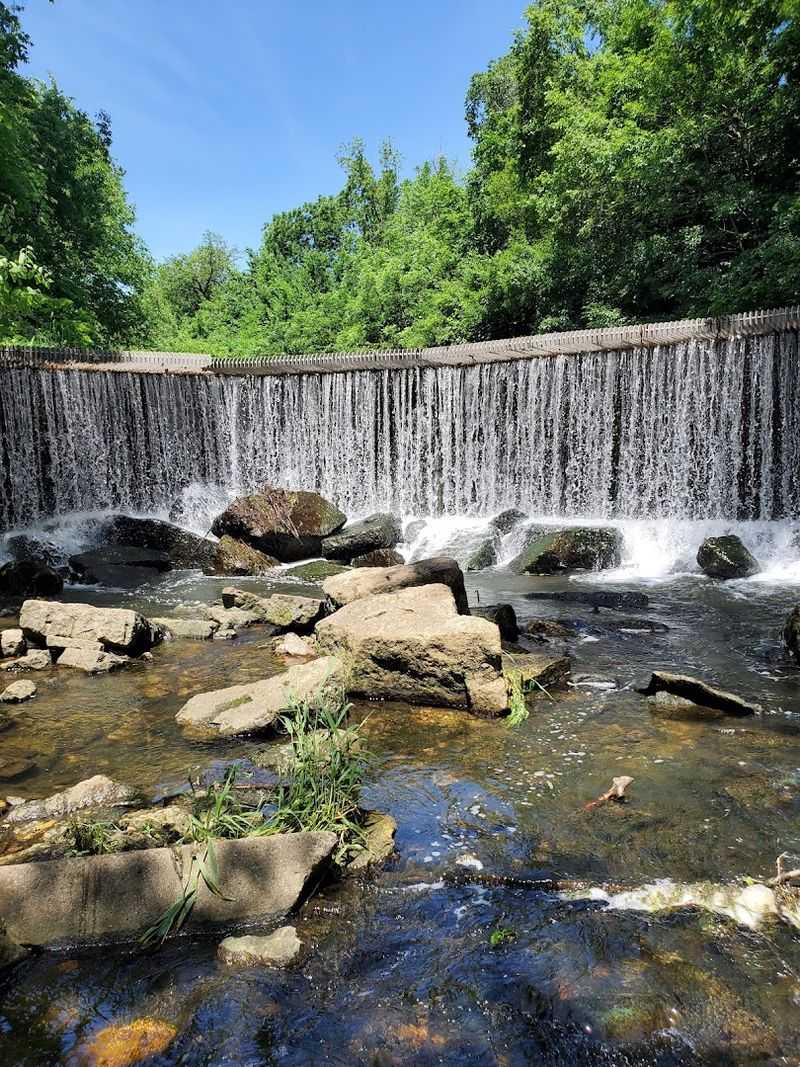
Peace and beauty define this broad spillway waterfall that transforms from pleasant to spectacular depending on water conditions. Spring typically delivers the best show when snowmelt and spring rains create impressive water volume rushing over the spillway.
The width of the falling water makes this spot particularly photogenic, especially when captured with a long exposure that turns the water into a silky smooth cascade.
The park itself maintains a quieter atmosphere than some of Iowa’s busier state parks, meaning you might have the waterfall mostly to yourself. Easy walking access makes the spillway reachable for almost anyone who can walk short distances.
The surrounding natural vegetation has been allowed to grow relatively wild, creating a buffer between the waterfall and developed areas that enhances the natural feeling.
Heavy rains transform this spillway dramatically, so check recent weather before visiting if you want maximum waterfall impact. Even during lower flow periods, the spillway remains attractive with its stone construction and peaceful setting.
Nearby trails offer additional exploration opportunities for those who want to make their visit longer than just a quick waterfall photo stop. The park provides a genuine escape from daily stress without requiring hours of driving to reach.
Duck Creek Waterfall Trail at Devils Glen Park (Bettendorf)
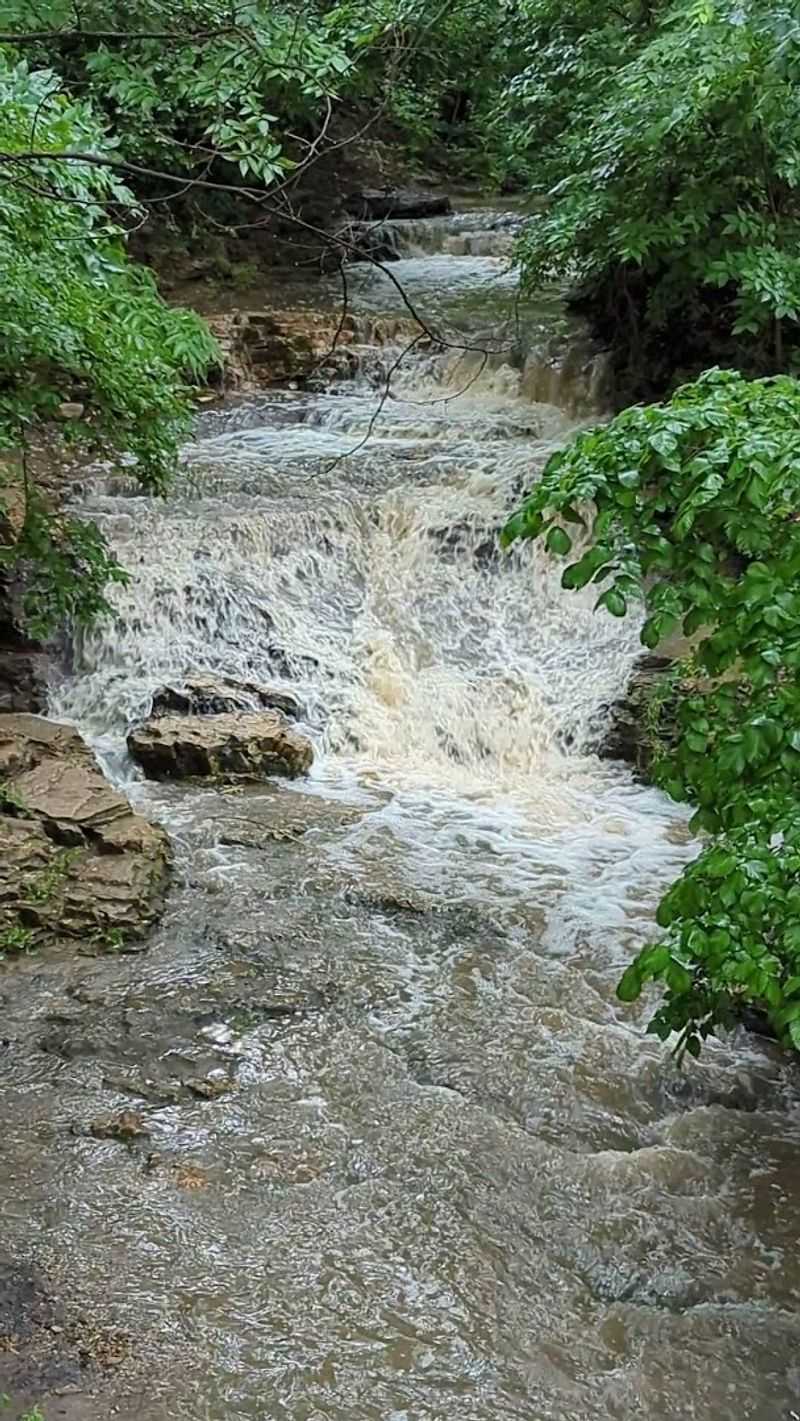
Eastern Iowa’s Quad Cities area might seem like an unlikely place for a beautiful waterfall, but Devils Glen Park delivers surprising natural beauty within city limits. The paved trail makes this waterfall accessible to wheelchairs, strollers, and anyone who struggles with unpaved hiking paths.
This accessibility doesn’t diminish the waterfall’s appeal—the cascade genuinely looks attractive as it blends decorative elements with the natural creek valley.
The wooded setting provides a green escape from urban surroundings, with mature trees creating a canopy overhead and native plants growing along the creek banks. The waterfall itself was enhanced with ornamental stonework that directs the water flow artistically while maintaining a natural appearance.
Water sounds fill the area, creating that peaceful audio backdrop that makes waterfall visits so relaxing and restorative.
Urban waterfalls like this one prove you don’t need to travel to remote wilderness to find nature’s beauty. Local residents use the trail system regularly for exercise and stress relief, while visitors appreciate discovering this gem in an unexpected location.
The park combines the waterfall with other amenities like picnic areas and additional trails, making it perfect for a family outing or peaceful solo nature break during a busy day.