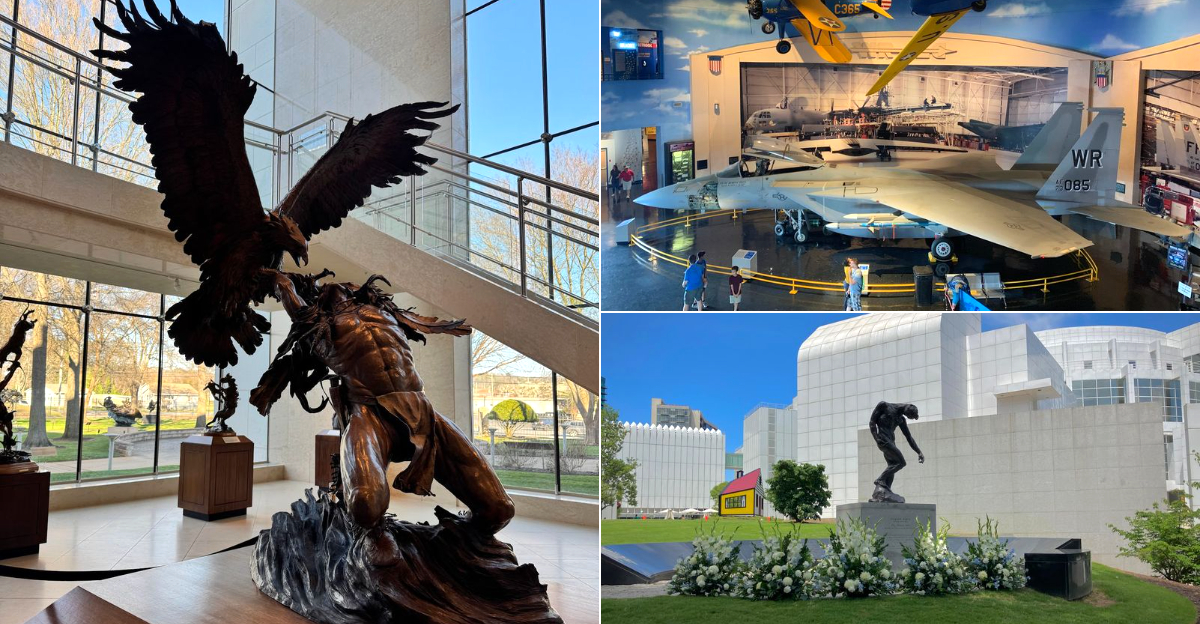
Georgia may be known for its peaches and its Southern charm, but the state’s museum scene is something that deserves far more attention than it typically gets.
From Atlanta’s world-renowned aquarium to the quiet brilliance of smaller regional institutions, Georgia has assembled a collection of museums that can genuinely hold your full day’s attention.
The variety is remarkable: natural history, civil rights, fine art, western art, military aviation, and more, all within a state that most visitors underestimate culturally.
Some of these institutions have achieved national recognition, while others remain hidden gems waiting to be discovered by curious travelers.
Here are ten of Georgia’s biggest and most rewarding museums that we could have explored all day long.
1. Georgia Aquarium – Atlanta, Fulton County
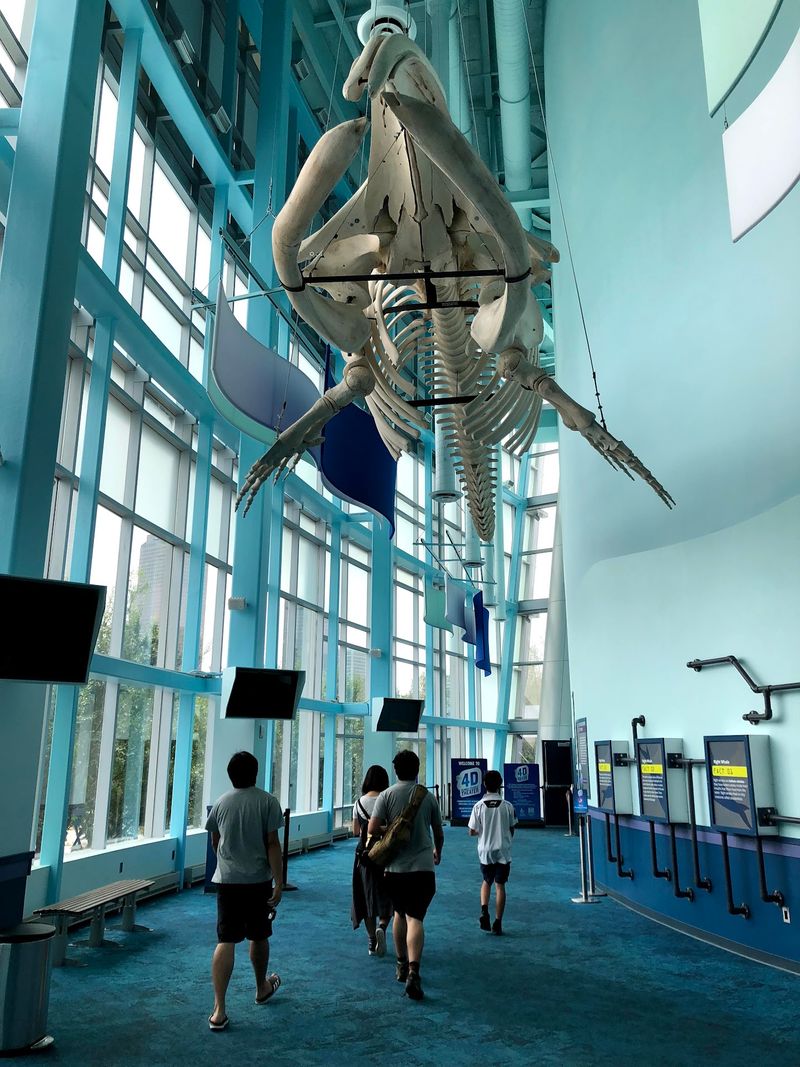
Walking through a dim blue hall can feel like entering another planet.Huge tanks, slow shadows, and bright fish make every corner exciting.
In downtown Atlanta, the Georgia Aquarium turns ocean life into an easy, memorable lesson for families.
Whale sharks, sea lions, and playful otters give visitors many reasons to linger.Plan extra time for popular galleries because crowds build fast on weekends and holidays.
Early morning tickets usually mean shorter lines and better views near the glass.
The dolphin presentation and animal encounters often require separate timing, so check schedules first.Comfortable shoes help because the building is large and full of tempting stops.
One quiet surprise comes from watching children stare silently at jellyfish.
Another favorite area shows how rescuers care for sea turtles and other animals.Signs explain habitats in clear language, which makes the trip useful for school age kids.
If you need a break, nearby snack spots and rest areas keep the day comfortable.
A visit here mixes fun, science, and wonder in a way that sticks.By the time you leave, Atlanta feels a little closer to the sea.
That rare feeling is why many guests happily stay much longer than planned there.
2. National Center for Civil and Human Rights – Atlanta, Fulton County
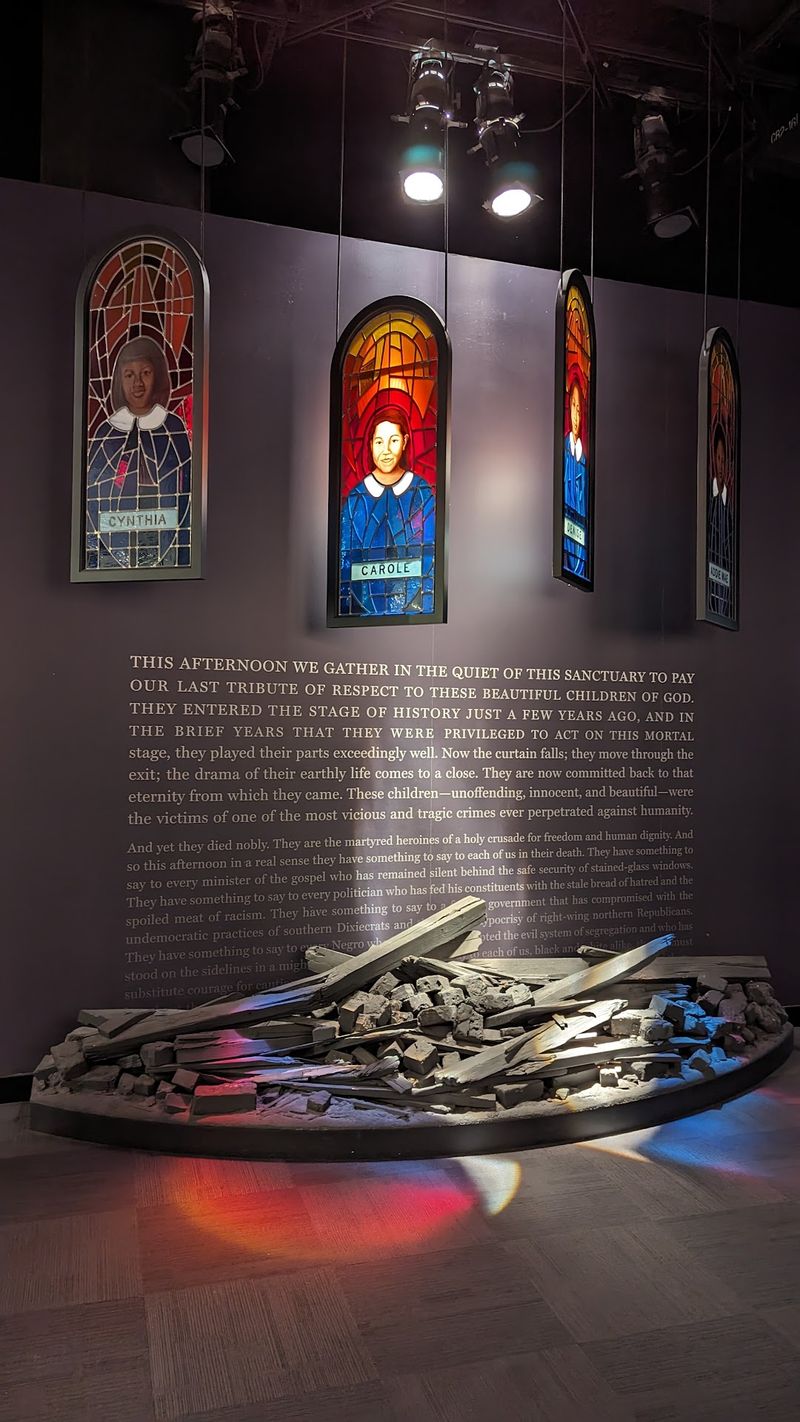
Some places ask you to look carefully, listen closely, and think longer.A visit to the National Center for Civil and Human Rights in Atlanta does exactly that.
The exhibits connect history, courage, and fairness in ways many students remember for years.
Stories about lunch counter sit-ins, marches, and speeches feel personal instead of distant.Quiet galleries let visitors move at their own pace, which matters with serious topics.
Interactive displays help younger readers understand unfair laws and brave choices.
One moving section lets guests hear voices from the civil rights movement while standing in a recreated protest setting.That moment can spark good family conversations long after the trip ends.
Beyond American history, the museum also explores human rights struggles around the world.
Clear signs and videos show how ordinary people can defend dignity in everyday life.Bring a notebook if your kids like writing down big questions or favorite facts.
Pairing this stop with nearby downtown sites can make a full learning day.
The center is not the largest building in Atlanta, but its message feels huge.You leave carrying more than photos because the lessons stay active in your mind.
For a very long time afterward, that message can continue shaping conversations at home.
3. High Museum of Art – Atlanta, Fulton County
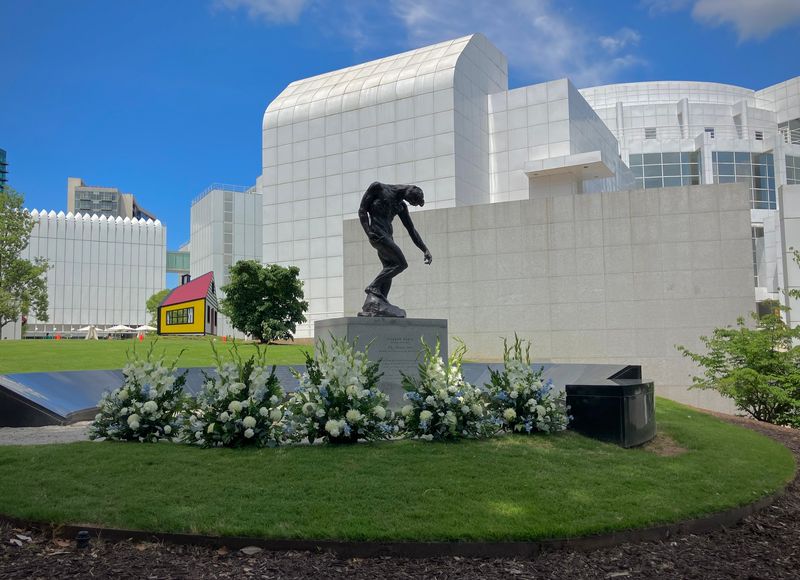
Light pours through wide spaces here, making art feel open and welcoming.In Atlanta, the High Museum of Art gives first-time visitors an easy way to enjoy painting, design, photography, and sculpture.
Even people who think they are not art fans usually find something surprising.
The building itself feels bright, calm, and carefully planned.Rotating exhibitions mean no two visits feel exactly the same from season to season.
Family guides and hands-on programs can help kids notice color, shape, and storytelling.
One room may feature classic American works, while another explores modern pieces with bold ideas.That mix keeps the museum interesting for both quick visits and longer afternoons.
Arrive with one simple goal, like choosing a favorite artwork from each floor.
Small challenges like that help younger visitors stay focused without feeling rushed.The museum shop is fun, but save energy for the galleries first.
Nearby Midtown restaurants also make lunch planning easy if you want a full day out.
Art can sometimes seem hard to understand, yet this museum lowers that pressure.By the end, you may talk less about rules and more about feelings, details, and noticing.
Something new often stands out for yourself and others too.
4. Jimmy Carter Presidential Library and Museum – Atlanta, Fulton County
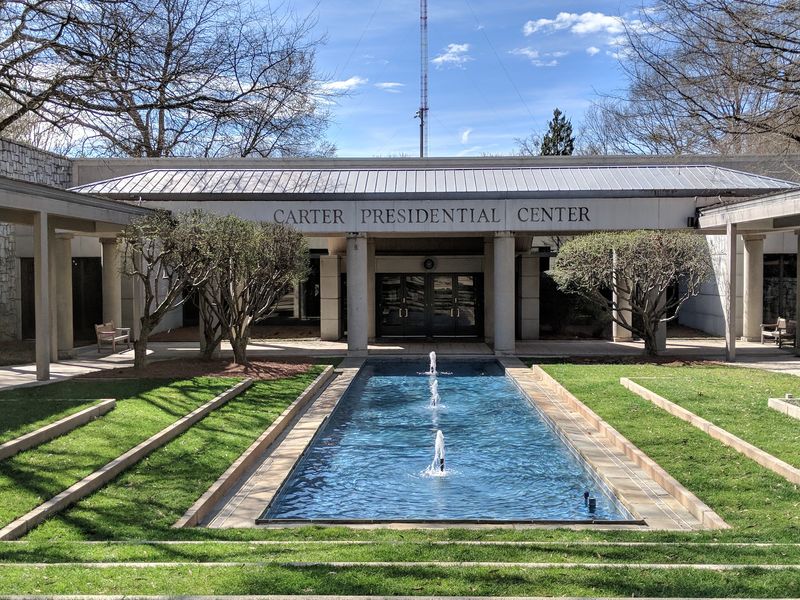
History feels calmer when it is told in a place surrounded by trees.The Jimmy Carter Presidential Library and Museum in Atlanta blends public service, personal stories, and major world events.
Visitors can learn about elections, peace work, and life inside the White House.
The setting also gives the whole trip a thoughtful, reflective mood.Exhibits explain Carter’s presidency in a clear way that helps younger readers follow along.
Letters, photos, campaign items, and recreated rooms make big events easier to picture.
One popular area shows what decision making can look like for a president under pressure.That real-world view helps students understand leadership beyond textbooks.
Outside, the grounds and gardens offer a quiet break between exhibits and give families room to breathe.
Inside, signs about human rights and global health connect the museum to work that continued after office.Try visiting with a few questions in mind, such as what makes a leader trustworthy.
Looking for answers turns the museum into an active conversation.
It may not feel flashy, but it leaves a steady impression.Long after the visit, many people remember how ordinary objects can tell powerful stories.
Those stories about responsibility, service, and hope still matter in public life today.
5. Columbus Museum – Columbus, Muscogee County
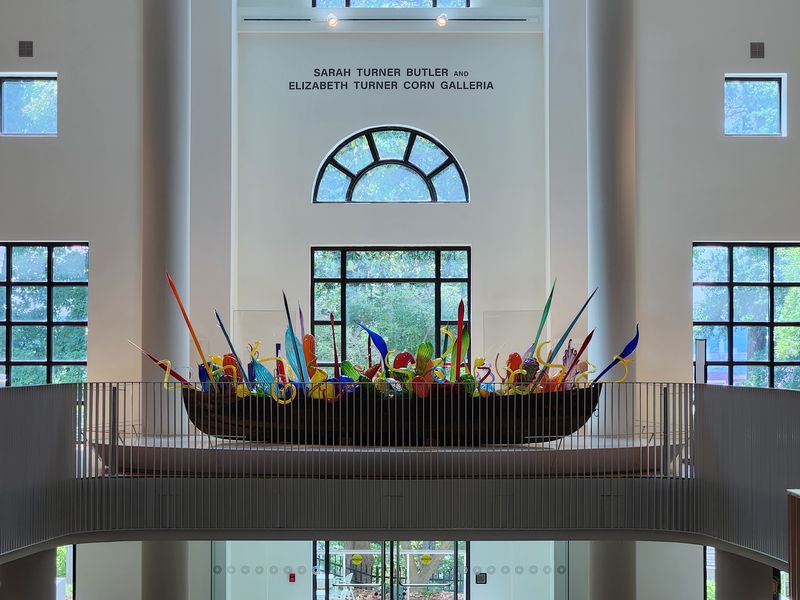
A relaxed afternoon can turn into a surprisingly rich art and history stop.Over in Columbus, the Columbus Museum mixes regional American art with stories from the Chattahoochee Valley.
That combination makes the museum feel grounded in local life instead of distant facts.
Families can move from paintings to historical objects without losing interest.Because admission is often free, it is an easy choice for budget-friendly travel days.
Spacious galleries help visitors slow down and actually look, rather than rush past everything.
Children often respond well to exhibits that connect art with everyday Southern history.Changing programs and events can add extra reasons to return during another season.
The museum grounds and nearby green spaces make a nice bonus if the weather is pleasant.
Bring a water bottle and take breaks so younger visitors stay comfortable and curious.One smart approach is to pick one artwork and one artifact that tell different stories about Columbus.
Comparing them turns a simple walk into a mini lesson.
The museum may not shout for attention, but it earns it quietly.By the time you leave, you have a sense of how Columbus remembers itself.
Through portraits, furniture, landscapes, and people from long ago.
6. Savannah History Museum – Savannah, Chatham County
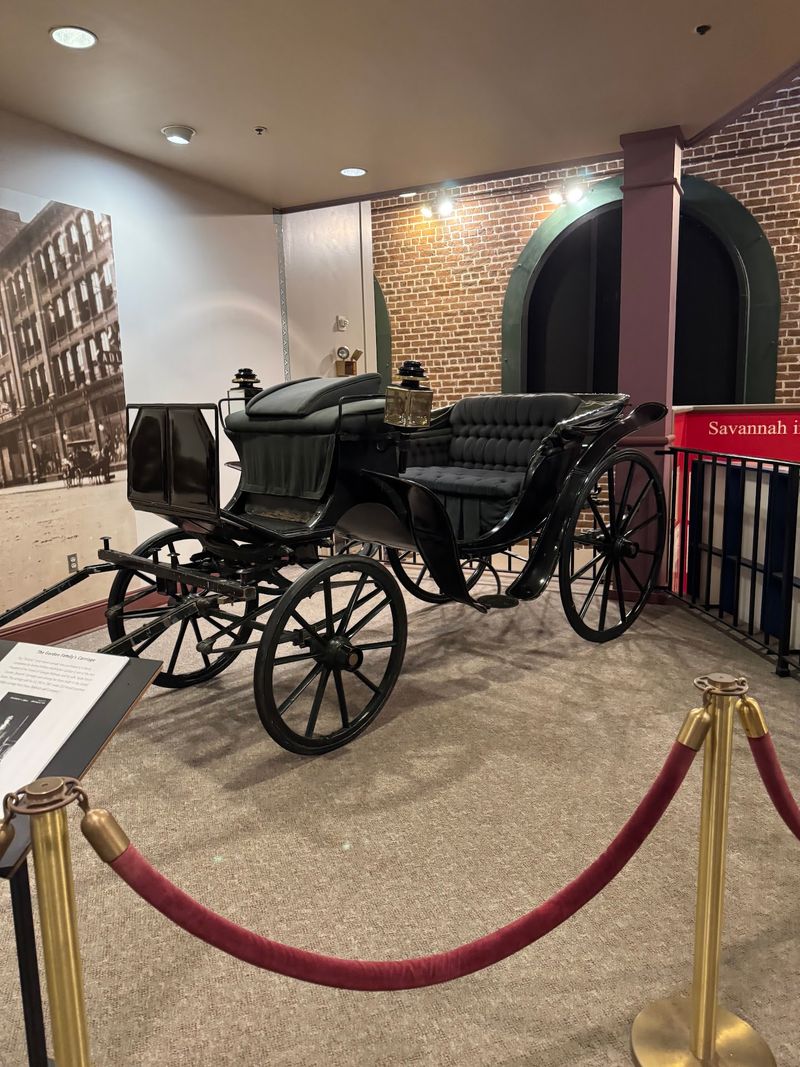
Old train cars and city stories give this stop a fun, time-travel feeling.In Savannah, the Savannah History Museum introduces visitors to the people, industries, and events that shaped one of Georgia’s most famous cities.
The museum sits near the old Central of Georgia Railway area, which adds extra character right away.
History feels close here because the setting already tells part of the story.Exhibits cover everything from colonial days to military history and local culture.
Many visitors enjoy seeing items connected to famous movies, old uniforms, and transportation.
The collection is varied enough that each family member usually finds a favorite section.Short labels make it easier for middle school readers to keep up without getting lost.
Because Savannah has so many walking tours, this museum works well as a cool indoor break.
Start here if you want background before exploring squares, homes, and nearby landmarks.Understanding the timeline can make the rest of the city more meaningful.
If you like connecting places to real people, this stop does that well.
It may not be enormous, but it adds depth to a Savannah trip.Afterward, the streets seem less like postcards and more like chapters.
From stories that still echo through the city.
7. Booth Western Art Museum – Cartersville, Bartow County
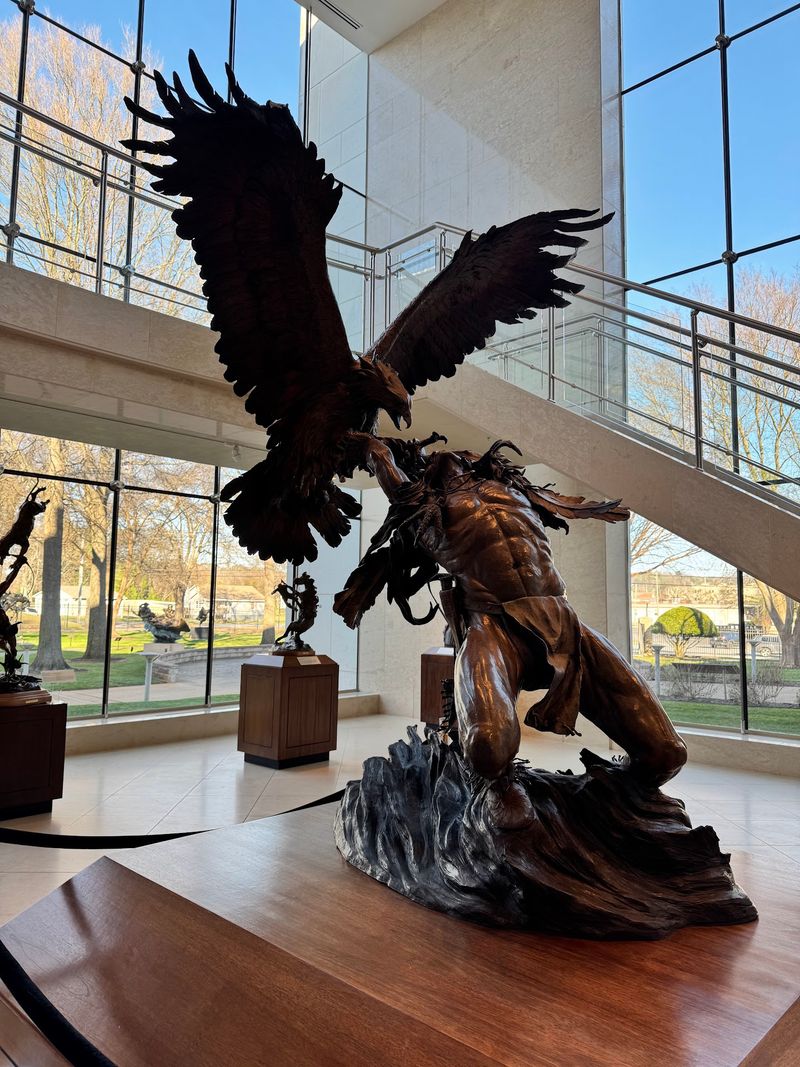
Boots, bronze, and big Western skies come to mind before you even step inside.In Cartersville, the Booth Western Art Museum offers a different side of American history than many Georgia museums.
It focuses on Western art, frontier stories, presidents, and the myths people still carry about the West.
That unusual mix makes the museum memorable from the start.Large paintings and sculptures create an almost movie-like feeling in several galleries.
Kids often enjoy the cowboy gear, stagecoach material, and hands-on family activities.
Adults may spend extra time with portraits and works showing how artists shaped national ideas.The museum does a nice job balancing beauty, storytelling, and historical context.
Because the building is spacious, it helps to choose a few must-see sections first.
A scavenger hunt or sketchbook can keep younger visitors engaged without rushing them.One smart idea is to compare art that romanticizes the West with exhibits that explain harder truths.
That turns the visit into a thoughtful discussion, not just a photo stop.
Booth Western Art Museum stands out because it feels both grand and personal.Leaving Cartersville, visitors remember the art and how powerfully America pictured itself.
Through scenes, landscapes, and legends that still shape imagination.
8. Museum of Aviation – Warner Robins, Houston County

The sound of engines and the sight of enormous aircraft can stop people in their tracks.Down in Warner Robins, the Museum of Aviation brings military aviation history to life on a grand scale.
Large hangars, outdoor planes, and detailed exhibits make the museum feel adventurous and educational at once.
It is the kind of place where kids naturally start pointing at everything.Because admission is free, families can spend longer without worrying about ticket costs.
Exhibits cover aircraft design, pilot training, wartime missions, and the people behind the machines.
Seeing a real plane up close helps visitors understand size, engineering, and risk in a way books cannot.Volunteers and staff often add useful facts that make displays feel more personal.
Wear comfortable shoes because the campus is big and walking adds up quickly.
Hot days call for water and a plan for balancing indoor galleries with outdoor aircraft areas.If your child likes science, ask them to notice how planes changed over time.
That simple game turns the visit into a hands-on lesson.
The museum is exciting, but it also honors service respectfully.By the end, visitors leave with photos and a better understanding of Georgia’s aviation ties.
Today, that connection still feels strong across the state.
9. Albany Museum of Art – Albany, Dougherty County
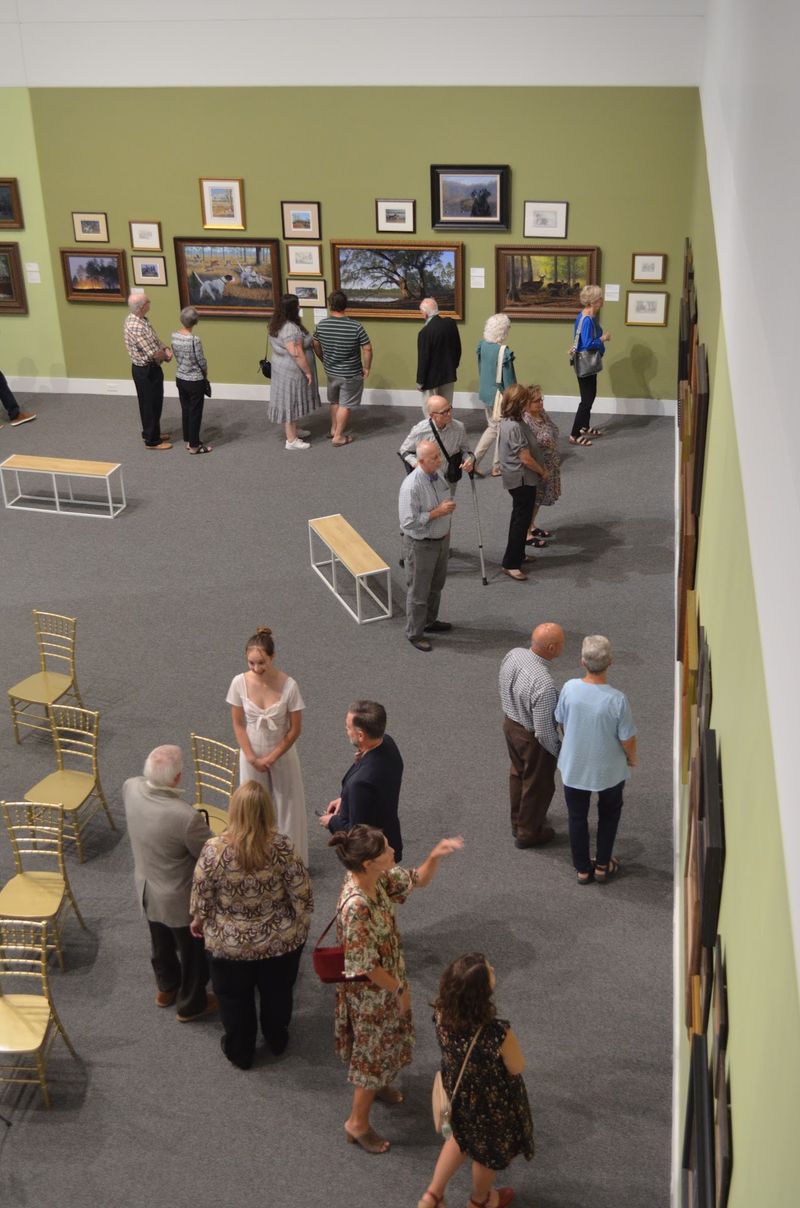
Color, creativity, and community come together nicely in this southwest Georgia stop.In Albany, the Albany Museum of Art offers a welcoming space for regional art, traveling exhibitions, and family learning.
The museum often feels approachable, which is helpful for visitors who are nervous about art spaces.
Instead of acting formal, it invites curiosity.Programs for children and teens give the museum a lively, local spirit.
Exhibits can include contemporary work, cultural themes, and pieces that encourage close looking.
That variety keeps the experience fresh and can lead to good conversations about meaning.Even a short visit can leave you thinking about how artists express identity and place.
Before you go, check the calendar for workshops, talks, or special displays.
Those extra events sometimes become the highlight of the day, especially for creative kids.A useful tip is to let each family member choose one artwork to explain to the group.
Hearing different opinions makes the galleries more fun and less intimidating.
Albany Museum of Art may be smaller than big-city museums, but its energy feels genuine.When you walk out, you remember what you saw and how the museum made art feel open.
Friendly, welcoming, and part of daily community life.
10. Georgia Museum of Natural History – Athens, Clarke County
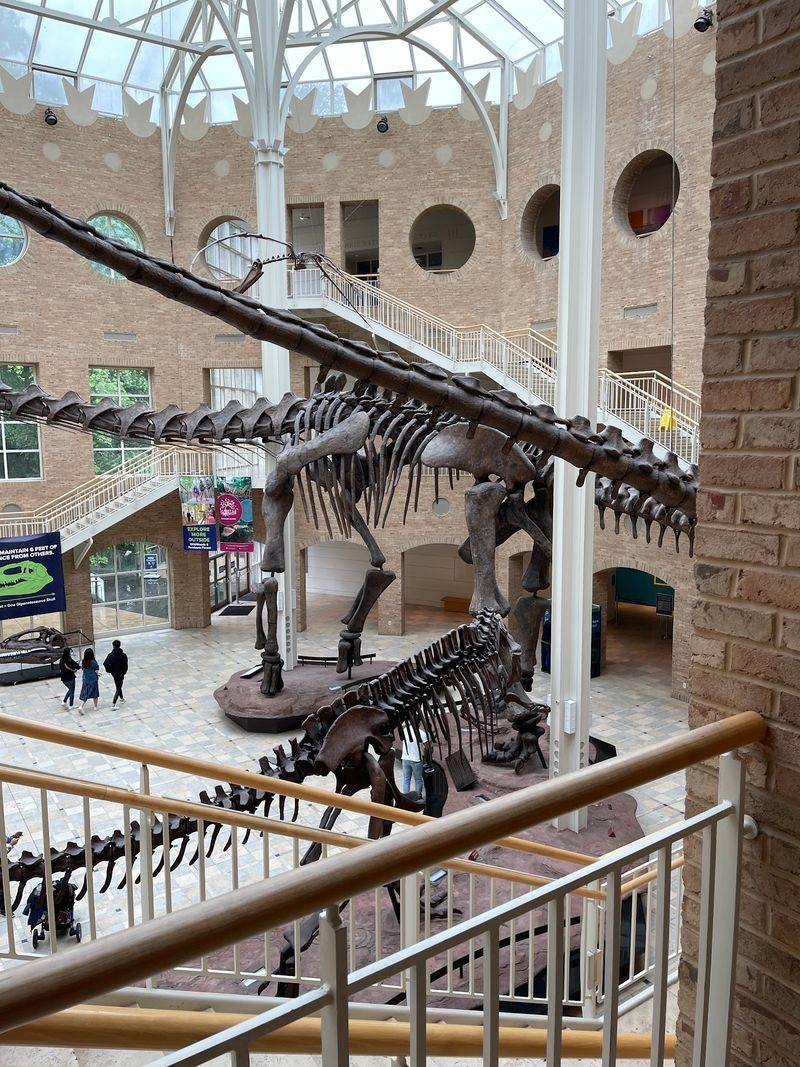
Dinosaurs, fossils, and shining stones can make science feel instantly exciting.In Athens, the Georgia Museum of Natural History helps visitors explore ancient life, animals, rocks, and the natural story of the region.
The museum is tied to the University of Georgia, which adds a strong learning focus.
Even so, it stays friendly for families and curious beginners.Skeletons and preserved specimens give children something concrete to study and compare.
One case might explain prehistoric creatures, while another highlights wildlife found closer to home.
That balance between faraway time and local nature makes the museum especially useful for school age visitors.Clear displays also help turn big science topics into manageable ideas.
Because galleries can inspire lots of questions, move slowly and give kids time to notice details.
Ask them what changed over millions of years or what animals still share similar features.Small prompts like that help transform a simple outing into active discovery.
Pair the visit with a walk around Athens for a fun college-town day.
Georgia Museum of Natural History may not fill a whole day for everyone, but it rewards careful attention.You leave seeing Georgia differently, from layers below to creatures that once lived here.
That lasting perspective makes a short visit feel much bigger.