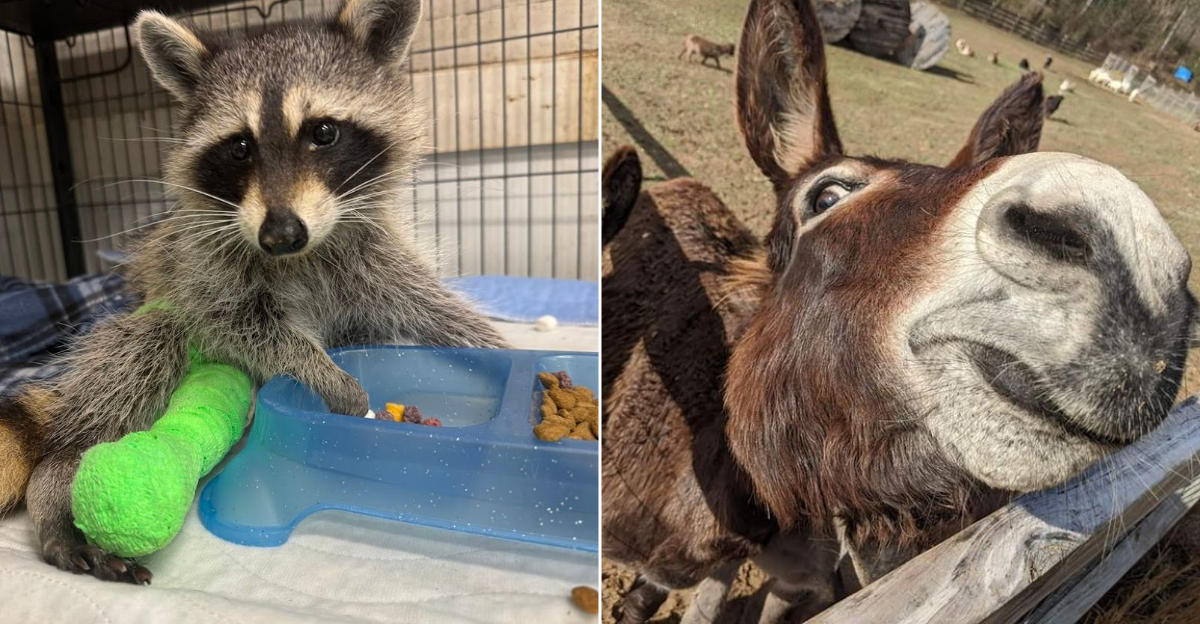
A curious goat wanders over to the fence, a rescued horse grazes quietly in the distance, and the rustle of trees replaces the noise of everyday life. Moments like these have a way of making time slow down.
Across South Carolina, animal sanctuaries offer more than a chance to meet remarkable creatures—they invite visitors to connect with places built on compassion, patience, and second chances.
From wildlife rehabilitation centers to farm animal rescues and sanctuaries that care for animals with extraordinary stories, South Carolina is home to meaningful destinations where education and conservation go hand in hand. You’ll leave with more than great photos, gaining a deeper appreciation for the people who dedicate their lives to protecting animals and creating safe places for them to thrive.
If you’re looking for an outing that is both memorable and inspiring, these 12 South Carolina animal sanctuaries are well worth spending the day exploring.
Keeper of the Wild
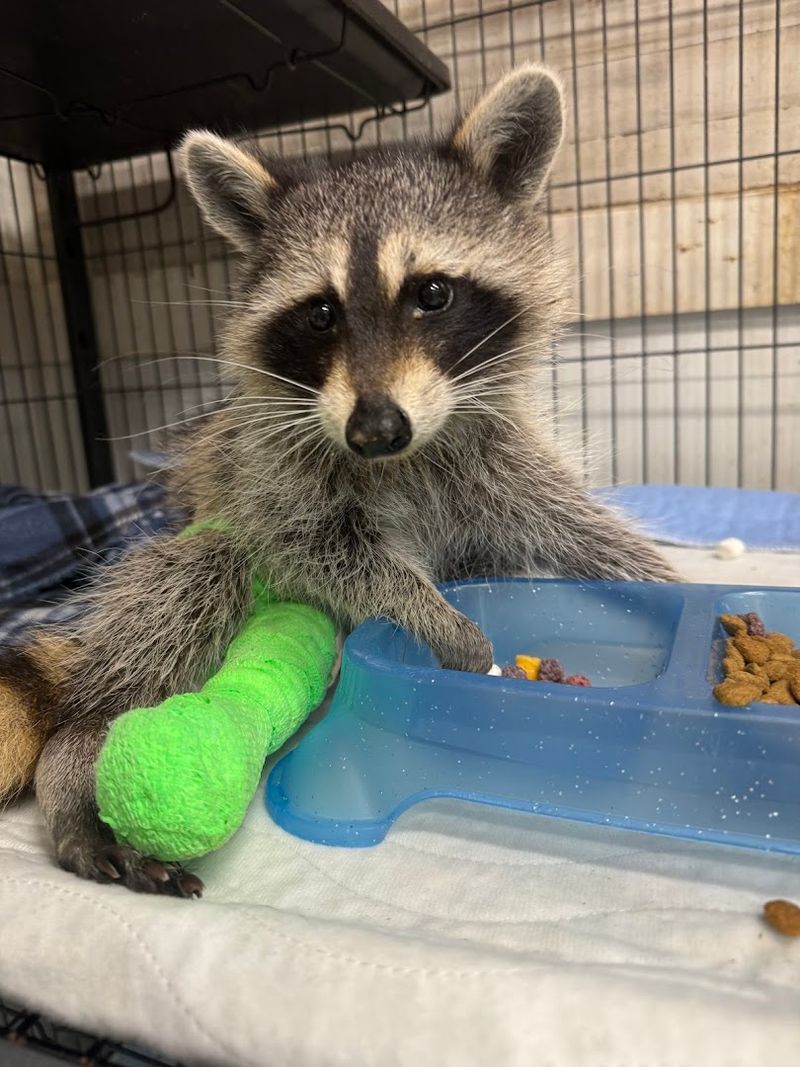
You can feel the Lowcountry air before you even step out of the car – humid, green, and full of that slow Southern softness that makes everything seem unhurried. Then a distant animal sound cuts through the stillness, and suddenly the day feels charged with curiosity.
That is the mood at Keeper of the Wild in Walterboro, where the experience feels personal rather than polished. The setting is leafy and intimate, and the stories behind the animals add a layer of gravity that stays with you longer than any quick photo stop would.
There is something memorable about moving through a place where compassion shapes the landscape. Between shaded walkways, quiet observation, and the sense that every resident landed somewhere safer than before, the visit carries a weight that feels meaningful without ever becoming heavy, which is exactly why it lingers after you leave.
Carolina Wildlife Center
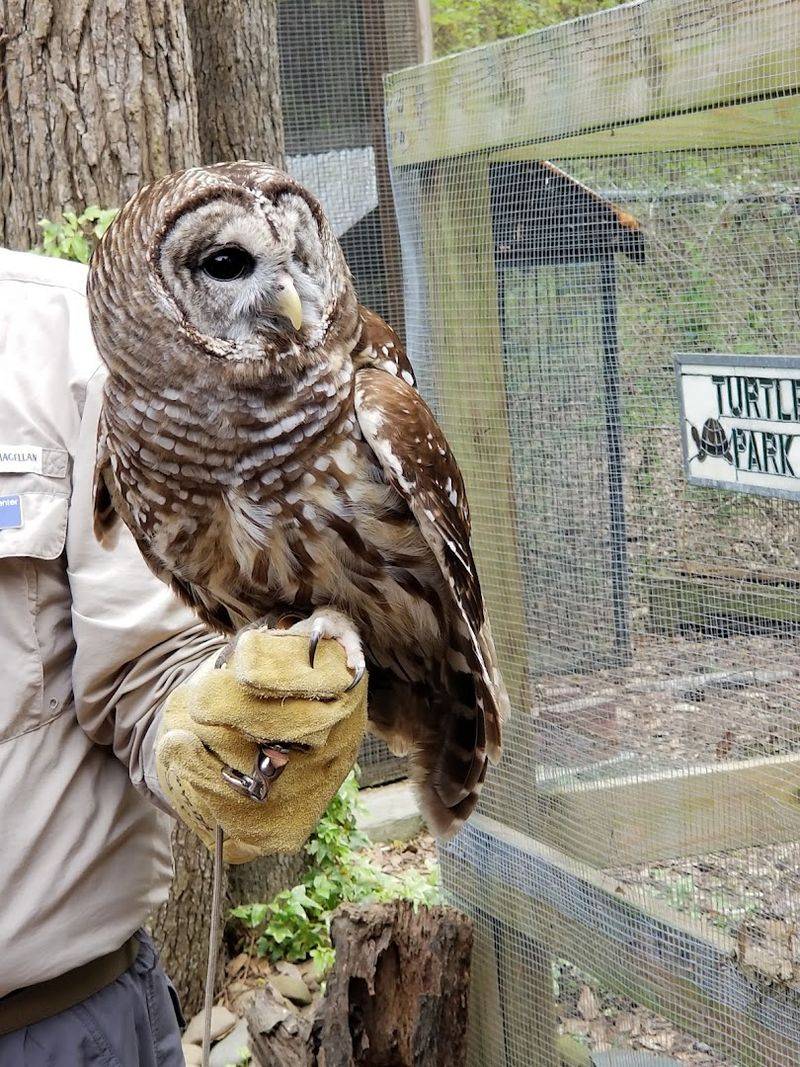
There is a different kind of beauty in a place built for second chances. Instead of trying to impress you all at once, it reveals itself through careful details – a clean habitat, a quiet educational sign, the focused energy of people doing patient work.
At Carolina Wildlife Center in Columbia, that sense of intention is everywhere. Native species are the heart of the experience, and the setting feels rooted in the landscapes these animals belong to, which makes the visit feel connected to the wider state rather than sealed off from it.
You leave with more than a pleasant afternoon. Between the wooded surroundings, the chance to understand rehabilitation up close, and the reminder that injured wildlife often survives because someone chose to care, the center offers the rare combination of calm, learning, and emotional pull that can easily stretch a short stop into half a day.
Wild Things Freedom Center
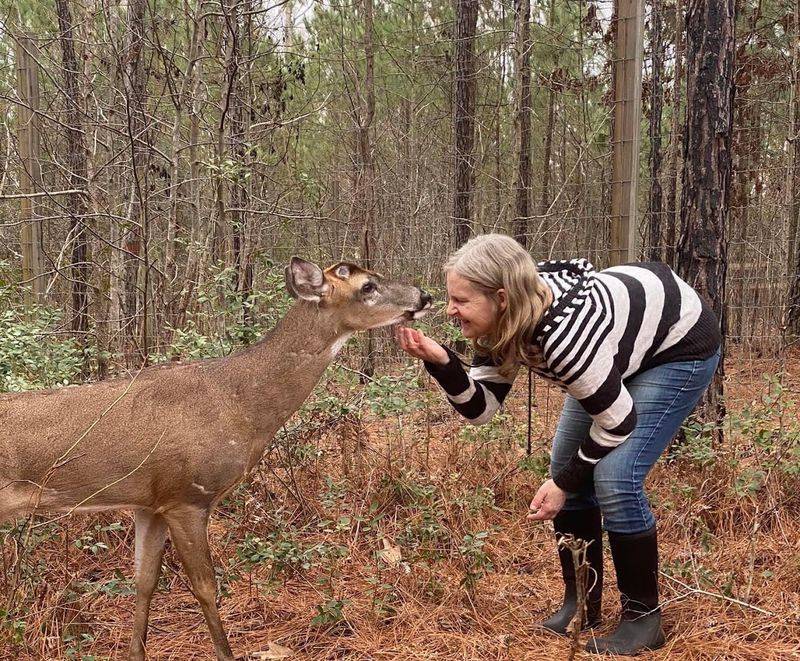
Some places feel almost hidden, as if you have wandered into a softer version of the world by accident. The air seems lighter, the colors look richer, and even your footsteps start to quiet down without you realizing it.
That is the pull of Wild Things Freedom Center near Georgetown, where the coastal landscape adds its own gentle drama. With marshy light, open sky, and the presence of rehabilitated wildlife, the sanctuary carries a sense of tenderness that fits beautifully with this part of South Carolina.
It is the kind of stop that invites you to linger. Maybe it is the natural scenery, maybe it is the emotional weight of rescue and release, or maybe it is simply the chance to stand somewhere that values healing over hurry, but the whole visit feels expansive in a way that makes your schedule seem less urgent than it did before.
Wildlife Rehab Group of South Carolina
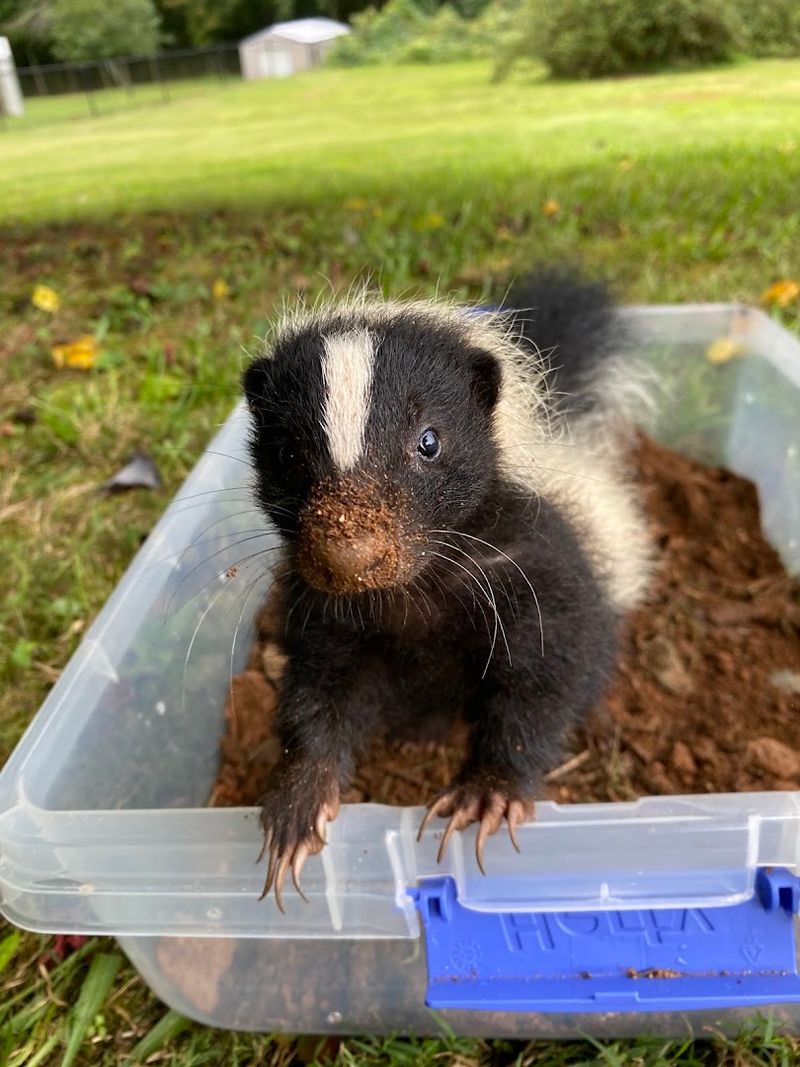
Not every meaningful wildlife stop comes with a grand entrance. Sometimes the most affecting experiences begin with a simple reminder that rescue work is often quiet, complicated, and powered by people who never expect applause.
That is part of what makes the Wildlife Rehab Group of South Carolina so compelling, especially for travelers around the Greenville area who want to connect with the state beyond the usual scenic overlooks and downtown strolls. Its work speaks to a wider network of care, one that stretches across neighborhoods, roadsides, and wooded backyards where injured animals are found.
Even without a traditional visitor experience, the organization belongs on this list because it changes how you see the landscape around you. Suddenly every hawk overhead, every squirrel darting across a fence, and every nest tucked into a tree feels more vulnerable and more worth protecting, which is a surprisingly powerful shift to carry home.
Snug Harbor Wildlife Rescue and Sanctuary
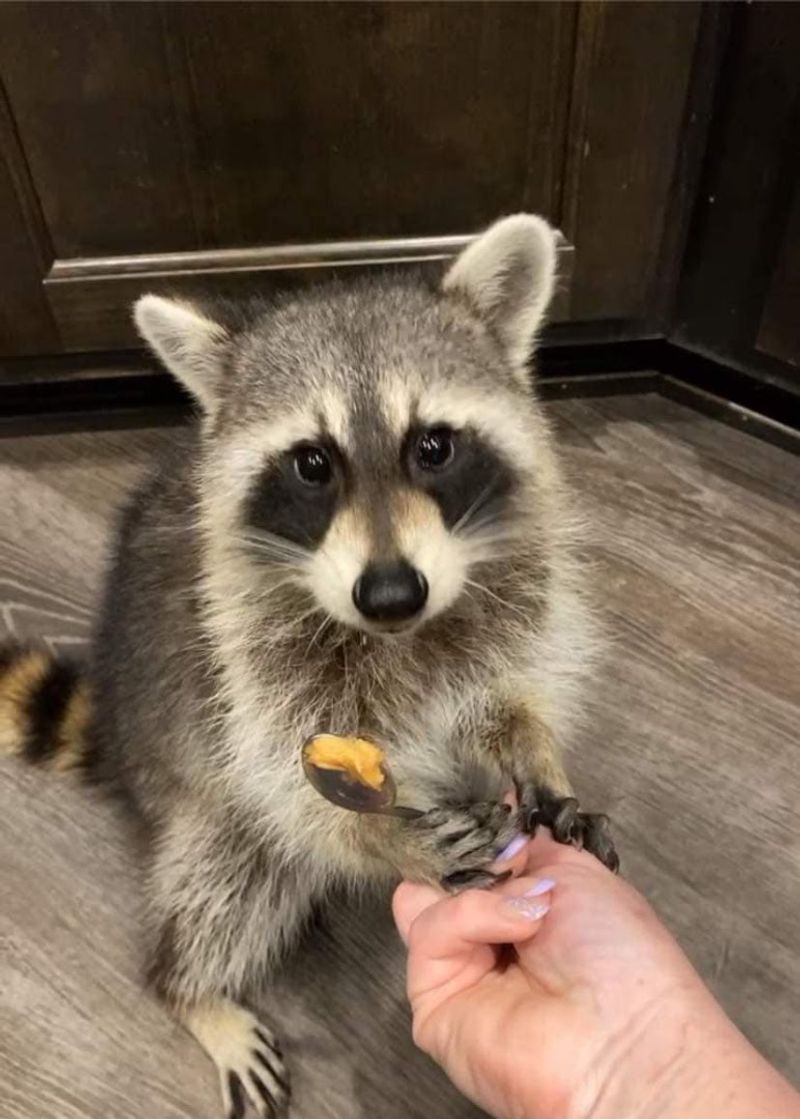
The name alone suggests comfort, and somehow the atmosphere lives up to it. There is a softness to the idea of a harbor for wild creatures, especially in a world that often feels too rushed to notice what is hurt and small.
In Lexington, Snug Harbor Wildlife Rescue and Sanctuary carries that feeling into the landscape itself. The setting feels intimate and grounded, the kind of place where recovery matters more than display, and where the surrounding trees seem to deepen the calm rather than frame it.
What makes it memorable is how easily it shifts your pace. You start paying attention to birdsong, patches of shade, and the quiet dignity of animals being given time and safety, and that turns an ordinary outing into something more reflective.
By the time you leave, it is hard not to feel grateful that places like this exist at all, tucked into everyday South Carolina life.
Black Creek Wildlife Rescue Center
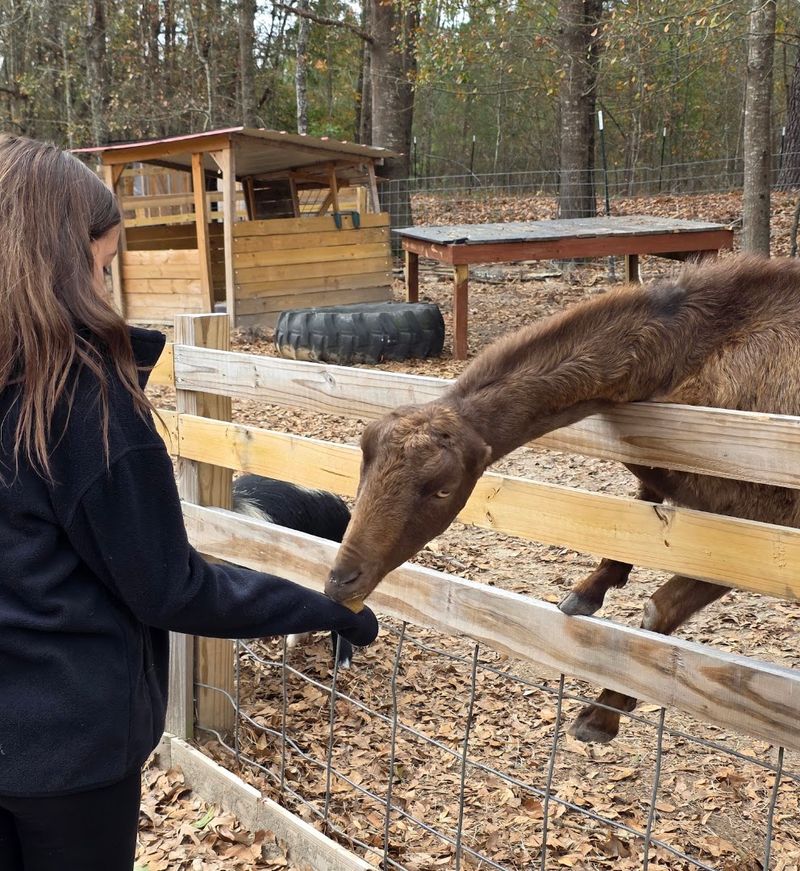
There is something about rural roads that prepares you for places with heart. The scenery opens up, the pace drops, and by the time you reach the entrance, you are already in a better state of mind for noticing what really matters.
Black Creek Wildlife Rescue Center in Bishopville feels shaped by that slower rhythm. The surroundings are simple and unpretentious, which only makes the mission stand out more clearly – this is a place where injured and displaced wildlife are met with patience, skill, and space to recover.
What stays with you are the textures of the visit: open sky, the earthy smell of warm ground, the possibility of spotting movement where you least expect it. It does not rely on flash or spectacle, and that is exactly its strength.
If you are drawn to places that feel sincere, useful, and deeply rooted in their community, this one can hold your attention for hours.
Magnolia Fawn Rescue
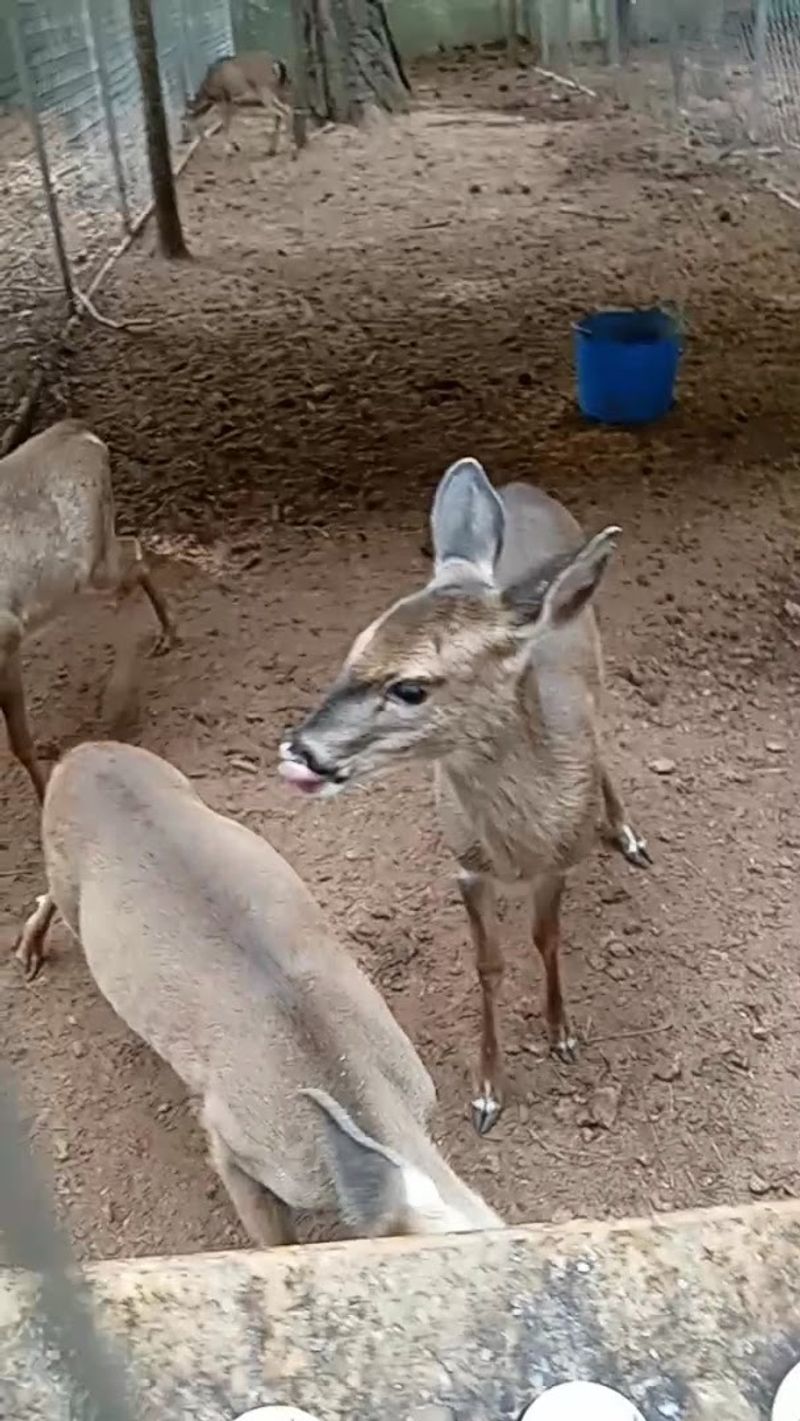
Few things soften a day faster than the sight of a fawn moving carefully through tall grass. There is an instant hush that comes with it, a feeling that you have stepped into a quieter story than the one you started with that morning.
Magnolia Fawn Rescue in Gray Court leans into that tenderness without becoming sentimental. The setting is pastoral and calm, and the focus on vulnerable young deer gives the place an emotional immediacy that feels especially moving if you have ever spotted a fawn at the edge of a field and wondered what happened next.
You can imagine spending far longer here than planned, just watching light move across the property and appreciating the patience behind every rescue. The beauty is in the details – the rural stillness, the careful attention, the fragile elegance of the animals themselves – and together they create a stop that feels less like sightseeing and more like being invited into an act of care.
Wild Pines Sanctuary
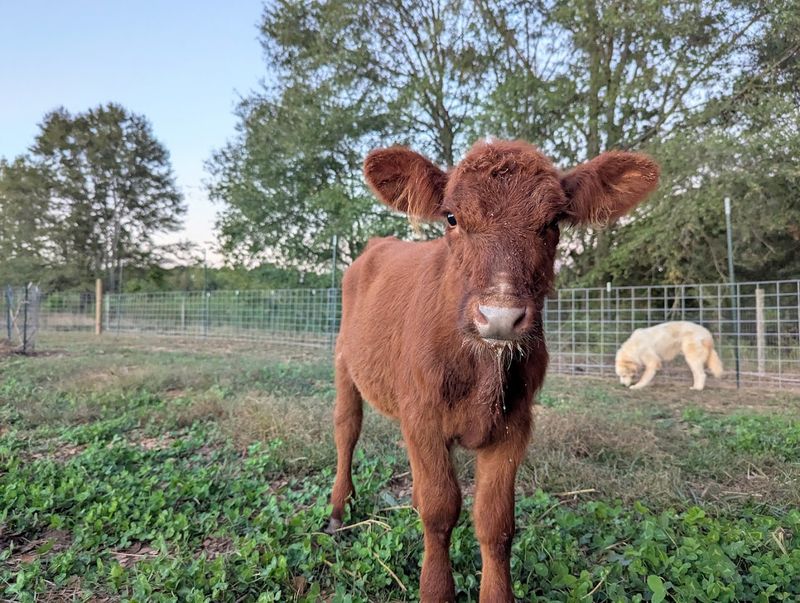
The scent of pine has a way of making everything feel cleaner and more spacious. Add the sounds of rustling needles and distant animal movement, and the whole setting takes on a meditative quality that is hard to rush through.
That atmosphere defines Wild Pines Sanctuary in Union, where the landscape does a lot of quiet storytelling. Tall trees frame the experience, and the sanctuary feels tucked into them rather than imposed on them, which gives the visit a natural ease that is immediately appealing.
There is no need for dramatic flourishes when the place already offers so much mood. Between the shade, the sense of seclusion, and the meaningful work happening behind the scenes, it becomes the kind of destination where you stop checking the time.
If your favorite travel memories tend to involve calm settings and unexpected emotional resonance, this sanctuary fits that category beautifully and without trying too hard.
Izzie’s Pond
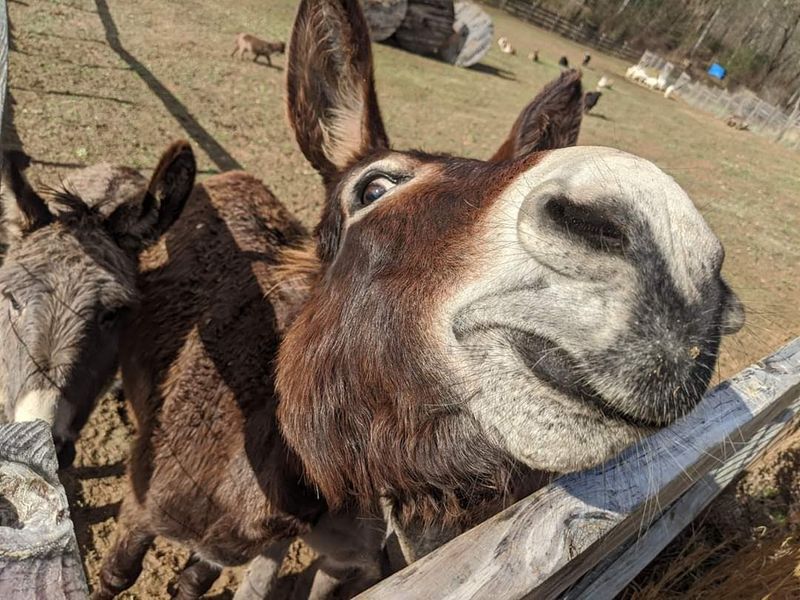
Water changes the mood of a place instantly. A pond catches light, reflects sky, and slows your thoughts enough that even the smallest ripple feels worth noticing, especially when animals move through the scene with complete ease.
That is part of the appeal at Izzie’s Pond in Liberty, a sanctuary that seems to invite stillness first and curiosity second. The setting feels deeply personal, almost like discovering a hidden corner of the countryside where care and nature have learned to share the same gentle rhythm.
What makes a visit memorable is not one dramatic moment, but the accumulation of quiet ones – birds near the waterline, the breeze moving through grass, and the soft sense that this place exists because someone cared enough to build it. If you are drawn to destinations that feel intimate, restorative, and a little bit secret, this is exactly the sort of stop that can stretch pleasantly into an entire afternoon.
Avian Conservation Center / Center for Birds of Prey
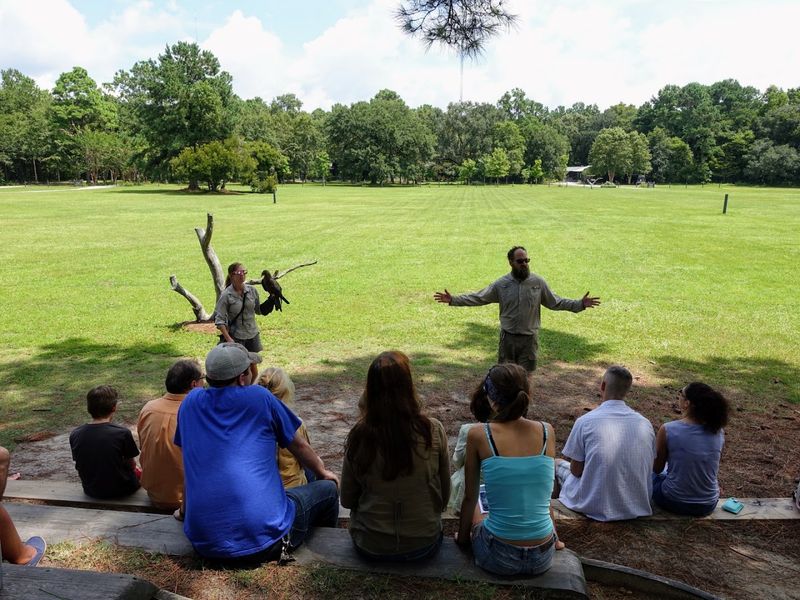
You look up more here. Wings command that kind of attention, especially when the birds are powerful enough to make the sky feel occupied rather than empty, and every movement seems to carry a kind of ancient precision.
At the Avian Conservation Center, also known as the Center for Birds of Prey in Awendaw, the experience is both visually striking and deeply informative. The Lowcountry setting gives the birds a dramatic backdrop, and seeing raptors in a place dedicated to conservation creates a strong sense of scale, purpose, and respect.
Specific moments tend to linger: the sharp curve of a beak, the stillness before flight, the open air around the grounds off Highway 17. It is one of those destinations where education never feels dry because awe does so much of the teaching for you.
If you enjoy travel that leaves you both impressed and more attentive to the natural world, this stop easily earns your time.
Audubon’s Silver Bluff Sanctuary
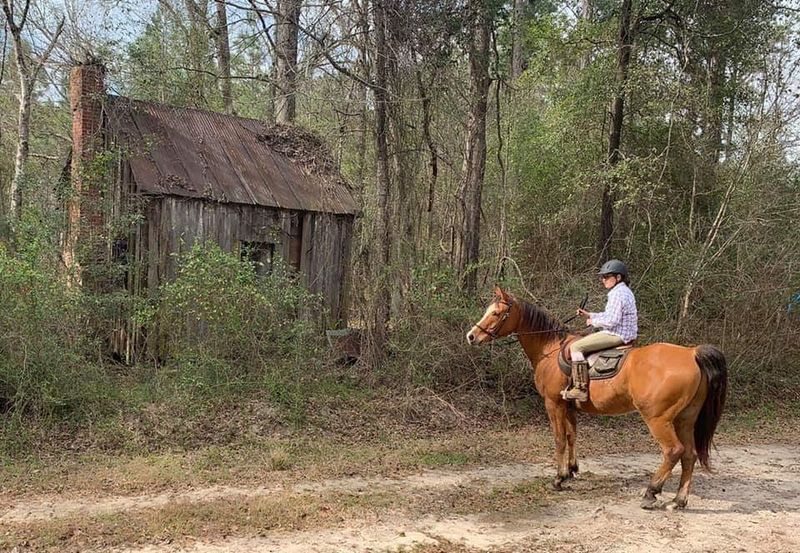
Dawn would be ideal, but almost any hour feels special when wetlands, woods, and birds come together like this. The landscape shifts with light and sound, and every turn seems to reveal another reason to stop walking and simply watch.
Audubon’s Silver Bluff Sanctuary in Jackson has that expansive, layered beauty that rewards patience. Set along the Savannah River, it blends trails, water, and wildlife in a way that feels less like a single attraction and more like a living mosaic of habitats.
You might notice egrets lifting from the marsh, sunlight filtering through trees, or the surprising calm that comes from standing near so much motion in nature. It is the kind of place where a simple walk becomes the whole point of the day, especially if you enjoy birding, photography, or just the rare pleasure of feeling fully absorbed by a landscape.
South Carolina has many beautiful corners, but this one invites true lingering.
Dill Sanctuary
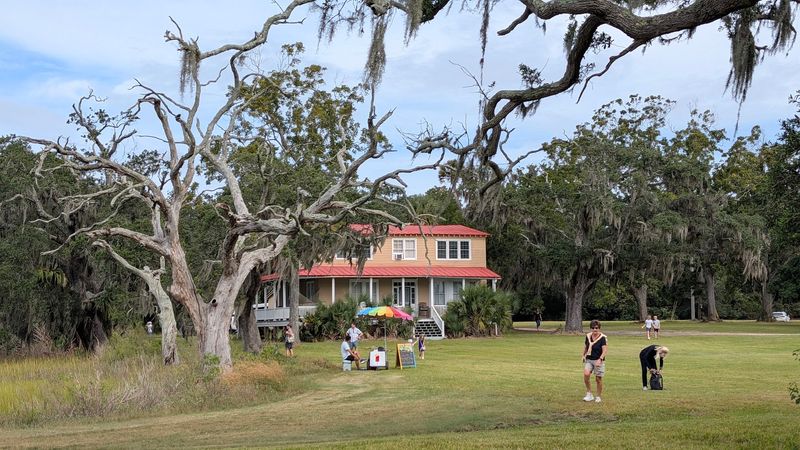
The city feels far away here, even though it really is not. Tidal air, marsh views, and the filtered shade of a maritime forest create the kind of atmosphere that makes your shoulders drop before you have even gone very far.
Dill Sanctuary on Charleston’s James Island offers a quieter side of the Lowcountry, one where wildlife and landscape share equal billing. Instead of demanding your attention, it lets the details gather slowly – oyster shell paths, shifting water, bird calls from the reeds, and long stretches of calm between them.
That slow build is exactly why it is easy to spend hours here. Whether you are walking beneath old trees or pausing to take in the marsh light along Riverland Drive, the sanctuary gives you room to notice things at a gentler pace.
It feels restorative without trying to be, which may be the most convincing reason of all to make time for it.