August in North Carolina can feel like a giant outdoor oven, but the best escapes do not have to cook your wallet.
Across the state, museums, parks, beaches, trails, and historic sites open their doors, paths, and shady corners for free.
That means families can learn about dinosaurs in Raleigh, climb quiet mountain trails near Hillsborough, or wander beside coastal waters without paying admission.
Free does not mean boring here, because these spots come with shipwreck stories, strange plants, bold art, old forts, and rivers cool enough to make summer behave.
If you are planning one last sunny adventure before school routines return, this list is your friendly shortcut.
Pack water, grab snacks, check hours before you go, and choose the stop that fits your mood.
North Carolina is basically handing out mini vacations, and all you need is curiosity, comfortable shoes, and maybe sunscreen.
1. North Carolina Museum of Natural Sciences – Raleigh
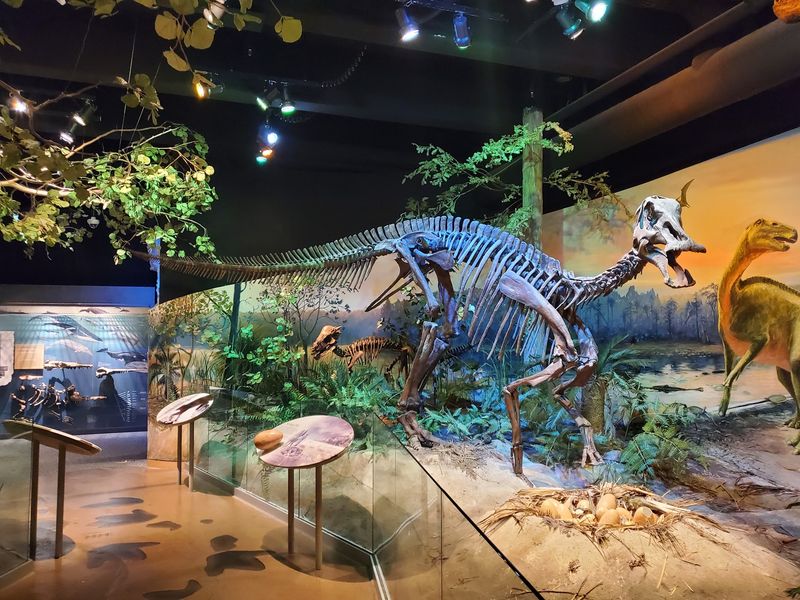
A giant sloth skeleton is not the kind of roommate most people expect, yet Raleigh has one waiting indoors.
The North Carolina Museum of Natural Sciences offers free general admission, making it one of the easiest August wins in the state.
Located in downtown Raleigh on West Jones Street, the museum fills several floors with fossils, live animals, minerals, weather exhibits, and hands-on science displays.
Kids can stare up at dinosaur bones, watch researchers through glass, or meet creatures that make regular pets seem very ordinary.
Adults get plenty too, from coastal ecology to space science, so nobody has to pretend they are only there for the children.
August is a smart time to visit because the air conditioning works hard while the exhibits keep brains busy.
Go early if you want smaller crowds, especially on weekends.
Bring a light jacket for chilly galleries, and check the museum calendar for free talks or special demonstrations.
Parking may cost nearby, but admission stays blissfully zero.
That is science with a budget-friendly roar.
2. North Carolina Museum of Art Outdoor Park – Raleigh
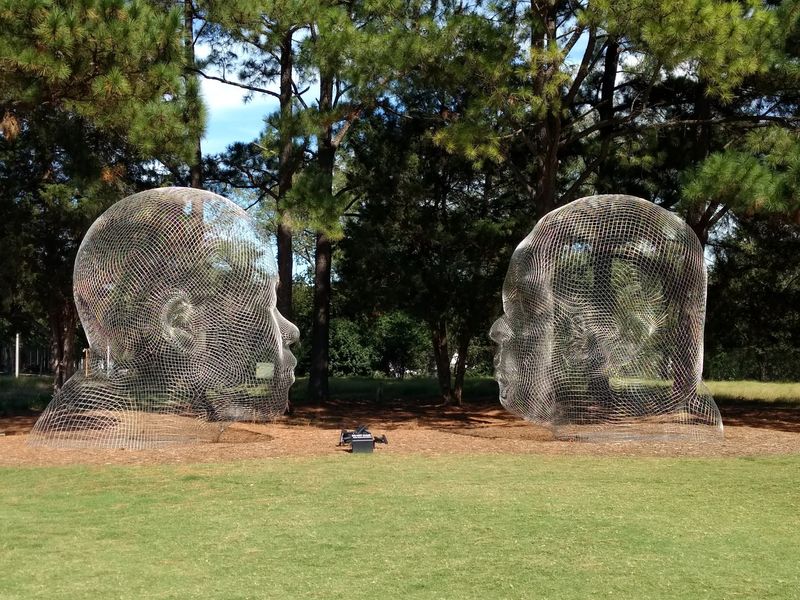
Art gets a breath of fresh air at this Raleigh park, and nobody has to whisper like they are guarding a secret sandwich.
The North Carolina Museum of Art Outdoor Park is free to explore, with walking paths, open lawns, wooded areas, and large sculptures spread across the grounds on Blue Ridge Road.
It feels part museum, part picnic spot, and part surprise treasure hunt.
August visitors should bring water, hats, and shoes that can handle a good stroll.
Some paths are sunny, while others slip into shade, so you can adjust your route when the heat starts acting bossy.
Look for bold outdoor works that change as clouds move or sunlight shifts.
The park also connects art with nature, which makes it friendly for people who think museums are too quiet or trails need more personality.
Families can let kids burn energy while still sneaking in culture.
Couples can turn a simple walk into a low-cost date.
If you visit near sunset, the sculptures glow beautifully.
3. Gregg Museum of Art & Design – Raleigh

Tucked near North Carolina State University, the Gregg Museum of Art & Design feels like the clever friend who always knows the cool side street.
Admission is free, and the museum sits on Hillsborough Street in Raleigh, close to campus energy without feeling rushed.
Inside, visitors find changing exhibits that may include textiles, photography, ceramics, folk art, design objects, or works from global cultures.
The building itself mixes a historic home with modern gallery space, which gives the visit a cozy but creative feel.
You might see a quilt that tells a family story, a strange chair that looks ready for a science fiction movie, or jewelry with wild detail.
Because exhibits rotate, check the website before heading over in August.
That quick peek helps you match the trip to your interests.
Plan about an hour, unless you are the type who reads every label, no judgment there.
Nearby paid parking rules can vary, so read signs carefully.
For a free indoor break with style, the Gregg is a small gem with big ideas.
4. High Point Museum – High Point

Furniture City has more than chairs, and the High Point Museum proves local history can stand on its own four sturdy legs.
Free admission makes this Guilford County stop an easy choice for families, road-trippers, or anyone curious about how High Point grew into a major furniture and textile center.
The museum is located on East Lexington Avenue and focuses on the people, businesses, and everyday life that shaped the area.
Exhibits often cover industry, transportation, home life, and community stories.
Outside, historical buildings add extra charm, including structures that help visitors picture earlier life in the region.
August is a good time to pair the museum with a relaxed lunch nearby, especially if the heat makes outdoor plans wobble.
Check hours before visiting, since smaller museums may adjust schedules.
Kids can connect with objects they recognize, like tools or household items, while adults may enjoy seeing how local work became nationally known.
It is not flashy in a loud way.
Instead, it quietly says, pull up a chair, we have stories.
5. Graveyard of the Atlantic Museum – Hatteras
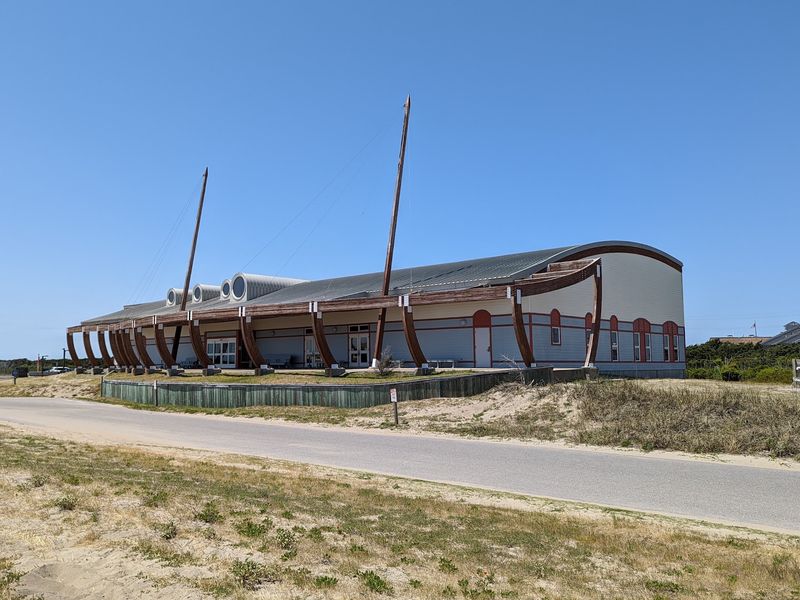
The name sounds like a pirate warning, and honestly, that is part of the fun.
The Graveyard of the Atlantic Museum in Hatteras offers free admission and tells the wild story of shipwrecks along the dangerous waters off North Carolina’s Outer Banks.
This stretch of coast earned its spooky nickname because storms, shifting shoals, and strong currents sent many vessels into trouble.
Inside, exhibits share tales of sailors, lifesaving crews, war history, diving, and recovered artifacts.
You can learn why Cape Hatteras became both famous and feared among mariners.
August beach days can be bright and sticky, so the museum gives visitors a cool break between ferry rides, lighthouse visits, or time on the sand.
It sits near the Hatteras ferry area, which makes it handy for Outer Banks explorers.
Check current hours, since coastal schedules can change with construction or weather.
The displays work well for curious kids, history fans, and anyone who loves a good real-life adventure story.
Best of all, the only thing sinking here is your stress level.
6. Fort Fisher State Historic Site – Kure Beach
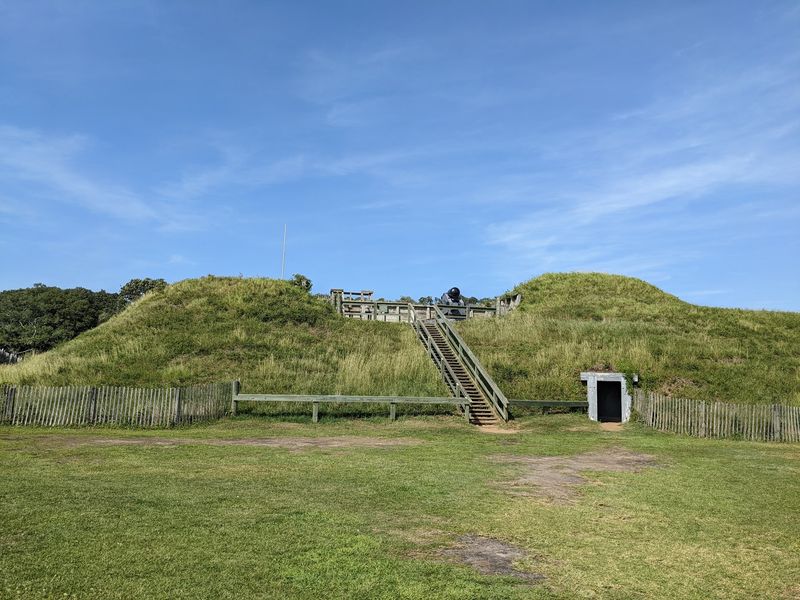
Salt air, old cannons, and sandy earthworks make Fort Fisher feel like a history book that wandered outside.
This state historic site in Kure Beach offers free access to the grounds and exhibits, giving visitors a close look at one of the Civil War’s important coastal forts.
Fort Fisher once protected the port of Wilmington, a key supply route for the Confederacy.
Today, the visitor center, interpretive signs, and remaining earthworks help explain what happened here without making the past feel dusty.
You can walk the trail, read about the battles, and imagine how difficult coastal fighting must have been.
August visitors should bring sunscreen, water, and patience for hot sand and bright sun.
Go earlier in the morning if you want a quieter, cooler trip.
The site pairs well with nearby beaches, the North Carolina Aquarium at Fort Fisher, or a scenic drive along the coast.
While aquarium admission costs money, the historic site stays free.
For families, it is a smart way to add meaning to a beach day without draining the snack budget.
7. Eno River State Park – Durham
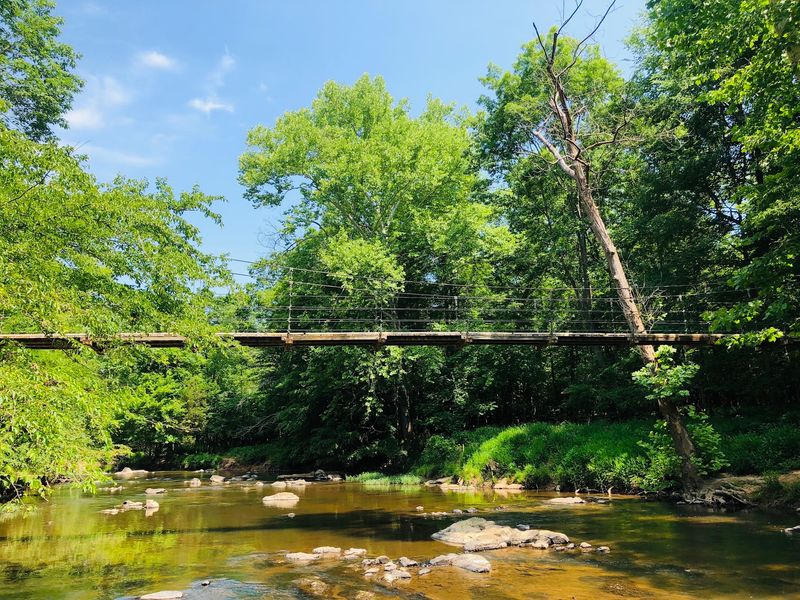
Some rivers seem to rush, but the Eno often feels like it is inviting you to slow down and breathe.
Eno River State Park in Durham has free admission and offers miles of trails, rocky river views, picnic spots, and shady woods.
It is a favorite escape for Triangle residents who want nature without driving all day.
Popular access areas include Fews Ford, Cole Mill, and Pump Station, each with different trail options.
Some routes stay gentle, while others climb enough to remind your legs they made plans without asking you.
In August, heat and humidity matter, so start early and carry more water than you think you need.
Wear shoes with grip if you plan to walk near rocks, since wet stone can be slippery.
Swimming is not allowed in all areas, so follow posted rules and keep safety first.
The park is great for birdwatching, quiet photos, and short family hikes.
After rain, the river can rise quickly, so check conditions before visiting.
For a free day outdoors, the Eno brings calm, shade, and a little wild magic.
8. Occoneechee Mountain State Natural Area – Hillsborough
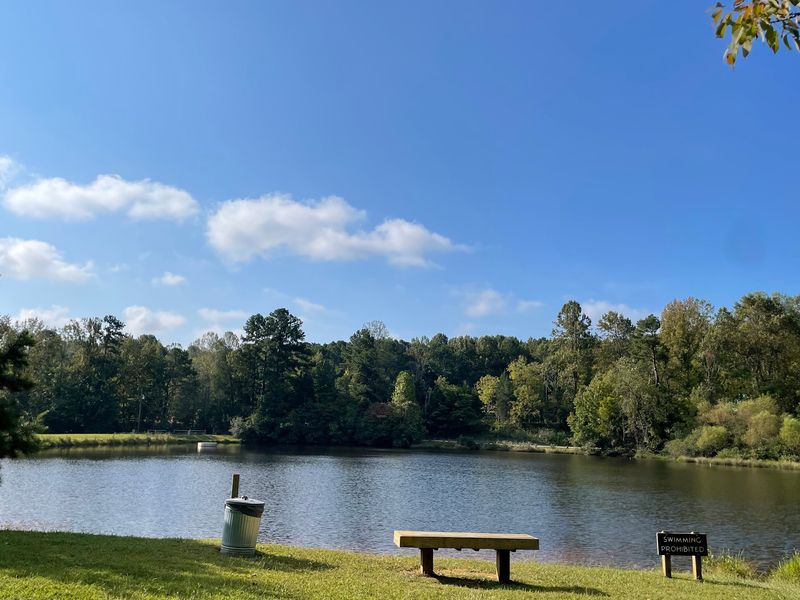
North Carolina hides a mountain near Hillsborough, and it pops up like a surprise quiz with a much better view.
Occoneechee Mountain State Natural Area offers free admission and protects the highest point in Orange County.
Located just outside historic Hillsborough, it gives hikers wooded trails, river views, old quarry scenery, and a peaceful break from busy roads.
The Occoneechee Mountain Loop is a popular choice, but expect some climbing.
It is not a giant Blue Ridge trek, yet August heat can make even modest hills feel dramatic.
Bring water, bug spray, and sturdy shoes.
A slow pace helps you notice small details, from tree bark textures to birds flicking through the canopy.
The overlook gives a rewarding view, especially when the sky is clear.
Because this is a natural area, facilities are limited compared with larger parks, so plan ahead.
Pets are allowed on leash, which means your dog can enjoy the adventure too, though your dog may pretend it discovered the mountain first.
For free exercise with a scenic payoff, Occoneechee delivers nicely.
9. Carolina Beach State Park – Carolina Beach
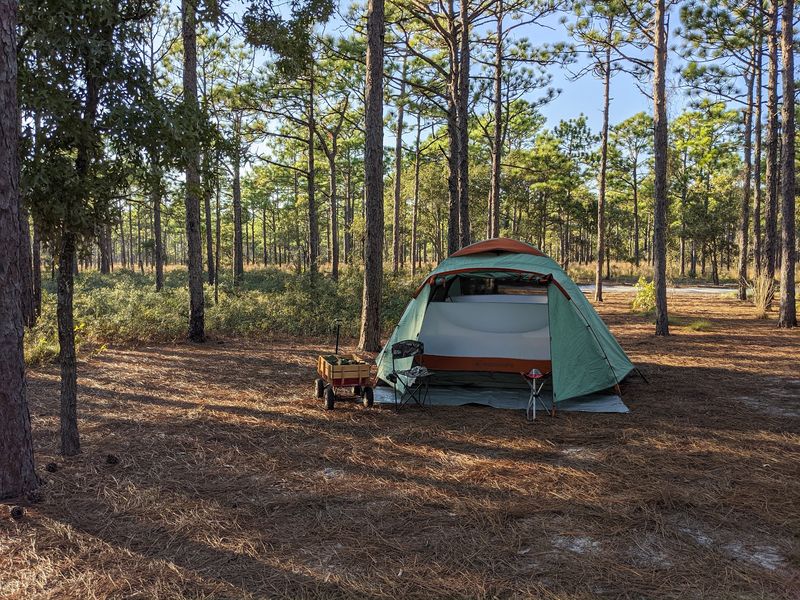
Venus flytraps live here, which instantly makes a walk feel like nature added tiny green drama.
Carolina Beach State Park, located near Carolina Beach in New Hanover County, has free admission and offers trails, river views, camping areas, and a marina setting near the Cape Fear River.
The park is famous for carnivorous plants, including Venus flytraps, which grow naturally only in a small part of the Carolinas.
Stay on marked trails, because these rare plants need protection and sandy soils can be fragile.
The Flytrap Trail is a favorite, though plant sightings depend on season and conditions.
August can be hot, buggy, and bright, so bring water, sunscreen, and insect repellent.
Early morning visits feel calmer and cooler.
The park also works well as a quieter counterpoint to the busy beach nearby.
Families can mix science, walking, and coastal scenery without buying tickets.
Boaters use the marina, hikers enjoy piney paths, and curious visitors leave knowing that some plants really do eat bugs.
That is free entertainment with teeth, sort of.
10. Merchants Millpond State Park – Gatesville
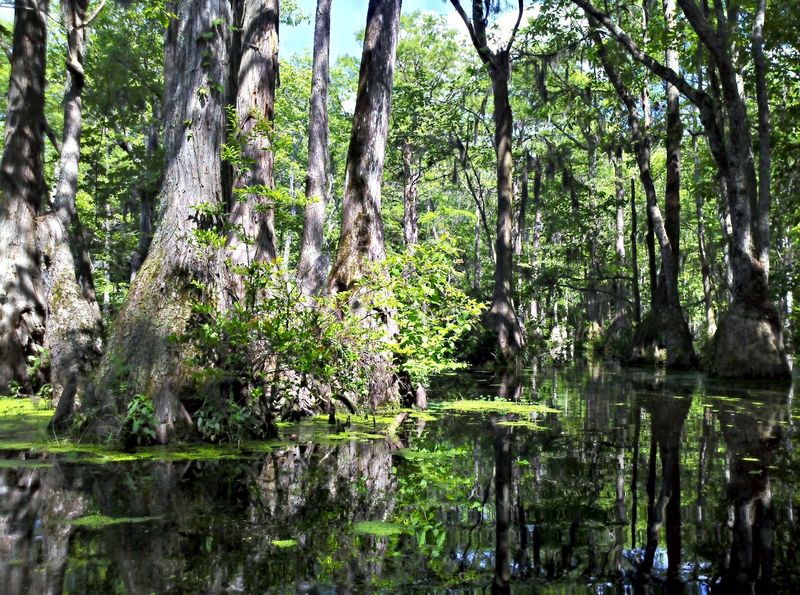
Cypress knees poke from the water like tiny swamp castles at Merchants Millpond State Park.
This free state park near Gatesville in northeastern North Carolina feels different from mountain trails or beach parks.
Its star is a quiet millpond surrounded by bald cypress, tupelo gum trees, Spanish moss, and dark reflective water.
Visitors can hike, picnic, fish with proper licenses, or paddle by canoe and kayak.
Boat rentals may cost money when available, but park admission itself is free.
August brings warm air and plenty of insects, so bug spray is not optional unless mosquitoes have invited you personally.
Wear breathable clothing, pack water, and check rental availability before making a long drive.
Wildlife watchers may spot turtles, birds, frogs, and maybe an alligator, so give animals space and skip the swamp selfies that require bad decisions.
The park has a quiet, mysterious mood that rewards patience.
If you enjoy places that feel old, still, and slightly enchanted, Merchants Millpond is a memorable free stop.
It proves North Carolina’s wild side is not all mountains and waves.
11. New River State Park – Laurel Springs
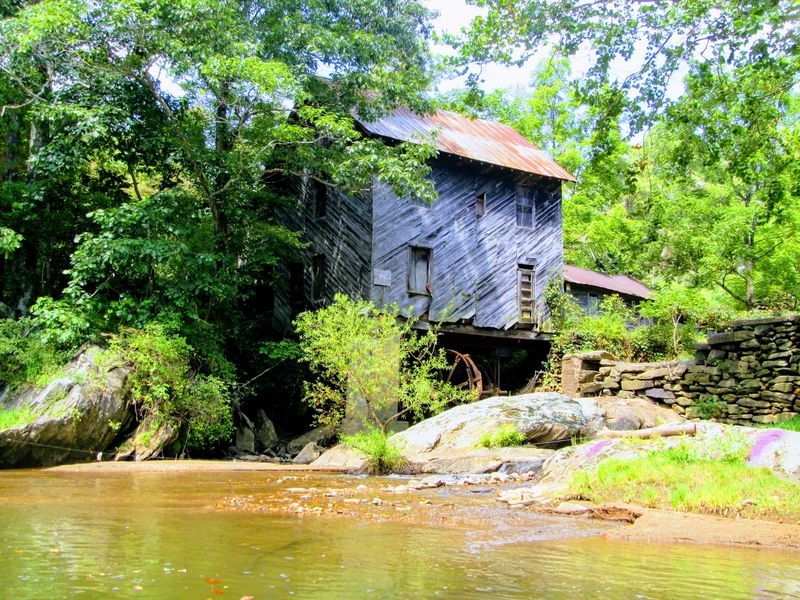
The New River has an old soul, which is funny because its name sounds like it just opened last Tuesday.
New River State Park near Laurel Springs offers free admission and protects scenic stretches of one of the oldest rivers in North America.
The park sits in the northwestern part of the state, where rolling hills, cool water, and wide skies create a peaceful mountain getaway.
Visitors can hike riverside trails, picnic, fish with the proper license, or launch a paddle trip.
Canoe and tubing services nearby may charge fees, but walking in and enjoying the park costs nothing.
August is a lovely time to visit if you plan around afternoon storms and bring sun protection.
Water shoes help along rocky edges, and a dry bag is useful if paddling is part of your day.
Check river levels before getting on the water, because conditions can change after rain.
The park has multiple access areas, so confirm your destination before driving.
For anyone craving a slower pace, New River State Park offers mountain calm without an admission booth waiting at the gate.